• Skip to primary navigation
  • Skip to main content
  • Skip to primary sidebar
  • About/Contact
  • Fusenews
  • Reviews
  • Librarian Previews
  • Best Books
    • Top 100
    • Best Books of 2022
    • Best Books of 2021
    • Best Books of 2020
    • Best Books of 2019
    • Best Books of 2018
    • Best Books of 2017
    • Best Books of 2016
    • Best Books of 2015
    • Best Books of 2014
    • Best Books of 2013
  • Fuse 8 n’ Kate
  • Videos
  • Press Release Fun

In Memoriam: Remembering Those Lost in 2022

In Memoriam: Remembering Those Lost in 2022

January 2, 2023 by Betsy Bird

As we enter into a new year, we remember those lost to us in 2022. So many of these creators’ books touched the minds and hearts of children everywhere. Their works will outlive us all. We celebrate their lives and works.


Steve Jenkins

March 31, 1952 – December 26, 2021
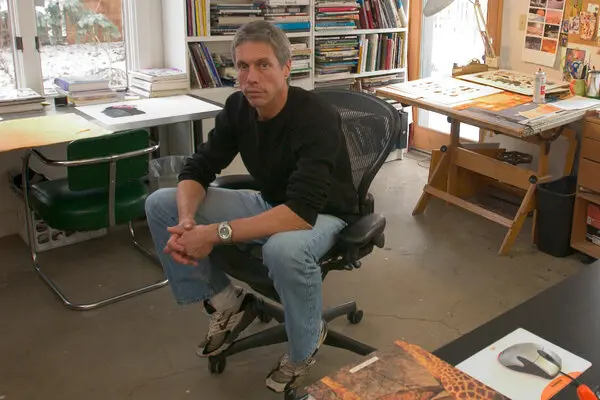
“I so admired his extraordinary design sensibility and the way he infused his creatures with a special spark that made them feel almost alive. He had a thoughtful and uncommonly mellow manner—always laced with a touch of humor— that made him a true pleasure to work with. He was so wonderfully mellow, in fact, that his art directors and I noted we always felt significantly calmer after speaking with him. We will miss Steve very much, but it is comforting to know that his fascinating and gorgeous books will continue captivating children for many years to come.” – Andrea Welch, Publishers Weekly


Ali Mitgutsch

August 21, 1935 – January 10, 2022
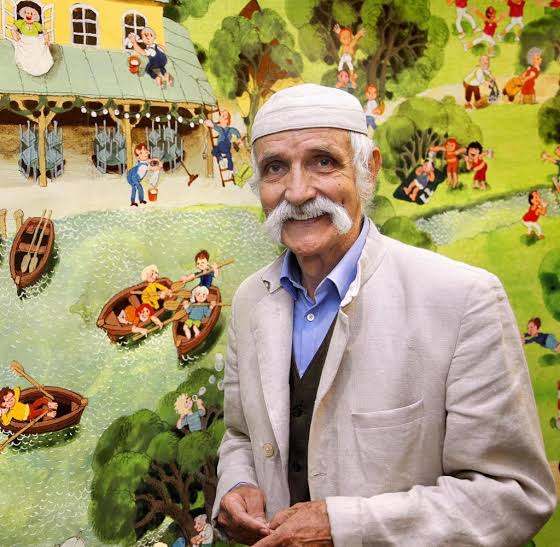
“Cheeky, funny and affectionate, he looked at the world and at our human weaknesses.” – President Frank-Walter Steinmeier of Germany, New York Times


Ashley Bryan

July 13, 1923 – February 4, 2022
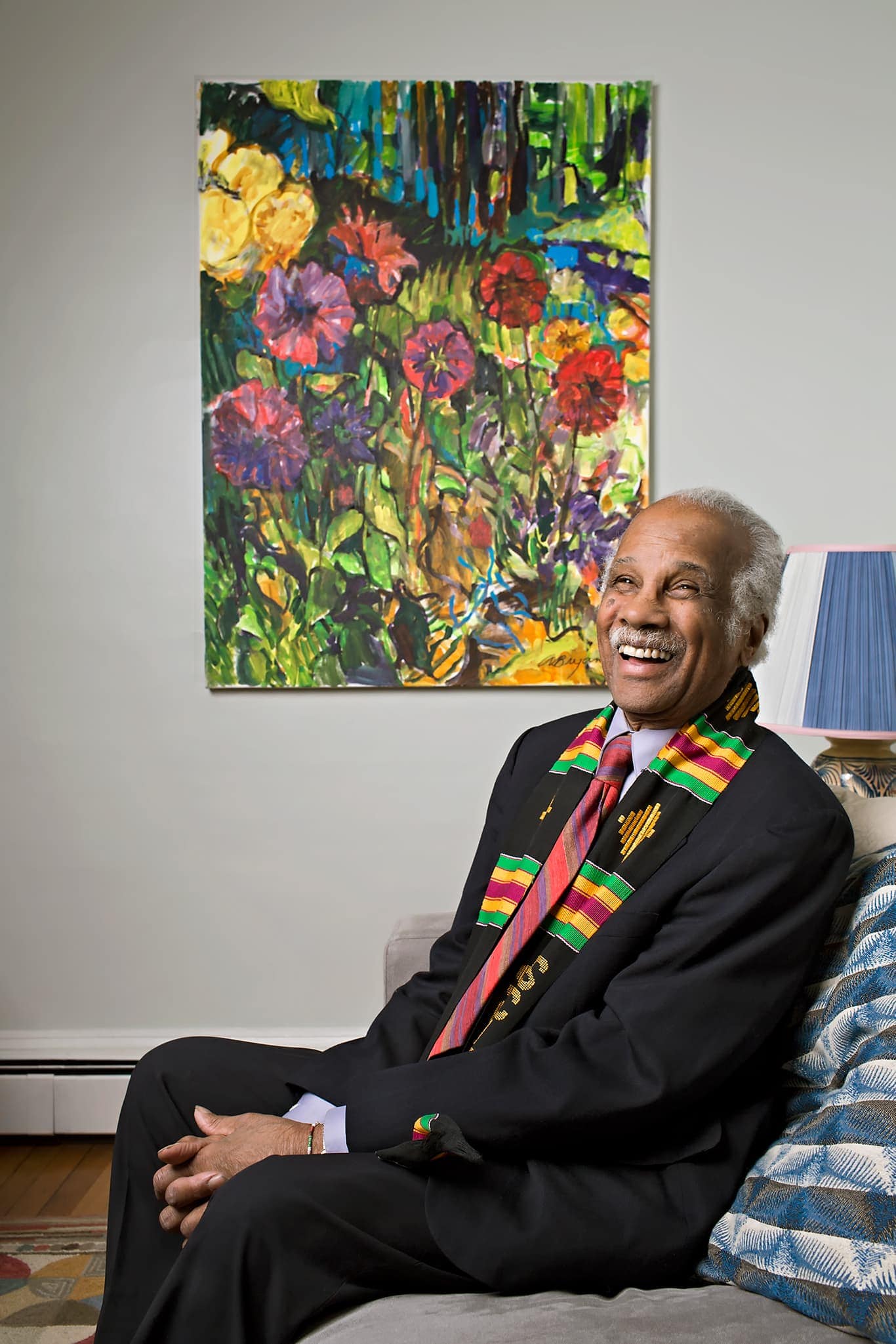
“But we throw ‘National Treasure’ around so cavalierly that when you get to know one, you realize how rare they are, and you want the world to dance jubilee in their honor. He deserved it. My god, Ashley, have you earned your rest.” – Jason Reynolds, NPR


Leonard Kessler

October 28, 1920 – February 16, 2022
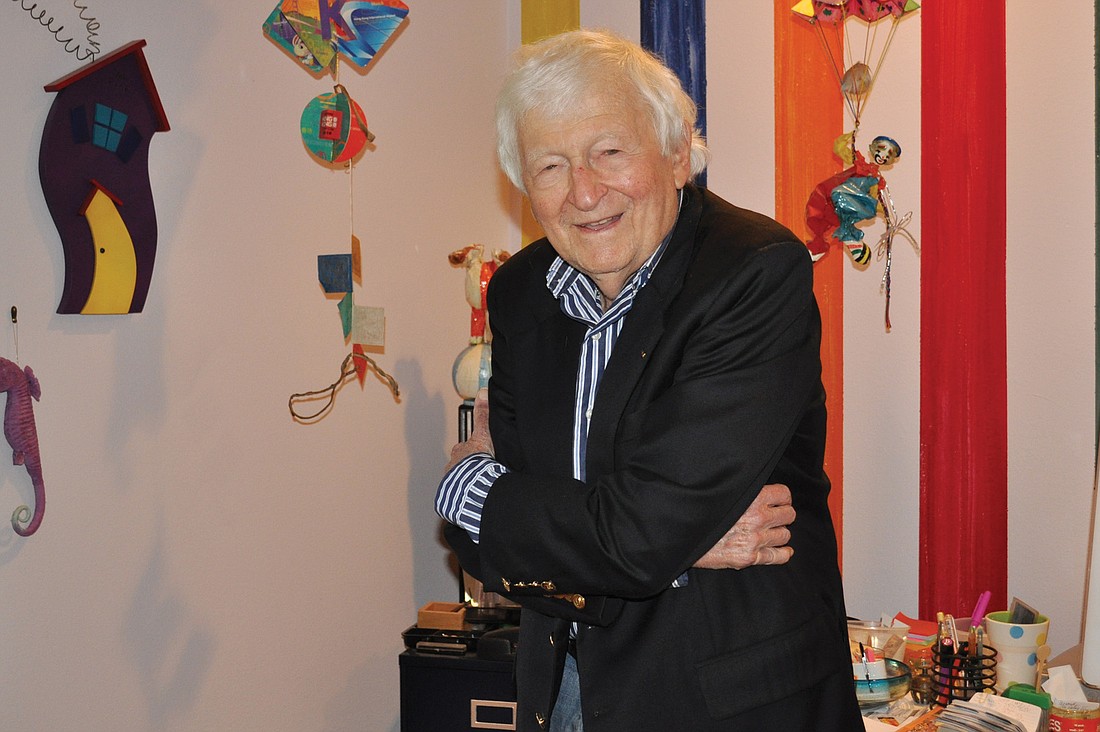
“I have a purple door. I have a purple studio,” he told The Tampa Bay Times in 2005. “I think purple is a color that vibrates. I think that’s me.” – Leonard Kessler, The New York Times


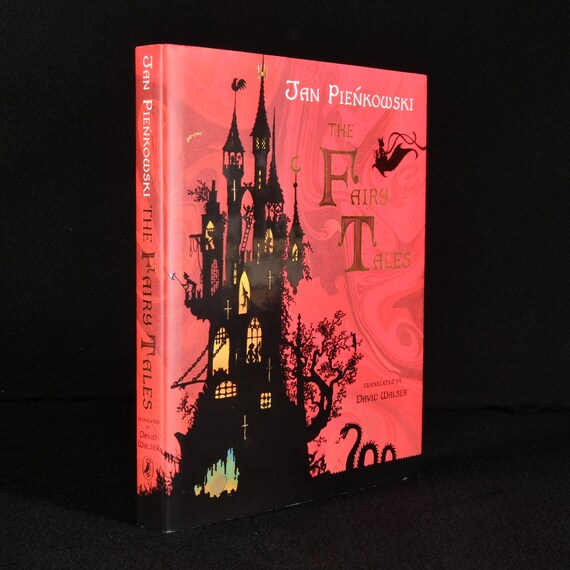
Jan Pieńkowski

August 8, 1936 – February 19th, 2022
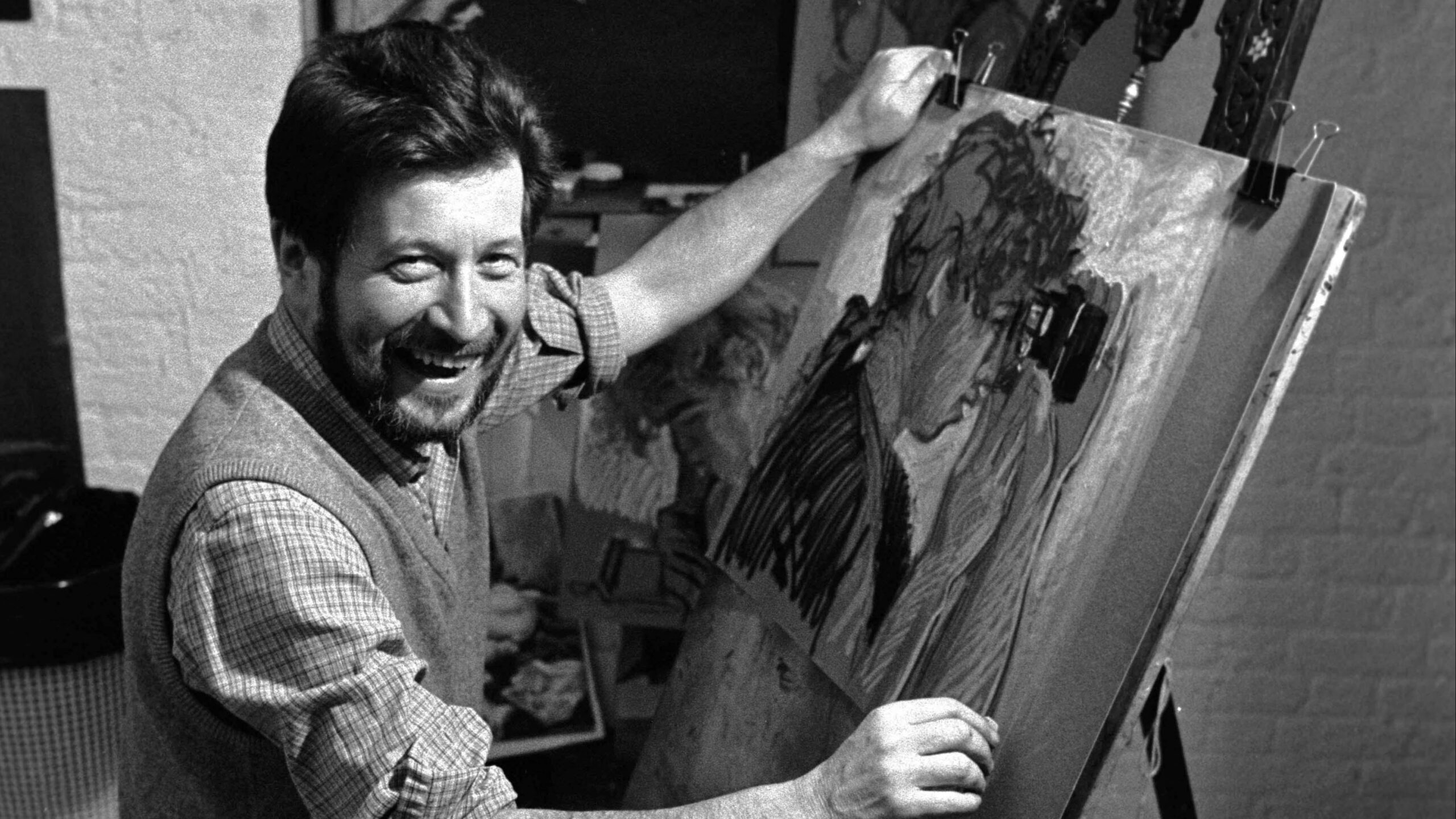
“Jan was one of the great storytellers: an exceptionally talented creator, who was led by what interested him, and who treated children as his equals … There was an impatience and wonderful curiosity to him, as he looked for new ways to tell stories: drawing on his Polish roots with his cut-out and silhouette work; his extraordinary use of colour; his pioneering interest in drawing on the computer; and of course his award-winning pop-ups which challenged publishers and printers to find new ways to create his books.” – Francesca Dow, The Guardian


Paula Cohen

June 26, 1964 – February 24, 2022
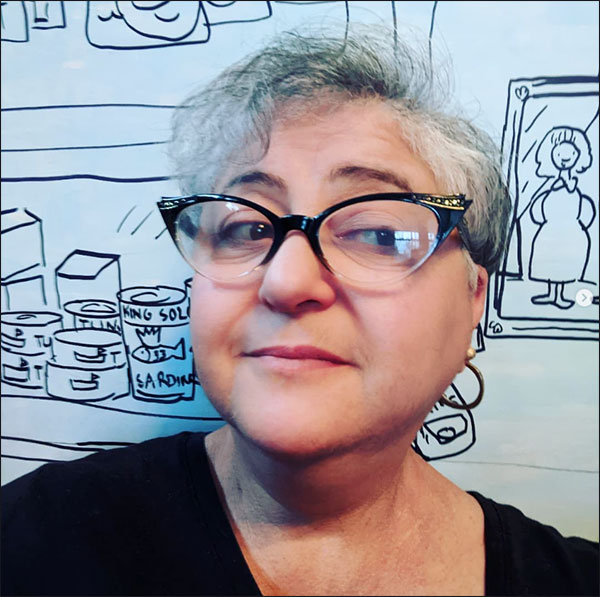
“Paula was so much like Shirley, the protagonist of her debut picture book. She was thoughtful, fiery, sweet, funny, talented, and wildly determined. She loved her family, her friends, and her community and she made the world a friendlier place. It was a true honor to be a small part of making one of Paula’s big dreams come true. She will be missed by all of us in her extended family.” – Christy Ewers, Publishers Weekly


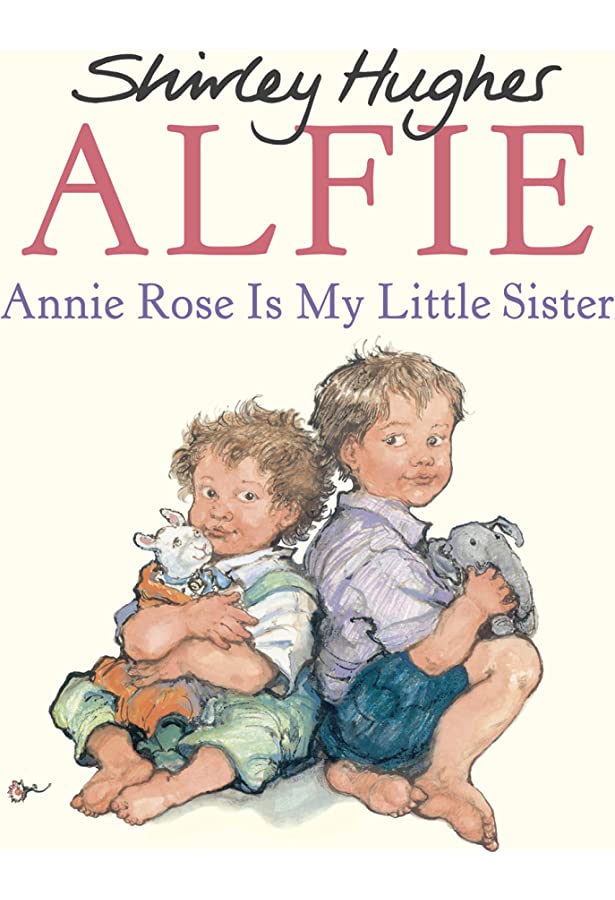
Shirley Hughes

July 16, 1927 – February 25, 2022
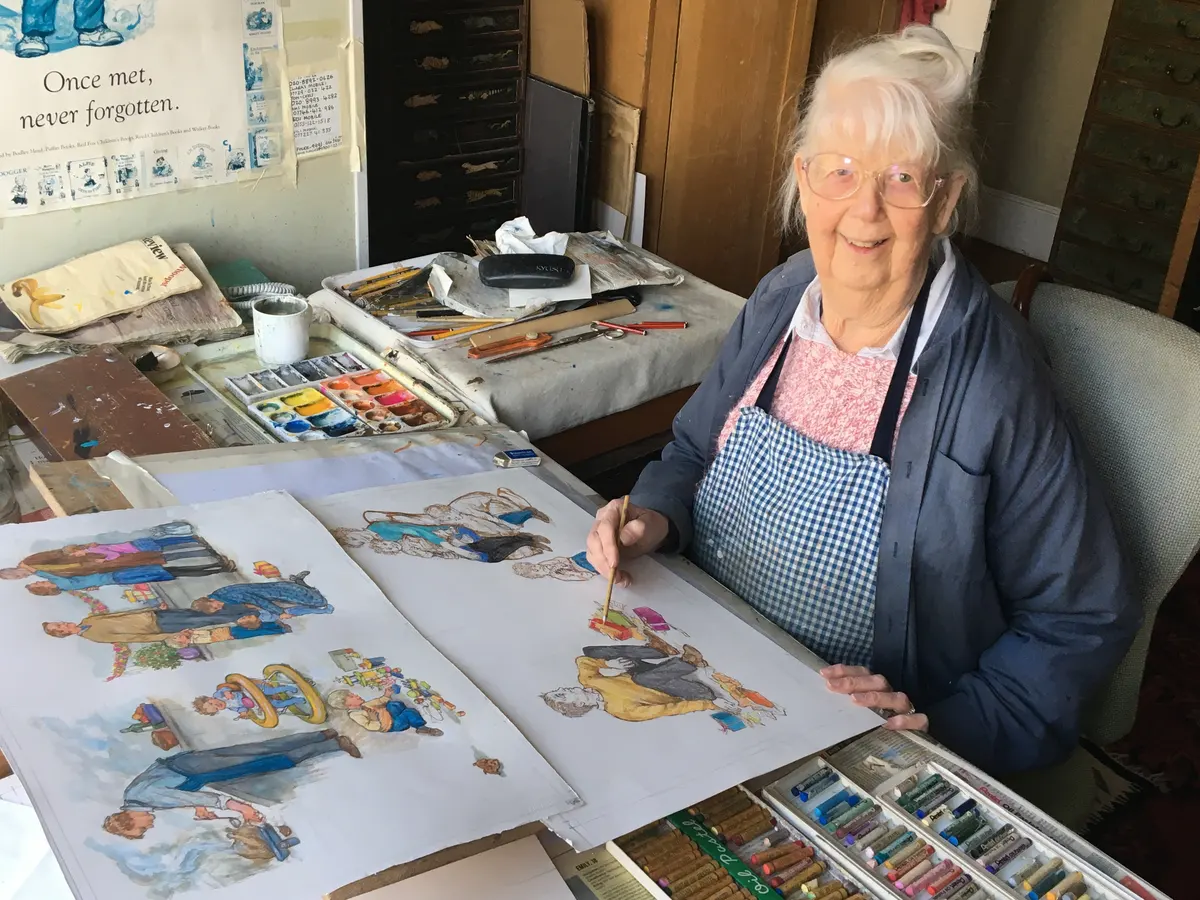
“Shirley and the characters she’s drawn and written about are a great family of witnesses to the power of love and kindness. We could talk for hours – with a multitude of examples – of her mastery of the craft of illustration, of her close and unwavering observation of children as they’re busy with all the things that are so important to them, of her sheer technical genius. But the best tribute to her lifetime of production is the physical state of the books of hers on bedside tables, or crammed into bookshelves, or face-down on the floor under the bed: battered, bent, torn here and there, perhaps chewed a little, scribbled on – these books have been loved almost to destruction. She will last as long as there are children.” – Philip Pullman, The Guardian


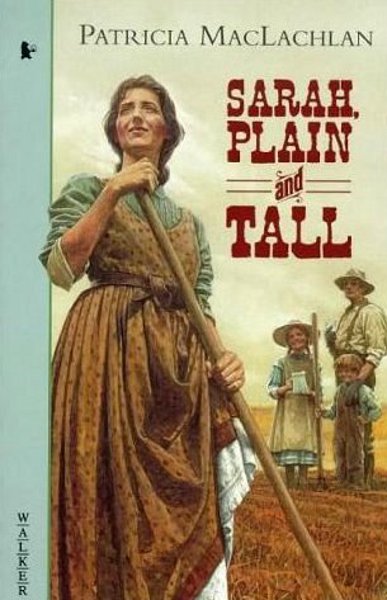
Patricia MacLachlan

March 3, 1938 – March 31, 2022
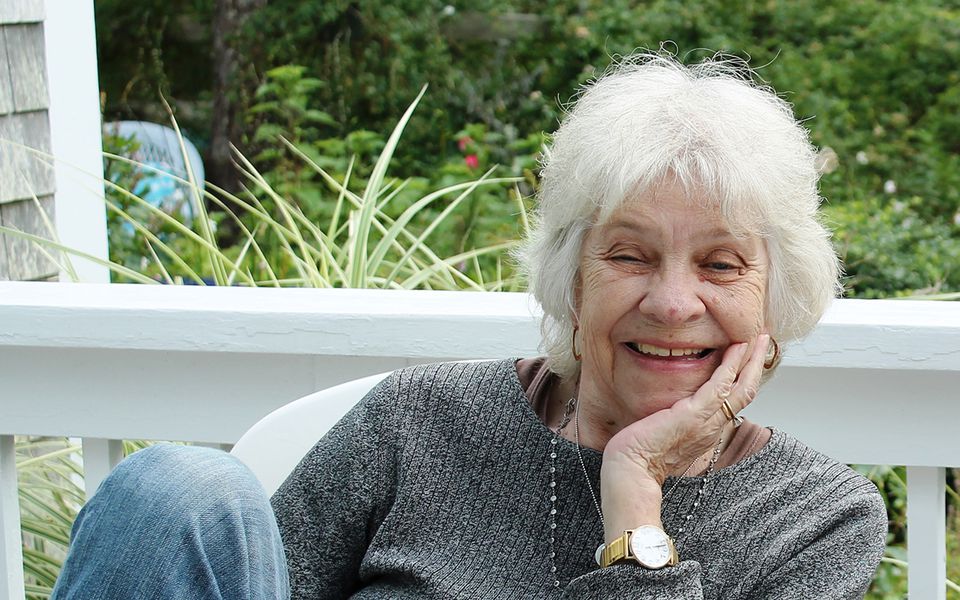
“PattyMac, as we in the writing group often called her, was more than just a brilliant writer. She was a sort of Dorothy Parker figure—sharp and funny—crossed with an Emily Dickinson wordsmith. ‘I’m no poet, you know,’ she would say to us, when we were talking about a piece she just read to us, her own lines of the picture book putting the lie to such a statement. We watched her struggle with macular degeneration and marveled that even blind, she was writing more than any of us. She always had a new piece, or part of a new book for us to hear. She was finishing revisions on a new novel even as death crept up behind her. Was she one of a kind? She was three of a kind, I think. I know no one else like her—soft and sharp, witty and snarky, and the most loving mom and grandmother in the world. In fact, the world has been mothered by her. Just read her books and you will know what I mean.” – Jane Yolen, Publishers Weekly


David McKee

January 2, 1935 – April 6, 2022
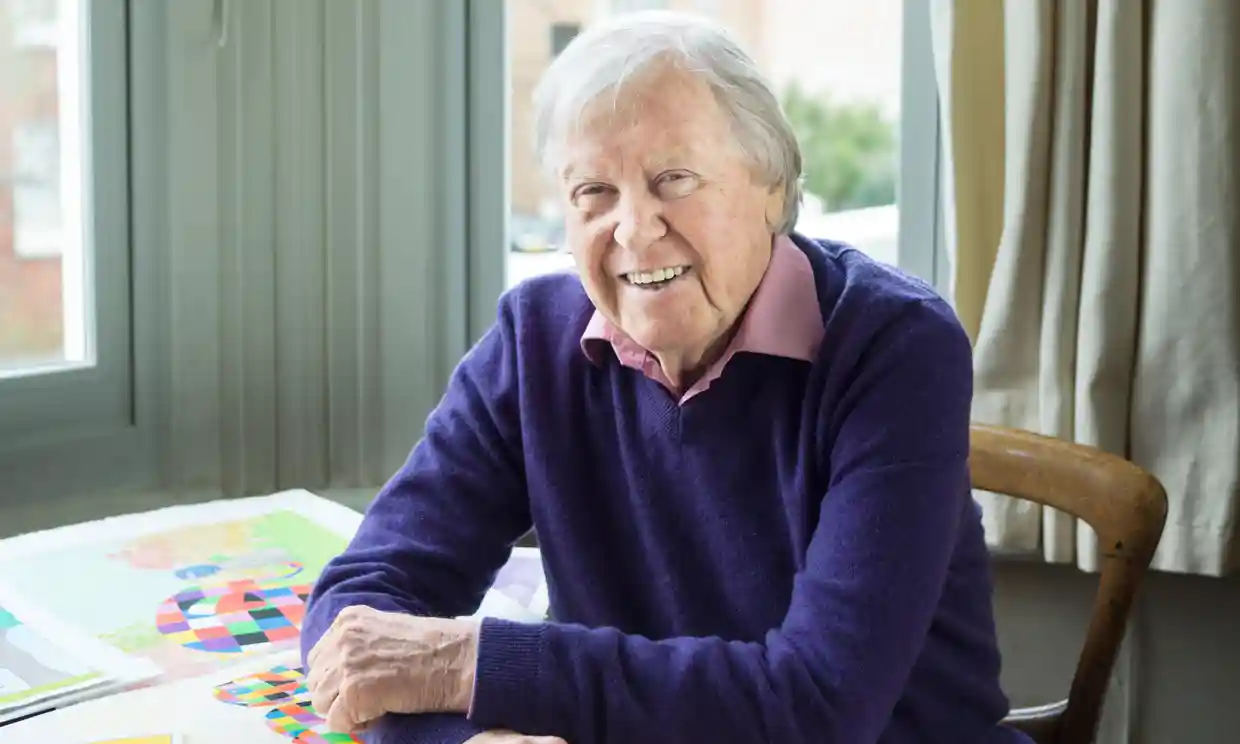
“I’ve often said I think the air is full of stories – you just have to have the right receiver and you pick them up.” – David McKee, The Guardian


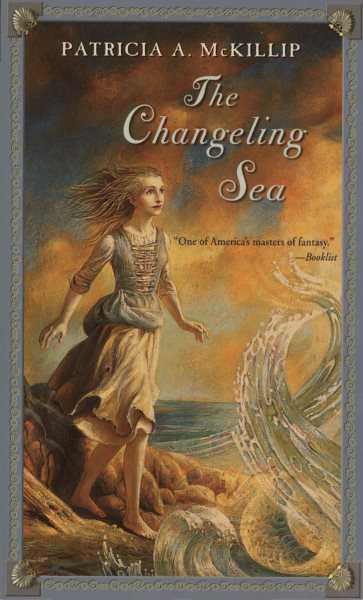
Patricia McKillip

‘February 29, 1948 – May 6, 2022
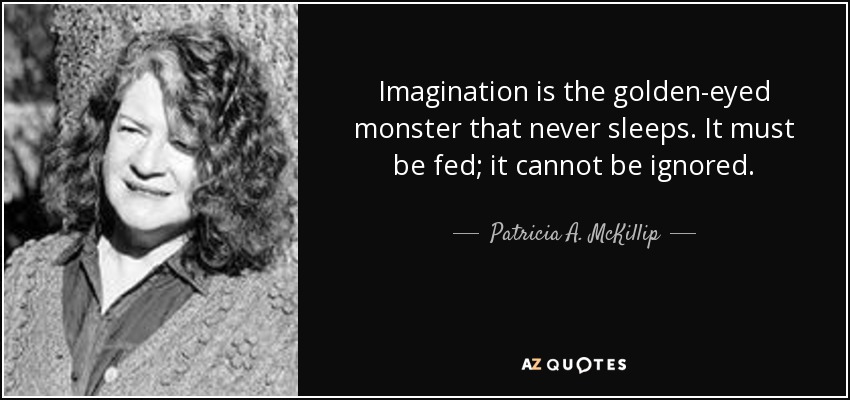
“At it’s best, fantasy rewards the reader with a sense of wonder about what lies at the heart of the commonplace world. The greatest tales are told over and over, in many ways, through centuries. Fantasy changes with the changing times, and yet it is still the oldest kind of tale in the world, for it began once upon a time, and we haven’t heard the end of it yet.” – Patricia McKillip, terriwindling.com


Jim Murphy

‘September 25, 1947 – May 1, 2022
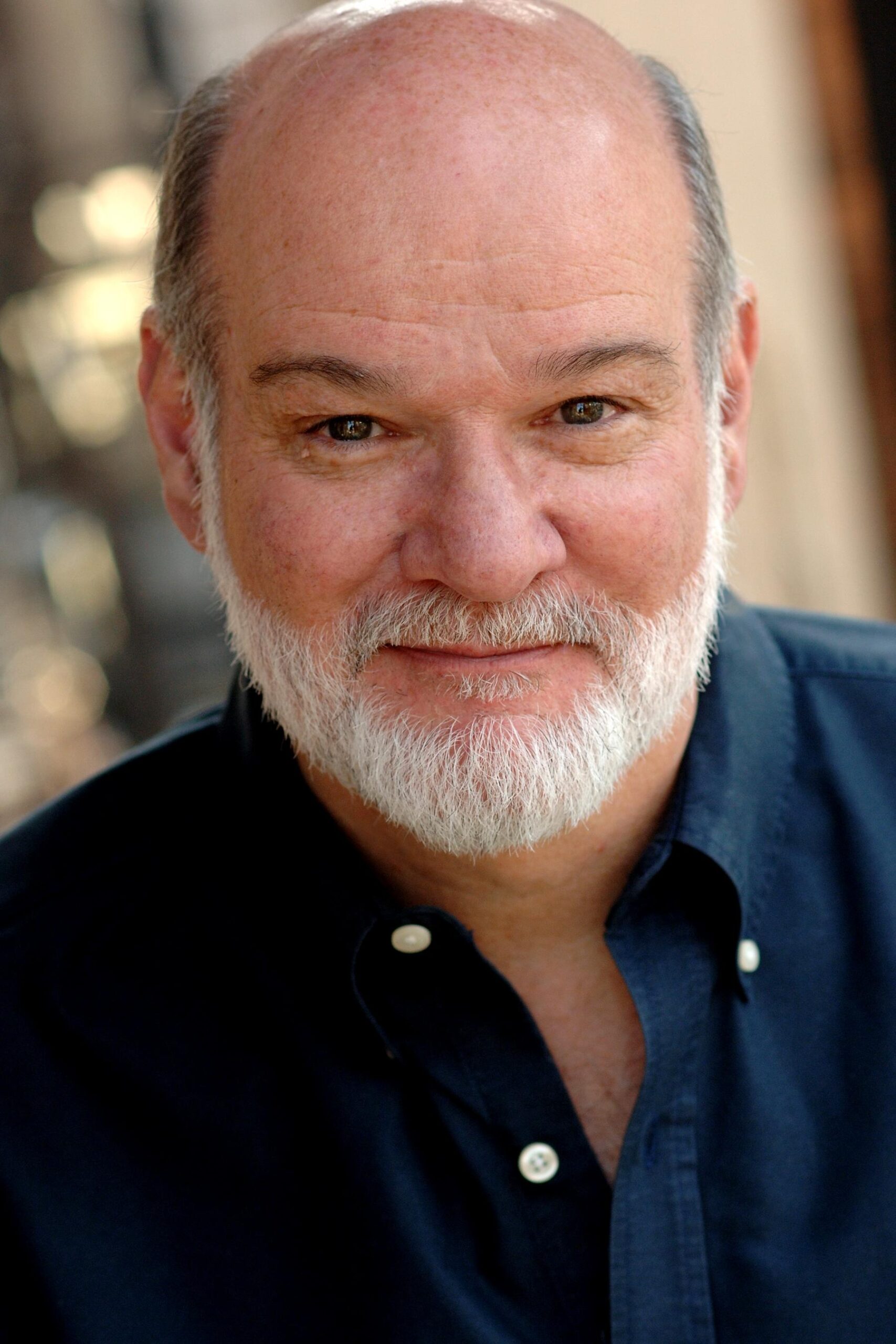
“Jim was an inquisitive and passionate researcher. He had a remarkable talent for finding the voices that would bring his narratives to life, in letters, diaries, and periodicals, as if he had personally interviewed people from the past. Jim was also one of the funniest people I ever met. For readers wishing for a more rounded picture, Jim’s novel Revenge of the Green Banana offers a glimpse of his comic side and his years as a mischief-maker in elementary school. I’m sad to think I won’t have the pleasure of working with him again.” – Dinah Stevenson, Publishers Weekly


Ronni Solbert

September 7, 1925 – June 9, 2022 
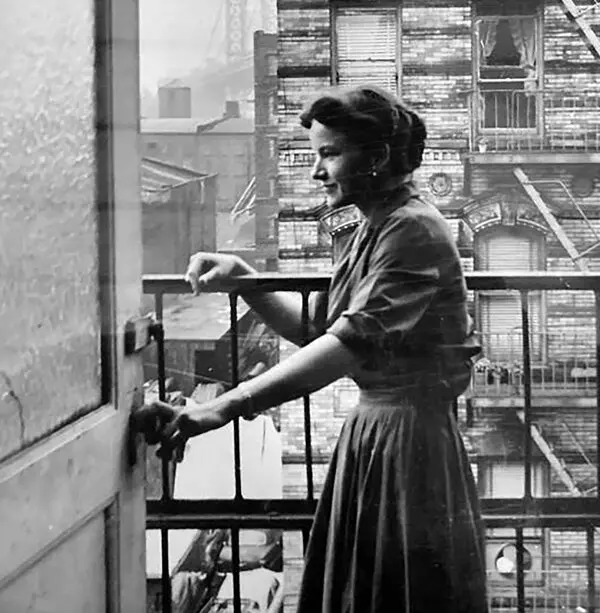
“Art is my sanity, joy, frustration and passion. My subject is the human animal, our relationship with each other and to the world we inhabit. I want the work to invite reflection, open perspectives and challenge the viewers’ emotional and intellectual responses.” – Ronni Solbert, Cranbrook Art Museum


Uri Orlev

February 24, 1931 – July 26, 2022

Orlev’s books “manage to depict his youth in the Holocaust and his immigration to the country and to make the difficulty accessible to children and teenagers through his unique writing.” – Israel Culture and Sports Minister Chili Tropper, The Times of Israel


Charlotte Pomerantz

July 24, 1930 – July 24, 2022
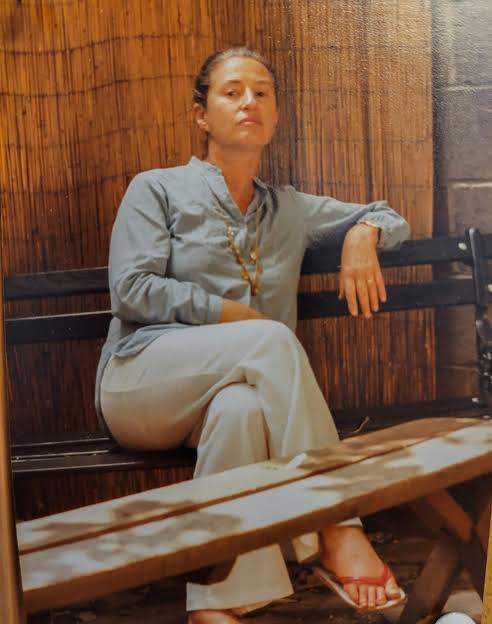
“I started writing because it was the only thing I was ever good at.” – Charlotte Pomerantz, The New York Times


Jeanne Steig

May 2, 1930 – July 26, 2022
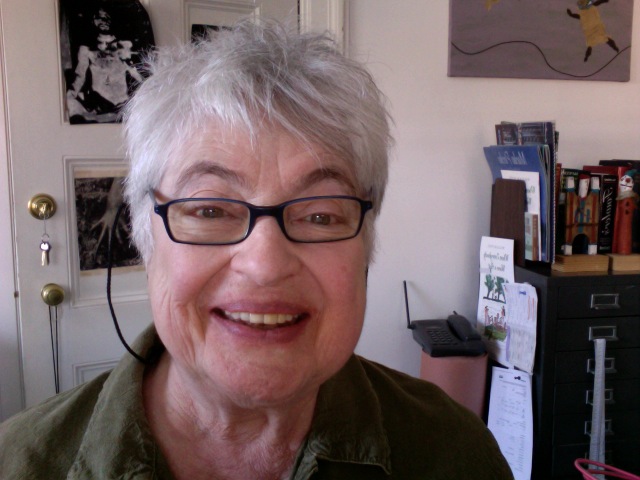
She was (and is) my hero, the best example I can summon about how to live a life. She started making art when Bill said to her, ‘You can’t sit on your ass all day. You have to work with your hands!’ Jeanne loved bright socks, shopping for them and wearing them; she explained their purpose: when she watched her nightly gory movie, she’d rest her feet on an ottoman and admire her socks. That was Jeanne in a nutshell. She found joy wherever she went. She had a bigger appetite than anyone I know—for food, for love, for art, for friends, for life. Poet, writer, artist, mensch—all of those things she was. What a gift to the world.” – Holly McGhee, Publishers Weekly


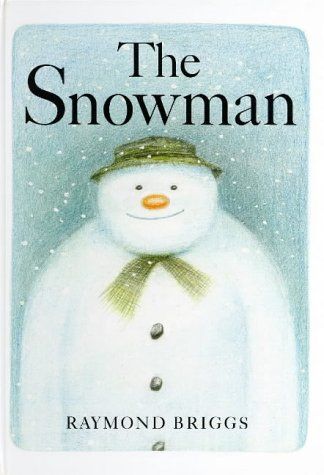
Raymond Briggs

January 18, 1934 – August 9, 2022
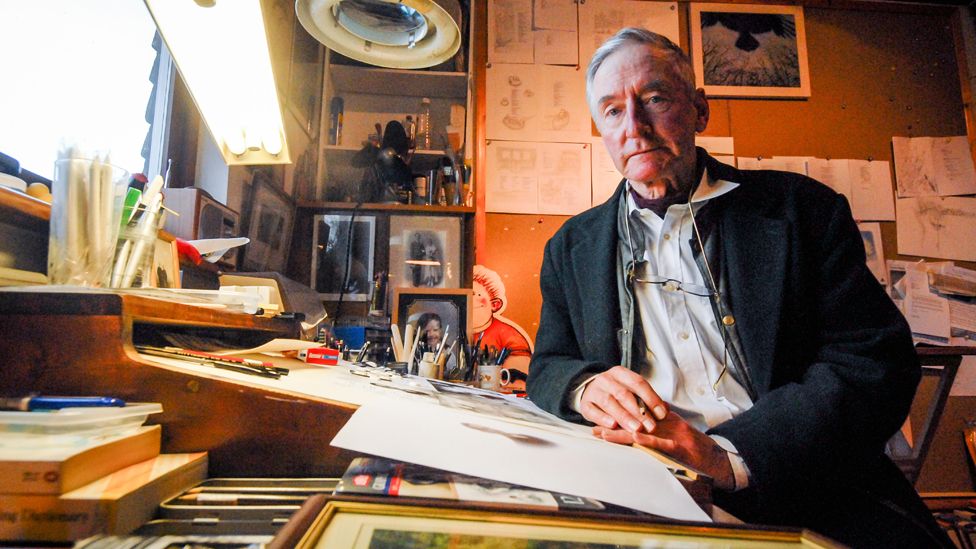
“I knew Briggs himself only very slightly: I met him on a couple of occasions. He had a wonderful, comically grumpy manner – deadpan and modest with it. He was also straightforwardly generous and kind. People pointed him out in a room. In fact, if you wanted to know he was there, he had to be pointed out, because he was so un-flamboyant in his appearance. I can’t vouch for his pyjamas but there’s a good chunk of him in the character of his Father Christmas. I heard about his passing from a call while I was in a taxi. I told the cabby. He didn’t recognise the name. “The man who wrote ‘The Snowman’,” I said. Yes, he knew that all right. The wordless picture book and its film adaptation are classics. The story touches on themes of friendship, change, loss, death, the rhythm of life, the chain of being between us – all done in a short space. With this book and across all his work, we have been lucky to have read and watched such great work from a great artist with a great heart.” – Michael Rosen, The Guardian


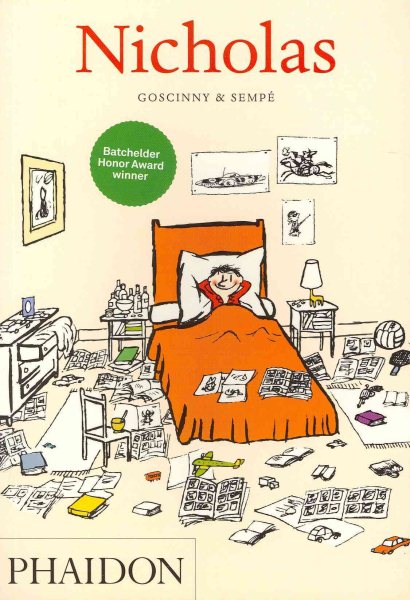
Jean-Jaques Sempé

August 17, 1932 – August 11, 2022
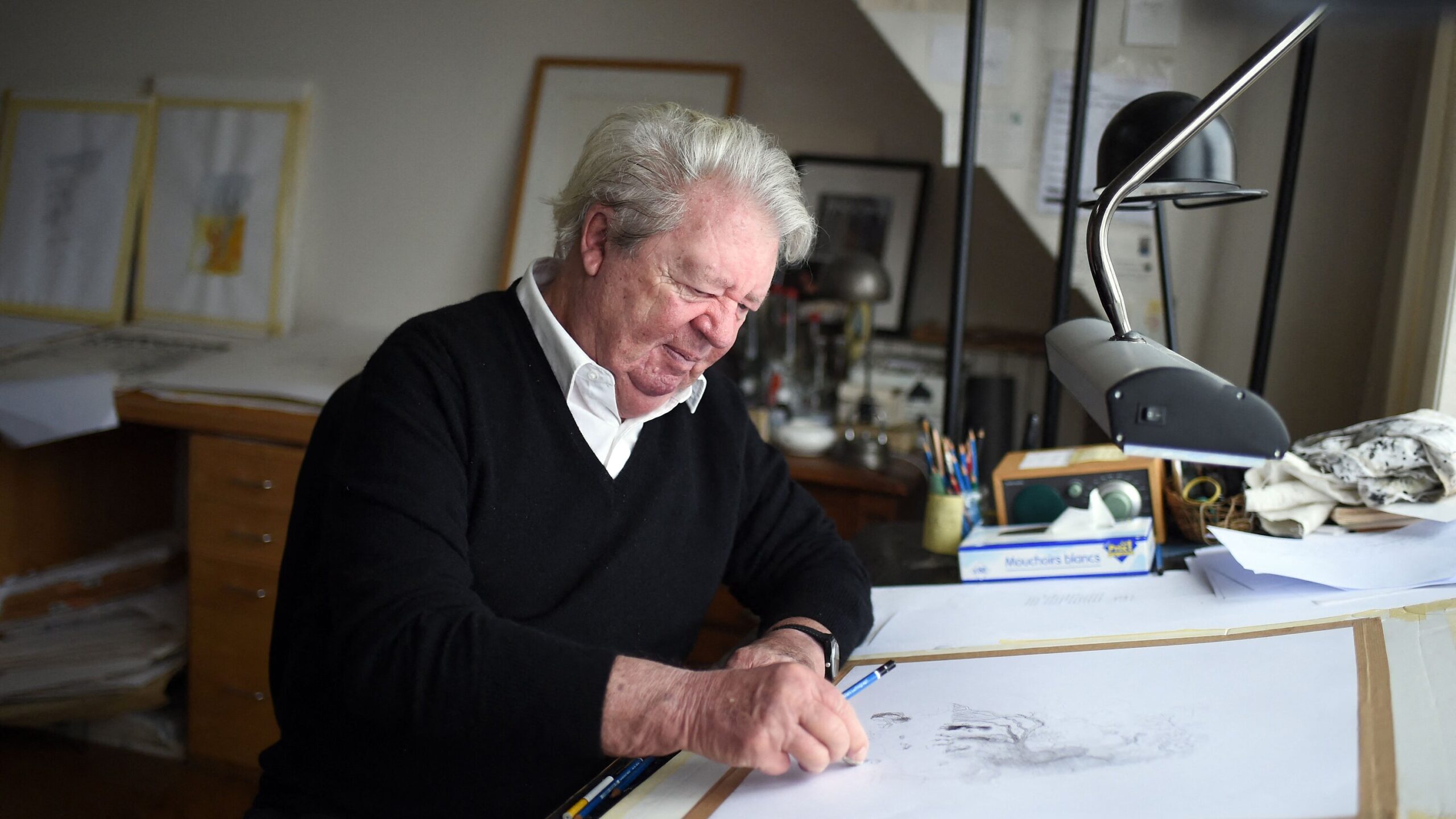
“Jazz, tender irony, the delicacy of intelligence…Jean-Jacques Sempé had the elegance of always remaining light without anything escaping him.” – French President Emmanuel Macron, Kirkus


Liz Goulet Dubois

January 13, 1967 – August 14, 2022
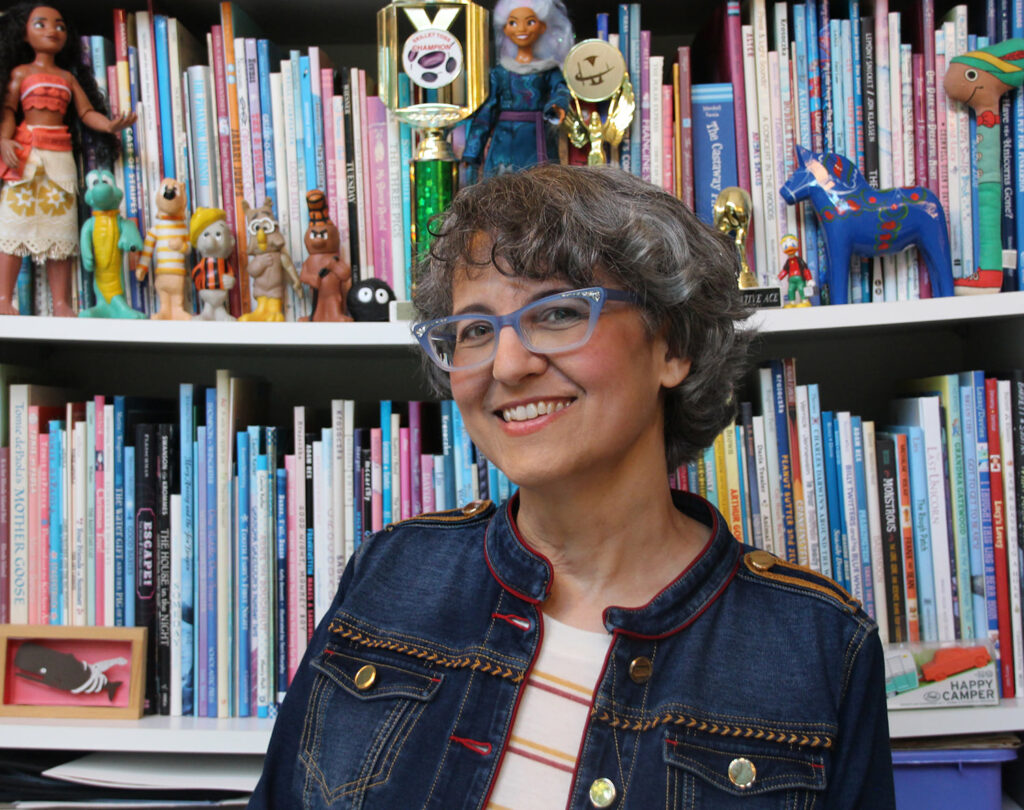
“She was such a funny, vibrant woman and an absolute delight.” – Eliza Smith, Publishers Lunch


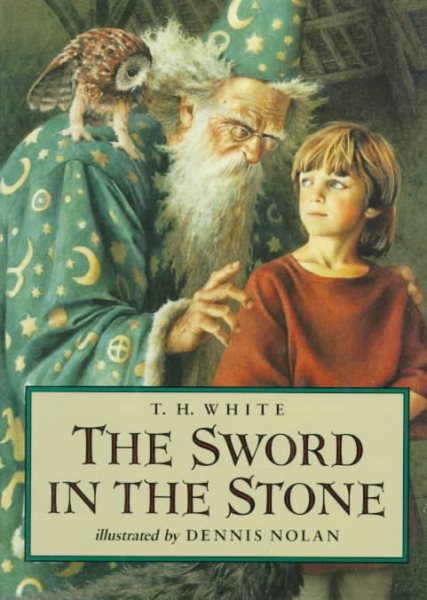
Dennis Nolan

October 19, 1945 – August 16, 2022
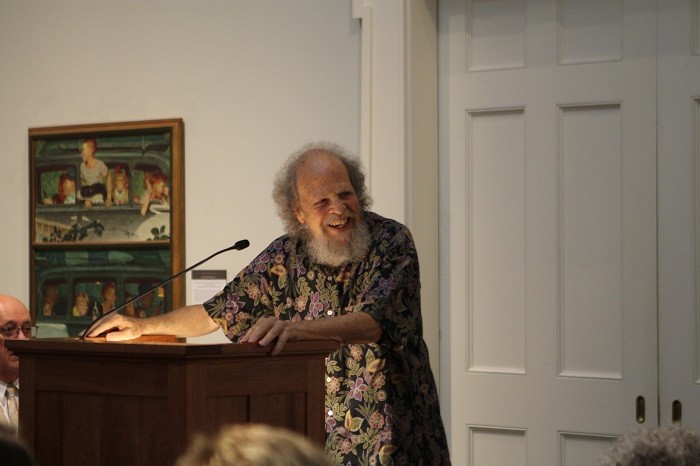
“Keeping it simple and magical is the best way to travel. And the magic is always there if we take the time to notice it”. – Dennis Nolan, legacy.com


Jill Pinkwater

May 29, 1941-October 4, 2022
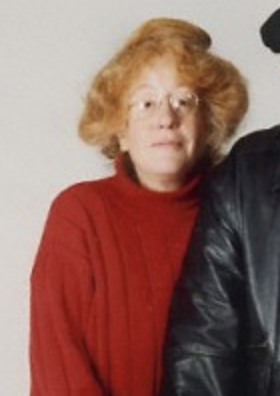
“I just want to say… not just that I love her, that’s obvious, but that she is the single greatest person I have met, ever. And quite a few things that people tend to like and/or respect about me are actually Jill. I don’t feel grief, I feel gratitude.” – Daniel Pinkwater, Publishers Weekly


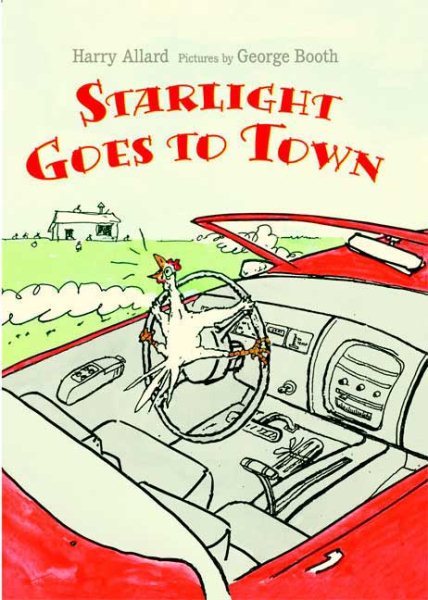
George Booth

June 28, 1926 – November 1, 2022
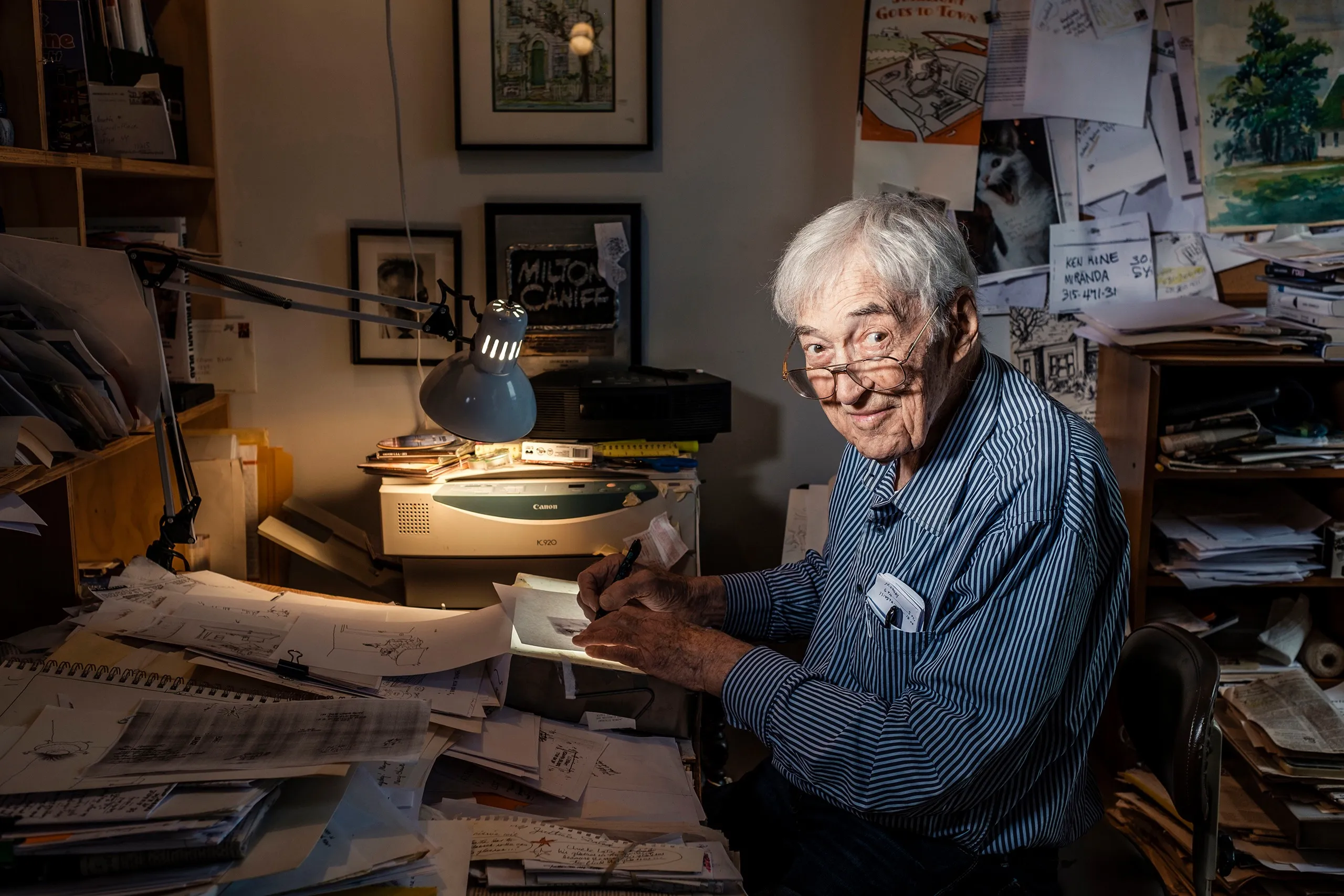
“The man himself: tall, with a Will Rogers-like tuft of hair falling onto his forehead. A gentle man, with a touch of Missouri accent (that makes sense: it’s where he was born). Booth was a real character. Spend any time with him and you would be treated to his bursts of laughter – perhaps a snort! Laughing full out loud when he was surprised by humor in others. He wasn’t the least bit shy about laughing at his own work – an honest reaction to absurdities he’d laid down on paper … His laughter, like his cartoons, providing moments of contagious pure joy.” – Michael Maslin, The Daily Cartoonist


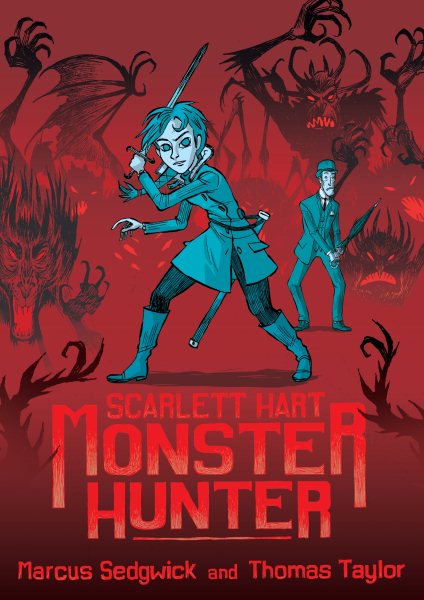
Marcus Sedgewick

April 8, 1968 – November 15, 2022

“He was always bursting with ideas and could create different worlds while keeping his stories very easy to relate to … He had a vast brain as well as all of that creativity.” – Fiona Kennedy, The Guardian


Marijane Meaker

May 27, 1927 – November 21, 2022
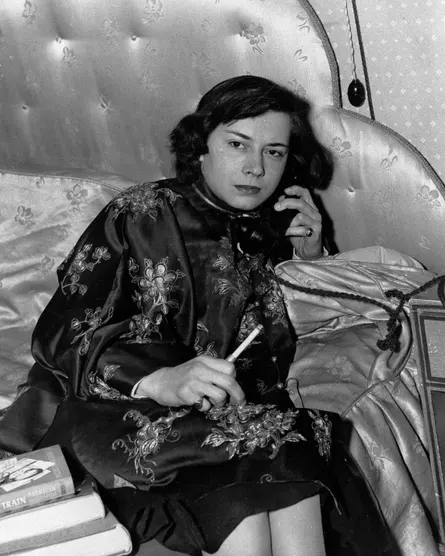
“That’s one thing – and, of course, so many changes – the freedom in the – among the young people to announce that they’re gay, the idea that it is not unusual today for a parent to hear from a child, I’m gay, and to handle it. And you don’t seem to hear any more about going to an analyst to be cured. It doesn’t exist anymore. And even the psychoanalytic society has finally taken the – taken us off the abnormal list. I see progress everywhere, and I – and it’s thrilling to me.” – Marijane Meaker, NPR


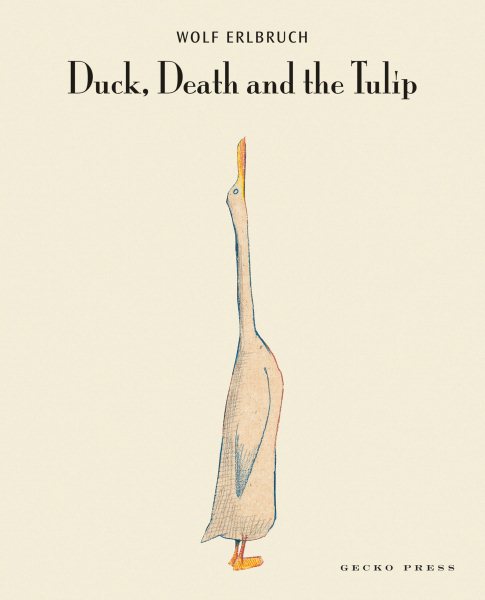
Wolf Erlbruch

June 30, 1948 – December 11, 2022
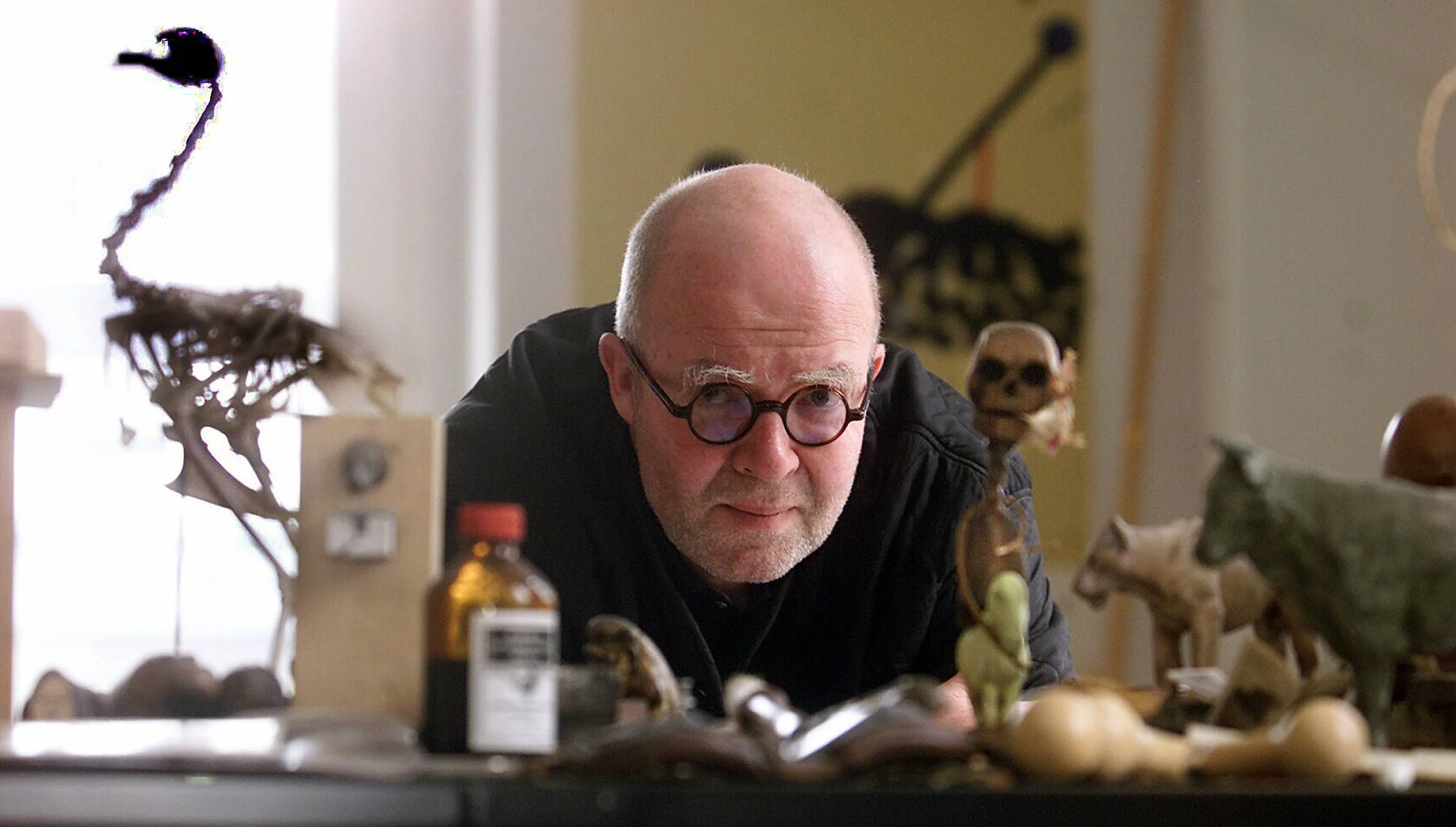
“Erlbruch is not averse to crassness and the grotesque and, to quote from Horst Künnemann’s 2005 article on Erlbruch in Bookbird, he consistently challenges “traditional squeamishness.” Children, Erlbruch was quoted in a 1996 interview, “are entitled to illustrations that have a certain crudeness.” Just as Erlbruch stretches the limits of the page, he also stretches the limits of acceptable content — consider that perhaps his most brilliant and profound work is about an ogress and her penchant for eating young children — but above all he stretches the imagination.” – Jeffrey Garrett, IBBY
Filed Under: Obits Tagged With: obits

31 Days, 31 Lists: 2022 Picture Books

December 31, 2022 by Betsy Bird

We’re done! At an end! After 31 days I’m ending with my biggest and best of all the lists: Picture Books. Every year literally hundreds of them flood my library. With my talented librarians by my side, we sift through them and find the ones that really are the best of the best. These are the ones that I loved particularly. Many you will have heard of. A couple will be new. But regardless, each and every one is a star.

Curious to see what the previous years’ lists of picture books looked like? Behold the fruits of my past labors!

  • 2021
  • 2020
  • 2019
  • 2018
  • 2017
  • 2016

2022 Picture Books

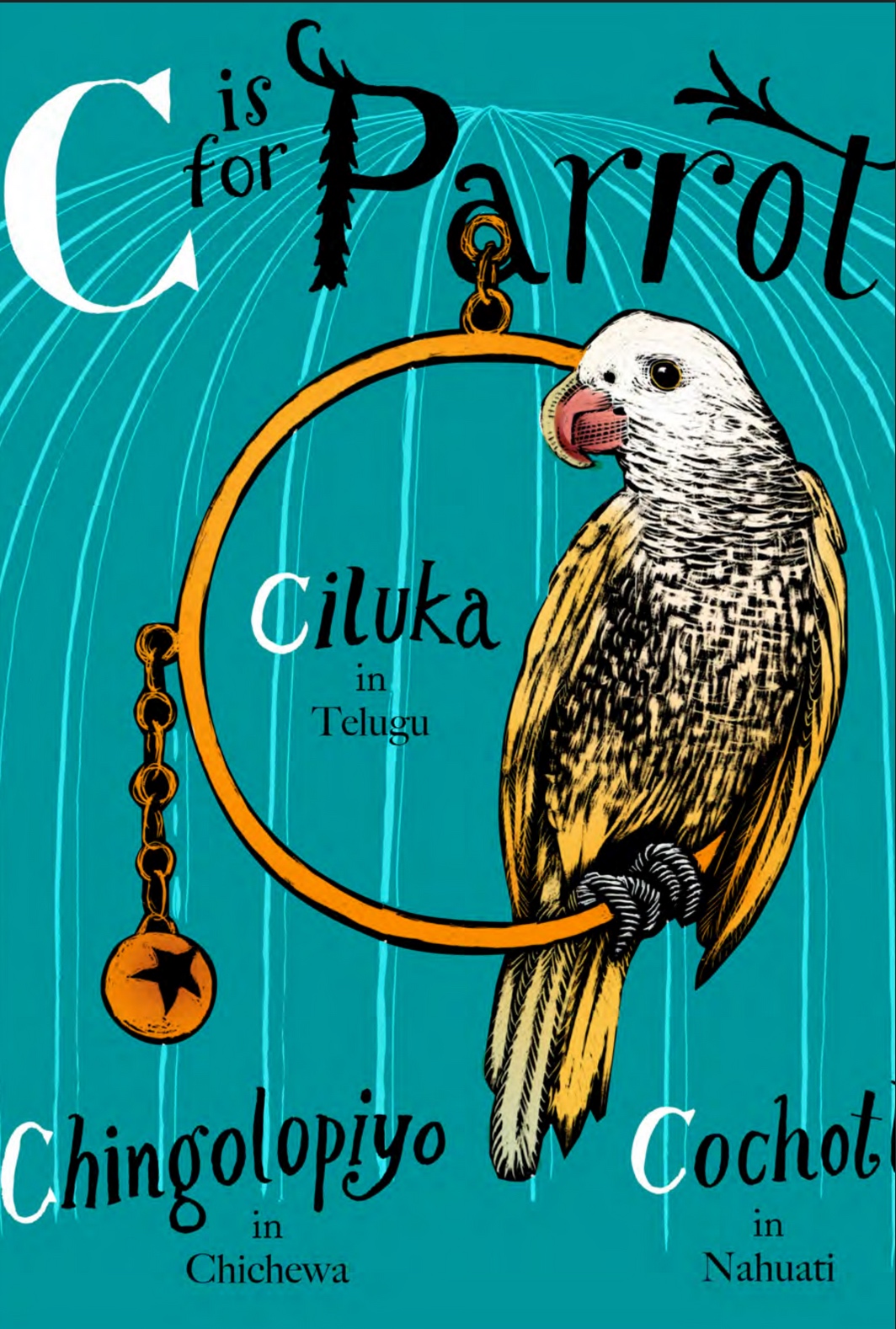
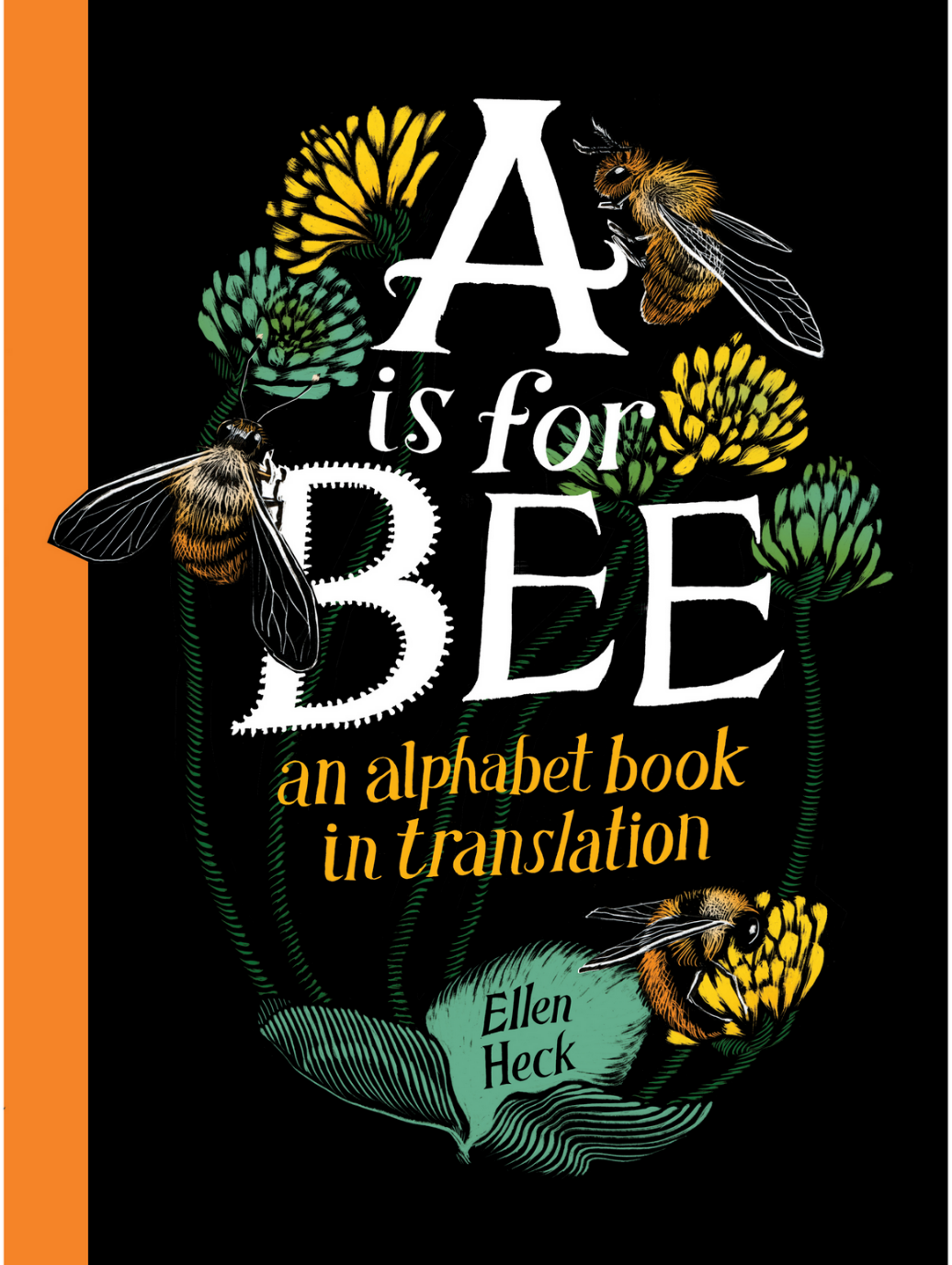
A Is for Bee: An Alphabet Book in Translation by Ellen Heck

A is for Bee? It is when you realize that a bee is an “arl” in Turkish, an “Aamoo” in Ojibwe, and an “Abelha” in Portugese. A clever alphabet book that upsets kids expectations and what language can do. It is so hard to come up with an original alphabet book, to say nothing of an alphabet book that intends to expand kids’ global views of language. Consider this the serious (and seriously beautiful) version of P Is for Pterodactyl. Like that book, this plays with our assumptions. So this is for slightly older kids who think that they are done with alphabet titles. You could probably (with some practice) even read this aloud to classes. I can think of few titles that make it so clear how a lot of our perceptions and assumptions change when you look around the world. Plus that backmatter is a-maz-ing.

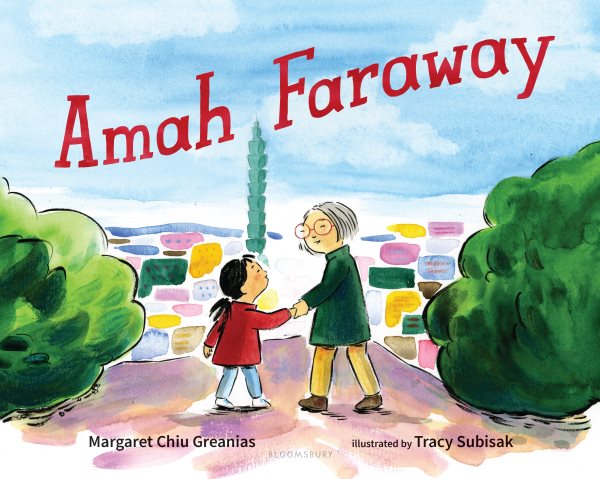
Amah Faraway by Margaret Chiu Greanias, ill. Tracy Subisak

Kylie is super uncomfortable at the idea of visiting her Amah in Taiwan. But after initially resisting everything that’s different she suddenly comes to realize that being with Amah can be SO MUCH FUN! This bears a passing resemblance to last year’s I Dream of Popo, and indeed we’re seeing a lot of tales these days about grandchildren visiting grandparents with whom they don’t share a language (see: Mariana and Her Familia later on this list). What I really enjoyed about this book was the little heroine’s discomfort and the degree to which she just resists and resists and resists at first. That felt particularly real to me. I think that feeling is doubly frustrating and understandable to young readers. You just get this palpable sense of relief when she finally gives in and starts to have a good time. And I just love how patient her Amah is as well. There’s a really nice echoing going on when she wants to know “Why do we have to go?” and then, when they leave, “Why do we have to go?” It’s a neatly written book when you get right down to it.

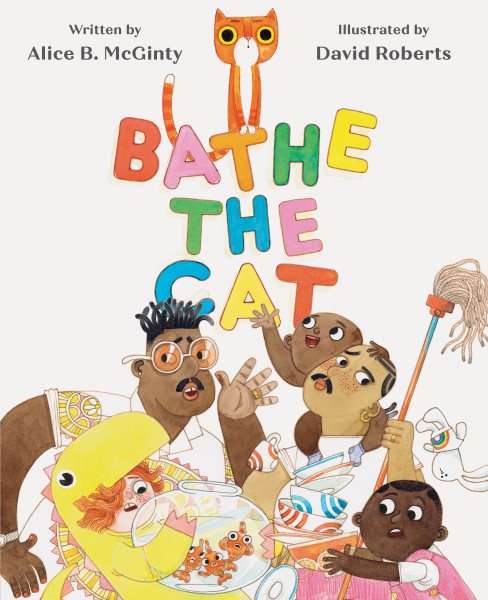
Bathe the Cat by Alice B. McGinty, ill. David Roberts

Grandma’s on the way to visit so everyone needs to clean up! “Sarah, feed the floor. I’ll sweep the dishes. Bobby, rock the rug. Dad will scrub the fishes.” Wait, what? A mischievous cat mucks with a family’s housework to hilarious effect. Okay. If there is an argument to be had that we simply do not have enough regular families with gay parents represented in our picture books, then I think I have at least one solution right here. This book is a sheer delight. Visually it’s such an eye-popper. I adore this family, and the mischievous cat in particular. Plus, it’s such an original idea for a storyline! Would love many many more reads on this.

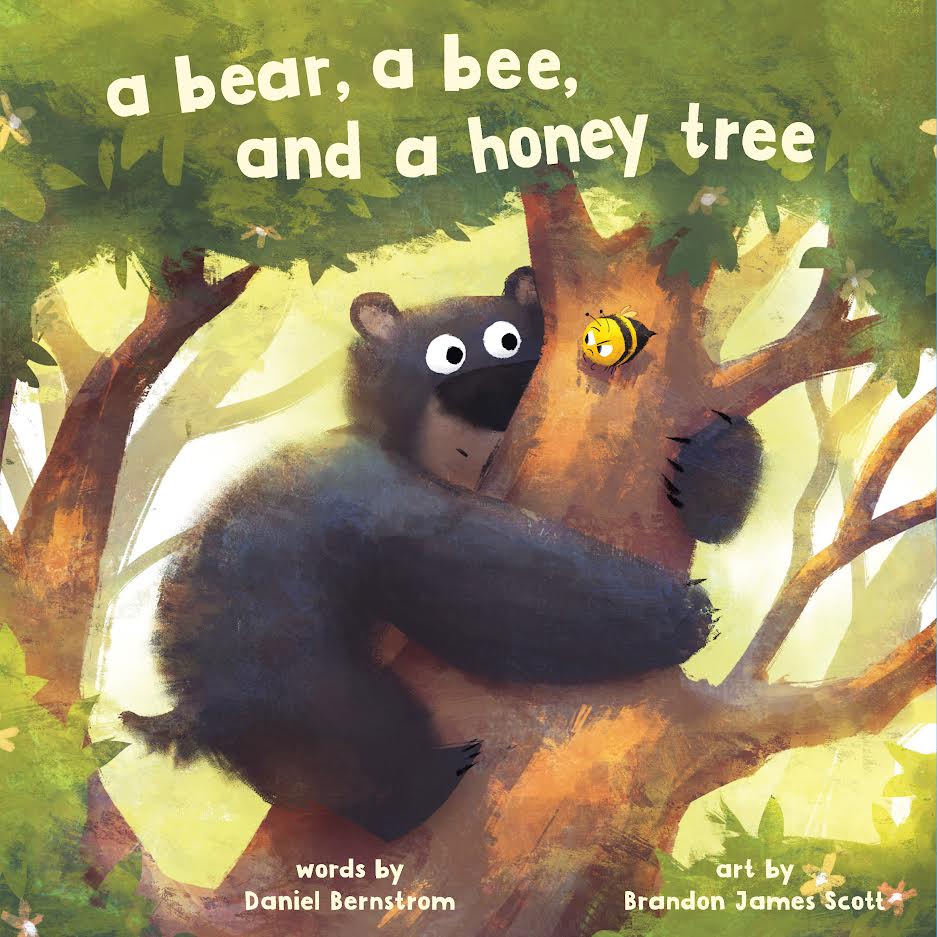
A Bear, a Bee, and a Honey Tree by Daniel Bernstrom, ill. Brandon James Scott

Fuzzy bear. Angry bees. Yummy honey. Silliness abounds in this delightful readaloud full of ursine hijinks. Friends and neighbors, if you read only ONE bear-related picture book this year, let it be this one. I know that we’re on a constant lookout for younger picture books and it can be difficult to find them. Now Daniel Bernstrom first won my heart by creating the truly delightful One Day in the Eucalyptus Eucalyptus Tree a couple years ago. This one has a rhythm of its own and as for illustrator Brandon James Scott, this guy can do so much with eyes. The slightest millimeter to one side or another changes absolutely everything. And the page turns! Dear god, the page turns! Basically, I see this as the ultimate readloud to large groups as well as one-on-one lapsits. Somebody do this in a storytime and tell me how it works! 

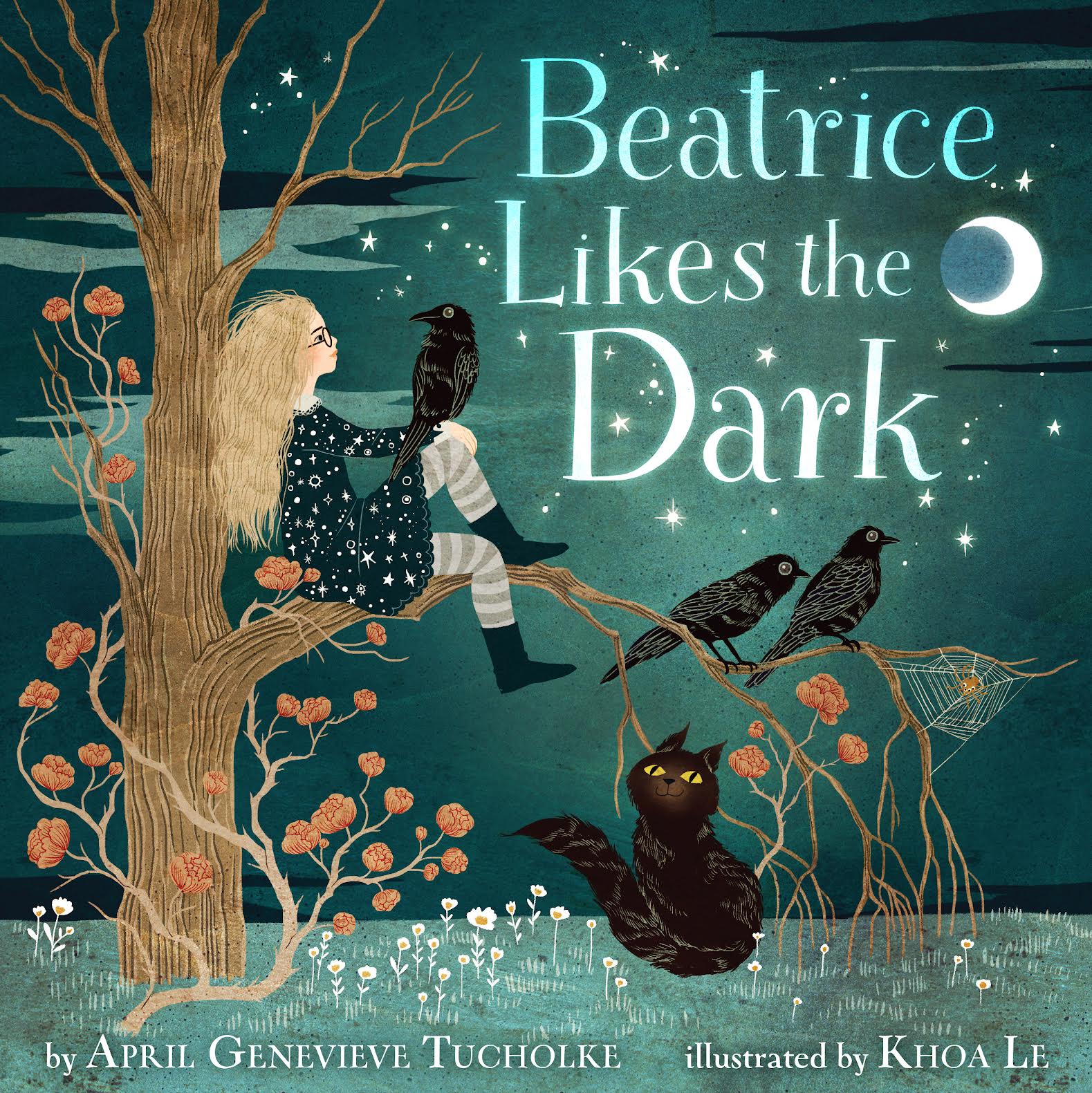
Beatrice Likes the Dark by April Genevieve Tucholke, ill. Khoa Le

Beatrice likes the dark, and the quiet, and the spiders, and the night. Her sister Roo likes light, and sun, and strawberries, and treehouses. Can such two very different people ever see eye to eye? A tale of accepting the different. You know, we see all kinds of picture books for girls that don’t fit our predetermined little categories of what constitutes femininity but you know what we don’t see? Enough picture books featuring creepy little girls. Little goth girls in the making. Tiny Wednesday Addams. I mean, we see a lot of picture books about girls who like bugs and stuff, but Beatrice is totally different from that. And the whole reason I’m including the book here is because this title honors her creepy little vibe and says it’s okay. At the same time, it shows that her polar opposite sister is also okay. No one is being demonized here for being the norm or outside of the norm. Plus, you add in the truly amazing art of Khoa Le (one of the too-little-lauded-treasures of the children’s book world) and you’ve got yourself a fabulous combination.

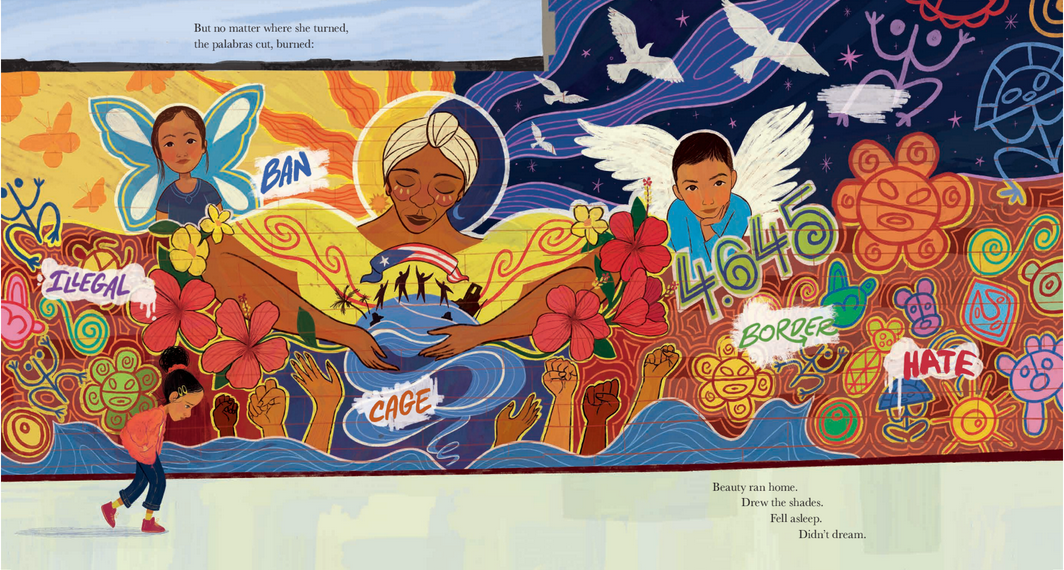
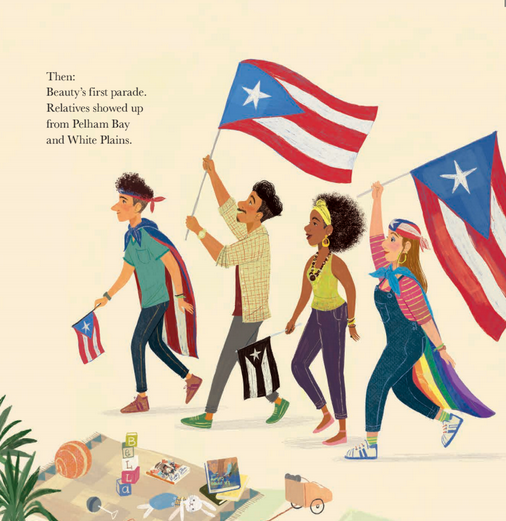
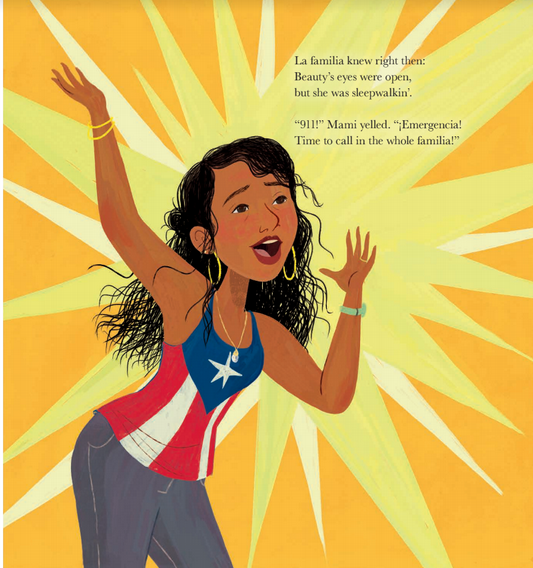
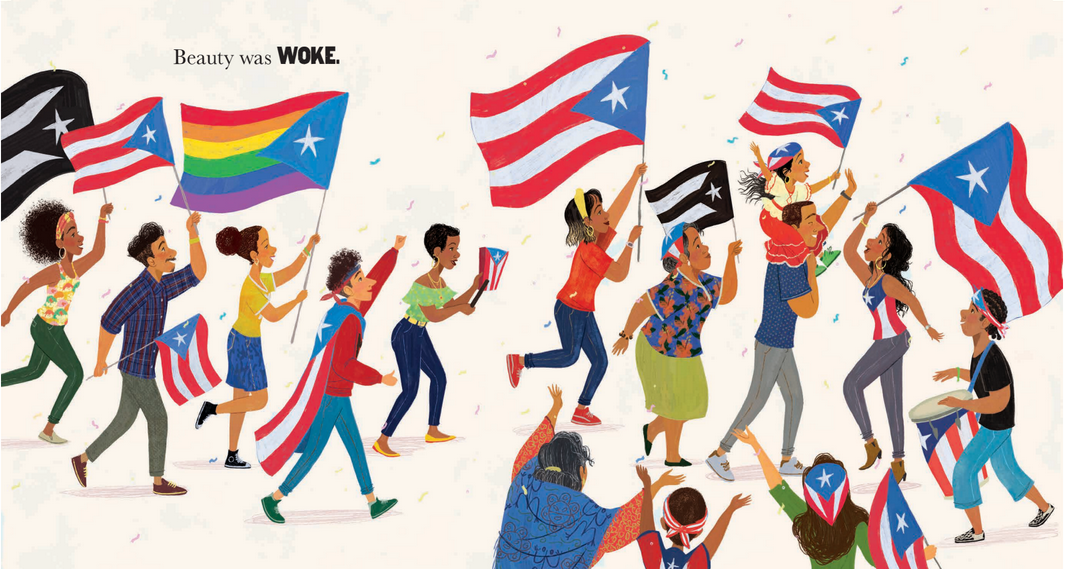
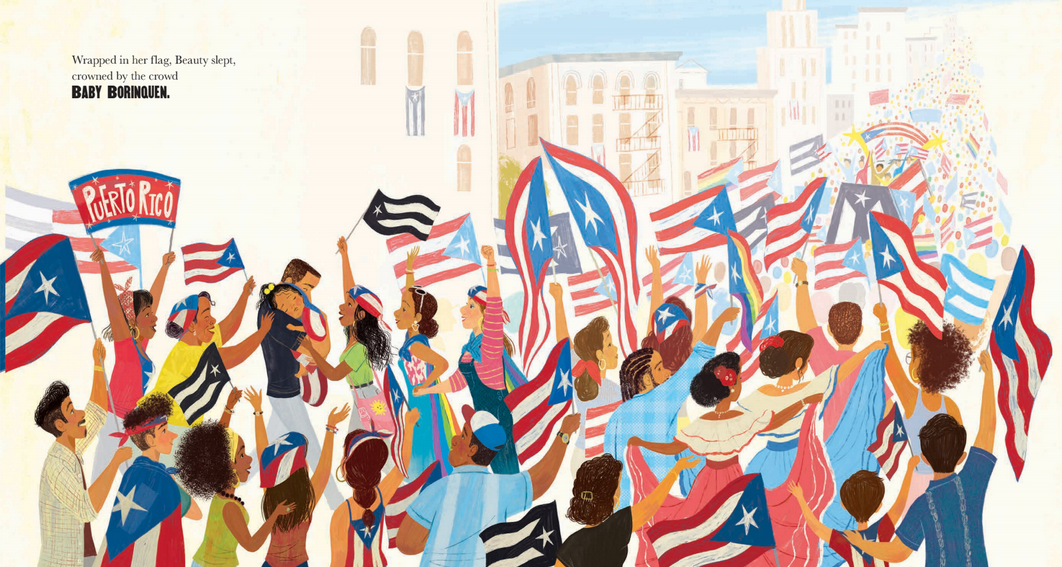
Beauty Woke by NoNieqa Ramos, ill. Paola Escobar

Thanks to her loving Puerto Rican family, Beauty learns to wake up and find the beauty within herself and in her heritage. Bursting with colorful illustrations, an inspirational story from the author of Your Mama. Yeah, see, this is how you do it. There are books that say you’re special but they don’t show it. This book means it. It burns with it. Plus who can resist taking the Sleeping Beauty myth and turning it on its head like this? Ramos’s decision to make it rhyme too was gutsy since rhyme can go so wrong. Extra points to whatever editor tapped Paola Escobar to do the art. This title should serve as an example for others. No halfsies. This book is all in.

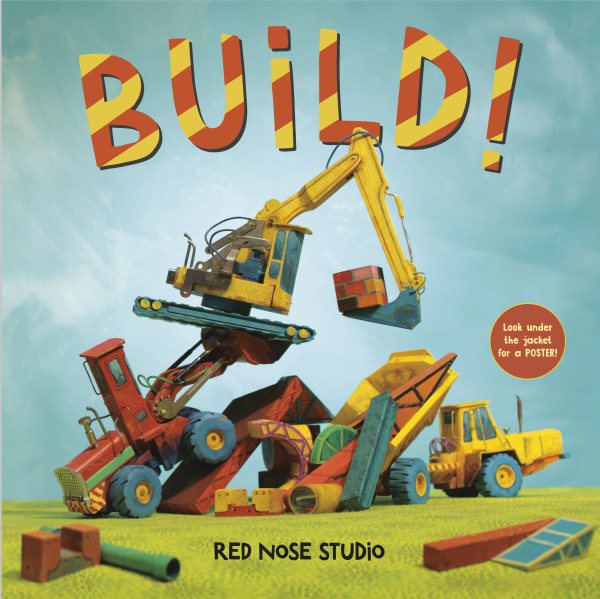
Build! by Red Nose Studio

Telescopic handlers, excavators, bulldozers and more! Watch as these great big vehicles (or are they?) hoist and drag, load and push. Construction vehicles have never been this cool. Considering the fact that we’re always on the look out for books that speak to younger audience, let us not discount the fine fine work of Red Nose Studio. Now for a time I was the primary Kirkus reviewer of all picture books related to construction equipment. That was for the very good reason that my son was briefly obsessed with them. This book would have hit all the right notes with him when he was 2 or 3. The text is marvelously simple (easy book simple?) and does all the fun action words you’d like paired to the act of construction. “LOAD” “DRAG” “HOIST”. And because these are all models, there’s a kind of Walter Wick-ish aspect to seeing how the images are made. The threads that are part of the crane, for example. I love the appearance of the kid at the end. Now here’s an interesting detail I’ve not really seen before: Under the book jacket you’ll find additional nonfiction definitions of each vehicle, from payloaders to backhoes, in the form of a useful poster.

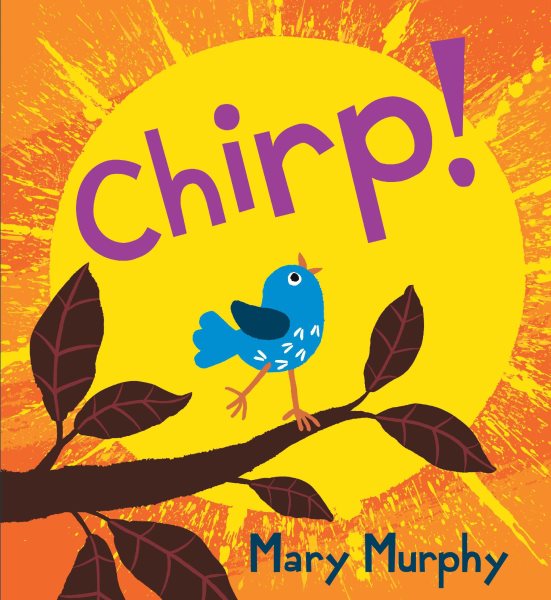
Chirp! by Mary Murphy

The sun is coming up and the birds are starting to appear. Bouncy rhyming text and beautiful art celebrate the dawn of day and the sounds of our many feathered friends. Okay, folks. I know some of you are always looking for those books for the younger kids that would be reading books from my lists. It’s so easy to praise those complicated stories for 5-year-olds and ignore their 3-year-old siblings. Now Mary Murphy is a known entity. She’s made a name for herself over the years (and I’m not ashamed to say that I’ve read the board book edition of her I Kissed the Baby MANY many times over the years). This book is subtle. It sneaks up on you. At first it doesn’t seem like much, but Murphy is juggling a lot of balls in the air. First of all, she has to include this wide array of birdcalls. She also has to make the whole thing rhyme (which is NOT easy), and in the art the sun has to rise at a glacial pace. There is also a seek-and-find element with the little blue bird apparent on every page. This is a readaloud that could work particularly well with a crowd, and it’s beautiful as well. A hard thing to manage in something that seems so simple.
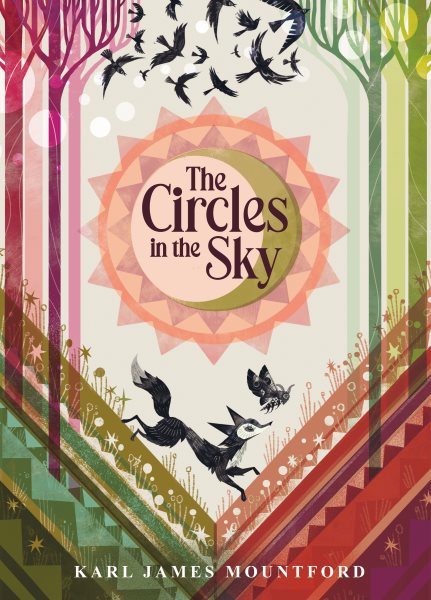
The Circles in the Sky by Karl James Mountford

 One morning Fox finds a bird lying quite still upon the ground. With the aid of a small moth, the two reflect on life and death, accompanied by marvelous, beautiful illustrations. A meditative, contemplative, necessary book. I like my death books touching, and I like ‘em weird. Trouble is, you usually get one or the other. Now this book isn’t fully weird, but it has little tiny elements that keep your attention going. Mountford is making his picture book debut with this title, but you’ve probably seen the work he’s done on middle grade book jackets over the years. Here, he brings his unique style to the story of a fox dealing with the death of a bird. It is very much a story of someone grappling with the idea of death for the very first time. The helpful moth tries out platitudes to soothe the fox, and you can imagine how well that goes. Together, however, they come to a kind of understanding. Now the art in and of itself is amazing. There’s this shot of the fox doing a very foxy straight up-and-down leap in an effort to wake the bird up that’s marvelous (to say nothing of the choice of skeletons under the hill) but the wordplay is the real standout. I love this line: “Sad things are hard to hear. They are pretty hard to say, too. They should be told in little pieces.” Just amazing.

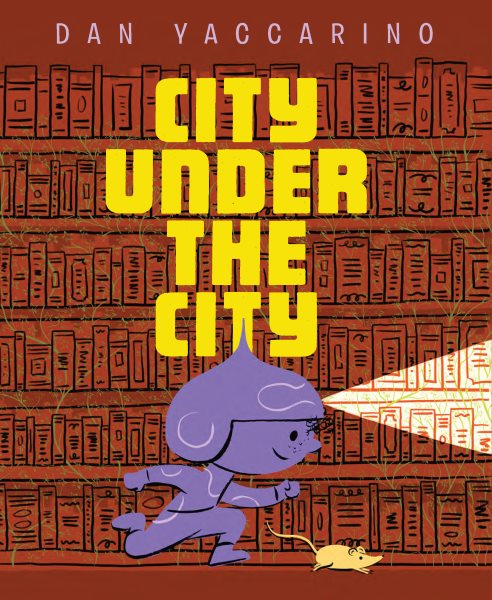
City Under the City by Dan Yaccarino

Bix lives in a city where robotic Eyes take care of everyone’s needs. But when she discovers an ancient city under the ground, she finds a love of books and reading she never had before. Now time for a revolution! Behold, the science fiction picture book. That rarest of rare beasts. Just anecdotally, when I happened to mention this book to a parent friend of mine she virtually grabbed my lapels and demanded I hand over a copy whenever I had a physical copy in hand. Why? Because this is just your average post-apocalyptic future in which a child finds the remains of an old world even as she discovers the beauty of choosing books for yourself. We see a lot of titles that are anti-screen but this is a much subtler and, quite frankly, more fun take on it all.

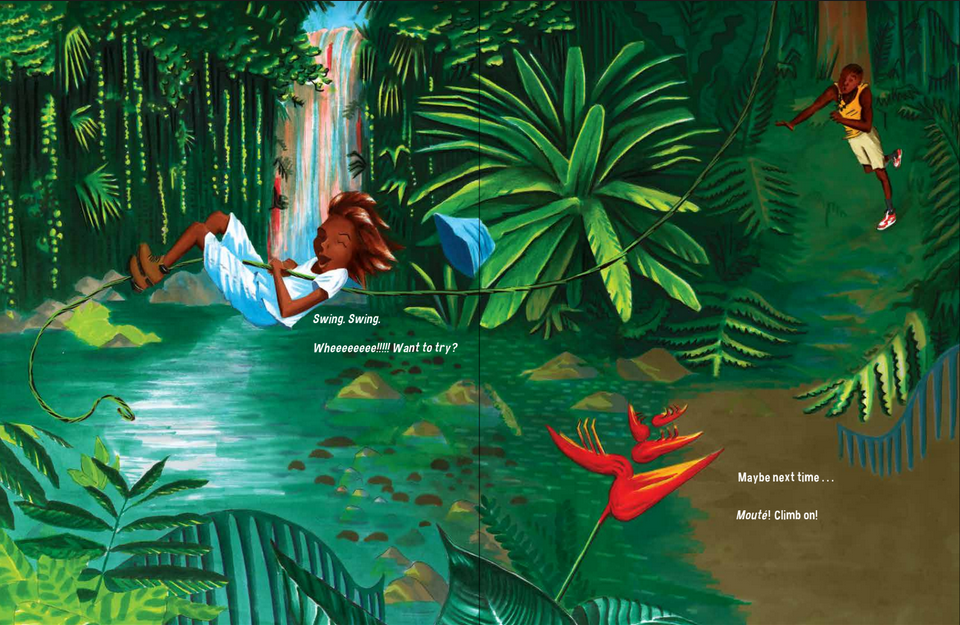
Climb On! by Baptiste Paul, ill. Jacqueline Alcántara

Pawé? Ready? What’s a kid to do when your dad wants to watch TV on a beautiful day? Get ready to climb the highest mountain and to scale the steepest paths. A hiking book with a view to remember. This one could have come across as one of those annoying role-reversal picture books people seem to be so fond of these days. You know what I mean. The ones where the parent acts like a child rather than vice-versa. There’s a bit of that in here, but honestly I felt for the dad in this book. Sometimes you just want to veg out on the couch and watch soccer, and then here comes your scrappy kid, insisting you actually go out and do something physical. In nature no less! While this is a quieter story than Paul and Alcántara’s previous collaboration on The Field, they get into this good rhythm together with this title. It also sticks the landing, which is no small thing. Definitely worth more reads.

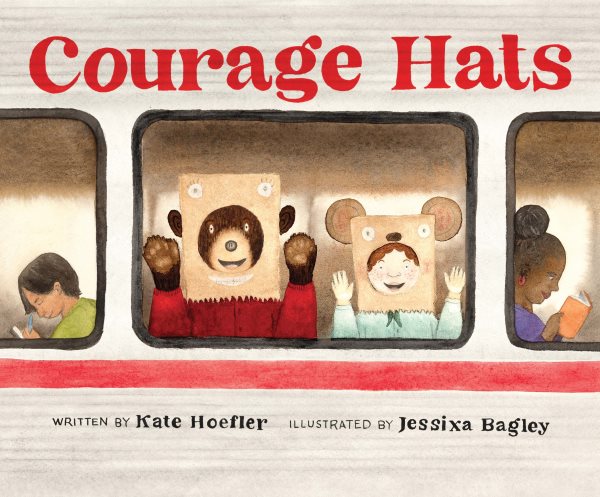
Courage Hats by Kate Hoefler, ill. Jessixa Bagley

“Not everyone loves a train. That’s the world. But sometimes, you have to take one anyway.” A girl scared of bears and a bear scared of girls make special hats to feel brave on a train and end up friends along the way. Smart writing and sweet art combine send a magnificent message. Okay, so a co-worker had me read this one and I wasn’t feeling too optimistic about it. I like Jessixa Bagley but something about this cover looked a little too cute for my tastes. Or maybe I was worried that it would contain this super obvious metaphor that offends the intelligence of child readers? Whatever it was, I walked in with doubts. I walked out a convert. First off, this is Bagley’s most sophisticated work to date. She’s really poured her heart and soul into this art. Just examine the way the pages are broken up and the different angles (I love the aerial view of the girl and bear walking down the aisle on the train together). But the real lure is the writing of Kate Hoefler. Do you remember Rabbit and the Motorbike from a year or two ago? Yeah, that’s her. Somehow she has managed to take the old Look Past Your Own Prejudices idea and turn it into this very sweet story that’s entirely new and old all at once. Making a new friend on the train? That’s just fun. But, again, I keep going back to the amazing writing here. This is picture book text at its finest.

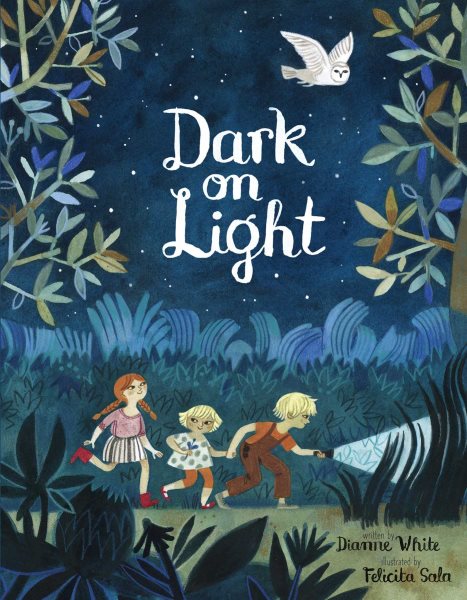
Dark on Light by Dianne White, ill. Felicita Sala

“Rose the horizon, gleaming and bright. / Twilight and evening and dark on light.” Gentle rhymes and sumptuous pictures present a mesmerizing bedtime tale. This is one of those cases where I’m awfully grateful for PDFs, even if I still prefer to read physical galleys. I’m already considering at least one other Felicita Sala book on this list this year, but I’d like some serious consideration for this this title as well. The rhythmic, almost hypnotic incantation of the text combined with her gorgeous art gives this all the feeling of a classic waiting to happen. There’s a really strong Moon Jumpers vibe coming off of this book, which I thought was great. I could see you reading this over and over, night after night, to a child in bed, since the story in the pictures is so comforting. Absolutely adored it on sight.

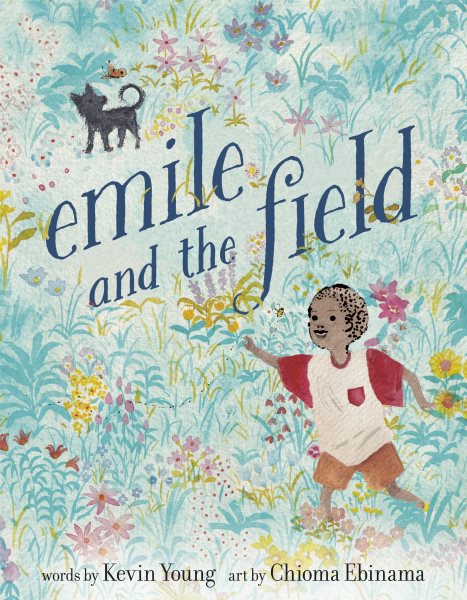
Emile in the Field by Kevin Young, ill. Chioma Ebinama

In this lyrical picture book from an award-winning poet, a young boy cherishes a neighborhood field throughout the changing seasons. With stunning illustrations and a charming text, this beautiful story celebrates a child’s relationship with nature. Now Emile was a book that took me more than one read to come around to. A beautiful example of why it’s useful to have friends and colleagues that can point out when you’re missing something. I think I fell into that old trap of figuring that if something was simple it was simplistic. But this book (which reads aloud particularly well) is doing tricks with watercolors you’d never expect. For a fun compare and contrast, try looking at Ms. Ebinama’s adult work and see if you can spot any similarities. 

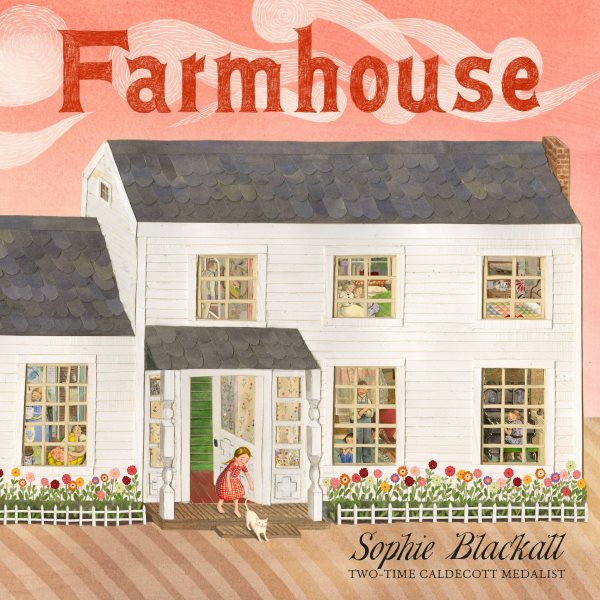
Farmhouse by Sophie Blackall

 In this house there lived a family that argued, dreamed, fished, and grew. Life and the passage of time are celebrated on the page in a stirring, beautiful tale. Farmhouse, which is very much in Blackall’s previous Calcecott-winning Lighthouse vein (day-to-day life in the past in a specific location) is a far more sophisticated, touching, and beautifully rendered book. I feel like we’ve seen at least a dozen picture books where a house is abandoned and then the happy ending at the close is that it’s restored by a new family. This book is kind of the opposite of all of those. The happy ending here is that an artist is able to bring the book back to life on the page. In real life? She bulldozed that sucker. I love the layered cut paper technique Blackall’s using here, and the sheer passage of time. There’s even a scene that shows the beauty of decay (which pairs the book well with that Fogliano/Smith title A House That Once Was). Yeah. Big time fan over here.

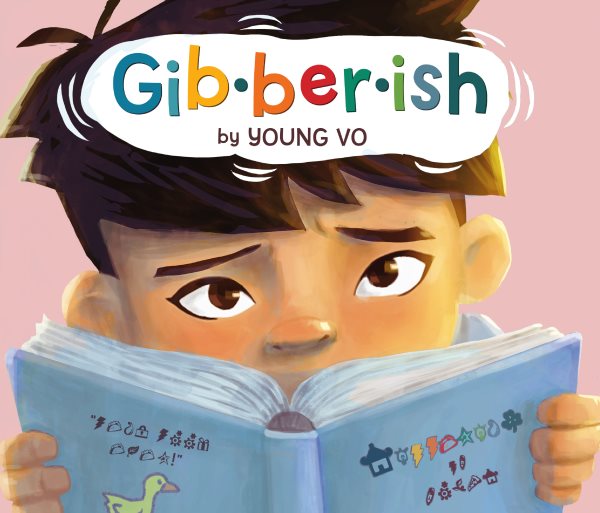
Gibberish by Young Vo

Now that he’s in a new country, Dat feels completely different from the people and the new language that surround him. Marvelous 30’s animation techniques drill home this separation, then recede to show how one good friend can make all the difference in a person’s life. I had to sit with this one a little while to really appreciate what it was doing. I initially read it as an ebook, but I think this particular title benefits the most when you can hold it in your hands. In a way, what it’s doing is pretty similar to what we’ve seen in Pie in the Sky, Here I Am, and even The Arrival. What it does differently, however, is utilize this kind of classic 1930s style of black and white animation along with a healthy smattering of Windings. What that does is really make clear not just the separation Dat feels from his classmates but also how unreal they all feel to him. I’m working on a theory of color as well. It’s possible that the color of the words and speech balloons mean something as well. It’s a lot more complicated than it looks from the outset but like all the best picture books it does a simply marvelous job of simplifying a complex idea without dumbing it down for kids. Extra points for what Young Vo has done with the title on the cover of this book. I didn’t notice it at first but it’s great.

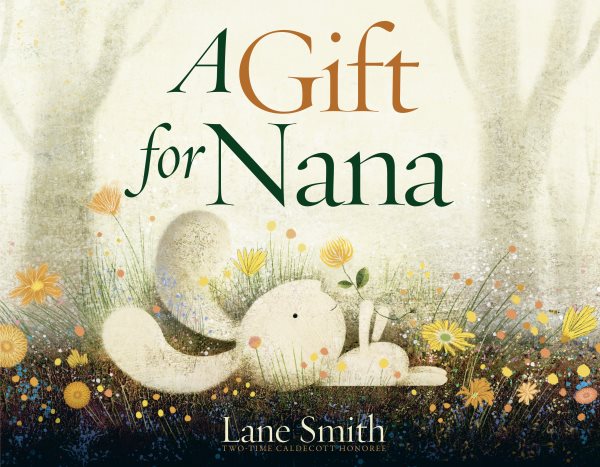
A Gift for Nana by Lane Smith, design by Molly Leach

What is the “perfect gift” for a Nana? Rabbit doesn’t know but he’s willing to go on a little quest to find out. With evocative art that sucks the reader in, Smith crafts a modern classic. When you get right down to it, Lane Smith is very good at what he does. It’s funny, but he can take the most dull sounding picture book plot and craft a truly gorgeous story out of it. The whole getting-a-gift-for-grandma trope has been done thousands of times before. But Smith is smart. He keeps the writing simple and then lets his art do the talking. The art in question is a mix of gesso, oils, “and cold wax” along with your standard Procreate digital work. By the way, have you ever seen anyone get title page credit for “Design” before? I think Molly’s his wife, so it makes sense, but it’s also rare enough to be notable.

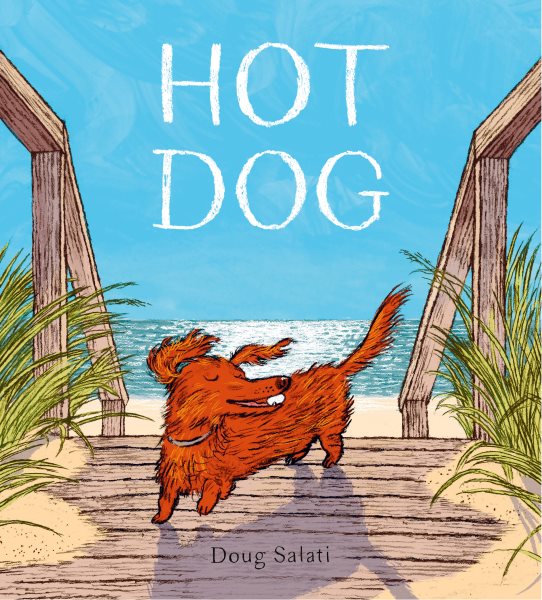
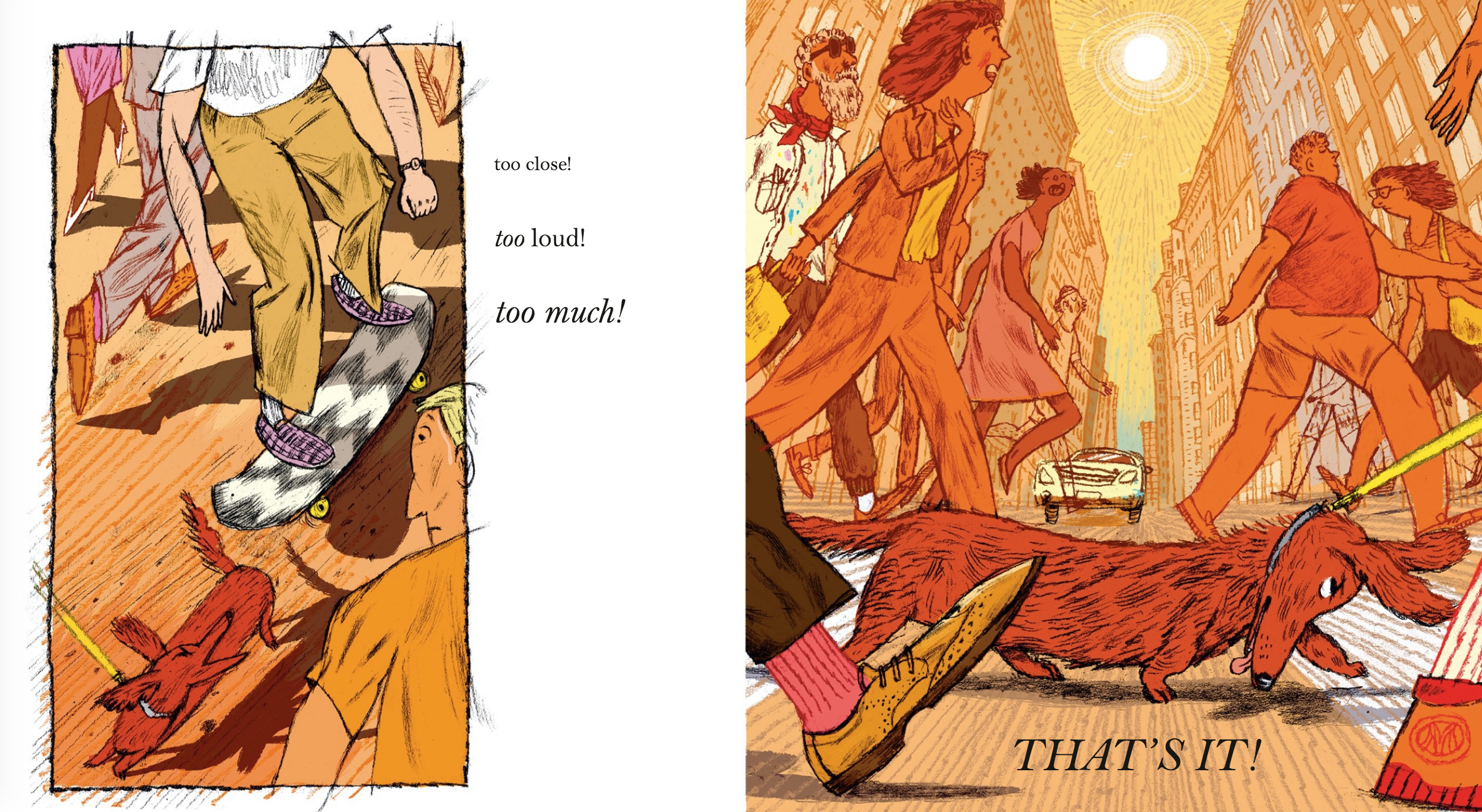
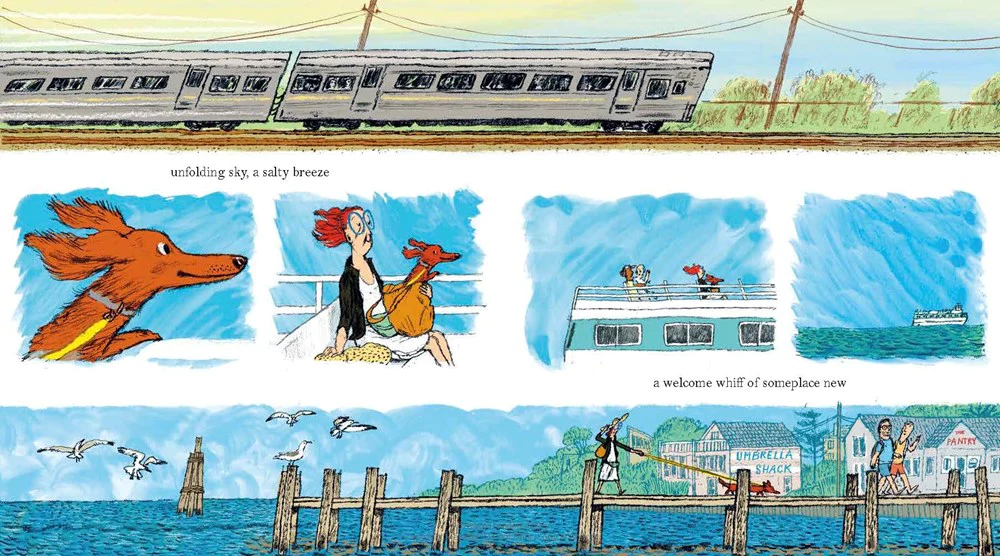
Hot Dog by Doug Salati

“too close! too loud! too much!” When a little long-haired dachshund is overwhelmed by the city, it takes a trip with its owner to the glorious sea. A book that feels like a deep breath of cool ocean breezes. A book that caught me entirely by surprise. I had walked into this figuring it was just your average, everyday dog book. What I didn’t expect was this author’s amazing ability to really plunge you into this little dog’s head. The claustrophobia of a hot overcrowded city felt so incredibly real. Never have I felt such a palpable sense of relief as when the woman and her dog make it to the seaside and those cool breezes start to blow. Then to have the return to the city feel like everyone has cooled down as well, is lovely. This book isn’t anti-city and pro-beach. It’s about needing to take a break once in a while and to just breathe. Extra points for a realistic look at living in NYC.

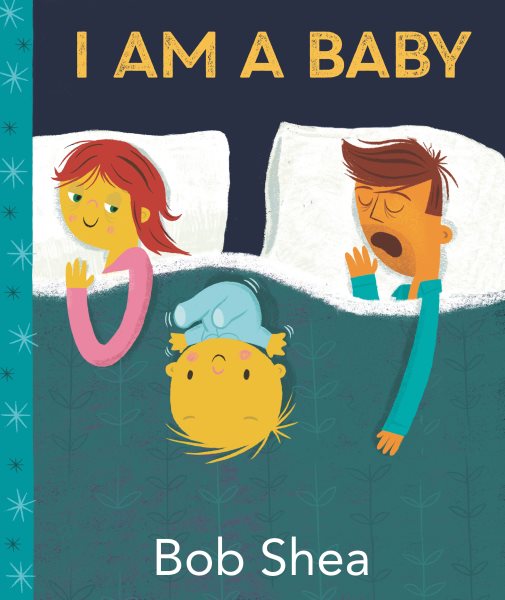
I Am a Baby by Bob Shea

“I am a baby and I am not sleepy”. If this sentence doesn’t strike terror in your heart then you are not a parent. A book that puts proof to the phrase “Cute is a survival mechanism”. I feel obligated to explain that Bob Shea could probably write a picture book about tree sap and I’d invest my life savings to see it go to press. To my mind, he’s hit this golden plateau of uninterrupted successes. Little wonder that I’m gaga (no pun intended) over this baby. With spare language and copious bags under the eyes, we get to see a preternaturally cheery babe wreck glorious havoc with human sleep patterns. Has there ever been so devilish an image as this cutie in footie pajamas grabbing its own footies in the middle of its crib while the text proclaims those deadly words, “I am not sleepy”. This pairs shockingly well, by the way, with the board book twofer by Antoinette Portis out this year called “I’m Up” and (hauntingly) “I’m Still Up” (both recently seen on the 2022 31 Days, 31 Lists Board Books list). I feel like kids will love this just as much as their dream-deprived parents since there’s a beautiful back and forth to the writing. Two exhausted thumbs up.

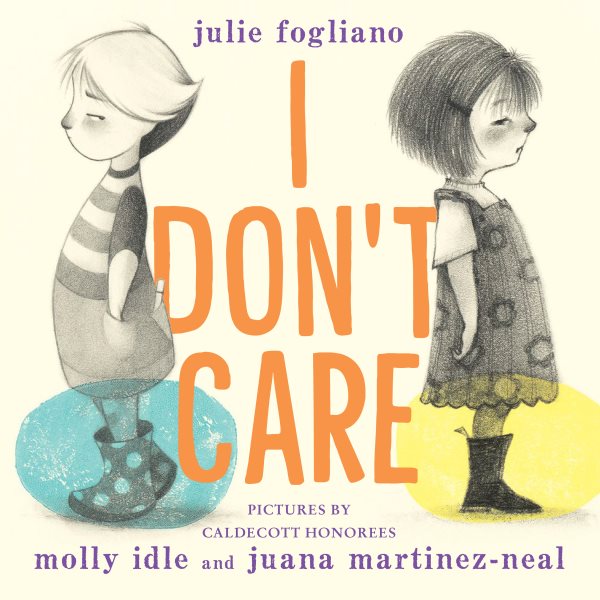
I Don’t Care by Molly Idle and Juana Martinez-Neal

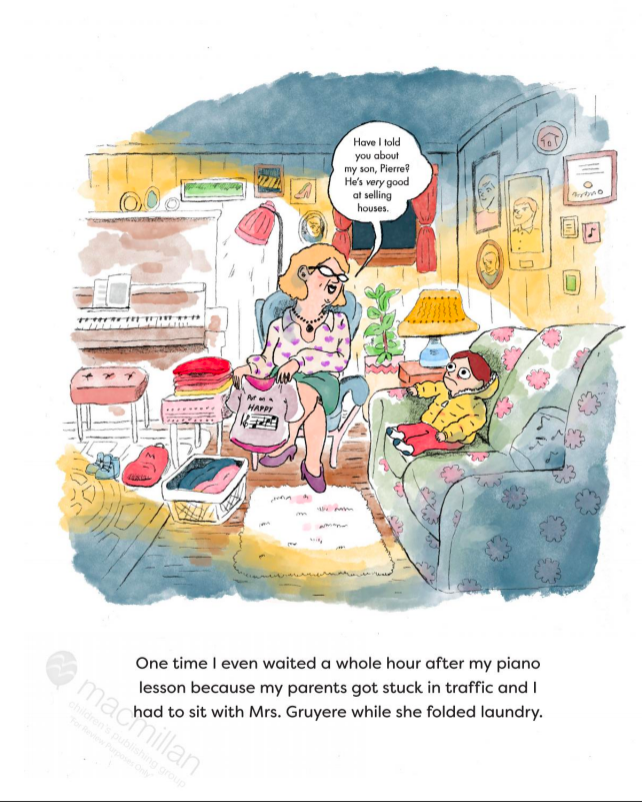
A remarkably charming tale of two girls seeing past their differences to become the best of friends. Illustrated by two artists who are best friends in real life! Could be a fun pairing with Pierre by Maurice Sendak. This is a good example of one of those cases where I saw a PDF of a book and liked it fine, then saw a physical copy and liked it so much more. And, I dunno, maybe I’m getting to be an old softie in my old age but this kind of made me tear up a little as well. There must be other examples of picture books where more two or more illustrators have melded their styles, but darned if none are coming to mind right now. The fact that this was Molly’s idea after reading Julie’s manuscript AND that she and Juana are good friends anyway is so sweet. Fogliano has a near magical ability to take a simple idea and then write that picture book more beautifully than 99.9% of the schlock out there. Long story short: I’m charmed.

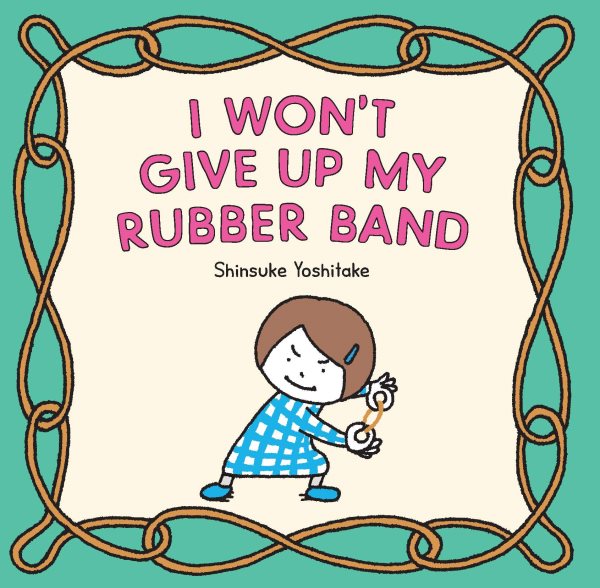
I Won’t Give Up My Rubber Band by Shinsuke Yoshitake, translated by PHP Institute, Inc.

This rubber band? It’s mine. No one else’s. And if you want the world’s greatest (and funniest)  listing of what you can do with a single rubber band, you’ve come to the right place. It is a fact universally acknowledged that should a new Shinsuke Yoshitake book come out, I will probably like it very much. That said, if this were the very first Shinsuke Yoshitake book I’d ever seen, there is no doubt in my mind that I would be just as rabidly enthusiastic about it as I am now. He really knows how to tap into a kid’s way of looking at the world. I love the moment at the beginning of this book when our heroine goes through all the things she encounters regularly that are NOT just for her. The expression on her face as she shares? Priceless. Extra points for the little after-the-credits image on the back cover of her asking for a ribbon as well.

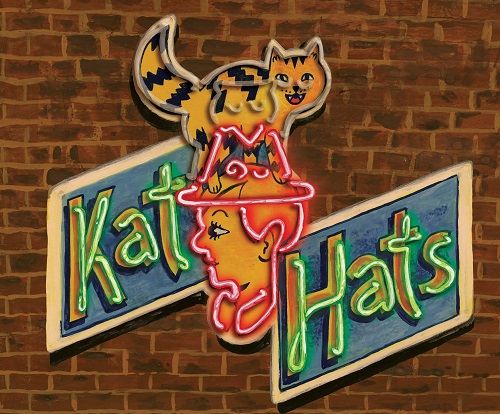
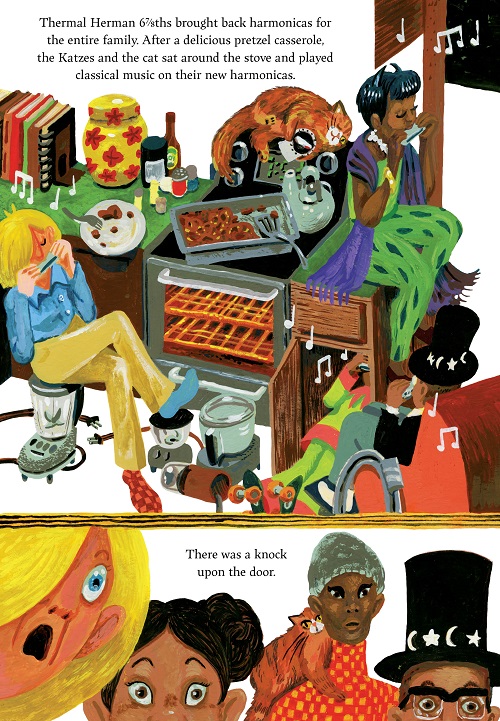
Kat Hats by Daniel Pinkwater, ill. Aaron Renier

Matt Katz’sKat Hats does not make hats that look like cats or hats for cats. It trains cats to BE hats. So when someone needs a hat stat, it’s up to the top Kat Hat to save the day. Brain melting fun with eye-popping art. Oh, sez I. Daniel Pinkwater has a new picture book after all these years of radio silence. Oh, sez I. His illustrator is Aaron Renier, a guy who’s sole contribution to the world of children’s books was that remarkable and creepy-as-all-get-out Walker Bean series. That’s . . . an absolutely fascinating combination. And maybe it was because I was aware of Pinkwater’s brain bursting oeuvre (Lizard Music, anyone?) that I was in the right frame of mind for this book. I would think you would have to be in the right frame of mind because otherwise the sheer weirdness of the concept and the art itself is going to make your (adult) little gray cells congeal. This book is really weird… and I really like it. If you want something that does NOT look like the 5,000 other picture books produced this year, better get in on it.

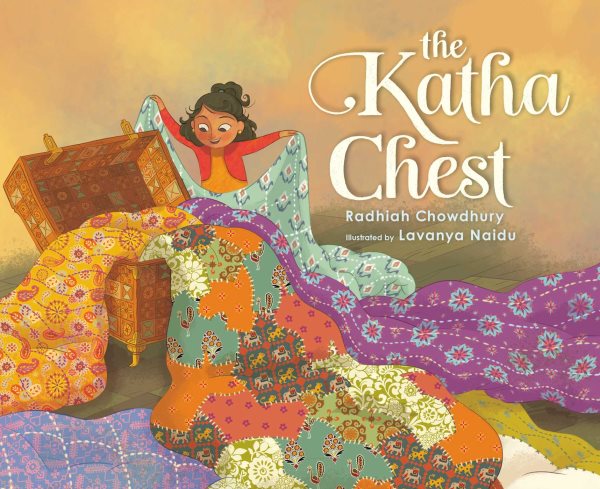
The Katha Chest by Radhiah Chowdhury, ill. Lavanya Naidu

There’s nothing Asiya loves more than to open her Nanu’s katha chest and bury herself in its quilts. Each one is sewn from a sari worn by a woman in her family, and they tell of happiness and heartbreak. A stunner of a book, this one sneaks up on you. We’ve seen family stories with saris in the past. Usually the story is about a mom or other family member that wears them. This book looks like that, but there’s this marvelous collaboration going on between the author and artist that really raises the question as to whether or not they were in touch during the creative process. As you see each sari for each aunt in the family, you get a four panel sequence that summarizes each woman’s life story. It’s this graphic element that I find so very fascinating. Doesn’t hurt that the writing is good as well. Plus, the women’s stories are sometimes happy but sometimes honestly harrowing. A highly successful book on a story you might think you’ve seen before, but most certainly haven’t.

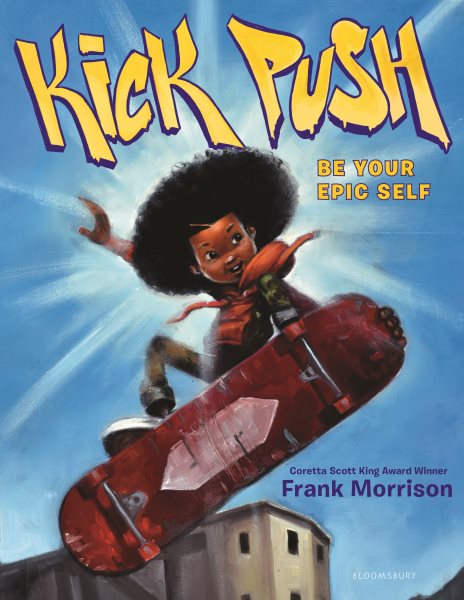
Kick Push: Be Your Epic Self by Frank Morrison

Ivan’s usually so legendary with his kickflipping, big rail grinding moves that his friends call him EPIC. Now he’s moved to a new town where skateboarding’s not the norm. Should he fit in or stand out? A book teaming with motion and fire. Long long long ago I remember seeing Frank Morrison’s very first picture book Jazzy Miz Mozetta. He was using this elongated, vibrant style that didn’t look like anyone else’s on the picture book market. In a note in the front of this book, Morrison calls this signature style “mannerism” and to my mind he’s perfected it. Inspired by his own kids and their skateboarding talents, he’s taken the standard “be true to yourself” motif (a standard in picture books) and given it his own inimitable twist. I call this Peak Morrison. A book that shows what he can do to the best of his own abilities. Nice to see him letting himself go like this. More!

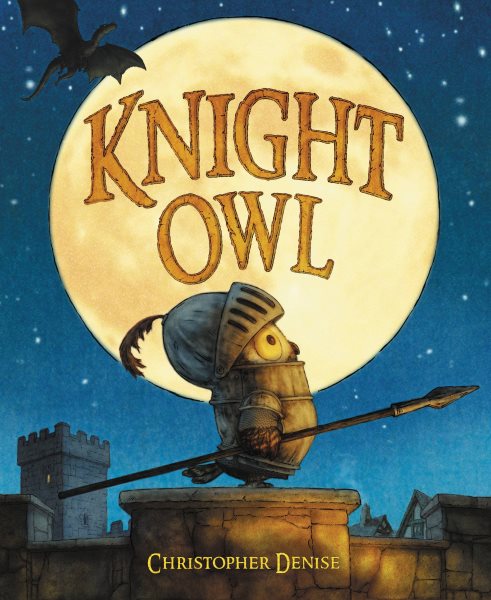
Knight Owl by Christopher Denise

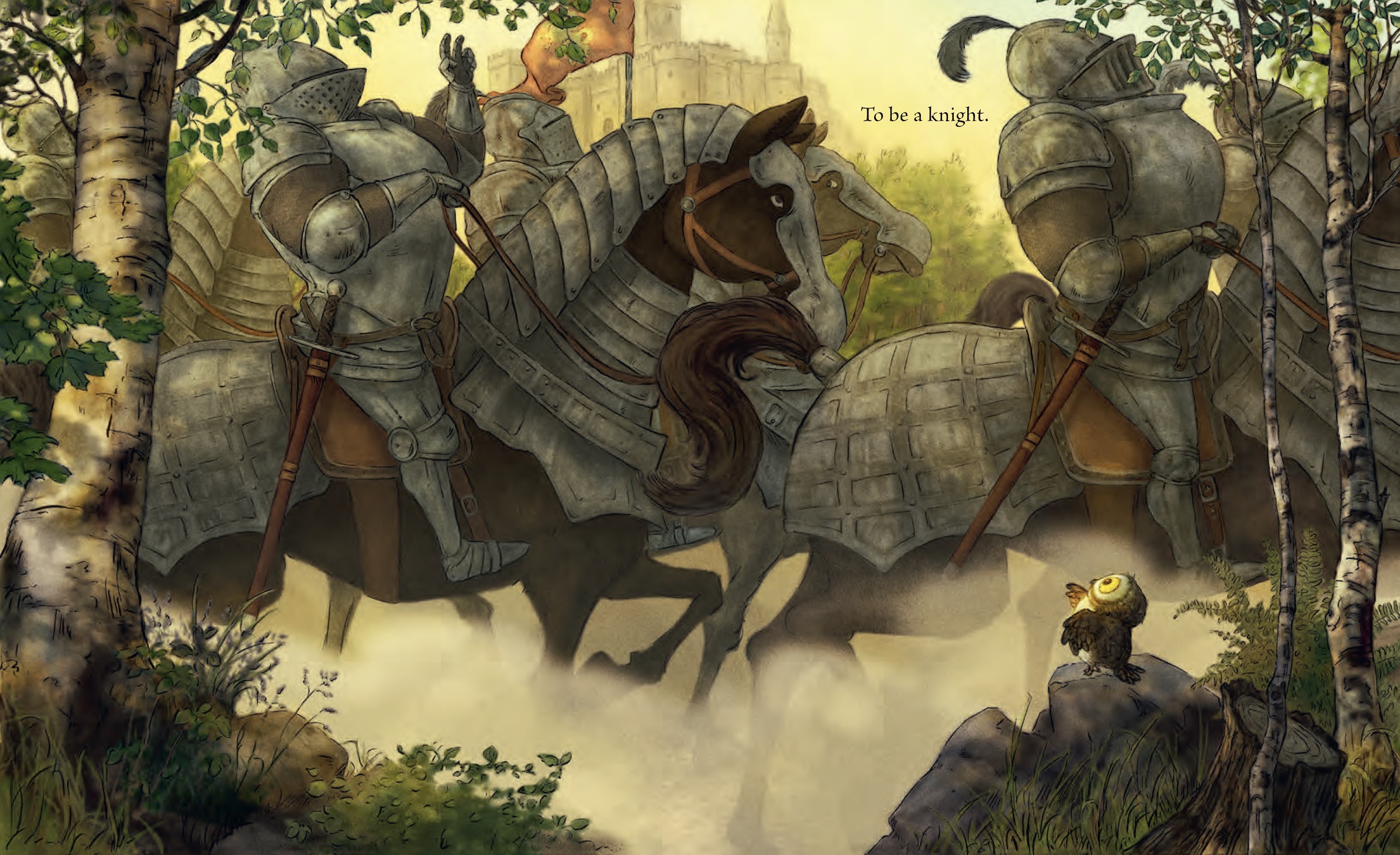
I went to a new Barnes & Nobles bookstore near my home recently and beelined for the picture book section. It was just as I feared. Just series titles and old reliable standby authors. Honestly there was only one non-series related picture book title from 2022 featured there and you know what it was? This little beauty. I mean it. In this book, Owl has a dream. You may think it’s ridiculous, but more than anything he yearns to become a knight in shining armor. But when his chance finally comes, will he be up to the ultimate challenge? Whoooo can say? Stand aside N.C. Wyeth and bow your head Maxfield Parrish! Christopher Denise is the one to watch these days. I’ve a weakness for little owls anyway, and this book really and seriously taps into that mild adoration. What could be cuter than an itty bitty owlet facing a gigantic dragon anyway? Love the tone of the book and the writing, but it’s the art that’s the true star of the show. Luminous is a word that’s overused in children’s book reviews, but for once in my life I’ve gotta use it. Lovely and luminous.

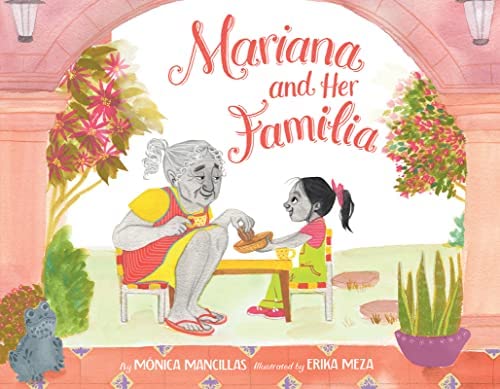
Mariana and Her Familia by Mónica Mancillas, ill. Erika Meza

Oof! Came dangerously close to missing this one. I think you can pretty much see the cover of this book and know precisely what it is about this title that I like right now. I mean, just look at the expression on the Abuelita’s face. This is a woman who has done a LOT of tea parties in too small chairs with her grandchildren. Of course the storytelling itself is fantastic, and not one I’ve seen before. Mariana and her Mami are visiting her Abuelita and family members in Mexico. Only thing is, Mariana was last here when she was a little so she doesn’t remember anyone and she doesn’t really speak Spanish. She makes an early embarrassing mistake when she calls her Abuelita her Agualita early on, but her grandmother knows how to make her feel better, even without a shared language. It’s Erika Meza’s faces that just suck you in, though. The expressions and the glances. The eyes! She’s so good with eyes! I loved where patterns would work into the illustrations and the sheer beauty found in the contrast between the black and white people and their colorful clothes and designs. This is really a true delight. 

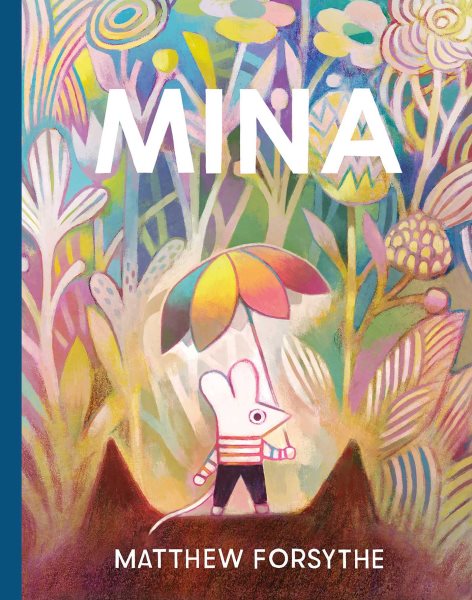
Mina by Matthew Forsythe

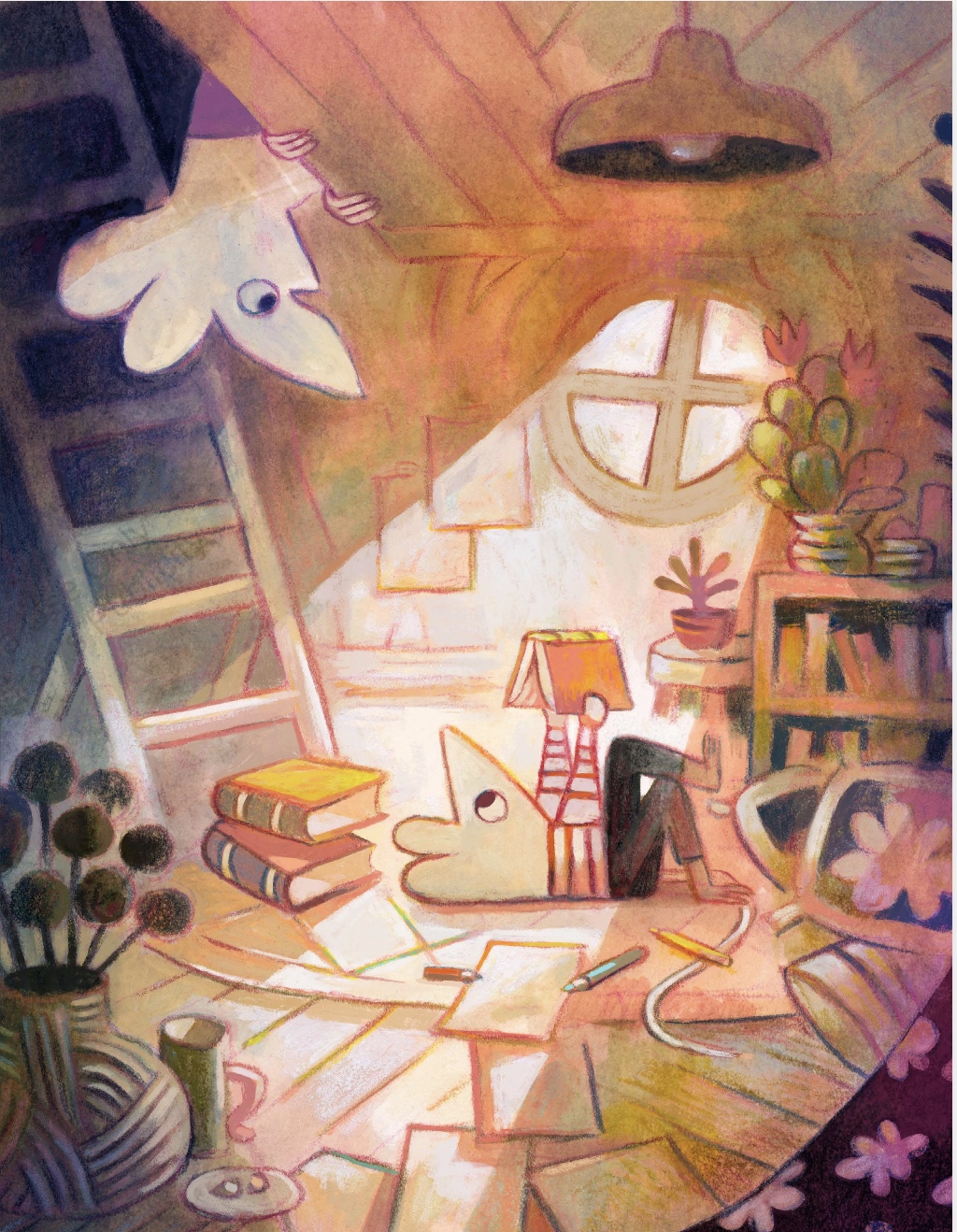
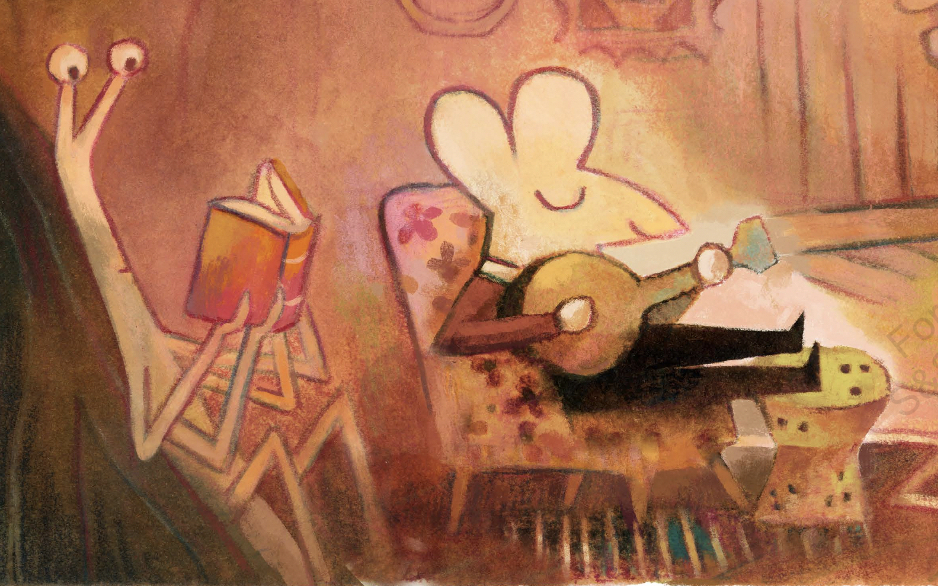
Nothing much bothers Mina, but the day her dreamy father brings home a cat, claiming it’s a pet squirrel, she gets a bit alarmed. Will her family survive the latest in her dad’s crazy imaginings? Now I will freely acknowledge that I loved Pokko and the Drum (Forsythe’s previous masterpiece) so much that anything else feels like it pales in comparison. But that’s not fair to this book since it really is utterly charming. It’s a fun take on the ne’er do well dad trope. The cats act like unapologetic cats, and I dig that too. Also, Forsythe may draw the best stick bugs I’ve ever seen. With its glowing art and visual humor, this one’s a keeper. 

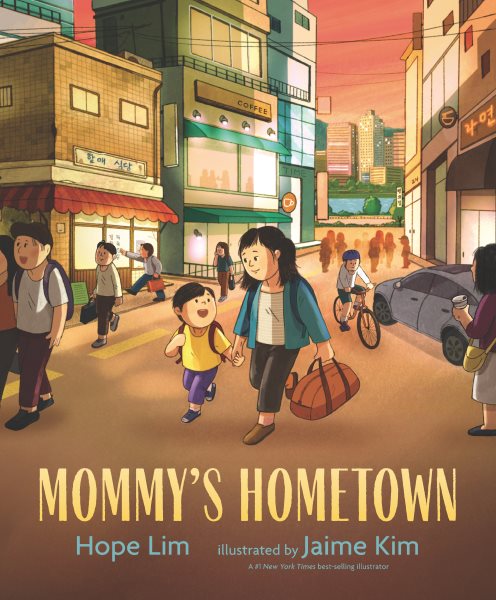
Mommy’s Hometown by Hope Lim, ill. by Jaime Kim

In Mommy’s country she grew up with mountains and fun rivers. But when her son visits the land with her, he finds a city has taken over. Is there still outdoor fun to be had? It’s an interesting take on a child living through their parents’ memories in a way that I truly think is universal. My own parents would sometimes tell me stories of growing up, in such a way that I would imagine what it was like to be those places myself. I think that happens anywhere. This book gives it a little added extra kick with the urbanization of parts of South Korea. It’s actually a really good celebration of city living, which we don’t see quite as often. Definitely unique.

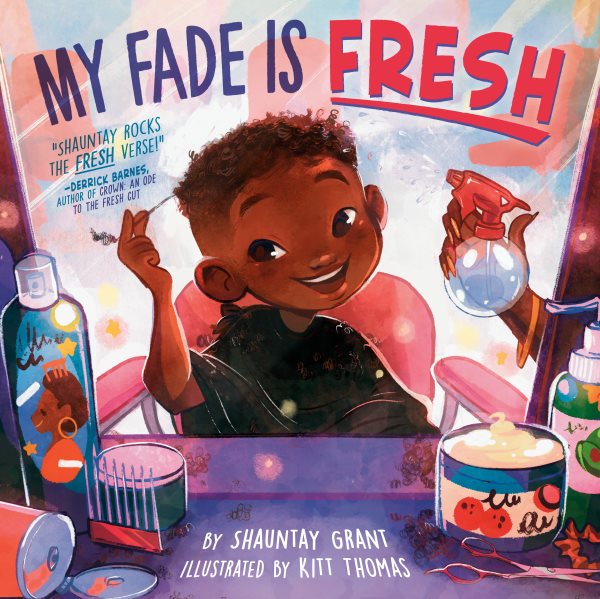
My Fade Is Fresh by Shauntay Grant, ill. Kitt Thomas

Considering the sheer number of picture books telling Black kids to be proud of their hair, I was caught completely unaware by the plot and structure of Grant’s latest title. From the cover, I just assumed we’d something along the lines of Crown by Derrick Barnes. And certainly there’s a little of that book in this one’s bones (he even has a blurb on the cover), but plotwise I couldn’t have been more wrong. A young girl walks into a barbershop seeking “the freshest fade up on the block!” She is not shy about this request and she knows PRECISELY what it would entail. But the adults around the girl just cannot deal with this. They literally suggest every other possible iteration of traditionally female hairstyles in the hopes of distracting the young customer from her goal. Through all of this she stays strong, which I greatly admired. It’s one thing to show kids a book about standing up to your enemies, but standing up to your friends and family? That takes an extra layer of toughness. The stylist keeps just cutting a little and then asking if she should stop, which is such a uniquely frustrating thing for any kid to deal with. The final result is HARD won, I have to say. It’s so nice that the rhymes scan as beautifully as they do, but that final show of the girl in her skirt with her new hair is worth the price of admission alone. An excellent title on showing how to stand up to a world full of other people’s opinions about how you look.
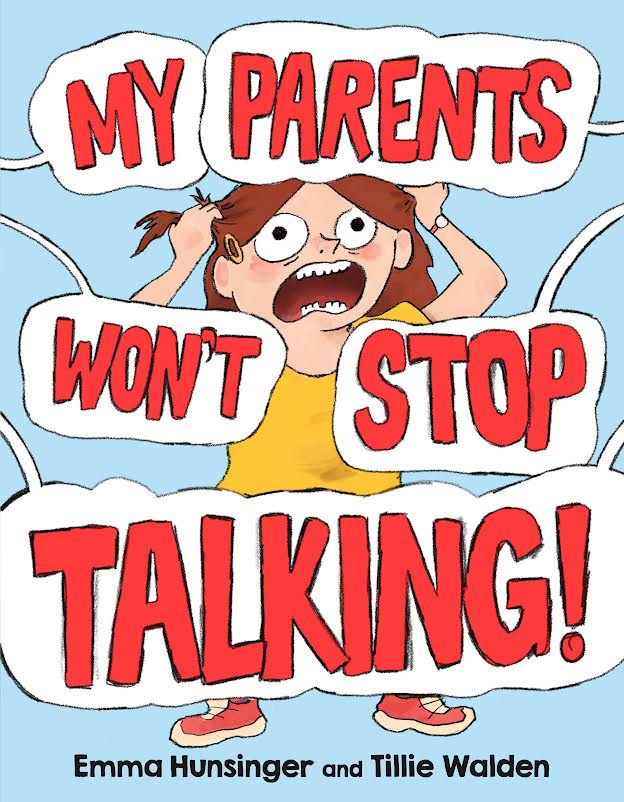
My Parents Won’t Stop Talking by Tillie Walden and Emma Hunsinger

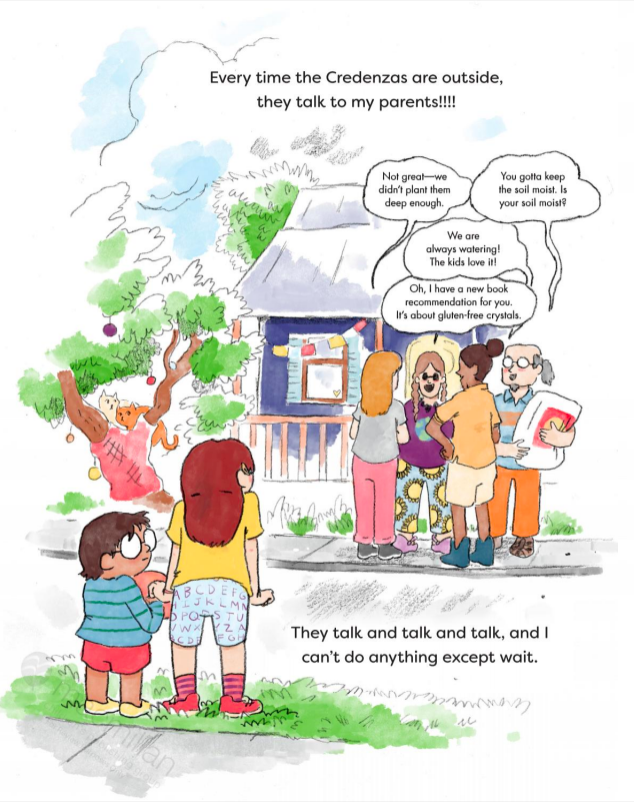
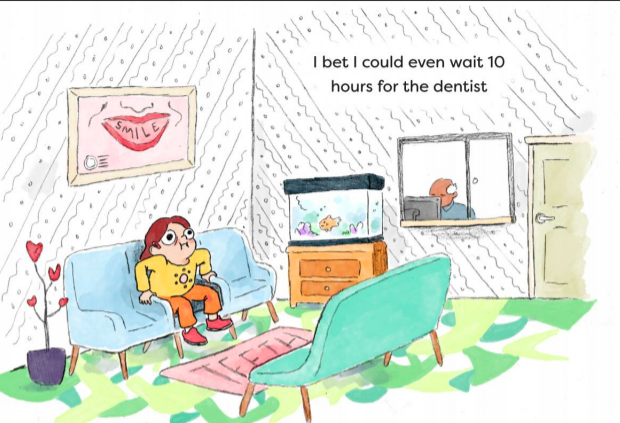
Molly is so stoked to go to the park with her family . . . until they start talking to their neighbors, The Credenzas. WILL the parents ever stop talking? WILL Molly be able to go to the park? WHY is her brother so calm about all this? A hilarious and universal childhood moment. My favorite book of the year. I’ll repeat that for you. FAVORITE. BOOK. OF. YEAR. And yes, I originally wrote that statement in January of 2022 but that attitude never really changed. This is every childhood frustration rolled into one big, beautiful book. And talk about relatable! The art is fantastic (reminds me a lot of Jules Feiffer) the text hilarious, and I just love how it works itself into a worst case scenario so seamlessly. You want funny? You want this book.

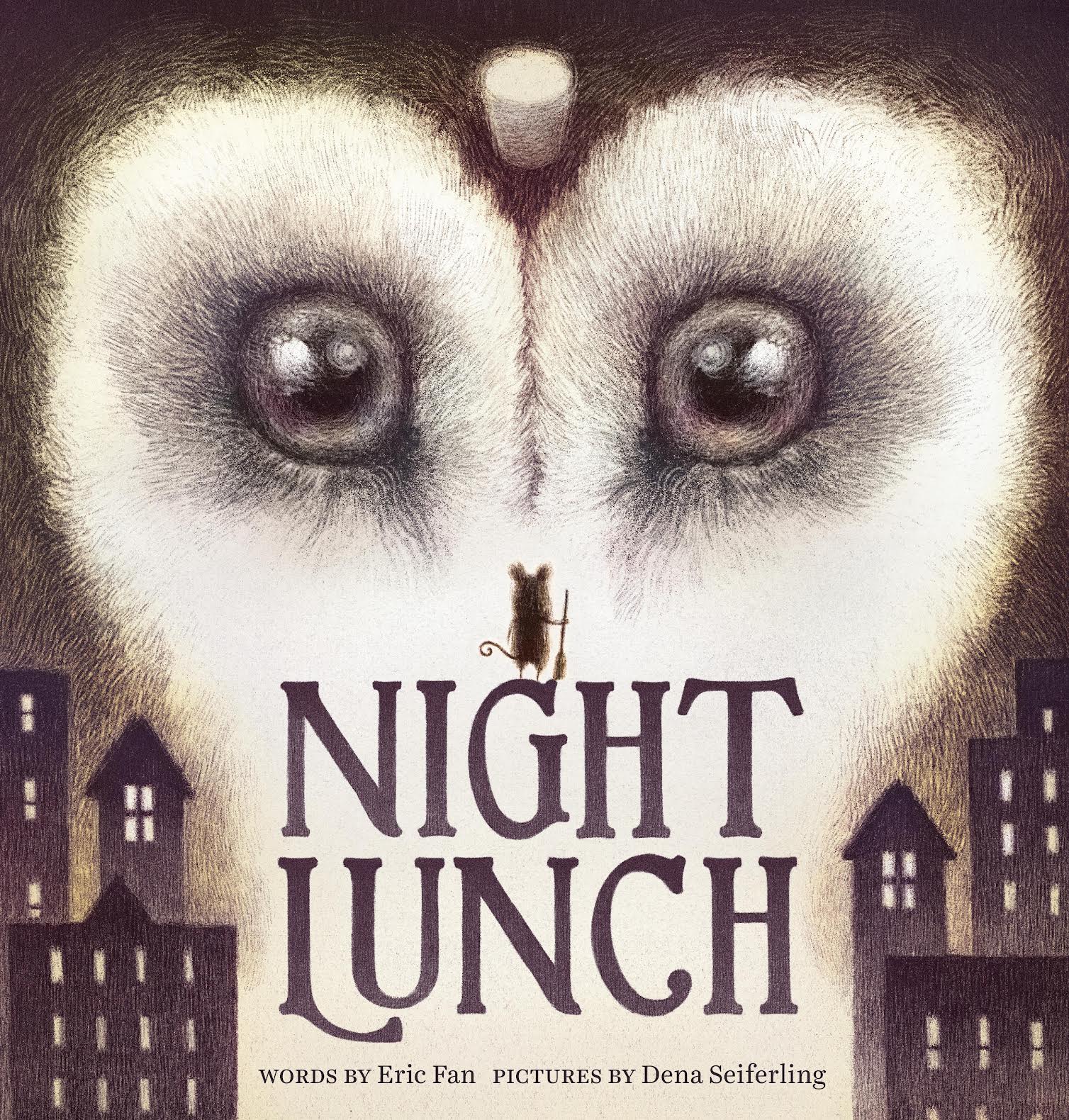
Night Lunch by Eric Fan, ill. Dana Seiferling

“Clip clop, a midnight moon / The night lunch cart rolls in.” Gently rhythmic wordplay accompanies the story of a kindly owl, the animals that feast at its lunch cart, and the hungry little mouse it befriends. Lovely and memorable. Under normal circumstances I’m no fan of picture books in which predators befriend their prey (Miss Spider always irks me) but I may have to give a pass to this particular beauty. How could I resist? I’ve always liked Seiferling’s style, but apparently if you set her books at night they get this extra added kick. It’s funny. There’s a rhythm to it, but it doesn’t rhyme. I love what the art does with light here. It’s also a great book for any child who has a parent that’s a night worker. A fortuitous pairing in a strangely comforting little book. 

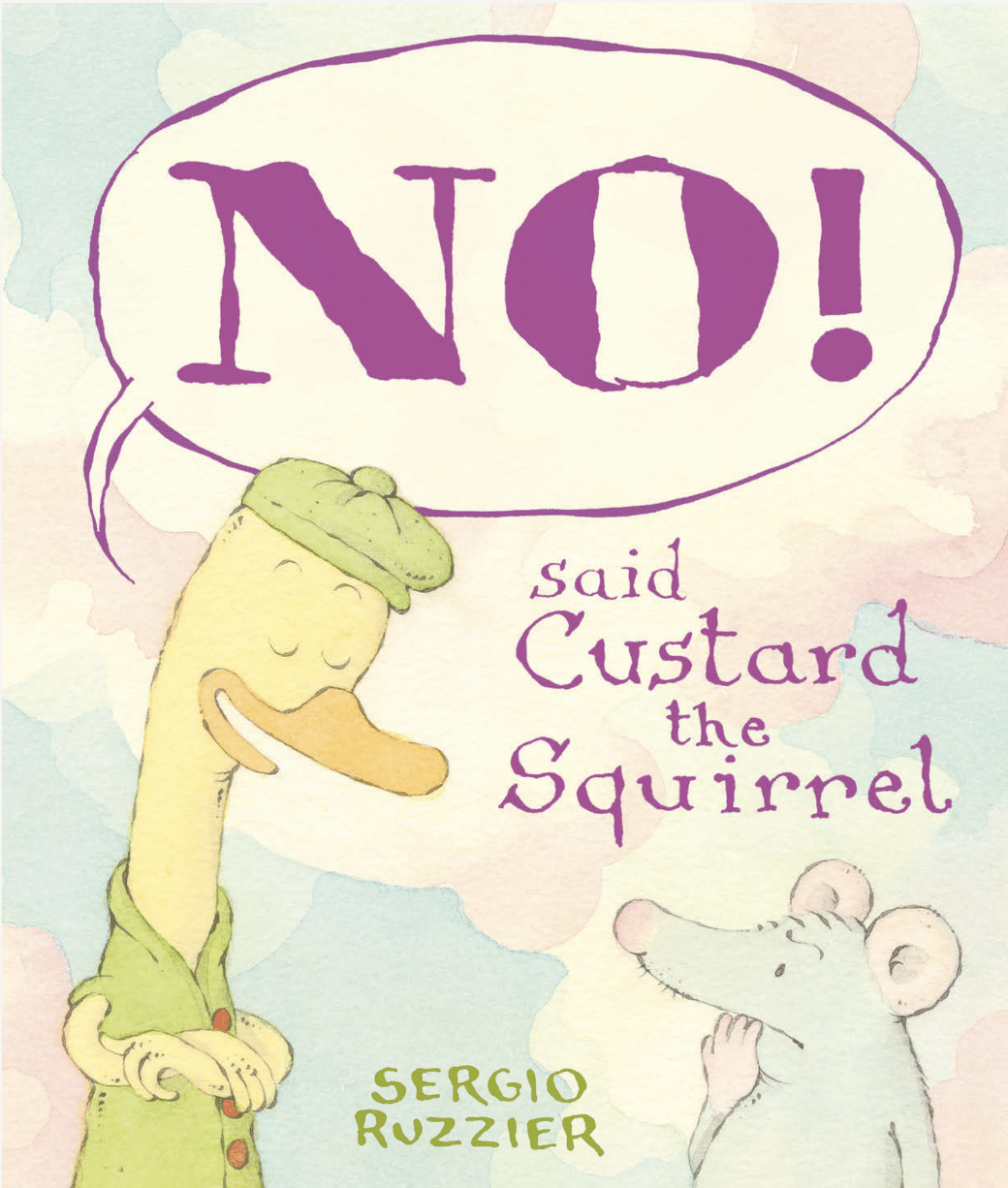
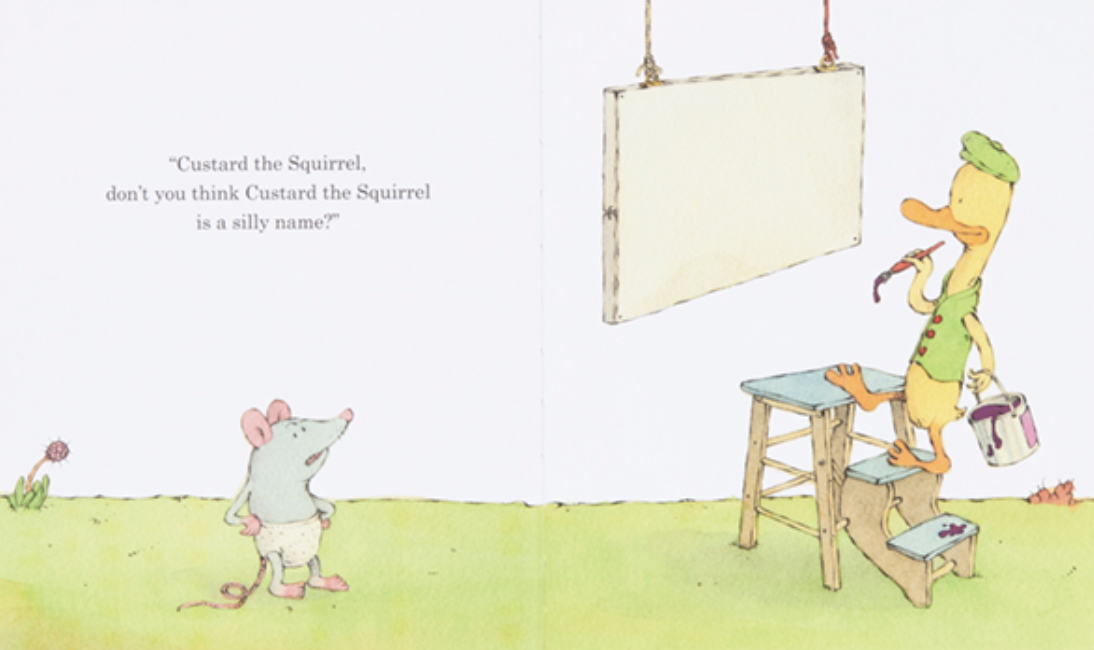
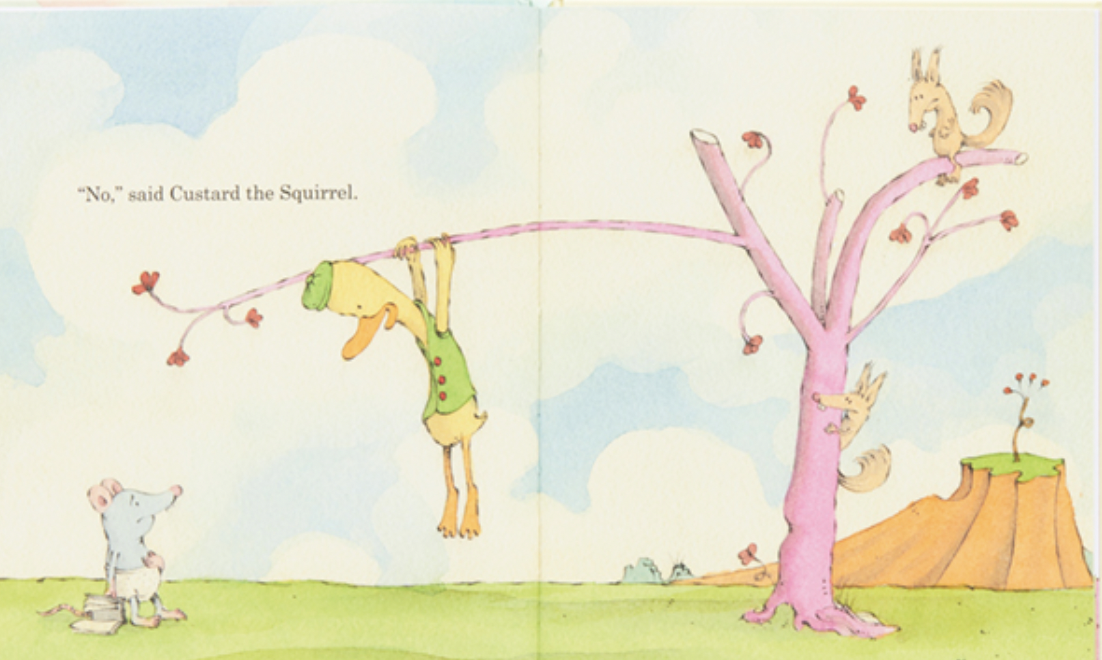
No! Said Custard the Squirrel by Sergio Ruzzier

A rodent insists that Custard must be a duck, and badgers him repeatedly. Fortunately, Custard knows himself very well and is adamant in standing strong. A book about being true to yourself in spite of the doubters. This one has kind of blown my tiny mind. At its core it appears to be a book about dealing with jerks that insist on defining you by their own terms. Custard’s sheer patience with this little rat is downright inspiring. This is so unlike anything else that Ruzzier has ever done that it took a little while for me to take all its different aspects into consideration. This practically feels like a primer for kids on how to deal with assholes. And yes, it’s about being true to yourself too, but I think there are all sorts of potential ramifications here. Utterly original, though I’d like to see more along these lines, please.

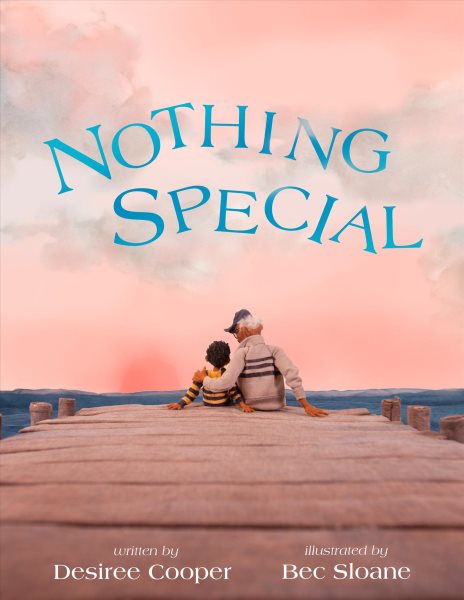
Nothing Special by Desiree Cooper, ill. Bec Sloane

You know how I have a list just for books that use photography? I’m seriously tempted to someday make a list that’s just models and modelwork. Trouble is, there just aren’t enough books that use models in a given year. Not enough great ones, anyway. Not enough like Cooper and Sloane’s Nothing Special. In her Author’s Note at the end, Desiree Cooper writes that, “Much is said about the Great Migration when more than six million African Americans left the oppression and violence of the Jim Crow South between 1910 and 1970. But little is said about the annual reverse-migration that has become central to black nostalgia.” This book is about one such visit. In it, grandson Jax has come from Detroit all the way to his grandparents’ farm in coastal Virginia. This being his first time, his expectations are Detroit expectations. He just assumes they’ll be going to the zoo or buying toys at the mall, or going to the movies. Instead, his PopPop, when pressed about what they’ll get up to, just says “Nothing special.” That “nothing special” turns out to be crab fishing, kite flying, eating crabs and corn, and counting fireflies. And Jax, to his credit, is on board with it. Sloane and Cooper seem to be working closely in tandem with one another. For one thing, Cooper grew up a self-described an Air Force brat and Sloane makes sure that PopPop is wearing his Air Force Veteran hat in all the shots. But the movement and naturalness to the modeled art is astounding. Not just when it comes to the figures (all felted) but also the emotions and the beautiful two-page wordless spread of a starry sky over the grandparents’ little house. Marvelous and miraculous and can’t miss, all at once. Something special. 

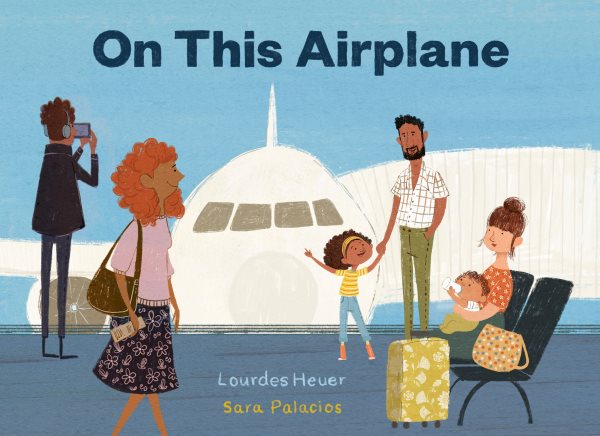
On This Airplane by Lourdes Heuer, ill. Sara Palacios

On this airplane there are many people to meet before any of them arrive at their final destination. A touching, gentle tale of expectations, travel, and immigration. Also, and is is no small thing, an exceedingly clever book. On the outset it looks like one of those informative picture books telling kids what to expect on airplanes. But the story actually begins with everyone stepping into the plane itself. Once there, you get all the characters you’d meet on a plane, like the screaming baby and the guy who moves his chair seat too far back. The book lets you get to know these people, particularly one family. It becomes clear after a while that they’re immigrating to a new home, and there’s this final shot in the book of them staring at their new apartment with this fascinating mix of trepidation and hope. Palacios is a perfect person for this story, and the writing is subtle and smart and moving in ways you wouldn’t initially expect. A smart book that touches on an old topic with a new take.

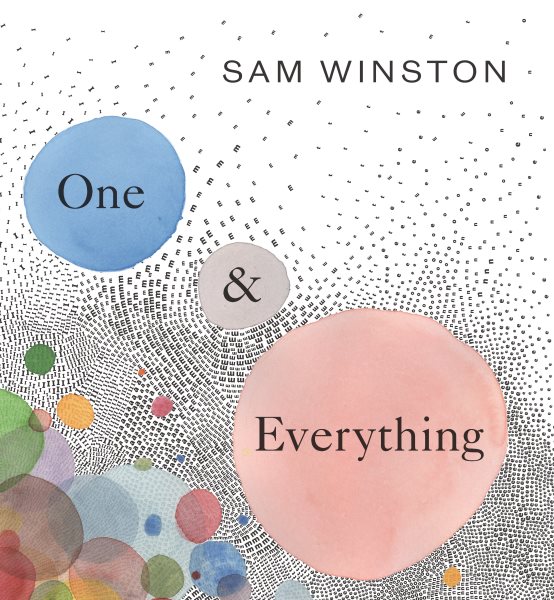
One & Everything by Sam Winston

When the world was full of stories things were lovely. Then came along a story calling itself The One and it started eating all the others. A fable about disappearing languages and the stories we have to save. Actually, I really really liked this book. Even before I got to the backmatter (which is jaw-dropping) I liked the storyline. Understand first, though, that my expectations were probably pretty low. I mean, fables with shapes aren’t really my picture book bag. So imagine my surprise when I found that this story about words and language and how some languages just dominate others, really hit home. I mean, this is basically about colonialism, but in the gentlest way possible. But what I really loved was how well Mr. Winston just stuck that ending. I did not know where this whole thing was going, and I loved the solution. And then I saw the backmatter. The fact that he has worked in fifty different “Scripts” (which is to say, written languages) dead and alive is remarkable. But just looking at the two page spread of everything from Rejang to Myanmar to Cherokee is jaw-dropping. Then you read about how he included specific scripts into different emotional moments of the story, like the Phaistos Disk as the old story. Oh man. This book is so cool. You have to check it out.

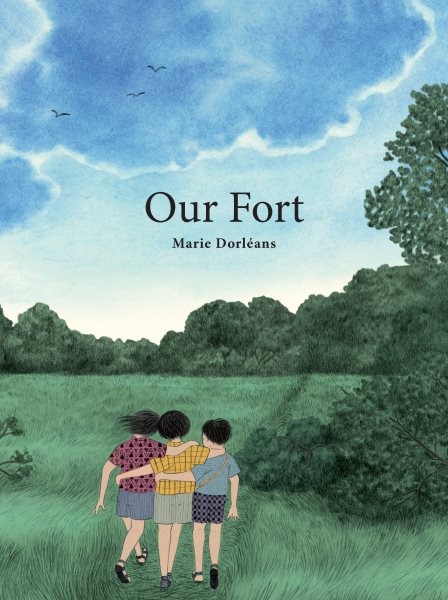
Our Fort by Marie Dorléans, translated by Alyson Waters

Three children set out to visit their secret fort in the woods. Will they survive the storm on the way? Will their fort still be standing? A book that captures all the imagination and delights of being a kid in nature. Oo. I think I like this one even more than the previous Dorléans title Night Walk. Someone in one of my library’s book committee meetings talked about how neat it was that even in the thick of the windstorm in this book, they never think of going home. And then you’ve got that wonderful moment where you see their glorious fort and it’s just a pile of sticks. This book really does a remarkable job of putting you directly into the head of the child reader. I know that when I was a kid, a super windy day could have all the drama and excitement of the storm in this book. This is the kind of book that truly transports the reader to another place. Childhood encapsulated, and beautifully too.

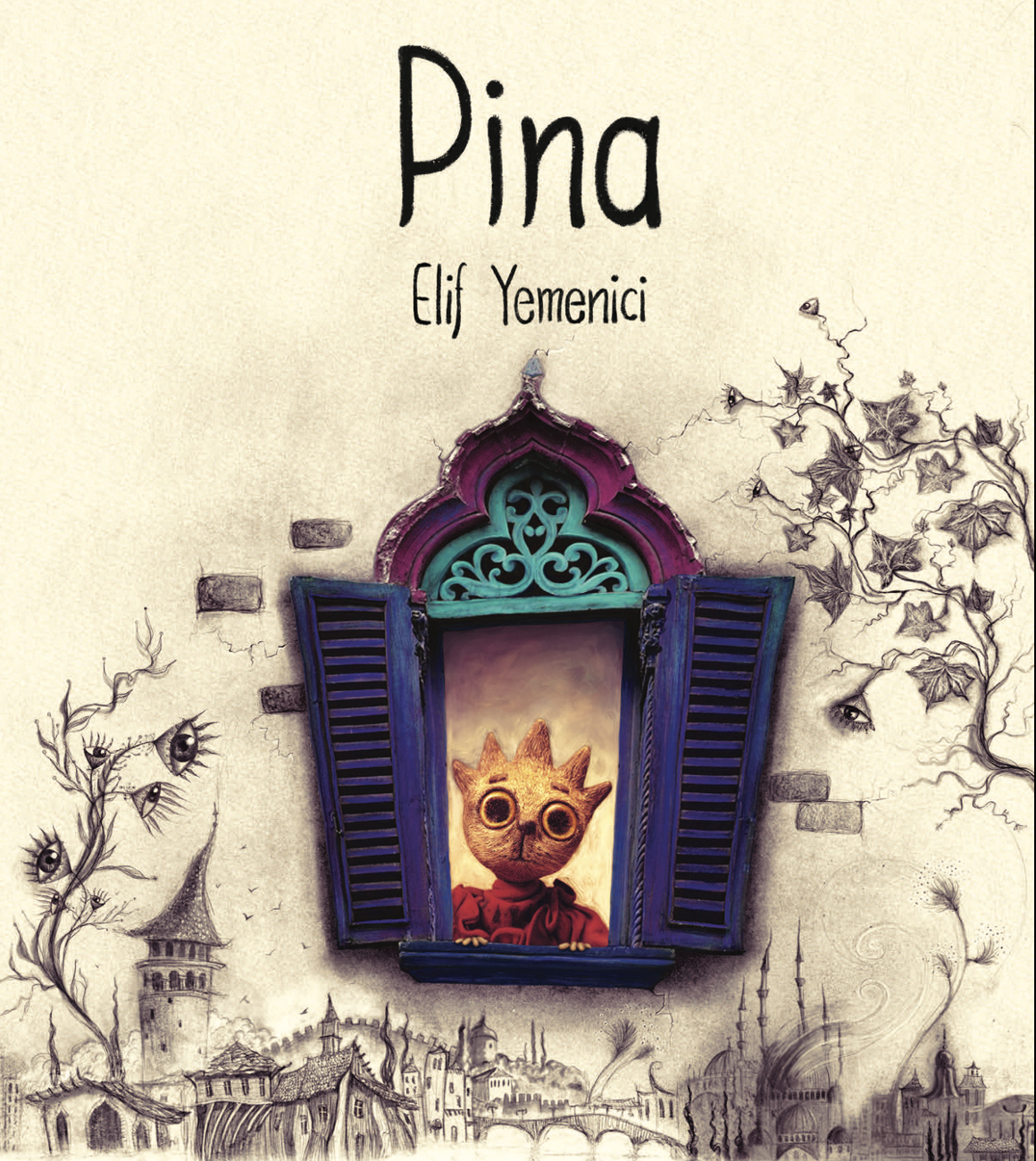
Pina by Elif Yemenici, translated by Sydney Wade

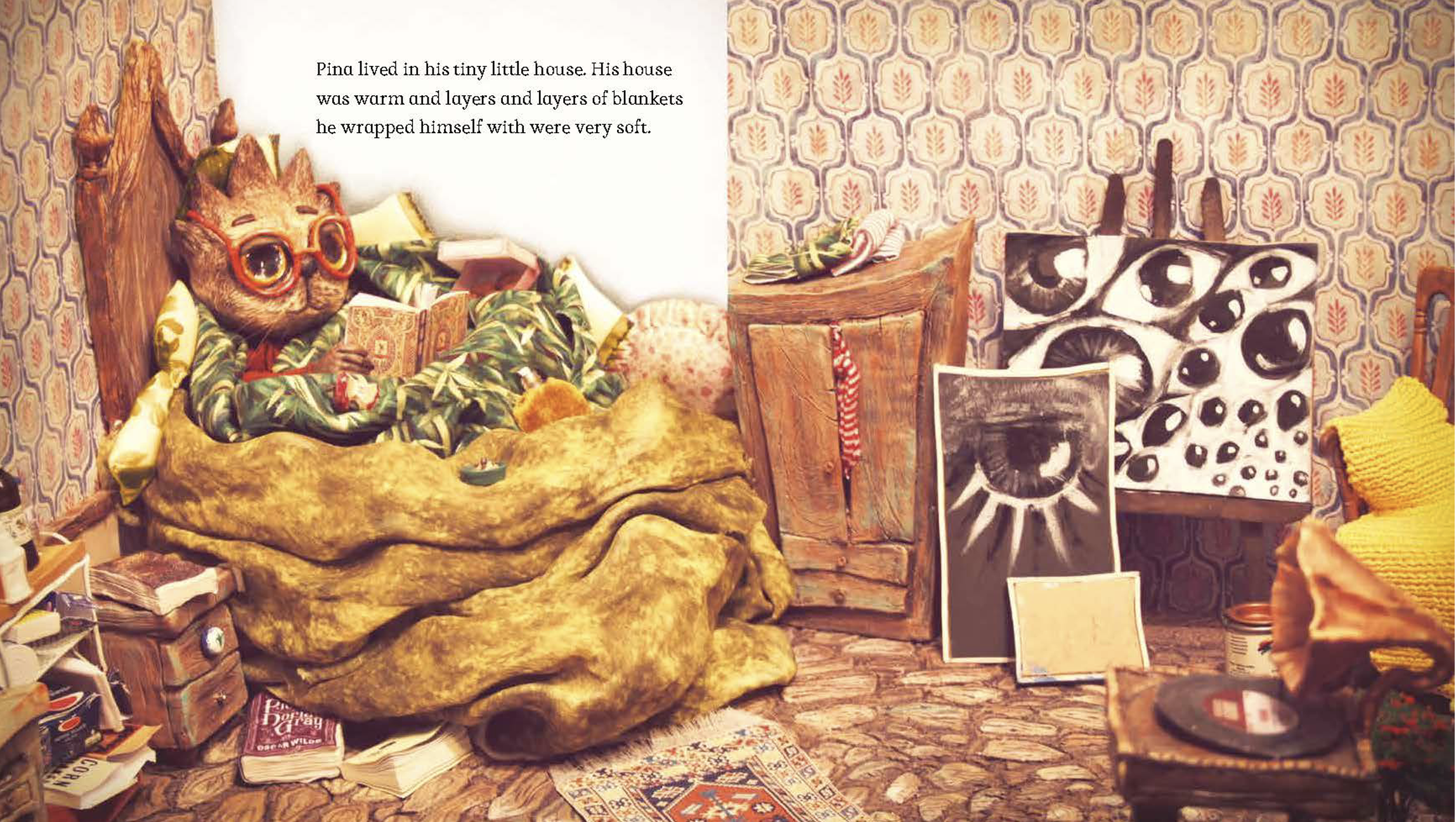
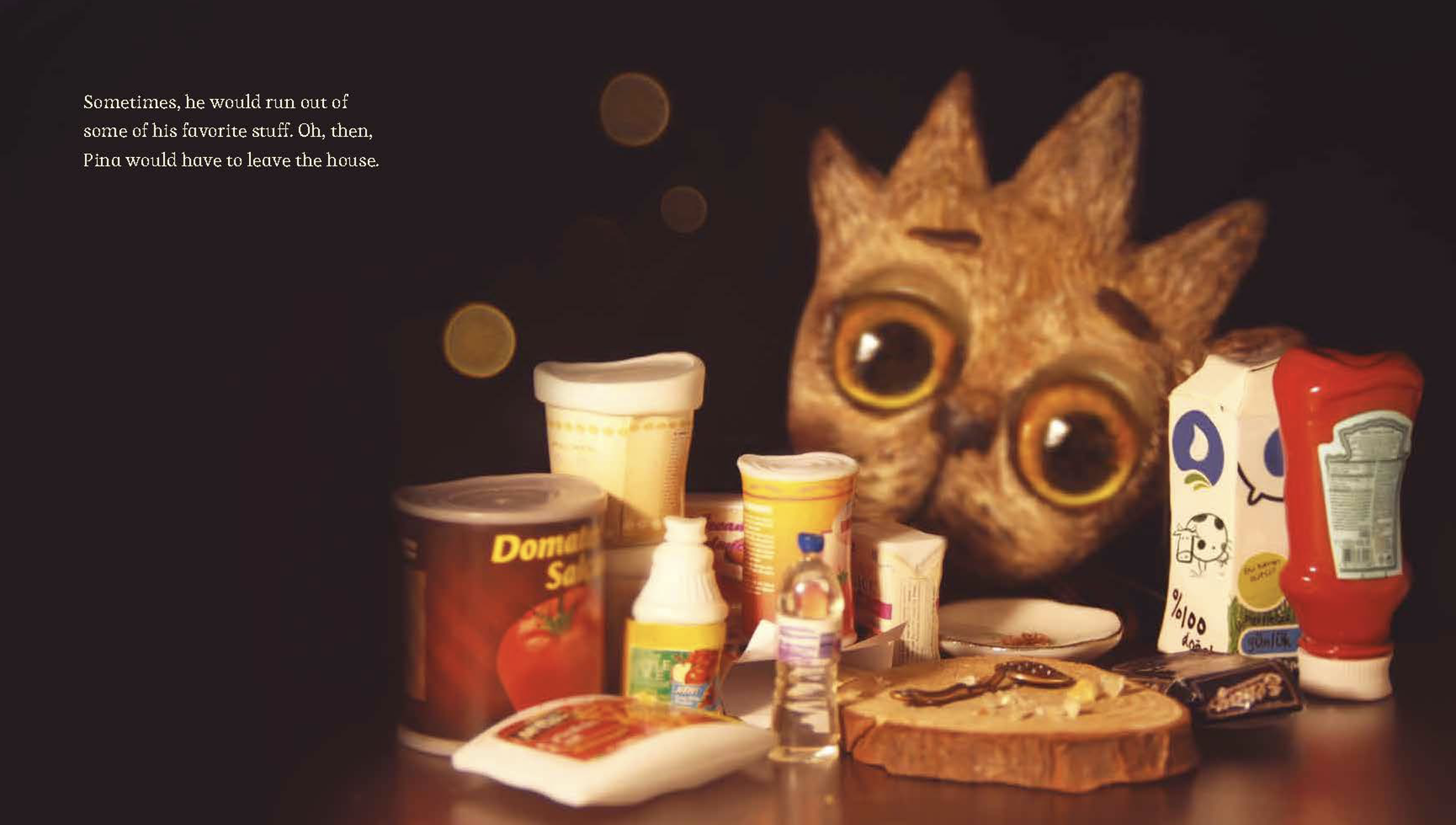
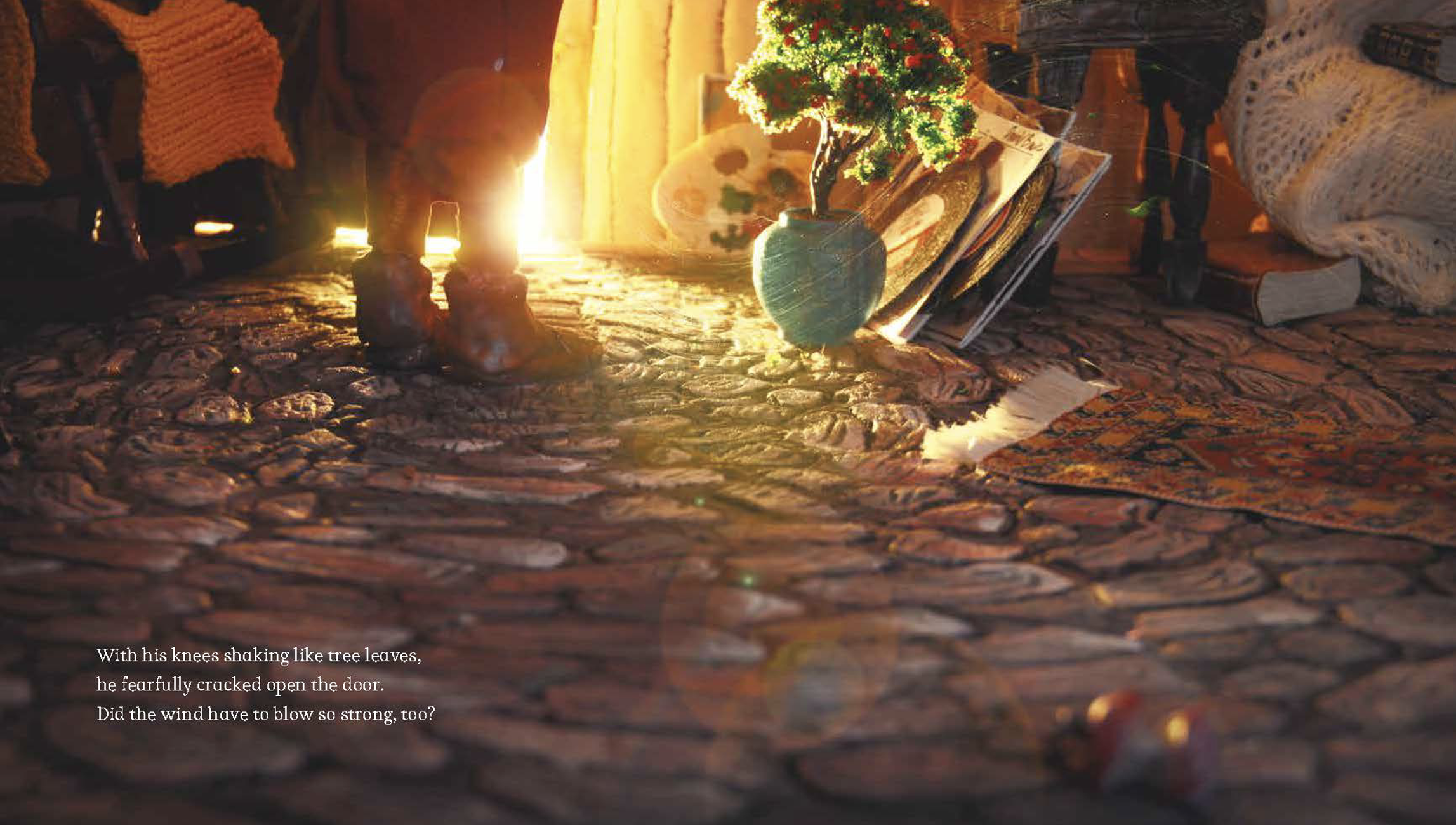
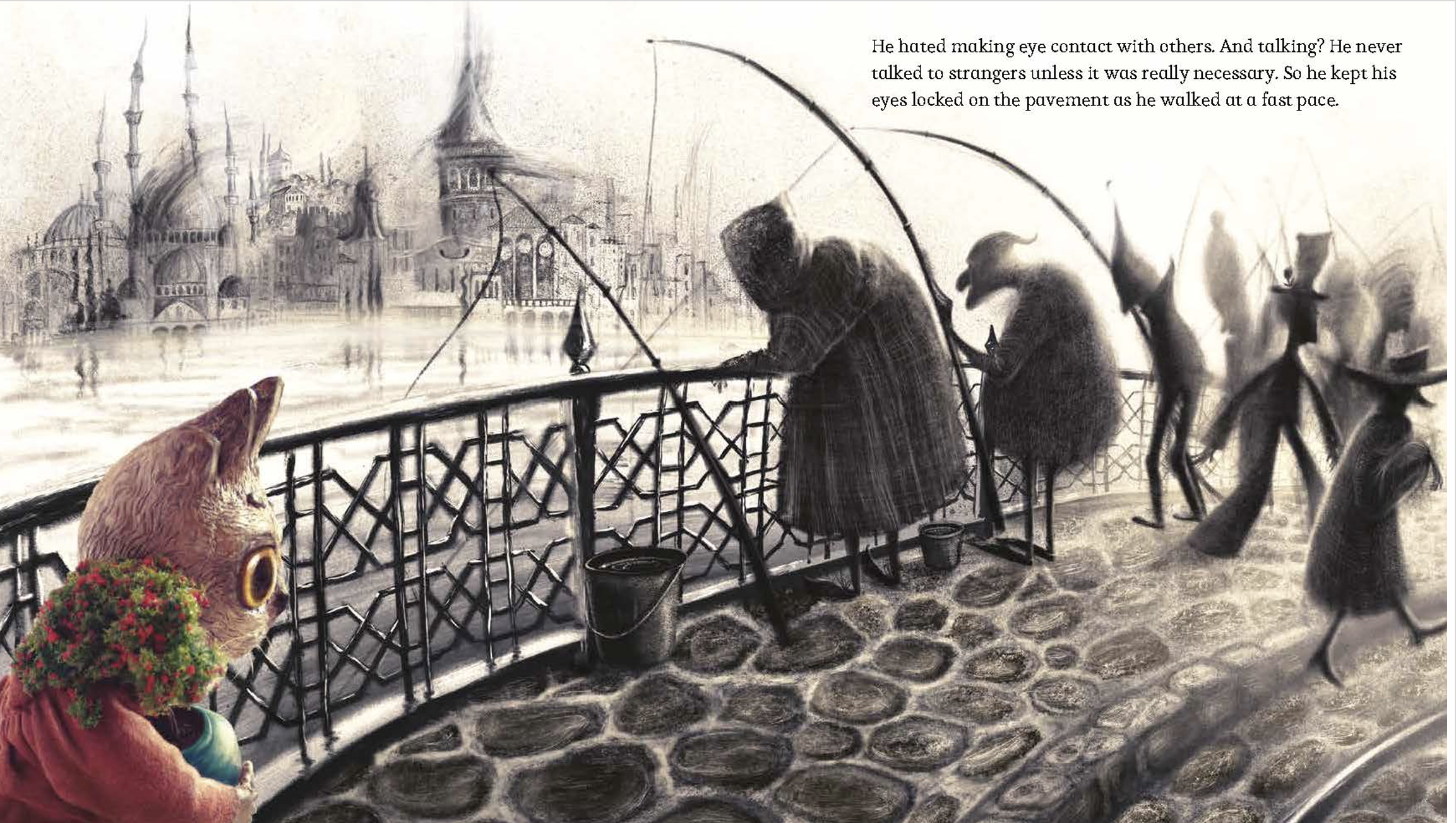
Pina lives in a tiny, warm house that contains everything he could ever need. But when he realizes he’s out of cheese, shopping turns into a walk into the unknown. Label this one a delightful Turkish import about trying new things. It is remarkably difficult for me to resist models. I don’t know why this is. Maybe it was all those Bagpuss shorts I watched as a kid on Nickelodeon. Whatever the case, when a picture book uses models ala Red Nose Studio I’m enthralled. It’s not merely the logistics of the enterprise (though those are fascinating) but rather how perfectly you can create a little world within the covers. Pina proves to be an excellent example of this! At the beginning you have to understand why Pina, a big-eyed little cat-like person, would prefer staying inside in his cozy little home, rather than venturing out into the big scary world. So Yemenici fills the rooms with delightful clutter. When I think how long it must have taken to construct each and every last one of those little leather-covered books, or the tiny paintings on the wall, or the miniscule Velvet Goldmine records on the floor (I’m not kidding about that) the mind boggles. Even the light is this soft, cozy, endearing glow. The outside world, in contrast, comes across as black and white, harsh and scary. And part of what I find so amazing about this is that even when Pina becomes more comfortable with talking to new people and seeing new things, that doesn’t mean everything black and white has changed. It just means that at the end, sitting on a bench next to the sea, watching the sunset, there’s a bit more color out there than there was before. This is a masterful bit of work and it fills the Baek Hee-na shaped hole in my heart where a new book of hers should be. I wouldn’t miss it, if I were you. 

A Place for Pauline by Anouk Mahiout, ill. Marjolaine Perreten

Okay, that’s it. Pauline has had it with being the eldest. She’s going to hop a boat to France and go live with her grandmother there. A sweet, funny take on finding your own space. I will now freely admit that I have a hard time resisting French-Canadian comic-style publications. I throw up my hands in surrender. But how could I resist this one? It feels like Kate Beaton mixed with Sylvie Kantorovitz! And it’s not that the story’s original or anything. We have definitely seen this type of tale play out before. I just happen to love this particular take. When you have a lot of siblings, you definitely need your own space. Also, I adore that the happy resolution is getting to hang out with your mom by yourself. 

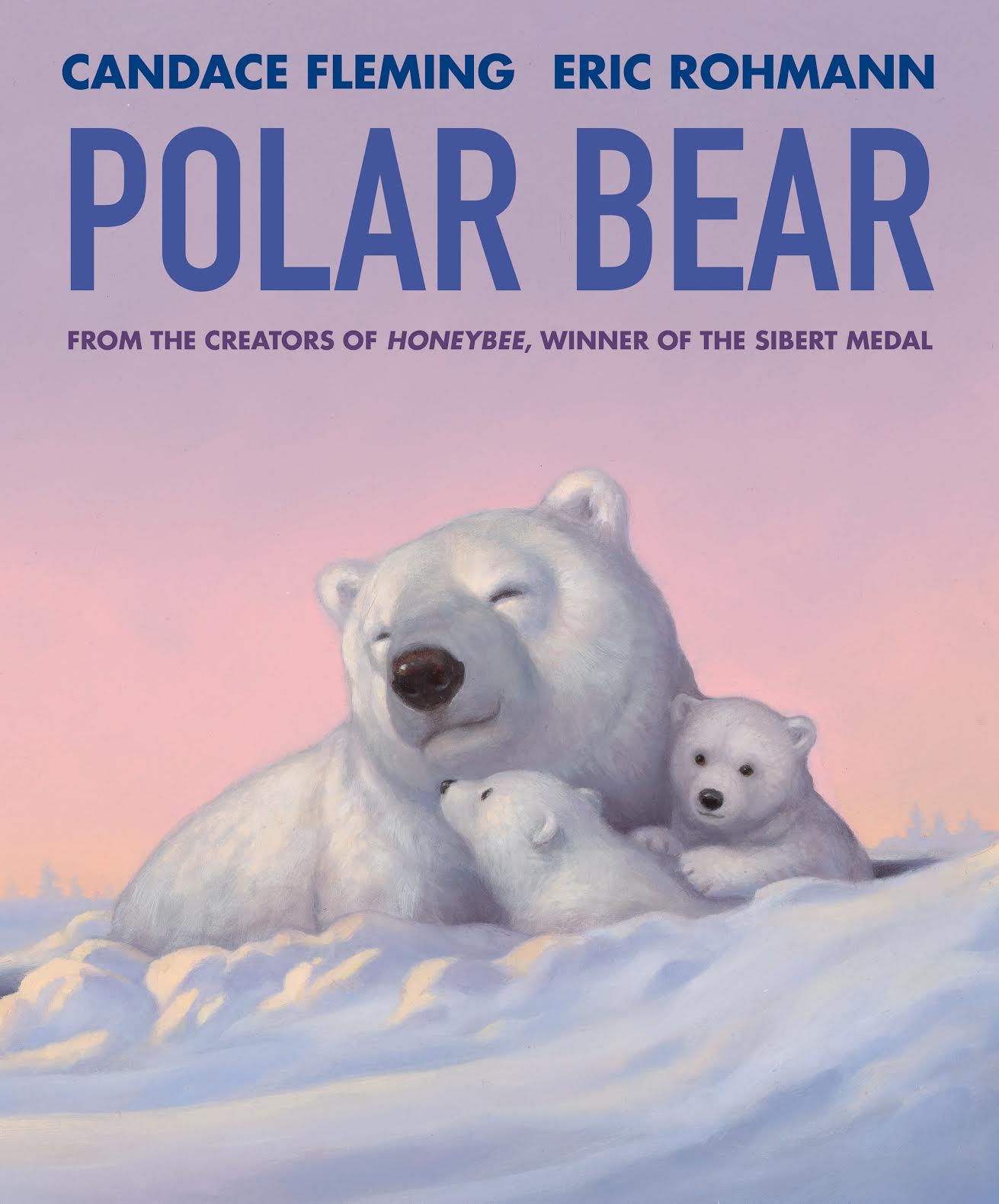
The Polar Bear in the Garden by Richard Jones

Okay, this one’s for me. Once in a while I just sort of fall in love with a quiet, unobtrusive book and will go to bat for it. This book has hints of other titles surrounding it. There’s a whiff of The Tiger Who Came to Tea by Judith Kerr. There’s a smackerel of Where the Wild Things Are by Maurice Sendak. There’s even a bit of Wonder Bear by Tao Nyeu in the seams. But what it really and truly does so well is to give you this enormous sense of safety and comfort. Only, in the case of this particular story, it’s the child character that’s offering that comfort and that safety. A boy finds a very small polar bear in his garden. So small, in fact, that it can fit in the palm of his hand. He decides to take it home, so the two hop in a sailboat and off they ride. Mind you, the bear is growing larger and larger every day. Will the boat capsize before they get there? Gentle bedtime books of the world, meet your new king. Evocative and downright lovely it is. 

The Queen in the Cave by Júlia Sardà

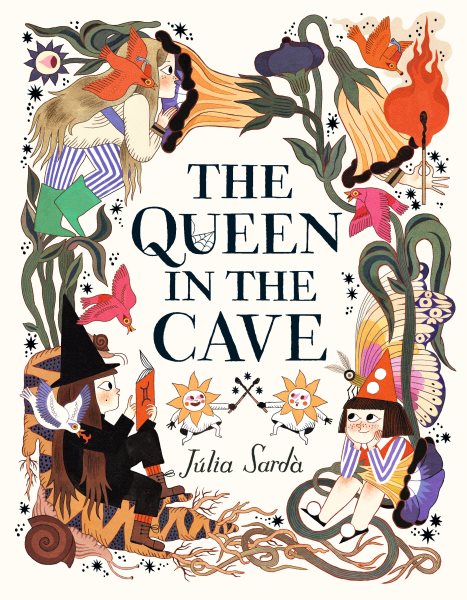
One day Franca decides that she is going to plunge into the unknown to seek a marvelous queen. When her sisters come along, what will they find, and will they ever get back? A hypnotic, cacophony of chaos. I like giving you books that’ll wake you up a bit. We’ve seen a lot of children’s books that ponder the end of childhood, like Peter Pan or that really strange Jerry Spinelli book Hokey Pokey. I don’t remember ever seeing a book that discusses how the younger siblings feel when their older sibling starts to pull away from them and grow apart. This book is essentially one great big metaphor for that, but done in Sardà’s inimitable (which is to say, wackadoodle) style. I really liked it, in a strange way. From a kid’s point of view, this is kind of what happens when adolescence calls your sister away. A lot to chew on here.

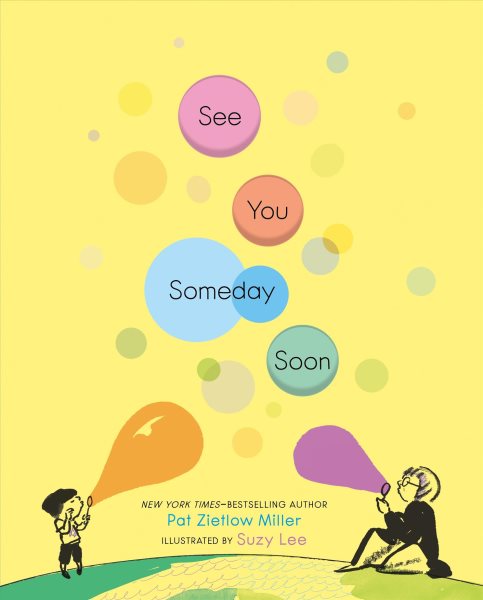
See You Someday Soon by Pat Zietlow Miller, ill. Suzy Lee

If you’re far away from someone you love, how do you connect with them immediately? A child yearns for its grandmother, and thinks up all kinds of creative ways for them to get together. Inventive art mixes with a hugely touching tale. So nice to see the return of Suzy Lee. I don’t think I’ve seen anything new from her here in the States in a number of years, so it was such a delight to find that she’d been paired with Pat Zietlow Miller. This is a great example too of how art can really make or break the text of a picture book. Lee’s specialty has always been upsetting expectations with the choices she makes for each and every page of text. In this particular case she’s doing neat things with die-cuts (even on the cover), half-pages, and more. This entire book is about the thrill of the turn of the page, and since the plot is focused on a child wanting to be near their grandparent again, that page turn can make or break your heart, depending on how Lee wields it. A brilliant example of design working to a picture book plot’s best advantage. As my co-worker Jessica said so brilliant, “This is a book made to line publishers’ pockets with grandparents’ money.”

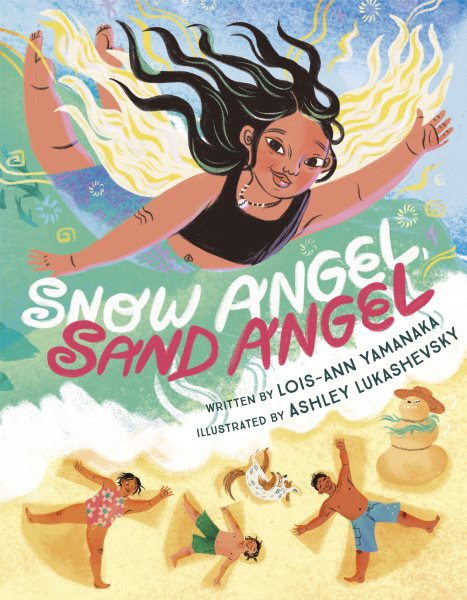
Snow Angel, Sand Angel by Lois-Ann Yamanaka, ill. Ashley Lukashevsky

Claire has lived on the Big Island of Hawai’i all her life and she finds it booooring. She longs for snow and sledding and ice. When her family tries to give her what she wants, though, she discovers that maybe there’s something to be said for where she already calls home. As I write this it is roughly 14 degrees outside. As such, I’m just imagining a kid in my city of Evanston, Illinois reading this book and being floored by the idea that anyone living in Hawaii would want anything to do with our weather. A brilliant little book on coming to appreciate what you have. It’s also about how even the most interesting sounding place can be downright boring to the kids already living there. I thought the family’s good-hearted efforts to give their daughter what she wants were fantastic, and the compromise at the end is exceedingly fun. And talk about some really good backmatter! This book’s a class act, through and through.

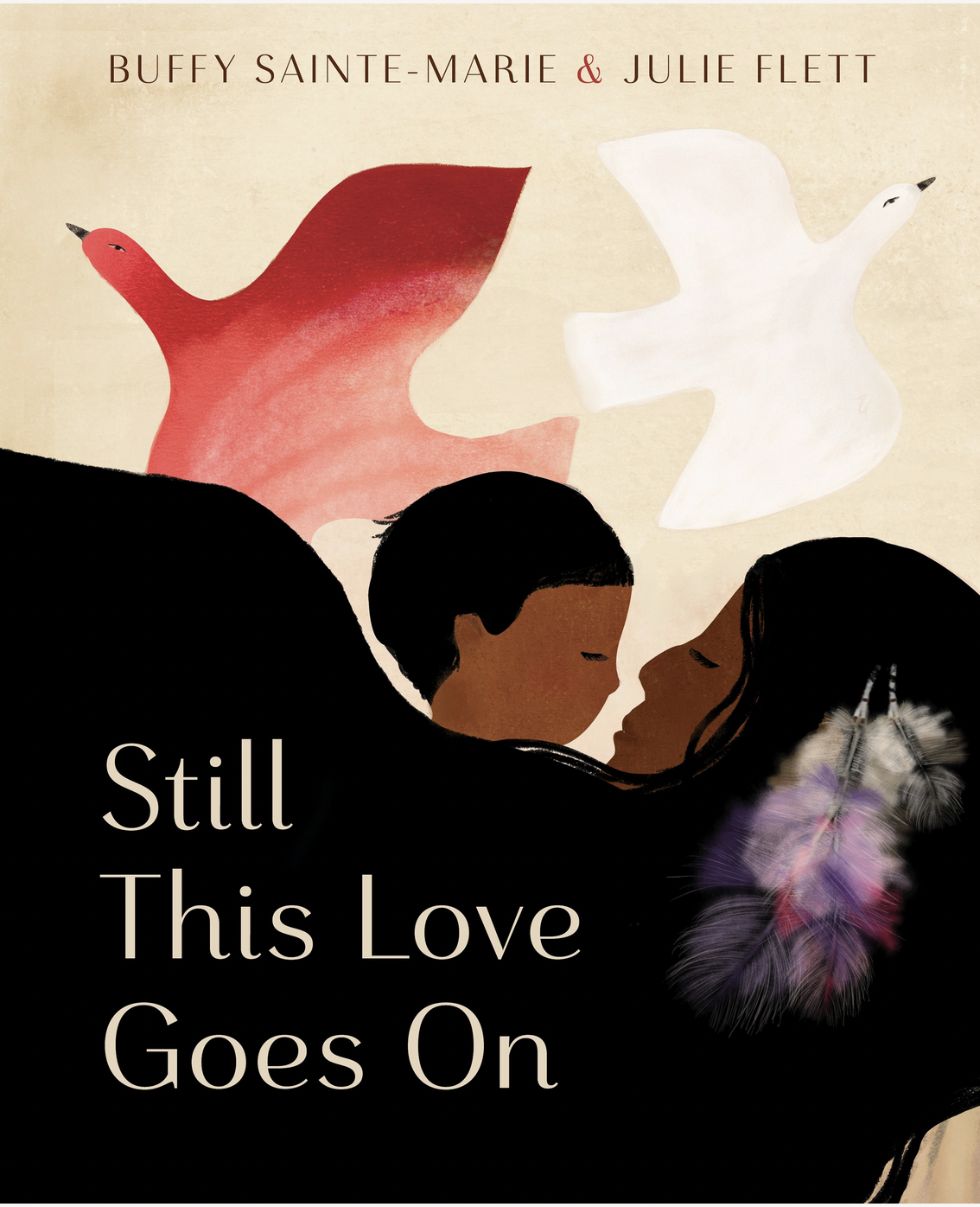
Still This Love Goes On by Buffy Sainte-Marie, ill. Julie Flett

Cree folksinger Buffy Sainte-Marie adapts her classic song about love surviving sadness, alongside the luminous art of Cree artist Julie Flett. A beautiful partnership. A beautiful book. Is it just me or were the last two years just wonderful when it came to Indigenous representation while 2022 has . . . not? Seriously, sometimes it feels like the publisher, Greystone Kids, is the only game in town. This book falls avoids a lot of the usual traps that songs-turned-picture-books are privy to, and Flett is just knocking this out of the park. Additionally, I think this song (as opposed to a lot of others) actually adapts to the picture book format a little better than some others do. Sure, it’s one of those books about unconditional love, but there’s a layer of sadness to it that elevates it. In the note at the end it says that this is “a happy song about missing the people who aren’t with us.” Worth considering. 

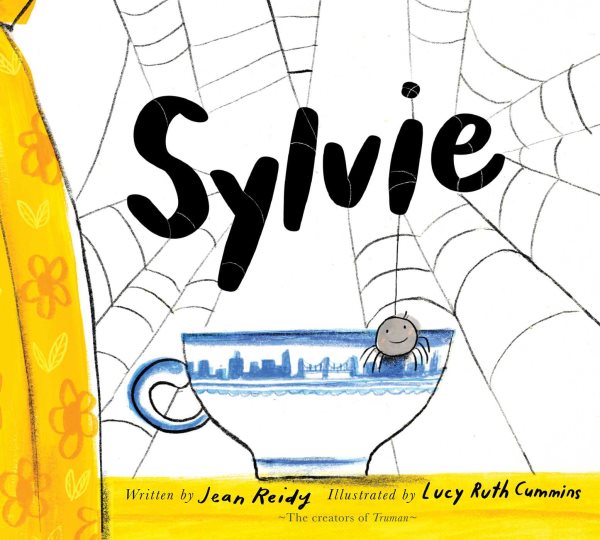
Sylvie by Jean Reidy, ill. Lucy Ruth Cummins

“… not everyone appreciates a spider who calls attention to herself.” And so Sylvie keeps quiet and out of sight, until the day she just can’t help but help out! A remarkably sweet tale of friendship and bravery. Boy, Reidy really knows how to write a picture book, doesn’t she? I know that there’s a lot of latent Truman love out there and so it can be difficult to separate out the affection one might have for that book vs. this one. Even so, I like to think that I’d be just as enamored of this book, even if I’d never seen her previous title with Cummins about that brave little turtle. There’s a line at the back of this book, for example, that I was particularly taken with. “But Sylvie had stopped just short of the top, watching, wondering, when – without proper warning – she was warmly welcomed.” The way the book splits this sentence up and turns the “warmly welcomed” part into a turn-the-page reveal? *chef’s kiss* Manifique! 

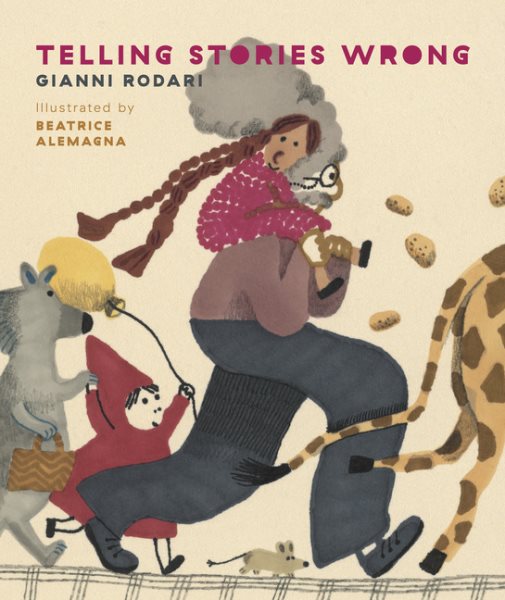
Telling Stories Wrong by Gianni Rodari, ill. Beatrice Alemagna, translated by Antony Shugaar

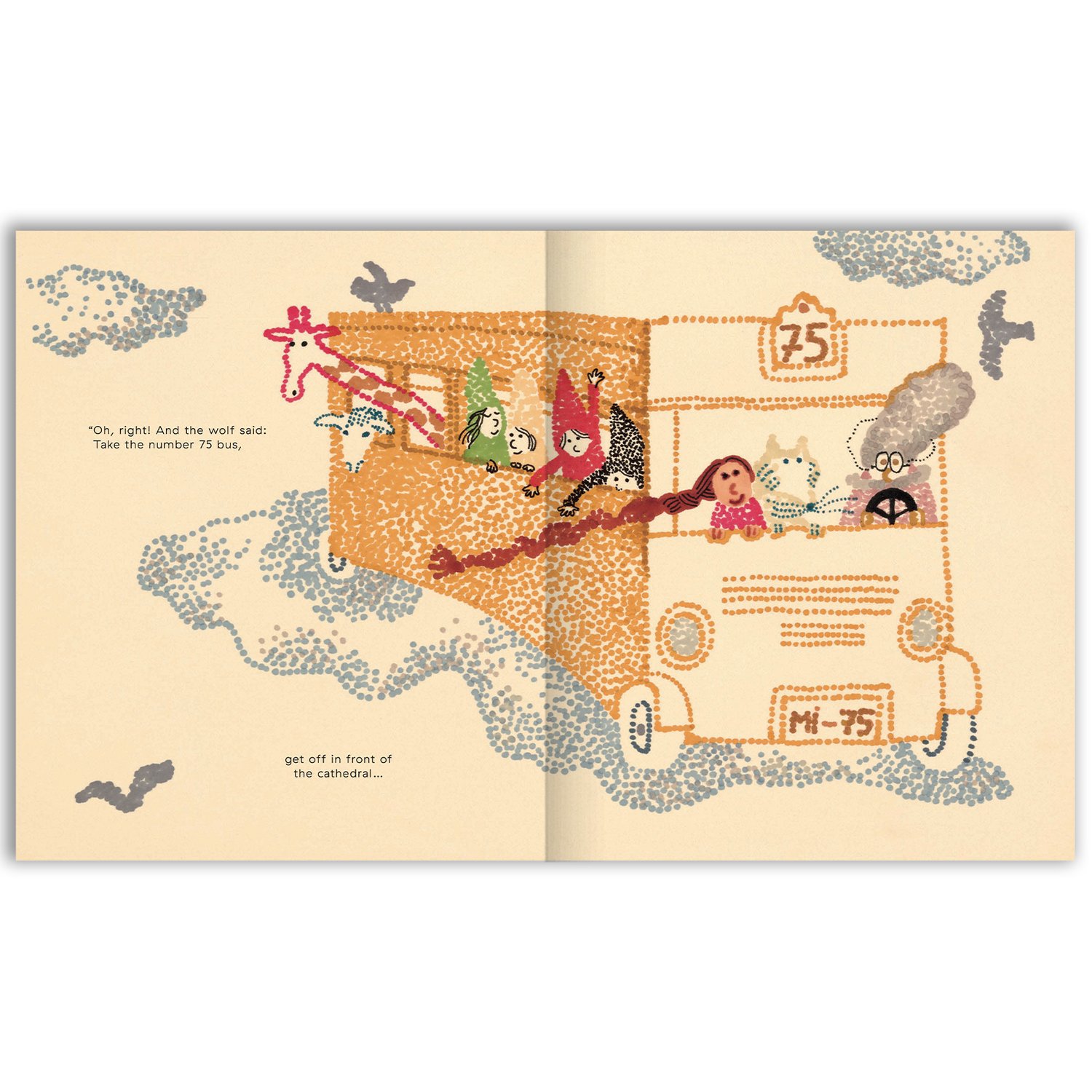
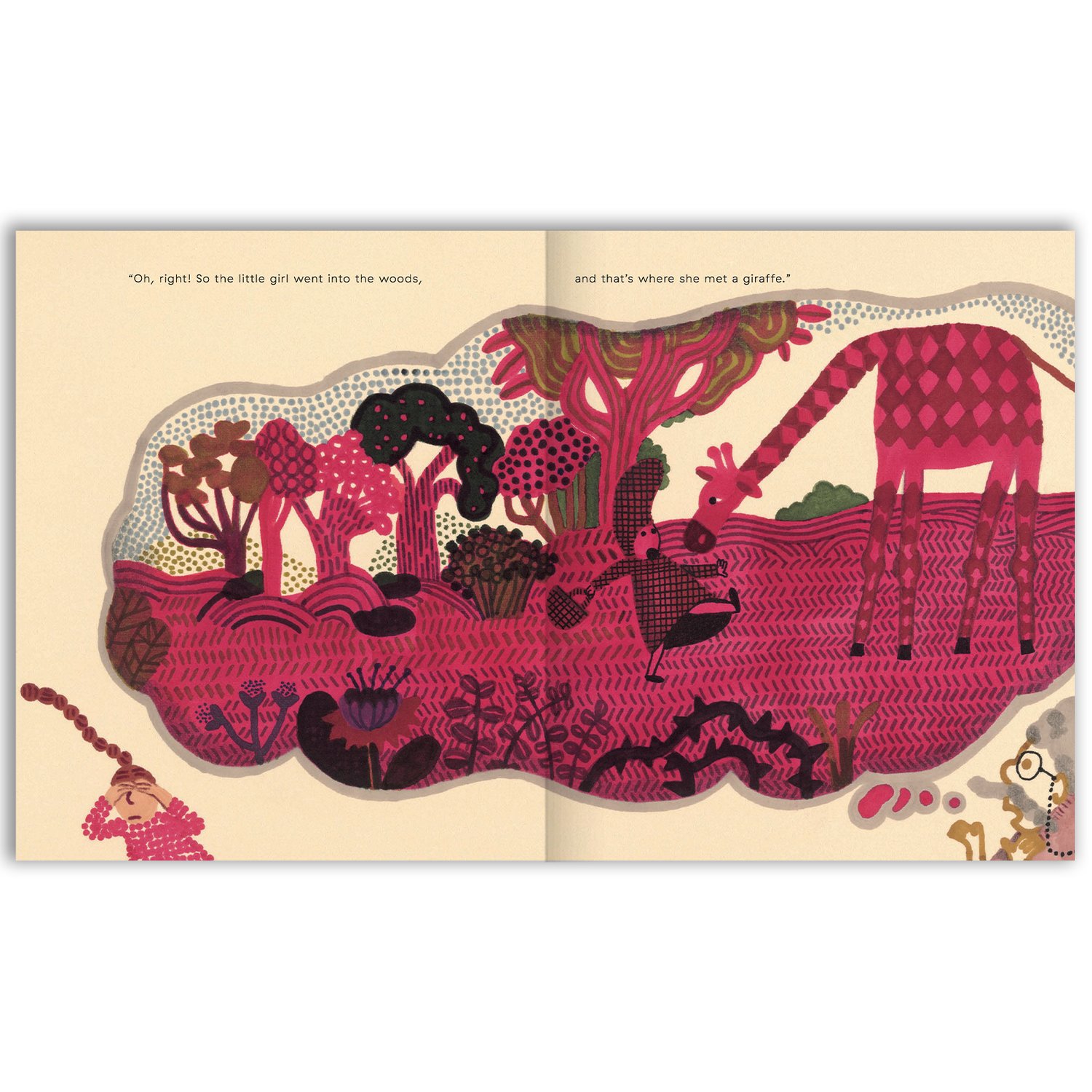
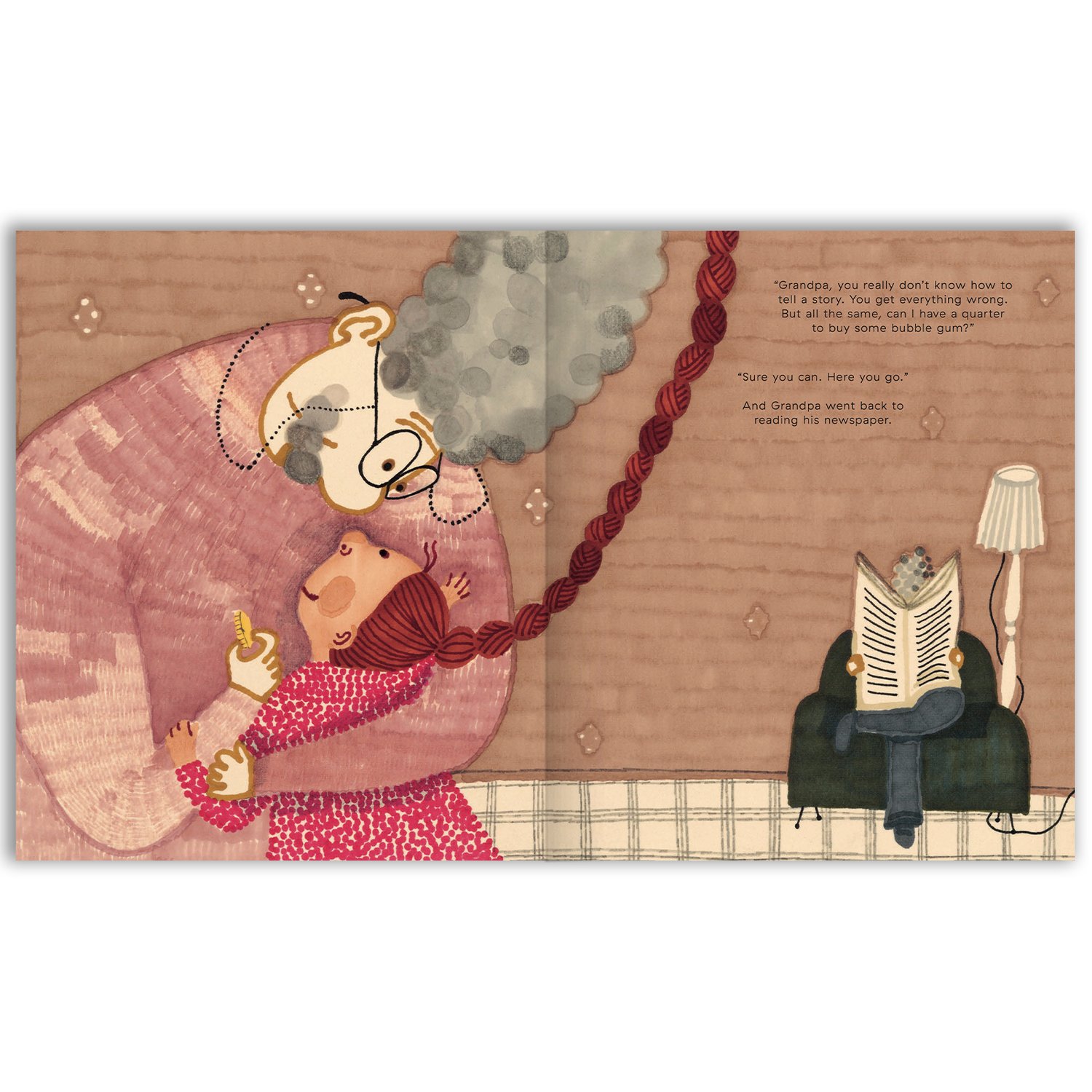
Boy, Grandpa just cannot get the story of Little Red Riding Hood right. First he says it’s Little Yellow Riding Hood and then he says she has to take a potato peel to grandma’s. Fortunately his granddaughter is ready to correct him at every turn. A funny take on getting things “right”. I actually get a fair number of European translations sent to me in a given year, but only a handful feel particularly extraordinary to me. This is one of the few, but that may have a lot to do with the fact that the art is by Beatrice Alemagna and I ADORE Beatrice Alemagna. I just love the premise too. I’m sure I’ve seen it before, but here it’s just done so exceedingly well. I’m sorry but I just found the idea of Little Red having to take a potato peel to her grandmother’s the height of funny. It’s a sly take on something a lot of us grown-ups do to our literal-minded children. A hoot.

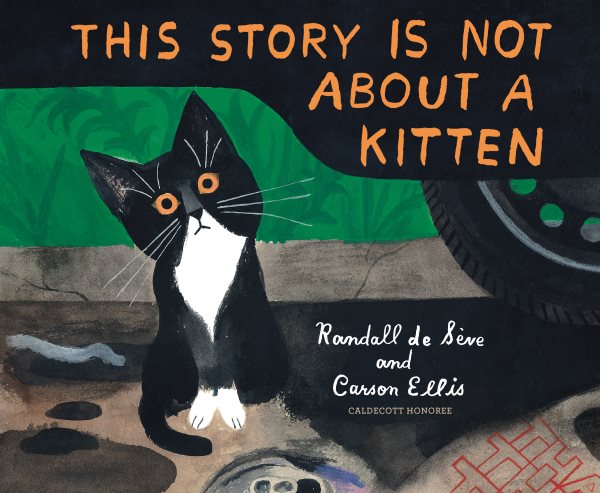
This Story Is Not About a Kitten by Randall de Seve, ill. Carson Ellis

This is not a story about a homeless kitten. It’s not about the dog who found it or the people who tried to help it. So what IS this a book about? A clever, touching cumulative tale. Oh, doggone it. I was really hoping that I wouldn’t feel inclined to add any additional picture books to my list at this point. And then this stupid book went and made me cry. My hands are tied, people. It is, as I said, a cumulative tale that, I can’t believe I’m saying this, will make an actual emotional connection with its readers. Cat people will love it. Dog people will love it. It’s about community and caring and coming together. It’s really good

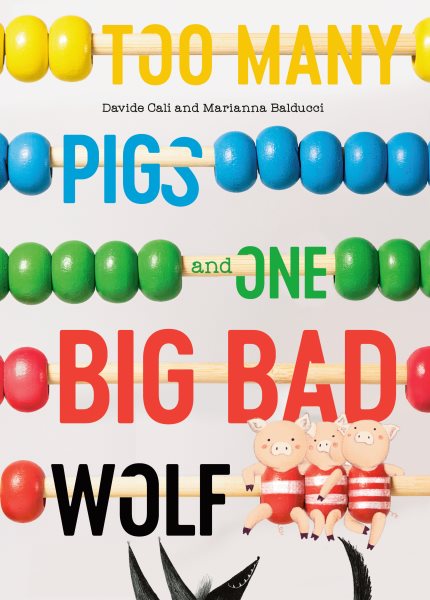
Too Many Pigs and One Big Bad Wolf by Davide Cali, ill. Marianna Balducci

Oof! This book came dangerously close to being missed on my radar this year, and that would have been a crying shame. Now it is a well-established fact that I have an inherent fondness for picture books in which the protagonist gets eaten. I suspect this has a lot to do with being raised on The Muppet Show in my youth. Whatever the case, I feel it taps into some deep, psychological understanding about the wider world, presented in a child-friendly way. This book is very much in the same vein as Jon Scieszka’s The True Story of the Three Little Pigs in that it involves a very wolf p.o.v. But this also has a lot of similarities to this year’s Telling Stories Wrong by Gianni Rodari, ill. Beatrice Alemagna, in that it involves an adult of some sort telling a story “wrong” in some way. In the case of this book, someone is telling a story about a wolf and some pigs and in every single solitary story (save one) the pigs are eaten. Initially the narrator (that you could assume was a wolf) is telling very short stories about pig eating. As the child stand-in complains, the stories get “longer” but usually in some pretty funny passive-aggressive ways. My favorite is the one where the story needs to get longer so the narrator just gives all the pigs names. Prior to being eaten. The timing on this text, by the way, is magnificent. Whole picture book writing schools should study it. This all sounds so dark but artist Marianna Balducci has done some infinitely clever things with the brightly colored art. You only see the pigs themselves, and never the wolf eating them. Often they are portrayed as beads on an abacus, with illustrations making them pig-like. None of them look particularly perturbed. And then there’s this killer ending where the wood on the abacus is broken at the end. I could literally read this a hundred times and find something new with each read. Funny and clever all at once. Don’t miss this like I almost did.

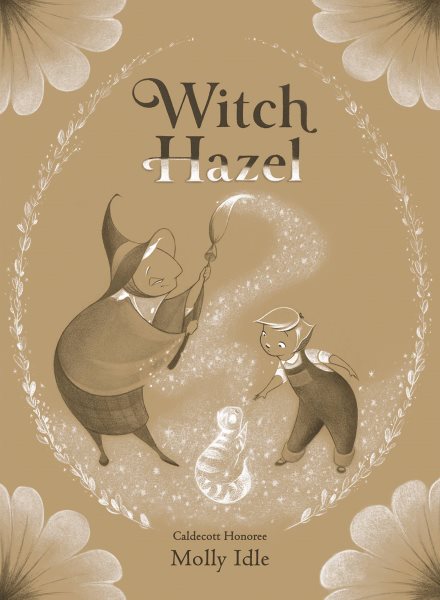
Witch Hazel by Molly Idle

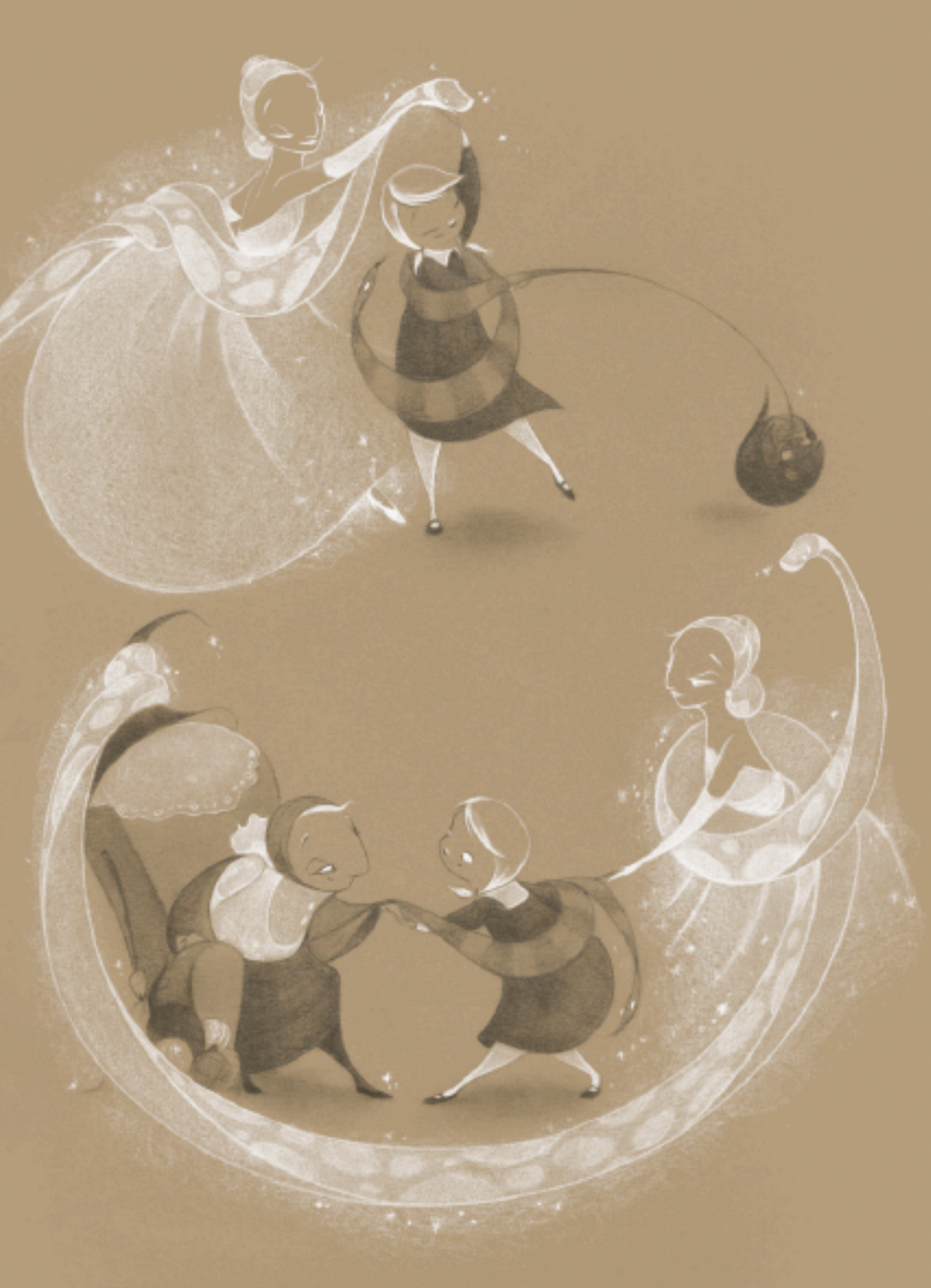
Every season Hilda helps Hazel dust off happy memories from the past. But when a life comes to its close, how do you move on and make memories of your own? A gentle, caring tale of good friends across ages. Probably Idle’s best book since her Caldecott Honor winner Flora and the Flamingo, and I mean that truly. She’s taking a risk with this one, working entirely in sepia tones. What I find so interesting about it, though, is how she’s playing around so much with shading and the absence of colors, the white standing in for memories. Naturally, she’s perfected her round, circular style, where every movement feels connected to every other movement. Also, have you ever read a Halloween-ish picture book with half as much heart as this one? Love the writing and what the book has to say about life and living and memories. Seems appropriate that Idle would be the one to do a circle of life story, what with her circular style and all. 

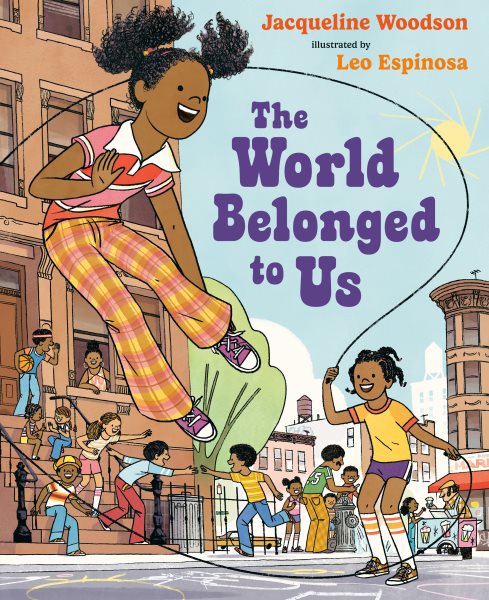
The World Belonged to Us by Jacqueline Woodson, ill. Leo Espinosa

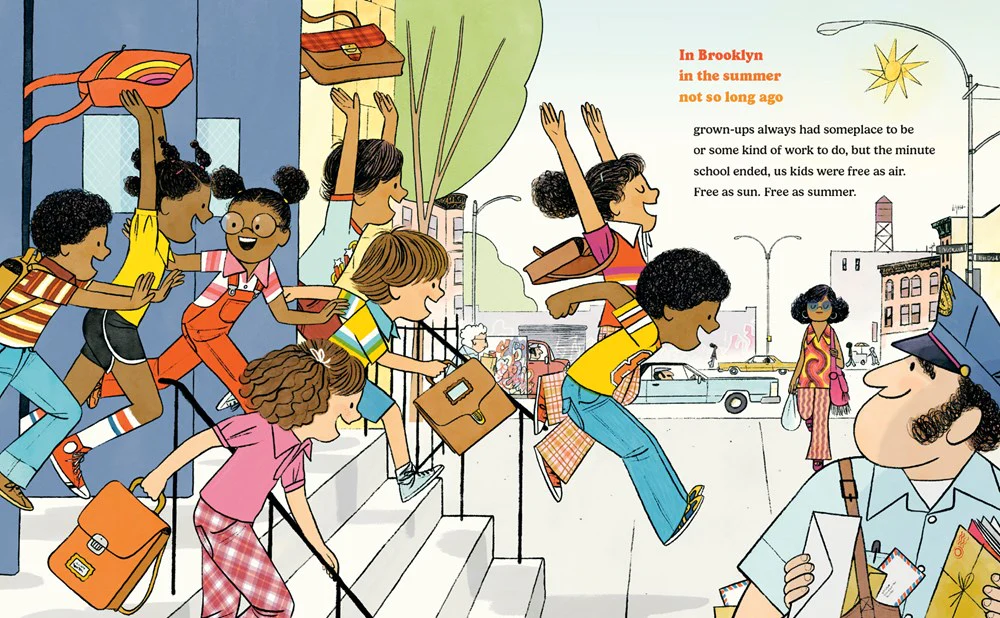
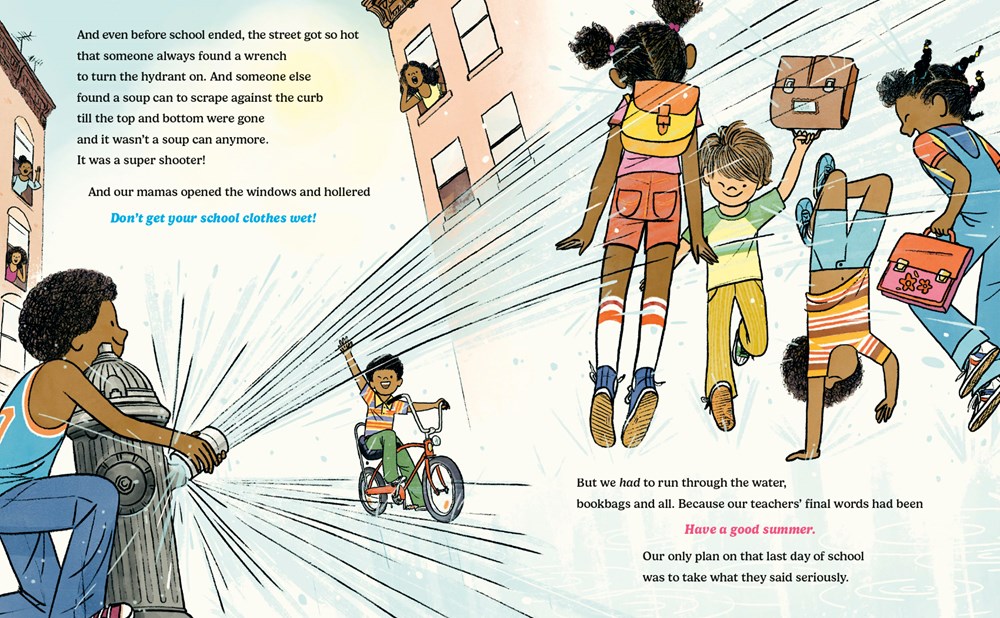
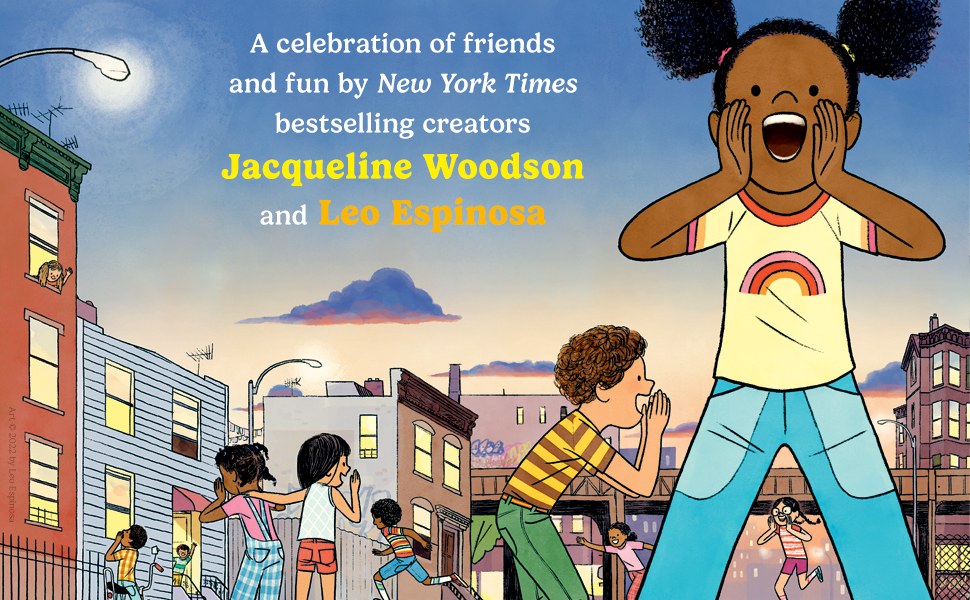
In Brooklyn “not so long ago,” children played together in the streets. Double dutch. Stickball. Kick the can. This loving ode to joyful communal play features vibrant illustrations and dynamic text. Dang. It’s not just that I want to automatically hand Jackie Woodson all the things because she’s Jackie Woodson. It’s just that she knows how to WRITE, man! And I fully admit that this book seems almost strategically aimed at parents of my generation. As I read this, I felt like I was a kid watching Sesame Street again. I grew up in the suburbs but my childhood entertainment was watching kids like the ones in this book having the time of their lives, unsupervised, in the streets of NYC. So yeah, this is tapping into some major nostalgia centers of my brain on the one hand, but on the other it’s offering kids today this kind of halcyon time period when they could just go out and be kids together with other kids. And Espinosa’s art . . . how did he know how to capture New York this well? I’m reminded of when Brinton Turkle illustrated The Boy Who Didn’t Believe in Spring. Just this amazing capture of the feel of Brooklyn once upon a time, “not so long ago”.


And that, my friends, is the kind of book you want to end a series upon.

Want to see all the other lists I did this month? Here’s what went down this December. Linger on them as long as you like cause I am OUT!

December 1 – Great Board Books

December 2 – Picture Book Readalouds

December 3 – Simple Picture Book Texts

December 4 – Transcendent Holiday Picture Books

December 5 – Rhyming Picture Books

December 6 – Funny Picture Books

December 7 – CaldeNotts

December 8 – Picture Book Reprints

December 9 – Math Books for Kids

December 10 – Gross Books

December 11 – Books with a Message

December 12 – Fabulous Photography

December 13 – Translated Picture Books

December 14 – Fairy Tales / Folktales / Religious Tales

December 15 – Wordless Picture Books

December 16 – Poetry Books

December 17 – Unconventional Children’s Books

December 18 – Easy Books & Early Chapter Books

December 19 – Comics & Graphic Novels

December 20 – Older Funny Books

December 21 – Science Fiction Books

December 22 – Fantasy Books

December 23 – Informational Fiction

December 24 – American History

December 25 – Science & Nature Books

December 26 – Unique Biographies

December 27 – Nonfiction Picture Books

December 28 – Nonfiction Books for Older Readers

December 29 – Best Audiobooks for Kids

December 30 – Middle Grade Novels

December 31 – Picture Books

Filed Under: 31 Days 31 Lists, Best Books, Best Books of 2022 Tagged With: 2022 picture books, 31 days 31 lists, Best Books of 2022, picture books

31 Days, 31 Lists: 2022 Middle Grade Fiction

December 30, 2022 by Betsy Bird

Oo. The penultimate list. The super big one is tomorrow (Picture Books) but I suspect that if you were to look at sheer amounts of reading time, today’s list took more work. Last year, I needed the help of my library’s 101 committee to drum up a decent number of titles. This year, not so much. I can’t read as much as, say, a Newbery committee can, but I can at least make a decent stab at some of the stuff coming out this year. Here were the titles I was particularly drawn to and enjoyed. And if I don’t miss my guess, I do believe your kids will be quite keen on them as well.

Curious about past middle grade lists? Then check out the ones from previous years!

  • 2021
  • 2020
  • 2019
  • 2018
  • 2017
  • 2016

2022 Middle Grade Fiction

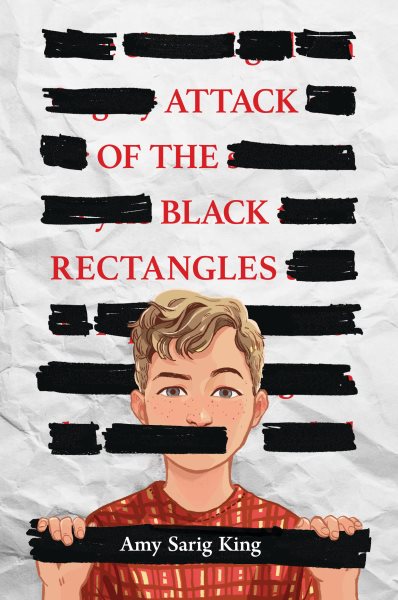
Attack of the Black Rectangles by A.S. King

In any other author’s hands, this book could have run into danger of didacticism or, at the very least, boredom. I mean, we’ve seen books about the censorship of books before, right? Even when I was a kid we had the novel The Day They Came to Arrest the Book by Nat Hentoff (circa 1982, thank you very much). That’s why it came as a bit of a relief to me to see that the author of this book was A.S. King. Whew! Okay, that’s all right then. Because you know what Ms. King does well? Weird details. I mean, she’s an excellent writer too, no question, but so are a lot of folks. No, what sets her apart is how she can write a straightforward story and then throw in a detail like the fact that the book’s hero, Mac, has a dad that believes he’s an alien. And because we’re getting this from Mac’s point of view, the child reader is placed in the same mindset as the hero. You don’t know what to believe or not believe. You both like and are appalled by some of his dad’s actions. You realize that there’s a lot more going on under the surface than is apparent at first. As for the censorship storyline, it’s this beautiful example of adults not treating children as people but as cute objects that they have to protect or humor. It is, in short, an incredibly insidious story, and a highly frustrating one. Precisely, in fact, what we need in this current era of censors. A great book about how even the smallest act of obfuscation ripples with greater implications. 

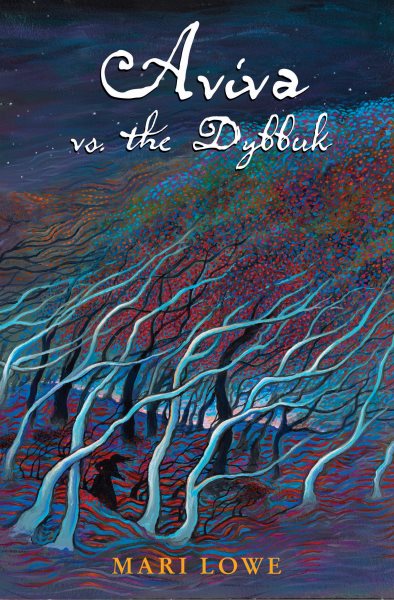
Aviva vs the Dybbuk by Mari Lowe

Bad enough that Aviva lost her dad and doesn’t have any friends at school, but why does she have to live with a mischievous and difficult dybbuk at home? A clever tale of grief, loss, and practical jokes. A nice enough cover but I certainly wasn’t expecting to be blown away by this book. More fool me. This is remarkable title in which trauma and folklore intersect in remarkably subtle and respectful ways. I found the Glossary really helpful since I’d never heard of a lot of things on these pages (including what a mikvah was). But the truly amazing skill of the book is the fact that it’s capable of dealing with dark, serious subject matter on the one hand, and then pepper the book with fun and neat ideas on the other. At one point it even seems to replicate those old girl detective novels of yore. And yes, the twist at the end has a bit of Sixth Sense floating around it, but by that point I didn’t care. I was already hooked. I’m sniffing Newbery potential around this one, no lie.

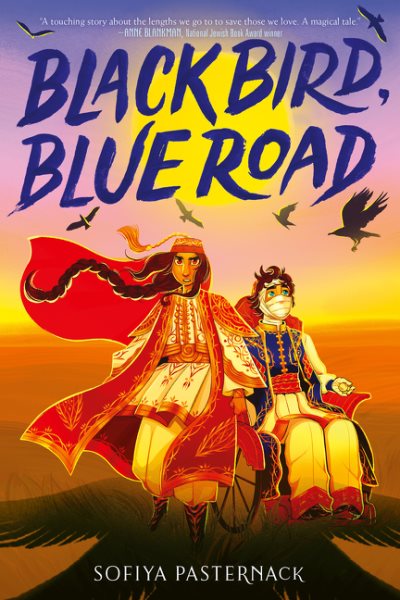
Black Bird, Blue Road by Sofiya Pasternack

There you go. That’s the killer cover I was hoping for. Jewish fantasy got a leg up, what with this book and the aforementioned Aviva vs. the Dybbuk coming out in the same year. In both cases you have strong female leads with some definite flaws in their characters. The heroine of this book, Ziva, loves her brother. Loves him so much that she’s not going to let a little thing like leprosy (known today as Hansen’s disease) stop her. As she says at one point, she’d poke out all the eyes of the Angel of Death if she had to, to keep Pesah with her. When the two find themselves on a mission to the city of Luz where the Angel of Death cannot follow, with a half-demon boy as their guide, it’ll take all their skills together to escape his grasp. Now the tricky thing with starting out your story with a flawed heroine is that you need the reader to simultaneously sympathize with her, and, at the same time, understand when she’s in the wrong. And Ziva is in the wrong a LOT at the start of this book. It may turn off a couple readers, but advise them to stick with it. This is a girl with a bottomless well of strength, and there’s something incredibly satisfying about that. Just as there’s also something incredibly satisfying about this book as a whole. A can’t miss title.

Breda’s Island by Jessie Ann Foley

Class struggles across continents isn’t a topic I see too often in my middle grade fiction but it’s what I’ve found with Foley’s latest. Breda’s just been packed off to Ireland to spend the summer with her grandfather. The same grandfather her mom can’t talk to for two minutes on the phone without crying. A hard, quiet man, Breda’s been sent as punishment for her stealing. Never mind that she’s just seething with the unfairness of it all. Her single mom is always working on her business and is never around. She won’t tell Breda who her dad is. And to top it all off now Breda’s in another country with a man who makes her eat fish the first night she arrives (which she promptly upchucks all over the floor). Weaving in Irish folktales of the past, Foley expertly draws together Breda’s awakening, and carves a complex relationship between herself and her grandfather. I loved the fakeout with the man who may or may not be her father, and the whole thing is just a thoroughly enjoyable read. Not flashy. Just very well-written. 

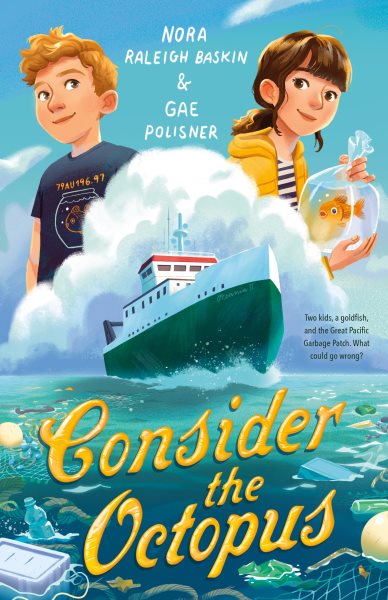
Consider the Octopus by Nora Raleigh Baskin and Gae Polisner

Can two kids solve the problem of the Great Pacific Garbage Patch? Nope! But can two kids make a difference? You bet. A story of synchronicity, goldfish, and stowaways. This is a lot of fun. There’s a bit of backing and forthing between the present and the past at the beginning that threw me for a while, but once I got that sorted out in my brain it was a delightful ride. I was very grateful that the authors mentioned in the backmatter that a giant vacuum really wouldn’t work on the Patch since I saw a really cool piece online recently about the creatures that travel with it (they’re tugged by the same tides as the garbage). All told, this book is fun and friendly with a good message and it even convinced me that a kid could sneak onto a ship and do some good.

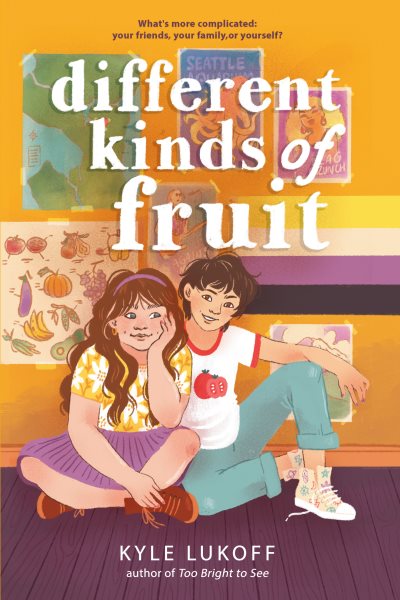
Different Kinds of Fruit by Kyle Lukoff

Annabelle was pretty sure her family was as boring as could be. But when non-binary Bailey enters her classroom, it turns out they have more in common with her home life than she ever imagined. Foof! Honestly, I think the less you know about this book, the better it is as a read. Kyle’s trying something pretty original here. The danger, of course, is that the book could easily degrade into LGBTQIA+ 101. It doesn’t, though I do I think a Glossary at the back of definitions would have been very useful. Still, I liked how this completely upset expectations (and extra points for the book jacket NOT giving away the whole darned thing). All told, I think that this is pretty successful and accomplished. Definitive proof that while other LGBTQIA+ books for kids are covering the basics, Lukoff’s teaching a Master’s Class. 

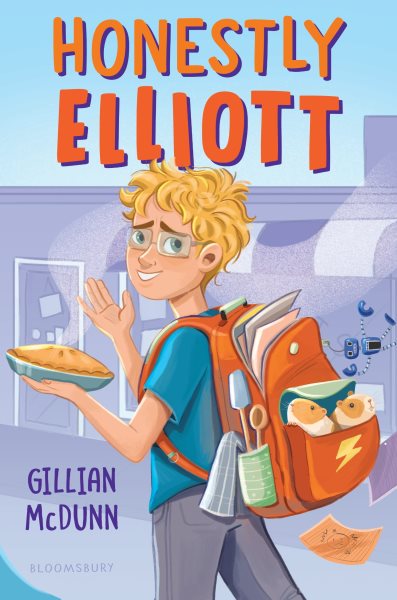
Honestly Elliott by Gillian McDunn

Elliott, a budding chef with ADHD, is finding himself facing a whole slew of life changes. He wishes he can move on past “The Incident” that has caused his distant dad to mistrust him. He’d also like to make a new friend, since his old one is on a months long trip. But when he starts working on a class project with the smartest girl in school, things start looking up. Sometimes when I listen to a children’s book audiobook I find it’s a little bit of a slog to get through. The kids have just so many issues and for some reason listening is harder than reading. But though this particular book is dealing with the serious subject of ADHD and failure to connect to a parent, I was really taken with it. Maybe a lot of that had to do with the fact that in spite of your sympathy for Elliott, the dude can be a total snobby jerk when he wants to be. I like that. I like that he isn’t some poor suffering little angel. It’s got a nice arc and a good wrap-up and altogether it just feels really satisfying. Two thumbs up from me! 

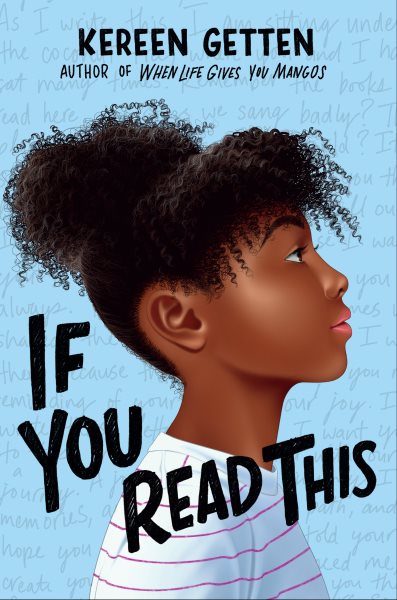
If You Read This by Kereen Getten

We are none of us ever able to completely separate from our own prejudices and worldview. For me, when I read that Kereen Getten was from Birmingham, I got really excited. That meant that his book could be considered a potential Newbery winner! It was only when someone patiently explained to me that she was, in fact, from Birmingham, ENGLAND that I realized my American-centric mistake. Doggone it, this book would win things if it could, though. I mean, the premise alone is delightful. Living in Jamaica, Brie misses her mother. Mama was a wild child herself, capable of taking her daughter on wild unexpected adventures, while also frustrating her kid with her unpredictability. When she died, she left a huge hole in the family. Now it’s Brie’s twelfth birthday, and her mama has left her a surprise. It’s a treasure hunt, one-of-a-kind, with a secret that will be Brie’s and only Brie’s at the end. But with a papa who’s always working and nosy cousins who want to help, will Brie ever be able to discover her mama’s secrets on her own? Loved the tone of this, and was surprised by the ending as well. I think the book makes a nice balance with the final solution of what to do with Brie’s grandfather, who’s been in a home pretty much ever since his daughter’s death. The relationship between Brie and her papa is still fairly fraught by the story’s end, and will take a couple years of work to repair, but at least you can see that they’re on the right path. It’s a pretty book jacket too, but one change I would make is to really play up the mystery/treasure hunt aspect of the title. This one’s a fun one. 

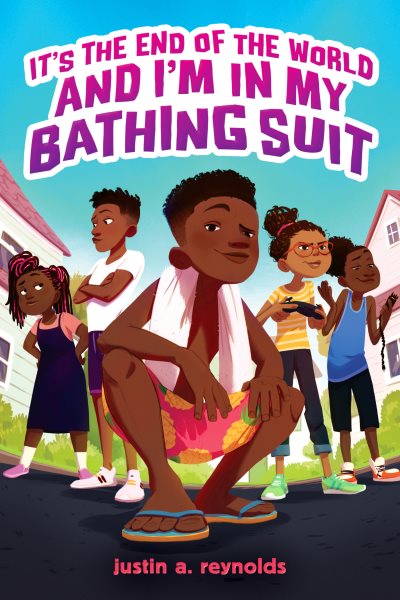
It’s the End of the World and I’m in My Bathing Suit by Justin A. Reynolds

Eddie’s a kid who’s got it all figured out. Then his summer plans go apocalypse-level awry. Prepare for hilarious hijinks from kids unafraid to have some fun. Okay, truth? I don’t think I’ve read a book for kids that made me laugh this hard in a long long time. I’m talking Diary of a Wimpy Kid level guffaws (from me that’s a really big compliment). Man, when Justin A. Reynolds writes a joke it LANDS! I was seriously reading aloud long portions of this book to my kids and THEY were cracking up too. The fact that the entire book hinges on the premise that the hero figured out how to do his own laundry only twice an entire summer is key. There’s just something about the degree to which Eddie is obsessed with his laundry conundrum when, quite possibly, the world has ended that worked for me. Reynolds works in some heart in there too, but then it picks right back up. For a while I thought it might be the first in a series, but now I’m not so sure. It’s actually a more amusing book if you never know if the apocalypse alluded to was real or not. In any case, if you’re looking for funny fare in the middle grade section, this is my top pick. I want more! 

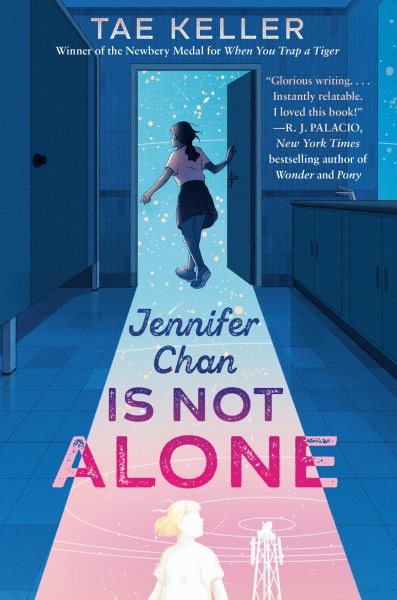
Jennifer Chan Is Not Alone by Tae Keller

After “The Incident”, Jennifer, who believes in aliens from outer space, has gone missing. Now the students who bullied her must figure out what happened to her. Welp, I think I just found my second major Newbery Award contender of 2022. Funny since while I enjoyed Keller’s previous award winner When You Trap a Tiger, it didn’t impress me nearly as much as this book has. I always like a title unafraid to take big risks, and Keller is risking everything with this book. First off, it’s the first thing she’s published since her Newbery win, which is an enormous amount of pressure to place on any children’s book author. Next, she alternates not simply between the past and the present, but the near past, the distant past, the present AND THEN she alternates  between Mal’s voice and the journal entries of Jennifer herself. Work in the fact that this is a book about not simply bullying but the very nature of what makes someone a good or bad person and you’ve got yourself the Great American Children’s Novel on your hands. Wildly accomplished and fun to read to boot with just the barest hint of science fiction elements, I guarantee you won’t be able to put this one down. 

The Kaya Girl by Mamle Wolo

Abena is not looking forward to spending her vacation with an aunt she hardly knows at Accra’s largest market. Then she meets Faiza, a girl her age, also from Ghana but living in almost another world, and all her assumptions start to fall away. Uh-oh. This is, like, really really good. For those of you that prefer to listen to your middle grade novels as e-audiobooks, run, don’t walk, to the Libby app and check this one out. Reader Ekua Ekeme gives this book the perfect read, and that book jacket! It’s remarkable. Absolutely perfect. Sometimes I find that a book’s subject matter is a little much for me and I’ll have a hard time picking it up again. This book? I couldn’t wait to get back to it. Every time I had to put it down was almost painful. Wolo paints this complex and nuanced look at different aspects of Ghanaian society. So much so that even if she’s teaching you, you don’t feel it. My only objection is the magical way in which our two female leads are suddenly able to communicate at the start, but if you can get past that then you’ll be treating to a simply fantastic twist at the end. So fun!

The Language of Seabirds by Will Taylor

Parents. They are the worst. Or at least Jeremy’s dad is in the running. He definitely cares about his son but ever since he found himself unexpectedly divorced he has not been doing well. Jeremy and his dad are spending a summer in a cabin in Oregon owned by his uncle and it’s a complicated situation. Jeremy’s dad is simultaneously trying to solo parent by coming down hard on his son on every tiny thing, while, at the same time, drifting into alcoholism. All this means that Jeremy is not about to share the fact that he’s attracted to boys. And this summer, there’s one boy in particular. When Jeremy meets Evan, a kid helping out his grandma’s knick-knack shop in town, the two become instant friends. And maybe more? This is one of the gentlest, sweetest first love stories I’ve heard in a long time. There are a couple passages in here where Jeremy feels as though he has dozens of elbows or hands, beautifully accenting his awkwardness. His feelings about Evan will ring true for anyone who remembers what it was like to start getting crushes at that age. Some of my librarians wondered, before reading it, whether or not it was more YA, but this is a purely middle school book as far as I’m concerned. Very chaste and sweet and innocent and full of way too many feelings for one person to contain.

The Last Mapmaker by Christina Soontornvat

Sai’s been living a lie, ever since she became assistant to Mangkon’s greatest mapmaker. Nobody knows her secrets, and when she’s invited on an epic adventure, how can she say no? A rousing, rollicking adventure tale full of fun and villainy. Okay, considering how many Newbery Honors Soontornvat has under her belt already, I feel a little weird confessing this but here goes: This is the first novel of hers that I’ve ever read. I know! I’m late to the party! But WHAT a party is! This book has friggin’ everything. Orphans with mysterious lineages, dragons, high seas storm battles, a cunning villain, swordplay, forgery, the works! My sole regret is that it’s so short. Of course, that’s part of its charm too. Ms. Soontornvat is the master of brevity. This could easily have been some drawn out 500-page tome. Instead, it clocks in at a neat 358. A kid reading this will breeze through it without a problem. Love the characters, the plotting, the whole kerschmozzle.

The Lock-Eater by Zack Loran Clark

Melanie Gate is an orphan and a lock-eater a.k.a. someone who can open any door. But when she sets off for adventure under an assumed name with a sentient automaton, she discovers there’s more to the world, and herself, than she ever could have imagined. Oh, splendid! Just splendid! I do love an introspective fantasy novel with LGBTQ leanings and surprise villains. This is just a delight. I listened to the audiobook but I’m sure the book itself is just as good. This remarkable fantasy novel just packs in the adventure. Imagine if Dorothy and the Tin Woodsman just set off to overthrow the Wizard, and you’ve pretty much got the gist of what’s going on here. I also give it points because there were times when I felt very smart and clever for figuring a key component of the book out, only to have that surety tossed upside down near the end. A delight.

My Own Lightning by Lauren Wolk

The first time I read Wolf Hollow I remember thinking that I’d never seen such a perfect encapsulation of murderous intent in a child character before. I also remember getting so thoroughly sucked into the writing that extricating myself later was hard. Finally, I remember that feeling of deep satisfaction when the book won a Newbery Honor. Now, after all these years, Wolk has written a sequel. I approached it with some mild trepidation. Wolk, in my opinion, has never dropped the ball when it comes to her middle grade. Each one of her books has been incredibly accomplished, and I’ve enjoyed them all. Still, was there more to tell about Annabelle and her family? Well, considering the events of the first book, how about grappling with a bit of trauma? Only, it’s not a bleak read in the least. My Own Lightning starts with Annabelle getting hit by lightning and it just proceeds from there. It’s about forgiveness and animals, the human animal most of all. There’s a pretty clear cut villain on the pages, but it may not be who you first suspect. Best of all, when I found myself at the end I was honestly surprised. Seemed like the story could go on and on after that last page. The mark of a stellar book. 

Northwind by Gary Paulsen

During a great plague in the distant past, a boy must escape The Sick by paddling up the coast and heading North. He encounters many obstacles along the way in this thrilling (and at times gross) survival story from the late Hatchet author. If 2022 is remembered for anything, apparently it’ll be for some of the grossest books for kids you’ve seen in a long time. This one definitely starts out with a serious “ew” factor, and for that I commend it! Nothing gets a young reader’s attention faster than puke and poop, after all. Aside from all of that, though, Paulsen really had writing down to a science right up until the end. This has all the thrill of even his earliest books but with some really remarkable introspective passages about the meaning of a life. I deem this book “Maslow’s Hierarchy of Needs: For Kids”.

The Prince of Steel Pier by Stacy Nockowitz

In 1975 Atlantic City, 13-year-old arcade whiz Joey meets a bunch of mobsters who have their eyes on being the biggest power on the boardwalk. How will he outwit them and save his family…and himself? Lean and fast-paced. So there I was, only 20 pages left in the book, and I seriously was convinced that our hero Joey was going to end up swimming with the fishes and mighty soon. This is a fascinating glimpse into another time, but it’s also a great play on the King Arthur myth. After all, it’s no coincidence that the King of Steel Pier is named “Artie”. You thoroughly believe in this family, and Joey’s increasing anger and irritability rang true. I have no idea what Kirkus was doing when they gave this a tepid review. It’s great! And certainly list-worthy. Extra points for having the characters play Monopoly at one point. 

The Sheep, the Rooster, and the Duck: A Tale from the Age of Wonder by Matt Phelan

When a disreputable villain tries to start a war through evil means, it’s up to two French children and some highly intelligent barnyard animals to save Benjamin Franklin and the day! Animal fiction meets historical fiction. So apparently Matt Phelan listens to the same podcasts I listen to. Or at least it feels that way when I read this book. On the surface it’s just a cute (and quick!) read featuring three highly intelligent animal spies working to battle evil in pre-Revolutionary France. For me, I was entranced by how Phelan was able to work in Mesmer, Cagliostro, Marie Antoinette, Benjamin Franklin, Mozart, Bonaparte, and even that bizarre armonica instrument Franklin invented. This is younger fiction but not quite early chapter, I’d say, so it falls into a very specific reading level. I was also deeply sad when I discovered that the galley I was reading didn’t have any backmatter yet.

Three Strike Summer by Skyler Schrempp

Wow. Oh wowie wow. That, that, THAT, my friends, is how you write a piece of historical middle grade fiction. Schrempp. Remember that name. That’s the name of a woman who knows how to string two words together so that they just start singing in your ears. So I had the great good fortune to have a long car ride ahead of me, so I chose to listen to the audiobook edition of this book. Best decision I could have made. Skyler Schrempp, the very author, reads the book herself. After I got over my envy (I would have killed to read my own audiobook for my middle grade novel last year) I had to admit that there isn’t an actress alive that could have done a better job. And the story? Look, I’m married to a man who used to be a union organizer, so you know I’m gonna be biased in favor of this tale. Though, honestly, if I were to summarize it for a fellow adult then I think I’d call it “The Great Escape meets The Grapes of Wrath” with a healthy dose of that organizing I referenced. In this tale Gloria is mad for baseball but getting into a game is a near impossibility for her. When her family up and moves from Oklahoma in the middle of the Dust Bowl to California to pick peaches, she tries to attach herself to the local boys and their team. Meanwhile, there’s some major oppression coming down from the bosses of the place and Glo’s keep-your-head-down father starts getting radicalized and quick. Glo’s great but the voice. Oh, the voice! The first chapter of this book is so strong I’m surprised it doesn’t just walk off the pages and go out in the world to seek its fortune. It has SUCH a satisfying ending and the writing, as I say, is the best of the best. One of my favorites of the year.

Tumble by Celia C. Perez

Adela loves her mom and stepfather but wants to learn more about her estranged father. Her search  involves secrets revealed and professional wrestling! It is not every author you encounter who really understands how to write a legitimately good wrestling sequence. And isn’t it nice when a book lives up to its killer cover? I really and truly enjoyed this book. I saw where some of it was going and some of it surprised me. In the end, it was nice to see that while Addie was wrong about some things, the adults around her were much worse. It’s hard to pull off a mom in the wrong that remains likable and sympathetic while also bugging the crap out of you. This one succeeds wildly.

The Turtle of Michigan by Naomi Shihab Nye, ill. Betsy Peterschmidt

For three long years Aref will be living away from his beloved grandfather in Oman. He’s going to Ann Arbor, Michigan! Will he make friends? Will he miss his home too much? And most importantly… does Michigan have turtles? A gentle tale of finding home wherever you are. Awww. This is such a sweet story. You could regard it as a sequel to The Turtle of Oman, but honestly I read that book so long ago that I don’t remember much. What I do remember is that it felt like a prequel to a more interesting story (the tale of Aref going to Michigan). This would be that more interesting story, and I just loved it. It’s gentle and caring. You get the feeling that one mean word would make the whole thing break into pieces. Plus, the idea of having first graders mediate bullying incidents amongst the older kids is so enticing a plotline. Nye’s a poet, and you definitely remember that at key moments. She has a way with a turn of phrase. Hand this to your gentle readers.

Undercover Latina by Aya De León

“Spy Kids” for the 21st century. Teen spy Andréa has just been tapped to infiltrate a school and get info on a white nationalist from his son. The catch? She’s gotta pretend to be a white girl while trapping a terrorist. Love this. A high stakes spy thriller that engages in all kinds of ideas about passing and code switching. The idea that a Latine girl who can pass for white would use this to infiltrate a school is just fantastic. Love the tense opening sequence and the character of Andréa rings true throughout. They do have to bend over backwards several times to justify how her mom would allow her to do some of these missions, but I found it all explainable. As spy tales go, this one’s fun. However, there is one significant flaw. How is Triángulo not a real thing? I wanna play the game! I wanna read the comics! No fair.

Wildoak by C.C. Harrington

When young Maggie’s stutter gets her sent to her grandfather in Cornwall she discovers the beauty of nature and the wild, as well as an abandoned snow leopard cub that desperately needs her help. This book made me SO tense for poor Rumpus (the aforementioned snow leopard) that I kept having to flip forward in the book to make sure he was okay. It also doesn’t lean too heavily on its more magical moments, which I appreciated. And I liked very much that there wasn’t some miracle cure for the heroine’s stutter at the end. There was an honesty to the book that I found refreshing.


Want to see other lists? Stay tuned for the rest this month!

December 1 – Great Board Books

December 2 – Picture Book Readalouds

December 3 – Simple Picture Book Texts

December 4 – Transcendent Holiday Picture Books

December 5 – Rhyming Picture Books

December 6 – Funny Picture Books

December 7 – CaldeNotts

December 8 – Picture Book Reprints

December 9 – Math Books for Kids

December 10 – Gross Books

December 11 – Books with a Message

December 12 – Fabulous Photography

December 13 – Translated Picture Books

December 14 – Fairy Tales / Folktales / Religious Tales

December 15 – Wordless Picture Books

December 16 – Poetry Books

December 17 – Unconventional Children’s Books

December 18 – Easy Books & Early Chapter Books

December 19 – Comics & Graphic Novels

December 20 – Older Funny Books

December 21 – Science Fiction Books

December 22 – Fantasy Books

December 23 – Informational Fiction

December 24 – American History

December 25 – Science & Nature Books

December 26 – Unique Biographies

December 27 – Nonfiction Picture Books

December 28 – Nonfiction Books for Older Readers

December 29 – Best Audiobooks for Kids

December 30 – Middle Grade Novels

December 31 – Picture Books

Filed Under: 31 Days 31 Lists, Best Books, Best Books of 2022 Tagged With: 31 days 31 lists, Best Books of 2022, middle grade, middle grade fiction, middle grade novel

31 Days, 31 Lists: 2022 Best Audiobooks for Kids

December 29, 2022 by Betsy Bird

I’d say that this is one of my more peculiar lists. To understand how I put it together, you have to understand that every day, on my way to work, I walk. While walking, I listen to audiobooks of various children’s books. Am I seeing the great swath of titles that, say, the Odyssey Award committee is privy to this year? Nope! Not even close. In fact, I’m in awe of how much sheer time that committee must take. No, I’m self-selecting. I don’t listen to YA. And only rarely do I hear anything younger than titles intended for 9-12 year olds.

Today, these were the audiobooks that impressed me the most over the year. It’s not a huge list. It’s just the folks that I think did a stellar job. These narrators deserve applause of their own.

Interested in my previous lists of splendid audiobooks? Well, I really only ever did one before. Ya gotta start somewhere!

  • 2021

2022 Best Audiobooks for Kids

Attack of the Black Rectangles by A.S. King, narrated by Pete Cross, Gretchen Bender, and Jane Yolen

In any other author’s hands, this book could have run into danger of didacticism or, at the very least, boredom. I mean, we’ve seen books about censorship of books before, right? Even when I was a kid we had the novel The Day They Came to Arrest the Book by Nat Hentoff (circa 1982, thank you very much). That’s why it came as a bit of a relief to me to see that the author of this book was A.S. King. Whew! Okay, that’s all right then. Because you know what Ms. King does well? Weird details. I mean, she’s an excellent writer too, no question, but so are a lot of folks. But what we’re talking about here today is the audiobook experience itself, and this one’s fascinating. Some producer made the choice to make this book sound full-cast. As far as I can tell Pete Cross is doing the bulk of the heavy lifting, but whenever we hear strongly worded letters from the community, we suddenly are engulfed in a range of other voices. You’ll note that in my credits I’ve listed writer Jane Yolen. Jane’s basically a character in this book (playing herself) and it would have been downright odd not to get her to do her own voice. All told, this has the feel of a full-cast when, in fact, there are really only 2-3 people at work here. A remarkable final product!

Black Bird, Blue Road by Sofiya Pasternack, narrated by Rebecca Gibel

The heroine of this book, Ziva, loves her brother. Loves him so much that she’s not going to let a little thing like leprosy (known today as Hansen’s disease) stop her. As she says at one point, she’d poke out all the eyes on the Angel of Death if she had to, to keep Pesah with her. When the two find themselves on a mission to the city of Luz where the Angel of Death cannot follow with a half-demon boy as their guide, it’ll take all their skills together to escape his grasp. Narrator Rebecca Gibel has the tricky job of making Ziva likeable when the text is doing everything in its power (at least at first) to make her anything but. She has to walk this thin line between Pesah’s calm tones and Ziva’s hot temper. I liked the tempo of this book particularly. A lot happens in a very short amount of time, and much of that is a credit to the pace at which Rebecca reads. A lovely listen, that’s for sure. And I guarantee your kids won’t fall asleep in the process!

Breda’s Island by Jessie Ann Foley, narrated by Megan Trout

Breda’s just been packed off to Ireland to spend the summer with her grandfather. The same grandfather her mom can’t talk to for two minutes on the phone without crying. A hard, quiet man, she’s been sent there for stealing. Never mind that Breda is just seething with the unfairness of it all. Her single mom is always working on her business and is never around. She won’t tell Breda who her dad is, and to top it all off now Breda’s in another country with a man who makes her eat fish the first night she’s there (which she promptly upchucks all over the floor). Here, narrator Megan Trout had to utilize a believable, but still comprehensible to young American ears, series of different Irish accents. It’s a bit of a balancing act. For the first time it got me wondering about audiobooks in different nations. Would, for example, publisher Quill Tree Books have a different narrator in Ireland itself for this book, should that come up? I only ask because I thought the job that Ms. Trout did here in the States was excellent. I pay close attention to how well a narrator distinguishes between characters, and at no point did she ever make me feel confused. A beautiful read, worthy of the source material.

Jennifer Chan Is Not Alone by Tae Keller, narrated by Shannon Tyo and Carolyn Kang

After “The Incident”, Jennifer, who believes in aliens from outer space, has gone missing. Now the students who bullied her must figure out what happened to her. So in this book author Jennifer Chan alternates not simply between the past and the present, but the near past, the distant past, the present AND THEN (just to make things interesting) she alternates  between Mal (the narrator)’s voice and the journal entries of Jennifer herself. You can imagine my surprise then when I was merrily listening to the audiobook and discovered a good 30 minutes in that there was a SECOND audiobook narrator at work here. I think it’s Shannon Tyo for the most part, and then Carolyn Kang just SWOOPS in there, upsetting the applecart entirely. It was fantastic, since I love it when an audiobook surprises me in some way. I swear, Ms. Kang just came out of nowhere! It breaks down so beautifully and neatly between these two voices too. Almost as if Tae Keller planned it that way. A perfect accompaniment to a great book.

The Kaya Girl by Mamle Wolo, narrated by Ekua Ekeme

Abena is not looking forward to spending her vacation with an aunt she hardly knows at Accra’s largest market, but then she meets Faiza, a girl her age, also from Ghana but living in almost another world, and all her assumptions start to fall away. Uh-oh. This is, like, really really good. For those of you that prefer to listen to your middle grade novels as e-audiobooks, run, don’t walk, to the Libby app and check this one out. Reader Ekua Ekeme gives this book the perfect read, in large part because her pronunciations are so on point. I looked Ms. Ekeme up and apparently this is the first book she’s ever narrated. Nutty because she is remarkably good, far beyond getting the words right. With her voice leading the way, I found that every time I had to put this audiobook down it was almost painful. One of the best of the year, bar none.

The Language of Seabirds by Will Taylor, narrated by Michael Crouch

Parents. They are the worst. Or at least Jeremy’s dad is in the running. He definitely cares about his son but since he found himself unexpectedly divorced recently, he has not been doing well. Jeremy and his dad are spending a summer in a cabin in Oregon owned by his uncle and it’s a complicated situation. Jeremy’s dad is simultaneously trying to solo parent by coming down hard on his son, while at the same time drifting into alcoholism. That means that Jeremy is not about to share the fact that he’s attracted to boys. And this summer, there’s one boy in particular. When Jeremy meets Evan, a kid helping out his grandma’s knick-knack shop in town, the two become instant friends. And maybe more? So at first glance narrator Michael Crouch doesn’t have a lot to work with here. There are essentially only about seven major characters (it would make a really good stage play). Four are male and three are female. I was enjoying the read, though, and then we get to this catastrophic scene where Jeremy’s dad gets hammered in a restaurant. Crouch has to do “drunk” in an audiobook for kids. This must be incredibly difficult to do, right? But the man just nails it. He slurs… just enough. Speaks.. just a little too loudly (until it’s way too loudly). And best of all is when he gets overly enthusiastic. If we could give Academy Awards for narration performances, I know who I’d nominate in a heartbeat.

Three Strike Summer by Skyler Schrempp, narrated by Skyler Schrempp

I had a great good fortune to have a long car ride ahead of me, so I chose to listen to the audiobook edition of this book. Best decision I could have made. Skyler Schrempp, the very author, reads the book herself. After I got over my envy (I would have killed to read my own audiobook for my middle grade novel last year) I had to admit that there isn’t an actress alive that could have done a better job. In this tale Gloria is mad for baseball but getting into a game is a near impossibility for her. When her family up and moves from Oklahoma in the middle of the Dust Bowl to California to pick peaches, she tries to attach herself to the local boys and their team. Meanwhile, there’s some major oppression coming down from the bosses of the place and Glo’s keep-your-head-down father starts getting radicalized and quick. I’ve been trying to figure out what made Schrempp such an effective reader, and some of it is the accent, no question. A careful amount of twang but clear as a bell to ears unaccustomed to Okie cadences. It wasn’t just that, though. The woman (who has some acting credits to her name) knows how to bear down when things are getting tense. Listening to this is like having your favorite aunt read you a book at bedtime and going way over the time usually allotted for such a thing cause the story’s so good. Give it a listen if you don’t believe me.

We Were the Fire: Birmingham 1963 by Sheila P. Moses, narrated by Genesis Oliver

I was into Sheila P. Moses before it was cool. I mean, I was! Do you remember her first book? I sure do. It was back in 2004. I think that was the year I started blogging and I remember reading her novel The Legend of Buddy Bush and just loving it. Three years later I reviewed the follow-up The Baptism and I was hooked from there on in. This latest title of hers comes a good 18 years after Buddy Bush, but fits right in when it comes to tone. Clocking in at a mere 3 hours, this book looks older by its cover but is actually meant for a younger crowd. Your third and fourth graders, I’d imagine. In this story we’re in Birmingham, Alabama in 1963. Young Rufus and his sister have a new stepfather who they call Daddy Paul, and with him comes the possibility of a whole new life. They move into a home in a predominantly white part of town, just as protests start to surge against an entrenched racist system. Narrator Genesis Oliver has a challenge with this book that another reader might have balked at. You see, Moses is writing in a very particular, Southern style. So in this book, Daddy Paul refers to his wife as “Wife” and she to him as “Husband”. This is affected, at least to my Northern ears, but when Mr. Oliver reads it your objections subside entirely. He makes the text of this book work on a consistent basis, even when terms may seem old or outdated. No small feat, and a wonderful example of how a narrator can bring something additional to a text that wasn’t there at the start.


Want to see other lists? Stay tuned for the rest this month!

December 1 – Great Board Books

December 2 – Picture Book Readalouds

December 3 – Simple Picture Book Texts

December 4 – Transcendent Holiday Picture Books

December 5 – Rhyming Picture Books

December 6 – Funny Picture Books

December 7 – CaldeNotts

December 8 – Picture Book Reprints

December 9 – Math Books for Kids

December 10 – Gross Books

December 11 – Books with a Message

December 12 – Fabulous Photography

December 13 – Translated Picture Books

December 14 – Fairy Tales / Folktales / Religious Tales

December 15 – Wordless Picture Books

December 16 – Poetry Books

December 17 – Unconventional Children’s Books

December 18 – Easy Books & Early Chapter Books

December 19 – Comics & Graphic Novels

December 20 – Older Funny Books

December 21 – Science Fiction Books

December 22 – Fantasy Books

December 23 – Informational Fiction

December 24 – American History

December 25 – Science & Nature Books

December 26 – Unique Biographies

December 27 – Nonfiction Picture Books

December 28 – Nonfiction Books for Older Readers

December 29 – Best Audiobooks for Kids

December 30 – Middle Grade Novels

December 31 – Picture Books

Filed Under: 31 Days 31 Lists, Best Books, Best Books of 2022 Tagged With: 31 days 31 lists, audiobooks, Best Books of 2022

31 Days, 31 Lists: 2022 Nonfiction Books for Older Readers

December 28, 2022 by Betsy Bird

Okay. Same drill as yesterday, just a touch older. As I mentioned before, you’re going to see a lot of books on today’s list that you’ve already seen on some of the previous lists (the Gross list, the Photography list, the Science list, etc.). And you’re also going to find a couple titles on here that haven’t been on any lists at all yet because they don’t slot neatly into my other categories. One thing you will definitely find here, though, are my favorite reads for older kids in 2022, if those kids happen to be into nonfiction and informational books. These are lean, mean, fact-spouting machines and they are perfect for fact-loving kids.

Interested in similar titles? Check out the Older Nonfiction lists of years past:

  • 2021
  • 2020
  • 2019
  • 2018
  • 2017
  • 2016

2022 Nonfiction Books for Older Readers

American Murderer: The Parasite That Haunted the South by Gail Jarrow

A face only a mother could love?

Hoo boy! I’ll be seeing this one in my dreams tonight! And the crazy thing is, I didn’t even post the grossest picture here (read the book and see if you can figure out which pic I mean).

I’ve mentioned before that my library has an unofficial rule that when we create our annual 101 Great Books for Kids list there should be at least one seriously gross book on the list in some way? Gross isn’t for everyone but when you find a good one, you hold it close (metaphorically). Now we were considering both this book, American Murderer, and Packing for Mars for Kids, each gross in their own unique ways (and both for kids between the ages of 9-12). Ultimately, this was the book that stole our hearts. Why? Because, and I mean this truly my friends, it is terrifying. Imagine me running around the home, thrusting this book into the face of my 3rd grader to show him the terrifyingly toothy hookworm photos inside (I is best mom). And this is the best book. It really explains perfectly how the American South was effectively crushed for generations by a hookworm named, and this is true, the American Murderer. This is part of the Calkins Creek “Medical Fiascoes” series, and is the first I’ve had a chance to read myself, though I’ve always been a big Jarrow fan. Full of disgusting and fascinating photos and images, a certain strand of kid is going to find this enthralling. Worms worms worms!

Before Music: Where Instruments Come From by Annette Bay Pimentel, ill. Madison Safer

Music from rocks. Music from shells. Music from seed pods, cocoons, and ore. Come see a fantastic array of worldwide instruments, many of which you will have NEVER heard of before. You know, I worry that had I known what kind of book Before Music was prior to picking it up, I might have avoided it. I’m a little tired of nonfiction titles for kids that are just lists of things. Collected bios or endangered animals or what have you. Usually a book that is full of lists is, to be perfectly frank, rather dull. I know that our expository readers like them, but surely there are adept ways to make them, right? That’s where Pimentel comes in. Before Music is this exceedingly clever look at the origins of instruments based on what they’re made out of (stone, clay, gourd, silk, metal, bamboo, wood, and skin). But what I love about it is that you get to see so many new and interesting instruments. I didn’t even know I was into instruments I’d never encountered before, prior to reading this book. What a hoot!

Buzzkill: A Wild Wander Through the Weird and Threatened World of Bugs by Brenna Maloney, ill. Dave Mottram

I came this close to missing this book. It was only through the intervention of a friend (and well-respected author) that it even came to my attention. Without revealing this friend’s identity, this person is a much better writer than I will ever be and so I put to you a small portion of the recommendation that convinced me to pick this up:

“She’s [Maloney] not only a very funny writer, doing a kind of stand-up about insects (she’s a big researcher) but she’s an incredibly elegant one with metaphors. For example, she talks about the noise cicadas make and she describes the process as being very like the way you make noise expanding and contracting a bendy straw. What kid hasn’t made that bendy-straw noise? When she talks about molting, she explains that the new exoskeleton has to be bigger than the old one, so it’s like having a heavy winter coat underneath a thin, sweat-soaked tee shirt—you have to peel off that tee-shirt very carefully, and lots of times a leg gets torn off in the process. Everything is explained with the utmost clarity, as if she were standing by your elbow.”

The book itself is a whopper, clocking in at a whopping 378 pages. Your kids will read every word. So it is gross? And how! Whether Brenna Maloney is eating mealworms (not crickets, though), talking about eyelash mites, discussing the loudest animal in the world (the water boatman bug that makes the sound by hitting its penis against its abdomen), or what have you, disgusting details abound and are so funny and so smart. I freakin’ love this book. Bugs, man. Who knew?

Fashion Forward: Striving for Sustainable Style by Raina DeLisle

Go behind the glitz and glamor of the fashion industry to explore a little more deeply the social and environmental implications that come with your latest pair of shoes. It took me a little while to get into this one (this Orca Footprints series really needs an upgrade in the design department) but once I was then it really gave me a lot to sit and think deeply about. It’s funny how rarely one considers the clothes you buy and toss so casually. I was particularly impressed by the number of resources, brands, and times that the book finds ways to get kids directly involved. And it also makes me awfully happy that I used to buy my daughter Princess Awesome dresses back in the day. Who knew they were so sustainable?

The 500 Million Dollar Heist (The Unsolved Case Files) by Tom Sullivan

Now, from the moment I read the first book in the “Unsolved Case Files” series (Escape at 10,000 Feet), I was hooked. I was also a little puzzled. How is it that no one has ever thought to do what Tom Sullivan has done? Which is to say, lay out the facts of various unsolved crime-related mysteries, and allow the child readers to decide the truth. Each book in the series looks like a series of documents, but laid out in a narrative format. The crime is described first and then the reader is told what we now know. After that, different theories are posited, as well as those complications that make one theory or another more or less likely. Since reading this book about the robbing of the Isabella Stewart Gardner Museum I’ve seen references to it everywhere. And maybe at some point in my past I’d heard of the famous art heist that was never solved, but Sullivan really puts you inside the action from the get go. You are there when the crime is discovered. You are there as you see it in progress. And you are no closer to solving the case than anyone else by the end. Kids of a certain mindset will greatly enjoy debating the possible solutions to the case with their friends. As delightful as the crime was infuriating.

Hardcourt: Stories from 75 Years of the National Basketball Association by Fred Bowen, ill. James E. Ransome

This book? It’s all about the personalities, rivalries, and moments of sheer remarkable physicality. All the drama is on display in this quick synopsis of its history and greatest moments, with stunning watercolors that capture the soul of the game. Boy, I tell you. Ebooks may have their uses but there is no comparison to a print title when it’s as large and lovely as this one. I read the book on my phone but seeing the actual book in person I realize now how much you lose when Ransome’s art gets shrunk to a pinprick. I pretty much don’t know anything about basketball so for me this book was like getting a crash course with a LOT of explanations. I feel like I now can get a whole host of cultural references I would have missed in the past. And really, isn’t that sort of the point of children’s nonfiction? To catch kids up on the rest of the world that already happened? Gorgeous and engaging and something some of our child readers are going to want to see the most.

Honeybee Rescue: A Backyard Drama by Loree Griffin Burns, photos by Ellen Harasimowicz

Uh-oh. Bees have moved into a rickety old barn. Who will move them to a safe spot before the winter? It’s Mr. Nelson, the bee rescuer! An informative and fun look at finding honeybees a brand new home. How much do I love this slightly older nonfiction book? Let me count the ways. I’ve heard of relocating hives of bees before but I always thought it just happened when homeowners found them to be nuisances or something. This is such a meticulous and fascinating encapsulation of the process. Honestly, you could probably sell it on the basis of the gentle bee vacuum alone. And I have the same reaction to seeing Jon Nelson handle live bees with his bare hands as I do to watching someone free solo. Which is to say: abject terror. Burns outdoes herself. This should be in every library

How to Build a Human in Seven Evolutionary Steps by Pamela S. Turner, ill. John Gurche

How do you make a human? How many “cousins” on our family tree were there? The mysteries of evolution abound in this funny, fascinating, and completely up-to-date deep dive into humanity’s origins. Well, this is very much my jam, and it did not disappoint. I read a Goodreads review of this where a librarian was lamenting the fact that they’d had to weed their copy of Lucy Long Ago because it came out in 2009 and the information was now out-of-date. This book, she crowed, was a perfect updated edition of very much the same information. Better, I’d say. I loved Lucy but this gives such a loving look at the full swath of ancient ancestors that were out there. Plus, Turner has this amazing sense of humor. Hope you like snarky footnotes because this title delivers! The art by John Gurche is particularly nice. I’m still a bit floored by the fact that an Erectus guy like Nariokotome Boy was full grown at the age of 8. So many facts! And finally, that Author’s Note on the end on race is so needed and so necessary. Incredible.

I Begin With Spring: The Life and Seasons of Henry David Thoreau by Julie Dunlap, ill. Megan Elizabeth Baratta

How can one man living in a cabin in the woods make any kind of a difference? The life and writings of Thoreau are explored in a playful, engaging notebook of a book, showing his influence both then and on people today.  This is a dive into the life of Henry David Thoreau, but told in such a way as if you were you reading through one of his journals. There’s a running timeline on the bottom of the pages as the seasons pass, noting when the first bank swallow is seen or when he collected white pine cones. It makes a pretty strong case not simply for why David’s life was important (civil disobedience and his vehement dislike of slavery are cited multiple times) but also his more scientific work. I found the backmatter on how current climate change scientists are able to use his meticulous notes on nature to track climate change to be fascinating. I do wish there had been some mention of the fact that yeah, he lived in the woods but his mom did all his laundry, but all told it’s a strong piece with some killer backmatter. A must read! 

Killer Underwear Invasion! How to Spot Fake News, Disinformation & Conspiracy Theories by Elise Gravel

How do you know what to believe when you read something online? Using the fake report that underwear can kill you, this book breaks down all the different ways that you can figure out if news is real or not. You know, at a certain point a person begins to wonder why no one else is doing what Elise Gravel is doing. This isn’t to say that there aren’t other people making books about fake news and conspiracy theories. It’s just that they’re… well… not half as interesting as this book is. And who better to shine a light on the sheer idiocy of fake news than a children’s book creator? This should be required reading in every school and public library in the nation. Seriously! The information in here is invaluable and, let’s face it, the fact that we aren’t teaching this in schools is a crime in and of itself. This isn’t just good. This isn’t just funny. This is imperative.

A Leopard Diary: My Journey Into the Hidden World of a Mother and Her Cubs by Suzi Eszterhas

Did you ever wonder about the sheer amount of work that sometimes goes into the creation of a book? As I read through Suzi Eszterhas’s work traveling to and from Botswana, tracking leopards (noted as being “famously shy”) so as to photograph them at a very young age (also hard to do), I decided that there must have been multiple reasons for this beyond the book. As it stands, however, A Leopard Diary is an incredibly impressive title! It’s also a great process title. You really get to see how much work it takes to keep tabs on leopards and care for them from afar. Written in a diary format, the book is just packed full of photos and facts. Almost as important? The design of the whole thing is fun and accessible. Though the text is for older readers, it’s just 40 pages long, so it doesn’t scare you off with its size. Big cat loving kids will just eat this up too cause this thing is packed full of baby leopards of various sizes. Baby leopards, people! Are you made of stone!?

Operation Pangolin: Saving the World’s Only Scaled Mammal by Suzi Eszterhas

Shy creatures make for great nonfiction. Particularly when their books are the perfect length and the perfect ratio of text to image. If I’m a kid who has to do a report on pangolins, or simply heard of them and got interested (they were certainly in the news a lot at the beginning of the pandemic) then I would want to see a LOT of photographs of them in a book. Some nonfiction for older kids limits how many images they can include. Credit Millbrook Press then for committing to the bit and just filling page after page in this title with pangolins galore. Clocking in at a mere 40 pages (so it never feels overwhelming, but also never feels like a picture book) Eszterhas lays out the information perfectly. You meet Thai Van Nguyen, one of the very few pangolin researchers in the world, right at the start. Then you learn about the animals, you learn about how Thai and others are educating people on pangolins, and there’s a great section at the end on how kids can help (always a plus). By the end you won’t just be vowing never to eat the critters. You’ll be vowing to single-handedly save them yourself! A marvelous example of older nonfiction that won’t scare off the informational text newbies.

Packing for Mars for Kids by Mary Roach

Did you know that a human body never feels like it has to pee in zero gravity? Did you know that showers don’t work in space? Or that after a couple weeks your nose stops noticing bad body odors? Join Mary Roach for the grossest trip to the stars you will ever EVER encounter. Folks, I don’t want to overhype this, but I think this may well be the grossest nonfiction book for kids I have ever read in my life. You know all those books on poop and snot and what have you? None of them can hold a candle to this. Now generally I dislike Young Reader’s Editions of any adult titles, but Roach’s original book (Packing for Mars: The Curious Science of Life in the Void) came out in 2010. I’d say 12 years is about the right amount of time to get a younger version right. I do desperately wish they’d renamed it, though. Though the book is about life in space, there’s almost no mention of Mars itself until then end, so Mars-hungry kids are going to be pretty disappointed. Also, this book takes about three chapters to really get going. The first two are fine, but I did think about stopping more than once. Then we started talking toilets and everything got really crazy, really fast. I learned so much that I can never unlearn. Let’s just say the section on fecal bags may have scarred me for life. A winner!

Save the People: Halting Human Extinction by Stacy McAnulty, ill. Nicole Miles

Mass extinction! For kids! And it’s funny! What are all the different ways extinctions have happened in the past and what are the possible ways humans could disappear in the future? A remarkably hilarious look at mass destruction. This is an ideal book for the kind of kid obsessed with all the different ways the human race could go belly up. Failing that, it’s a book for the kid who comes to your desk asking for Titanic/Donner Dinner Party/etc. titles. The catastrophe kid. And believe me, there are a lot of kids out there like that. While I wouldn’t necessarily hand it to an anxious kid, McAnulty’s latest magnum opus really handles its dire material in as enjoyable a way as possible. I had no idea that volcanoes were much more dire than asteroids when it comes to the possible destruction of humanity. Let’s hope that Stacy McAnulty does a lot more nonfiction in the future. Sole downside? I cannot read this title without getting the Godspell song “God Save the People” caught in my head. Every. Single. Time.

Seen and Unseen: What Dorothea Lange, Toyo Miyatake, and Ansel’s Adams’s Photographs Reveal About the Japanese American Incarceration by Elizabeth Patridge, ill. Lauren Tamaki

When your country makes a horrible mistake, how do you document that failure? Three great photographers saw the internment of Japanese American during WWII from different angles. Look through their eyes and determine where the truth lies, and where the lies start to sound like the truth. Expertly woven together. Though I’d place this in the older nonfiction section, the actual text of this book is relatively short and to the point. Partridge is economic with her wordcount here. You really get a very essential, if fast, rundown of the history of Japanese American incarceration. The lens of the book (if you’ll forgive the pun) focuses squarely on the three photographers and the different ways they portrayed the concentration camps for the greater American public. Lange wanted to show them honestly, but the government censored her images. Miyatake couldn’t show his at all, so took them in secret and kept them intact for years. And Adams wanted to show the residents of the camps in the best possible light, even if that was ultimately detrimental to the greater good. The text and use of the photographs is great, but it was genius bringing in Tamaki to fill in the gaps with illustrations. The end result never flags in interest at any point. And, as a Photography major in college myself, I love how it shows the nuance between photojournalists trying to tell the truth to the world and the ways in which that “truth” can ultimately be manipulated. Heady stuff.

Star Child: A Biographical Constellation of Octavia Estelle Butler by Ibi Zoboi

With vivid poems and engaging mini-chapters, Zoboi offers a cosmic look at the legendary science fiction writer’s youth and the events that inspired her to create such otherworldly stories. This is great! I checked out a copy from the library and loved everything about it. There are facts about Octavia’s life in here but it’s also just chock full of poems. But what really came through to me throughout the book was just how real Octavia was as a person. Taking archery so that she wouldn’t have to deal with other people? I felt that. A pity she never wrote anything for kids, but who cares? This is some really cool stuff and I want it on every list that there is!

The Waiting Place: When Home is Lost and a New One Not Yet Found by Dina Nayeri, photography by Anna Bosch Miralpeix

The Waiting Place wants everyone in it to stay. Meet the children who fight back against the interminable boredom and tension of living in a refugee camp, refusing to be forgotten by the rest of the world. Welp, that just about killed me. So this would be Dina Nayeri, sister of fellow author Daniel Nayeri. She’s also the author of the very adult The Ungrateful Refugee, which got great reviews a year or two ago. Her challenge here is how to show kids defying the hopelessness of the Katsikas refugee camp outside of Ioannina, Greece. That cover is probably the smartest thing I’ve seen in a while, since it perfectly sums this book up. Now Dina’s taken the tricky method of giving the camp itself intention. I think it works overall. If we’re looking for books that help kids build empathy, I can think of few quite as powerful as this one. And, naturally, I love any book that knows how to use photography and use it well. Like nothing you’ve read before.

The World’s Most Ridiculous Animals by Philip Bunting

It’s as if Philip Bunting said to himself, “To please Betsy this year, I shall include an entry into my World’s Most series that contains not one but TWO Simpsons references on the same page!” I’m not even kidding. Check out the entry on tardigrades if you don’t believe. Now I included a Philip Bunting book on a previous year’s list as well (in that case it was The World’s Most Pointless Animals) and I was gratified to see that that book must have sold pretty well since Happy Yak tapped the man to write another in the same vein. Here the only impetus is for these creatures to be interesting. As such you’ll get gross critters like the zombie snail and strangely pretty ones like the ribbon eel. Guaranteed you’ll learn something from this, plus the joke density is fairly high. Even if you don’t know The Simpsons (in which case, how are we even friends?) you’ll find a lot to laugh at here.


Want to see other lists? Stay tuned for the rest this month!

December 1 – Great Board Books

December 2 – Picture Book Readalouds

December 3 – Simple Picture Book Texts

December 4 – Transcendent Holiday Picture Books

December 5 – Rhyming Picture Books

December 6 – Funny Picture Books

December 7 – CaldeNotts

December 8 – Picture Book Reprints

December 9 – Math Books for Kids

December 10 – Gross Books

December 11 – Books with a Message

December 12 – Fabulous Photography

December 13 – Translated Picture Books

December 14 – Fairy Tales / Folktales / Religious Tales

December 15 – Wordless Picture Books

December 16 – Poetry Books

December 17 – Unconventional Children’s Books

December 18 – Easy Books & Early Chapter Books

December 19 – Comics & Graphic Novels

December 20 – Older Funny Books

December 21 – Science Fiction Books

December 22 – Fantasy Books

December 23 – Informational Fiction

December 24 – American History

December 25 – Science & Nature Books

December 26 – Unique Biographies

December 27 – Nonfiction Picture Books

December 28 – Nonfiction Books for Older Readers

December 29 – Best Audiobooks for Kids

December 30 – Middle Grade Novels

December 31 – Picture Books

Filed Under: 31 Days 31 Lists, Best Books, Best Books of 2022 Tagged With: 2022 nonfiction, 31 days 31 lists, Best Books of 2022, funny nonfiction, middle grade nonfiction, middle school nonfiction, nonfiction, nonfiction chapter books, nonfiction middle grade

31 Days, 31 Lists: 2022 Nonfiction Picture Books

December 27, 2022 by Betsy Bird

Let us say that you are handed a large budget and told to update a school library with new nonfiction titles. Only the best will do! The caveat? That you must populate it ONLY with books published in the current year. Well, my dear, what would you do in such a case as this? That’s the thinking behind this list. Some of these titles you’ll have seen on one list or another already this month. Some, however, don’t really slot into any category but a “BEST” category, and that’s what this is. Here then are the 2022 nonfiction picture books that REALLY made my little heart go pitta pat. My favorites of the year, if you will. I hope you enjoy them as much I have. I adore them all, each and every last one.

Interested in previous years’ Nonfiction Picture Book titles? Try these:

  • 2021
  • 2020
  • 2019
  • 2018
  • 2017
  • 2016

2022 Nonfiction Picture Books

Action!: How Movies Began by Meghan McCarthy

We all love movies but where did they even come from? A beautiful encapsulation of the birth of the silent film era, culminating in the talkies, and painted with McCarthy’s signature, always amusing style. McCarthy’s best work to date (and that’s saying something). I have always been a sucker for the way this woman paints eyes. And at times this book utilizes them in ways that remind me more of Terry Gilliam more than anything else,but the intricacy of her style, the choice of illustrations, and the sheer beauty of the scenes can’t help but impress. This is a stunning compilation of early film history, rendered comprehensible for kids. I love how she ties in movies they might already know to older films that they might not (the Metropolis to Star Wars link is particularly choice). The only flaw is that I didn’t want her to stop when she got to the talkies. More! More! 

Blue by Nana Ekua Brew-Hammond, ill. Daniel Minter

The color blue has meant so many different things to so many different people around the world. Take a deep dive into its history and the good, and bad, stories that lie behind the color of the sky. He’s back! He’s back! Daniel Minter is back! I’m just goofy about this guy’s art, and for good reason. That Caldecott Honor he won was no fluke. Every book he touches he turns to gold. What’s remarkable, though, is how good he is at selecting projects to illustrate. No two look the same, but each of them work brilliantly with his style. Take Blue here, for example. This is a work of straight up non-fiction. It’s the history of a color, but it’s also unlike so many of the histories we usually receive. For years I’ve wanted to see histories that give places beyond Europe their due. This book is the one I’ve been wanting to see for so long. It’s this deep dive that conducts a worldwide survey of blue in a wide range of cultures. Working in blue’s direct connection to the history of slavery is just an extra added layer. And with Minter throwing his back into the art, the whole enterprise ends up being one of the loveliest titles of the year. I’m charmed. 

Call Me Miss Hamilton: One Woman’s Case for Equality and Respect by Carole Boston Weatherford, ill. Jeffery Boston Weatherford

Civil rights isn’t just marching in the streets. A lot of the time is taking people to court over injustices. Can you fight to have people call you a name with respect? Mary Hamilton did. The story of one brave woman’s work to be called “Miss Hamilton”, accompanied by emotive scratchboard art and photos. First off, not a fan of the cover. Once I was into the book I got really fond of Mr. Weatherford’s style, but I do not think that particular cover image is doing the book any favors. The actual text is fascinating since I’d never heard of this case before and Ms. Weatherford does a great job of bringing the historical context to the forefront. The real key with the art, aside from the scratchboard illustrations is the integration of photography. That shot of the nuns!

Choosing Brave: How Mamie Till-Mobley and Emmett Till Sparked the Civil Rights Movement by Angela Joy, ill. Janelle Washington

The life of Emmett Till’s mother highlights one woman’s lifetime of making brave, rather than easy, choices. Meticulous papercuts tell her story with dignity. Mmm. Chalk this up as an exceedingly smart take on how to frame the life and work of Mamie Till-Mobley. It’s really right there in the title. The book tells this woman’s life from start to finish, but the crux of it, what it all really hinges on, is the question of what one does when faced with a difficult decision. Do you make the easy choice or the brave choice? And it’s so well done, how it manages to tell Emmett’s story honestly without getting too gory for child readers. I just can’t believe that this is Janelle Washington’s first book either. This takes the art of papercutting to a whole other level. Seriously, this should be serious contender come award season. One of the best of the year. Easily.

Concrete: From the Ground Up by Larissa Theule, ill. Steve Light

A highly amusing history of a material we all take for granted. From the Parthenon to the Berlin Wall, get the low down on concrete, what it’s made of, what it’s capable of, and where it might go in the future. I’m a 44-year-old woman and I’m not ashamed to admit that prior to reading this Theule/Light combo I was pretty unclear on the difference between concrete and cement. Now a history OF concrete may not sound particularly interesting to you, but think again. First off, you have Steve Light stretching himself out of his usual fictional wheelhouse with what is clearly the perfect project for his skills. Seriously, what brilliant editor tapped him to do this book? We’ve all seen him create elaborate cityscapes in books like Where’s My Dragon? so it makes all the sense in the world to use him for a book like this. He’s like David Macaulay mixed with Mark Alan Stamaty (10 points if you get what I’m saying). As for the text itself, I just found it amazing! The Romans had concrete but the recipe was lost? And I love including something beyond dead white civilizations in the text, like the Ethiopian monolithic churches and Machu Picchu in the Andes. As much as I usually dislike pure concrete structures, this book really made me appreciate what they’re capable of.

Dragon Bones: The Fantastic Fossil Discoveries of Mary Anning by Sarah Glenn Marsh, ill. Maris Wicks

Since she was born in 1799, no one would have expected Mary Anning to be remembered as the mother of paleontology. But since she just keep digging up bigger, more impressive ancient sea creatures, what we know now would have been completely different without her. Oh, I LIKED this! Now admittedly this might partly be because I remember illustrator Maris Wicks from one of my favorite camping picture books Yes, Let’s. I love her style and how her seemingly simple art captures expressions and personalities so well. But let’s not give short shrift to Sarah Glenn Marsh! She does an excellent job of laying out not simply Mary’s life but also what the scientific community owes to her industrious nature. It’s a really neat story, not just about ancient fossils and paleontology, but also citizen science, the role of women, lack of attribution, and history itself. Extra points for the endpapers (where you can see the creatures as fossils at the front and as they would have looked at the end) and for the images of “Mary’s Dragons” particularly the Dimorphodon macronyx. It was so weird looking that I had to Google it, just to make sure Ms. Wicks wasn’t making up stuff (Google it yourself if you don’t believe me). Oh! And I LOVED LOVED LOVED the part that actually gives you practical information on how to become a paleontologist. Can we get that info in all our books about cool jobs, please?

Fighting for Yes! The Story of Disability Rights Activist Judith Heumann by Maryann Cocca-Leffler, ill. Vivien Mildenberger

The history of disability rights in America is displayed through a single woman’s story. Can you imagine being told NO your entire life? The story of Judith Heumann’s life is stirringly presented and is sure to make activists out of each and every reader.To my mind, a good author is capable of making kids understand how deeply unfair something can be. And this story of Judith Heumann just bears down on the injustice of her education in ways I’ve never seen or, to be frank, thought of before. You’re just 100% on board with her from the get-go, and Mildenberger’s art makes for a great companion to the tale. 100 points for not making the title of this book some kind of pun on “Heumann”’s last name. Love the notes from Judith herself (it’s always good for kids to see bios of living people), the context in the Author’s Note, and the neatly made page of Selected Sources.

Going Places: Victor Hugo Green and His Glorious Book by Tonya Bolden, ill. Eric Velasquez


Thanks to racism, Jim Crow laws, and segregation, if you were Black and wanted to travel around the United States in early days of the family cars and highways, finding safe spots to stop could be hard. Victor Hugo Green made it a lot easier, and this peppy book shows how his Green Book made the world a safer place. Now THAT is what I’m talking about! Sometimes it’s hard for me to separate out how good a book is from how much better it is than a similar one that’s done this topic before. This is not, by any means, the first book on Victor Hugo Green that I’ve ever seen. It is, however, the best I’ve ever seen. Eric Velasquez is in his element and has pulled out every last stop that could have been pulled out. You know when you sometimes get the feeling that an illustrator is sleepwalking through a project? This is the opposite of that. Velasquez is clearly passionate about the subject matter and, just as important, he’s having fun with it. Tonya Bolden, meanwhile, is always good, but here she’s given just the right amount of context to surround the story itself. There’s a lot of “maybes” at the beginning, which I don’t love, but I don’t really mind either. And look at this design! This is historical picture book storytelling at its finest. At last, we finally have a book on this subject worth turning to again and again.

Good Eating: The Short Life of Krill by Matt Lilley, ill. Dan Tavis

My true appreciation of a work of nonfiction for younger readers never burns brighter than when I am able to take a book, look it right in the eye, and say, “GAAAAHHH! NATURE IS SO WEIRD!!!” And friends, I am delighted to say that this little book by Lilley and Tavis, gave me that warm panicked feeling in my belly I always strive for. Yes, this is a book about krill. If you’re an adult like myself then you may know roundabout two facts about krill: 1. They are important to the oceans from an environmental standpoint and 2. Whales eat them by the truckload but they’re small. Therein begins and ends what I knew about the little buggers. That is also why I found GOOD EATING to be so delightful. Because Matt Lilley does not begin where you might expect him to. He starts with a shot of a single, solitary egg. “Hey, egg. What are you doing? Are you sinking?” Painted a luminous golden brown against a sea of black, the egg sinks down, more than a mile. Yet when it hatches, it’s still spherical. To my delight, your average krill is a far stranger story of metamorphosis than anything our butterflies can come up with. Constantly growing and shedding and growing and shedding (and not, for quite some time, eating) krill are shapeshifters. Even when they reach their final state, they’re still shedding armor. This deep dive into the microcosm of their lives is as elucidating as it is mesmerizing. You’ll never think about them the same way again.

Hidden Animal Colors by Jane Park

From brilliant green eggs to pink sweat and blue blood, the natural world loves a hidden surprise. Check out these creatures and critters, captured on film, in a book perfect for read alouds. Ahh. Younger nonfiction with a brilliant premise and marvelous photography. Now THIS is a STEM storytime readaloud, if ever I saw one. It grabs you right from the start with a magnificent, brilliant blue tongue, and just goes from there. The text and photos work perfectly in tandem, but what I really admired was the order in which you encounter each creature. It’s laid out very admirably. I can hardly think of a better book out this year to ensnare young readers into loving nature.

A History of Underwear with Professor Chicken by Hannah Holt, ill. Korwin Briggs

Thongs, corsets, hezi, and paper. Underwear from everywhere is celebrated in this poultry-filled tour, hosted by the delightful Professor Chicken. I mean, it’s chickens in corsets. I don’t know how you’re going to improve upon that. And really, the whole reason that this book works is that it ISN’T just corsets but a worldwide range of underwear from a wide variety of cultures. As such, when you get the European two-page spread of underwear through the ages, it is immediately following by the Chinese history (which covers a much wider range of time, as you might expect). I’ll admit that it took me a couple pages to get used to everyone being chickens but it really won me over. Besides. Chicken in corsets. That is good.

I Am Ruby Bridges by Ruby Bridges, ill. Nikkolas Smith

What’s it like to be Ruby Bridges? Why not let her tell you herself? Ruby recounts her famous youth, putting young readers right into the head of an average kid caught up in a historical moment. It probably says something unflattering about the state of children’s books today that I can look at the cover of this book and immediately my mind says, “Ugh. Another Ruby Bridges book”. Which, aside from being entirely unfair, is more a fault of an industry that churns out bios of the same people over and over than the title itself. And as nutty as it sounds, I actually was drawn to the book at first because Nikkolas Smith was the illustrator and I just loved his work on the 1619 Project book last year. I didn’t even realize that Ruby Bridges herself had written the book until I actually went to read it. Mind you, I’m under the impression that she’s done more than one book about her life over the years, so I took that into consideration. Still, this is a much better take on the story than any other picture book bio I’ve seen until now. Ruby really and truly puts you into the head of her 6-year-old self, confusion and all. You get this real sense of how bewildering the grown-up world is, shuttling her from place to place. Smith is, as always, on target with his art and the whole thing is a rousing success. Not your average Ruby Bridges book

If You’re a Kid Like Gavin: The True Story of a Young Trans Activist by Gavin Grimm and Kyle Lukoff, ill. J. Yang

If you’re a kid like Gavin you shouldn’t have to make the choice to stand up for yourself as a trans boy who deserves to use the boy’s bathroom, but that’s just what he did. The inspiring tale of a modern child hero, expertly told. Yeah. I don’t want to make it look like I’m this instant fan of anything Kyle Lukoff does. It’s just that he does what he does better than anyone else. This is really well told and really well done. It helps too that J. Yang (what else has Yang done?) presents this really accomplished take on Gavin’s story. Kyle clearly is doing the verbal linguistics involving the repetition and slow introduction of the story. It doesn’t dance around what Gavin went through but, at the same time, I think it’s important that it doesn’t make things look as truly awful as I’m sure that they were for him. An important story that, particularly right now, needs to be told.

Jack Knight’s Brave Flight by Jill Esbaum, ill. Stacy Innerst

A gripping, edge-of-your-seat telling of the daring flight by one man to save air mail service in America. Best book. Worst cover. I have low tolerance for sepia mistakes. But boy is this a great example of how the writing of a nonfiction picture book really elevates the entire production. Esbaum’s no newbie and it shows. She knows how to really put you in the pilot’s seat. The exhaustion and tension and that moment when he almost falls asleep in the air. And then all those near misses or actual misses! A wonderful example of a book that plays fair with the material (sourcing all the quotes, not mucking up the facts) and comes off with a gripping, nail-biting, edge-of-your-seat bit of factual storytelling. Bravo!

A Kunwinjku Counting Book by Gabriel Maralngurra and Felicity Wright

One, two, three. Nakudji, bokeh, danjbik. Join Aboriginal Australian artist Gabriel Maralngurra in this primer on Kunwinjku numbers and animals, gorgeously illustrated. I’m glad that I had a couple days to sit and think about this book. Initially I thought it was just your basic counting title, and I was going to slot it into the Picture Book section. Upon closer analysis, though, I think that at its heart this is a book about not just the natural world around us, but how some cultures, in this case different Aboriginal tribes living in the West Arnhem Land part of Australia, interact with these animals. It did not escape my notice that almost every animal, fish, insect, and other creature listed here also has a note included about how yummy they are. I can respect that. The art is absolutely enthralling as well. Artist Maralnguurra has been inspired by rock art, and part of what makes these and those paintings so interesting is their keen attention to the musculature and skeletons of whatever it is that they’re rendering. This book has a slow burn. Give it a try.

A Land of Books: Dreams of Young Mexihcah Word Painters by Duncan Tonatiuh

Join two kids as they watch their parents make amoxtin (Mixtec books) out of knowledge and history. A fabulous history of early Mesoamerican book culture. That’s what I’m talking about! I like Duncan Tonatiuh’s style but I don’t always like his books as much as I feel I should. He picks great subjects, has great art, and then sometimes the end result is . . . perfectly decent. You know what I mean. But finally I see that he’s hit on a subject that rivals its endmatter in terms of interest. Now I may be a bit overly swayed, as can sometimes happen, by the fact that it’s about something I never knew before. I mean, were y’all already aware that the Mexihcah and their Mesoamerican neighbors made books on paper? Thousands and thousands of paper books? This title almost straddles the fiction/nonfiction line, but I’m cool with it since I feel like the experiences of the kids here would have been the experiences of actual kids (and it’s all kept appropriately vague) Plus Tonatiuh’s style blends absolutely seamlessly with the real books that he’s talking about. Fun, a great take on the subject matter, and you learn so friggin’ much!

Listen to the Language of the Trees: A Story of How Forests Communicate Underground by Tera Kelley, ill. Marie Hermansson

Think trees can’t communicate? Think again. Trees have a whole underground system of sending nutrients, messages, and even alarm systems to one another. Learn more about this amazing wood wide web. You’ll never look at a tree the same way again. Finally! I’ve been waiting and waiting for this book to come out. Ever since I first learned about the marvelous methods trees have of communicating and sending one another help, I’ve wanted a book like this one to exist. And we’ve seen some books that vaguely alluded to the wood wide web (not my phrase) but nothing that really went this deep into it. This book, honestly and truly, will make you look at trees differently when you read it. Not too long ago I was in Michigan and found myself staring at trees along the highway, trying to figure out which ones were the matriarchs that helped everyone else. This book is marvelous and necessary. Yay, trees!

Make Way For Animals: A World of Wildlife Crossings, by Meeg Pincus, ill. Bao Luu

Take a tour of wildlife crossings across the globe, from grassy badger bridges to underpasses for elephants. Discover how these inventive pathways have saved both animal and human lives and helped preserve ecosystems. A year or two ago I almost missed a book on animal crossings called Crossings by Katy S. Duffield (to say nothing of Cougar Crossing by Meeg Pincus). So it is with great pleasure that I see that I’ve found another wildlife crossing title, and, not only that, it’s great! Those videos of the crabs of Christmas Island have always given me a lot of stress, since I worry for them so much. As such, you can understand how thrilled I was to see their truly bizarre, entirely vertical, crossing mechanism. I love the structure of this book and how it sets up the animals in the first part and their individualized solutions in the second. I love the innovation it takes to help them (and how it’s in everyone’s best interests, not just the animals themselves). Great backmatter with photographs, info on what kids can do, and a Bibliography. This is a real treat.

Marcel’s Masterpiece: How a Toilet Shaped the History of Art by Jeff Mack

What is art? Let Marcel Duchamp help you answer that question. He once turned a toilet into an artistic statement, and the world was never the same again. I like it when children’s books take great big ideas and synthesize them down to their most essential parts. And what question could be bigger than “what is art?” I think people are still wrestling a lot with this one, and Mack proves to be a perfect guide. Now usually I hate fake dialogue but give special dispensation to fake dialogue when it’s in speech balloons, because I think that makes it clear that this is a cartoon reenactment and not (if there are quotation marks) something someone actually said. Fun and exceedingly simple, this has all the hallmarks of a book designed to make young children think. It’s also a nice intro to the idea that we can all have different ideas about something and, at least in the case of art, that’s okay.

Mega-Predators of the Past by Melissa Stewart, ill. Howard Gray

Forget the dinosaurs! Meet the REAL (and enormous) mega-predators of the past. All but one is extinct… but which one? Ahhh. This is like the book Actual Size meets … uh …. stuff that could eat you. It’s clear from the outset that Stewart knows how to do this nonfiction stuff, and do it well. This takes some standard elements in books in terms of scale and makes them fun. For example, every time they show a little person’s silhouette for scale, that silhouette is usually fleeing, falling, flailing, or trying to defend itself from the animal being discussed. The writing itself is fun and funny (it’s continually besmirching dinos and how they dominate discussions of ancient predators). And then you get to the explanation of how Stewart did her research and you are left with NO doubts that this book is, for this moment, as accurate as it could possibly be.

Out of the Shadows: How Lotte Reiniger Made the First Animated Fairytale Movie by Fiona Robinson

Who knew that a love of fairytales could turn into something so amazing? The story of one of the world’s earliest animators and how she brought her tales to life in a whole new way. I am just out-and-out in love with this book. Who wouldn’t be? This title is a perfect marriage of subject and artistic skill. I once heard a podcast episode on Lotte Reiniger, but this really breaks down how groundbreaking she was. Her invention of the multiplane camera (which I believe they used in Bambi) and the debt female animators pay to her today (I love that the book mentions a Steve Universe homage) make this one of the best picture book bios I’ve seen in a long time. I even love the exact moment they chose to end her story. Exceedingly clever. A biography that wakes you up to what the form can be.

Pink, Blue, and You! Questions for Kids About Gender Stereotypes by Elise Gravel with Mykaell Blais

The gender spectrum is explained in clear, concise language for the young in this fun breakdown of sometimes complicated topics. Gravel has repeatedly proven that no topic with her inimitable style is impossible for her to tackle. Mushrooms. Immigration. Bugs. And now gender stereotypes. Any author or illustrator is, by definition, limited in what they can do. I feel like Gravel, however, is aware of her limits and yet continually pushes against them. She tackles difficult topics and turns them into smooth, clear, understandable explanations for the young. This book looks deceptively simple, but is exceedingly hard to pull off. Take a look and bear in mind, while you do, how many “meh” books we’ve seen on this subject before. I think this one’s a pretty clear stand-out. 

Pizza: A Slice of History by Greg Pizzoli

Take a deep (dish) dive into the history of pizza with your faithful companion Pizza Rat. Learn its true origins and gather some facts you might not have known in this cheery book with a retro look. Boy, I wish Mr. Pizzoli did more nonfiction. Greg just has this endearing, simple style that’s so appealing to look at! I worry that he got disappointed by the sales of his brilliant book about the guy who sold the Eiffel Tower and got turned off of the whole idea. But now he’s back! He’s back and have you ever seen a better nonfiction storytime title than this one? It’s great nonfiction for younger readers as well (which we’re always looking for). Good hearted and delicious. What more could you wish for?

Polar Bear by Candace Fleming, ill. Eric Rohmann

A mama bear and her two cubs wake from their winter hibernation and search for food. A gripping, beautifully illustrated account of the toll global warming takes on species. Shoot. I was all prepared not to take the latest Fleming/Rohmann collaboration seriously since I’d already lavished SO much love and affection on their bee book from a year or two ago. Plus, polar bears? So done. So very done. I’ve read more nonfiction picture books for them than I can count. And then there Candy goes being an actual author and making me really really REALLY care about the fate of these baby bears. On top of that, I thought I knew everything there was to know about them, only to find myself incredibly wrong. It’s a bit of a thrill too to see Rohmann doing polar bears again too (remember, he did the book jackets for the American editions of The Golden Compass back in the day). So I’m an official fan of this book. Didn’t wanna love it. Had no choice in the matter.

Sanctuary: Kip Tiernan and Rosie’s Place, the Nation’s First Shelter for Women by Christine McDonnell, ill. Victoria Tentler-Krylov

In a time when men without housing had shelters to stay in but women did not, Kip Tiernan saw the problem and got to work. A moving tale, beautifully told. This one really won me over. I’ve little patience for good-hearted but ultimately dull books. This one, in contrast, is good-hearted and good! In keeping with much of what I’ve already said twice today, I’m not a huge fan of the cover, of course (which sort of makes it look like some kind of lovey dovey circle of love), but I just adore what Tentler-Krylov is doing with her watercolors here (she can replicate fur better than almost anyone). This is ultimately a story about building empathy, and I won’t lie to you. When that bus driver comes up to the elderly Kip and tells her “It’s because of you that I ate when I was a child,” I got teary. Honestly, emotionally resilient and very worthy.

Shapes, Lines, and Light: My Grandfather’s American Journey by Katie Yamasaki

“Serenity. Surprise. Delight.” Japanese-American architect Minoru Yamasaki used that mantra throughout his life. Now his granddaughter is able to tell his journey, with all its ups and downs. You gotta feel for Katie Yamasaki. Her grandma was a classically trained pianist. Her uncle won a Pulitzer. And her grandpa designed the freakin’ Twin Towers. But she certainly has pushed herself farther than ever She’s using all her skills to tell the story of that grandfather and I was really impressed by how she chose to lay out his story. The book follows Minoru throughout different historical moments in time. It’s a really impressive tale of pursuing your dream job in spite of your own government labeling you “the enemy”. And winning! At the same time, I loved that Yamasaki doesn’t color his life as one sweet ride after he established his own architecture firm. This is a really human look at both a grandfather and a great artist. Certainly worth your consideration.

The Snail by Emily Hughes

The life of Japanese-American sculptor Isamu Noguchi is revealed in this brief and brilliant look at how the experiences of his life informed the beautiful Akari lamps he created in his later years. A meditative look at the creative process. Let the record show that there was nothing about the title, cover, or author/illustrator of this book that indicated to me that it was a picture book bio of sculptor Isamu Noguchi. It was only as I read it that I had the slow, dawning realization that what I was reading was true. Even so, it’s such a fascinating and REMARKABLY well-written take on the man’s life and art. Hughes really delves deep into the “why?” of his art, particularly his Akari, which were considered too commercial when he debuted them. There’s so much to pick apart here. The snail motif, use of light, his grumpiness, etc. It’s not a standard picture book biography by any means, which is probably why I like it so much. A beautiful departure for Hughes.

Solitary Animals: Introverts of the Wild by Joshua David Stein, ill. Dominique Ramsey

Vibrant pulsating images show how solitary animals and social animals differ. Simple words show how it’s okay to be by yourself, just like eagles, panthers, sloths, and more. Introverts of the world rejoice! We have found your animalian equivalents. This luscious but exceedingly simple book has one job and does it well. All it wants is to show how some animals exist in groups while others are happy alone. The backmatter is slightly wordier, but it keeps its points short and sweet. For example, humans are social animals that sometimes want to be solitary. And that’s okay.

Sweet Justice: Georgia Gilmore and the Montgomery Bus Boycott by Mara Rockliff, ill. R. Gregory Christie

An everyday hero gets the praise she deserves in this stirring tale of how one woman supported and aided the people engaged in the Montgomery Bus Boycott. A marvelous example of how a single life can make a difference. Knowing the sheer number of biographies we see by the end of the year, I’m not 100% certain this book will make it to the end, but I’d like to see some more reads on it at the very least. I don’t even think that this is the first picture book bio I’ve read of Georgia Gilmore, but I really like Rockliff’s take on not just her life but also how we as individuals can learn from her actions. This is a book about empathy and giving everything you have for what you believe in. Now, going in to this, it’ll help if you’re already a fan of Mr. Christie’s art, because he gets a bit loose in some spreads (purposefully, I’d say). I just thought that this was an excellent example of what a picture book biography is supposed to do: Show how a single person’s actions speak beyond the times in which they lived.

Time to Shine: Celebrating the World’s Iridescent Animals by Karen Jameson, ill. Dave Murray

Do iridescent animals that gleam with flashing rainbow colors have that shine just to be pretty? Not on your life. Learn the science, secrets, and splendor behind some of the world’s most gorgeous creatures. It’s a bit of a challenge to dare to go so far as to write a book about iridescence if you’re a small book publisher like Groundwood. I imagine the biggies would have loads of cash to throw at their books, filling them with Rainbow Fish-esque iridescent interiors. This book, instead, has to rely entirely on artist Dave Murray’s ability to conjure a representation of iridescence without presenting it himself. You will find a bit of foil on the cover around the title for reference, but it’s awfully spare. All that aside, the information in this book is a lot of fun. I just figured iridescence was created to attract mates, and that does appear to be the most common reason, but there are other interesting applications as well, like frightening off a predator, confusing their eyes. There’s a nice list of Sources at the back and I got so intrigued by the notion of the Caihong juji (a duck-sized dino with, apparently, iridescent feathers) that I want a whole book about THAT now!

To Change a Planet by Christina Soontornvat, ill. Rahele Jomepour Bell

Can one person affect a whole planet? A very young picture book for budding environmentalists shows just how important each and every person is to Earth’s future. Proving yet again that she can literally write any kind of children’s book you can name (she has produced a graphic novel, middle grade fantasy, a picture book bio at least in 2022), Soontornvat is adding “quiet nonfiction environmental paean” to that list. This book seems tailor made for young child Earth Day storytimes. The words are incredibly simple but combined with Bell’s art they convey sentiments that go far beyond the book’s seeming simplicity. It’s a book meant to show how important a single person is to the planet and how important that planet is. Beautifully written with some killer art. The best version of this kind of book.

To the Front: Clara Barton Braves the Battle of Antietam by Claudia Friddell, ill. Christopher Cyr

Imagine walking into a war zone with no supplies, just waiting for horrendously injured men to start arriving. Clara Barton’s life is brilliantly rendered in this tale of a true American hero. I did NOT expect to like this. First off, I’m really prejudiced against any books for kids with brown or sepia-toned covers (see: JACK KNIGHT’S BRAVE FLIGHT). They just scream “BORING!” to me. But this is probably the best example I could name of a picture book bio with extraordinarily good writing that elevates its subject. By the time you get to the end of this book you’re ready to up and join the Clara Barton fan club. It’s like, as I read this, I kept trying to find reasons to not like her and, every time, she would upset those expectations. It’s also beautifully sourced and does this trick right at the start of stating that Clara’s words are in blue or brown bold italics while the author’s are in a plain font. The backmatter? *chef’s kiss*. Folks. Don’t let the cover fool you. You gotta read this!

The Tower of Life: How Yaffa Eliach Rebuilt Her Town in Stories and Photographs by Chana Stiefel, ill. Susan Gall

What do you do when an entire town is erased? How do you remember the people that lived there? Yaffa Eliach found a way to bring the stories and lives of the Jewish village of Eishyshok to the world. A beautiful celebration of life. When you’ve a great big subject like the Holocaust out there then I cannot stress enough how exceedingly difficult it can be to write any thing for kids on the topic. I have read a lot of nonfiction picture books on the Holocaust in my day, but this may, and I mean this truly, be one of the best I’ve ever seen. I had to sit on it a little while to take it in. I know that when the only Jewish content you have on a list is Holocaust content then that is hugely problematic. But the whole reason this book works for me is because what it centers on isn’t the tragedy but the life of the people that lived in this small town of Eishyshok. The integration of photography with the illustrations (which are Susan Gal’s, so you know they’re going to be amazing) is so seamless that it actually reminds me quite a bit of the aforementioned older nonfiction book Seen and Unseen by Elizabeth Partridge. It’s an original story that adapts to the picture book form exceedingly well.

The Universe in You: A Microscopic Journey by Jason Chin

What is the tiniest, smallest thing in the known universe? From a delicate hummingbird to elementary particles and everything in-between, take a trip into your cells and our selves. So this is an interesting case. Considering that Chin’s last book (Your Place in the Universe) was also SO successful, I could acknowledge this book as equally awesome since it’s so much harder to show something getting smaller and smaller as opposed to bigger and bigger. But that said, its really remarkable quality is that Chin is most successful at trying to make such complicated ideas understandable for kids. The elementary particles were my favorite part (and I appreciated his mentioning at the end that he was just winging it on what they looked like). Well worth discovering.

Washed Ashore: Making Art from Ocean Plastic by Kelly Crull, art by Angela Haseltine Pozzi

There’s a lot of plastic in the ocean. What to do? Artist Angela Haseltine Pozzi collected it, then turned it into magnificent sculptures of sea creatures. Waste and beauty go hand in hand with a keen environmental message. I had a bit of difficulty figuring out whether or not this book should go in the picture book or older reader section. In the end, I think that this is the best place for it since it really is a picture book and the longer text could be completely optional, if needs be. The real reason that this book works as beautifully as it does is that it does several things simultaneously, widening its appeal. There’s the cool sculpture component, of course, but there’s also the seek-and-find element where you’re asked to find different plastic items in the sculpture. Then you get these cool action steps for kids on the one hand next to the bulkier text. That text could be read to kids with a real yen for the subject matter, or you could ignore it. It’s totally optional. I think there’s a lot of appeal here, and a great environmental message packaged in a way that lots of people can hear and understand. 

Where Butterflies Fill the Sky: A Story of Immigration, Family, and Finding Home by Zahra Marwan

What happens when you have to leave your home where the desert reaches all the way to the sea and one hundred butterflies always fill the sky? An immigration story told with humor, heart, and remarkable art. At this point we’ve seen a fair number of picture books about the immigration process. They’re widely varied, and often incredibly harrowing (just remember last year’s Wishes). Rarely can they afford any lightness or a sense of humor. That may be what makes this little autobiography about Marwan’s life stand out as much as it does. The combination of Kuwaiti and New Mexico art styles is particularly fascinating. I found this to be a breath of fresh air, with some truly informative backmatter. Absolutely love the aunts too. This is a winner.


Want to see other lists? Stay tuned for the rest this month!

December 1 – Great Board Books

December 2 – Picture Book Readalouds

December 3 – Simple Picture Book Texts

December 4 – Transcendent Holiday Picture Books

December 5 – Rhyming Picture Books

December 6 – Funny Picture Books

December 7 – CaldeNotts

December 8 – Picture Book Reprints

December 9 – Math Books for Kids

December 10 – Gross Books

December 11 – Books with a Message

December 12 – Fabulous Photography

December 13 – Translated Picture Books

December 14 – Fairy Tales / Folktales / Religious Tales

December 15 – Wordless Picture Books

December 16 – Poetry Books

December 17 – Unconventional Children’s Books

December 18 – Easy Books & Early Chapter Books

December 19 – Comics & Graphic Novels

December 20 – Older Funny Books

December 21 – Science Fiction Books

December 22 – Fantasy Books

December 23 – Informational Fiction

December 24 – American History

December 25 – Science & Nature Books

December 26 – Unique Biographies

December 27 – Nonfiction Picture Books

December 28 – Nonfiction Books for Older Readers

December 29 – Best Audiobooks for Kids

December 30 – Middle Grade Novels

December 31 – Picture Books

Filed Under: 31 Days 31 Lists, Best Books of 2022 Tagged With: 2022 nonfiction, 2022 nonfiction picture books, 31 days 31 lists, Best Books of 2022, nonfiction picture books

  • « Go to Previous Page
  • Page 1
  • Interim pages omitted …
  • Page 143
  • Page 144
  • Page 145
  • Page 146
  • Page 147
  • Interim pages omitted …
  • Page 1048
  • Go to Next Page »

Primary Sidebar