• Skip to primary navigation
  • Skip to main content
  • Skip to primary sidebar
  • About/Contact
  • Fusenews
  • Reviews
  • Librarian Previews
  • Best Books
    • Top 100
    • Best Books of 2022
    • Best Books of 2021
    • Best Books of 2020
    • Best Books of 2019
    • Best Books of 2018
    • Best Books of 2017
    • Best Books of 2016
    • Best Books of 2015
    • Best Books of 2014
    • Best Books of 2013
  • Fuse 8 n’ Kate
  • Videos
  • Press Release Fun

31 Days, 31 Lists: 2023 Poetry Books for Kids

31 Days, 31 Lists: 2023 Poetry Books for Kids

December 16, 2023 by Betsy Bird

Sometimes you stop and look at the books that do and do not get awards from the American Library Association and you cannot help but scratch your head. We give awards for audiobooks and translations, for easy books and nonfiction. One might think that the logical next step would be an award for poetry, but this is not the case. Poetry is often lumped into one of the other existing awards and, as a result, is an under-published and under-utilized literary form. That’s reflected too in the number of works of poetry that come out for kids every year. There just aren’t a lot of poetry collections out there. Fortunately, from the few that do exist, I’ve seen some really lovely stuff. Here’s a selection of some great books. Take a gander and enjoy.

If you’d like today’s list in the form of a PDF, you may download it here.

Interested in previous years’ poetry? Then check out these beauties:

  • 2022
  • 2021
  • 2020
  • 2019
  • 2018
  • 2017
  • 2016

2023 Poetry Books for Kids

Animals in Pants by Suzy Levinson, ill. Kristen and Kevin Howdeshell

An irreverently illustrated picture book of simple and silly poems featuring all kinds of animals wearing all kinds of pants. To my infinite delight, I discovered that this book is a hoot from start to finish. It’s also an excellent example of how it takes more than just a fun premise to create a really good collection of poetry for kids. This is apparently Levinson’s first book for children and to my mind she’s hit the ground running! And who the heck are Kristen and Kevin Howdeshell? These folks are great! There’s so much humor and color and just doggone life to this book. Adore! 

At the Poles by David Elliott, ill. Ellen Rooney
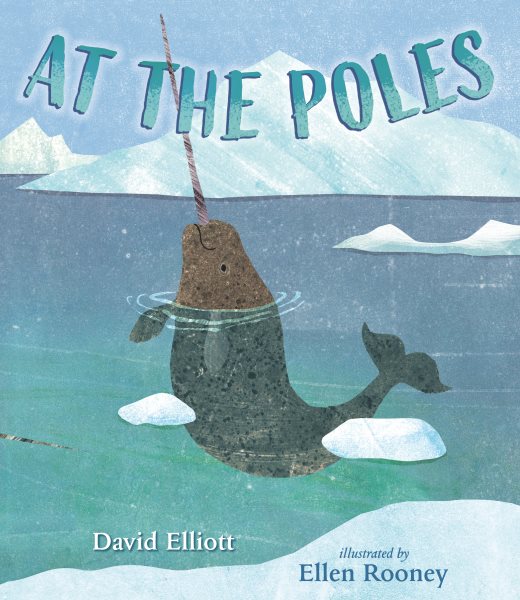
All hail this truly delightful collection of odes to the animals of the North and South poles. Clever wordplay and delightful phrasings accompanied by eye-popping art make these little poems true standouts. Now THAT is more like it!! None of this mediocre half-hearted poetry stuff. David Elliott is just having so much fun here. From the clever wordplay (who else would make a penguin poem that rhymed “Frozen Nation” with “Ambulation”?), to the visually delightful concrete poems (the poem “Antarctic Shag” is worth the price of admission alone), to the short and sweet (the poem “Narwhal” is simply “A singular creature / with a singular feature”). I was charmed. Plus Ellen Rooney is keeping pace with these delightful gouache, ink, crayon, digital collage. A marvelous publication in a sea of meh.

Galápagos: Islands of Change by Leslie Bulion, ill. Becca Stadtlander
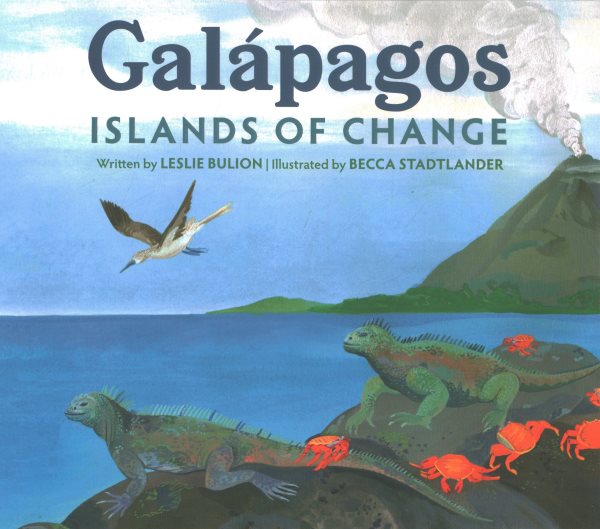
Take a trip to the beautiful islands of the Galápagos. Meet the creatures there, as scintillating poetry and true facts give young readers a look at a world you cannot find anywhere else. From the folks that brought us last year’s Serengeti comes yet another mix of fact and verse. Here we take a trip to the Galápagos and focus primarily on the creatures that live there. There’s some nice history and some nice poetry as well (I was fond of the reference to William Carlos Williams at one point). The little facts in the margins are particularly keen and don’t distract from the poetry itself. If you enjoyed the Bulion/Stadtlander collaboration from last year, you’ll probably like this one as well.

Kin: Rooted in Hope by Carole Boston Weatherford, Ill. by Jeffery Boston Weatherford
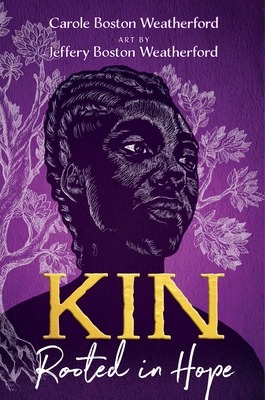
Carole and Jeffery Boston Weatherford tell the story of their ancestors through verse, art, and painful, but ultimately empowering, research. This is coming to us via the same mother/son team-up that produced 2022’s Call Me Miss Hamilton, which I found particularly good. Now Carole had a bit of an impediment with this book in some ways. She’s presenting her ancestors, their stories and their voices, but has very little information to go on. Fortunately, what facts she is able to locate, she weaves expertly into this book as poems. You could almost label this book as Informational Fiction since she has to fill in so many of the holes in her family’s personal history, but I think “Poetry” is the right list. Accompanying this verse is the scratchboard art of Jeffrey Boston Weatherford, and he complements the text expertly. A powerful use of poetry and history.

My Head Has a Bellyache by Chris Harris, ill. Andrea Tsurumi

Step aside, Shel Silverstein! There’s a new funny poetry book in town and it’s going to knock you out. Get ready for elderly cavemen, nail-clipping fairies, and AWOL buffaloes in this laugh-out-loud triumph of a book. Why why why why why does no one do poetry collections as well as Chris Harris? First, getting Andrea Tsurumi to do the art was a genius move on some editor’s part. But Chris has upped his game and though I did read as much of it as I could, I honestly think that the different Index entries may take you an additional hour if you do them properly. The jokes in this land and they land hard, but to my amazement, the man is also capable of some real pathos and emotional tugs of the heart when he’s talking about parenthood. That also lands. All told, strongest funny poetry book of the year, bar none. It’s seriously not even close. 

No World Too Big: Young People Fighting Climate Change by Lindsay H Metcalf, Keila V. Dawson and Jeanette Bradley, ill. Jeanette Bradley
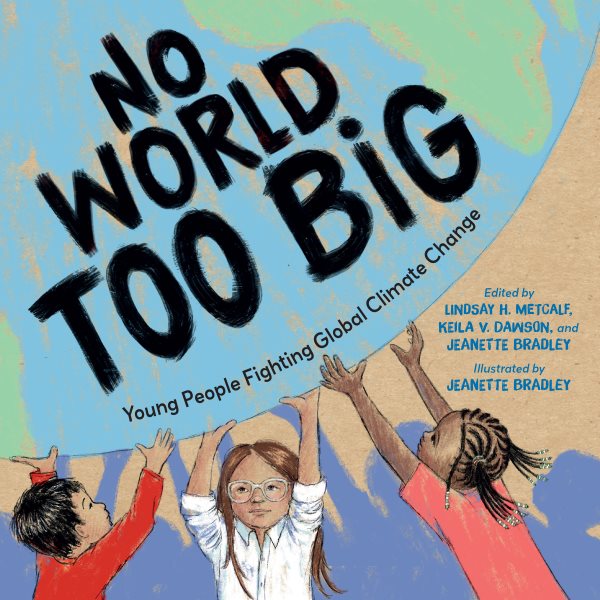

All around the world these kid activists are making a difference. Join twelve different poets as they each celebrate a chosen child climate warrior, celebrating their work and the world in which we live. I do believe I’ve considered other books in this series before (like No Voice too Small). Something about this particular book stood out to me, though. The array of poets the authors highlight is expertly curated, and it’s kind of fun seeing familiar activist faces that have been cropping up in other nonfiction books in the last few years. As for the poems themselves, I thought this was an excellent merging of poetry and activism. Inspiring in a whole different kind of way.

Read To Your Baby Every Night: 30 Classic Lullabies and Rhymes to Read Aloud, edited by Lucy Brownridge, embroidered by Chloe Giordano
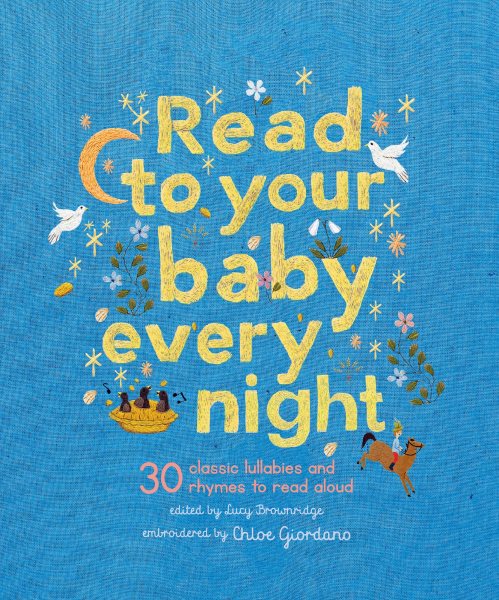
Nursery rhymes don’t get any respect. Not really. Fairy tales hog all the glamor, leaving poor nursery rhymes passed over and ignored. Earlier this year I wanted to research a very specific nursery rhyme and I have a fairly nice children’s literature library in my home. Yet as I scanned my shelves (and later, the shelves of my public library) I was amazed to find that while you can’t look in one direction or another without finding yet another thesis on the true meaning of fairy tales, nursery rhymes are almost impossible to put into context. Why is this? I can tell you that when my kids were just itty bitties I grew increasingly reliant on any and all collections I could find. I was particularly interested to discover that no two books of nursery rhymes ever contain the same rhymes, and that I almost always will find one I don’t know. Now this book only contains 30 or so rhymes and lullabies but I did find at least one that was a complete newbie (anyone know “Oranges and Lemons”?). What’s so nice about this book is that it’s illustrated entirely with embroidery. Hard core embroidery. I’m talking, Chloe Giordano can embroider a friggin’ horse if she wants to. I can’t even draw one of those! The combo works perfectly since her thread has as much personality in it as any cartoon. Sometimes the characters will appear more than once in the book, but I think we can allow that considering how many sheer hours it must have taken to do all of this. Not a great title (“Read To Your Baby Every Night” sounds like a parenting manual) but a fantastic book. 

Robot, Unicorn, Queen: Poems for You and Me by Shannon Bramer, ill. Irene Luxbacher
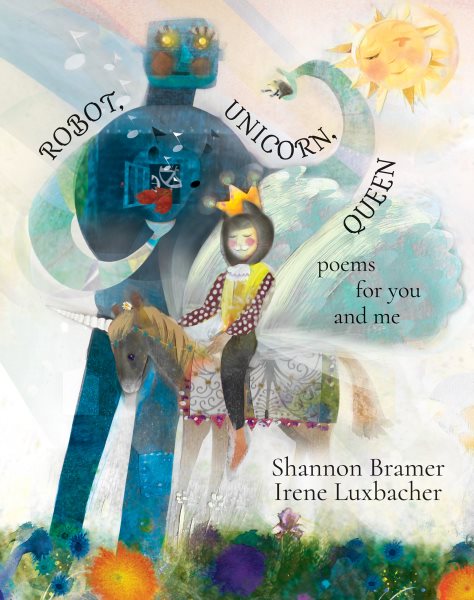
A funny, touching, exciting array of poems fill this collection. From “I did what the toad toad me to do” to “Please Don’t Scream at the Piano” this book is filled with some of the best poetry for kids you’ve ever read. So pretty early in, while I was reading this book, I started flipping all around to figure out who the heck “Shannon Bramer” was, because these poems are WAY too good. This cover didn’t give me any warning that the poetry inside was going to be as incredible as it is. It was when I saw that her previous book was Climbing Shadows: Poems for Children that it all fell into place. Of COURSE I know who she is now! Do you remember that book? It’s the poetry collection that brought us illustrator Cindy Derby. As I recall, Ms. Bramer is a lunch lady and she gets a lot of her ideas from kids. And, indeed, at the back of this book you’ll hear how she came up with some of the poetry inside. It just reads incredibly well. I think my favorite poem has got to be “The Problem with This Sandwich” because everyone has been that kid at some point. Fantastic.

Trees: Haiku from Roots to Leaves by Sally M. Walker, ill. Angela McKay
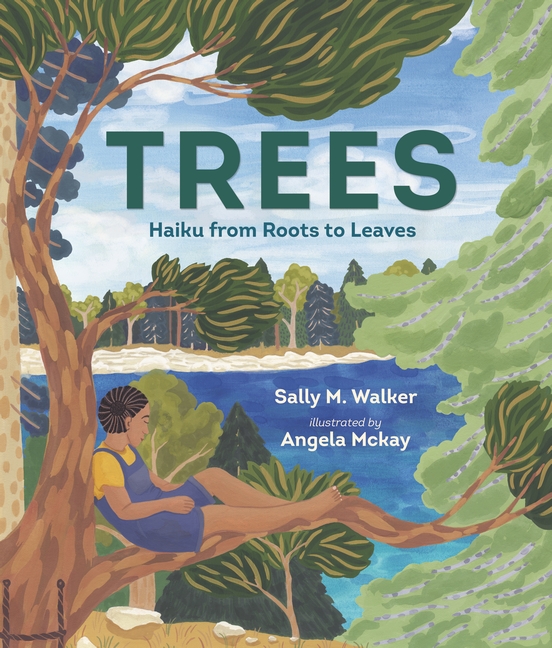
Nature red in tooth and claw is celebrated fully in a series of beautiful haikus. Accompanied by gouache and watercolor art, it makes for a marvelous celebration of science and poetry. The first time I read this book I was not here for it. Something about the use of haiku rubbed me wrong. Then I picked it up a second time and read it through more carefully. By doing that, I was able to see how the haiku really is tapping into that traditional love and appreciation of nature that you want to find in that particular form of poetry. More to the point, these are really good poems! Example: “covered with gray fur / pussywillow catkins cling: / kittens on slim twigs.” The art is lovely and I was very impressed with the backmatter (yay, further reading!). Gotta say, I’m a fan.

Welcome to Wonder House by Rebecca Kai Dotlich and Georgia Heard, ill. Deborah Freedman
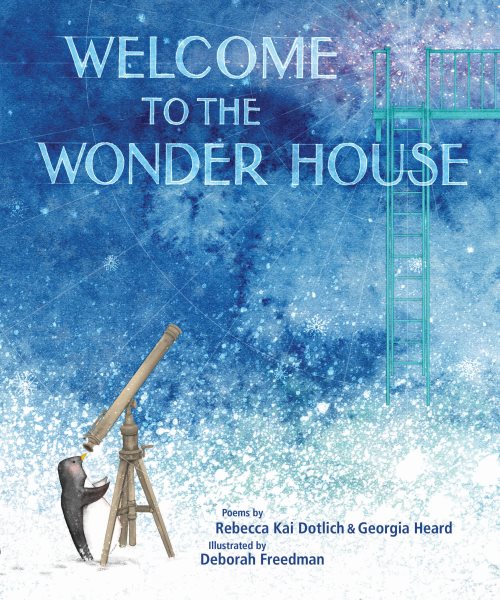
What if wonder were a house? What would you find inside? Twenty-nine poems dive into all the things you might find, from wishes and nature to time and imagination. While the concept initially struck me as a little twee, there are certainly more than a few nice poems in here. Of course one true lure is Deborah Freedman’s art. Take the cover off and look at the book under the jacket if you get a chance. She has to attempt the near impossible task of illustrating poetry, which is a difficult prospect right from the start. I hate overusing certain words but “luminous” is an unavoidable one when discussing this book. Beautiful in text and in image.


Hope you enjoyed these! Here are the lists you can expect for the rest of this month:

December 1 – Great Board Books

December 2 – Picture Book Readaloud

December 3 – Simple Picture Book Texts

December 4 – Transcendent Holiday Picture Books

December 5 – Rhyming Picture Books

December 6 – Funny Picture Books

December 7 – CaldeNotts

December 8 – Picture Book Reprints

December 9 – Math Books for Kids

December 10 – Gross Books

December 11 – Books with a Message

December 12 – Fabulous Photography

December 13 – Translated Picture Books

December 14 – Fairy Tales / Folktales / Religious Tales

December 15 – Wordless Picture Books

December 16 – Poetry Books

December 17 – Unconventional Children’s Books

December 18 – Easy Books & Early Chapter Books

December 19 – Older Funny Books

December 20 – Science Fiction Books

December 21 – Fantasy Books

December 22 – Comics & Graphic Novels

December 23 – Informational Fiction

December 24 – American History

December 25 – Science & Nature Books

December 26 – Unique Biographies

December 27 – Nonfiction Picture Books

December 28 – Nonfiction Books for Older Readers

December 29 – Audiobooks for Kids

December 30 – Middle Grade Novels

December 31 – Picture Books
Filed Under: 31 Days 31 Lists, Best Books, Best Books of 2023 Tagged With: 2010 poetry, 2023 poetry, 31 days 31 lists, collected poetry, funny poetry

31 Days, 31 Books: 2023 Wordless Picture Books

December 15, 2023 by Betsy Bird

Every wordless picture book you see is taking a risk. When you notice that one has been published, that means that its creator(s) argued successfully that they were capable of telling a comprehensible story without the aid of a single word. Getting a picture book published in the first place is a massive undertaking, and to add onto that the risk inherent in going totally wordless? Today I am saluting these little hero books. They not only took on the challenge of eschewing written communication, but they did so successfully and with aplomb. We should all be so talented.

You can find a full PDF of today’s list here.

Love wordless titles? Then check out some lists from previous years:

  • 2022
  • 2021
  • 2020
  • 2019
  • 2018
  • 2017

2023 Wordless Picture Books

Afterward, Everything Was Different by Rafael Yocktend, ill. Jairo Buitrago, translated by Elisa Amado

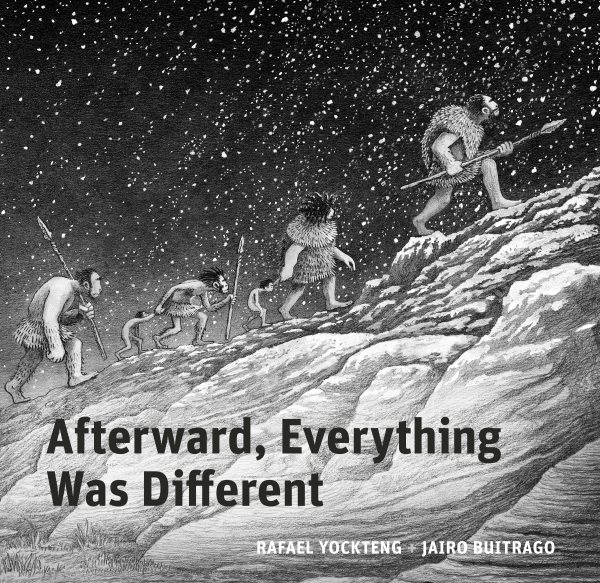
A group of early humans struggles to survive during the Pleistocene era. Meanwhile, a single girl watches and records everything that happens to them for posterity. An epic wordless tale about our earliest ancestors. I hereby declare 2023 The Year of the Wordless Picture Book. Between this and Aaron Becker’s The Tree and the River, we’re seeing massive time periods covered without a word on the page. Amazingly, this book highlights that impossible moment where humanity went from just trying to exist to trying to tell our stories to one another. It’s black and white, but you quickly forget about all that as you follow this group of humans (and their a human-adjacent friend, which I kind of love) tromping about during the Pleistocene era. I love the cinematic opening and it’s interesting watching their numbers deplete over time. I could read this again and again and notice something new with each read. Wholly, utterly engaging and original. Previously Seen On: The Translation List

The Book From Far Away by Bruce Handy, ill. Julie Benbassat

Oo! A twofer! Not only will you find that this is a book without words, but it has a nice little science fiction component as well. I’m a huge fan of science fiction picture books (at most you might find three in a given publishing year) and glom onto them the moment I see them. This book? Infinitely glommable. It’s always a nice plus when the book is beautiful and good in addition to being an interesting idea. The concept behind this story is that an alien family has landed on our planet to have a picnic. A human boy spies them and finds that after they’ve left they’ve forgotten a strangely elaborate circular disc. Brass and blue and filled with symbols and heavenly bodies, some experimentation reveals that it appears to turn some kind of translucent pages. The boy is enamored but all too soon the alien boy reappears and the two manage, in spite of the language gap, to communicate. The human boy shares one of his own picture books with the alien child (100 points if you can identify that book) and then he’s gone. But what’s this? Peek in the boy’s backpack and you can see the original alien book is still in there. These two will grow up to be linguists, no doubt (the whole thing felt very Arrival to me). There were so many small things about this book that I liked, in addition to the smooth illustrations. I really was quite partial to how mournful the alien mama looked at all times. Not sad, exactly, but pensive. I loved the twist and the amount of work that went into the alien’s “book” (it reminded me of the Golden Compass from the Philip Pullman book of the same name). All told, one of the most inventive little books of the year. 

Bunny & Tree by Balint Zsako

So wordless that its title doesn’t even appear on its cover! When a little white bunny befriends a stately tree, the two set off on a wild adventure to find other bunnies in the world in this dreamy wordless work of storytelling. I can already tell that we’re going to have to have a whole discussion about whether or not this constitutes a “picture book” or not when, technically, it’s clocking in at a mighty 184 pages. I just consider this a particularly long picture book, though. Granted, there’s a certain level of sophistication at work here that requires not simply a basic working knowledge of sequential art, but also the understanding to make the leap between what seems possible and what seems utterly impossible. The watercolors are completely lovely and dreamy and I suspect you could have some interesting conversations with a kid about what precisely is happening in one scene or another (are those the same bunnies at the end as those at the beginning of the story?). Very cool. 

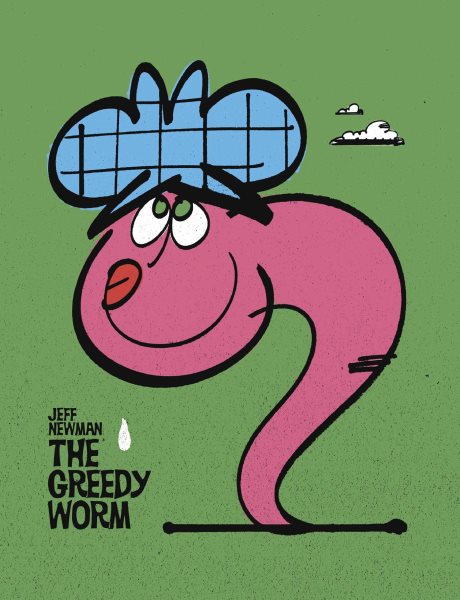
The Greedy Worm by Jeff Newman

There are certain author/illustrators of picture books out there who only produce something every so often. The trick is to keep your eyes peeled and wait patiently until you spot them in the wild. I’ve been a big time fan of Jeff Newman for years (and maintain that his book The Boys is one of the great wordless lost classics of the early 21st century). Over the years the man has proved himself a deft hand with telling stories with a minimum of words, while also providing art heavily influenced by that general Gerald McBoing Boing era of animation/fiction. In this story a green-eyed worm (in more ways than one) doffed in a blue cap observes a ginormous apple. Delight turns to disappointment when he realizes that other insects are also interested in it. Newman creates an evil grin straight out of the Chuck Jones How the Grinch Stole Christmas school as the worm determines to eat the dang thing single-handedly all by himself. A comeuppance is in the coming, you bet, but the good-hearted fellow bugs come to his aid anyway and things come to a happy end. I was particularly taken with the worm’s beard (grown to show the passage of time) near the end. Worth multiple reads, I’d say. 

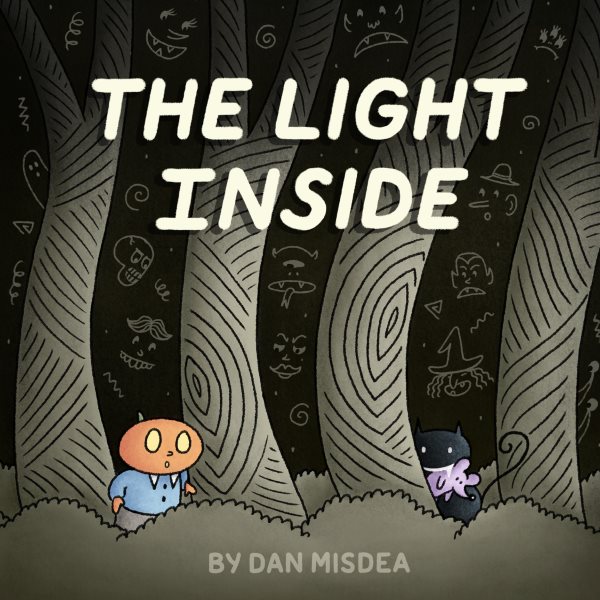
The Light Inside by Dan Misdea

I worry about this book. On a practical librarian level, I mean. It’s just so small. Clocking in at a petite 5.75 inches up and across, I know that a lot of libraries will catalog is as part of their Holiday collections. This makes sense since it’s full of Halloween-appropriate characters. What chaps my hide is that after it had its initial day in the sun they’ll take it to the part of the library where all the holiday books go and it will disappear. I mean, it’s not that much bigger than a Beatrix Potter book and I think we all know how those tiny titles have a tendency to snuggle deep into the stacks, never to be found again. Still, for those children who do find it, the story is just so lovely. Wordlessly, it tells the tale of a pumpkin headed child (I love how just the tip of mom’s green stem sticks out of her hair) who is initially afraid of the creatures that dwell in the dark but, finds it must confront them when its prized mouse stuffie is stolen by a black cat. Looking at Misdea’s art, I was reminded of the work of Liniers. I thought maybe Misdea might have an underground comix background, but turns out he’s a New Yorker cartoonist that we’ve undoubtedly seen before. He is also the nephew of none other than fellow children’s book creator, and syndicated cartoonist, Patrick McDonnell. Misdea has his own small, spare style distinctly his own, but very much in keeping with his uncle’s tone. I see big things for his little books in the future. Previously Seen On: The Holiday list

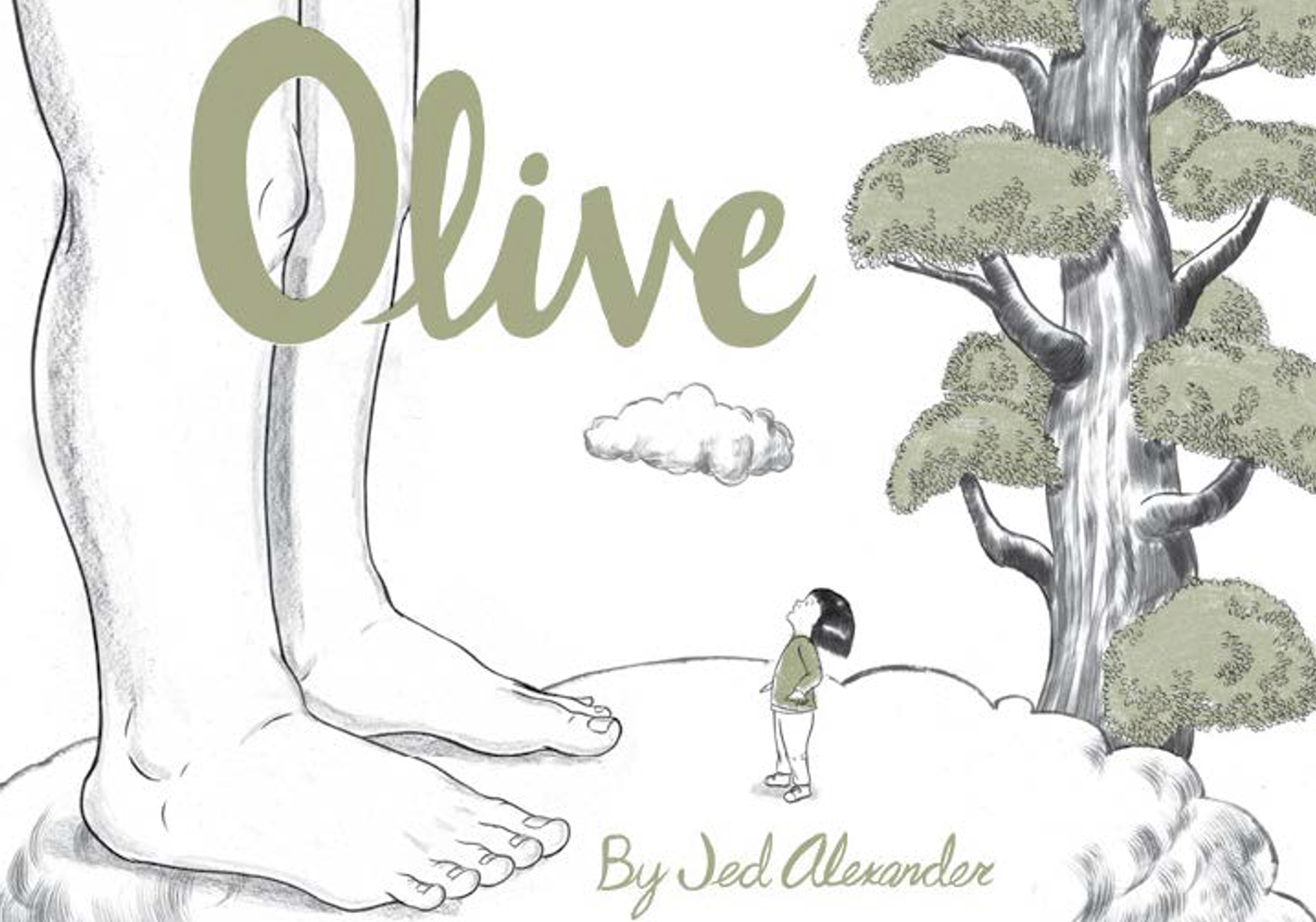
Olive by Jed Alexander

Forget Jack and the beanstalk. Meet Olive and the beanstalk! A wordless adventure takes Olive to the skies where she discovers that size is relative when you have a friend. Jack and the Beanstalk gets a kick in the pants with this clever retelling of the old fairy tale. The Jack story has been done to death in picture books, actually, but there is something especially fresh and interesting about what Jed Alexander is doing here. I absolutely love how the book is able to wordlessly parallel how Olive feels with the giant, alongside how she feels when she’s a giant to another small creature. It’s about taking responsibility for those smaller than you, and remembering your place. Love the metaphor, love how comfortable the giant is in her own body, and love the wordless storytelling. Previously Seen On: The Fairy Tales list

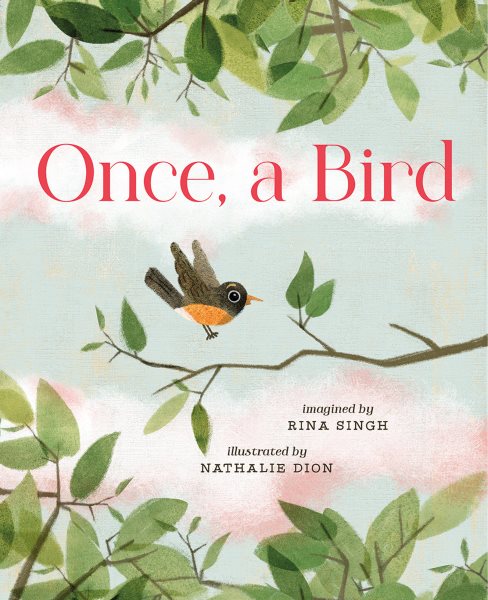
Once, a Bird imagined by Rina Singh, ill. Nathalie Dion

Oh, I like that. “Imagined by Rina Singh” rather than “Written by”. After all, this is a wordless book, and it’s always hard to know precisely how to credit such books’ authors. Maybe this will become the standard for the industry. In this story a robin travels far distances to find a proper place to roost and nest. You get these marvelous, soaring views from high above in a robin’s p.o.v., sometimes higher and higher. Now the copy on the book has a description of this story that caught my eye. It says, “Once, a bird brought a community together. The streets are empty and the playground still. Puzzled but determined, the bird looks for a place to nest.” That makes this book sound like a pandemic title, and maybe that was its purpose. When I read it without having read this description first, though, I didn’t pick up on all of that. I was probably more puzzled that there is no second robin at any point. Those eggs seemingly come out of nowhere!. Ah well. As wordless tales go, this is a clever one, and great for giving you a bird’s eye view of flight. 

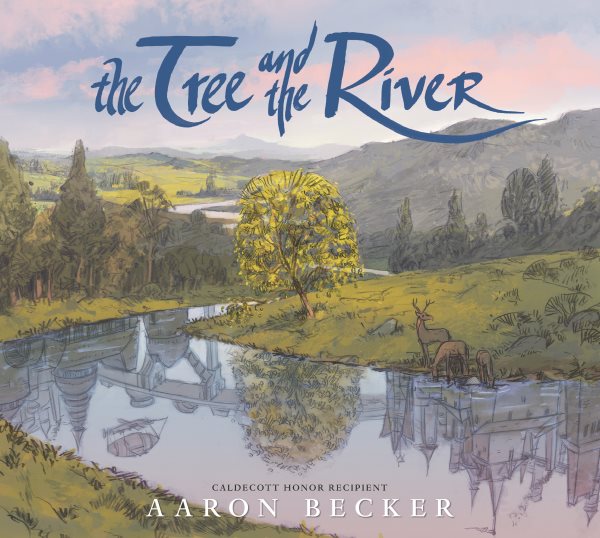
The Tree and the River by Aaron Becker

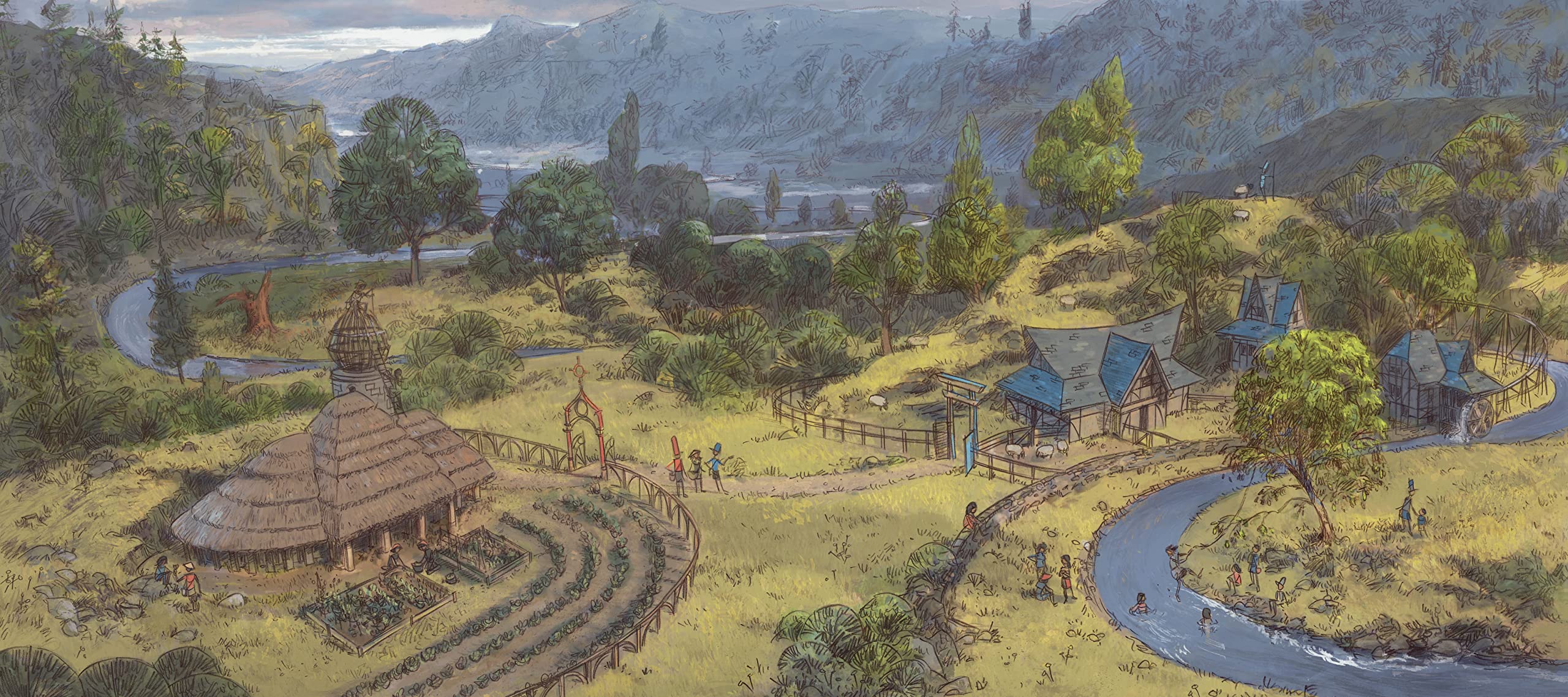
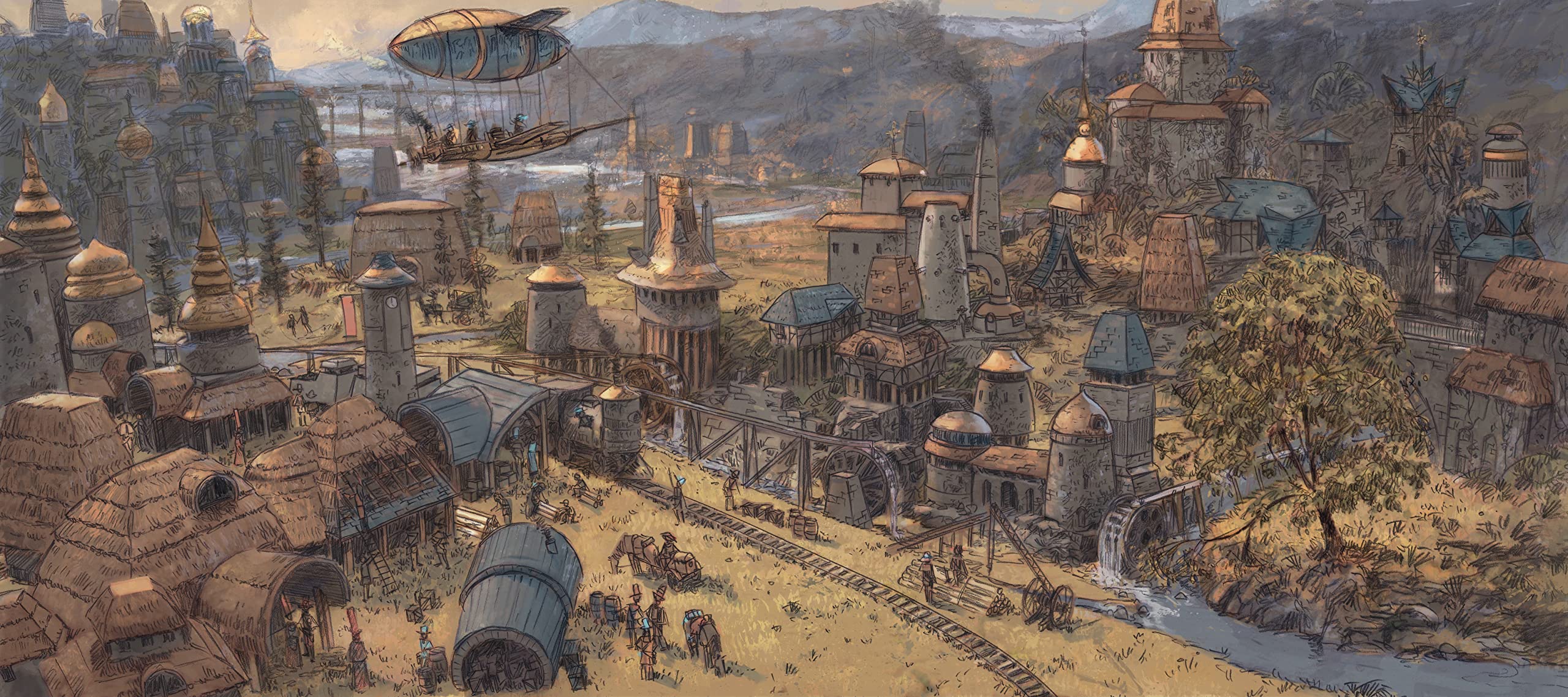
A single tree sits on the small peninsula as civilizations rise and fall around it. A beautiful detail-rich wordless story of human hubris and hope. Oh yes! Becker’s back! Some of you may recall his Journey series from a couple years ago. It was an epic three-part wordless fantasy series in picture book form. Then Becker made A Stone for Sascha which felt more like a prelude to this book than anything else. Now he’s returned with another epic wordless story, and this one feels like more like a Mitsumasa Anno boo, of which I thoroughly approve! There is just so much for kids to pick apart in this wordless storyline. Who won the war? How have the two cultures seen in the book integrated? How is this a book about what might happen to us in the future? In spite of the fact that the world clearly floods due to a global warming of some sort, the book ends on a pretty hopeful note. No small task for something completely wordless. One of the most accomplished picture books of the year. Also, because I am just that petty, I would like to point out that my review called out that Planet of the Apes moment at the beginning of the book long before anyone else’s. *grabs all her toys and runs away*

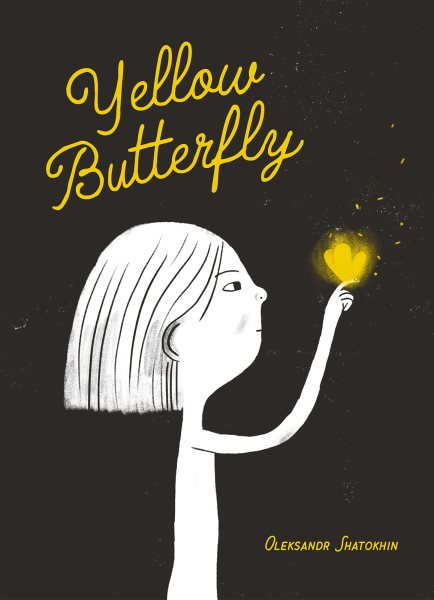
Yellow Butterfly by Oleksandr Shatokhin

Much like the rise of picture books about refugees that came out in the wake of Syria’s crisis, so too have Ukrainian picture books proliferated in the last year or two due to the Russian invasion. Finding a way to appeal to notoriously apathetic American consumers and their children is a challenge for any publisher, so perhaps wordless books really are the smartest method of conveying information about war. Oleksandr Shatokhin, a Ukrainian artist who is, according to this biography on the back bookflap, still living and working in Ukraine, does something infinitely clever with this title. It’s really all about the imagery. Unexploded bombs. Barbed wire. And, of course, the yellow butterfly. The book begins in black and white, which means that when the butterflies swarm upon the lines of barbed wire against the blue sky, the final effect bears resemblance to nothing so much as the Ukrainian flag (clever). Red Comet Press made sure to include information at the end on how to share a wordless book, as well as tips for guiding a conversation about the war. A clever way to bring a hard subject to the youngest of readers.


Hope you enjoyed these! Here are the lists you can expect for the rest of this month:

December 1 – Great Board Books

December 2 – Picture Book Readaloud

December 3 – Simple Picture Book Texts

December 4 – Transcendent Holiday Picture Books

December 5 – Rhyming Picture Books

December 6 – Funny Picture Books

December 7 – CaldeNotts

December 8 – Picture Book Reprints

December 9 – Math Books for Kids

December 10 – Gross Books

December 11 – Books with a Message

December 12 – Fabulous Photography

December 13 – Translated Picture Books

December 14 – Fairy Tales / Folktales / Religious Tales

December 15 – Wordless Picture Books

December 16 – Poetry Books

December 17 – Unconventional Children’s Books

December 18 – Easy Books & Early Chapter Books

December 19 – Older Funny Books

December 20 – Science Fiction Books

December 21 – Fantasy Books

December 22 – Comics & Graphic Novels

December 23 – Informational Fiction

December 24 – American History

December 25 – Science & Nature Books

December 26 – Unique Biographies

December 27 – Nonfiction Picture Books

December 28 – Nonfiction Books for Older Readers

December 29 – Audiobooks for Kids

December 30 – Middle Grade Novels

December 31 – Picture Books

Filed Under: 31 Days 31 Lists, Best Books, Best Books of 2023 Tagged With: 2023 picture books, 31 days 31 lists, Best Books of 2023, picture books, wordless picture books

31 Days, 31 Lists: 2023 Fairy Tales, Folk Tales, and Religious Tales

December 14, 2023 by Betsy Bird

Ah! One of my favorite categories! It’s so interesting to note the years where we get a SLEW of great fairy tales, folk tales, and religious tales versus the years when we get hardly any at all. 2023? Now that has been a good year! Why, when we were trying to pare down this category for the EPL 101 Great Books for Kids List, we found it to be particularly painful. Who knew there would be so many great titles coming out? In the old days, this was a boffo category, dominating even the picture books. And prior to this year I would have said that these days publishers just didn’t care about these categories anymore. Happily, they’ve proven me to be a liar. Check out these true beauties.

If you’d like a PDF of this year’s list, you can find it here.

And are you interested in seeing past lists of these titles? Then check these out!

  • 2022
  • 2021
  • 2020
  • 2019
  • 2018
  • 2017
  • 2016

2023 Fairy Tales, Folk Tales, and Religious Tales

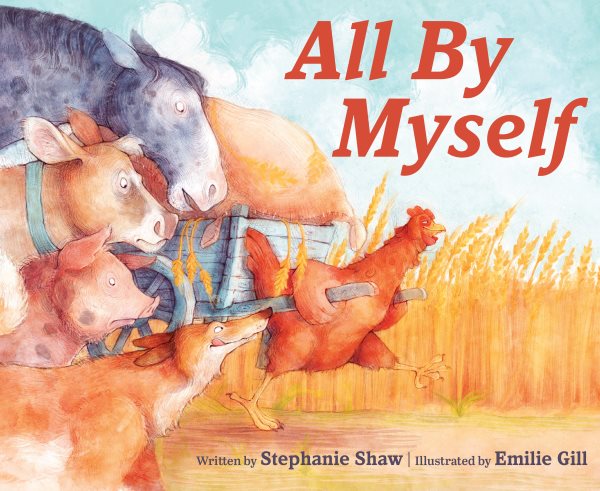
All By Myself by Stephanie Shaw, ill. Emilie Gill

Dang it. This falls squarely into the Books Betsy Can’t Read the Titles of Without Wanting to Sing. “All by myself … don’t wanna be, all by mysee-ee-eelf!” So this is a book that sort of assumes that kids are familiar with the tale of the Little Red Hen. If you plan on reading this with them, make sure you read something like Heather Forest’s The Little Red Hen: An Old Fable beforehand. That way they’ll be able to fully appreciate the way this story twists the old one. In the classic telling of The Little Red Hen, the heroine asks for help and is denied it continually. In this story, the hen is perfectly happy doing all the work herself, in spite of offers of help. I can relate. I’m terrible at delegation myself. When a hungry fox comes to aid in the cooking process, her friends are fairly certain that she’s next on his menu. There’s a twist at the end, which reminded me a bit of My Lucky Day by Keiko Kasza but . . . not? Emilie Gill, is new to me but she is an excellent new artist and one that you need to add to your roster of folks to keep an eye on. 

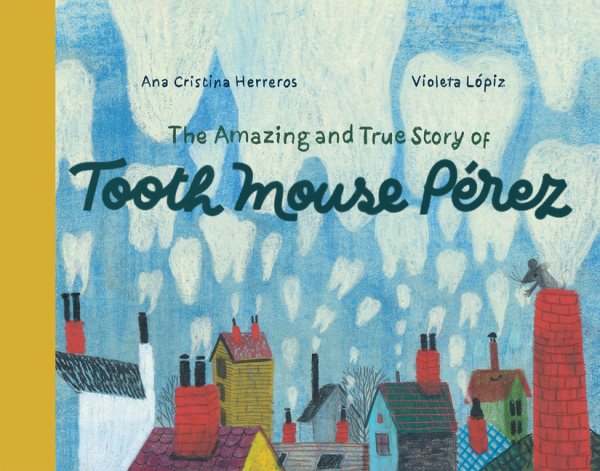
The Amazing and True Story of Tooth Mouse Pérez by Ana Cristina Herreros, ill. Violeta Lópiz, translated by Sara Lissa Paulson

Losing teeth is “the gift of growing up”. See how the Spanish Tooth Mouse tradition has changed over the years and how it connects to our very own Tooth Fairy. Oh, I just love this! I’ve heard of teeth mice before and I’ve even seen books about different losing-your-teeth traditions from around the world (anyone remember I Lost My Tooth In Africa by Penda Diakite?). Still I’ve never seen a really really really good book on the subject before. Now, at long last, I think I have. This covers traditional tooth mouse folktales, sure, but it also acknowledges how times change and how people, and traditions, have to adapt. If you don’t live in houses with roofs then throw your tooth in the fireplace. There aren’t fireplaces now? Then put the teeth under your pillow! And then to weave in other tooth fairy/insect ideas as well? Fantastico. A thorough winner from start to finish. Previously Seen On: The Translation list

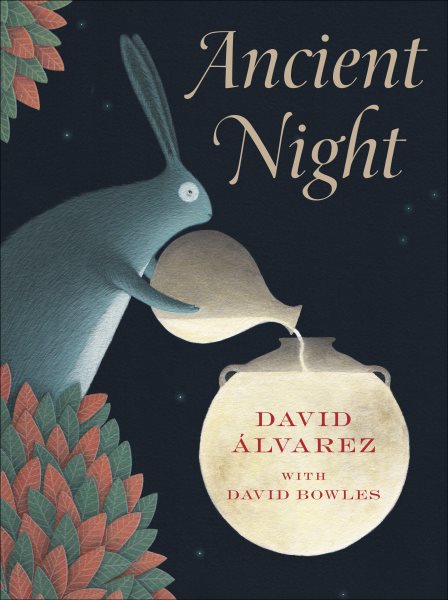
Ancient Night by David Álvarez and David Bowles

Every night Rabbit fills the moon with delicious aguamiel. When clever but foolish Opossum steals the liquid for himself, the two must work together to make things right. A smart mixture of multiple Mesoamerican legends. Now here’s a pretty one. I love a book that not only has the feel of a folktale but honors the roots of the tales themselves. Apparently this story has elements from such stories as the Mesoamerican “The Great Ceiba” and “Rabbit and the Moon” as well as “Opossum and the Sun’s Fire” and “Magey Aguamiel.” Love the tone, the storytelling, and (naturally) the feel of the art itself. A pretty clear-cut winner. 

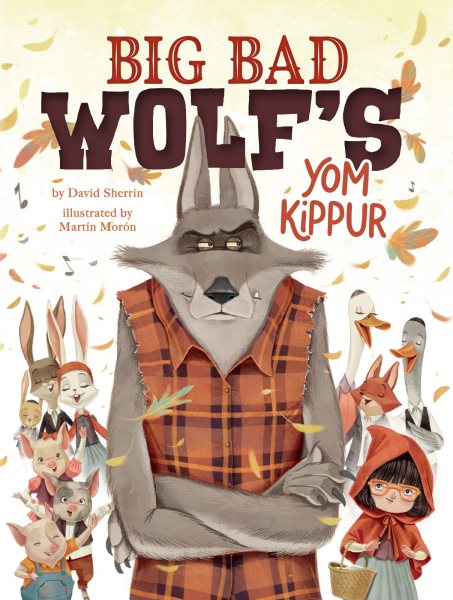
Big Bad Wolf’s Yom Kippur by David Sherrin, ill. Martín Morón

In the pantheon of great Yom Kippur picture books, few feature wolves in sleeveless plaid. Quite frankly, I think that’s a shame. Now as I was traversing the halls of the Annual American Library Association Conference this past June I made a point to sniff out all the smaller publishers of children’s books to see what goodies they might have to display. And Apples & Honey Press did not disappoint. I actually spotted this cover across a distance of at least ten feet and was instantly drawn in. And for good reason too! The story focuses on a Big Bad Wolf, not too dissimilar from the one you’ve seen in the book series/movie Bad Guys. The book centers on a Big Bad who follows the Jewish tradition of t’shuvah, returning to his best self on Yom Kippur. And while I thoroughly enjoyed the storyline and the art (which is top notch!) I really enjoyed the fact that having given up free meals throughout the book, the wolf gets to feast and feast at the story’s end. Probably, and I mean this truly, the best Yom Kippur picture book I’ve ever seen. Previously Seen On: The Holiday List

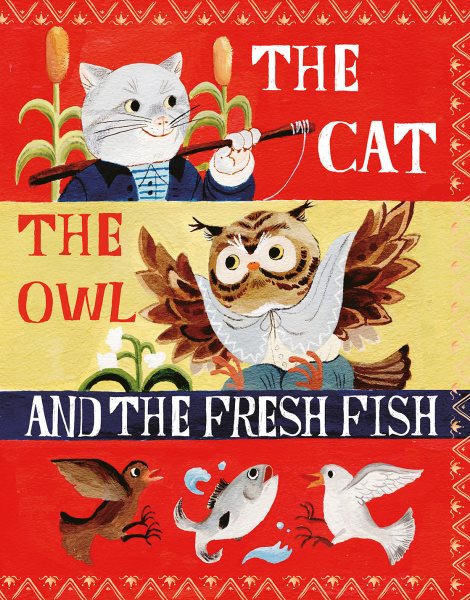
The Cat, the Owl, and the Fresh Fish by Nadine Robert, ill. Sang Miao, translated by Nick Frost and Catherine Ostiguy

I’m sort of old-fashioned when it comes to folk and fairy tales. Generally speaking I try to avoid including any original ones on these lists. I don’t mind fractured tales, of course. Or tales that add some more contemporary elements. But wholly new? Not usually my style. Yet here we are, with me taking a gander at this little French-Canadian import and just absolutely adoring it! The story has all the hallmarks of an Aesop fable. In it, you’ve an owl who is trapped by a log on his foot. A nearby cat refuses to help because it has spotted a basket of fish in an abandoned boat in the middle of the pond. The owl keeps surreptitiously giving the cat advice on how to get closer until it manages to accidentally/not accidentally get the cat to pick up the log on its foot. The art of Sang Miao, meanwhile, has all the hallmarks of a classic picture book from 70 years ago. I walked in uncertain (the cursive letters threw me off at first) and then was utterly charmed. A delight. Previously Seen On: The Translation List

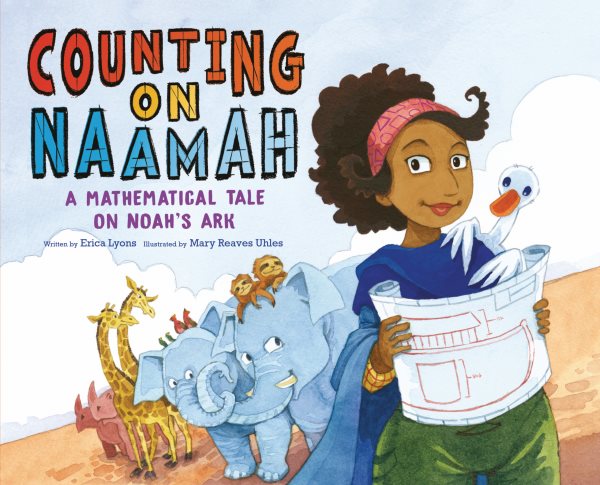
Counting on Naamah by Erica Lyons, ill. Mary Reaves Uhles

Ah! Another book for the Why Hasn’t Someone Thought of This Before category! To start of with, why hasn’t anyone turned the Noah’s Ark story into a math picture book before? Of all the tales in the Jewish or Christian religions, this one seems the most math friendly (though if Lyons and Uhles want to make a sequel, the loaves and fishes story might be a possibility). Best of all, Lyons gives the role of mathematician to Naamah, Noah’s wife. All kinds of different types of math are worked into the storyline, and the construction of the ark itself manages to teach and not bore. My sole objection? Well, aside from the fact that Naamah’s kids and their spouses somehow disappeared in the course of all this, there is the inescapable fact that this book would have been ripe for wonderful backmatter, and yet all we get are teeny tiny boxes on what a midrash is and who Naamah was. Such a lost opportunity! Lyons could have filled two additional pages with wonderful explanations of some of Naamah’s math, and even included little activities for kids to do. Ah well. As it stands, it’s a pretty darn good combination of classic tale and mathical mathiness. Previously Seen On: The Math Books for Kids List

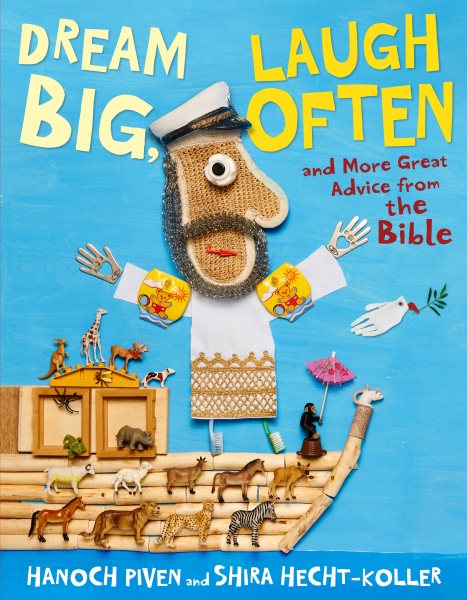
Dream Big, Laugh Often and More Great Advice from the Bible by Hanoch Piven and Shira Hecht-Koller

Hanoch Piven’s back! That’s so great! I love that guy. He’s actually been around for quite a while, constructing these cheeky illustrations loaded down with personality in all kinds of picture books. This particular title would do very well indeed as a kind of Sunday school/Saturday school supplement to basic Old Testament studies. You’ve a range of famous figures paired alongside some advice. Some of these make sense (Noah’s advice centers “Be Good” and Abraham’s is “Trust the Journey”) while others take a bit of creative wrangling (I was a bit amused to see that Eve’s is “Be Curious”). What’s so neat is that often the bits and pieces that make up the person pertain to the lesson/person’s story in some fashion. So Jonah is made up of nautical elements like a flipper body and seashell eyes, for example. Definitely intended for those kids who already know these characters, this could still be used as a way of making them curious about the full stories (some of which are included in the back of the book). Sparking curiosity with advice! 

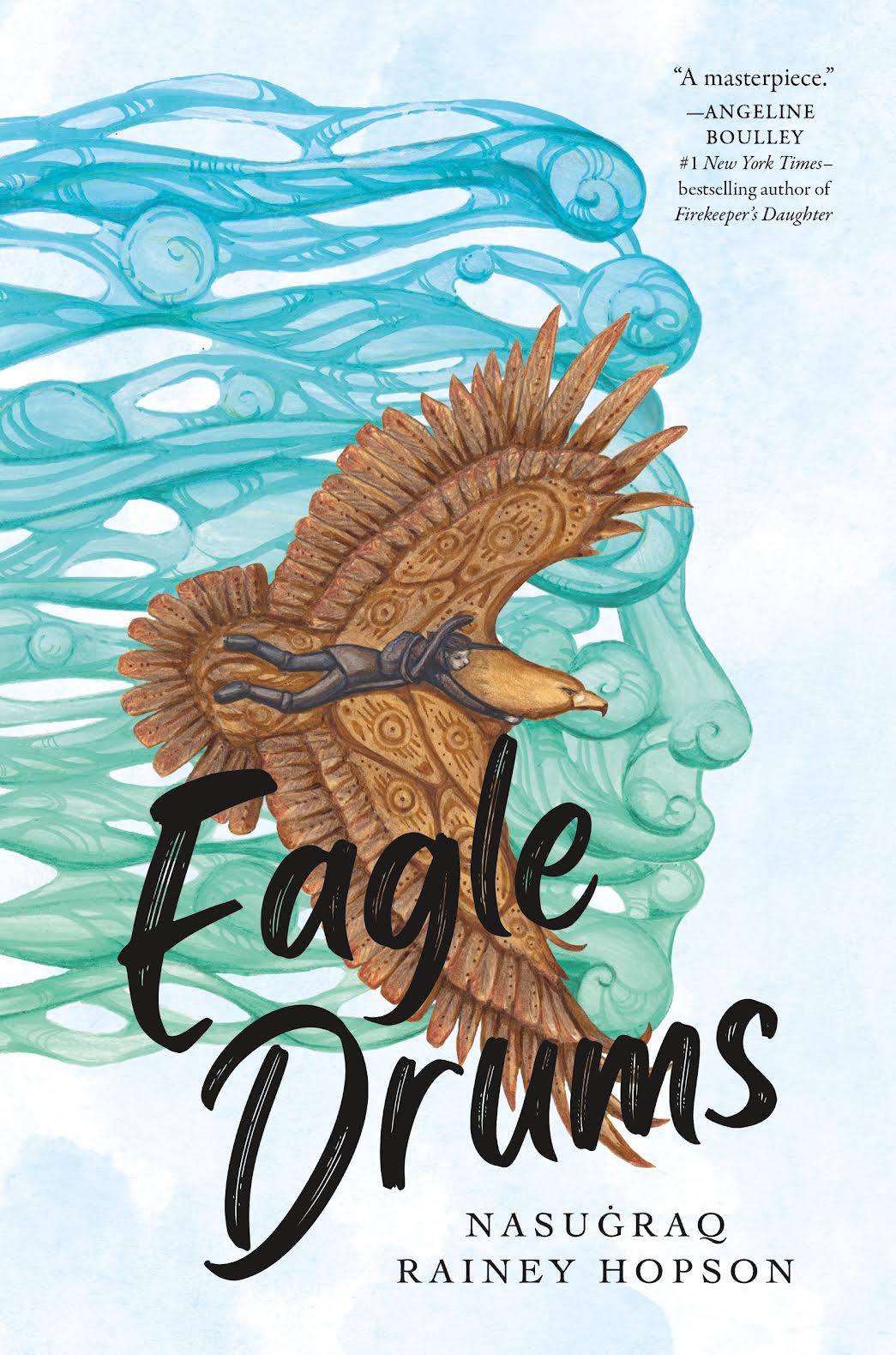
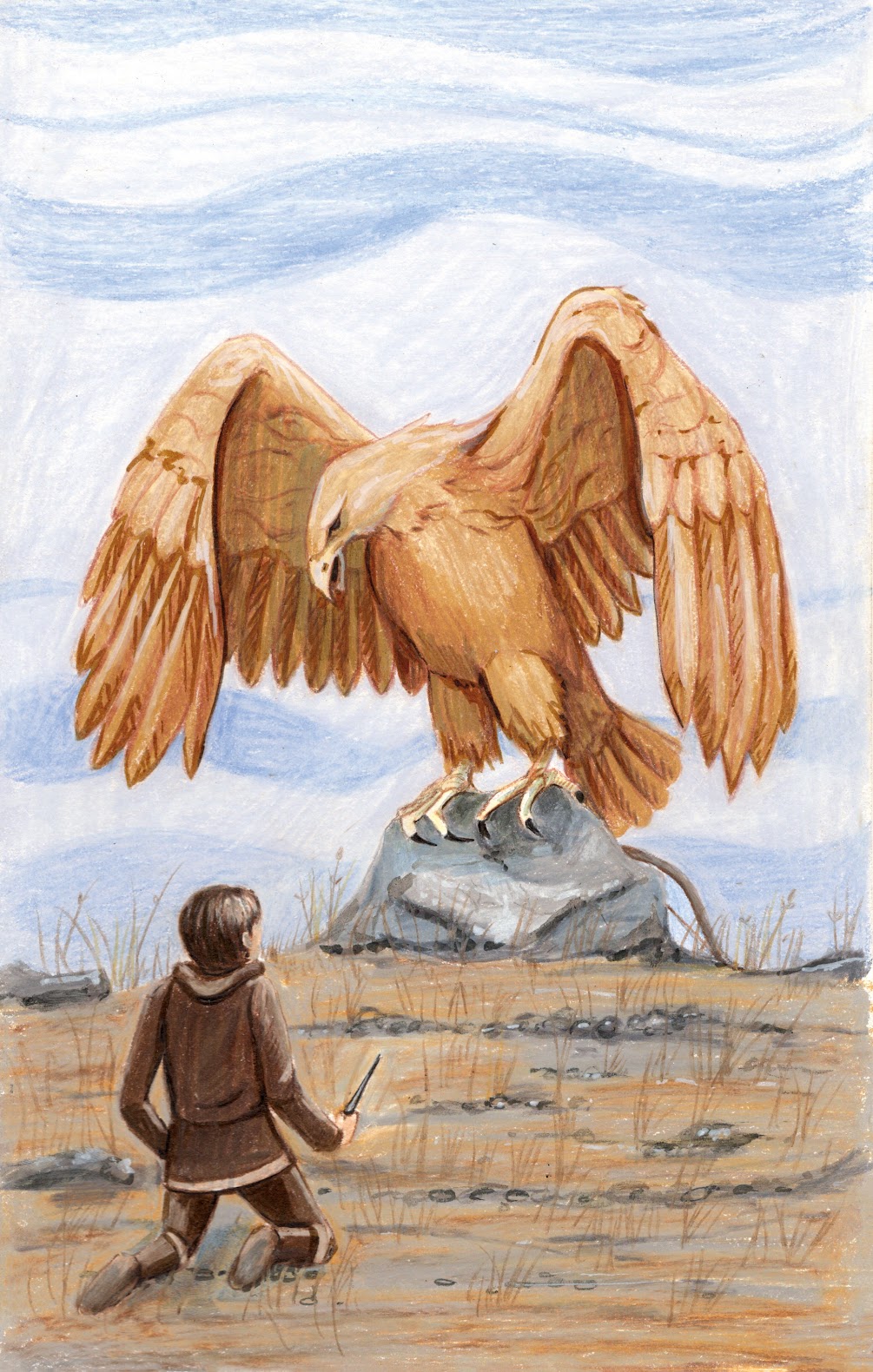
Eagle Drums by Nasuġraq Rainey Hopson

When Piŋa is confronted by a giant golden eagle, he’s given a choice: Join the eagle or suffer the same fate as his dead brothers. A marvelous retelling of the Inuit story of the origins of the Messenger Feast. I cannot stress enough how much I recommend that folks read this story. I had the luck to read it on vacation in the car, and I’m so glad that I did. It’s an Inuit folktale about the origins of the Messenger Feast, but Hopson (tribally enrolled Inupiaq born in Barrow Alaska now known as Utqiagvik, and raised in Point Hope Alaska) has gone above and beyond in terms of pulling together a truly harrowing tale from the barest bones of a story. I absolutely love this adaptation and feel that it belongs on this segment of the list, absolutely. Wonderful pacing, evocative, and by god if you’re not hungry for seal fat by the end of this, I’ll be surprised. 

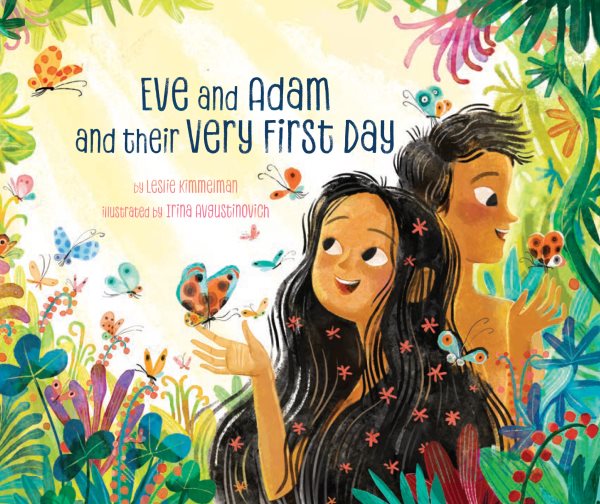
Eve and Adam and Their Very First Day by Leslie Kimmelman, ill. Irina Avgustinovich

You know how sometimes a Biblical tale will be put it fairly non-religious terms when placed into a picture book? Noah’s Ark, for example, is sometimes completely distanced from anything but maybe the barest mention of God (see our previous entry, Counting on Naamah). Not so Adam and Eve. It’s a little hard to get away from the source material when you’re practically the first story in Genesis. Even so, I wasn’t certain what to expect with this picture book adaptation. I’d seen the lovely cover and read the premise, and (even better) I knew that author Leslie Kimmelman was an author I could trust. Still and all, you may have noticed that there aren’t a lot of Adam and Eve picture books on your public library shelves. Heck, one of the few times that Eric Carle has ever been banned was because of an Adam and Eve image in Draw Me a Star. Avgustinovich goes the Dirty Cowboy route with the nudity here, which is to say there are a lot of strategically placed leaves and fronds going on. Eve and Adam are also pretty darn childlike in their wide-eyed wonder. Interestingly (at least to me) the lesson of the book is that when there are unknowable things in the world, that doesn’t necessarily mean that those things are bad, and one should put one’s faith in God’s plan. Avgustinovich’s art makes this a cut above. This is one religious book that’s just gonna lean into being religious, and does so in a rather nice way. 

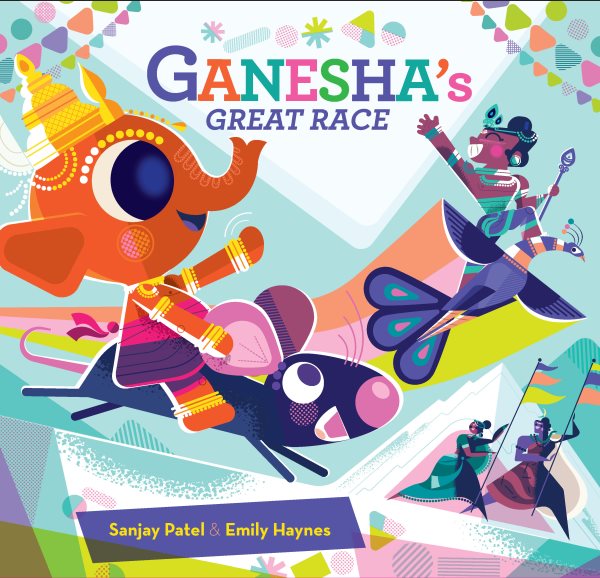
Ganesha’s Great Race by Sanjay Patel and Emily Haynes

Ganesha and Kartikeya are brothers and best friends but when Kartikeya challenges his elephant-headed bro to a race around the world, how on earth can Ganesha win? A clever update to a classic tale. Some of you may recall that a decade or so ago Patel and Haynes created the picture book Ganesha’s Sweet Tooth. At the time I remember being kind of surprised by the irreverence of the material and not quite sure what to think. Time passed and I came around to the kooky little book. And good thing too! It’s been a long time but finally we’ve a new picture book based on a different tale, and it adapts so smoothly. In the back, Patel and Haynes admit that they’ve changed Ganesha to being a little more uncertain than he was in the initial story, but that’s no crime. Love the art, of course, and maybe it’s my parental vibes talking, but I’m keen on that twist ending.

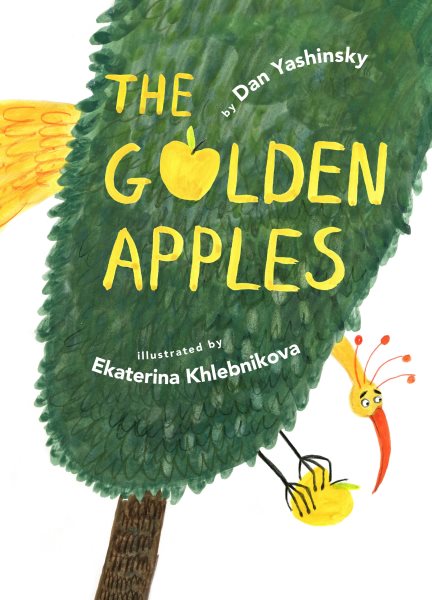
The Golden Apples by Dan Yashinsky, ill. Ekaterina Khlebnikova

Oh, gutsy! I was surprised at the word count when I picked up this surprisingly hefty fairy tale picture book. Yashinsky isn’t skimping on words, which worried me slightly at first. Then I flipped it open and the very first sentence read, “A long time ago, when the king and queen still loved each other, the queen walked into the garden late one evening.” SOLD! Yashinsky says that this is a story adapted from a wondertale told by Joe Neil MacNeil in Gaelic, translated by John Shaw, and published in the book Tales Until Dawn. But part of what I found so marvelous about it was the sheer weirdness of the story. In this tale a king and queen have three sons. The first two are “impressive-looking lads who got good grades,” while the third, “wasn’t much to look at but the palace cats loved him.” I hope you’re getting a sense of the writing in this, because by the end of that first page I was hooked. The three sons are sent on a quest to retrieve a golden bird that’s been stealing apples from the king’s tree. They are given advice by a fox on their path but the first two ignore it. Don’t get too cocky about the third son, Jack, though, because in true Jack-in-fairytales fashion he listens to some advice and is nice to the fox (good) then proceeds to ignore the fox’s advice from there on in (bad). It all works out in the end (even after the brothers pull a Joseph and the Amazing Technocolor Dreamcoat move on poor Jack) and the art by Khlebnikova is this marvelous mix of old and new together. My favorite part? When the second son, going on the quest, can’t hear the fox’s advice because he’s listening to a podcast called “How to Succeed on Your Quest.” Long and lengthy and you wouldn’t have it any other way. 

Olive by Jed Alexander

Forget Jack and the beanstalk. Meet Olive and the beanstalk! A wordless adventure takes Olive to the skies where she discovers that size is relative when you have a friend. Jack and the Beanstalk gets a kick in the pants with this clever retelling of the old fairy tale. The Jack story has been done to death in picture books, actually, but there is something especially fresh and interesting about what Jed Alexander is doing here. I absolutely love how the book is able to wordlessly parallel how Olive feels with the giant, alongside how she feels when she’s a giant to another small creature. It’s about taking responsibility for those smaller than you, and remembering your place. Love the metaphor, love how comfortable the giant is in her own body, and love the wordless storytelling.

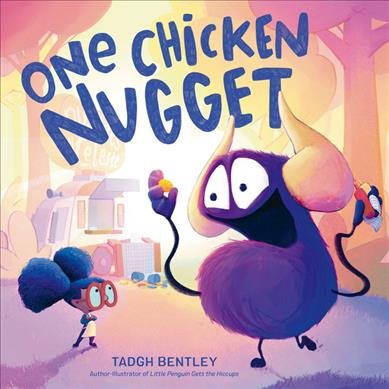
One Chicken Nugget by Tadgh Bentley

You have to respect any author who looks at Demi’s One Grain of Rice and thinks to themselves, “That’s pretty good, but what if you filled it with chicken nuggets and hungry monsters instead?” Thus is born a legitimately hilarious and downright bizarre math-friendly tale. On the front endpapers (which are filled with fantastic equations) there’s this clever little mention of “The Legend of Sissa ibn Dahir” which is one of the earliest variations of this tale. The story itself is all about exponential growth (as is explained in the magnificently helpful Author’s Note in the back) and gluttony. In it, a monster by the name of Frank has a single scintillating passion: chicken nuggets. Particularly, the nuggets produced by Celeste and her food truck. Trouble is, Celeste is not as enamored of Frank. Monsters aren’t great on the whole payment idea, and Frank has a tendency to eat Celeste’s stock entirely. So she goes to the library, reads up on marketing, math, and folklore (a super combo) and has a Double or Nothing Nugget Eating Challenge (which sounds like a TikTok challenge as well). It’s simple. If for 30 days you can eat double the nuggets you at the day before, and do it for 30 days, you’ll get nuggets for life. This is basically Mr. Beast: The Picture Book. Frank is sure he can handle it, since it seems so simple at the start, but he has no idea how many nuggets are in his future. It’s a hoot, and Bentley’s art perfectly complements the storytelling. Put this one in your yes pile (just be prepared to get hungry for chicken nuggets along the way). Previously Seen On: The Math List

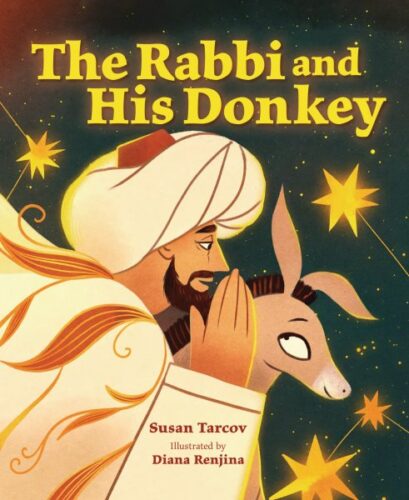
The Rabbi and His Donkey by Susan Tarcov, ill. Diana Renjina

 A clever fable about a Rabbit who discovers the answer to an age old question: Is it better to get where you’re going fast or to let your mind travel its own paths at its own rate? Original folktale alert! Okay. Admittedly, though this has all the feels of a folktale, it’s an original tale to its core. I don’t care. I like the historical antecedents to the tale and the ways in which it fits in so nicely with the legend of medieval Sephardic Jewish philosopher Rabbi Moses. The story concerns the Rabbi’s donkey. Every day the rabbi mounts the donkey and goes riding to the sultan’s palace. The donkey is incredibly pleased with this arrangement since the rabbi often speaks his thoughts along the way aloud. One day, however, a beautiful new horse is given to the rabbi so that he won’t delay in coming to the sultan. The donkey is bereft and at first the rabbi agrees to the arrangement. Soon enough, though, he comes to realize that he needs that slow downtime to collect his thoughts every day. I think in our post-lockdown world there’s a lot here we can identify with here. Tarcov’s telling is lovely and the backmatter primo, but it’s Latvian artist Diana Renjina who really brings this beautiful style to each and every last one of the pages. Plus, I like that the horses look similar to the unicorns of Dana Simpson’s Phoebe and Her Unicorn comics. 

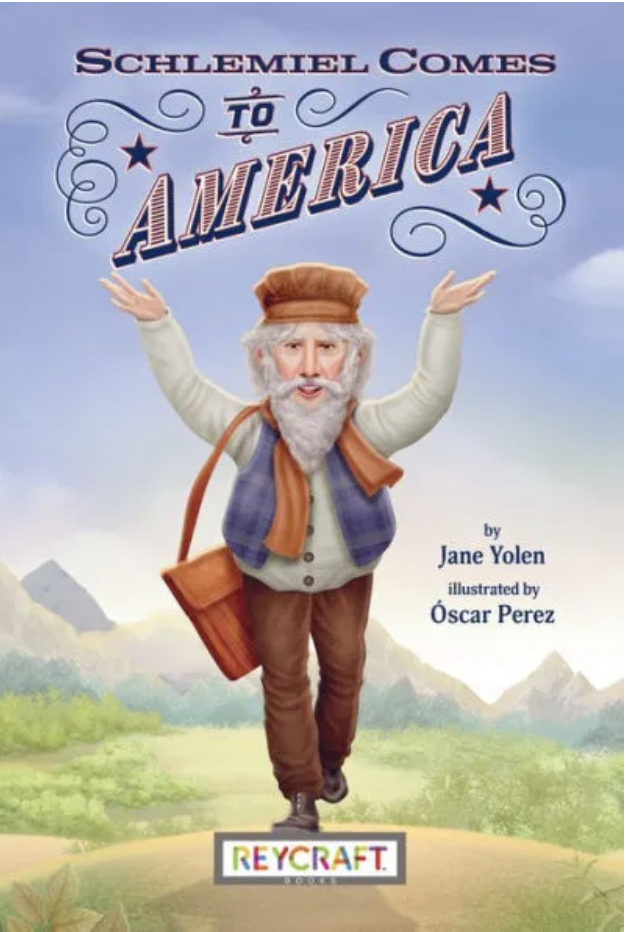
Schlemiel Comes to America by Jane Yolen, ill. Óscar Perez

Return to the fabled village of Chelm where four classic stories are woven into one utterly ridiculous and hilarious tale. When Schlemiel goes looking for America he may find he didn’t leave all the fools back at home like he thought. I’m a sucker for a good fool’s tale. Pretty much if you’re capable of coming up with some kind of world fool tale, I’m there. Last year my fool tale of choice was The Tale of the Unwelcome Guest by Rebecca Sheir, illustrated by Mert Tugen. This year? Say hello to my friend, Jane Yolen! Jane’s sort of written more children’s books than anyone else living today (this book is #415). No brag. Just fact. So it was with great joy that I encountered her latest. Some of you may be familiar with the stories of the village of Chelm. Chelm has occupied the popular imagination as the home of fools for years. Of this particular book Yolen writes, “There are many stories told about the Chelmites and I have used my own variants of four of them: the Fools in the Angel’s Sack, the Falling Rock, the Bridge, and Digging the Pit.” These four stories are woven together expertly into a tale of the fool Schlemiel (Laverne & Shirley fans, be aware). Over the course of the tale, he determines that it is time to leave home and find America (just not in the Simon & Garfunkle sense). The ease with which Yolen works the U.S. into these old Jewish stories is expert and eerie. All told, if you’re looking for an update on an old form with a bit of Yankee spice, I cannot think of a better book to recommend than this.

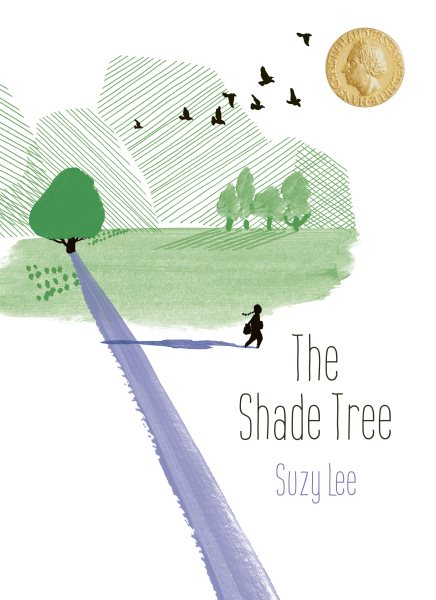
The Shade Tree by Suzy Lee, translated by Helen Mixter

Can you buy the shade of a tree? When a rich man runs off anyone enjoying his tree’s shade, it takes the cleverness of a traveler to show just how ridiculous some forms of ownership are.  Suzy Lee! I got to see her speak in Bologna for the first time, and I’m such a huge fan of her books. I’ve seen variations on this folktale before (I think Demi did one years ago, maybe?) but I loved Suzy’s take on this. It has this playful, fun point of view that really fits its storyline. Plus, it’s a lesson that isn’t quite as easy to understand as you might think on first glance. This is just such an enjoyable retelling. A great inclusion for this list.

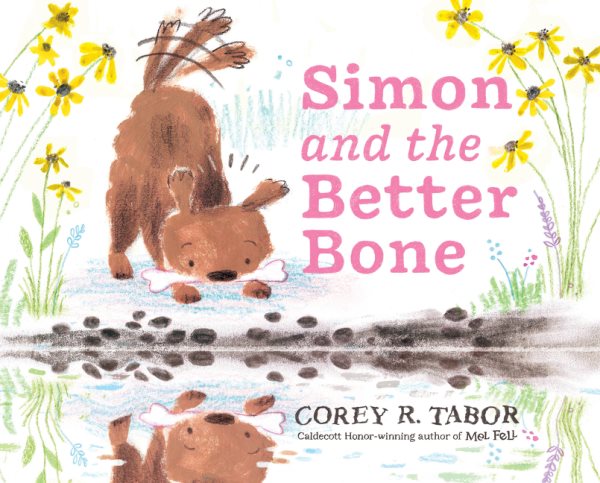
Simon and the Better Bone by Corey R. Tabor

An old Aesop fable gets an upgrade. When Simon the dog spots another pup in a pond with a bone better than his own, his jealousy gets the better of him. I know most folks are probably going to shelve this in the picture book section, but since this is an Aesop fable we’re talking about, I’m putting it in here. Tabor is continuing his vertical streak that started with Mel Fell with an adorable pup. Honestly, this is mighty similar to what Suzy Lee did with Shadow, but that’s not a dig. Like that book, this one completely justifies its orientation. In fact, I’m a little shocked that no one else came up with this idea before Corey did. It doesn’t have the surprise element of Mel Fell, but that’s only because if you know the story already you’ll be in on the joke. Tabor gives it a happier ending than Aesop did, so I suppose we could debate for a while whether or not that completely usurps the message. Regardless, this style is a looser, lovely take. One for the dog lovers.

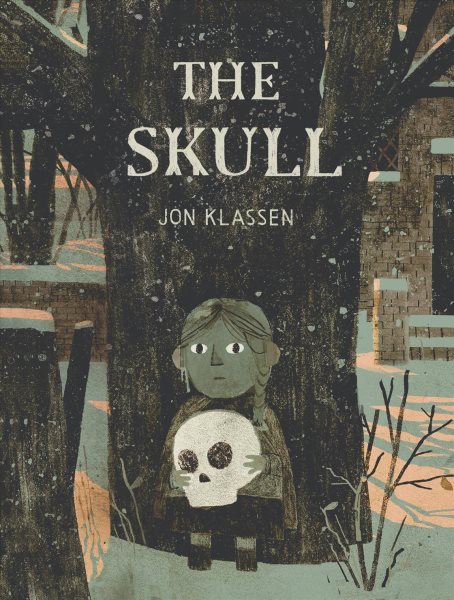
The Skull: A Tyrolean Folktale by Jon Klassen

When a runaway girl encounters a lonely skull living in a beautiful home, the two strike up a fast friendship. A clever and touching tale adapted for a modern audience. Maybe it’s the fact that I just finished binging Lockwood & Company on Netflix (which features its own girl/skull relationship) but I’m inordinately fond of this strangely sweet folktale adaptation. 2023 turned out to be a very strong year for folktales and there’s no better example of this than the Author’s Note at the end of this tale. Klassen does a wonderful job of telling the story of how he encountered this folktale in a school library on one of his tours and how the tale haunted him. When he finally had the chance to see it again, he was shocked to discover that the book didn’t end the way he remembered. But isn’t that true of all folktales? We hear them and then our brains remember them in different ways. Klassen’s version is remarkable, and since this is following up his work on Mac Barnett’s Three Billy Goats Gruff from last year, I declare him our new master of folks and fairy tales. When you read this book (which has a particularly clever heroine) I think you’ll agree.

The Song That Called Them Home by David A. Robertson, ill. Maya McKibbin

Inspired by the stories of the Indigenous communities of Turtle Island, two siblings are lured by the inescapable song of the Memekwesewak until the person who loves them best can call them home again. Well, I am impressed. You’ve got two contemporary kids in this book, written by a member of the Norway House Cree Nation and illustrated by a Two-Spirited Ojibwe, Yoeme, and Irish-settler artist. I love that it takes a range of stories and makes something both new and old out of it. The illustrations are absolutely delightful (there’s something deeply unsettling about the Memekwesewak pictured here). As with many of these books, I would have loved to have seen some sources or a short bibliography at the end, but as it stands I think it’s rather strong. 

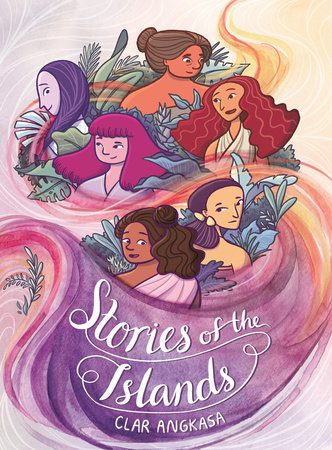
Stories of the Islands by Clar Angkasa

Three classic Indonesian folktales are reinterpreted through a feminist lens into beautifully rendered comics. From “Keong Mas” and “Bawang Merah Bawang Putih” to “Timun Mas”, old stories are given new life. Angkasa does a neat thing with this book where she presents each of the stories as a comic, then at the end tells the original folktale. In two cases there are some key differences, but honestly I didn’t think she took many liberties at all with the third tale. That one (Timun Mas) was always a strong mother/daughter story anyway. Angkasa has chosen some great tales, and I think her storytelling instincts and illustration style are highly appealing. Even kids that would normally eschew fairy and folktales are going to enjoy this. If I’m going to nitpick, I would have love to have seen a Bibliography of recommended Indonesian folktales at the back of the book, but beyond that I’ve no notes.

Who Will Win? by Arihhonni David

When Bear and Turtle are set to race, will brains win over brawn? A delightful retelling of a traditional Haudenosaunee tale, told in easy to read language for beginning readers. Oh, this works quite well! A traditional Haudenosaunee tale is adapted into Holiday House’s “I Like to Read” series, so honestly this would fit in just as well in the Easy Books category as this Folktale one. I’d heard the tale before but I still found myself surprised by the twist. The art is cartoonish but I really enjoyed it and thought that it served the story well.

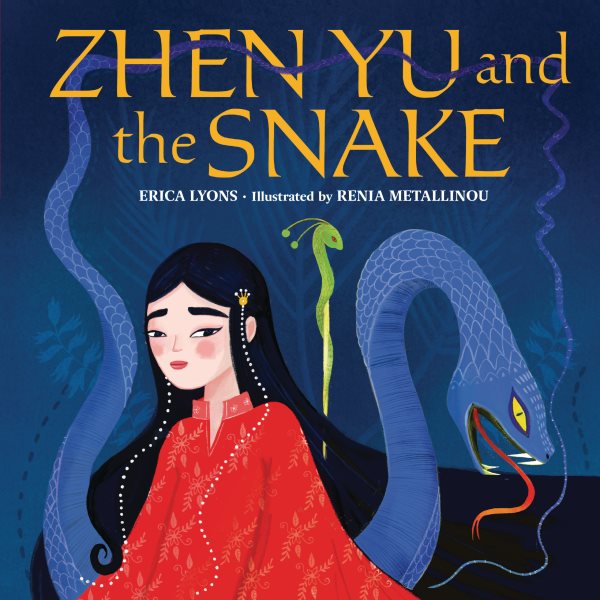
Zhen Yu and the Snake by Erica Lyons, ill. Renia Metallinou

Tales from China are no stranger to this annual list, but this is the first book that I’ve seen to base its tale within the Kaifeng Jewish community. Lyons has based the story on the Talmudic tale of Rabbi Akiva’s daughter and the snake (Shabbat, 156b) but tweaks it slightly to change both its location and the precise reason for the happy ending. In this tale a man prophesizes to a father that on her wedding night his daughter will be bitten by a poisonous snake. Years later the girl has grown up and it’s the day of her wedding. A poor stranger comes to the door and she places her hair pin in the wall and offers him many of her wedding gifts. When she pulls out the pin, it has killed a snake. Now where this differs from the original is that in the Lyons version, the act of helping someone and putting the pin in the wall are connected. I enjoyed the straightforward telling of the tale, and the tones and hues of the art as well. Backmatter includes additional information about the Kaifeng Jewish community. A smart update of an old tale.


Hope you enjoyed these! Here are the lists you can expect for the rest of this month:

December 1 – Great Board Books

December 2 – Picture Book Readaloud

December 3 – Simple Picture Book Texts

December 4 – Transcendent Holiday Picture Books

December 5 – Rhyming Picture Books

December 6 – Funny Picture Books

December 7 – CaldeNotts

December 8 – Picture Book Reprints

December 9 – Math Books for Kids

December 10 – Gross Books

December 11 – Books with a Message

December 12 – Fabulous Photography

December 13 – Translated Picture Books

December 14 – Fairy Tales / Folktales / Religious Tales

December 15 – Wordless Picture Books

December 16 – Poetry Books

December 17 – Unconventional Children’s Books

December 18 – Easy Books & Early Chapter Books

December 19 – Older Funny Books

December 20 – Science Fiction Books

December 21 – Fantasy Books

December 22 – Comics & Graphic Novels

December 23 – Informational Fiction

December 24 – American History

December 25 – Science & Nature Books

December 26 – Unique Biographies

December 27 – Nonfiction Picture Books

December 28 – Nonfiction Books for Older Readers

December 29 – Audiobooks for Kids

December 30 – Middle Grade Novels

December 31 – Picture Books

Filed Under: 31 Days 31 Lists, Best Books, Best Books of 2023 Tagged With: 31 days 31 lists, fairy tales, fairytales, folk and fairy tale reviews, folk and fairytales, folk tales, folktales, religious tales

31 Days, 31 Lists: 2023 Translated Picture Books

December 13, 2023 by Betsy Bird

What can a translated picture book win in America? Well, if memory serves then the Batchelder Award can technically go to picture books. So that’s one! That said, the rules changed slightly recently and the only books available to the nominating committee are the ones where the translator’s name appears on the cover. That’s great for me! After all, part of my job on this site consists of tracking down these translators, wherever their names may hide in their books.

Today, you’re going to witness some of the most interesting, original, and downright beautiful books of the year. They run the gamut from hilarious to tear-jerking.

You can find the full PDF of today’s titles here.

Interested in other lists of translated children’s books? Then check out these lists from previous years:

  • 2022
  • 2021
  • 2020
  • 2019
  • 2018
  • 2017
  • 2016

2023 Translated Picture Books

Afterward, Everything Was Different by Rafael Yocktend, ill. Jairo Buitrago, translated by Elisa Amado

[Translation – Spanish]

A group of early humans struggles to survive during the Pleistocene era. Meanwhile, a single girl watches and records everything that happens to them for posterity. An epic wordless tale about our earliest ancestors. I hereby declare 2023 The Year of the Wordless Picture Book. Between this and Aaron Becker’s The Tree and the River, we’re seeing massive time periods covered without a word on the page. Amazingly, this book highlights that impossible moment where humanity went from just trying to exist to trying to tell our stories to one another. It’s black and white, but you quickly forget about all that as you follow this group of humans (and their a human-adjacent friend, which I kind of love) tromping about during the Pleistocene era. I love the cinematic opening and it’s interesting watching their numbers deplete over time. I could read this again and again and notice something new with each read. Wholly, utterly engaging and original.

The Amazing and True Story of Tooth Mouse Pérez by Ana Cristina Herreros, ill. Violeta Lópiz, translated by Sara Lissa Paulson

[Translation – Spanish]

Losing teeth is “the gift of growing up”. See how the Spanish Tooth Mouse tradition has changed over the years and how it connects to our very own Tooth Fairy. Oh, I just love this! I’ve heard of teeth mice before and I’ve even seen books about different losing-your-teeth traditions from around the world (anyone remember I LOST MY TOOTH IN AFRICA by Penda Diakite?). Still I’ve never seen a really really really good book on the subject before. Now, at long last, I think I have. This covers traditional tooth mouse folktales, sure, but it also acknowledges how times change and how people, and traditions, have to adapt. If you don’t live in houses with roofs then throw your tooth in the fireplace. There aren’t fireplaces now? Then put the teeth under your pillow! And then to weave in other tooth fairy/insect ideas as well? Fantastico. A thorough winner from start to finish. 

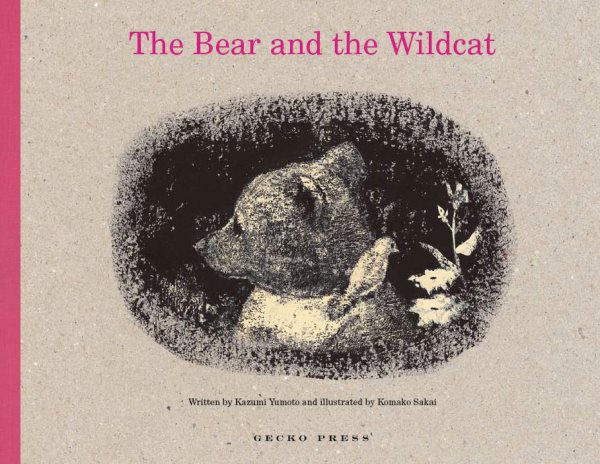
The Bear and the Wildcat by Kazumi Yumoto, ill. Komako Sakai, translated by Cathy Hirano

[Translation – Japanese] +(BB

A little bird has died and Bear, the bird’s best friend, misses him dearly. When a new friend urges him to remember the bird, the story becomes a beautiful one of hope and healing, deftly told. Great writing (“His downy feathers were the colour of coral and his tiny black beak gleamed like onyx”) and the black images appear on the page as if they were scrubbed away from the surrounding brownish gray, like relief paintings released. It’s quiet and contemplative and rather lovely. I personally consider it this year’s Circles in the Sky. 

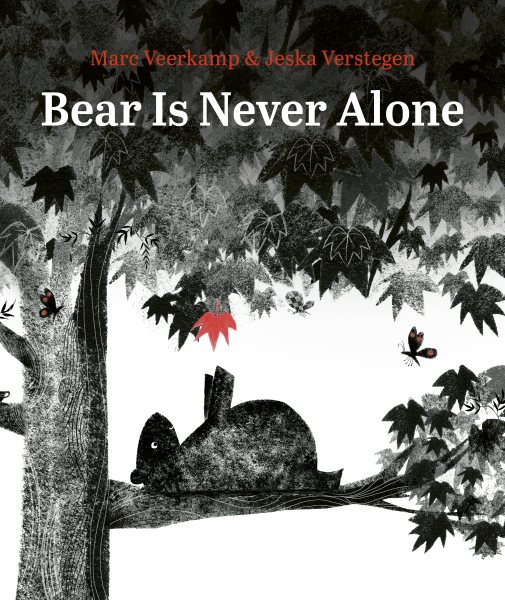
Bear Is Never Alone by Marc Veerkamp, ill. Jeska Verstegen, translated by Laura Watkinson

[Translation – Dutch]

These days if I see a bear playing a piano in the woods then the first thing I think of is The Bear and the Piano by David Litchfield. This book certainly has some surface similarities, but at its core it’s just an interesting take on being alone and being alone together with someone you like. Bear’s pretty much the most amazing pianist you’ve ever heard. But when his woodland fans insist that he keep on playing, he has difficulty ditching them without causing offense. Only the zebra expresses gratitude for Bear’s playing and offers to read to him in return. The story is nice, but it’s Verstegen’s striking black and white mix media illustrations, with just a hint of red, that suck you into the story. I love these front endpapers, with their almost foggy view of the animals attentively listening amongst the trees. An immersive, slightly strange, rather touching tale. 

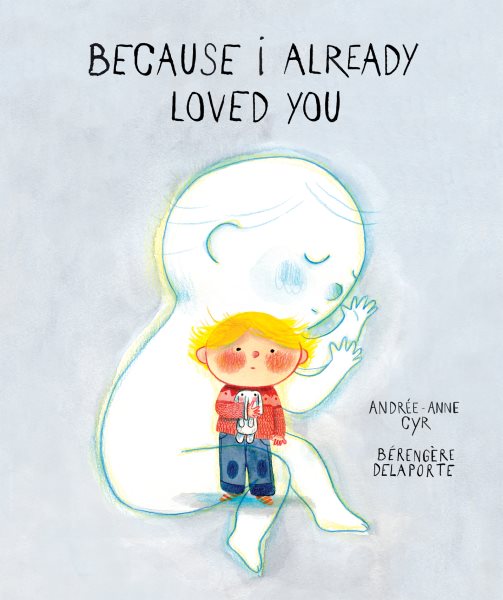
Because I Already Loved You by Andrée-Anne Cyr, ill. Bérengère Delaporte, translated by Karen Li

[Translation – French]

There is no one right way to write a book about a baby sibling dying at birth. And considering how sad and common this is, this is the first book of its kind that I can recall seeing. Topics of this sort too often are published by people with the requisite “M.D.” or “PhD” after their names on the cover. I don’t know that I particularly like such books, most of the time. Now Ms. Cyr is an early childhood educator from Quebec with a background in special education. Somehow she perfectly captures some of the feelings a child may have when all that build up to a new baby sibling is met with the heartbreaking news that there will be no new baby at all. This book is unafraid to dip into the deep well of sadness that the whole family feels after such an event. It also offers the light of hope, and I truly feel that that hope is earned by the text. The gentle assurance that this is no one’s fault is key. In her Author’s Note, Cyr notes that “I have worked with children for many years, and for me, it is essential to be honest and explain the truth to them in accessible words. I wanted to make sure that young readers understand that it’s normal to be sad, while also leaving them with a feeling of hope and love at the end of the story.” I can think of no better book on this subject than this. Previously Seen On: The Message Book List

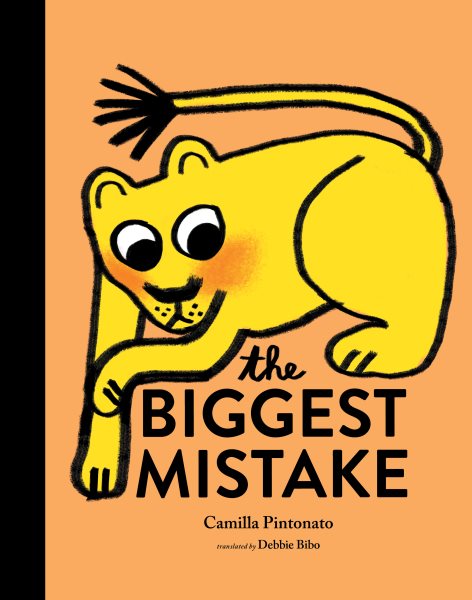
The Biggest Mistake by Camilla Pintonato, translated by Debbie Bibo

[Translation – Italian]

Overconfidence is the name of the game in this lovely little title. Given the chance to catch a gazelle on his own, a little lion is fairly certain that he’s got this. To his complete bafflement, however, the gazelle gets away. Over. And over. And over. With all the high humor of a coyote and roadrunner cartoon, the two duke it out. The lion receives a variety of unhelpful advice from a bunch of other creatures and Pintonato gets a fair amount of humor out of the facial expression on the creatures in this book. Also, and to be perfectly frank, I think she nails that ending. It’s silly and it works. A title that eschews giving kids some moral lesson in favor of guffaws.  

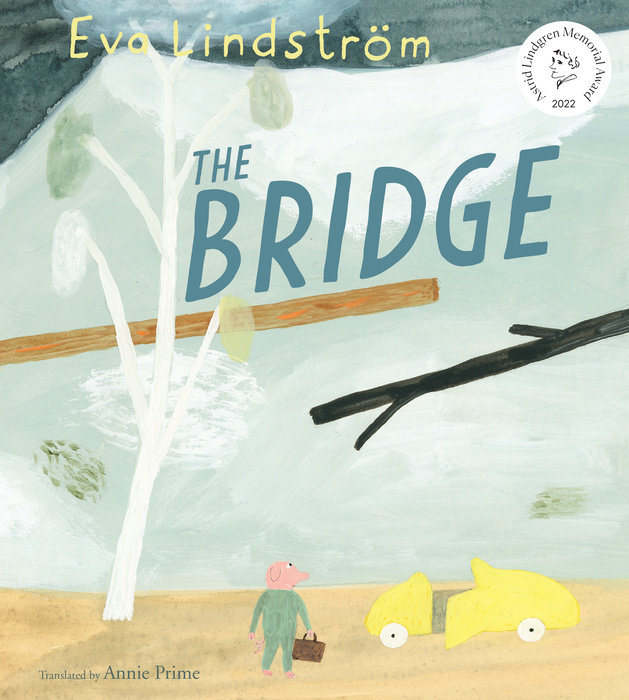
The Bridge by Eva Lindström, translated by Annie Prime

[Translation – Swedish]

For all that I say that we currently live in a Golden Age of Children’s Literature (and truly I believe this to be so) I can’t help but note that the bulk of the picture books I read any given week are awfully samey samey. Kids like samey samey fine since they often lack a system of comparison, but I would like to propose that we pepper our regular old standard picture book literature with the occasional bit of bizarreness. What kind? Introducing, The Bridge. A story that seemingly goes nowhere until it ends on a disconcerting note. Now this is a Swedish import and I will tell you right now that there are a fair number of parents out there that are not amused by any book that disconcerts them, particularly if it’s written for four-year-olds. Nevertheless, it would do your child’s brain a bit of good to indulge in this particular beauty, at least once. The storyline follows a little pig who is informed by a wolf that the bridge is closed up ahead. While it is repaired he is redirected to the wolf’s house, where he sups with two wolves. It’s laden with the sense of something threatening waiting in the wings, and yet nothing bad ever happens to the pig. Nonetheless, you may feel a bit of a shiver down your spine when you learn at the end, alongside the pig, that there was never any bridge in the first place. An excellent book for discussion, I’ll tell you that!

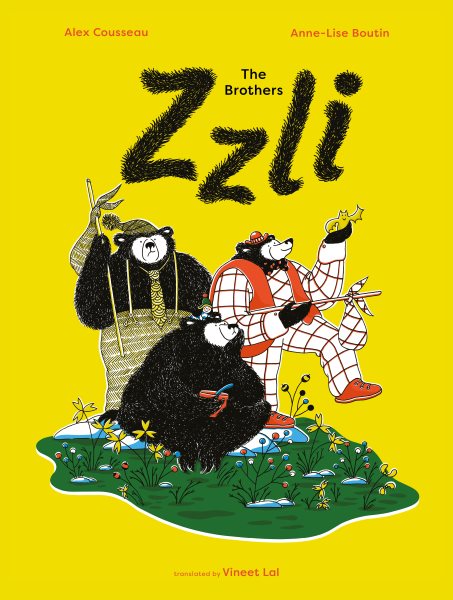
The Brothers Zzli by Alex Cousseau, ill. Anne-Lise Boutin, translated by Vineet Lal

[Translation – French]

Let’s say that you are a writer of picture books and you are handed an assignment to write one about inclusion, immigration, and acceptance. Make it good. Make it furry. Just fill the darn thing up with bears. Now go. Of the requirements I just listed the most difficult one, without a doubt, is the “Make it good” part. Lord knows we’ve seen plenty of books on immigration or “accepting others” but boy can they get preachy real fast. To do the job properly you need to be a little weird. And Alex Cousseau is unafraid to bring the weird. The whole concept of this book is bizarre, but as extended metaphors go, I’m really quite fond of it. It’s told entirely in the first person (which is kind of rare right there) by a little girl who lives in a simply marvelous little green house deep in the forest. One day three bears arrive introducing themselves as “the four brothers Zzli”. Why four? “Maybe because we eat enough for four.” In spite of their prodigious appetites she finds them “truly delightful.” Driven out of their home they’ve gone through a lot of hardship in their travels and just want to settle down somewhere safe. She invites them to stay with her and all is well for a time. Unfortunately it soon becomes clear that the other animals in the forest do not trust these bears a jot and when that fear turns into pretty much firebombing the girl’s cottage, the bears decide to leave. She goes with them (I mean who would want to live in that community?) with the hope that someday they’ll find a spot where they can all belong. There’s a wordless four-page spread at the end that suggests that they succeed. One can hope, that’s for sure. Done entirely in primary colors, it’s just the loveliest story, but doesn’t skimp on showing how fear makes people do terrible terrible things. Man. You gotta read this one. Previously Seen On the: Message Book List

The Cat, the Owl, and the Fresh Fish by Nadine Robert, ill. Sang Miao, translated by Nick Frost and Catherine Ostiguy

[Translation – French]

I’m sort of old-fashioned when it comes to folk and fairy tales. Generally speaking I try to avoid including any original ones on these lists. I don’t mind fractured tales, of course. Or tales that add some more contemporary elements. But wholly new? Not usually my style. Yet here we are, with me taking a gander at this little French-Canadian import and just absolutely adoring it! The story has all the hallmarks of an Aesop fable. In it, you’ve an owl who is trapped by a log on his foot. A nearby cat refuses to help because it has spotted a basket of fish in an abandoned boat in the middle of the pond. The owl keeps surreptitiously giving the cat advice on how to get closer until it manages to accidentally/not accidentally get the cat to pick up the log on its foot. The art of Sang Miao, meanwhile, has all the hallmarks of a classic picture book from 70 years ago. I walked in uncertain (the cursive letters threw me off at first) and then was utterly charmed. A delight.

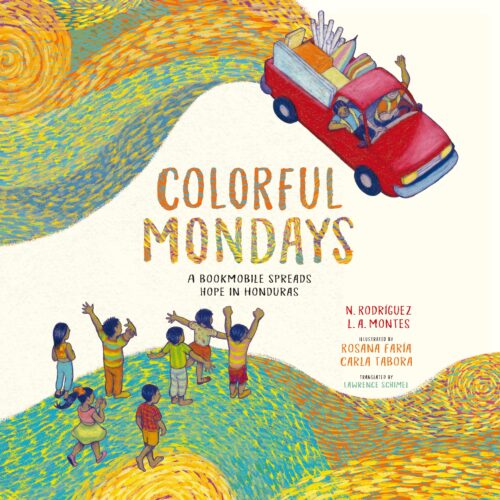
Colorful Mondays: A Bookmobile Spreads Hope in Honduras by Nelson Rodríguez and Leonardo Agustín Montes, ill. Rosana Faría and Carla Tabora, translated by Lawrence Schimel

[Translation – Spanish]

Right off the bat, love love love the art in this book. I’m not sure in what way Rosana Faría and Carla Tabora collaborated together, but whatever their magic is, let’s get some more of it! In this title they create the art with crayon and computers, and the results are stunning. Set in Honduras, the book is a paean to a particular bookmobile/mobile library project that travels around Villa Nueva, Nueva Suyapa, and Los Pinos. The book itself is written by the director of the JustWorld International Asociación Compartir mobile library project and a bookseller. It tells about a kid living in an economically depressed town who finds and gives so much joy thanks to the bookmobile. And I know you’ve seen a lot of bookmobile/burro/pack horse/camel related mobile library tales before but this one has a great deal of heart and is worth looking at closely. Trust me. 

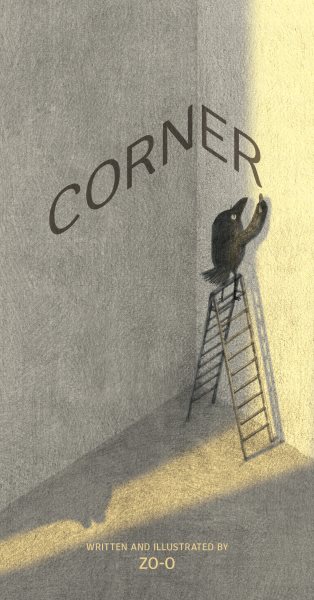
Corner by Zo-O, translated by Ellen Jang

[Translation – Korean]

This past March I had the opportunity to attend the Bologna Children’s Book Fair, and almost immediately I made a beeline for the Korean booth. If you want innovative international picture books that appeal to Americans, that’s the place to be. Owl Kids knows this. They’re Canadian and you can bet that they didn’t hesitate to snatch this book up when they saw it. It has a distinctly Suzy Lee feel to it, since, like her, it’s a book unafraid to use its gutter. Tall and thin, the gutter is a corner in a room. The view of it never changes and a crow slowly begins to install furniture and then to design the walls. As it does so, the entire feel of the place changes. The information on creator Zo-O says that the O in her name stands for “the Chinese character for crow, making her full name “Crow Zoo” in English.” Which, as names go, has gotta be my favorite for a picture book creator in a while. It’s a marvelous, almost entirely wordless, and highly unconventional book. My sole objection is the cover. It’s a bit of a pity that it comes off as colorless as it is. And because of the nature of the design, it’s not an accurate depiction of the read since that corner, by definition, has to be in the gutter of the book. But, of course, if it showed the end of the book it would give everything away. A conundrum, indeed. 

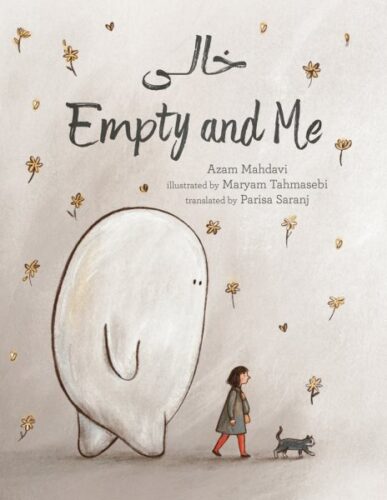
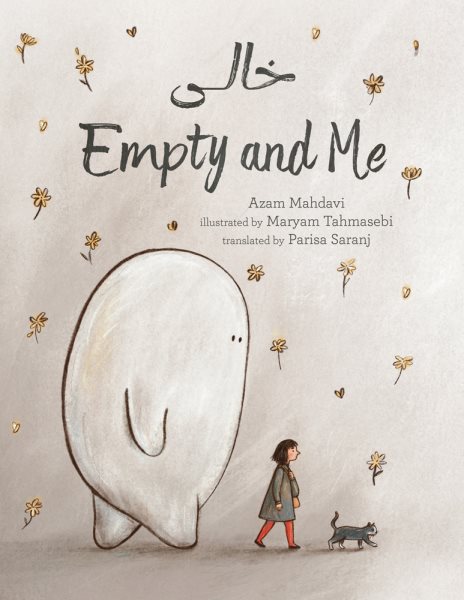
Empty and Me by Azam Mahdavi, ill. Maryam Tahmasebi, translated by Parisa Saranj [Translation – Persian]

We get a fair number of books about grief in a given year. Of those books, almost none come from other countries and cultures. So to receive an Iranian grief book is interesting in and of itself. That is not, however, any guarantee of quality, so it was very nice indeed to discover that together Mahdavi and Tahmasebi have constructed a uniquely thoughtful take on loss. In this story a young girl has lost her mother. As she says, “Then, Mom died, and Empty took her place.” This being a translation, I’d love to hear what other terms could have been used for that word “Empty” here. It’s a very specific choice to use that and not “Sadness” or “Grief” or anything quite like that.  In the book, Empty is depicted as a large white blob, two dots for eyes, looking a little like Baymax from Big Hero 6. And Empty isn’t seen as a vicious or mean-spirited companion. We see her holding its hand on the train and going everywhere with it. Then, slowly, the girl’s father begins to insert himself into the story more and more. The book is not particularly interested in investigating his own grief. Honestly, the book isn’t really focused on him at all, he just appears a little more and more as the story continues. Most interestingly, Empty doesn’t leave at the end, or even really change that much except to contain some flowers that the girl put inside of it. It’s such a gentle, caring title. One that refuses to explain too much, leaving a lot of the interpretation up to the reader. One to remember.  Previously Seen on the: Message Book List

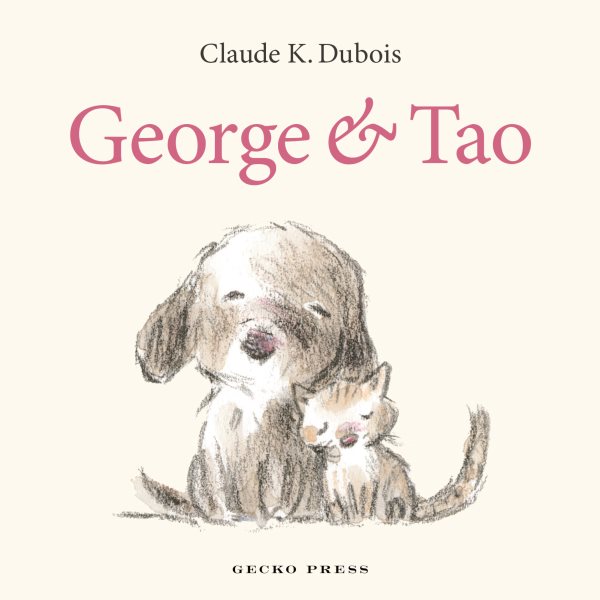
George & Tao by Claude K. Dubois, translated by Daniel Hahn

[Translation – French]

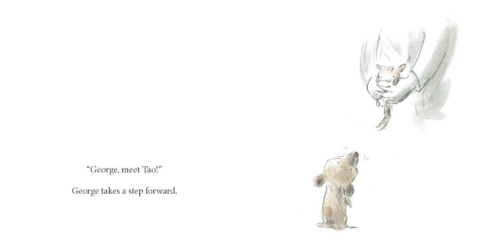
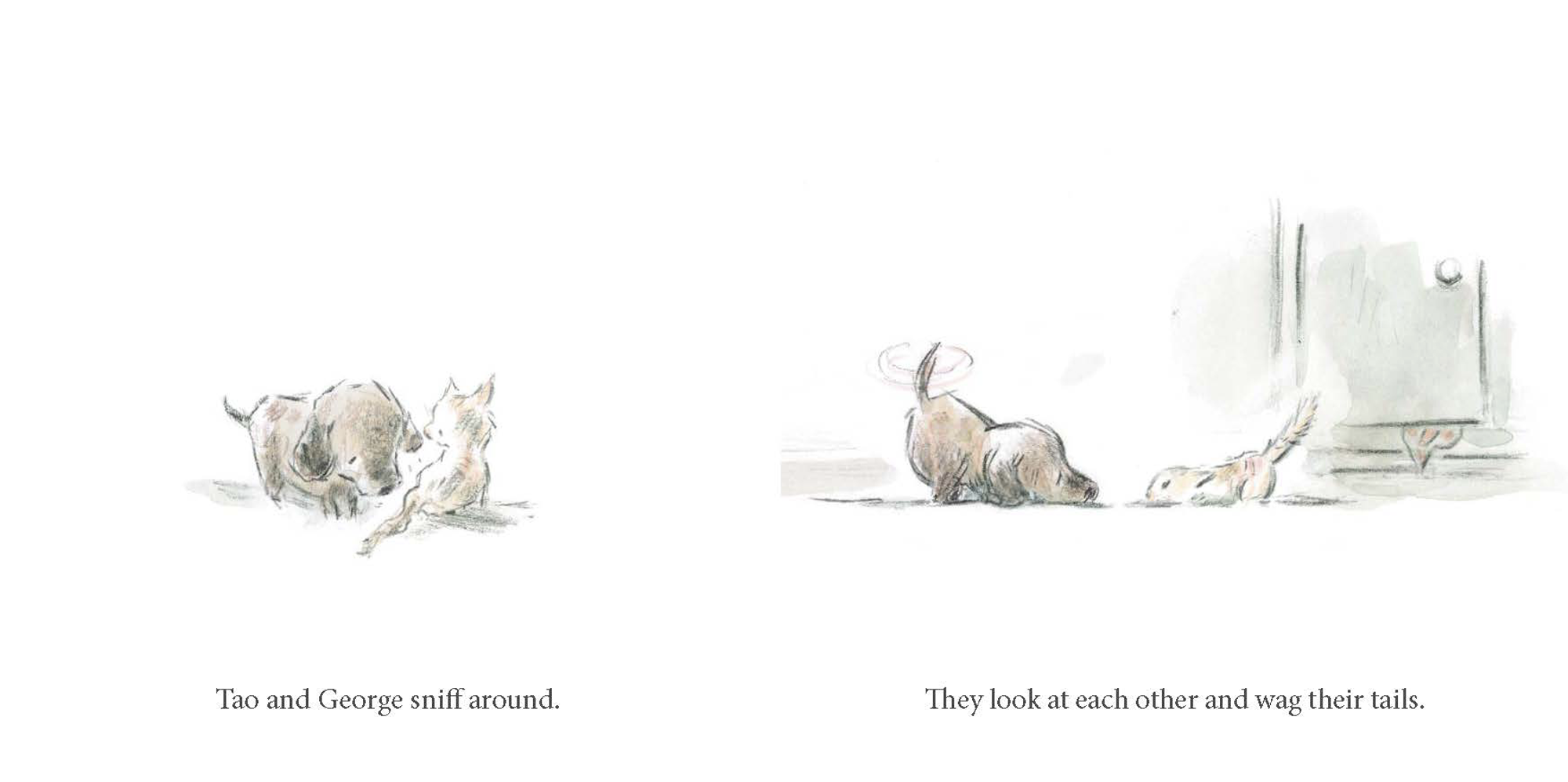
Kind of what you’d get if you blew up two characters from a Sempé cartoon and made ‘em real big. This book is small. Small in format (it clocks in at a mere 6 x 6.5 inches). The characters are small (puppy and kitten). Even the story is relatively small. George is a dog. Tao is a kitten. They are friends but one day Tao gets hurt and disappears for (what seems to George) a very very long time). Tao then comes back. That’s the long and short of it, folks, but let’s not ignore the fact that it is Dubois’s art that elevates the whole kerschmozzle. It’s so incredibly sweet, and remarkable how just a few strokes of a pencil or washes of watercolor can evoke so much feeling. Tiny and rather perfect. 

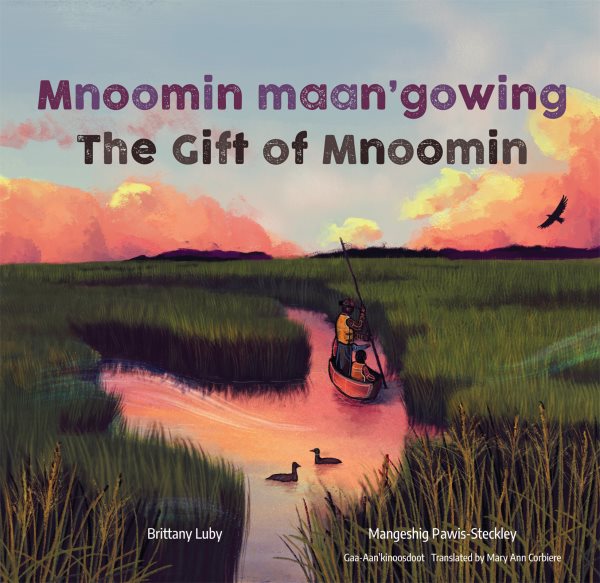
The Gift of Mnoomin / Mnoomin Maan’gowing by Brittany Luby, ill. Joshua Mangeshig Pawis-Steckley, translated by Mary Ann Corbiere

[Translation – Anishinaabemowin]

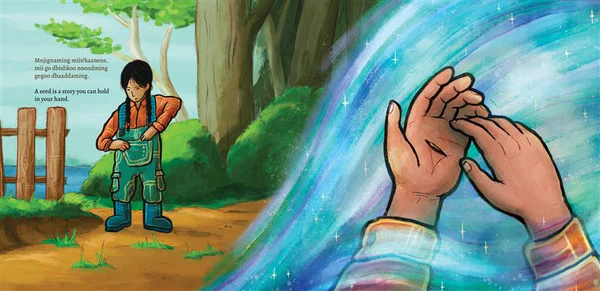
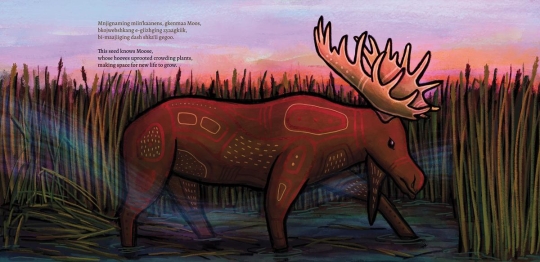
The ecosystem around the growth of mnoomin is highlighted in this sumptuous dive into the interconnectedness of nature, published simultaneously in English and Anishinaabemowin. Oo! Look at this little charmer. If you’ve a fondness for picture books that highlight the nature and how all aspects rely upon one another, have I got a book for you! The central focus of this book is the harvesting of a plant often mistermed “wild rice”. But rather than make humans out to be the primary instigators of its creation, this story shows how all the different insects, mammals, fish, and birds work together as the mnoomin continues to grow. And the art! Joshua Mangeshig Pawis-Steckley is an Ojibwe Woodland artist and he brings this incredible depth of color and style to all the art here. His sunsets and sunrises alone are worth looking into deeply. Truly beautiful and inconveniently Canadian.

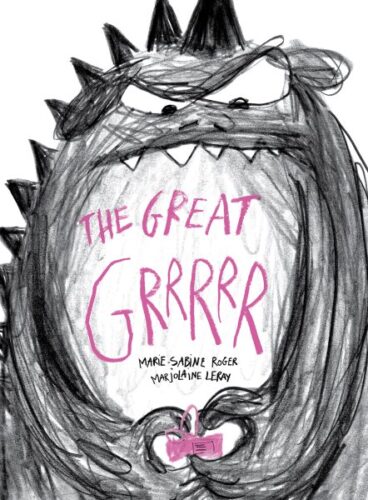
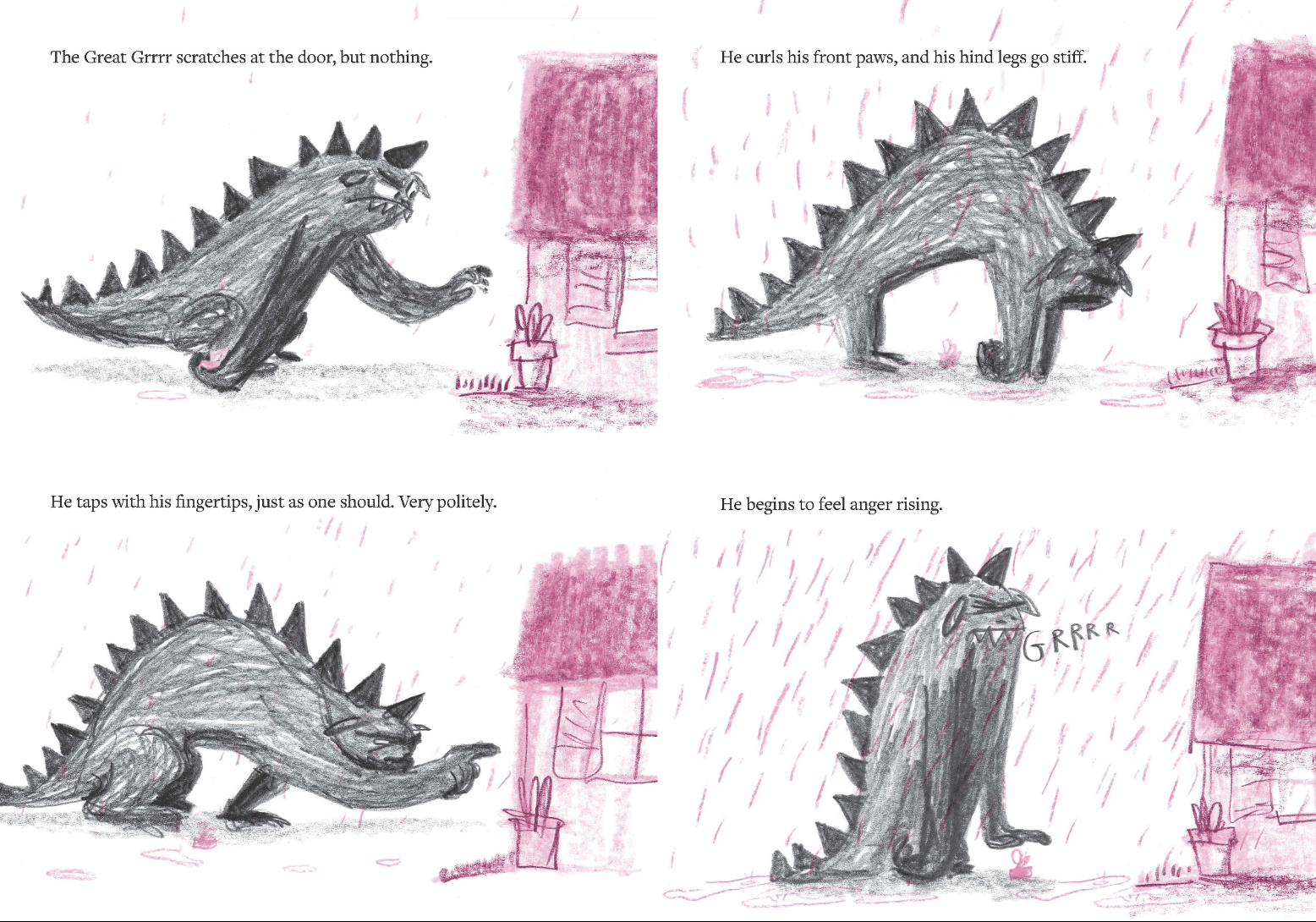
The Great Grrrrr by Marie-Sabine Roger, ill. Marjolaine Leray, translated by Angus Yuen-Killick

[Translation – French]

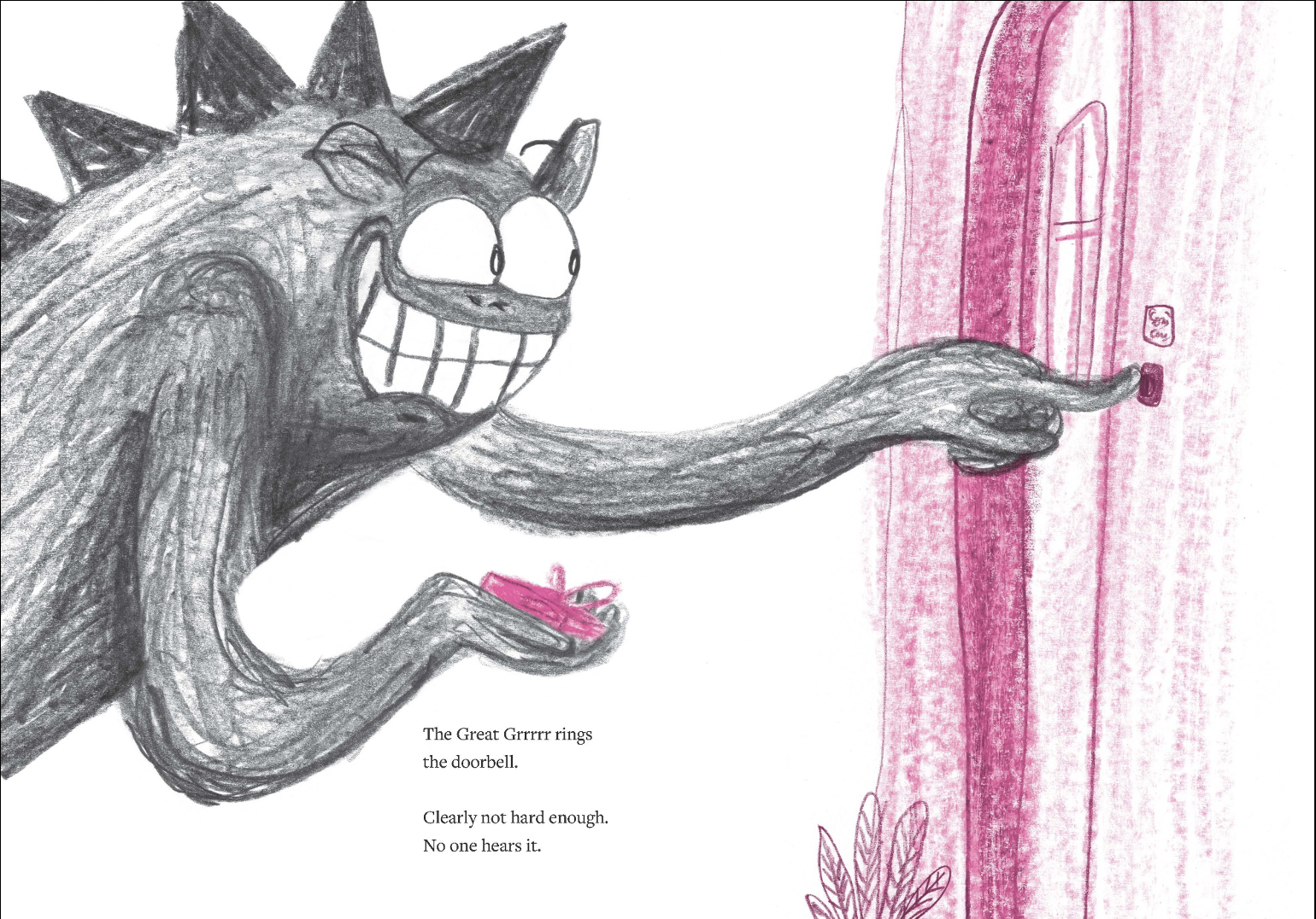
Who the HECK is Marjolaine Leray?!? I only ask this because I think I’m in love with her artistic style. There is some art in this world so good that you only need to see a glimpse to know how accomplished its creator is. Marjolaine is such a woman. I had seen this book previously in a Myrick Publisher Preview and there was a picture in this book that delighted me. In my preview recap, I summed it up this way:

I don’t know what it was that got to me the most. The eagerness verging on desperation? The sheer toothiness to the toothy grin? Whatever it was, I was hooked, and even more so when I actually read the story. In this book The Great Grrrrr works delivering packages. Unfortunately, while speed may be its primary skill, patience is not. The Great Grrrrr attempts to deliver a package to a house that refuses to open the door and this drives the Grrrrr into an absolute frenzy. A frenzy, that is, until all is revealed. It looks as though Leray is using just graphite and maybe some fluorescent pastels to create this art. I have no idea, but whatever it is it works like a charm. And, best of all, I got to see what its original French name was. You wanna guess? You probably already have: “Le Grand Grrrrr”. Love!

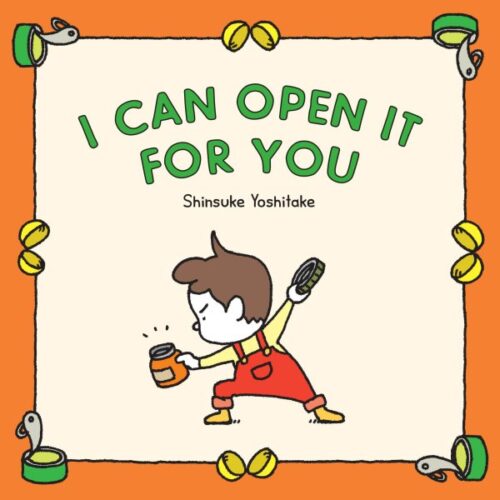
I Can Open It For You by Shinsuke Yoshitake, translated by Lisa Wilcut

[Translation – Japanese]

You know, part of the reason that Shinsuke Yoshitake is as successful as he is at creating picture books is that he’s incredibly good that finding those childhood frustrations and challenges that we adults have all completely forgotten about. For example, the mere act of opening things. We do it all the time, but often kids need help, whether it’s a milk carton or a candy wrapper. In this book, a child fantasizes about all the different things he’ll be able to open when he’s bigger. His dreams start off pretty standard but quickly morph into their most logical extremes (“opening” a politician’s fly or a rock containing ancient bones). What sort of sets this book a little apart from some of Yoshitake’s other works is how it gets a bit touching near the end. The boy’s dad confesses to him that he enjoys opening things for his kid so much because he knows that someday soon he won’t have to anymore. As ever, Yoshitake nails the ending, and I love the more Japanese elements of the book are. From a bath in a home to bowing thanks to your mom when she opens something for you, it may be located in a specific place but it touches on a universal theme. Previously Seen On: The Funny Picture Book List

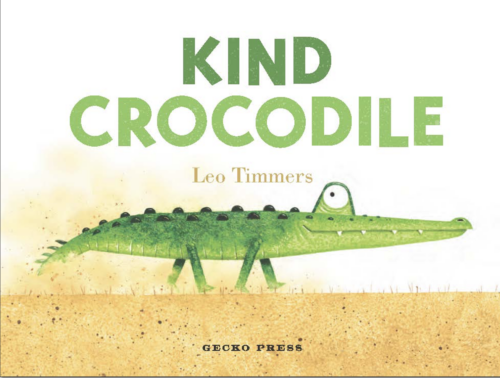
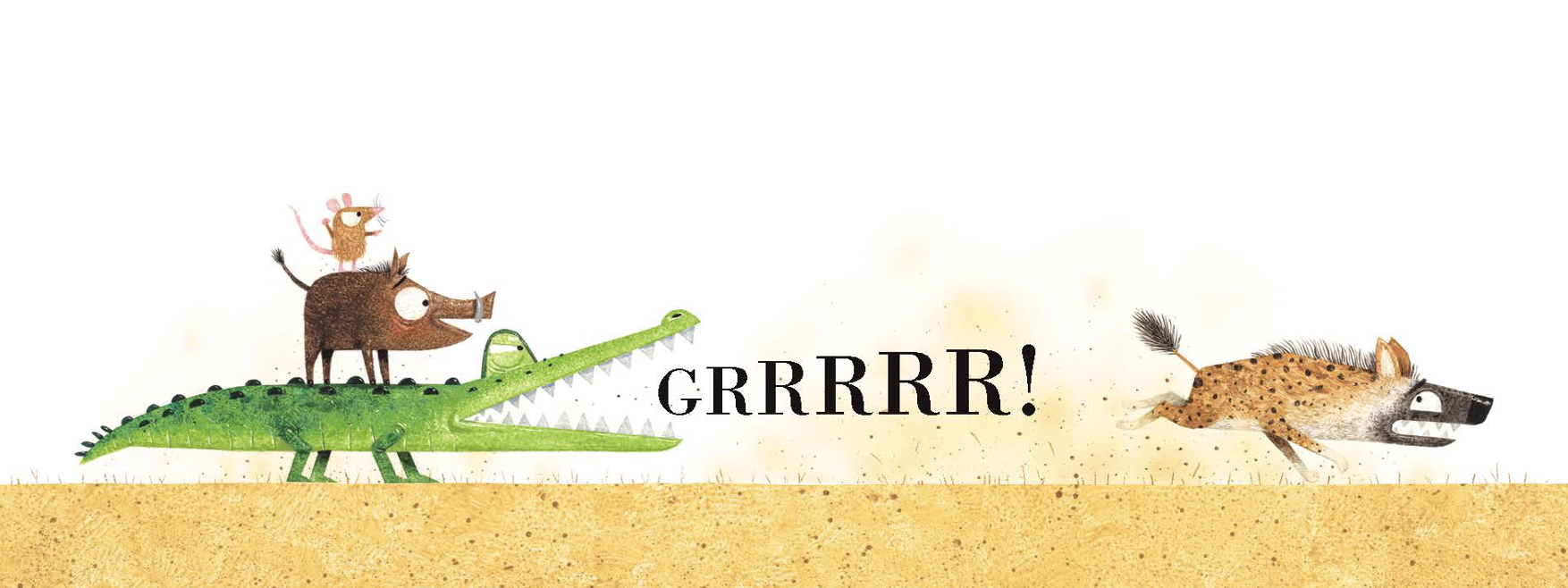
Kind Crocodile by Leo Timmers, translated by the élami agency [Translation – Dutch]

This one’s definitely more on the upper end of the whole board book spectrum, I have to say, straddling both picture books and board books in its wake. Leo Timmers, of course, is the Dutch vunderkind who can do no wrong on the page. The book pretty much establishes right there with this title that this crocodile is of the sweeter variety. Indeed, when the story opens a plethora of animals come running to him for help, as they escape their natural predators. The crocodile scares each hungry baddy off with an appropriate “GRRRR” even as the animals he saves start to create a kind of Bremen Town Musicians stack on his back. Timers utilizes a limited number of words and his usual palette that looks both two and three-dimensional at the same time. Not sure how he does it, but by gum I hope he never stops. Previously Seen On: The Board Book List.

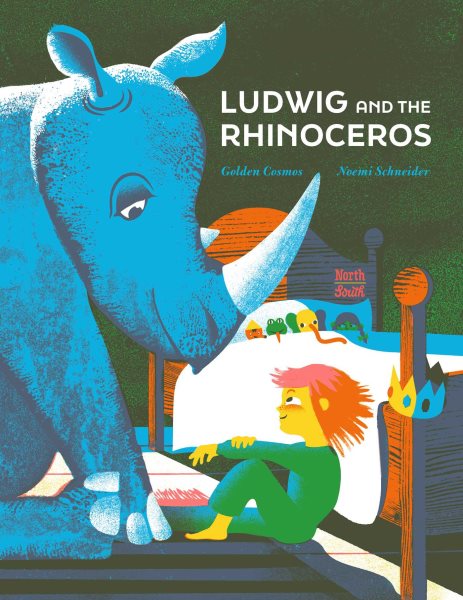
Ludwig and the Rhinoceros: A Philosophical Bedtime Story by Noemi Schneider, ill. Golden Cosmos, translated by Marshall Yarbrough

[Translation – German]

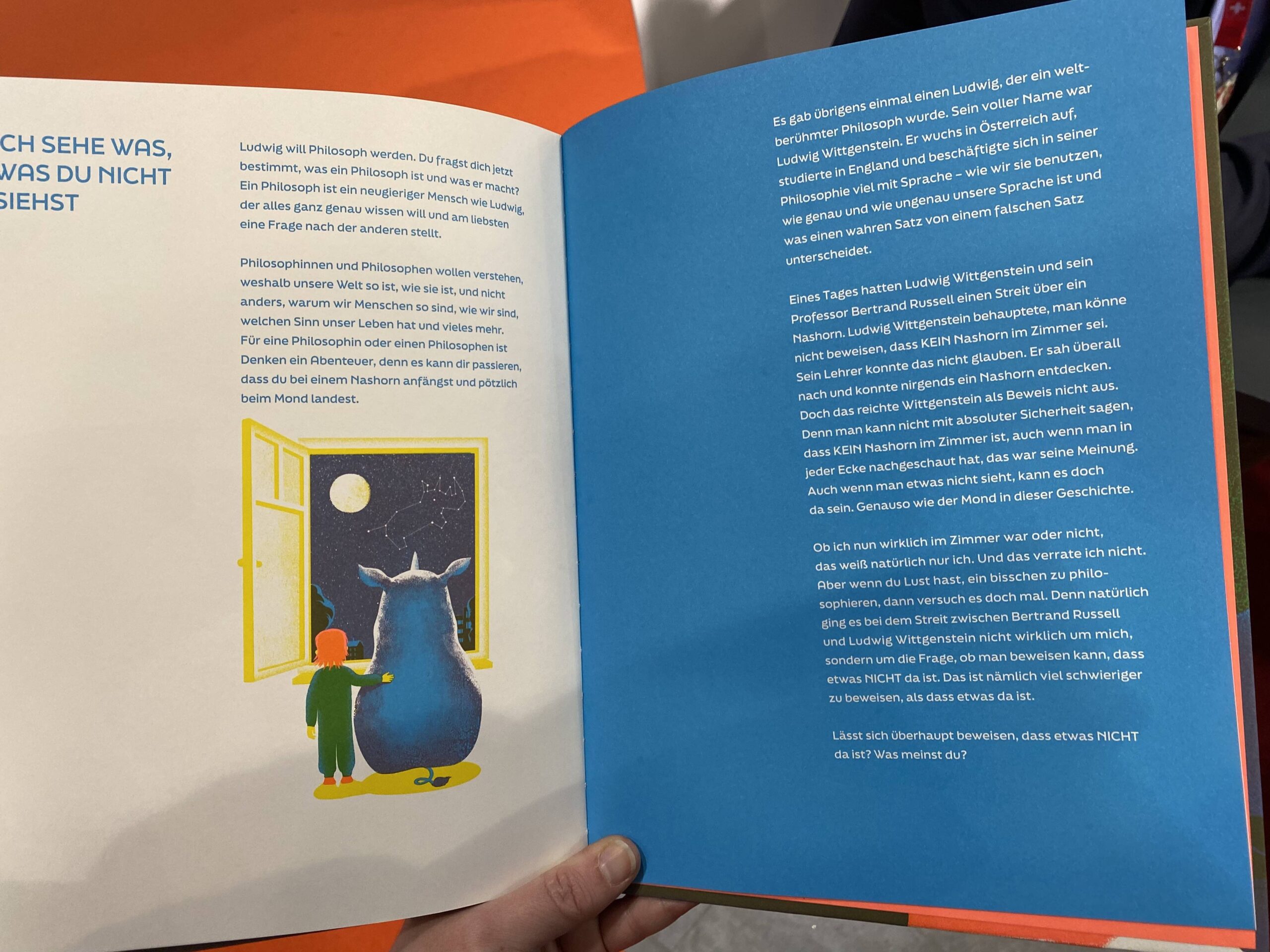
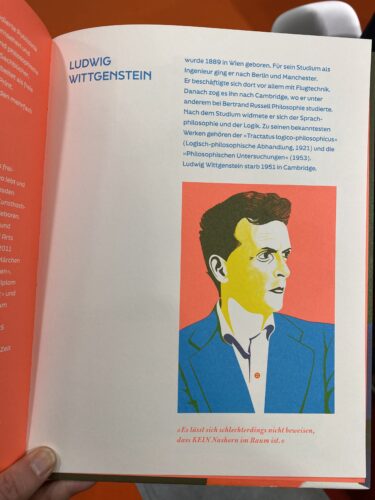
Ahh. One of the few books I first saw at the Bologna Children’s Book Fair that actually made it to the States. Do you need some concrete reasons why we need to see more translated children’s books on our nation’s shelves? Here’s one: How often in America are philosophical suppositions by Ludwig Wittgenstein turned into picture books? The conceit behind this is delightful. Apparently, Wittgenstein and his professor Bertrand Russell (another name you don’t usually see in books for 5-year-olds) got into an argument about whether or not there was a rhinoceros in the room. As the book’s backmatter explains, “Ludwig claimed that you couldn’t prove that there was NOT a rhinoceros in the room.” You can’t prove a negative. This idea is taken to its logical extreme here, with the story of a kid named Ludwig who tells his dad that there’s a rhino in his bedroom. No matter where dad looks, it’s never where the rhino is. The art, by duo Doris Freigofas and Daniel Dolz under the truly awesome name of “Golden Cosmos” (we should pair them with Red Nose Studio one of these days) use only three fluorescent colors to print the book. As it says at the end, “Three special luminous colors that mix when printed on top of one another. In this way three colors become seven colors.” The result has a classic feel but with mighty contemporary colors. 

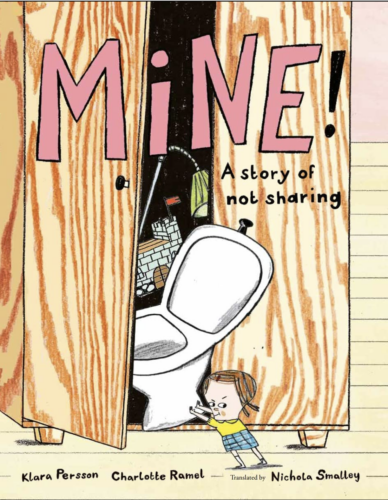
Mine! A Story of Not Sharing by Klara Persson, ill. Charlotte Ramel, translated by Nichola Smalley

[Translation – Swedish]

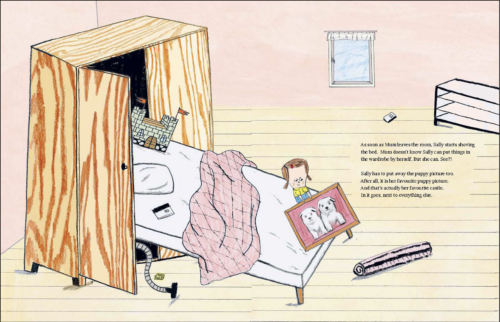
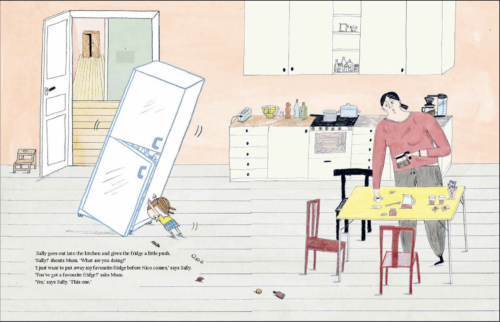
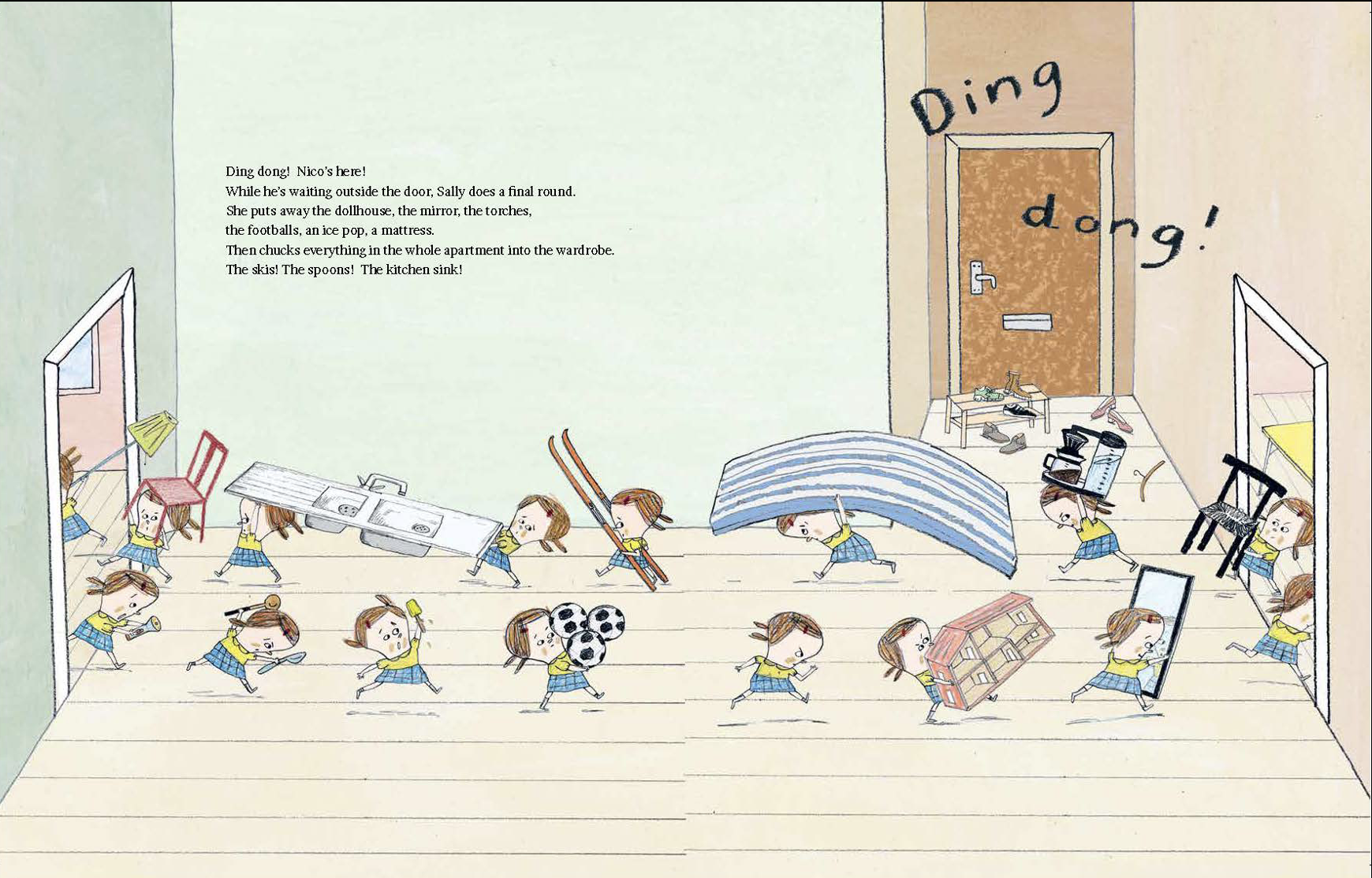
We have all been Sally at some point in our lives. Sure, the whole concept of sharing sounds great on paper, but when push comes to shove and you actually have to do it? Count me out!! Sally’s friend Nico is coming over to play and right from the start Sally informs Mom that there is no way in the world that Nico’s going to play with her stuffed squirrel. Her mom, being a patient and logical soul, suggests putting the squirrel in the wardrobe until Nico’s gone. Unfortunately this well-meaning suggestion just gets Sally started. If the squirrel can go in the wardrobe then so can her train. And her car park (love that translation). And her fish you catch with a fishing rod. Then things start to get extreme. In goes her bed! Her bathtub! Her mom!! And even when Nico comes she doesn’t stop because what if her friend Eva came by and wanted to play with HIM? Into the wardrobe goes Nico! It’s only when Sally hears how much fun everyone’s having in the wardrobe without her that she relents and lets everyone and everything out. Persson ratchets up the humor by taking Sally’s instincts to their logical extreme. Meanwhile Ramel knows how to give this already spartan (compared to a couple American houses I know) home a real thorough emptying out. Sharing may be caring but hoarding isn’t boring. Forgive me. Previously Seen On: The Funny Picture Book List

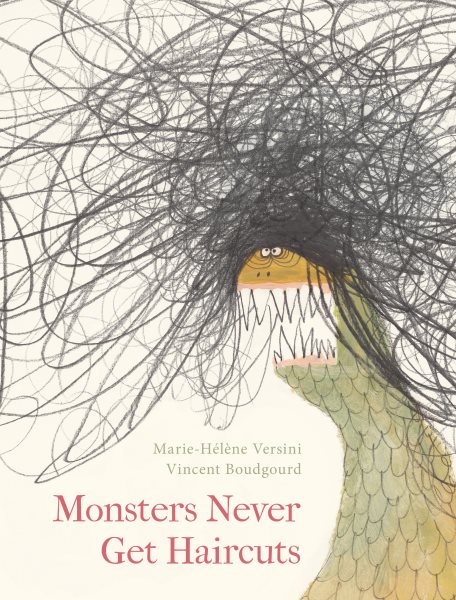
Monsters Never Get Haircuts by Marie-Hélène Versini, ill. Vincent Boudgourd

[Translation – French]

I’ve been making TikTok videos this year for the first time and though I haven’t done anything with this one in particular, if I were to make a video of it, it would probably consist of me holding it up and comparing the DO on the cover to my own. As covers go, this may be one of my favorite picture book jackets of 2023. Boudgourd is just having a ball with his socially inept monster subjects. The book is written almost entirely in the negative, explaining what it is that monsters do not do. They don’t go to the dentist, or wear glasses. They don’t swim and they certainly aren’t afraid of the dark. Now as you’re reading through this, you’re mostly just enjoying the sheer array of monsters on display on these pages. The white of the page serves as the backdrop to their antics. You begin to wonder how Versini will choose to end the book. She has an array of options before her, but I like her particular solution. Near the end you see a big pink monster with sharp pointy teeth explaining to a child peeking out from under some bedsheets, “Monsters aren’t like this. Monsters don’t do that. And do you know why?” Turn the page and the final image is of the kid, smiling sweetly in a bed, no monsters in sight. “Because monsters don’t exist”. Lives up to its premise. 

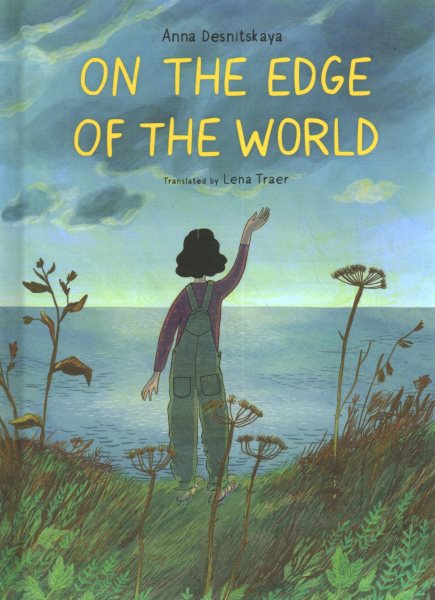
On the Edge of the World by Anna Desnitskaya, translated by Lena Traer

[Translation – Russian]

What could be more unconventional than a title where its two storylines meet in the center of the book? Loneliness is the name of the game here. Depending on how you hold this book, you can chose to begin by reading the story of Vera, a girl living on the eastern coast of the Kamchatka Peninsula in Russia. Determined to someday be a ship captain, Vera goes about her day playing and pretending she had a friend to share all her knowledge with. At the end of her story she takes a flashlight and points it out over the dark water, using morse code to say, “Hi, I’m Vera.” And the, suddenly, she sees a response. “Hi, I’m Lucas.” Now flip the entire book upside down and meet Lucas himself! He’s a lonely kid too and currently lives in Santiago, the capital of Chile. Like Vera he spends the day playing but he wishes he had a friend. So at night he turns his flashlight across the sea . . . and you know the rest. There’s no true conclusion to this story but in the center of the book you can watch the beams of light impossibly splay out over different oceanic scenes. There’s a gentle melancholy to the book but there’s also a great deal of hope in there as well. The tone is so key to its success, and to that we must credit Lena Traer, translator extraordinaire. Consider this a writing prompt book, or a title where you can get kids to tell the rest of the story. However they want to tell it.

The Pet Store Window by Jairo Buitrago, ill. Rafael Yockteng, translated by Elisa Amado

[Translation – Spanish]

I think we’re going to have to come up with a word for what precisely to call books by Buitrago and Yockteng. They seem to have carved out a very specific little niche for themselves in the vast pantheon of picturebookdom. No one really does what they do either, and I think a lot of that comes down to tone. They have such a distinctive vibe in all their books. Take Pet Store Window as a perfect example. I was just coming back to this book after having read and enjoyed it a week or two prior, but when I opened it up I was surprised to see that it had words. I don’t know why, but I remembered it as having been a wordless book. The story is about a dog that nobody wants at the pet store. “He was a dog. A normal, regular dog, not too big, not too small. Not that smart and not very handsome, either.” Anna is the woman who works in the store and you can tell pretty early on that she doesn’t get paid enough. It’s not just the dog that never gets adopted either, but also a mouse and a hedgehog. When the store is closed but she can’t get the animals to be taken in by anyone, she actually goes to the pet store owner’s house and you have this WONDERFUL shot of him looking bored as hell as she yells at him, and inside there’s a swanky party he would much rather be getting back to. Is there a happy ending? Of course there is! But truly, I love the translation of this almost as much as the art and story. “The store owner didn’t care what Ana did. Because there are people who don’t care what happens to others.” Preach it, Buitrago. 

Roll, Roll, Little Pea by Cecile Bergame, ill. Magali Attiogbe, translated by Angus Yuen-Killick

[Translation – French]

Did anyone else grow up listening to the cassette tape of “Wee Sing Silly Songs”? That whole chunk of my childhood takes up residence in large portions of my brain to this very day. In any case, I ask this mostly because there was a song on that tape mighty familiar to many kids that have ever done summer camp: “On Top of Spaghetti”. The song is about a wayward meatball that escapes being devoured. This is very in keeping with the plot of this particular book as well, though instead of it being about a wayward meat product on the run it’s about a small pea. I will tell you all right here and right now that since this book is a translation I approached it with trepidation. Not all translations are created equal and I was concerned that perhaps this book wouldn’t read aloud particularly well. Turns out, my fears were completely unfounded. Filled with incredible, vibrant colors and hues, the words on these pages are delightful. Once the pea has made its escape the text reads something like, “Roll Roll, Little Pea, along the floor and under the stairs”, (always changing where it heads) and on the opposite page is some kind of critter who would like to crunch or nibble or peck or even “Devour” the pea. With pictures you can make out across a room and that steady diet of repetition, the end result is a great readaloud and stellar translation. Two thumbs up! Previously Seen On: The Readaloud List

Rosie Runs by Marika Maijala, translated by Mia Spangenberg

[Translation – Finnish]

On occasion, a translated work is a breath of fresh air in a sea of picture book sameness. I had the distinct feeling that I’d seen a picture book along the lines of Rosie Runs before when I picked this title up, but after a few pages that feeling dissipated entirely. Clocking in at an impressive 13” x 9”, the book has the same feel as a Ludwig Bemelmans title. It follows a white greyhound named Rosie who escapes the confines of her dog racing life and flees into the wider world. In an American book this would end with a pat little ending where a kind child ultimately befriends and adopts Rosie. This book, however, has no interest in trapping its titular character any longer. She finds other dogs at the end, absolutely, but for her it’s the spirit of running that infuses the storytelling. I couldn’t help but pair it in my mind with this year’s longer spiritual kin, the middle grade novel The Eyes and the Impossible by Dave Eggers. In both cases you’ve a canine running faster than the wind itself. Winner of the Rudolph Koivu Award, I suppose you might even go so far as to call the book a metaphor. What I can say is that it’s an original that just feels good to read. 

The Stars by Jacques Goldstyn, translated by Helen Mixter

[Translation – French]

Yakov loves space. Aïcha loves space. A sublimely sweet story about how our passions bring us together. Wow! It’s like Sempé all over again! This little French-Canadian import is sort of what I wish folks understood about portraying a range of different voices and perspectives in children’s books. You’ve got two kids from two different cultures, both completely obsessed with space. It’s a love story, sure, but it’s also a story about how things change and how if you follow your passions, that is the right choice in the end. I loved the jokes and the art and the little details, like that final shot of their entire family’s feet. An utter charmer. 

The Tailor Shop at the Intersection by Ahn Jaesun, translated by Sora Kim-Russell

[Translation – Korean]

At the end of this book, author/illustrator Ahn Jaesun has including the following statement: “I always thought it would be wonderful to have a favorite place that I could go back to again and again with my two sons, and with their children as well in the future. The Tailor Shop at the Intersection was inspired by that idea.” Now this book is an excellent example of an import that we Americans may read but will only understand partially. Back in April I interviewed Adam Levy and Ashley Nelson Levy, the duo behind Transit Books, and they discussed this title. At the time I said of it, “The book is a kind of statement about urban development, capitalism, and artisanal craft.” In the course of our talk, they mentioned some of those details I just alluded to. You see, this is a book about three generations of dogs who are also tailors and who specialize in Western style business suits”. … when Transit acquired the book, it was the translator who pointed out that when you look at the city’s signs there is a subtle but significant shift over time. Initially, the signs display Chinese long words that were more common in the 20th century. Then, as time goes by, the script changes in a way that would be familiar to Korean readers. At Transit, they felt it was important to preserve that element of the book. As they described it, a publisher has as much power to erase cultural specifics as to highlight them. For Adam and Ashley, though, there’s little point in a translation unless you make sure that you’re not whitewashing or domesticating the spirit of the original.” As for the final product, once I saw it firsthand I was utterly charmed. It really doesn’t feel like any other book I’ve ever seen, but it’s the tone that stays with you. It’s soothing. Like a warm bath you just kind of sink into. 

Tibbles the Cat by Michal Šanda, ill. David Dolenský, translated by Mark Worthington

[Translation – Czech]

When a new lighthouse keeper takes a position on a remote island in New Zealand, he’s surprised when his kitty cat brings home a new kind of bird. Based on a true story, this is technically the tale of an adorable invasive species. The book does an amazing job at showing how just one little innocent kitty cat in the wrong place at the wrong time can cause massive destruction to a previously untouched ecosystem. It’s funny because I truly wasn’t thinking about that when the book went on. Instead, I found myself cooing over how nice it was for the cat to have a whole island to explore. More fool me. This title beautifully hammers home how our good intentions can wipe out entire species when we’re not paying attention. 

Why Are We Afraid? by Fran Pintadera, ill. Ana Sender, translated by Mihaila Petricic

[Translation – Spanish]

Fear gets a proper treatment in a rather lovely Spanish import. It’s interesting that often when I see Spanish nonfiction titles for children brought to the States I don’t see a lot of backmatter. Then here we have this nice little fictional picture book and voila! Backmatter galore about “the original fear”, “the types of fear”, “the lessons behind our fears”, “the masks of fear”, “the appeal of fear”, and finally some activities for talking through fears with kids. All this makes the book sound a bit like one of those purposeful books, but the title is quite an artistic endeavor more than anything else. Lovely, deep, and sumptuous art tells the story of Max who asks his father, “Dad, have you ever been afraid?” It’s an interestingly evocative story full of deep-seated fears brought to life. I think that a kid could get quite engulfed in a book of this sort. The message may stay with them, but it’s just as likely that the images will. My personal favorite is the two-page spread where Max is seen with wings staring up at flying people, a ball and chain attached to his leg while the text reads, “Often we’re afraid of freedom, strange as it seems.” A more artistic rendering of something all children, on some level, know very well. Previously Seen On: The Message List

The Young Teacher and the Great Serpent by Irene Vasco, ill. Juan Palomino, translated by Lawrence Schimel

[Translation – Spanish]

I’m getting mild Anno vibes from this, though I think that’s simply a response to the size of the characters themselves. The story is nothing the same. There’s a theory out there that you won’t see a picture book about an adult unless it’s nonfiction or the adult is a furry animal that wears clothing. Obviously in situations like Miss Rumphius this is not the case, but it’s true that they don’t happen as often as all that. This title is different. There’s a reality that I enjoyed behind this book, though, that I think kids will dig as well. It doesn’t hurt that Palomino has drawn these remarkable vistas on each page. I’m admittedly a little fascinated by what this book is doing with distance. You view all the happenings from a great height or distance, and it gives you a kind of omnipotent feel over the proceedings. Sometimes you get a bit closer, but that’s when you’re viewing story characters and not real people. That the art itself is frame-worthy, whether it’s lightning or the rage of a swollen river, is beyond question. Oh, and the story? A young teacher comes to a difficult to reach part of the Amazon on her first assignment. She also comes with a load of assumptions that may be somewhat upended with the help of nature itself. Just lovely. Juan Palomino is a Mexican artist and you can find an interview with him here. Previously Seen On: The Caldenott List


Hope you enjoyed these! Here are the lists you can expect for the rest of this month:

December 1 – Great Board Books

December 2 – Picture Book Readaloud

December 3 – Simple Picture Book Texts

December 4 – Transcendent Holiday Picture Books

December 5 – Rhyming Picture Books

December 6 – Funny Picture Books

December 7 – CaldeNotts

December 8 – Picture Book Reprints

December 9 – Math Books for Kids

December 10 – Gross Books

December 11 – Books with a Message

December 12 – Fabulous Photography

December 13 – Translated Picture Books

December 14 – Fairy Tales / Folktales / Religious Tales

December 15 – Wordless Picture Books

December 16 – Poetry Books

December 17 – Unconventional Children’s Books

December 18 – Easy Books & Early Chapter Books

December 19 – Older Funny Books

December 20 – Science Fiction Books

December 21 – Fantasy Books

December 22 – Comics & Graphic Novels

December 23 – Informational Fiction

December 24 – American History

December 25 – Science & Nature Books

December 26 – Unique Biographies

December 27 – Nonfiction Picture Books

December 28 – Nonfiction Books for Older Readers

December 29 – Audiobooks for Kids

December 30 – Middle Grade Novels

December 31 – Picture Books
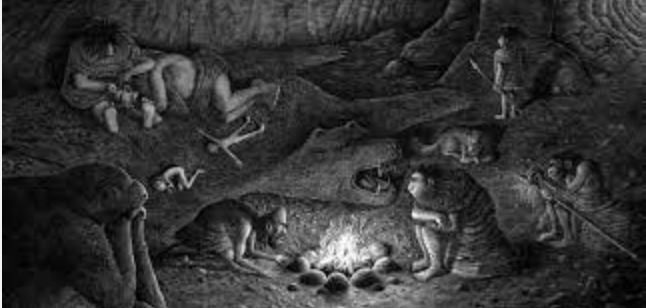
Filed Under: 31 Days 31 Lists, Best Books, Best Books of 2023 Tagged With: 31 days 31 lists, translated picture books, translations

31 Days, 31 Books: 2023 Fabulous Photography in Kids Books

December 12, 2023 by Betsy Bird

There was a moment in my life when I had the choice between becoming a photographer or a librarian. I chose the latter and have never regretted it, but the lure of photography has never left me. In the old days (as I’m sure I’ve mentioned before) it wasn’t uncommon to find fictional picture books illustrated with photography. These days finding such books is a huge challenge. You’ll see that the books included on today’s list range from fairy tales to nonfiction to poetry. Take a gander (some of these have appeared on my 31 Days, 31 Lists before) and enjoy this ode to f-stops and apertures.

If you’d like a full PDF of today’s list you can find one here.

Curious about the previous years’ collections? Then take a gander!

  • 2022
  • 2021
  • 2020
  • 2019
  • 2018
  • 2017
  • 2016

2023 Fabulous Photography for Kids

At Home with the Prairie Dog: The Story of a Keystone Species by Dorothy Hinshaw Patent, photographs by William Muñoz

What’s a keystone species and why are prairie dogs so incredibly important to the prairielands? Take a trip down into their burrows and learn how these necessary animals keep at least 150 species healthy and thriving. This is great. I wasn’t in love with the font, but that’s the harshest thing I can say about the book. If you’re looking for a picture book that really defines what a “keystone species” is by showing rather than telling, this is the book you want to have in hand. Patent cleverly intertwines a prairie dog’s everyday existence with the lives of so many other critters and species in the prairielands. I also appreciated the photography at work here, and completely understand why they had to supplement Mr. Muñoz’s work with shots of other Getty images n’ such. Normally I won’t allow Getty image books on this list, but this title goes above and beyond the call of duty. All told, this takes something cute and makes it pertinent.

Crowned: Magical Folk and Fairy Tales from the Diaspora by Kahran and Regis Bethencourt

Twenty-seven reinterpreted folk and fairy tales, old and new, are paired with stunning visual photographic images celebrating the African and African-American diaspora. You may remember the Bethencourts from their visually stunning picture book The Me I Choose to Be by Natasha Tarpley in 2021. Same pair of photographers and same amazing images. In this particular book the Behencourts are reinterpreting folk and fairy tales, which I tend to enjoy. The photography is the real jaw-dropping star of the show, leaving the serviceable stories in the dust. Consider this a book for your eyeballs rather than your ears. Want to see more? You can view images from the book in this ABC News piece:

Dear Yesteryear by Kimberly Annece Henderson

When I was a teenager, I had a secret passion. It was a little odd, but I loved going to antique shops and looking through the old photographs they had on sale there. These were forgotten photos from the late 19th early 20th century, and often I would buy the ones that I thought were the most interesting and take them home. There, I’d make up stories about them and what their lives might have been. Photography has always been something that’s fascinated me. Little wonder that when I heard about Dear Yesteryear I was instantly intrigued. What I did as a kid as a hobby, historical curator and researcher Kimberly Annece Henderson does as a calling. In this book she takes historical photographs of Black people and their families from the 19th and early 20th century and weaves poetry around them. In her Note from the Author she says, “Trees have roots, and we each come from a long line of people who play a role in our unique life story.” When I interviewed Ms. Henderson about the book this year, she said, “this book acts as a figurative family photo album for Black Americans who might not have done their ancestry research yet, or if they’re like me, and they have hit roadblocks researching their ancestry due to American Slavery, these portraits represent this idea of collective Black ancestry in a sense. That’s what makes it feel special in my opinion.” Beautifully put and beautifully put together.

Destiny Finds Her Way: How a Rescued Baby Sloth Learned To Be Wild by Margarita Engle, photos by Sam Trull

The “Baby Animal Tales” series from National Geographic Kids relies, to a certain extent, on two things: The subject matter and the author. That there will be copious photographs? That’s a given. Of course, it helps each book a great deal if there’s a bit of a story to go along with the cute critters (and up until this moment each one really has been conventionally adorable). Here, Margarita Engle was not present when Destiny’s story was been lived out, but she’s gotten all her information from the people who knew her, as well as this plethora of great photos by Sam Trull. The end result is that you’ve the story of a twin baby sloth who was found at the base of a tree alone, and taken in by an animal rescue center in Costa Rica. The photos are a great lure, but I was particularly impressed by how Engle kept the words concise and limited, to a certain extent. There aren’t big blocks of overwhelming text here. Instead, the font is actually relatively large and the storyline beautifully rendered. As exciting as fiction, but more so because you know that it’s real. Come for the writing. Stay for the photos of little Destiny hugging other rescued sloths because she likes hugging so much.  

Every Body: A Celebration of Diverse Abilities by Shelley Rotner

If you’re an aficionado of photography in children’s literature, it can be a lonely lot. There are really only a handful of established photographers to pick and choose between. Fortunately, Ms. Rotner is one of the few. She staked her claim in the world of nonfiction as our preeminent photographer/author years ago, and it’s paid off. Her subjects tend to be actual kids, more often than not, and this book is precisely what it sounds like. Jennifer Browne, the book designer, should probably get equal billing in terms of how the images here are laid out. You’ve full page spreads, pages where there might be eight portraits all at once, and places in between the two. Because a book like this doesn’t systematically explain that one child might have Down’s syndrome or another is deaf, parents and teachers will need to be there to explain elements of the book to kids. It doesn’t pander nor does it make it seem like everything is equally easy for everyone. But with its representation, bright colors, and clear text, it’s a nice one. A posthumous note from Judith Heumann herself (who died earlier this year) as well as other disability rights advocates complements the printed rights recognized by The United Nation’s Convention on the Rights of Persons with Disabilities, and Glossary. Previously Seen On: The Message List

How to Bird by Rasha Hamid

“Are you a birder?” Good news. Anyone can bird! Let this joyful little book be your guide with vibrant photographs and a heaping helping of enthusiasm! Folks, I just seem to keep finding great books. This latest is no exception. Here we have a book that makes it clear that any kid, anywhere (but particularly if you’re in the city) can be a birder. The birds that they show are indeed of the city (though I might take issue with the fact that they call the sparrows in the book “house sparrows” which are an entirely different breed). The photographs are a ton of fun, a mix of photos takes by Ms. Hamid and some other folks and iStock photos. But really I just love the energy of this book. If any book is going to make you want to run out the door to spot a birdie, this is the one. Previously Seen On: The Simple Picture Books list.

In Between by April Pulley Sayre, with Jeff Sayre

Have you ever felt stuck in between something before? Lush, lovely photography perfectly encapsulates both the comfort and frustration of finding yourself in the middle when you’re young. It’s a visual encapsulation of how everyone and everything is perpetually in a state of flux. April Pulley Sayre really was a master of photography in her time. The photography on these pages is without parallel. Kudos, then, to Jeff Sayre for using her photos to co-create this story about being between ages and places and times. Not only does this book show off April’s adept handling of different kinds of creatures, but it’s a marvelous show of how she could get so close to the tiny and also back up far enough to show landscapes and places. I’m so sorry we won’t be seeing more of April’s books in the future, but I’m so happy we at least have this one now.

My Hair Is Like the Sun by St. Clair Detrick-Jules, ill. Tabitha Brown

I ask you, one and all, to take a good, long, hard look at this cover. This, my friends, is my perpetual frustration. This cover is not overly complicated and yet it is, in essence, incredibly well made. It’s beautiful, the colors are fantastic, and look at how well the photo itself was exposed in terms of contrast! How is it that we don’t have reams and reams of board books that look like this one? In lieu of that fact, we must be content with what we have, and what we have is a thoroughly charming creation. It’s a celebration of Black hair that compares a variety of styles to natural forces. So St. Clair Detrick-Jules not only wrote the text but took these photos as well and I want to honor the skill that went into this collection. This isn’t some haphazard smattering of children. It’s thought out, skillful, and a beautiful range of hair and skin tones. I’ve seen a lot of children’s books celebrating Black hair, but few board books, and what few I’ve seen tend to be illustrated. There’s something so enormously satisfying about seeing real hair on the page. A magnificent book, I don’t really understand why more publishers haven’t jumped on this bandwagon yet. In any case, this is one of my top board books of the year. Don’t miss out on it! Simply fantastic. Previously Seen On: The Board Book List

Nature Is a Sculptor: Weathering and Erosion by Heather Ferranti Kinser

Take a trip to national parks and landmarks to learn about all the different ways that nature designs some of the most beautiful landscapes. My sole objection to this book is that every time I see this title I start singing “Rhythm is a Dancer” for some reason. Not the book’s fault, I suppose. I’m a sucker for gorgeous photography and how can you possibly resist the shots they’ve included here? More to the point, Kinser has taken this mass of information about weathering and erosion and organized it into a comprehensible and understandable format. The rhymes are also accomplished (which is always a relief). “The ocean is a hammer / pounding shorelines into bits. / Ice – a chilly chisel – finds a crack, / expands, and splits.” Very cool. Previously Seen On: The Rhyming Picture Books List


Hope you enjoyed these! Here are the lists you can expect for the rest of this month:

December 1 – Great Board Books

December 2 – Picture Book Readaloud

December 3 – Simple Picture Book Texts

December 4 – Transcendent Holiday Picture Books

December 5 – Rhyming Picture Books

December 6 – Funny Picture Books

December 7 – CaldeNotts

December 8 – Picture Book Reprints

December 9 – Math Books for Kids

December 10 – Gross Books

December 11 – Books with a Message

December 12 – Fabulous Photography

December 13 – Translated Picture Books

December 14 – Fairy Tales / Folktales / Religious Tales

December 15 – Wordless Picture Books

December 16 – Poetry Books

December 17 – Unconventional Children’s Books

December 18 – Easy Books & Early Chapter Books

December 19 – Older Funny Books

December 20 – Science Fiction Books

December 21 – Fantasy Books

December 22 – Comics & Graphic Novels

December 23 – Informational Fiction

December 24 – American History

December 25 – Science & Nature Books

December 26 – Unique Biographies

December 27 – Nonfiction Picture Books

December 28 – Nonfiction Books for Older Readers

December 29 – Audiobooks for Kids

December 30 – Middle Grade Novels

December 31 – Picture Books
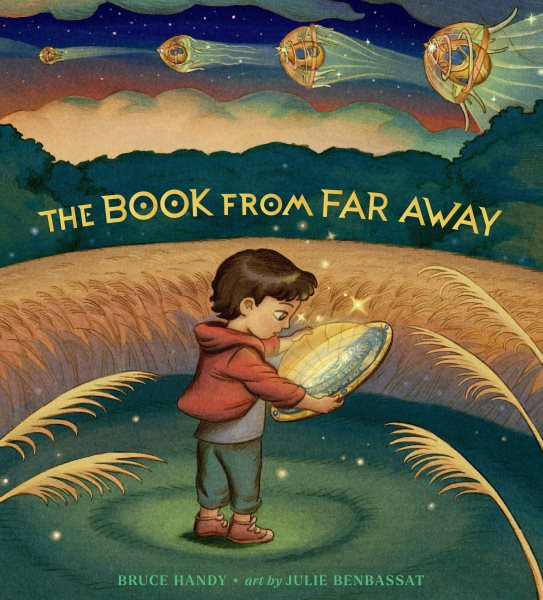
Filed Under: 31 Days 31 Lists, Best Books, Best Books of 2023 Tagged With: 31 days 31 lists, photography, picture book photography

31 Days, 31 Lists: 2023 Books for Kids with a Message

December 11, 2023 by Betsy Bird

One of my longer lists. I always feel I need to explain right off the bat what, precisely, I mean by “message”. As has been stated many times before, children’s books were conceived initially as ways of instructing the young. And while what we value most has changed over the years, picture books are often used as helpful conveyance systems of whatever it is we deem important. Now most picture books with a message are, and I mean this sincerely, complete crap. I’m not kidding. In the course of a single year I read hundreds and hundreds and hundreds of these books and if they aren’t dull and preachy then they’re didactic and poorly conceived. There is a reason that most celebrity picture books are “message” books.

But wait. There’s hope.

Today I would like to direct your attention to those books that have something to say, and actually know how to say it. There is nothing wrong with a picture book with a message, as long as that message is beautifully written and illustrated. Today, we’ve a slew of such books. May they give you hope for the future.

For the full PDF of this list you can find it here.

And if you’d like to see previous years’ message books, look no further than here:

  • 2022
  • 2021
  • 2020
  • 2019
  • 2018
  • 2017
  • 2016

2023 Message Books for Kids

The Artist by Ed Vere

What if Godzilla had an artistic streak rather than a destructive one? Defining the true nature of art to kids is a bit of a daunting prospect. It’s right up there with trying to explain to them how poetry is supposed to make you feel. Fortunately, an artist himself, Vere has the home field advantage. He couches this premise in the story of a little monster (or is she a dinosaur?) determined to bring beauty to the world. If you were to remove the text from the imagery, there would be nothing to distinguish it from the story of a human artist. “The Artist’s head is full. Full of colors, full of feelings. Full of moods, full of dreams. Things imagined and things she has seen. All fizzing, buzzing, bumping together, around and around.” Meanwhile the art itself shows her going off into the wider world (in this case, a large metropolitan city) to try and make it as an artist. I’m disinclined to ever label a book as a graduation book (i.e. a book you hand to a new graduate) but if you know a college Senior going off to art school, this wouldn’t actually be the worst choice of gift in the world, y’know? Ed Vere’s just so good at facial expressions on non-human critters, and this little (huge) artist is no exception. Just a lovely book about making mistakes and carrying on anyway. 

Because I Already Loved You by Andrée-Anne Cyr, ill. Bérengère Delaporte, translated by Karen Li

There is no one right way to write a book about a baby sibling dying at birth. And considering how sad and common this is, this is the first book of its kind that I can recall seeing. Topics of this sort too often are published by people with the requisite “M.D.” or “PhD” after their names on the cover. I don’t know that I particularly like such books, most of the time. Now Ms. Cyr is an early childhood educator from Quebec with a background in special education. Somehow she perfectly captures some of the feelings a child may have when all that build up to a new baby sibling is met with the heartbreaking news that there will be no new baby at all. This book is unafraid to dip into the deep well of sadness that the whole family feels after such an event. It also offers the light of hope, and I truly feel that that hope is earned by the text. The gentle assurance that this is no one’s fault is key. In her Author’s Note, Cyr notes that “I have worked with children for many years, and for me, it is essential to be honest and explain the truth to them in accessible words. I wanted to make sure that young readers understand that it’s normal to be sad, while also leaving them with a feeling of hope and love at the end of the story.” I can think of no better book on this subject than this. 

Becoming Charley by Kelly DiPucchio, ill. Loveis Wise

“Think Black. Think Orange.” While the other caterpillars do as they’re told, Charley thinks and acts in other ways. Is that safe? A clever tale of choosing your own path to become something, or someone, entirely new. Oo! Who ever thought it was possible to get 1984 vibes off a cute caterpillar picture book? Authoritarianism gets an insect upgrade in this title. Butterflies are such perfect subjects to convey messages that they have almost, over the years, become TOO perfect a subject to convey messages. So maybe it was my knee-jerk reaction to this at the start that made me think I wouldn’t like it that lowered the bar, but I really and truly enjoyed this title! I think Loveis Wise is doing some stand up and cheer work (I like the final spread, particularly since it feels like it’s directly referencing The Very Hungry Caterpillar). And I think DiPucchio really reined in what could have been a thoroughly preachy book (and this isn’t her only book on today’s list, as you will see). THIS is how you write a picture book with a message, people.

Big by Vashti Harrison 

A little girl has a big laugh, a big heart, and big dreams. But when other people start tearing into her because she herself is big, she has to find the bravery to stand out. I can be a hard sell on books that I feel convey more of an overt “message” than anything else. Obviously a large percentage of such books aren’t really much good outside of the message itself. Harrison, however, just exudes talent. As far as I’m concerned the success of Lupita Nyong’o’s Sulwe was due in large part to Harrison’s art. Now she’s tackling fatphobia and particularly where it intersects with racism (though she’s less overt with the latter than the former). When she started working in some Alice in Wonderland references as well, I was truly and thoroughly hooked. And I’m not alone, since it was a National Book Award nominee as well. This book works and it works on beyond its own message. May it teach adults just as often as it does kids.

The Brothers Zzli by Alex Cousseau, ill. Anne-Lise Boutin, translated by Vineet Lal

Let’s say that you are a writer of picture books and you are handed an assignment to write one about inclusion, immigration, and acceptance. Make it good. Make it furry. Just fill the darn thing up with bears. Now go. Of the requirements I just listed the most difficult one, without a doubt, is the “Make it good” part. Lord knows we’ve seen plenty of books on immigration or “accepting others” but boy can they get preachy real fast. To do the job properly you need to be a little weird. And Alex Cousseau is unafraid to bring the weird. The whole concept of this book is bizarre, but as extended metaphors go, I’m really quite fond of it. It’s told entirely in the first person (which is kind of rare right there) by a little girl who lives in a simply marvelous little green house deep in the forest. One day three bears arrive introducing themselves as “the four brothers Zzli”. Why four? “Maybe because we eat enough for four.” In spite of their prodigious appetites she finds them “truly delightful.” Driven out of their home they’ve gone through a lot of hardship in their travels and just want to settle down somewhere safe. She invites them to stay with her and all is well for a time. Unfortunately it soon becomes clear that the other animals in the forest do not trust these bears a jot and when that fear turns into pretty much firebombing the girl’s cottage, the bears decide to leave. She goes with them (I mean who would want to live in that community?) with the hope that someday they’ll find a spot where they can all belong. There’s a wordless four-page spread at the end that suggests that they succeed. One can hope, that’s for sure. Done entirely in primary colors, it’s just the loveliest story, but doesn’t skimp on showing how fear makes people do terrible terrible things. Man. You gotta read this one. 

The Concrete Garden by Bob Graham

Doggone it. How does Bob Graham do it? The idea that he was working on this book during the early days of COVID while all the rest of us were vegging out watching Tiger King is almost unbearable. Yet the fact of the matter is that when it comes to early pandemic picture book tales, this may be the best we’ve seen so far. Why? Subtlety, my friend. In this story Amanda and her mother live in this massive apartment block. It’s early spring (Spring 2022, I’d wager) and the kids pour out of the building like “candies from a box”. Amanda has been lugging a large cardboard box full of chalk, and she proceeds to create what appears to be a very large image of a COVID-19 virus. Without missing a beat, one of her friends turns it into a dandelion and suddenly all the kids are getting involved (with surprisingly little strife in the process). The image of their “concrete garden” goes viral, but that affects them not at all. And when everything washes away a few days later, are they sad? No! They’re making little cardboard boats and racing them in the water. There are probably ten different messages that you could choose to take from this book. However you want to look at it, it’s certainly about kids being kids and that’s what may save us all. 

Connor Kissed Me by Zehava, ill. Sarah K. Turner

Yeah, some people are having a real hard time learning what bodily autonomy is, so every picture book like this one is doing the work of twenty at this point. Being that we live in 2023, you would think we wouldn’t have to constantly explain to adults the fact that kids should not be forcing kisses on other kids. Unfortunately, adults have a tendency to find such behavior “cute”. Zehava, a debut Canadian, gives us the mildest of these situations and shows that it still ain’t great. Miriam’s on the playground having a good time when Connor just gives her a smack on the lips. This is never seen as cool or sweet and Miriam immediately tells her friends and then a series of adults. The recess monitor can’t be bothered, the teacher offers a band-aid to the situation (suggesting to move Miriam’s seat), the bus driver thinks it’s cute, but it’s her mom who’s the only one who asks, “Did you want him to, Miriam?” When she says she didn’t, her mom says she needs to tell Connor directly. The book then doubles back through all those adults again, and this time she informs each one that she didn’t want him to kiss her and they finally come through for her and back her up. Inspired, she tells Connor and he’s taken aback. And the best part? When she tells him he has to ask next time, he does, and she says NOPE with great relish. The book then does not end with the two friends again and playing, but rather with this keen shot of Miriam proudly striding away from him while he stands there, stunned. It’s. Awesome. A lot of times a book of this sort is all going to come down to that last image. Here, you finally get the sense that Connor understands that he did something wrong and it’s not letting him off the hook feeling that way. Maybe, just maybe, he’ll learn. A book that’s gonna do a lot of good in the world (possibly beyond its intended audience). 

Empty and Me by Azam Mahdavi, ill. Maryam Tahmasebi, translated by Parisa Saranj

We get a fair number of books about grief in a given year. Of those books, almost none come from other countries and cultures. So to receive an Iranian grief book is interesting in and of itself. That is not, however, any guarantee of quality, so it was very nice indeed to discover that together Mahdavi and Tahmasebi have constructed a uniquely thoughtful take on loss. In this story a young girl has lost her mother. As she says, “Then, Mom died, and Empty took her place.” This being a translation, I’d love to hear what other terms could have been used for that word “Empty” here. It’s a very specific choice to use that and not “Sadness” or “Grief” or anything quite like that.  In the book, Empty is depicted as a large white blob, two dots for eyes, looking a little like Baymax from Big Hero 6. And Empty isn’t seen as a vicious or mean-spirited companion. We see her holding its hand on the train and going everywhere with it. Then, slowly, the girl’s father begins to insert himself into the story more and more. The book is not particularly interested in investigating his own grief. Honestly, the book isn’t really focused on him at all, he just appears a little more and more as the story continues. Most interestingly, Empty doesn’t leave at the end, or even really change that much except to contain some flowers that the girl put inside of it. It’s such a gentle, caring title. One that refuses to explain too much, leaving a lot of the interpretation up to the reader. One to remember. 

Every Body: A Celebration of Diverse Abilities by Shelley Rotner

If you’re an aficionado of photography in children’s literature, it can be a lonely lot. There are really only a handful of established photographers to pick and choose between. Fortunately, Ms. Rotner is one of the few. She staked her claim in the world of nonfiction as our preeminent photographer/author years ago, and it’s paid off. Her subjects tend to be actual kids, more often than not, and this book is precisely what it sounds like. Jennifer Browne, the book designer, should probably get equal billing in terms of how the images here are laid out. You’ve full page spreads, pages where there might be eight portraits all at once, and places in between the two. Because a book like this doesn’t systematically explain that one child might have Down’s syndrome or another is deaf, parents and teachers will need to be there to explain elements of the book to kids. It doesn’t pander nor does it make it seem like everything is equally easy for everyone. But with its representation, bright colors, and clear text, it’s a nice one. A posthumous note from Judith Heumann herself (who died earlier this year) as well as other disability rights advocates complements the printed rights recognized by The United Nation’s Convention on the Rights of Persons with Disabilities, and Glossary. 

The Fastest Tortoise in Town by Howard Calvert, ill. Karen Obuhanych

A tale of believing in yourself, which is one of the most difficult type of books to write. The hero of this story is “Barbara Hendricks” the pet tortoise. The fact that she happens to have both a first and a last name is so doggone delightful, and yet never really commented on. Barbara’s owner, the well-meaning Lorraine, has entered her pet into a “fun run” against other animals. Barbara worries, reasonably, that she’ll be embarrassed when she loses, but over time she decides to try anyway, with a surprise twist when she does. The book’s art resembles that of Carrie Finison’s Hurry Little Tortoise, Time for School (which I enjoyed thoroughly last year). In any case, I’d rather you didn’t miss this book. I think it got insufficient attention when it was released earlier this year. It would be lovely if some additional eyeballs were to see it. I mean look at that tortoise on the cover. You gonna say no to that face?

Grandpa is Here! by Tanya Rosie, ill. Chuck Groenink

A word in support of grandparent books. No doubt you saw the article out earlier this year decrying the proliferation of “grandma books” on the market today. But lest we get ahead of ourselves, allow me to remind you that not all grandparent books are created equal. Some are, as the article writer correctly identifies, written for the sole purpose of wiggling dollars out of well-meaning grandparent wallets. But others are more in the camp of this book, Grandpa Is Here! In this story a granddaughter is absolutely freakin’ thrilled that her grandfather is coming to visit with “a suitcase [that] smells like spice.” She doesn’t share a language with him but it really doesn’t matter. Of course the true lure of the book is Chuck Groenink’s incredible art. That first shot of her hugging Grandpa at the airport where she has SUCH a kid expression on her face of shyness and affection all at once . . . boy, that is hard to capture. I put this in the “Message” category insofar as the “message” in question is to appreciate your grandparents. But that last shot of her slipping out of her room to touch grandpa’s hand as he sleeps? Incredible. Just a lovely little book. 

Grief Is an Elephant by Tamara Ellis Smith and Nancy Whitesides

A rather good book to pair with the aforementioned Empty and Me, actually. And I kind of respect a book that says right in the title what it’s about. Grief books can be tricky things to write too. As a librarian, I can tell you that sometimes parents would come up asking for a book that 100% completely replicated their child’s experience (“No no, his grandfather died of heart cancer, not lung cancer”). Other times, they’d be a bit more flexible. They just wanted a story that could mirror their child’s internal experience in some way. An elephant isn’t a bad way to do that. It’s more understandable than a whale, after all. Here, author Tamara Ellis Smith replicates the metaphor of grief with a very heavy elephant. In the course of the story, grief takes a variety of different forms (I liked the fennec fox quite a lot). Meanwhile, Nancy Whitesides is pulling out all the stops with her art. I couldn’t tell if it was computer or pastels or some other medium. Whatever it might be, its the tone of the book that has to be key here, and the Smith/Whitesides combo gets the tone completely right. A fine addition to the grieving picture book set. 

Hello, Mister Blue by Daria Peoples

Picture books about the unhoused can really veer off in a number of different directions. At their worst, they’re patronizing. One can be simple without being simplistic, and I think the work Daria Peoples has poured into Hello, Mister Blue reflects that to some extent. The complicated idea of unhoused veterans and the people who used to know them well is explored with an extremely deft hand here. In this story, a young girl introduces us to Mister Blue. He’s been playing music on the streets for years. Her papa knew Mister Blue back in days of war, and at the urging of his daughter gives the man a dry space to play his tunes. There’s something so perfect about little lines like “Is he cold?” “Is he wet?” “Is he hungry?” You don’t need to clutter it up with anything else. It is enough. 

I Wish I Could Tell You by Jean-François Sénéchal, ill. Chiaki Okada, translated by Nick Frost and Catherine Ostiguy

Meet artist Chiaki Okada. A Japanese illustrator, her weapon of choice is the grease-pencil, which gives her art this somewhat ethereal effect with light. According to publisher Milky Way Picture Books, this title is only her second English-language release, though she’s been published in Asia and Europe for years. For my part, I only really heard of this book when Travis Jonker at 100 Scope Notes did his annual round-up of titles he thought might have a chance at the New York Times Best Illustrated List (it’s one of my favorite lists that Travis does). In this story a little fox is writing a letter to his grandmother. She died not long ago, and the fox is wrestling with the fact that the last time he saw her, “I said nothing. Not a word”. You get these delightful flashbacks of the two making squirrels out of acorns and walnut shells and playing in other ways and as well. This is, at its heart, a grief book (we’re getting a lot of these today), but the kind where you just want to sit in the scenes for a while. Okada has a Vermeer-like appreciation for the way that sunlight in midday can stream through a window and hit the tops of a basket full of apples, or the way it can dapple a path in a forest. A book that is more than its subject matter. Previous Seen On: The Caldenott List 

Mouse & Giraffe by Kelly DiPucchio, ill. Jen Corace

I think that between the two of them DiPucchio and Corace took up more room in my children’s gray matter than a lot of other author/illustrators out there. Have they ever done a book together before? My memory doesn’t conjure anything up. Pity, because they’re a rather natural combination. Now the whole gist of this story is that Giraffe sees things, literally, from one perspective and Mouse from another. They have a devil of a time figuring that fact out, though. For example, Giraffe might say it’s incredibly hot one day while Mouse, sitting in Giraffe’s shade, is as comfortable as can be and can’t figure out what he’s complaining about. Through a series of misadventures they finally are able to see from one another’s point of view. It’s sweet. It’s clever. And it’s a rousing combination that I hope we see more of in the future. 

Obioma Plays Football by Chika Unigwe, ill. Chinyere Okoroafor

I feel a little bad putting this particular book on this particular list, because I actually think it’s a wonderful example of a book simply being good on its own merits, and devil take the whole “message” idea. Author Chika Unigwe doesn’t ignore the fact that Obioma is in a wheelchair, and indeed the plot centers on her move from a school that’s accessible to one that is not, but as a kid she’s not solely defined by her disability. Obioma is the kind of person who is completely going to race you, and she’s friggin’ going to win too when she does. At her old school she has a stick that she uses to play football, good friends, and she’s a bit of a troublemaker, finding ways to nab oranges from a nearby farm when she’s not supposed to. At her new school there are no ramps so her dad has to carry her into the classroom on the first day, which completely sucks since Obioma loves her independence. Then, when she tries to play football (y’know, soccer) with the other kids, she’s not just facing their ableism but also the fact that she’s a girl. The solution? Starting her own separate girls team and getting what she wants in an entirely different way. Not all her problems are solved at the end of the book, but you can see how she problem solves when she hits barriers. The book is set, I do believe, in Nigeria and is just about one of the finest you’ll find this year. Be sure you don’t miss it! 

Rabbit, Duck, and Big Bear by Nadine Brun-Cosme, ill. Olivier Tallec

Huzzah! A new Olivier Tallec book is always a cause for celebration. Here we meet our titular characters, all of whom are the best of friends. Tallec gets to wield his wild, expressive style (he’s kind of France’s answer to Frank Morrison) amid beautiful forest backgrounds. I give the book extra points too because the story is not one I’d ever seen before. Three friends live in a woods and like to go everywhere together except down a long, winding path. All is well until one day the rabbit accidentally slips and slides down the path in the cold and snowy winter. Once down she discovers this enormous fir tree. Then comes the revelation that not only do the bear and the duck already know about it, but they spend a lot of alone time with the tree themselves. Now the book could go in any number of directions after this revelation. Instead, the rabbit, and the reader, come to understand that this is okay. Now the rabbit has the tree too and all three, in their own time, can spend some minutes alone with something this vast and grand. A cool message. A cool book. 

Soon, Your Hands by Jonathan Sturzman, ill. Elizabeth Lilly

“Tonight, your hand fits inside my own. But soon your hand will grow…” Three families with small children advise and guide until their children become adults themselves. A touching, lovely paean to kids becoming their true selves. Maybe I’m just getting to be an old softie in my old age, but after sitting on this book for a little while it really stuck with me. A lot of that has to do with Elizabeth Lilly’s art, which is just so freakin’ charming. But this really comes across as one of the best examples of how you can do books centering different voices and experiences and make a truly fantastic story out of those people. And yes, that ending kind of hit me in the tear ducts. Like I said. I’m an old softie now. Certainly deserves more reads.

Stickler Loves the World by Lan Smith

What’s better than loving the world? Getting to show it to someone else for the first time! A thorny little hero gets to show an “alien” why our planet is so darned great. Lane Smith is never boring, but recently he’s avoided the rampant wackiness of his earlier books in favor of heartfelt, meaningful, Henkes-esque stories. Nothing wrong with that. A man’s allowed to mellow with age. Still, it does sometimes leave one yearning for his early days and penchant for wildness. Maybe that’s why I love his latest so very very much. It’s this utterly marvelous combination of the visual wildness of his youth and his more contemporary yearning to celebrate the natural world and all its glory. Stickler looks a little scary, standing there with his stick-like hair and sharp, pointy teeth, but he genuinely loves life and living and our world. He’s got Gappers of Frip energy and a heart of gold. And because Lane combines these visuals with this text, what could have come off as cutesy is instead honestly and legitimately meaningful. You just want to kiss a stick after reading this. My favorite Lane Smith book in years and years. 

Stillwater and Koo Save the World by Jon J. Muth

I like Muth and I like Stillwater, but I do wish we could see more of Muth’s stranger offerings like Stanislaw Lem’s Seventh Voyage, and stuff like that. I imagine the Stillwater books probably sell better and are easier to make, so I understand why he keeps churning them out, but a gal can dream. I actually liked this latest offering a little more than some of the other recent Stillwater books, and maybe because it has implications that a lot of kids might be able to relate to. In an era of Greta Thurnberg, kids have a lot more young heroes to look up to in terms of saving the world. But how much can a single, solitary individual accomplish? Muth takes this very real conundrum and turns it into a tale of Stillwater and his nephew doing small good things in the midst of great, gigantic plans. In his Author’s Note, Muth writes that “Children want very much to make the world better, and they look to adults for guidance… Raising our children to value spontaneous kindness gives them enormous and immediate power, because the smallest acts of kindness may save the world.” Acts like this book? You bet. 

This Is My Body, I Get to Choose by Brook Sitgraves Turner, ill. Kati Douglas

Little Feminist Press returns! You remember them, right? No? You don’t recall the year a board book won a Stonewall Award? Because that was them, folks, and they pretty much upped the ante on what “diversity” (however you choose to define it) actually means in a board book. I mean, have you ever seen different kinds of feeding tubes featured before? Nope. This book also has a range of folks, but the focus is firmly on, as it says, “An Introduction to Consent”. It’s never too early, after all. It’s covering very basic stuff like “My grownups might help me choose what is safe,” but also good info like “When someone says ‘Stop!’ I stop right away.” It’s an interestingly formatted book, with sturdy pages that will hold up to tugging and a smaller format. Probably ideal for a preschool setting, I’d say. Why don’t you give it a try? 

What Happened to You? by James Catchpole, ill. Karen George

Way over in England there’s a literary agency called The Catchpole Agency, which happens to represent everyone from Polly Dunbar to Susannah Lloyd, and it’s run by James and Lucy Catchpole. James, as it happens, has one leg and he wrote this book with good humor and great information. At the end of the book, for example, is a section entitled “Dear Adult” which says, “Does your child want to know everything about every disabled person they see, all at once, and at TOP VOLUME? Here are my suggestions…” Meanwhile, in the story itself, a kid named Joe is playing his favorite pirate game. The problem? “Sharks were easy compared to kids Joe hadn’t met yet.” Slowly a bunch of kids come to Joe wondering how he “lost” his leg, speculating with their own theories. Fortunately, this grows old and Joe’s able to get them involved in a very good piratical game instead. Now I do find the ending where one of the kids says she doesn’t still need to know what happened to Joe’s leg to be a bit on the optimistic side, but Catchpole, with the aid of Karen George’s highly charming art, pulls it off.

When the Stars Came Home by Brittany Luby, ill. Natasha Donovan

“Home is where you learn who came before you. Home is where you discover who you are. Home is where you imagine who you might become.” I’m cheating and writing the last lines of the book right here up front, but it’s a darn good message and I think it deserves a bit of attention. Brittany Luby (Anishinaabe descent) pairs with Natasha Donovan (Métis) for a story about a kid who moves from the country where his grandparents live, to the city. It’s not entirely clear from the text whether Ojiig was living on a reservation before, but he certainly doesn’t feel at home in this bustling metropolis. I was intrigued by the ways in which Donovan splits up the images on the pages here. The first double spread of Ojiig moving shows lightning bolts separating out the two pages, revealing four different scenes (five, if you count the way in which Ojiig is walking between them). His longing for connection and for the stars at night inspires his mother to tell him the different stories of his ancestors, and these too are featured on the pages overlapping one another. It’s such an eclectic way of telling a story that otherwise could have been rendered dull and static with a more rote form of illustration. A great message but also a great presentation. 

Why Are We Afraid? by Fran Pintadera, ill. Ana Sender, translated by Mihaila Petricic

Fear gets a proper treatment in a rather lovely Spanish import. It’s interesting that often when I see Spanish nonfiction titles for children brought to the States I don’t see a lot of backmatter. Then here we have this nice little fictional picture book and voila! Backmatter galore about “the original fear”, “the types of fear”, “the lessons behind our fears”, “the masks of fear”, “the appeal of fear”, and finally some activities for talking through fears with kids. All this makes the book sound a bit like one of those purposeful books, but the title is quite an artistic endeavor more than anything else. Lovely, deep, and sumptuous art tells the story of Max who asks his father, “Dad, have you ever been afraid?” It’s an interestingly evocative story full of deep-seated fears brought to life. I think that a kid could get quite engulfed in a book of this sort. The message may stay with them, but it’s just as likely that the images will. My personal favorite is the two-page spread where Max is seen with wings staring up at flying people, a ball and chain attached to his leg while the text reads, “Often we’re afraid of freedom, strange as it seems.” A more artistic rendering of something all children, on some level, know very well. 

The Wilderness by Steve McCarthy

Young Oktober, one of twelve kids, is not a fan of the wilderness, but when circumstances beyond his control plunge him into the heart of nature, he finds that maybe things aren’t quite as scary as all that. As I am always in love with a cacophony of chaos, as well as stories about anxious kids, this hits the sweet spot. I sort of also adore big family stories. If the illustrator looks familiar here that might be because you’re familiar with the animated film Song of the Sea. I’m not a fan of overt messaging, but this does  pretty good job showing how you can expand your boundaries a little. Plus the endpapers are the absolute best this year.

You Are a Story by Bob Raczka, ill. Kristen and Kevin Howdeshell

I will admit that when I read the title of this book I was, at first, hesitant to read it. In a given year one may encounter a LOT of you-are-special books as well as books-are-important books. I was a bit worried that this might be a combo of the two and it is . . . but in the best possible way. Trust Bob Raczka. The man’s been in the business a while and he’s not going to try to spoonfeed your children pablum. The book is helping kids to define what they are. “You are an animal” it says, and it explains that part (this was a question I myself had as a kid and this year it comes up in this book as well as the nonfiction picture book We Are Human Animals). It says “You are a body of water” because we are more than half made of water. “You are an astronaut” because you ride the Earth around the sun. I love how the science is just so delicately interwoven into the definitions. In the end “You are a story” and it closes with “Tell your story to others. Then listen to theirs.” Sound advice for literally every person. 

You Go First by Ariel Bernstein, ill. Marc Rosenthal

Alright, Ariel Bernstein. You got me. 2023 is turning out to be a particularly good year for anxious picture book protagonists. I’d pair this book with the aforementioned Wilderness by Steve McCarthy without hesitation. Of course, in this book the scary new thing is a twisty slide. Cat and Duck are very good friends but Cat is NOT so sure about this new slide that’s just appeared in their playground. Duck is all for trying it immediately if not sooner, so Cat uses every possible tool in his arsenal of arguments to dissuade his friend. What makes the book work so well is that you’re kind of getting this as a unreliable p.o.v. of Cat himself. A sentence like, “Cat, a very good friend, worried for Duck’s safety,” is not, as you might imagine, the whole story. What makes the book work so well is how Duck uses Cat’s better instincts to confront his fears himself. “Duck was a very good friend.” Nails the ending, and is just one of the best little unassuming books about a topic that a LOT of kids will relate to. 


Hope you enjoyed these! Here are the lists you can expect for the rest of this month:

December 1 – Great Board Books

December 2 – Picture Book Readaloud

December 3 – Simple Picture Book Texts

December 4 – Transcendent Holiday Picture Books

December 5 – Rhyming Picture Books

December 6 – Funny Picture Books

December 7 – CaldeNotts

December 8 – Picture Book Reprints

December 9 – Math Books for Kids

December 10 – Gross Books

December 11 – Books with a Message

December 12 – Fabulous Photography

December 13 – Translated Picture Books

December 14 – Fairy Tales / Folktales / Religious Tales

December 15 – Wordless Picture Books

December 16 – Poetry Books

December 17 – Unconventional Children’s Books

December 18 – Easy Books & Early Chapter Books

December 19 – Older Funny Books

December 20 – Science Fiction Books

December 21 – Fantasy Books

December 22 – Comics & Graphic Novels

December 23 – Informational Fiction

December 24 – American History

December 25 – Science & Nature Books

December 26 – Unique Biographies

December 27 – Nonfiction Picture Books

December 28 – Nonfiction Books for Older Readers

December 29 – Audiobooks for Kids

December 30 – Middle Grade Novels

December 31 – Picture Books
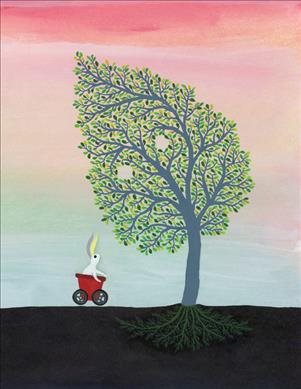
Filed Under: 31 Days 31 Lists, Best Books, Best Books of 2023 Tagged With: 31 days 31 lists, message books
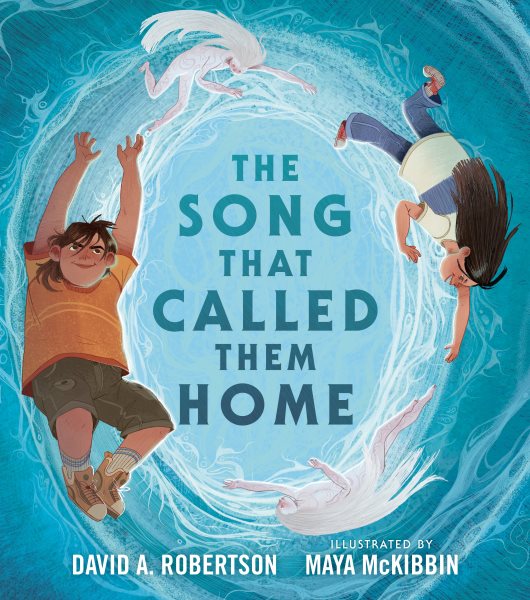
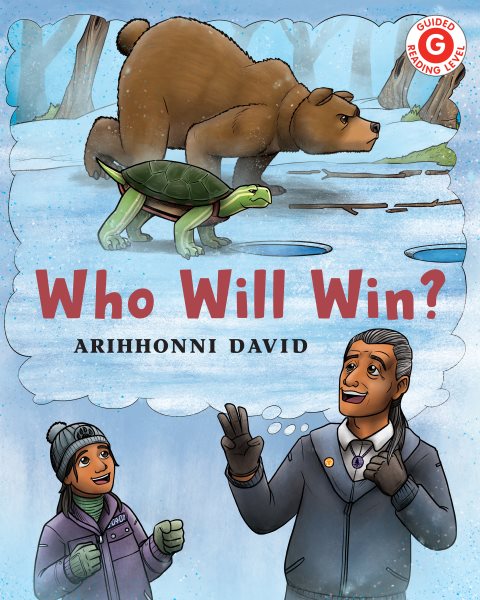
  • « Go to Previous Page
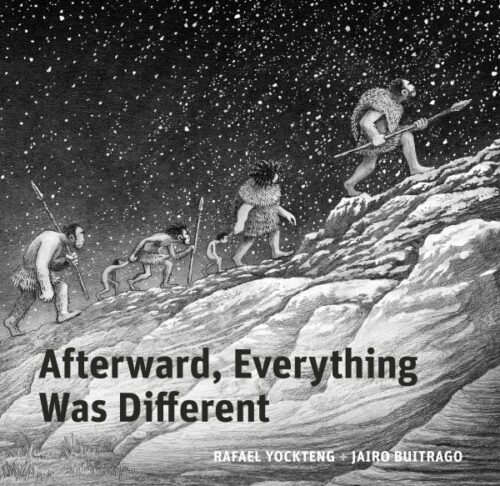
  • Page 1
  • Interim pages omitted …
  • Page 104
  • Page 105
  • Page 106
  • Page 107
  • Page 108
  • Interim pages omitted …
  • Page 1047
  • Go to Next Page »

Primary Sidebar