• Skip to primary navigation
  • Skip to main content
  • Skip to primary sidebar
  • About/Contact
  • Fusenews
  • Reviews
  • Librarian Previews
  • Best Books
    • Top 100
    • Best Books of 2022
    • Best Books of 2021
    • Best Books of 2020
    • Best Books of 2019
    • Best Books of 2018
    • Best Books of 2017
    • Best Books of 2016
    • Best Books of 2015
    • Best Books of 2014
    • Best Books of 2013
  • Fuse 8 n’ Kate
  • Videos
  • Press Release Fun

Where the Land Meets the Sea: An Outermost Mouse Talk with Lauren Wolk

Where the Land Meets the Sea: An Outermost Mouse Talk with Lauren Wolk

May 19, 2026 by Betsy Bird 3 Comments

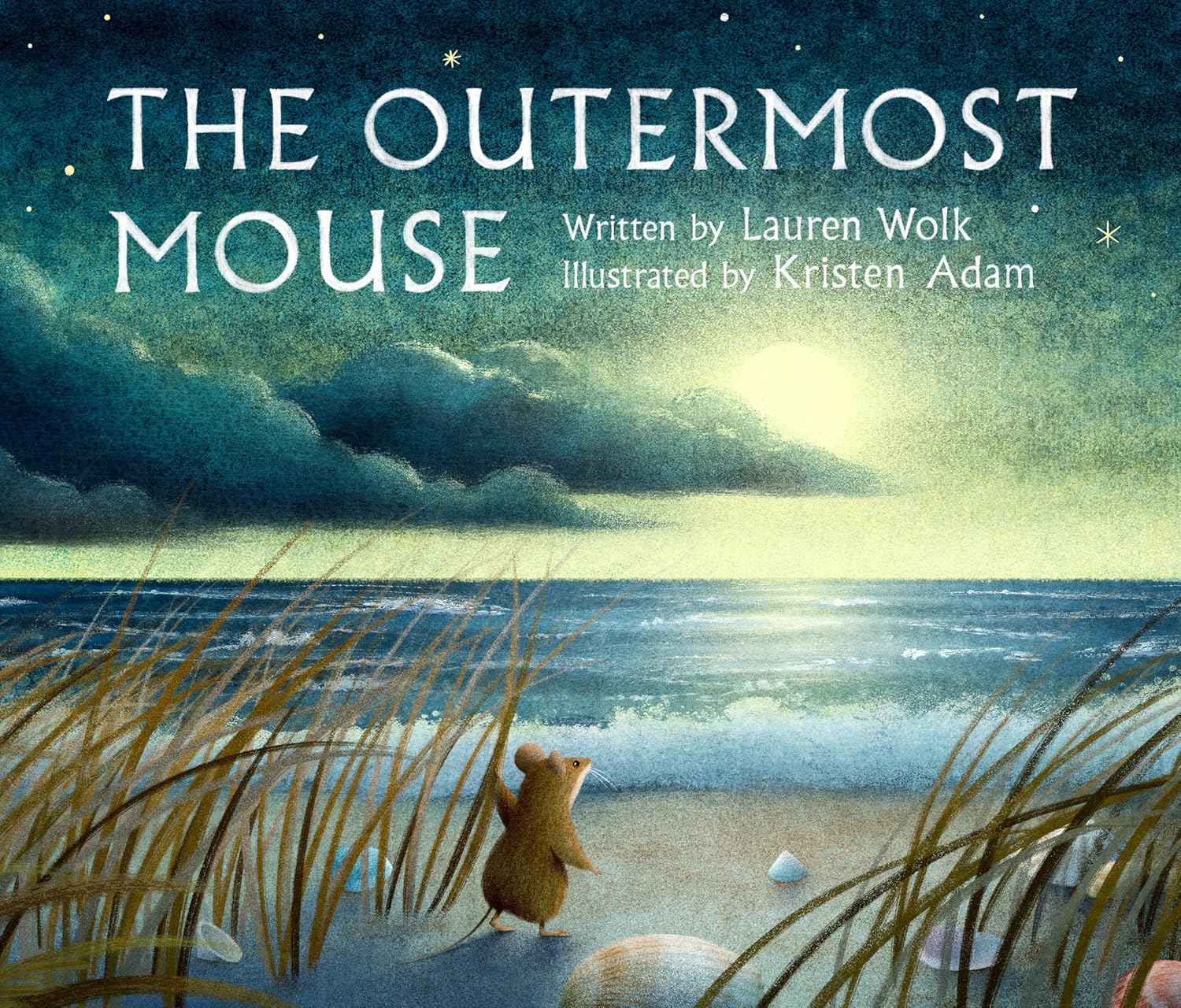
I’m not entirely certain why I’d typify a tale in which a house gets swept out to sea as a “quiet book”, but that’s the only way I can really describe this picture book outing by Lauren Wolk. And when I say “picture book outing” I naturally mean “picture book debut.” For the record, the name Lauren Wolk may be ringing a couple bells out there with folks familiar with contemporary children’s literature. For me, her name conjures up the single greatest antagonist I’ve ever encountered in a work of middle grade fiction. It was a good decade ago (to the month) that I reviewed Wolf Hollow, a book that would go on to win a Newbery Honor. I called that title, “A book unafraid to be uneasy,” and I’ll stand by that statement thanks to its provocative little blond girl villain (who continues to give me nightmares to this day). But with Wolk’s brand new picture book, out this year, Lauren is going in another direction. The complexity we’ve come to expect in her books is still there, but with vastly different undercurrents.

The Outermost Mouse (out as of today!) is best described by its publisher in this manner:

“The Outermost Mouse loves her life at the tip of the beach. She has blue sky above and sand as warm and soft as her mother below.

Best of all is the house, a huge nest she has made her own. There are jam-jar posies, lanterns full of gold, and a clock that tick-tocks her to sleep at night.

But a storm is coming. When the sky goes dark and a cold wind rises, the little mouse must do everything she can to protect her home. Even though she’s small enough to fit into a teacup, the Outermost Mouse is smart, strong, and brave—and ready to face the wild waves.

Illustrator Kristen Adam brilliantly captures the snug warmth and fierce beauty of the Outermost Mouse’s shoreline world in Newbery Honor–winning author Lauren Wolk’s glorious tribute to the courage and tenacity of a tiny-but-mighty heroine.”

Today, I’ve a chance to discuss the book with Lauren (something I’ve been particularly keen to do since setting eyes upon it):


Lauren Wolk: Betsy! Thanks very much for the interview. Always an honor to have a conversation with you. I’m delighted that you like the book.

Betsy Bird: Lauren! Thank you so much for answering my questions about your debut picture book. THE OUTERMOST MOUSE is this remarkably beautiful (and surprisingly exciting) delve into a love of place like nothing I’ve seen before. Can you tell us a bit about where this book came from?

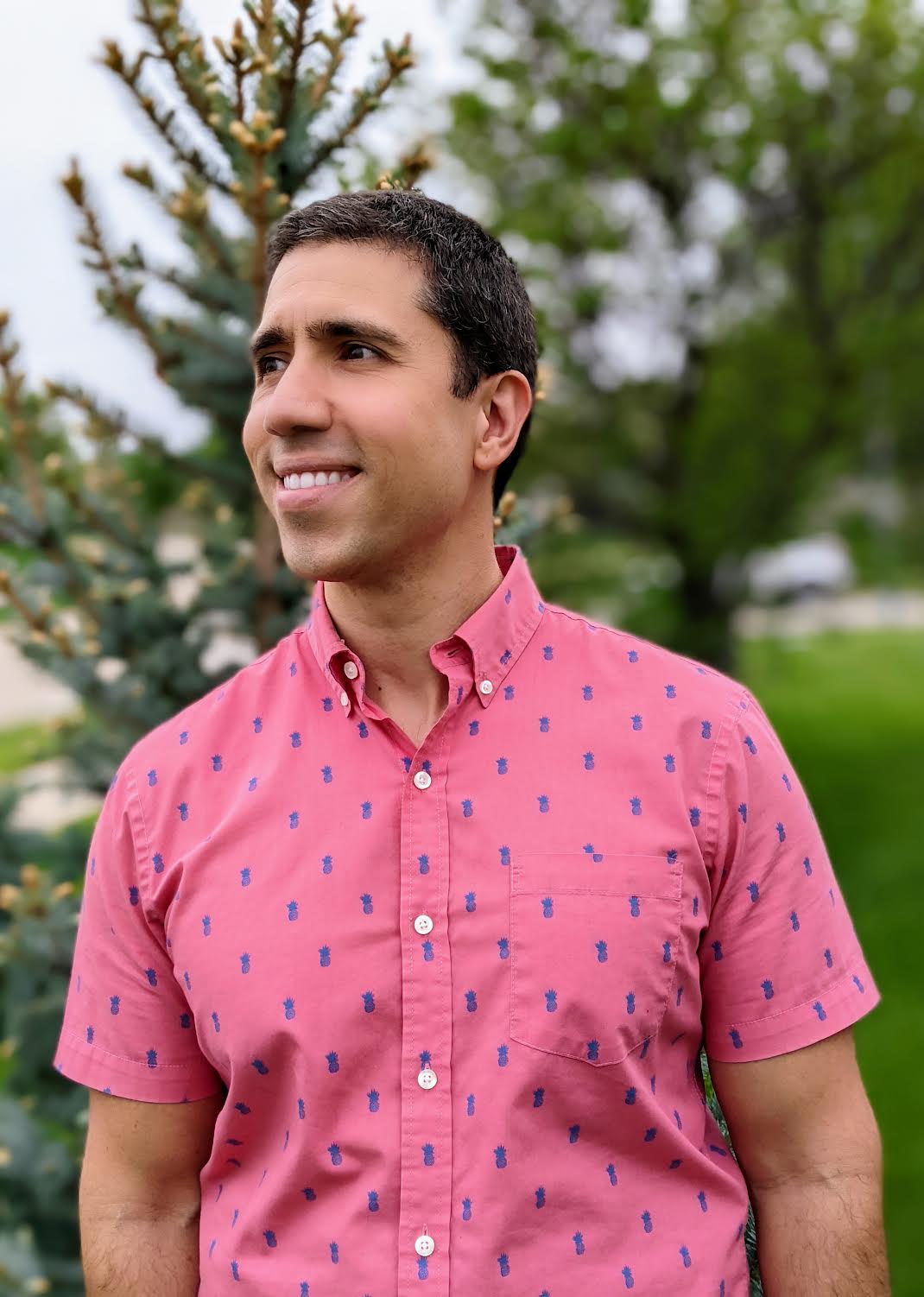
Lauren Wolk, photo credit: Robert Nash

Lauren: Like so much in my creative life, this book came from a happy accident. (Evidence that I shouldn’t look for inspiration. It will come out of left field when it’s ready.) I was working at a cultural center, hanging a painting of a curio cupboard. In one of the cubbies was a postcard. I wasn’t wearing my glasses, and I thought the caption read, “The Outermost Mouse,” even though the image was of a house and I live on Cape Cod where The Outermost House was a literary landmark. I realized my mistake almost immediately, but my next thought was a question that planted the seed for this book: What if there was a mouse living in The Outermost House, and what if she tried to save it from the storm that swept it out to sea? I let the idea percolate for a while, and then I went down to the beach and wrote THE OUTERMOST MOUSE in one sitting.

BB: I confess that I was unfamiliar with your source material, THE OUTERMOST HOUSE by Henry Beston, on my initial read (just call me Midwestern born and raised). It doesn’t really matter since the book stands entirely on its own. What does a knowledge of the Beston title bring to this read, to your mind?

Lauren: Familiarity with Beston’s book may add a layer of connection, but anyone who shares his reverence for the natural world—especially where the land meets the sea—is likely to feel drawn to the scene and immersed in the plight of a little mouse trying to save her beloved home. I am endlessly grateful to Beston for his work but also how it helped to inspire the creation the Cape Cod National Seashore, where his little writing retreat sat from 1925 until the blizzard of 1978. I wish I could have met the man, but I was only eight when he died.

BB: My take on the book is that it’s a pretty darn good tale of sankofa (moving with change but bringing along the things that are important to you). But, of course, a reader’s interpretation of a work can vary wildly from its author’s. What, if I can ask, is your take on the meaning behind text?

Lauren: Good question, Betsy. I never think about “meaning” when I’m working. Writing is an act of discovery, full of epiphanies and surprises. My only intention was to try to capture the beauty and fragility of a place I love, combined with a storm I will never forget, so I was surprised when my little mouse revealed herself to be so mighty, and brave, and hopeful. I loved her from the start, but I really fell for her when she met the storm head on. I’m trying to be just as brave as I face the storms raging in my own life. My own beloved places.

BB: Aren’t we all? This being your first picture book, I’m curious about what books you read when you were a child. What were some of your favorites? And do any of them have any bearing on the creation of this book?

Lauren: I was blessed with parents who read to me every day. So many incredible books. Goodnight Moon, Millions of Cats, Wind in the Willows, the Beatrix Potter books, Make Way for Ducklings, Winnie the Pooh, Over in the Meadow (which still cycles through my head all the time), and a boatload of other books that fed my love of reading from a very early age. When I could read to myself, I did. Every day. Every night. Everything I could get my hands on. They ALL had a bearing on this book, since they made me keenly aware of cadence and pattern, color and image, and how a character changes in response to the world around her. Reading books taught me how to write them.

BB: By the grace of the illustration gods you were blessed by being paired with the art of Kristen Adam. What does Kristen bring to the text that is unique to her and her alone?

Lauren: I am so very happy with Kristen’s work. Her gorgeous illustrations capture the magic of the place, and she somehow managed to make the mouse earnest and innocent, fragile and strong at once, cute but not too precious. And she created a dune shack that anyone would want to save. It’s very clear from her artwork that Kristen shares my passion for natural beauty and a desire to preserve it. I’m delighted that she was my partner in the creation of this book, and I’m grateful to my editor, Julie Strauss-Gabel, and Art Director/Designer Anna Booth, as well, for their stellar contributions to the work.

BB: Finally, what else are you working on these days? What’s next for you?

Lauren: It seems the older I get, the more irons I have in the fire, and I’m thrilled to be ramping up instead of slowing down. I’m making short films with the artist Jackie Reeves (her animations, my poems, plus music), all part of our InkLine Project. I have new books in the pipeline (MG novel and picture book). Plus, I’m working on a collection of poetry for a middle grade/young adult audience. And a few magazine articles here and there. Lovely visits to schools and libraries and bookshops. In November, the Cape Cod Museum of Art will mount an exhibit of my artwork combined with poems by Brett Warren. I can’t wait for that. And who knows what might come next? Lots of irons. Big fire. Wouldn’t have it any other way.


One of these days I’m going to find a way to capture Lauren and Laura Amy Schlitz in conversation together. The results will be epic.

HUGE thanks, in the meantime, to Lauren for taking such time, care, and attention with her answers. As mentioned before, The Outermost Mouse is out today, so your excuses for not seeking it out are null and void. Thanks too to Lizzie Goodell and the team at Dutton Books for Young Readers for helping to bring this interview together. Now check out this book, y’all! It is a piece of work.

Filed Under: Best Books, Best Books of 2026, Interviews Tagged With: 2026 picture books, author interviews, Best Books of 2026, interviews, Lauren Wolk, picture book author interviews

Fuse 8 n’ Kate: Princess Smartypants by Babette Cole

May 18, 2026 by Betsy Bird 6 Comments

I promised Kate that we’d do a British picture book today in celebration of her recent trip to the fair British Isles. It had occurred to me that we’d never done a Babette Cole book before, so I worked out which one is perhaps best-known over there. Now I probably should have done the incredible Mommy Laid an Egg, but I felt like Kate needed a gentler introduction to Cole’s work this time around. I point out in this discussion that in Canada we have The Paperbag Princess, in England we have Princess Smartypants, and what does America have? If you have any ideas of what the logical third leg in this triumvirate might be, we welcome the suggestion.

Listen to the whole show here on Soundcloud or download it through iTunes, Stitcher, Spotify, Google Play, PlayerFM, Audible, Amazon Music, or your preferred method of podcast selection.

Show Notes:

For the record, it was NBC and NOT ABC that used to host the Newbery and Caldecott winners on their show the day after their win. My apologies to Snooki.

This is Babette Cole’s image on Wikipedia. Whatta boss:

And here is her obituary in The Guardian. My lord.

We love the Instagram account that is solely dedicated to newspapers in children’s books. To them, we duly submit the following.

Dunno. This is apparently a slug but, if so, what’s up with the legs? Then again, Prince Swashbuckle actually knows to give them beer. Huh!

Uh, did Prince Pelvis just… die? If so, roller disco isn’t the worst way to go.”

“You sayin’ our apples ain’t what they’re supposed to be?”

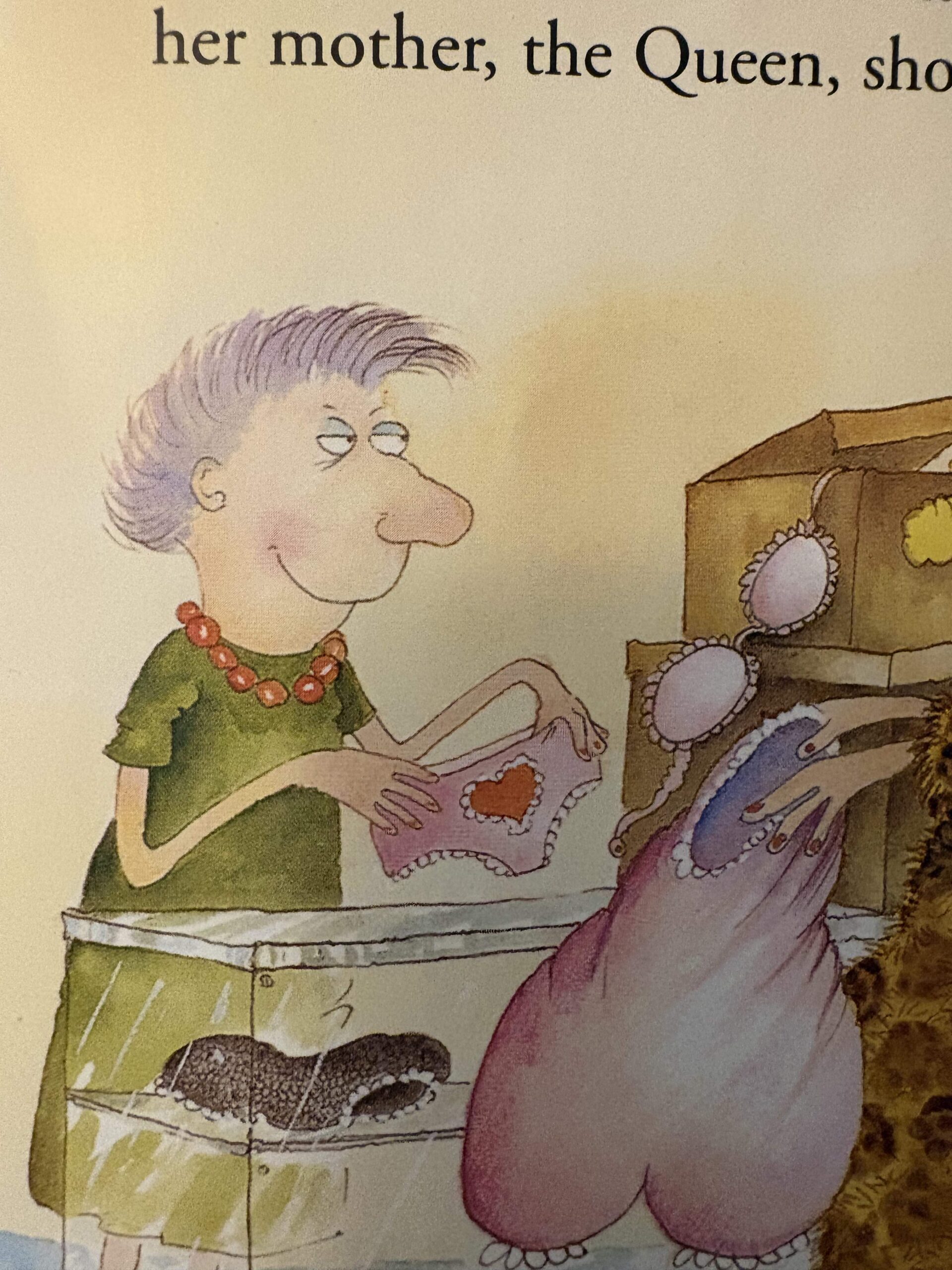
What’s up with this lady? She’s either on board with the princess’s plan, or she’s just thinking about her commission with all these lingerie purchases.

Kate Recommends: Windsor Castle (visible in The Reluctant Traveler)

Betsy Recommends: The fact that Zohran Mamdani just funded all the libraries and museums permanently.

Filed Under: Fuse 8 n' Kate Tagged With: Fuse 8 n' Kate, Princess Smartypants

Publisher Preview: Transit Editions (Fall/Winter 2026)

May 14, 2026 by Betsy Bird 3 Comments

All right, folks! It’s that time again. The small publishers are assembling and already I have planned posts of upcoming Fall 2026 books coming from Nosy Crow, Eerdmans, Enchanted Lion, and everyone that Publisher’s Spotlight represents. But before we get to any of them, let’s kick things off with a view of Transit Editions’s children’s book imprint. If you were already wowed by the incredible The Muéganos earlier this year, then check out what else is slated for release. It’s only three titles but, wowzah! Such doozies:


Mr. Prickly by Betina Birkjaer, ill. Anna Margarethe Kjaergaard, translated by Lin Falk van Rooyen

ISBN: 9798893380712

Publication Date: July 7, 2026

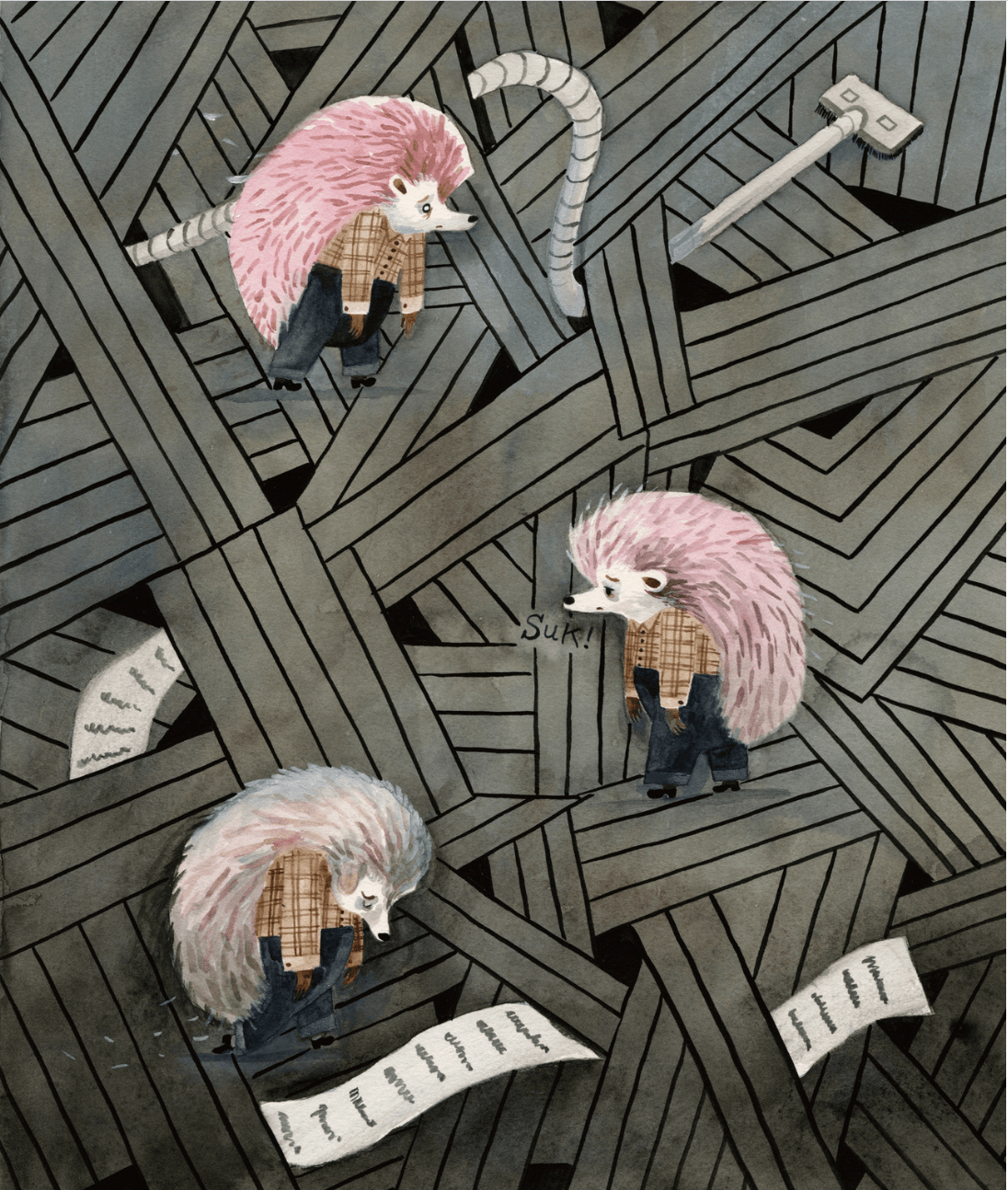
Let’s kick things off with a Danish import from the author/illustrator duo behind the much lauded picture book Coffee Rabbit Snowdrop Lost (which won a Batchelder Honor amongst other things). In this story an anxious hedgehog has a lot of tasks to accomplish before winter hibernation. There’s raking leaves, and mending socks, and just this huge list of things to do! Who amongst you looks upon this list and doesn’t identify?

When things get even more stressful for him, Mr. Prickly decides to chill out, eat some cookies, and then get organized again. And hey, maybe the best thing to do with a lot of things is to multitask them all at once! Yeah. No. The result of such a plan is that as the wind picks up, it rushes into his house, blowing the words from his list all over the place so that the instructions don’t make sense anymore. They now tell him to “vacuum up the air” and “repair his wobbly mom”, etc. In the end, Mr. Prickly just sort of gives up and lies down listening to the beating of his own heart. When he wakes up, it’s spring, the sun is shining, and all the leaves he didn’t rake have blossomed into beautiful flowers. It’s a perfect little lesson for taking the time you need, even when you’re feeling stressed.


Have You Ever Heard a Horse Sing? by Pauline Barzilaï, translated by Lindsay Turner

ISBN: 9798893380880

Publication Date: October 6, 2026

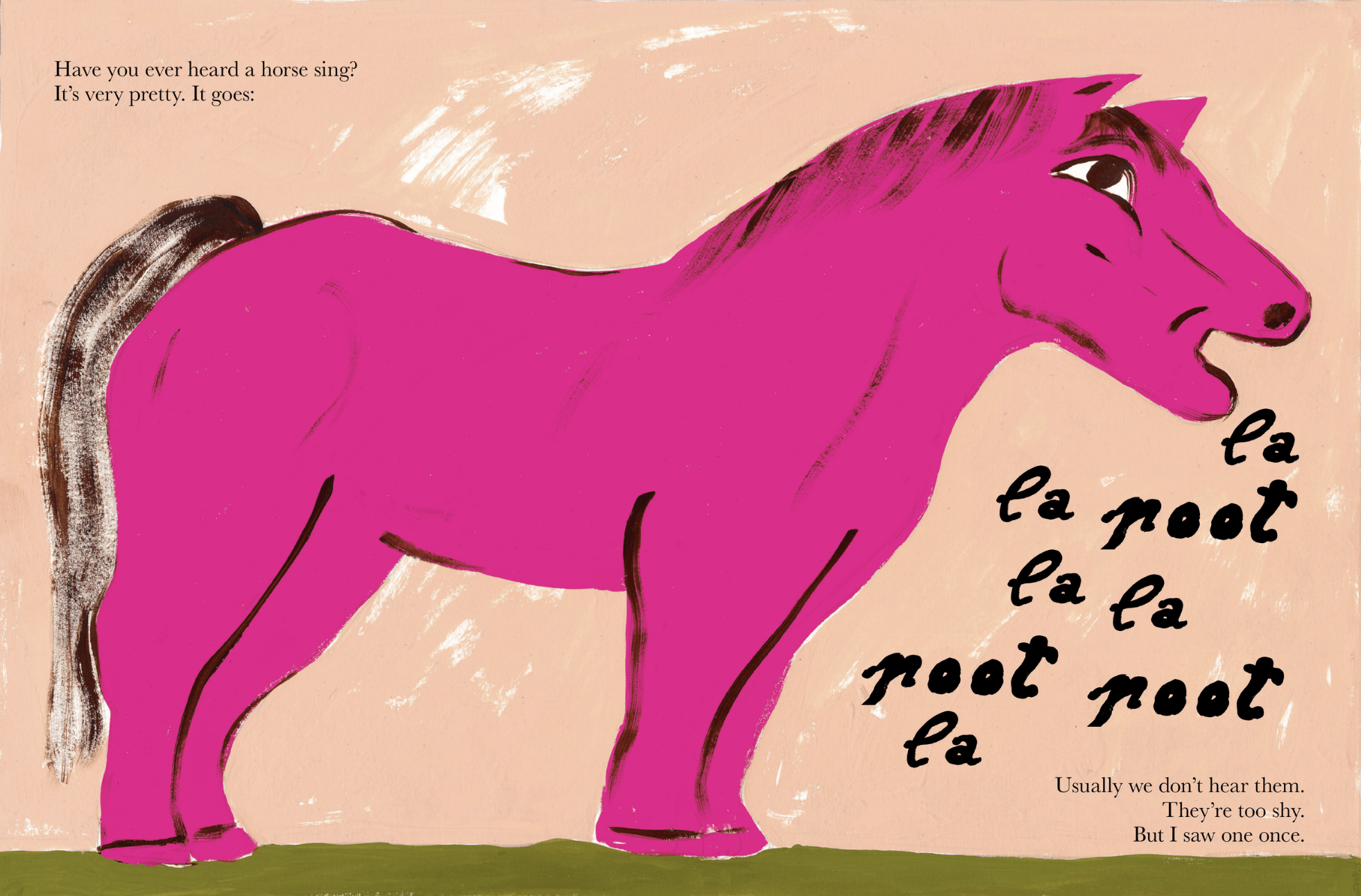
Awww. Just look at that hot pink punim. You gonna tell this horse you’re not gonna buy its book? Really?

So I can’t be the only person to notice that Dadaism is beginning to have a second life in the world (the popularity of the band Angine de Poitrine is a nice example of this). In a time of AI, people are glomming onto art that only humans could make. And yes, that applies to surrealist picture books as well. Meet French author/illustrator Barzilaï. Utilizing a very nice use of pink, this may be the funniest animal sounds book you’ve seen in a long long time. Remember the picture book version of What Does the Fox Say? Consider this close kin. Young readers are encouraged to reimagine and reconsider the world around them with this participatory book. How? With the weirdest animals sounds you ever did hear. Remember, this title is a translation from the original French, so the publisher had to work out the funniest possible animal sounds with the translator. The end result is just so deliciously weird (and Batchelder-worthy, I’d argue). The artwork, meanwhile, consists of thickly applied brushstrokes that are almost Maira Kalman-esque. You could frame each page of this book. And let me tell you, someone’s readaloud storytime is about to get EPIC!


Sweater by Claire Lebourg, translated by Sophie Lewis

ISBN: 9798893380781

Publication Date: February 2, 2027

If you are at all a fan of her Mousse series, then the name “Claire Lebourg” may already be familiar to you. In early 2027 she will return with another early chapter book but a standalone one (as far as Transit Editions knows). The book follows the adventures of a dog named Sweater (interestingly, the title is exactly the same in French). Our story begins in an abandoned train car where Sweater is sadly looking at the other dogs who live there. He feels guilty about something. We then jump back in time to a moment when he was driving with his owner to the train station to have their standard 2 months of summer vacation. Yet when they get there, Sweater wanders off to sniff a trash can, and when he returns his owner is gone. After attempting to chase the train that just left, thinking his owner is aboard, he ends up at the edge of Paris, very sad and lost. That’s when he comes across a funny looking dog with a cell phone named Cream Puff. Along with a big dog named Groucho, the two take Sweater back to what essentially turns out to be a kind of doggie commune. Initially Sweater is too sad to participate. He thinks he did something terribly wrong and keeps returning to the city to find his owner. He even puts up missing posters for his owner. In time, Sweater moves through his acceptance of his situation with these new dogs. And by the end he and the others find another dog in that same train station that has “lost” their owner. This allows Sweater to initiate the process of bringing someone new into the fold. A book with a full narrative arc, along with some lovely weirdness as well.

And that’s it! Huge thanks to the Transit Editions team for taking the time to show me their stock and what we can expect in the near future!

Filed Under: Publisher Previews Tagged With: publisher previews, Transit Children's Editions

Beyond the Page: Exhibit Design Challenge: Taking Picture Books in an Entirely New Direction

May 13, 2026 by Betsy Bird Leave a Comment

You have been asked to judge a competition.

You have been asked to judge a competition involving picture books.

This competition also involves students.

You might be inclined to think, logically, that the competition is for students to create their own picture books. Certainly such competitions exist all over the United States.

Or, even more fun, it could be a diorama competition. Kids create dioramas based on famous picture books and you judge their creativity, attention to detail, knowledge of the book, etc.

But… well, no. That’s not it either, really.

First and foremost, you need to know the entity holding this competition, officially named Beyond the Page: Exhibit Design Challenge. That would be The Rabbit hOle in Kansas City, MO. If you are unfamiliar with The Rabbit hOle, you could read my write-up here, or you could simply understand that it is the most all-encompassing picture book museum in the (checks notes) world. Seriously. There are a lot of museums out there dedicated to single creators (Eric Carle, Quentin Blake, etc.) but surprisingly few that look at such a wide swath of picture books all at once. And how many that do will allow you to climb INTO the exhibits? To walk into the Blueberries for Sal kitchen and play with the canning equipment, or to really find out what’s in the bear’s stomach in I Want My Hat Back? That’s what The Rabbit hOle accomplishes. And that brings us to our competition.

They put the notice in just one of their newsletters. It would be a competition for schools where participating classrooms would be broken up into teams. Each team would select a picture book and then work a little with a fabricator from the museum to figure out how to create a model of an exhibit from said book. The kids would be given a specific list of supplies and then do all the work. No AI. No 3-D computing. Just smarts and talent and creativity to figure out what to do with one book or another.
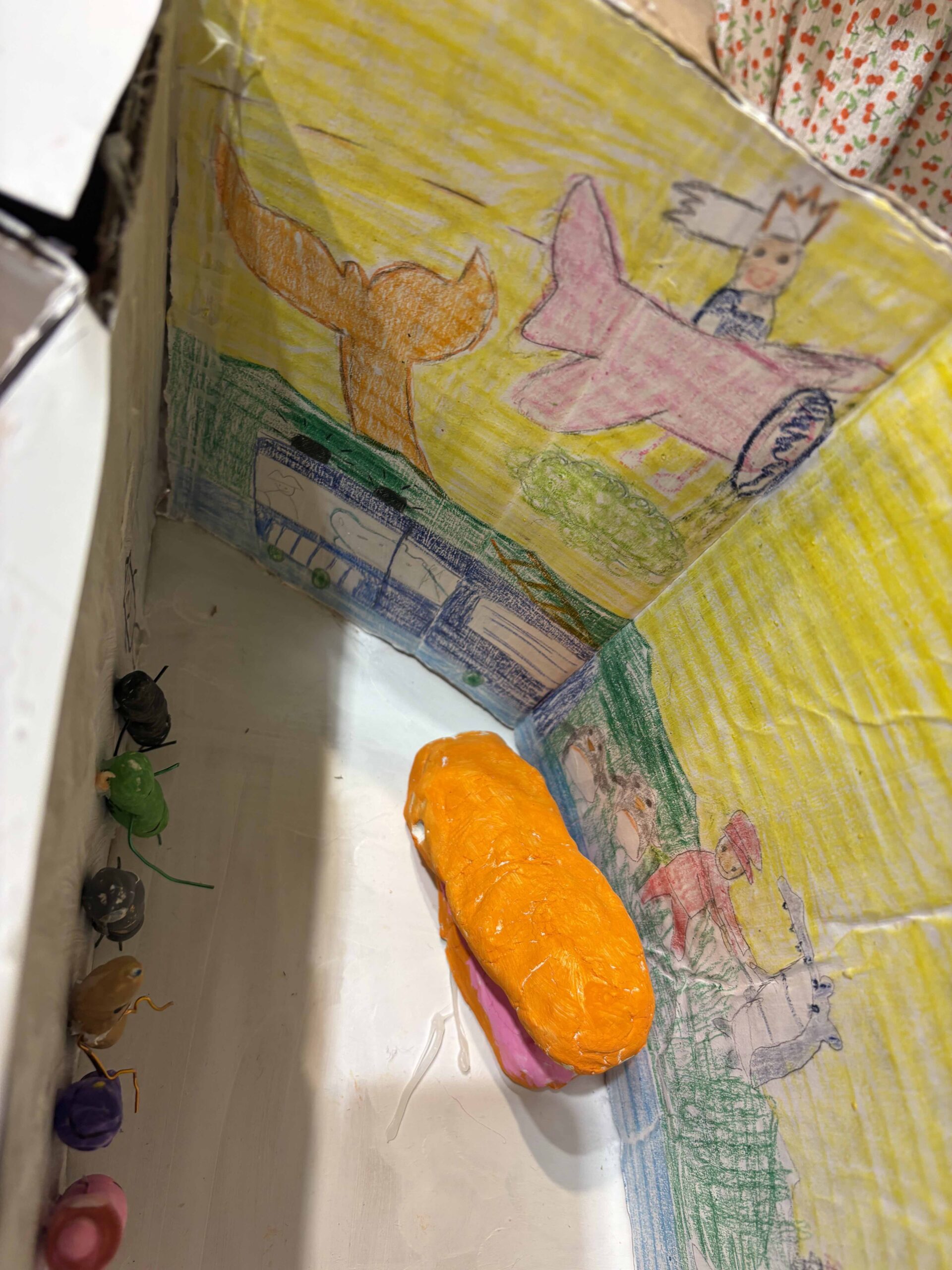
Readers, they got more responses from more schools than they could accept. In the end, 220 4th-8th grade students from eleven classrooms across the Kansas City metro area took part. Then they split those students into two categories: the 4th and 5th graders and the middle schoolers.

My job? To work with a mix of Rabbit hOle board members and picture book creators (Jordan Strickland Morris and Rahele Jomepour Bell) to select the top of the pops, the best of the best, etc. To find some winners.

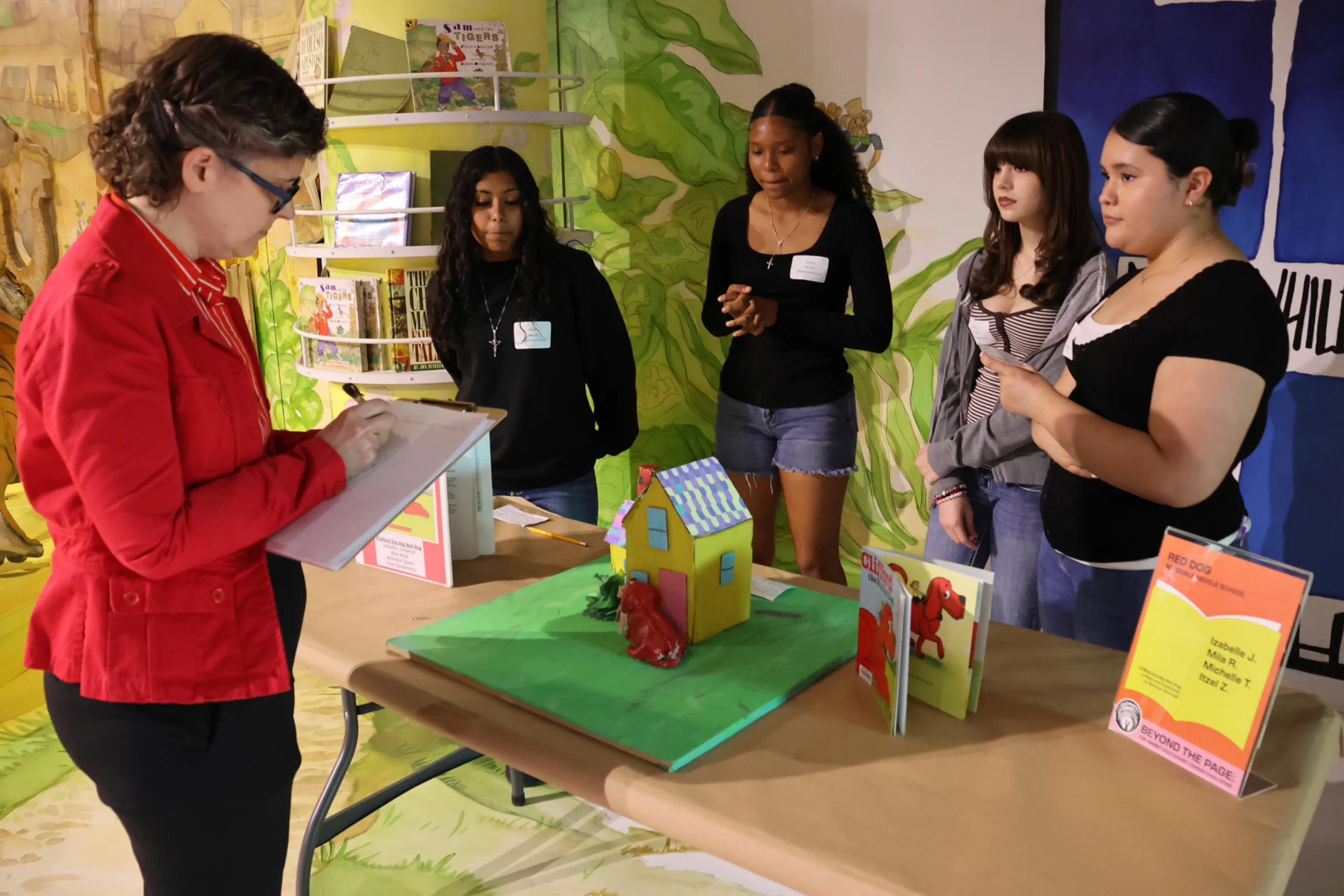
Personally, I was just pleased that my jacket matched Clifford’s furry coat. Photo credit: The Rabbit hOle.

In other words, torture.

Oh, incredibly fun torture, absolutely! Would do it again in a heartbeat. But the kids? They really shouldn’t have selected these particular kids. These kids turned out to be massively talented and that really put a crimp in my style. Who wants to try to judge actually talented children? You know. The ones who know what they’re doing and make incredible choices.

Today, I’m going to show you just a sampling of some of the books and models these kids came up with and you are going to ooh and aahhh and then head on over to the Rabbit hOle where you will compliment Pete and Deb for coming up with this in the first place. And in case you are curious, no the ultimate prize was NOT making the kids’ projects for real in the Rabbit hOle spaces. As fun as that might be, there’s this little pesky copyright problem that might give one pause. Instead the prizes were gift cards and museum passes.

And now! On with the show!

… but first!

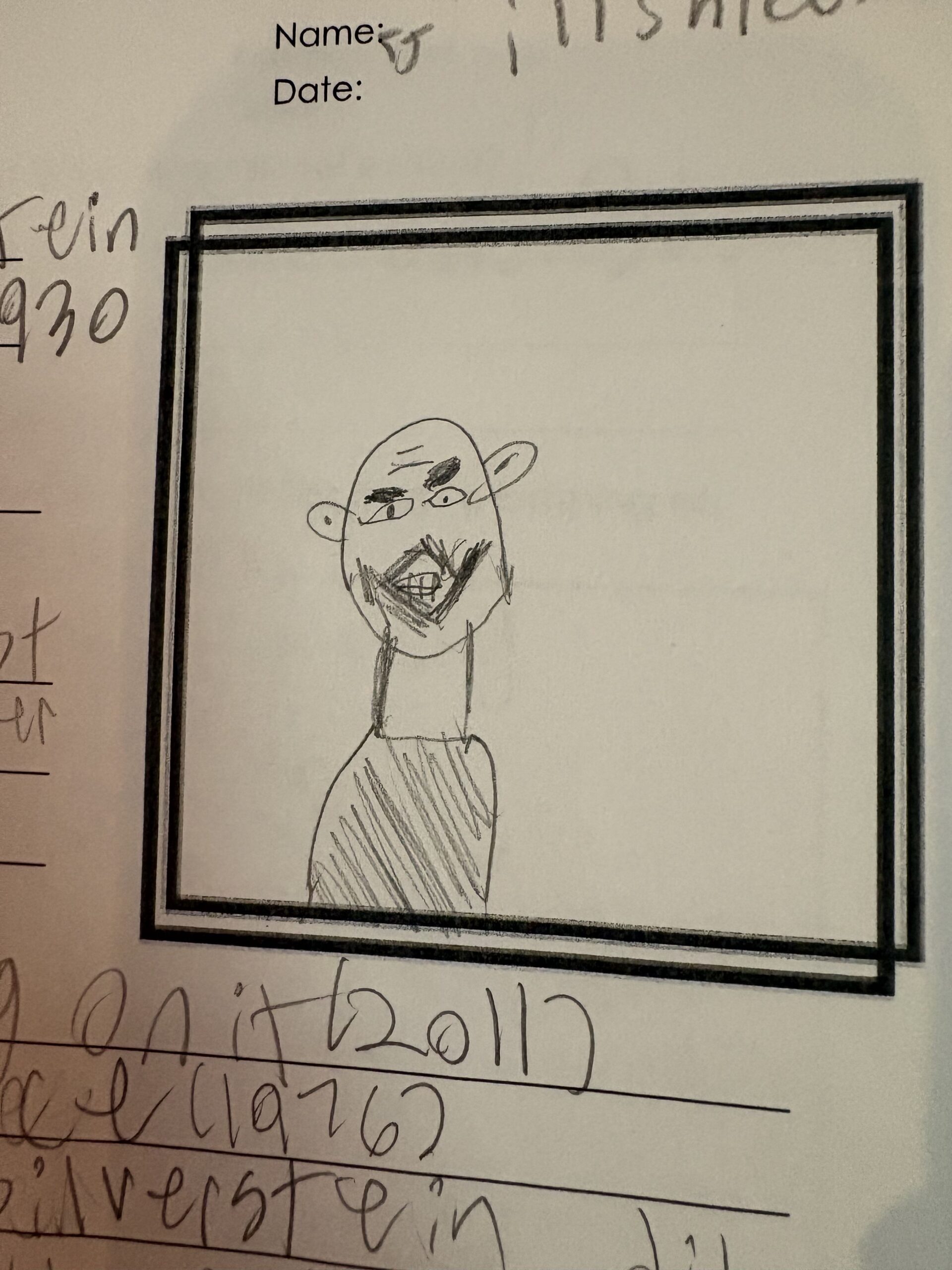
Sorry, sorry, but I loved this so much that I couldn’t let it go. You see, as judges we had this whole rubric we had to fill out that looked at a wide variety of considerations for each project. Things like, how well the kids gave their presentation to each judge, whether or not they showed particular originality and creativity, etc. And one category was about how well they kept notes on their process. Here they would do some research on their books’ creators. And some of them even went so far as to draw images of them. Here then, for your viewing enjoyment, are my favorite two portraits of Shel Silverstein:

And yes. You can tell he would have adored them.

Okay. For realsies now. The exhibits!! Or, at the very least, a couple of them.

I’m going to show each design with its requisite special features, so you get a taste of how hard these kids worked on these ideas. First up:

Top Cat by Lois Ehlert

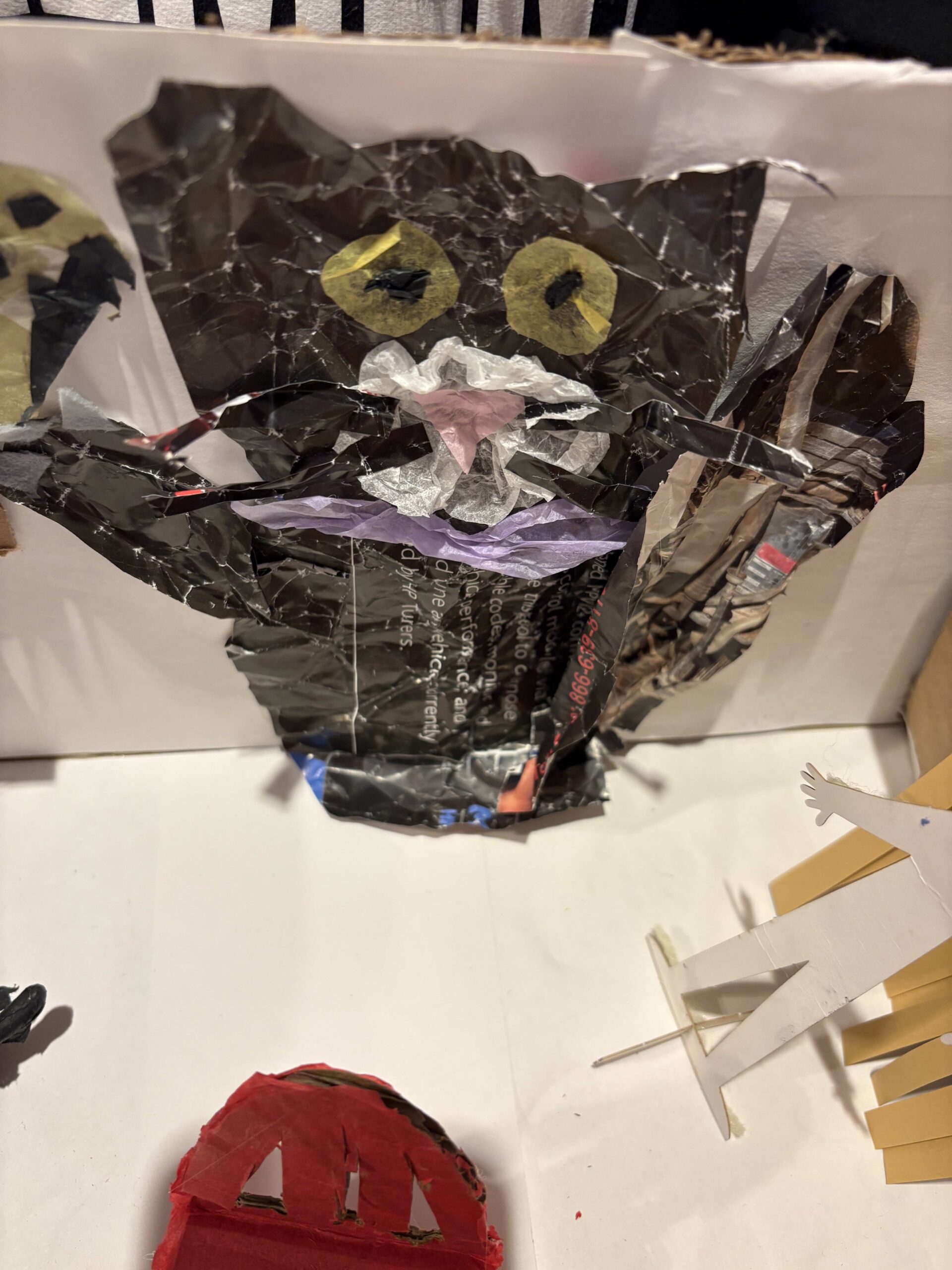
The kids explained that in the book a small kitten comes to live with a large cat. To put you in the footsteps of the kitten you enter through a cardboard box with holes cut into the side to peek into the room. Once in there are giant murals of the big cat on the walls. They created a scratching area on the wall out of those sequins you can flip, and even wove that little rug you see out of paper. In the actual exhibit, they explained, you would bounce on the chair (which is where you see that purple balloon for maximum bounciness), see your reflection in the spoons, and play with the water (which isn’t real water). I particularly liked that they put small words on the walls that replicate the small words in the book.


The Day the Crayons Quit by Drew Daywalt, ill. Oliver Jeffers

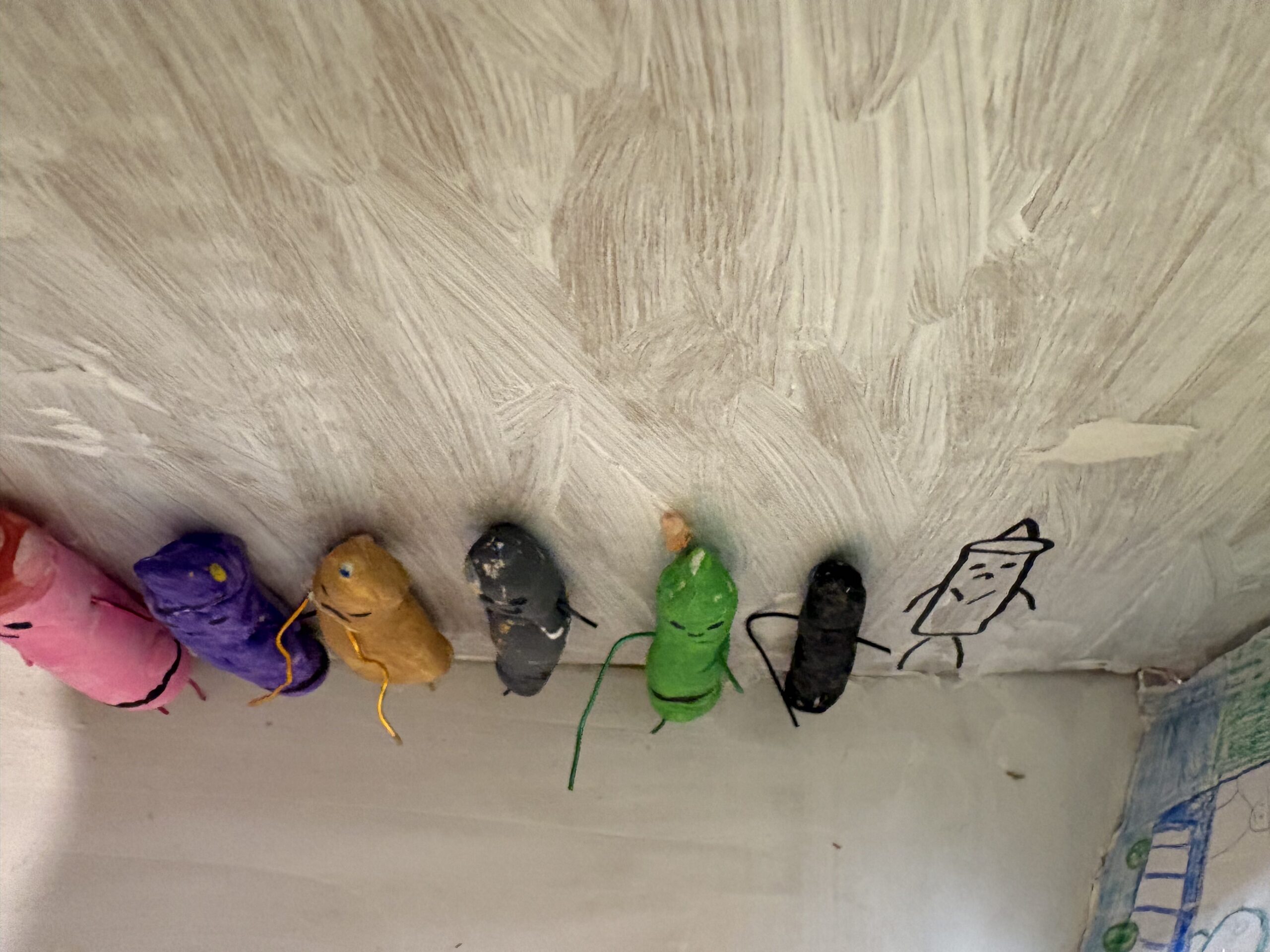
This one really won me over. The kids realized that the best way to do this would be for you to enter and each room would be a different crayon. Then, at the end of the hallway you will find this gigantic mural from that two-page spread near the end of the book. Note how the tale of the orange whale is in the mural but its front half is a model in the room that you can touch. I thought the models of the crayons themselves were particularly great (and they made sure to just draw the white crayon on the wall).


Pete the Cat: I Love My White Shoes by Eric Litwin, ill. James Dean

So the idea with this exhibit is that you climb the “pile of strawberries” then slide down the other side…

The blueberries you walk in is a ball pit….

And the brown mud is a trampoline.

I, for my part, just adored these drawings they made of shoes on the sides. They also created small models of shoes and hung those from various telephone wires throughout the exhibit.


Next up…

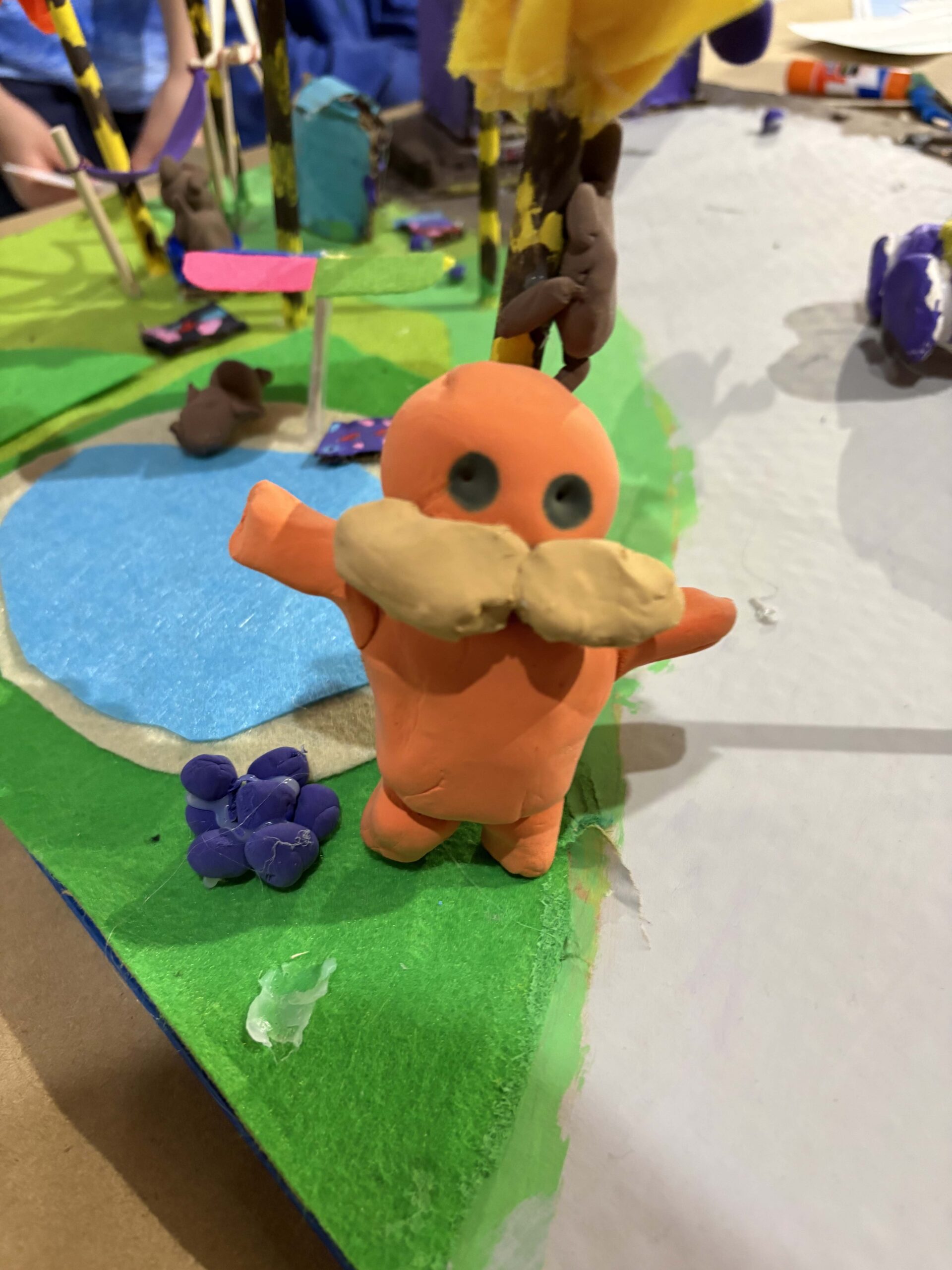
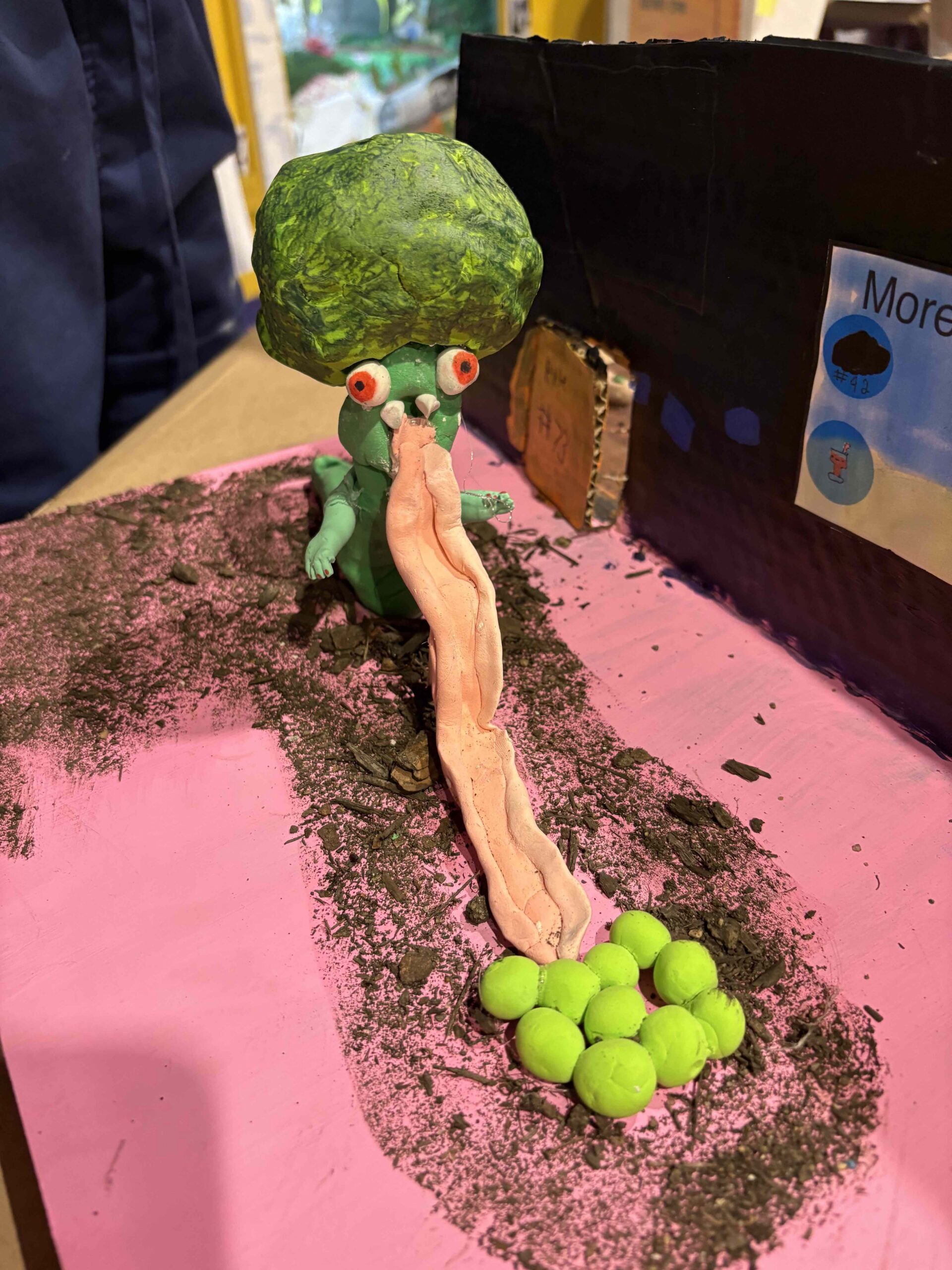
Actually, I have no idea what book this is from but I loves it. Loves it, I sez.


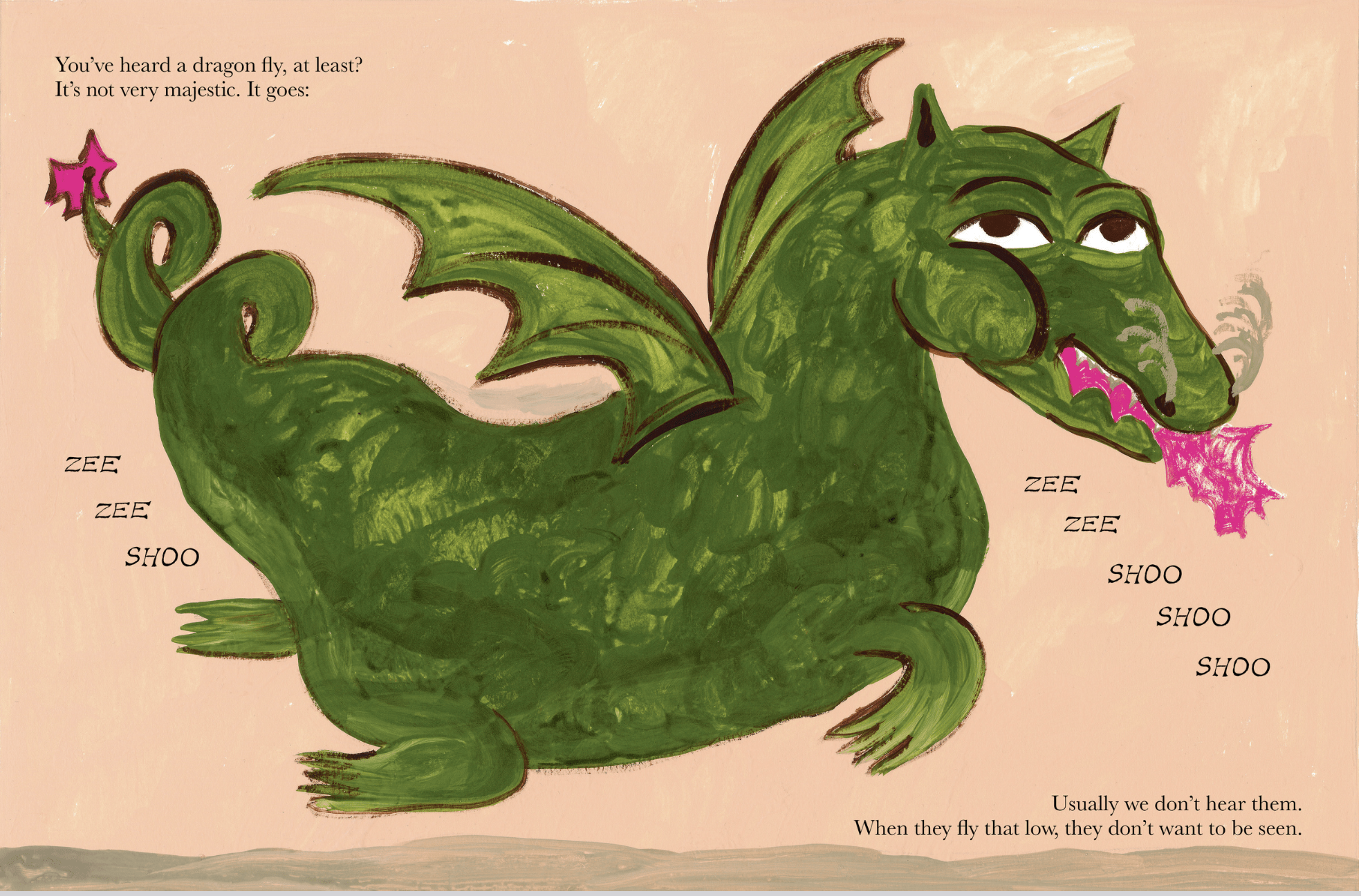
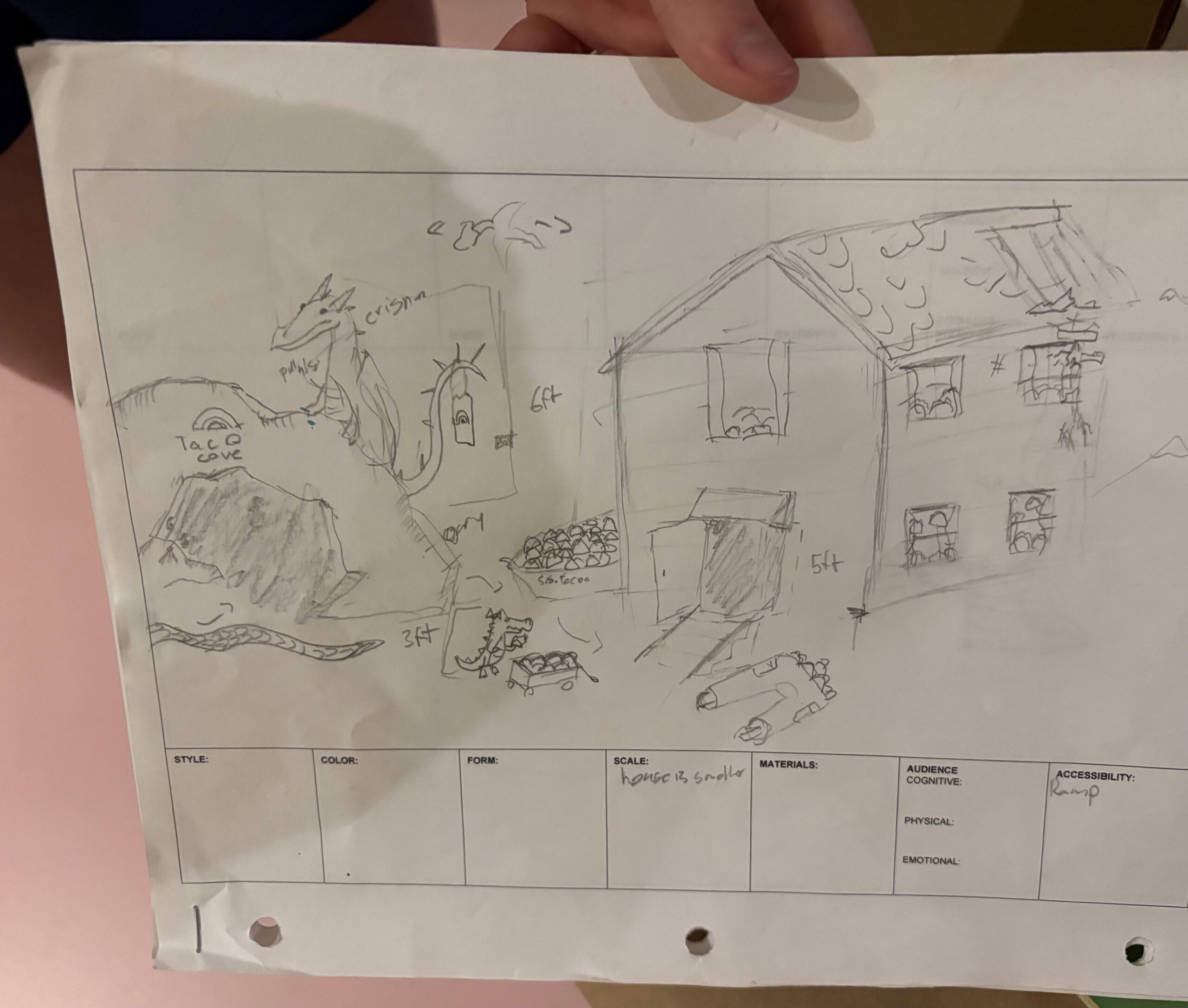
Dragons Love Tacos by Adam Rubin, Daniel Salmieri

Aw man. Look at this sketch they made for this exhibit:

The whole thing centers on putting together these little felt tacos in a house. It was nicely done, but so was…


Roller Coaster by Marla Frazee

This is an exhibit you just sit in and it rumbles and makes a breeze like you’re riding on a real coaster. One assumed there would also be screams.

Then we had a whole slew of picture books that I, personally, had never heard of. These included (but were not limited to):


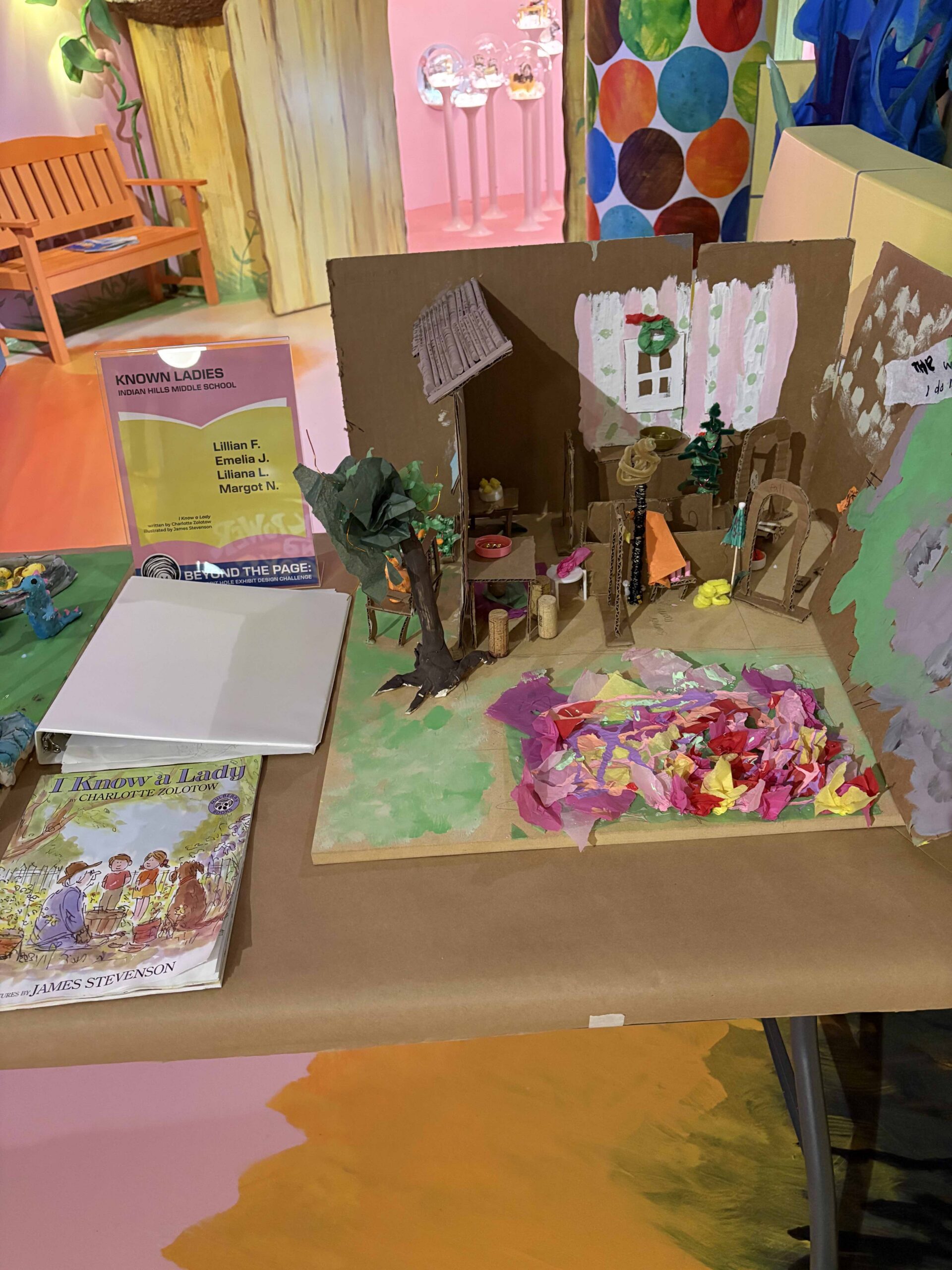
I Know a Lady by Charlotte Zolotow, illustrated by James Stevenson


Miss Twiggley’s Tree by Dorothea Warren Fox

(Note how cool this model is, considering that it is mostly constructed out of popsicle sticks)


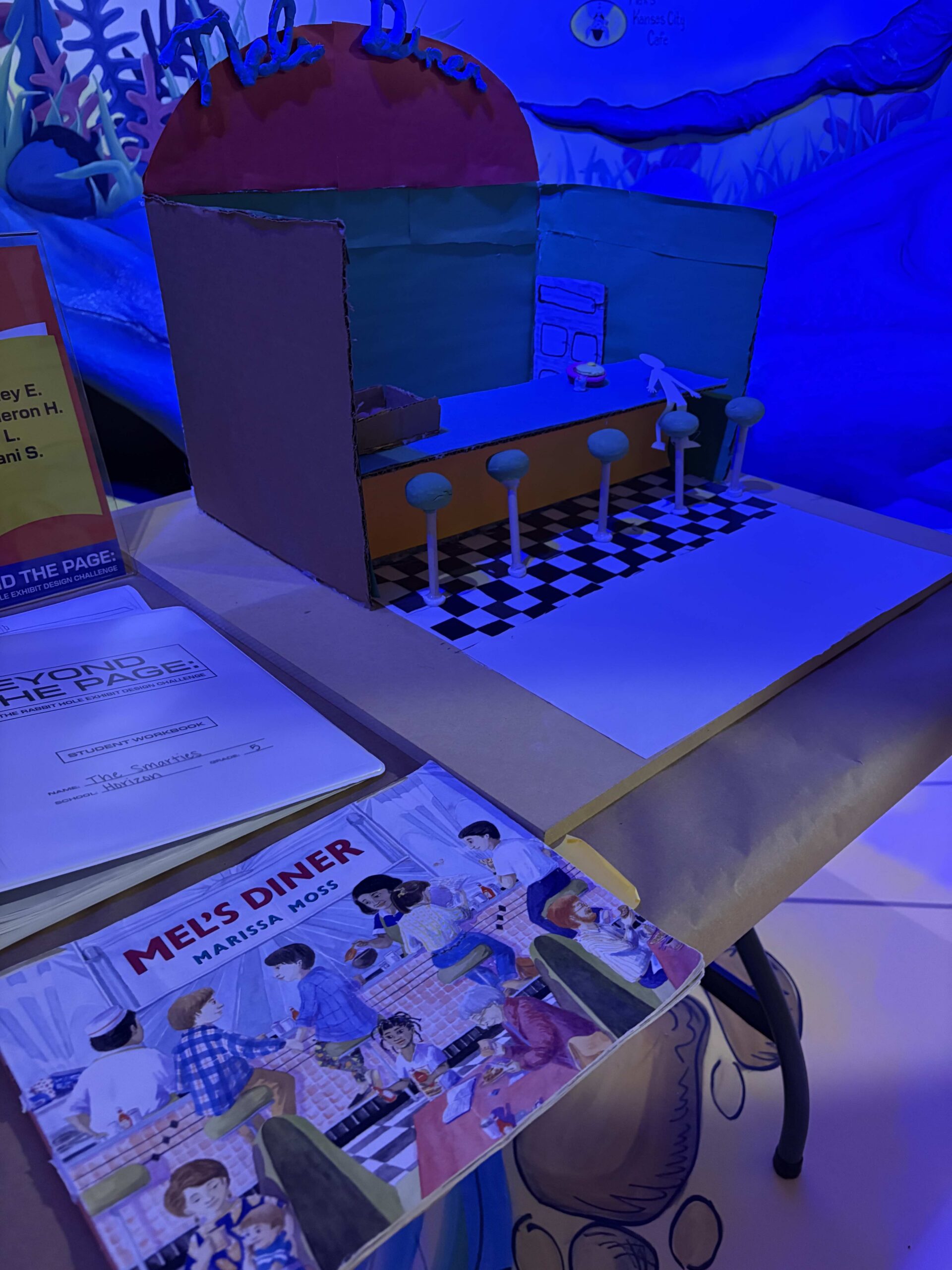
Mel’s Diner by Marissa Moss


When Spring Comes by Kevin Henkes

(yes, I know it, but it’s not a Henkes I remember as clearly)


Ask Me by Bernard Waber, illustrated by Suzy Lee

Then there was the humor part of the program. Some kids really leaned into this. As in:


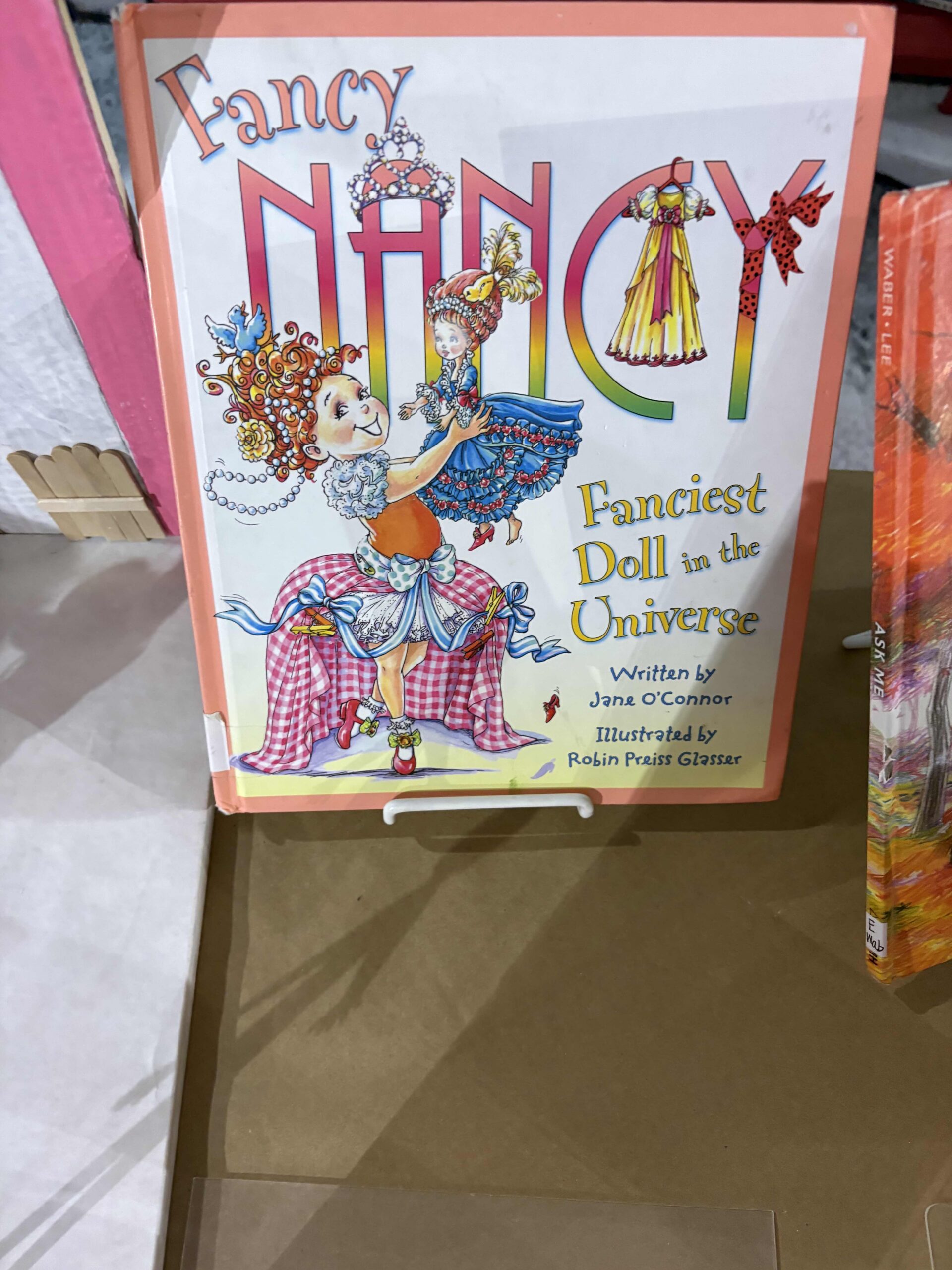
Fancy Nancy and the Fanciest Doll in the World by Jane O’Connor, ill. Robin Preis Glasser

I never heard the explanation of this, and it’s been a day or two since I read the book, but isn’t this the scene where Jojo draws on Nancy’s doll?


The Good Egg by Jory John, ill Pete Oswald

First, note that there are four rooms that you can go through, that embody four different scenes in the book. But our favorite of these, obviously, was the bathroom. Egg on toilet brushing its teeth? That’s a yes from me.

Some displays also really thought through the interactive elements.


The Smallest Girl in the Smallest Grade by Justin Roberts, ill. Christian Robinson

Not only can you create your own trays of food in this exhibit, but note that in the back a kid has dropped their tray. You now have to decide if you will help clean it up or not.


Maddi’s Fridge by Lois Brandt, ill. Vin Vogel

So in this one, you meticulously move food from one fridge to another (the book is about food insecurity). There is also (and I don’t quite remember this from the book) a rock climbing wall which takes you up to the second level.


The Gruffalo by Julia Donaldson, ill. Axel Sheffler

One of the finest models of an exhibit we saw. You proceed on this path, essentially through the book, and at the end (hidden from view) is the Gruffalo you will face in the end. Very labyrinth & minotaur-esque.


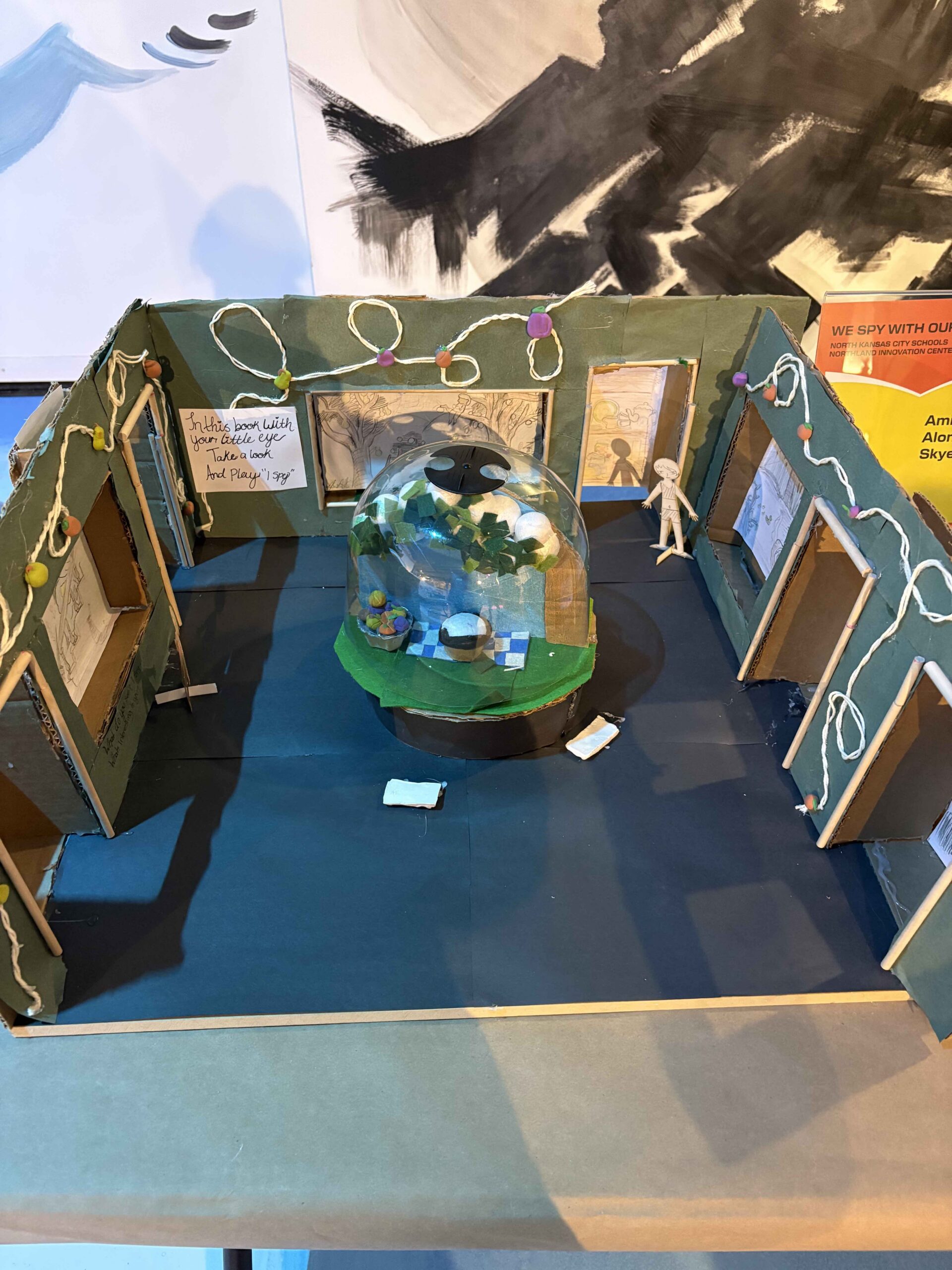
Each Peach Pear Plum by Janet and Allan Ahlberg

And I will leave you with this one. Thought. Care. Time. Attention. Tonally correct too.

Huge thanks to Pete Cowdin and Deb Pettid for letting me take part in all of this. And if you’re interested in seeing the real interactive exhibits at the museum, you need only stop by. It is DEFINITELY worth the trip. And for more information about The First Annual Exhibit Design Challenge you can read this synopsis by The Rabbit hOle itself, or read the local news coverage from KCUR 89.3 and Fox 4.

Filed Under: Uncategorized Tagged With: picture books, The Rabbit Hole

Dog Lovers Alert! It’s a Things I Learned From My Dog Q&A with Victor Santos and Dena Seiferling

May 12, 2026 by Betsy Bird Leave a Comment

Thanks to the conversation converging around our current National Ambassador of Children’s Literature, I’ve been particularly drawn to the recent debates regarding the topic of “didactic children’s books”. To sum the whole discussion up, our Ambassador recently professed a dislike of the form. And, thanks in large part to his statement that the bulk of children’s literature (past? present? unclear) is “crud”, and that some of this is due to books that are “didactic”, the online backlash has stated that there is nothing wrong with didactic literature for kids. Now if we are to bring in some historical context, American children’s literature was born TO BE didactic (“In Adam’s fall we sinned all” and all that). I would state for the record, however, that it is important to distinguish between that which is didactic (by definition, preachy and self-serving) and books that simply convey a message of some sort (which is why I celebrate “Message” books in my 31 Days, 31 Lists round-ups each year).

Today’s book is an excellent example of all of this. Is it “didactic” or a “message” book? I’d incline towards the latter definition. The title itself, Things I Learned From My Dog (out May 26th), states pretty clearly from the get-go that it’s going to fall into one category or another. But then you hear the description:

“Out with his mother at the Sunday market, a six-year-old boy asks her if they can buy a dog—and the answer reshapes his entire childhood. Over the course of the next decade, Luna, his best friend and the dog from that fateful day, is not only by his side during the most important moments, but also unknowingly the one who teaches him some of the most valuable lessons he’ll ever learn. Things I Learned From My Dog shows us the extent to which friendship, love, and loss can guide our paths and shape us into the people we will become.”

Yep. It’s a dog book. And maybe the prettiest one you’ve seen in a long long time. I talk to its author and illustrator about its creation today:


Betsy Bird: Victor! Always a delight to speak to you, and I must say that THINGS I LEARNED FROM MY DOG is an absolutely beautiful read. Though I have an inkling to the answer, could you tell us a little about where this book came from? It feels autobiographical, but is it?

Victor D.O. Santos

Victor D.O. Santos: Thank you so much, Betsy! I am delighted to hear you enjoyed it. Your intuition is correct: the book was inspired by my own experience growing up with a dog –a poodle called Tuchinha– in my life (I mention her in my acknowledgements). She came into my life in the same way the dog in the book comes into the young boy’s life: at a Sunday market. And just like in the book, Tuchinha was also full of fleas that day of our first encounter, and I had wanted the other, picture-perfect dog instead. However, my mom fell in love with her at first sight and said I could only have a dog if it was her. We had her with us for eleven beautiful years and she played a huge role in my childhood, adolescence, and in the development of my character. Being by her side and seeing her become so frail during her last days was something that gave me my first experience of real grief in life. 

When my son turned seven, he asked me for a dog, just like we see in the book. So, to some extent, I think it would be fair to say that the book was a way for me to honor the memory of Tuchinha and to pour my heart, feelings, and memories into a book that is a sort of an ode to the added value that a family pet can have for so many people, and how they can enrich our lives. 

BB: Ach. Even cat lovers like myself have to be moved when we read something like that. And Dena! It is such a pleasure to get a chance to ask you some questions today too! Your work on THINGS I LEARNED FROM MY DOG has both a dreamlike essence and also a real reality at its core. What was it about this particular manuscript that appealed to you? 

Dena Seiferling, photo credit: Heather Saitz

Dena Seiferling: Thank you Betsy, I love reading your interviews and I’m honoured that you’re asking me questions about this book! Having a dog in our family growing up taught me a lot, I could really related to what Victor wrote. I was excited to work with Milky Way Picture Books being a fan of Comme des géants (in Québec). It looked like a lot of fun to illustrate. I was excited that it gave me an opportunity to draw from life, at the dog park where we take our dog Penny for walks. There are apparently 160 dog parks in my city, which is funny to me because there were no dog parks in the more rural area where I grew up. One more thing that appealed to me about this story was that I hadn’t worked on a book like it before or anything as realistic. I had to try hard not to day dream so much!

BB: That I can understand. Now Victor, the lessons the boy learns from his dog are woven seamlessly into the storytelling, tying up rather nicely at the end with that one final lesson in the present day. Was this always the format of the original manuscript or did you do any significant changes from first draft to final product? 

Victor: For some reason, the main idea for most of my books – including My Dad, My Rock and People Are Weird, for instance – comes to me in this format: a beginning that has a strong tie to the ending, usually requiring just a few sentences to make that connection. That “seamless weaving”, as you put it, is what takes so long to come by and why I sometimes can go months without writing anything, just letting ideas organically brew in my mind. But when it does come and I like it, it’s then a matter of just creating a middle part that will allow that beginning and ending to be woven in a way that feels natural in the context of the book. So, this format was there from the very first draft. 

There were only minor, mostly stylistic changes from the manuscript Milky Way Picture Books was initially pitched to the text that readers will find in the book. Nadine (Milky Way’s publisher) and I did some surgical sentence-level tweaks – in fact, up to the very last day before the book was sent to the printer – but nothing that significantly changed the meaning of any sentences, for example. Besides that, the only other thing that changed is that three of the lessons I had originally included in the manuscript were not included in the final book and some of the order for those that did stay changed in relation to their original order. Dena had the freedom to pick and choose so that things made sense to her as well in the end in view of her sensibility and vision, while working on the illustrations. 

BB: Speaking of those lessons, picture books walk this delicate line when it comes to instilling values in child readers. Tip too far one way and the book becomes didactic. Tip too far the other way and it runs the risk of being cynical. When writing literal life lessons on the page. how do you thread that needle? How do you instill straightforward values without sounding preachy? 

Victor: I love that question! I think three main factors contribute to “Things I Learned from my Dog” not sounding preachy. 

First is the fact that in the book it’s not an adult preaching life lessons to a child, as we sometimes see in children’s books; it’s the boy himself (at different stages of his life) who is telling the reader about the lessons he learned.   

Secondly, the life lessons are inserted within the context of an actual story, with an actual timeline and characters. Also, all lessons are learned in a context that involves a dog (or dogs), making these nuggets of life wisdom, if you will, more palatable and engaging to children, and hopefully easier to process and reflect about.

Thirdly, the lessons are written in a more lyrical way, trying to draw the reader in through situations children will be able to relate to and avoiding sounding like life advice. So, the book is more descriptive rather than prescriptive. 

BB: Now for Dena, I’m so pleased that I get to ask this next question, because I’ve been wondering it for years. What is your artistic process? How do you create art with this glowing quality on the page? 

Dena: Thank you, it’s important that the colours retain a sense luminosity from the screen to paper and I’m always aiming for that. I use pencil to create a soft image and then I add colour (usually in Photoshop). My drawings look low in contrast so I use colour luminescence to direct focus and add depth. I love thinking about colour theory and how colours interact to create energy. It’s also the most difficult part for me but it’s something I think I’m getting better at. 

When I begin a new book project I research by reading about the subject matter or related topics, it helps me visualize and build the world around the story. I read on and offline, listen to podcasts, take notes. I’m trying to be more conscious of where I source the influence and inspiration that support my ideas, and this time I needed more reference because of the realism in the story. I really try to make my research stage thorough because the best ideas come from expanding on or moving beyond the first impressions. I try to identify an overarching theme or message that I can bring in from my own point of view. For example, I wanted to tie the lessons that Victor wrote together somehow with a theme about how the lessons we learn here parallel other valuable lessons in life about care and relationships. 

BB: That’s love. And Victor, was there anything you originally wanted to include in this book and ultimately had to cut? 

Victor: Not that I can remember. I mean, I could have thought of many other lessons to include, but since I always do an initial pagination of my manuscripts to have a rough idea of how many pages the book would have – even if things end up changing a little later – I forced myself from the beginning not to include too many things that later might need to be cut.  

BB: Ah! A technique other picture book authors might wish to emulate. Back to Dena, though, much of what I love so much about the child/dog relationship here is the sheer scope in size. The dog is this large, almost guardian alongside its small child owner. Why did you select the specific dog breed that you did?

Dena: Thank you! I’m glad you felt that way! The child and dog scale relationship (on the cover and through the beginning of the story) was intended to feel protective toward the vulnerable. Also to echo the words in the story – slightly overwhelming, as welcoming a new dog into your home often is. The scale relationship between the two changes along with each of their perspectives as they grow older. My kids and I talk a lot about how strange it is that the life spans of dogs and humans are so different, because we consider them so much like family. It’s bittersweet to think about them aging quicker than us when we love them so much. 

In regards to the type of dog we chose for the book, I presented options to our Editor, Nadine Robert, who I worked closely with during the process, and we agreed to feature a dog similar to a Bearded Shepard – although it is lovely and iconic, has specific needs.

BB: I love that. Victor, generally speaking, an author and an illustrator are kept quite separate from one another in the picture book process. That said, an author can write some illustration notes, just so the artist understands what the writer was thinking at any given time. At one point in the story, the book’s kid says that one of the lessons learned from his dog was, “we should do what is right even when no one is watching.” In the art, the kid is carefully bagging up the dog’s poop. Was that something you asked Dana to do, or did she come up with that corresponding image herself? 

Victor: When Nadine at Milky Way was pitched the manuscript, it did have some art notes that I thought could be interesting for her to share with the illustrator, given that at that point I still did not know who was going to illustrate the book and how much contact we would have during development of the book (spoiler: Dena and I were indeed kept completely separate during the process). The art notes simply served to indicate the mood I had in mind for the book and a few suggested scenes I thought could resonate well with children. 

When the publisher shared the manuscript with Dena, the publisher decided which art notes to leave in and which to remove, so as not to influence Dena’s conception of the artwork and her vision for it. That specific scene of the boy bagging up the dog’s poop during an evening walk was indeed an art note I had in the original manuscript, so I am assuming Dena had access to it and liked the idea. On the other hand, many of the scenes Dena illustrated differ from my original art notes, so either those were not included in the manuscript she received from the publisher or Dena decided to completely ignore them, which I am glad she did since I love the choices she went with. 

BB: The right attitude! And Dena, for your part, was there anything in this book that you found a little difficult or challenging? Or things that you had to rework because they didn’t turn out quite the way you’d planned?

Dena: I had to give a lot of thought to staying within the boundaries of realism for this book. Many of the picture books I have worked on anthropomorphize animals but this one doesn’t which was a nice change, it’s more realistic. 

I would also say that an ongoing challenge for me is consistency which is especially important when narrating a sequential story. Examples of that are: keeping the way things look consistent from one image to the next, smooth transitions when showing  change take place etc. The things that I have found helpful are good reference, patiently re-working, and taking enough breaks or doing something to gain a fresh perspective. I am appreciating how consistency is an important thing in many aspects of life, especially with taking care of a dog. 

BB: Okay. Big questions for the both of you. Do you have a dog now? 

Victor: Yes, after months of thinking and debating with my wife, we ended up saying yes to my son’s wish to get a dog when he turned seven. Today, we have a sweet (and way too active!) bernedoodle called Teddy, also seen in my acknowledgements in the book. I wanted my kids to also have the opportunity to grow up with a dog in their lives and experience everything that comes with that, just like I did and for which I am so thankful.  

Dena: I do love dogs. We had family dogs growing up, Katie our wiry haired terrier, lived to be very old. She was really wonderful. She was a talented mouse catcher. My dog Pickle was with me for 16.5 years. He weighed 13 pounds. He was an adorable and gentle soul but he thought he was huge and intimidating. I miss him so much! We now have a French Bull Dog named Penny, my kids named her! We love her unique personality. 

BB: Awww! I love that. Okay, finally, I know you both always have a lot of different irons in the fire. What are you working on next? What else can we see from you? 

Dena: Right now I’m working on a book written by Susan Campbell Bartoletti, published by Penguin Random House Young Readers, called The Book of Bee: A Tale of Great Peril and Stout Hearts to be published Spring 2027. I’ll be sharing more about that later this year! Thank you for taking the time to interview us and for your support, Betsy.

Victor: You know me too well, Betsy! (laughs). I recently finished the development of a picture book called FINITO –selected for the 2026 PICTUS Outstanding Picturebooks Showcase at the Bologna Children’s Book Fair– on the finitude of life and the importance of fully living every minute of it. The book was illustrated by Polish illustrator Iwona Chmielewska, a finalist for the Hans Christian Andersen Award in 2018, 2020, 2022, and 2024, and a three-time winner of the Bologna Ragazzi award. The book came out in Korean in March 2026 and I hope an English-language publisher will at some point decide to publish it in English. 

I am also currently working on three picture books, including a more humorous one with celebrated Argentinean illustrator ISOL (winner of the 2013 Astrid Lindgren Memorial Award and author-illustrator of Loose Threads) as well as my first wordless picture book, illustrated by Italian illustrator Mara Cerri (winner of the 2025 Premio Andersen in Italy). As for the illustrator of the third picture book I have in the works, stay tuned for a later announcement either through my author website or my Instagram account.


Brilliant stuff all around.

Special thanks to Victor and Dena for taking so much time and attention when answering my questions today. Things I Learned From My Dog is out May 26th. It is, as you can see, just a lovely piece all around. For dog lovers, and the dog neutral, alike, this has a little bit of something it for everybody. And that’s the messageI want to convey.

Filed Under: Interviews Tagged With: author interviews, Dena Seiferling, dog books, illustrator interviews, picture books, Victor D.O. Santos

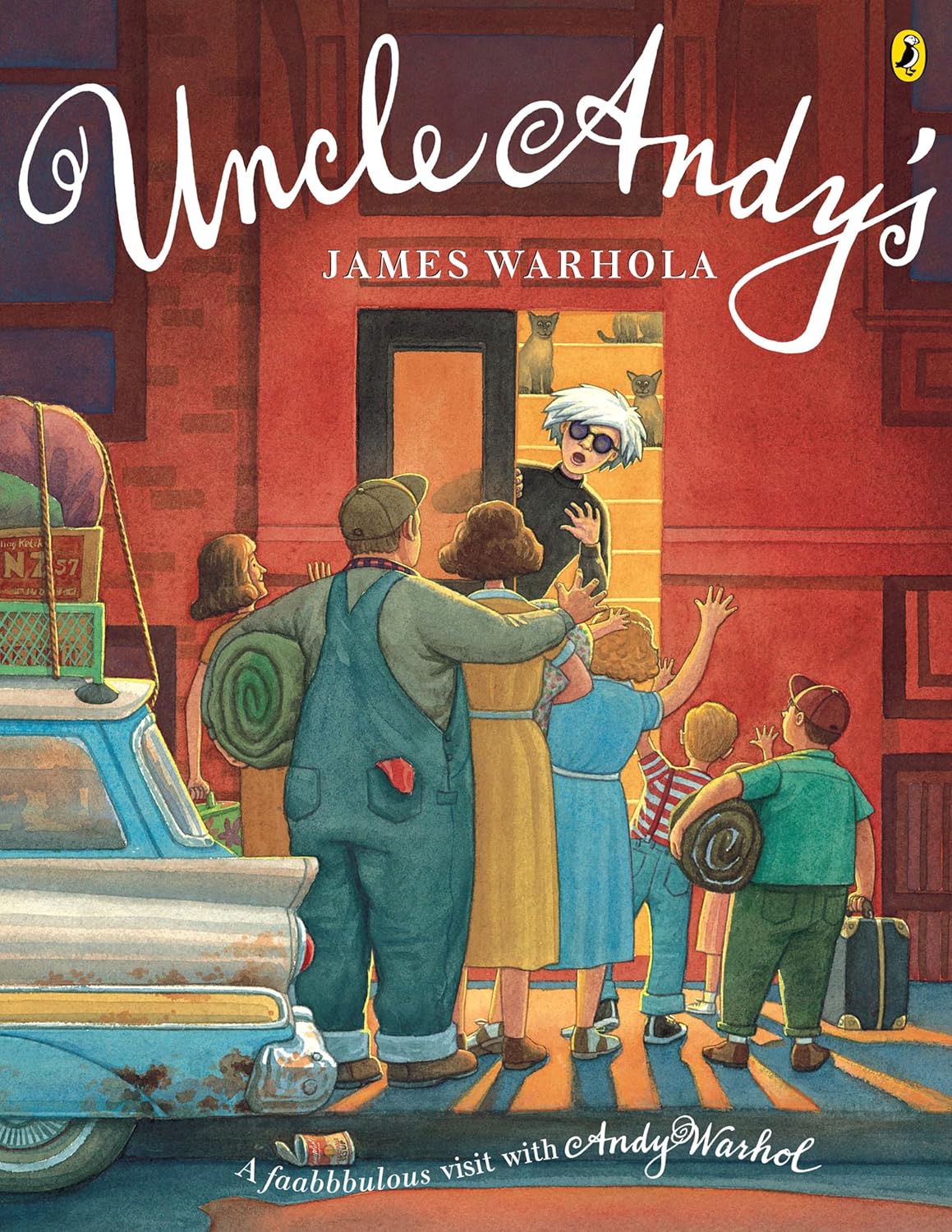
Fuse 8 n’ Kate: Uncle Andy’s by James Warhola

May 11, 2026 by Betsy Bird Leave a Comment

Before we go any further, I would like to clarify that we recorded this episode about 2 weeks ago. If you’re wondering why we’re not alluding in any way to the Mac Barnett situation, that is why.

So folks ask me to do more nonfiction on this podcast, and while I admit that it is a bit of a stretch to call today’s book pure nonfiction, I at least think that it’s closely aligned. It’s not a biography, though. Consider it more of a personal memoir from 1962. In essence, it’s the true story of Andy Warhol’s extended family, written by one of his nephews. Sadly, James Warhola didn’t continue to make much in the way of children’s books (though he did make a sequel to this book called Uncle Andy’s Cats). We discuss everything from David Bowie’s depiction of Andy in the film Basquiat, to creepy ventriloquist dummies, to what you should do if roughly a dozen members of your extended family show up at your door (answer: put them to work).

Listen to the whole show here on Soundcloud or download it through iTunes, Stitcher, Spotify, Google Play, PlayerFM, Audible, Amazon Music, or your preferred method of podcast selection.

Show Notes:

The brand names throughout the book threw Kate off a little bit. Here’s a question: How many Camel cigarette ads in picture books can you name off the top of your head. AMAZING no one got mad about that!

Speaking of stuff you probably couldn’t put in a book today without a separate author’s note: Kids in cars not wearing seatbelts.

And these were New York prices!!

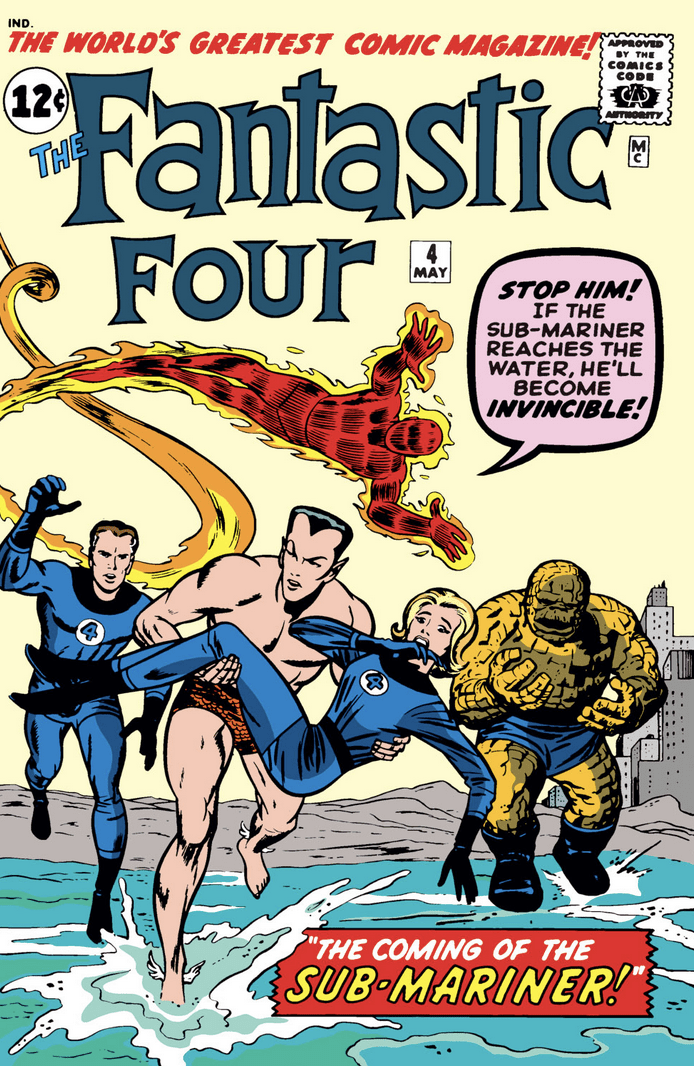
My husband has this neat trick where you can show him a comic and he’ll tell you info on it. So I showed him these. He informs me that is Fantastic Four #4. The year it came out? 1962. You have to give my husband credit. He’s good at this stuff.

We love that the kids in this image are less realistically depicted than the ventriloquist dummy on the floor.

Steve Martin, by the way, was fully gray by the age of 32.

Ah! The Grandma Poss and Hush statues that I alluded to in the episode? See them here!

Betsy Recommends: J.D. Amato (recent creator of The Endless Summer)

Kate Recommends: My Favorite Murder is now on Netflix

Filed Under: Fuse 8 n' Kate Tagged With: Fuse 8 n' Kate, James Warhola, Uncle Andy's

  • « Go to Previous Page
  • Page 1
  • Page 2
  • Page 3
  • Page 4
  • Page 5
  • Interim pages omitted …
  • Page 1050
  • Go to Next Page »

Primary Sidebar