• Skip to primary navigation
  • Skip to main content
  • Skip to primary sidebar
  • About/Contact
  • Fusenews
  • Reviews
  • Librarian Previews
  • Best Books
    • Top 100
    • Best Books of 2022
    • Best Books of 2021
    • Best Books of 2020
    • Best Books of 2019
    • Best Books of 2018
    • Best Books of 2017
    • Best Books of 2016
    • Best Books of 2015
    • Best Books of 2014
    • Best Books of 2013
  • Fuse 8 n’ Kate
  • Videos
  • Press Release Fun

Review of the Day: My Strange Shrinking Parents by Zeno Sworder

Review of the Day: My Strange Shrinking Parents by Zeno Sworder

January 5, 2023 by Betsy Bird

My Strange Shrinking Parents
By Zeno Sworder
Thames & Hudson
$17.95
ISBN: 9781760762957
Ages 3-6
On shelves January 10th

I don’t think that anyone would contest the idea that your occupation has an impact on the way in which your brain works on a day-to-day basis. Work trains our minds into certain patterns. My job, for example, for many years was to be a children’s librarian. Part of what that means is that any time a person, be they a small child or an adult, came up to my desk, I had to be prepared to make connections. For example, if an adorable 3-year-old begged for “scary books” I needed to have a roster of titles in my brain to pull from in order to meet that need. In the children’s librarian world, the better you are at this kind of association, the better you are at your job. What I didn’t realize for a long time was how this would affect not simply my friendship with children’s authors (anytime one told me an idea for a book I’d inevitably try to come up with similar already existing ideas, which is not always consider a polite response), but also with the act of reviewing. I’ve reviewed children’s books almost as long as I’ve worked as a librarian and normally drawing associations between books is a good thing. There are times, however, when you wish you could see a book just for itself, on its own merits, without constantly comparing it to everything else out there. My Strange Shrinking Parents is a marvelous example of this. Reading Zeno Sworder’s haunting and magical metaphor for immigration, but with all the rules of a fairy tale intact, I wanted desperately to compare the book to Shaun Tan’s The Arrival. It was only after a little consideration that I realized how unfair that was to both Tan and Sworder. The fact of the matter is that My Strange Shrinking Parents is entirely its own creation, standing on its own two feet, with its own internal logic and rules. It is, in fact, one of the best takes on the experiences of children of immigrant parents I’ve ever seen in a picture book form. It stands, as I say, tall.

Before he was born, a boy’s parents left their countries and moved to a new place. “They had old shoes and empty pockets”. The two determined to give their child everything he would want, and to keep their daily problems from him. So when the time came for them to buy him a birthday cake, get him some schooling, or buy him books and shoes, they would barter. Just a couple inches of their height, and they could help their child. As time went by the boy was teased for being different and blamed his parents, begging them to stop shrinking. But the parents loved their son, and by the time he was able to get a job of his own, they were quite small indeed. So when he had a family of his own, he built his parents a beautiful house and made it so they would never have to work again. As the lullaby from his babyhood said, “Though our lives may be humble, / We are giants within.” Inspired by the works of Oscar Wilde, Shel Silverstein, and Stan Sakai comes a story of truly enduring love.

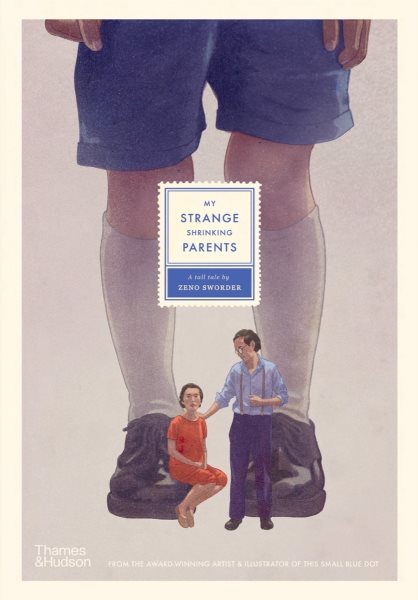
Where do your eyes go when you look at the cover of this book? For me, the image is split, almost immediately, between two parts. On the one hand my instinct is to read the title first. Sworder places it dead center on the page, on a square with beveled edges, as if to make it resemble a stamp or the sides of an old photograph. Then, immediately, you look at the woman seated just off-center to the left. Knees together, she’s perched, almost delicately, on what you later realize is her son’s left foot. Clad in a red dress, it’s a supremely dignified position, as if she’s posing for a professional photograph. To her right is her husband, one hand on her shoulder looking not at the viewer/camera lens, but right at her. Then, visible only up until the bottoms of the pockets of his shorts, is their son. You know these are the parents being referred to in the title, but again and again your eye goes back to that mother. The title itself feels like it should be goofy, but you can’t separate yourself from her poise. And you may wish, if only for a moment, to have a little of that poise yourself, whatever your size.

What the cover also does, I should mention, is make you keenly aware of Sworder’s illustration style. It’s a gentle surreal realism. Something you might get if Chris Van Allsburg were influenced by the Japanese woodblock prints of Hokusai and Hiroshinge. And, yes, there’s a hint of Shaun Tan in there as well. This realism is part of the reason the book works as well as it does. This is a world where it is perfectly normal to demand height for labor. Indeed, none of the adults in this book see anything wrong with the transaction of taking something from someone who has nothing else to trade for the things a child might need to grow up. Rereading the book several times also rewards sharp-eyed readers. I am convinced that there is a special place in the firmament above for illustrators that give parents more to see with every read and reread they perform on a book. It took me many times of going over this story before I realized that the shot at the beginning of the parents lifting up their son (while the viewer peers over a shelf containing bonsai plants and cracked tea cups) is repeated later with a similar shot of that same son lifting up HIS child. Only now his parents are standing on that shelf, not in front of it.
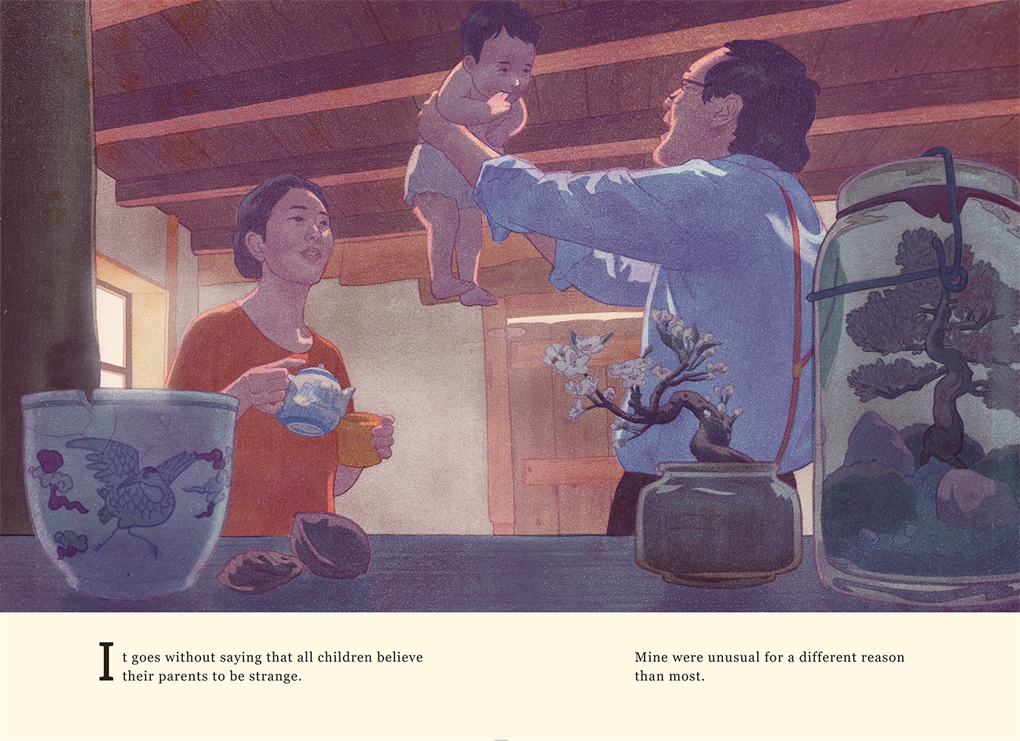
There are also small details in addition to these larger, more obvious references, that could elude you if you weren’t careful. For example, there is a small gift for sharp eyes located at the end of this book. It’s on the back bookflap, but also on the endpapers. Look there and you’ll see an array of beautifully rendered teapots of all kinds of colors and shapes. Some are intricate and ancient while others are rough and contemporary. And under the bookflap, red as the dress on the cover of the book, is an incredibly tiny teapot. No larger, you might think, than a pebble on a beach. Look close now. There it is (with two tiny cups) on the back of the book. Is it in the story? At first you might not think so and then . . . yes! Yes indeed, it’s beside the parents on that shelf I mentioned earlier. The one where they watch their son lifting his own new baby. And did you notice too that the other red object in the story, the red of the mother’s dress (which so entranced me on the cover), is consistent throughout the pages? The only time it fades is in that last image, where the parents stand outside in the fading light.

In his note at the end Sworder writes that, “while this story is imagined, its foundations are the milestones of my journey from child to parent. It is a fairytale woven together with memory.” I could tell you about all the ways Sworder’s storytelling choices went right. I could wax eloquent upon the wordless two-page spread that just shows two blossoms floating free of a tree against a blue sky. Or I could go another route. I could tell you all the ways that Sworder’s storytelling could have gone desperately, horribly wrong. For example, fairytale that this is, Sworder could have gone the Hans Christian Andersen route with his telling and traipsed it into tragic territory. Instead, he knew that a picture book must sometimes be all about balance. There are heartrending scenes, as when the boy kneels before his small mother, crying, arms wrapped around her, begging her to stop shrinking. Promising nothing she just says, “Those children think we’re different but we’re not. Our hearts are just as big. Our love is just as good.” And it’s the succinct rendering of those lines that make it work. Even without the gorgeous imagery, if you read this book and just read the words alone, you’d tear up at that moment just like I do. Every single time.

There is a dedication written at the beginning of this book. It reads, “To my immigrant parents. And to all parents who burden and narrow their own lives in the hope that their children will be free to go further.” I started this review by mentioning that I sometimes cannot read a new work for children without immediately trying to pair it with a similar title or titles. But if we really get into the metaphor and the meat of the story, what other picture book out there even talks half as plainly about the debt children owe to their parents? There are lots and lots of picture books about immigration. Often they are about the children that travel to new locations with their parents. Where, then, is the story about second generation kids like Sworder? Kids that may never fully understand the debt they owe these parents? And as I wrack my brain I realize that really, I don’t have to do that. My Strange Shrinking Parents is unique. It shouldn’t have to be. We should have reams of stories that cover similar territory. But if I had to have just one (not like I have a choice, but still) I would want it to be this book. Tone, image, story, and metaphor. Each piece of this book fits snugly together with every other piece, like a well-constructed puzzle. Simple enough for children to understand. Layered enough for adult readers to appreciate. Strangely perfect.

On shelves January 10th.

Source: Galley sent by publisher for review.
Filed Under: Best Books, Best Books of 2023, Reviews, Reviews 2023 Tagged With: 2023 picture books, 2023 reviews, Australian authors, Australian children's books, Australian imports, Best Books of 2023, immigration, picture books, Thames & Hudson, Zeno Sworder

2023 Arrived and a Blog Is Still Here: What Does the Future Hold?

January 4, 2023 by Betsy Bird

The timeline works as follows:

  • 2005 – Blogging is new and hip and cool. I start a children’s literature blog and promptly name it after a 1989 Century Buick car part (there were reasons).
  • 2006 – School Library Journal starts collecting a roster of children’s literature blogs and scoops up A Fuse #8 Production.
  • 2011 or so (the internet isn’t sure about this one) blogging is declared dead.

I mean, I was as shocked as you are to learn it. But apparently I’ve been participating in a dead format far beyond its intended lifespan. You’ve all heard the stories of the little Mars rovers, Spirit and Opportunity, that lived far past their “warranty dates.” Perhaps the same thing holds true for children’s literature blogs?

With a new year dawning it’s understandable that I might wax nostalgic about the early days. I remember the year I organized a conference of kidlit bloggers in New York City at the main location of New York Public Library. I remember the book awards we created (the Cybils, which are still going strong) and all the people who were involved in the community.

In 2022 my friend Jules Danielson finally hung up her hat on the remarkable and long established Seven Impossible Things Before Breakfast. But look around here at SLJ and you’ll see that the blogs are still going strong. We’ve just had to change a bit over the years. Travis Jonker is still creating 100 Scope Notes, but he also makes books and podcasts on the side. Group blogs like Good Comics for Kids continue at a rapid clip. Speaking of group blogs, sites like Nerdy Bookclub and We Need Diverse Books are always being updated. And, of course, the prediction blogs like Heavy Medal or Calling Caldecott that try to ascertain what might win the children’s literature awards given out by the American Library Association aren’t flagging.

Let’s also discuss how the rise in blogging led to a lot of people discovering opinions and voices they never would have found otherwise. From Debbie Reese’s work at American Indians in Children’s Literature, started in 2005 to Edith Campbell’s, also started in 2005 (it was a good year) they’ve been blogging ever since. See the comments of this post for more links from Debbie.

In the wider world, blogging has given way to the subscription model Substack, a paid service. But here at A Fuse #8 Production, the content is still free to see (with the occasional strategically placed ad on the side, of course). Not that my content today looks much like what I did back when I was starting in 2005. These days you’ll find more interviews and cover reveals. I don’t do “Fusenews” posts or “Video Sunday” round-ups, partly because newsletters like Publishers Weekly’s Children’s Bookshelf does them so well, and partly I haven’t the time. I introduced the idea of doing 31 Days, 31 Lists of my favorite books from the year about 5 years ago, and that’s turned out particularly well. And, as ever, the reviews are my staple. I love writing them.

Recently I worried that since I wasn’t writing original posts quite as often, perhaps I was just phoning it in. But I’ve come to recognize that when blogs started to disappear, they left a significant gap in the marketplace. When a publisher wants to get the word out about a book, what do they do? They can pay for advertising, but if you’re a small publisher you just don’t have a ton of money to do so, and if you’re a large publisher you’ll only be able to highlight a few titles from your upcoming season. Publishers used to take books on “blog tours” which, let’s be frank, were never all that impressive. Now they’ve discovered that there just aren’t that many places to promote their wares.

Blogging that does carry on survives because it fills in where publications cannot. I can host a guest piece from a Ukrainian author one day, and then talk with a new author about difficult topics the next. Where else can this happen? On the pages of Publishers Weekly online or SLJ, sure, but where else? It turns out, thanks to the decrease in blogging, my site fills a need.

I don’t fool myself that blogging will ever return to where it once was in the marketplace. But as we enter into 2023, let’s make one of those new year’s resolutions I keep hearing everyone talking about. I vow the following:

  • That I will work hard to highlight books and voices that might get ignored by the other publications.
  • That I will try to make myself do a review a week (remember when I used to do one a day? Ugh!)
  • That I will not feel bad if I conduct a Q&A or cover reveal or guest post here as long as these pieces aren’t mindless filler.
  • That I will keep on blogging for as long as I find it fun. And right now? It’s still one of the most enjoyable things I do.

Happy new year, everyone!

Filed Under: Uncategorized Tagged With: children's book blogs

The Tycoon: Talking with Leonard Marcus About Abraham Lincoln, Our “Masterly Media Manipulator”

January 3, 2023 by Betsy Bird

In the pantheon of children’s literature scholars of the early 21st century, no star burns brighter than Leonard Marcus. Indeed, no one really could challenge him for the throne. Whether he’s encapsulating the history of children’s book publishing in Minders of Make-Believe, giving context to the creation of Little Golden Books, or writing biographies of luminaries like Margaret Wise Brown, he’s the man you turn to when you want information about children’s book greats of the past.

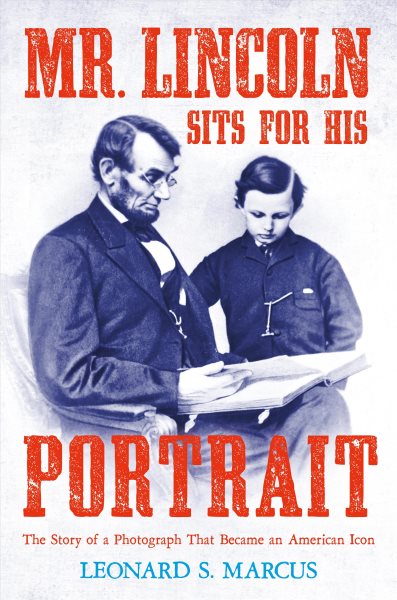
That said, he’s not a man you can box into a single category. Indeed, I’ve read picture books he’s created and other fine and fun stuff for younger readers. Now, publishing as of today, we’ll see the release of his children’s nonfiction for older readers, Mr. Lincoln Sits for His Portrait: The Story of a Photograph That Became an American Icon. The book has already earned itself a Kirkus star who said it was, “A provocative study of Abraham Lincoln as a masterly media manipulator.”

I can think of no better line to begin with. Today, I speak with Leonard about the book and all that it entails.


Betsy Bird: Leonard, thank you so much for joining me here today. You’ve done any number of biographies in the past, and your focus has primarily been creators of books for children. You may correct me on this point, but this is the first middle grade informational text I remember you creating, and its subject matter is a political and historical figure. The connection to books is undeniable, but where did this particular idea for a book come from?

Leonard Marcus: Well, actually a number of my previous books–A Caldecott Celebration (1998/2008), Funny Business (2009), You Can’t Say That! (2021), and others–were published for young readers. But I have always thought that good writing is good writing and have tried in every instance to make a book that an interested adult would want to read, too.

As for Lincoln as a subject, I have been fascinated by him since childhood. Growing up, I read everything I could find about Lincoln at our local library in Mount Vernon, New York, and I wrote my fifth grade “long project” about his time as president. My account of the assassination was riveting! As a history major at Yale, my favorite course was the one about nineteenth-century America taught by David Brion Davis, to whose memory I dedicated Mr. Lincoln. As it happens, Professor Davis looked a little bit like the great bearded man, and was also a stirring orator, although he did not as I recall speak with a high-pitched Kentucky drawl.

Leonard Marcus

The well-known 1864 photograph of Lincoln reading to his ten-year-old son Tad was the immediate inspiration for Mr. Lincoln Sits for His Portrait. In recent years, that photo has become emblematic of the importance of reading to our children–and to that extent it directly links Mr. Lincoln to my longstanding interest in children and their books. My story touches on Lincoln the literacy-minded parent as well as more broadly on Lincoln the master storyteller and writer for the ages. I can only guess about this, but I think he and Ursula Nordstrom, Margaret Wise Brown, and Norton Juster would have all gotten along famously together, if only because they shared a similarly sly and playful sense of humor!

In addition to being a superb writer, something else that Lincoln had in common with my previous “subjects” is that he was a born innovator and an incandescent creative spirit. He was ahead of almost everybody in recognizing the still-new technology of portrait photography as a powerful tool for persuading Americans that he was prepared to lead a nation in turmoil. He was the world’s first commander-in-chief to direct a war remotely by telegraph–the nineteenth century’s new-fangled instant messaging platform. He answered much of his own mail so that all Americans would feel that he was their president, too. A master of symbolism and political theater, he directed workers to speed up construction of the long half-finished Capitol dome, saying that to do so would show the world, at a time when many people had their doubts, that the government in Washington was capable of completing whatever it started.

BB: Was there, at any point, a thought of making this a book for older readers, or was its intended audience always kids from the get-go?

LM: I always saw this as a book for young readers because I remember how much I loved the books about Lincoln that I read as a child and wanted to bring a more contemporary point of view to that literature. As I said before, though, I’ve also done my best to have this book work well for adult readers, too, bearing in mind W.H. Auden’s wonderful observation that “there are no good books which are only for children.” My research is as solid as I could make it and I think I have even made one or two “discoveries” that will surprise even the best-read Lincoln scholars and fans.

BB: Lincoln’s presence in works for children ebbs and flows over the years. There have been, in recent memory, years when not a single picture book or middle grade work of nonfiction came out with him as the subject matter. There are also times when multiple books would be released in a single year. What accounts for his continual presence on the page? Can we ever have too much or too little Lincoln?

LM: Can we or the young people we care about ever have too much of one of history’s best exemplars of wise and courageous leadership? Moral clarity and compassion? The healing power of laughter? Lincoln had all these qualities in spades, and more. As I was reading and writing about him, I found, as so many other biographers have done, that Lincoln is the best of company. To know Lincoln is to feel the urge to spread the word about him.

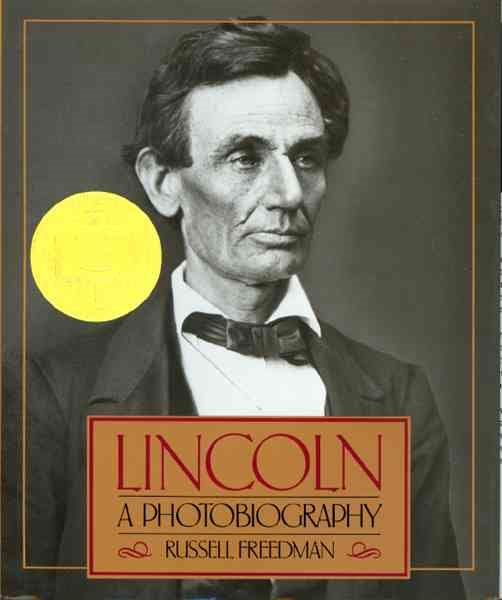
BB: It is perhaps not a coincidence that the best known informational book on Lincoln for kids is arguably Lincoln: A Photobiography by Russell Freedman and, like this book, its focus is on both Lincoln and the self-marketing of Lincoln through the new photographic medium. Photography plays such a large role in any public figure’s life and Lincoln seemed to grasp that from the start. To what degree does your book tackle this aspect of his political savvy?

Russell Freedman, who I was lucky enough to know as a friend, and who had more than a little of Lincoln’s own plain-spoken wisdom and charm about him, made mention of Lincoln’s prescient awareness of photography’s powers of persuasion in his wonderful book, and he pioneered in the use of archival photos in historical nonfiction for young readers. But I wouldn’t say that he made Lincoln’s preoccupation with photography a major focus of his Lincoln biography, which is essentially a beautifully crafted, traditional birth-to-death narrative.

I’ve tried a different approach, providing a sidebar chronology, but mainly zooming in on certain key decisions, discoveries, and events from the years leading up to and including Lincoln’s presidency. My goal was to give readers a ground-level view of Lincoln as he came of age as a national figure and learned to wield the immense power of the presidency during a time of extraordinary uncertainty and promise.

I brought together many of the most telling photos of Lincoln to show how he morphed over time from an antsy, reluctant sitter into a savvy collaborator with Mathew Brady and the other leading portrait photographers of his day, and how newspapers, magazines, and commercial hucksters of every stripe disseminated his image far and wide, just as the pastime of collecting photos of famous folk was becoming a national craze. It was the beginning of celebrity fandom! And it was also a step forward for democracy because, for the first time ever, ordinary people could have uncannily realistic likenesses made of themselves for sharing with their loved ones and friends. 

BB: What do kids not usually know about Lincoln that you’d like them to take away from this book? And did anything surprise you about him in the course of your research?

LM: The backstory I uncovered about the photo of Lincoln and Tad led in many surprising directions, and the result, I think, is a portrait that brings readers closer than usual to Lincoln the caring, funny, shrewd, and sometimes haunted man behind the black suit and stovepipe hat. 

One big surprise was how easy it was in those days to meet the president. All you had to do was show up first thing in the morning at the White House entrance, and if you passed muster with the president’s secretaries, you would be granted an audience with the man his assistants affectionately called “The Tycoon.”

Another surprise was how fast and effective communication already was long before the advent of TV and the internet. If Lincoln made a speech in some out-of-the-way small town, his words would be recorded verbatim by a stenographer, then telegraphed to newspapers across America for publication. A mere day or so after an event, everyone in the country who could read would know exactly what the president had said.

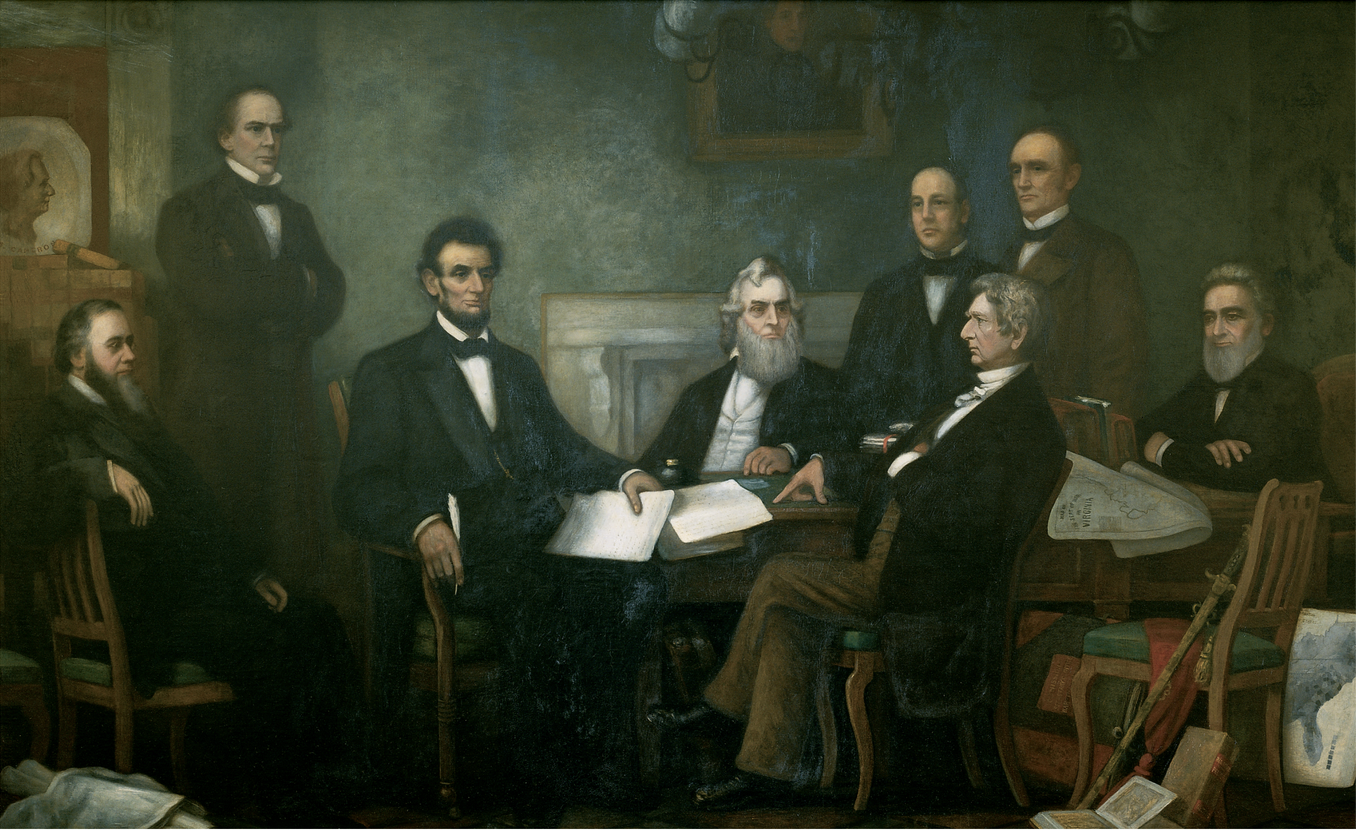
I would like young readers to know that Lincoln trusted his own ideas and intuitions and stuck tenaciously to them even when his critics called him all sorts of terrible names. One example of this was his decision, at a particularly difficult time during the war, to invite an artist to spend several months inside the White House while creating a larger-than-life history painting inspired by the Emancipation Proclamation. Lincoln loved being around creative people, and the painting that resulted from this offbeat arrangement went on to play an important role in winning Congressional approval of the Thirteenth Amendment, which finally abolished slavery throughout the United States. Having an artist underfoot at the White House turned out to be a very smart move, as Lincoln knew it would all along.

BB: Finally, can we hope to see more books along these lines from you in the future? What’s next for you?

LM: Yes, I do hope and plan to write more books like Mr. Lincoln. It’s not quite time to talk about the next one, but as soon as it is I will be sure to let you know! Meanwhile, my very next book is going to be a hefty and wide-ranging artbook that Abrams will publish in the spring. It’s called Pictured Worlds and is an international history of the illustrated children’s book. It is a project that was a long time in the making and it represents a culmination of years of learning about how an interest in children’s books has spread around the globe, oftentimes through books that we don’t usually get to see here. Writing this book was an eye-opening and world-expanding experience for me and I hope it will be that for readers, too.  


I’d like to thank Leonard for taking the time to talk with me today. Many thanks too to Tatiana Merced-Zarou and the folks at Macmillan for setting this interview up in the first place.

Mr. Lincoln Sits for His Portrait: The Story of a Photograph That Became an American Icon is out in bookstores and libraries everywhere starting today. Check out the book that Kirkus called, “A fresh angle offering yet another reason to regard Lincoln as our presidential G.O.A.T.”

Filed Under: Interviews Tagged With: Abraham Lincoln, author interviews, Leonard Marcus

Fuse 8 n’ Kate: Bear Snores On by Karma Wilson, ill. Jane Chapman

January 3, 2023 by Betsy Bird

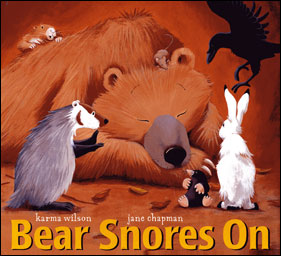
While we acknowledge that the year 2023 has arrived, we could resist considering one last 2002 title. As you know, we’ve a cap on considering any book younger than 20 years old, and as of 2022 this Wilson/Chapman collab fit the bill. It’s cold outside and a story of FOMO and snuggly bear caves seemed to fit the bill. We consider the book that launched a thousand other Bear books. Anyone who can rhyme “lair” with “bear” has earned our trust.

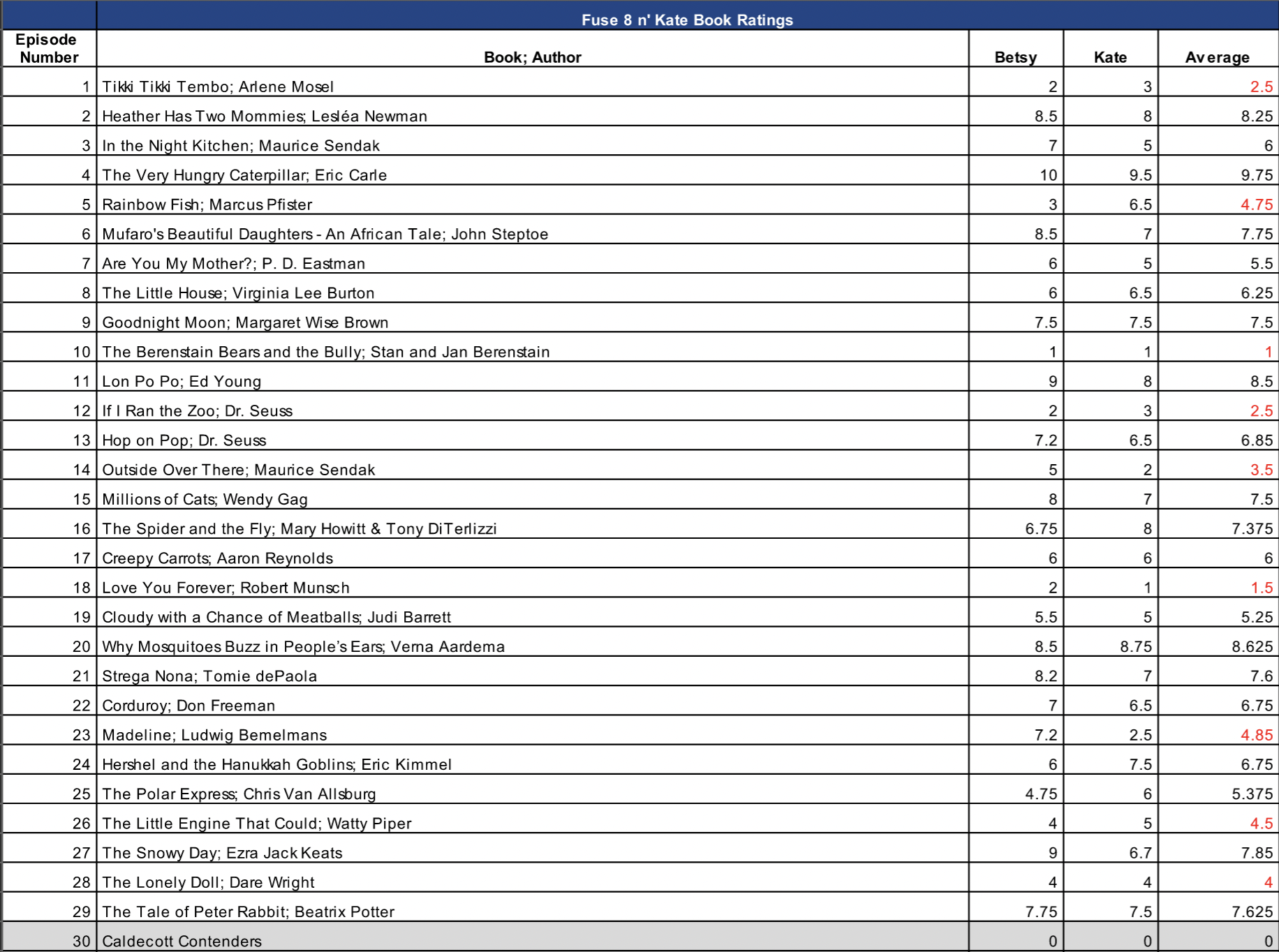
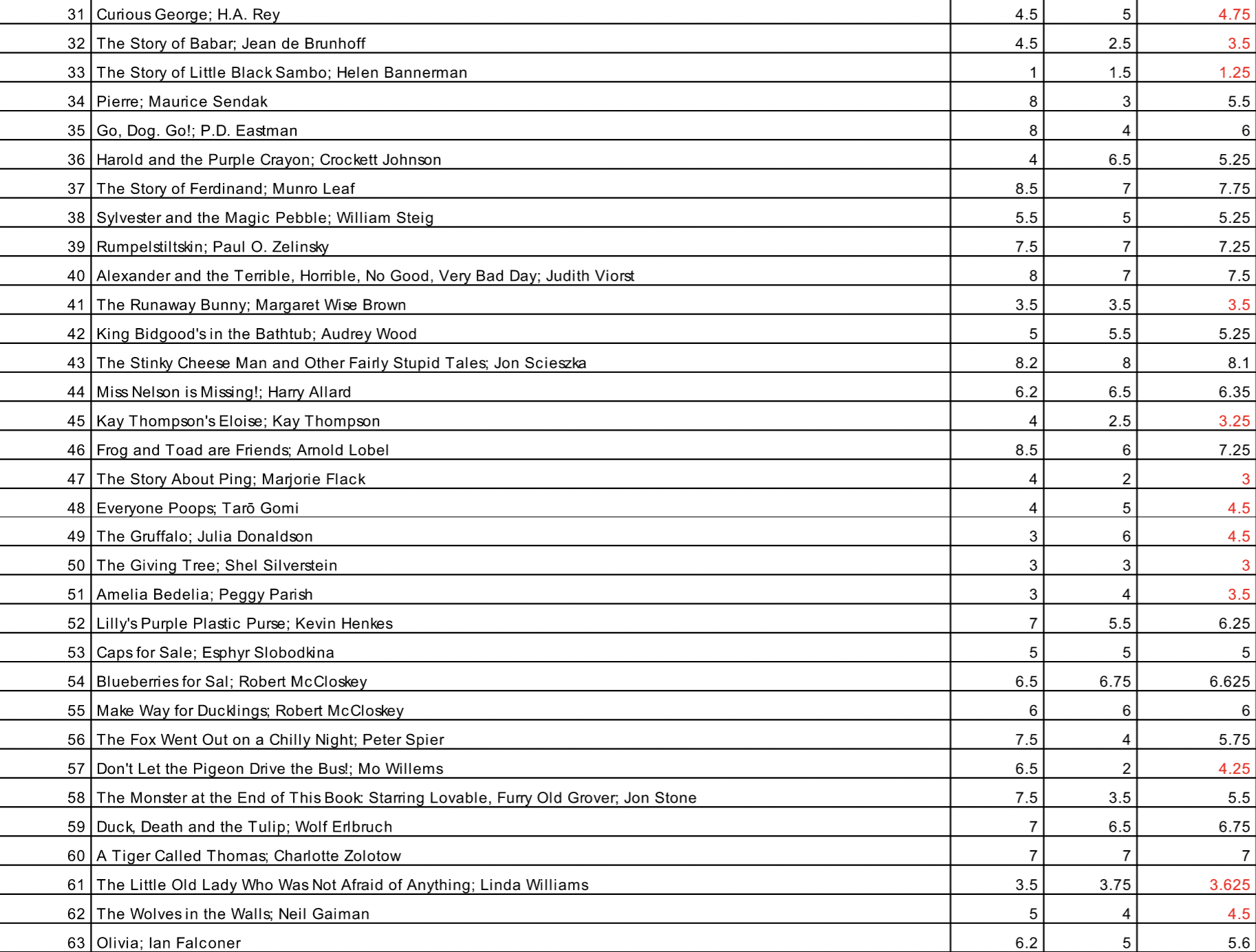
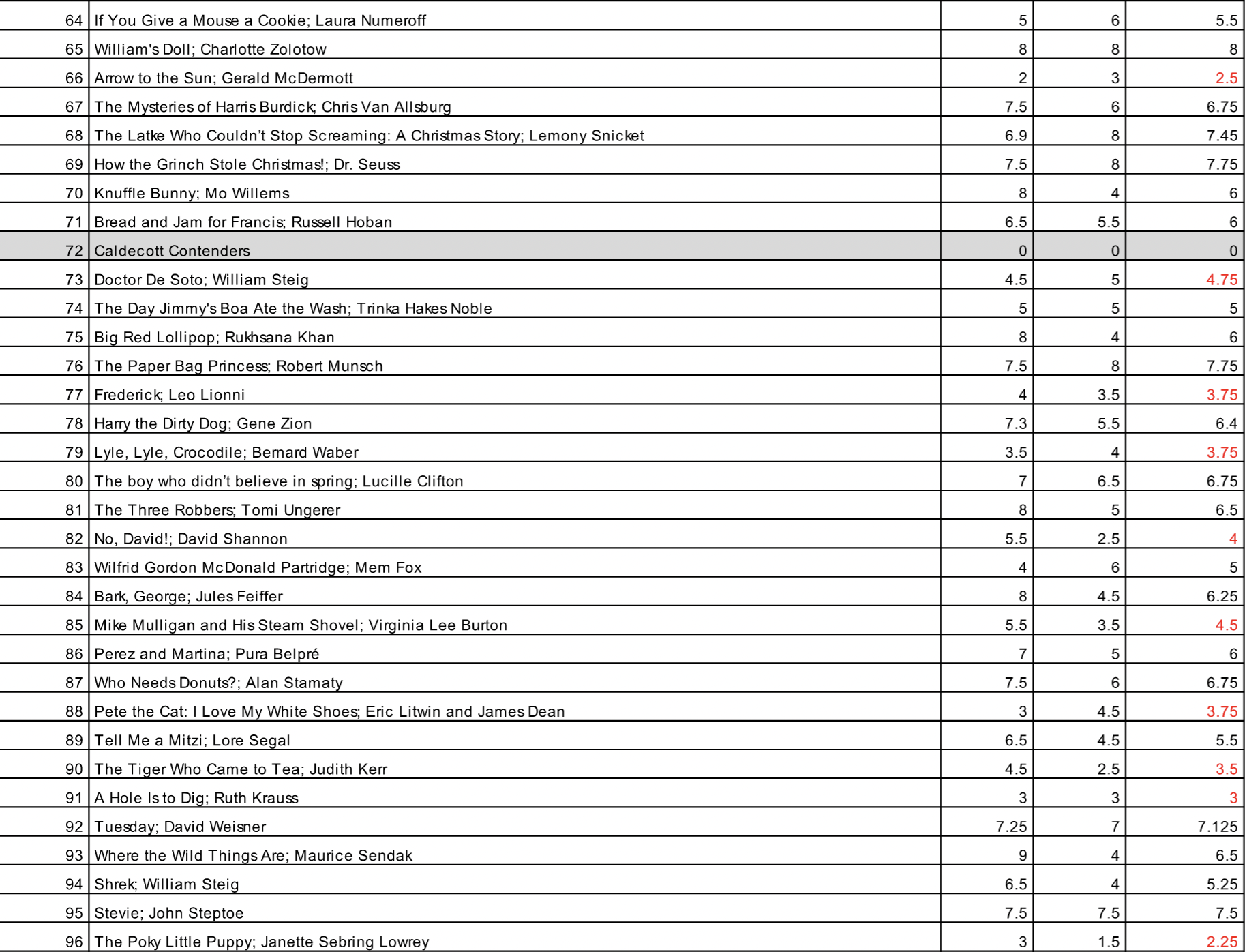
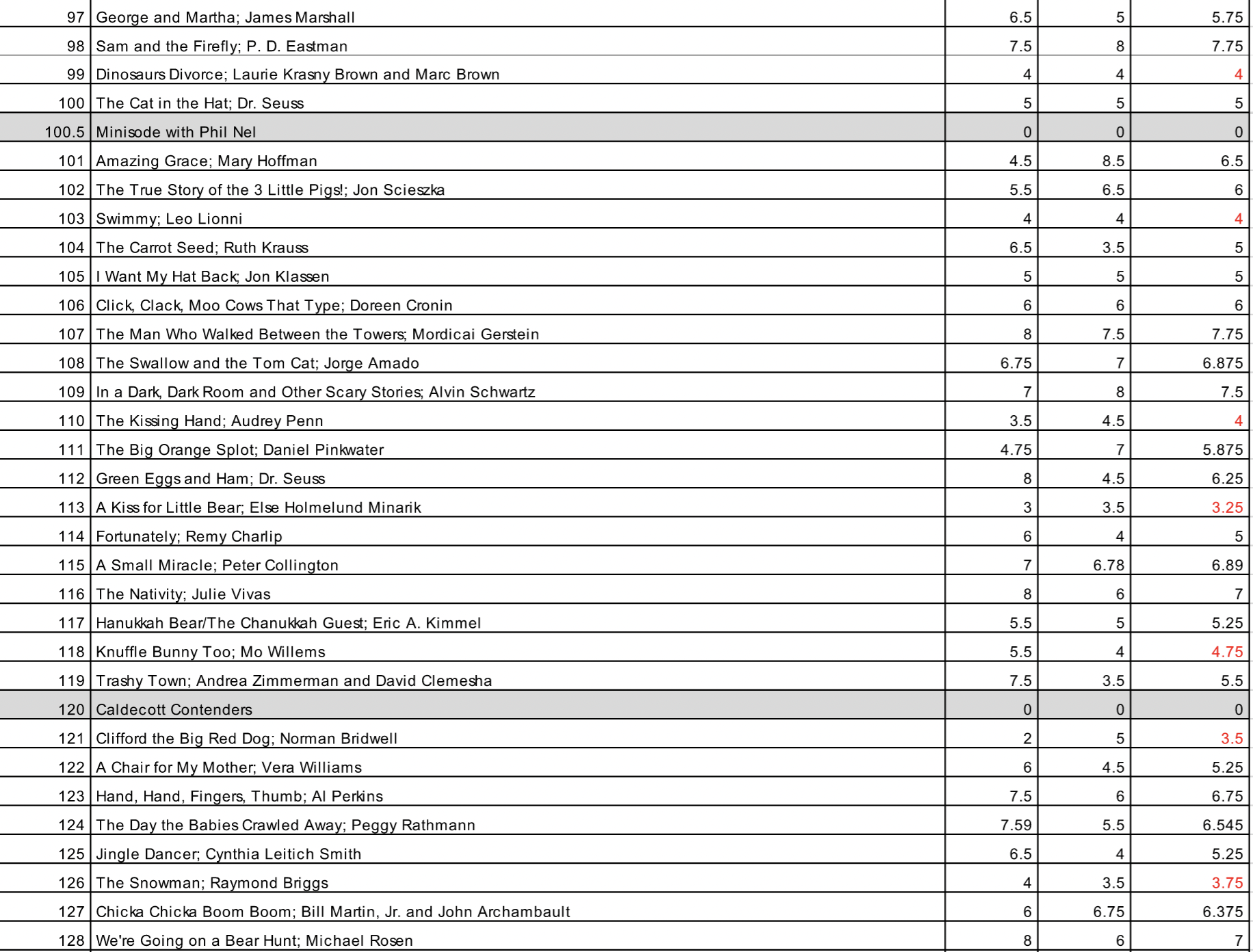
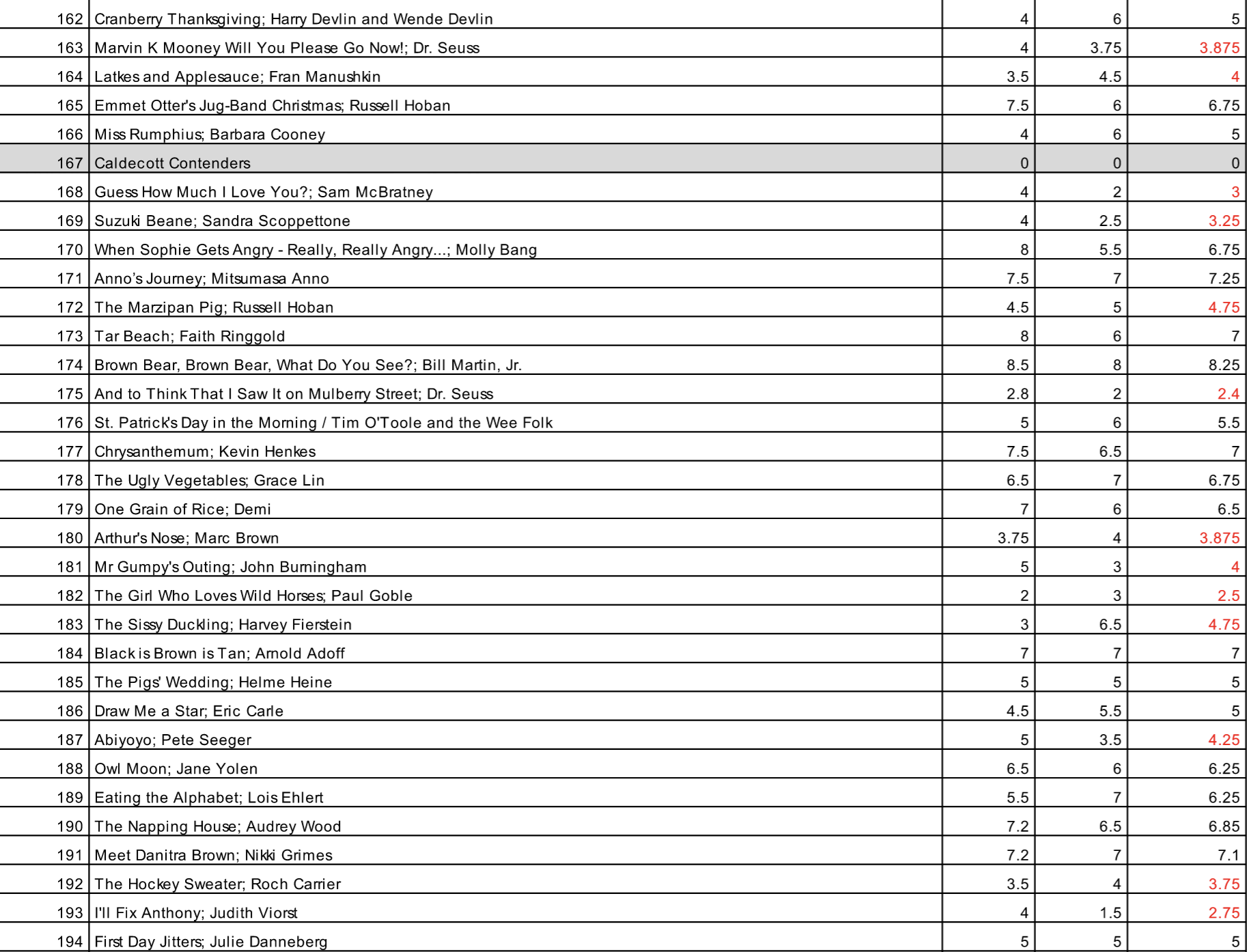
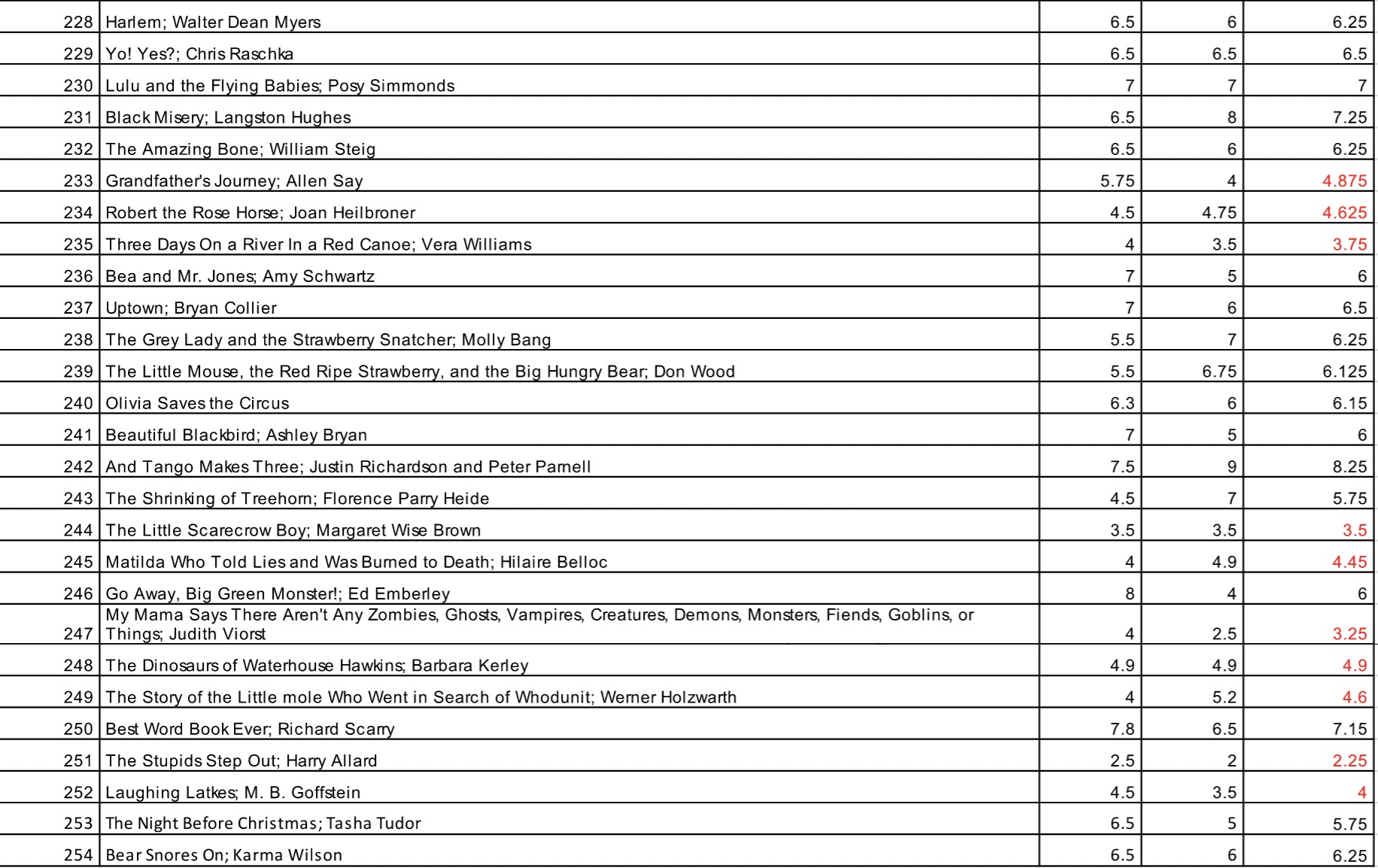
BONUS CONTENT: A spreadsheet of every single book we’ve done on the podcast to date. All 254 of them!

Listen to the whole show here on Soundcloud or download it through iTunes, Stitcher, Spotify, Google Play, PlayerFM, or your preferred method of podcast selection.

Show Notes:

If you’d like to read the interview with Karma Wilson that I reference, take a trip over to Read. Learn. Repeat.

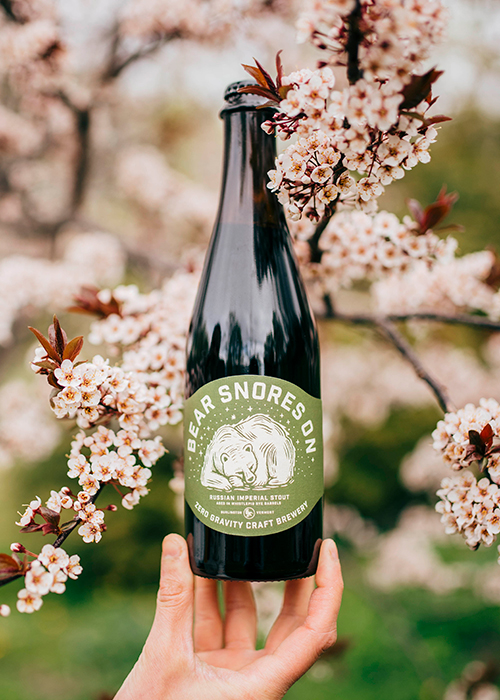
Or, if you’re the type of person who likes to pair your picture books with alcoholic beverages, a suggestion:

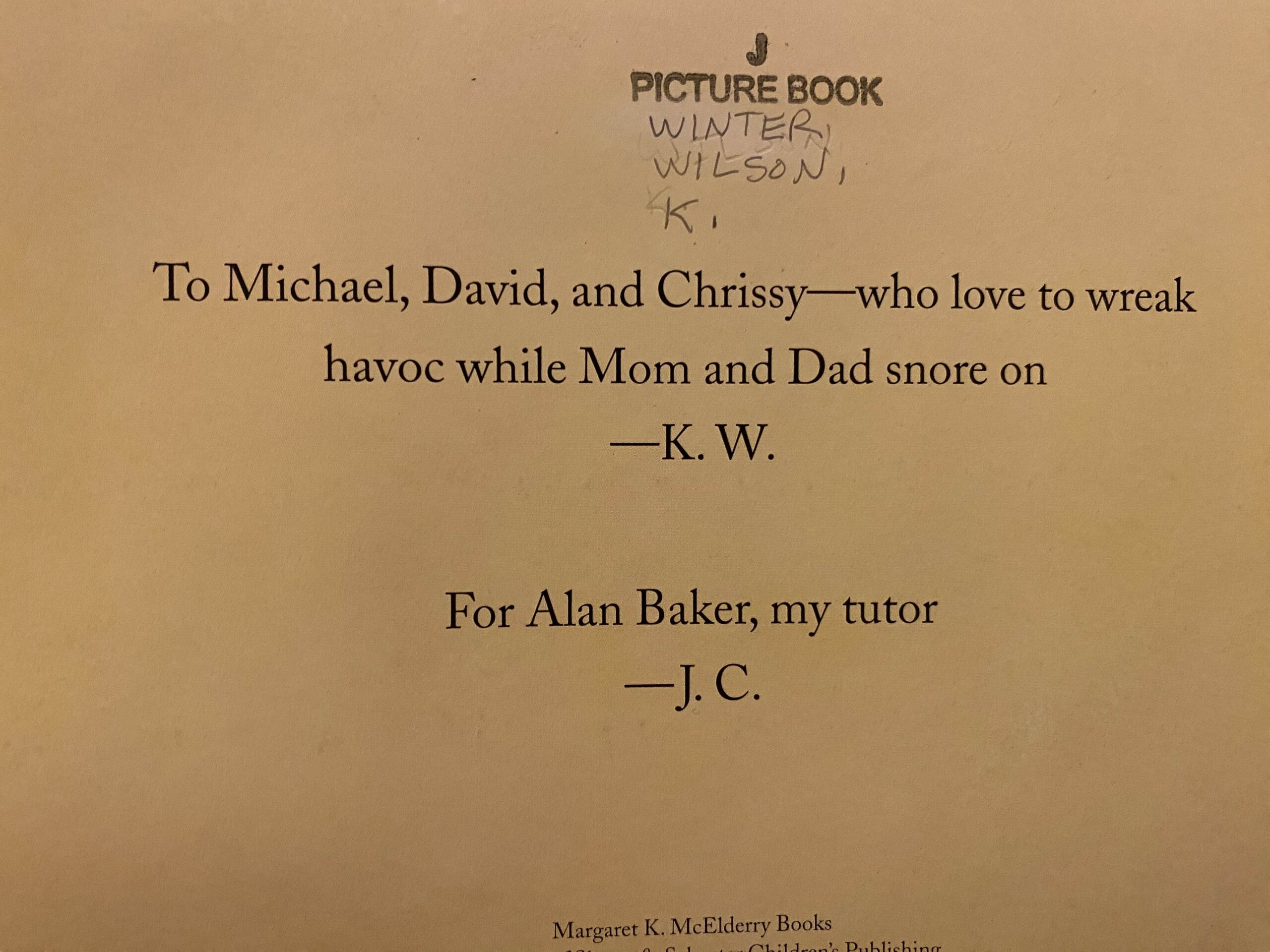
We give extra points to nice dedications and this one fits the bill.

And for those of you curious about the book dedication I referenced, the full dedication reads, “To my mother, Belzie. I would have made a terrible doctor, mom. People would have died.” It is from the YA book The Field Guide to the North American Teenager by Ben Philippe.

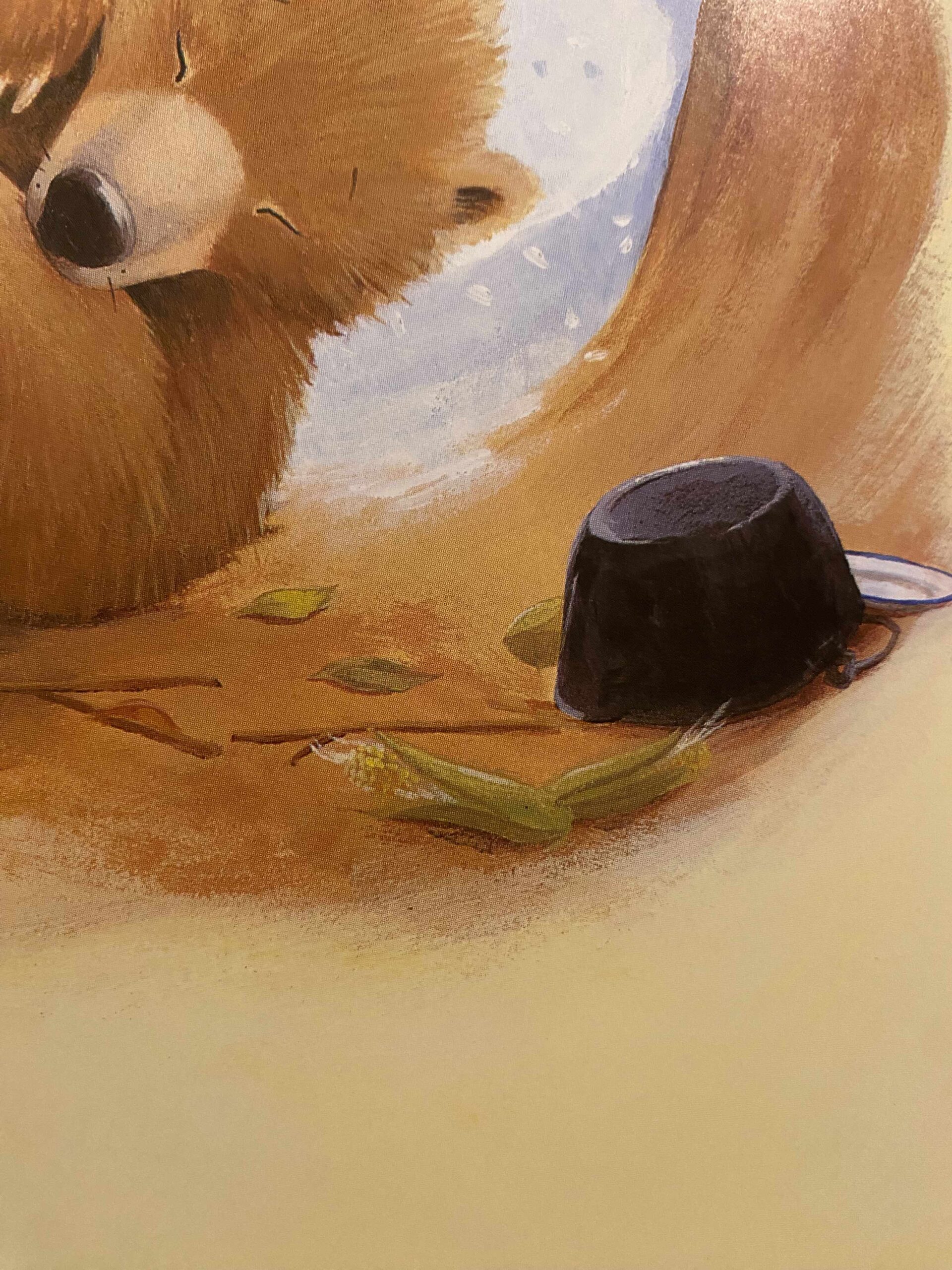
So right from the start, Kate notes the ears of corn in the bear’s cave and wonders how and why they are there. Little did either of us suspect that the corn in this book is the picture book equivalent of Chekhov’s gun. Keep an eye on the kernels. They’ll come up again later.

Was there a “wee little Zippo lighter” as Kate suggests involved in this fire making?

Actually the mystery of the ears of corn is solved sooner rather than later. See, illustrator Jane Chapman reads this manuscript and then has to figure out how to justify popped popcorn. Hence, ears of corn.

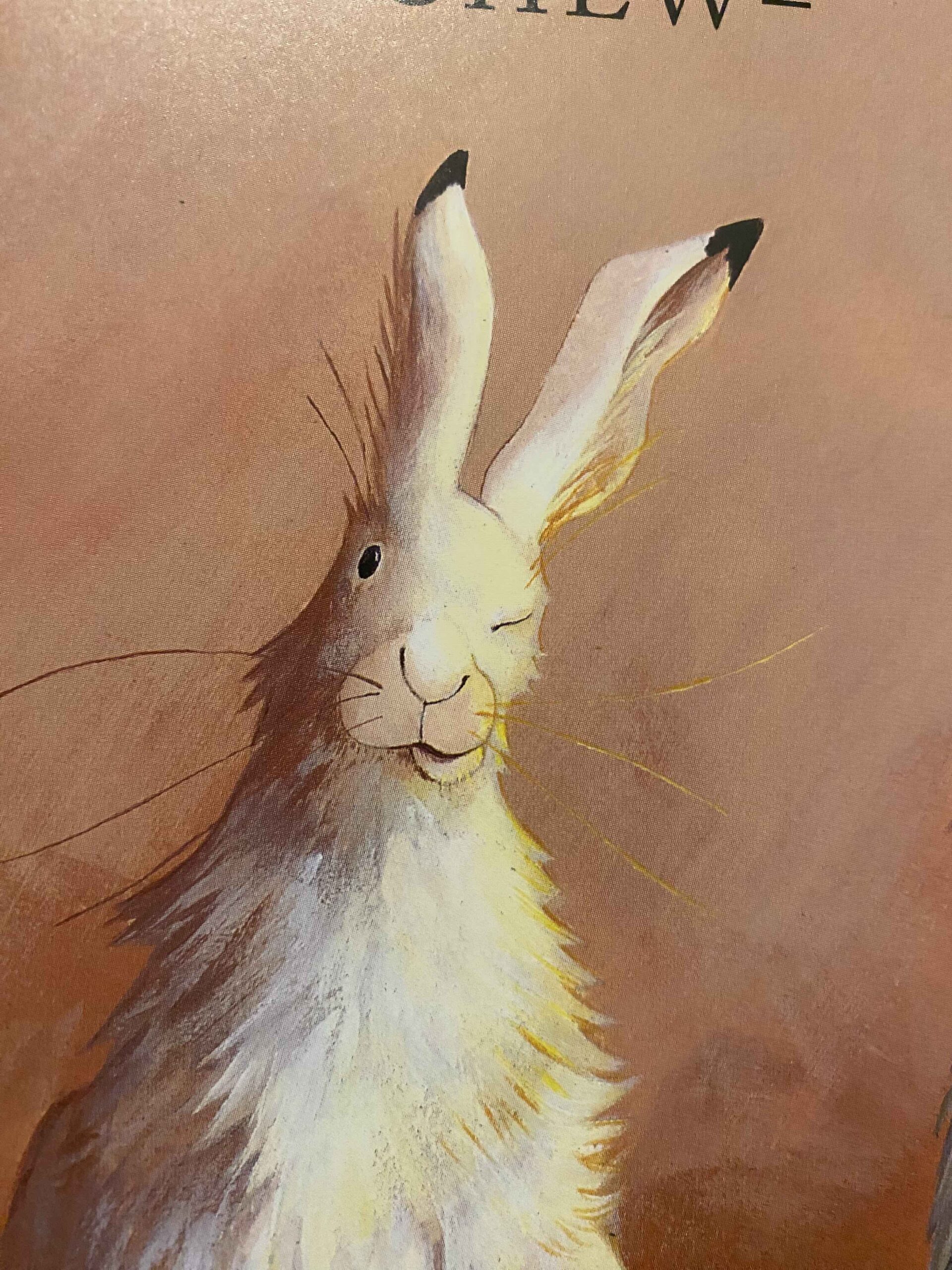
That is the face of a rabbit with a popcorn kernal trapped between his teeth and gums.

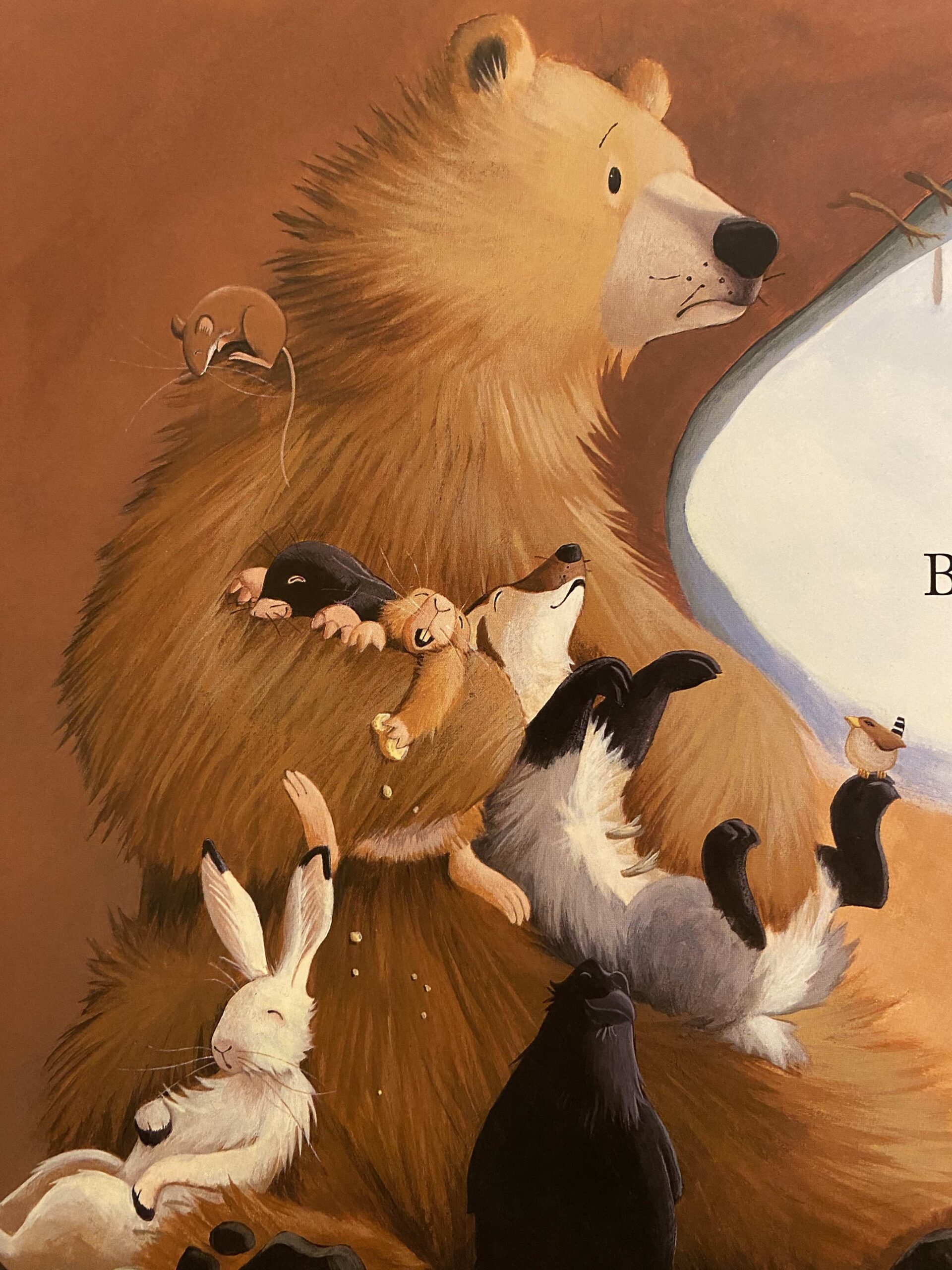
So this is a nice expression on bear’s face that is priceless. A great way to end the book. Also, as Kate points out, this is clearly the happiest raven that has ever existed in the history of the world.

I hate to say it, but Wes Tank knocked it out of the park with this rendition of the book:

If you are interested in the spreadsheets Kate created of ALL the books we’ve rated on this podcast already, here they are!!

Betsy Recommends: Tomorrow and Tomorrow and Tomorrow by Gabrielle Zevin

Kate Recommends: Laurence King Puzzles

Filed Under: Fuse 8 n' Kate Tagged With: Bear Snores On, Fuse 8 n' Kate, Jane Chapman, Karma Wilson

In Memoriam: Remembering Those Lost in 2022

January 2, 2023 by Betsy Bird

As we enter into a new year, we remember those lost to us in 2022. So many of these creators’ books touched the minds and hearts of children everywhere. Their works will outlive us all. We celebrate their lives and works.


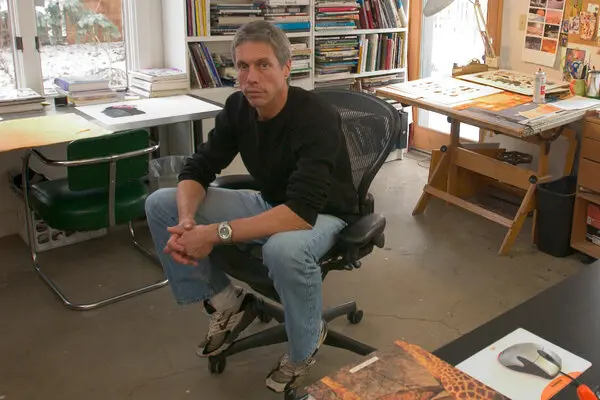
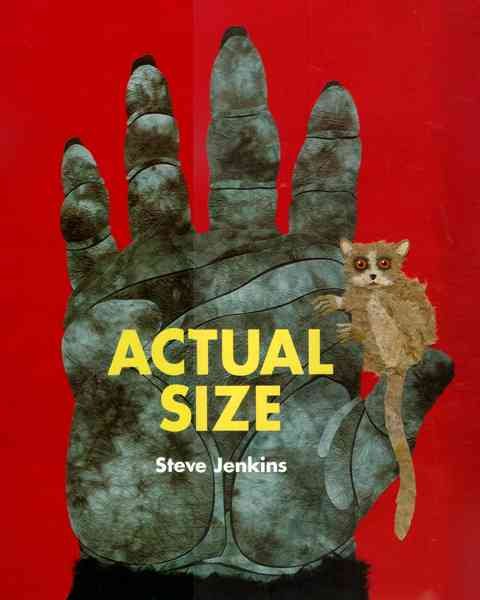
Steve Jenkins

March 31, 1952 – December 26, 2021

“I so admired his extraordinary design sensibility and the way he infused his creatures with a special spark that made them feel almost alive. He had a thoughtful and uncommonly mellow manner—always laced with a touch of humor— that made him a true pleasure to work with. He was so wonderfully mellow, in fact, that his art directors and I noted we always felt significantly calmer after speaking with him. We will miss Steve very much, but it is comforting to know that his fascinating and gorgeous books will continue captivating children for many years to come.” – Andrea Welch, Publishers Weekly


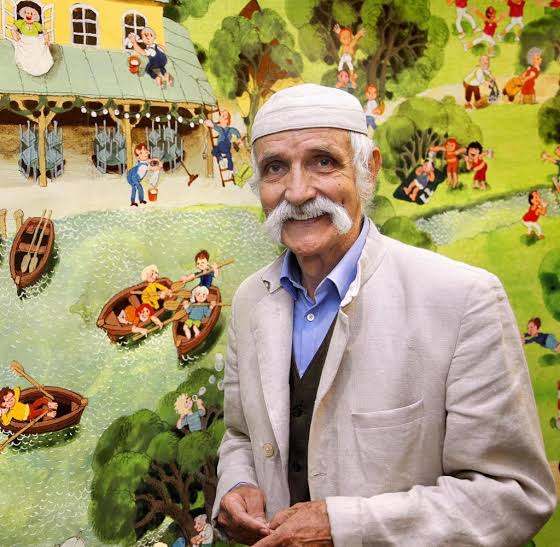
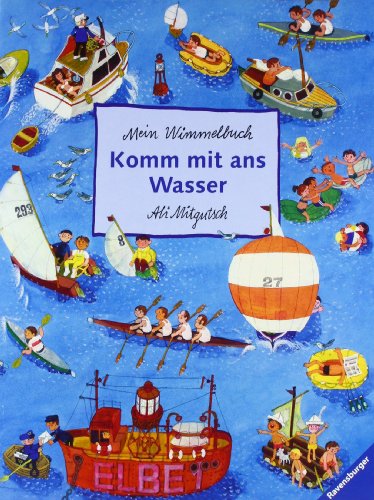
Ali Mitgutsch

August 21, 1935 – January 10, 2022

“Cheeky, funny and affectionate, he looked at the world and at our human weaknesses.” – President Frank-Walter Steinmeier of Germany, New York Times


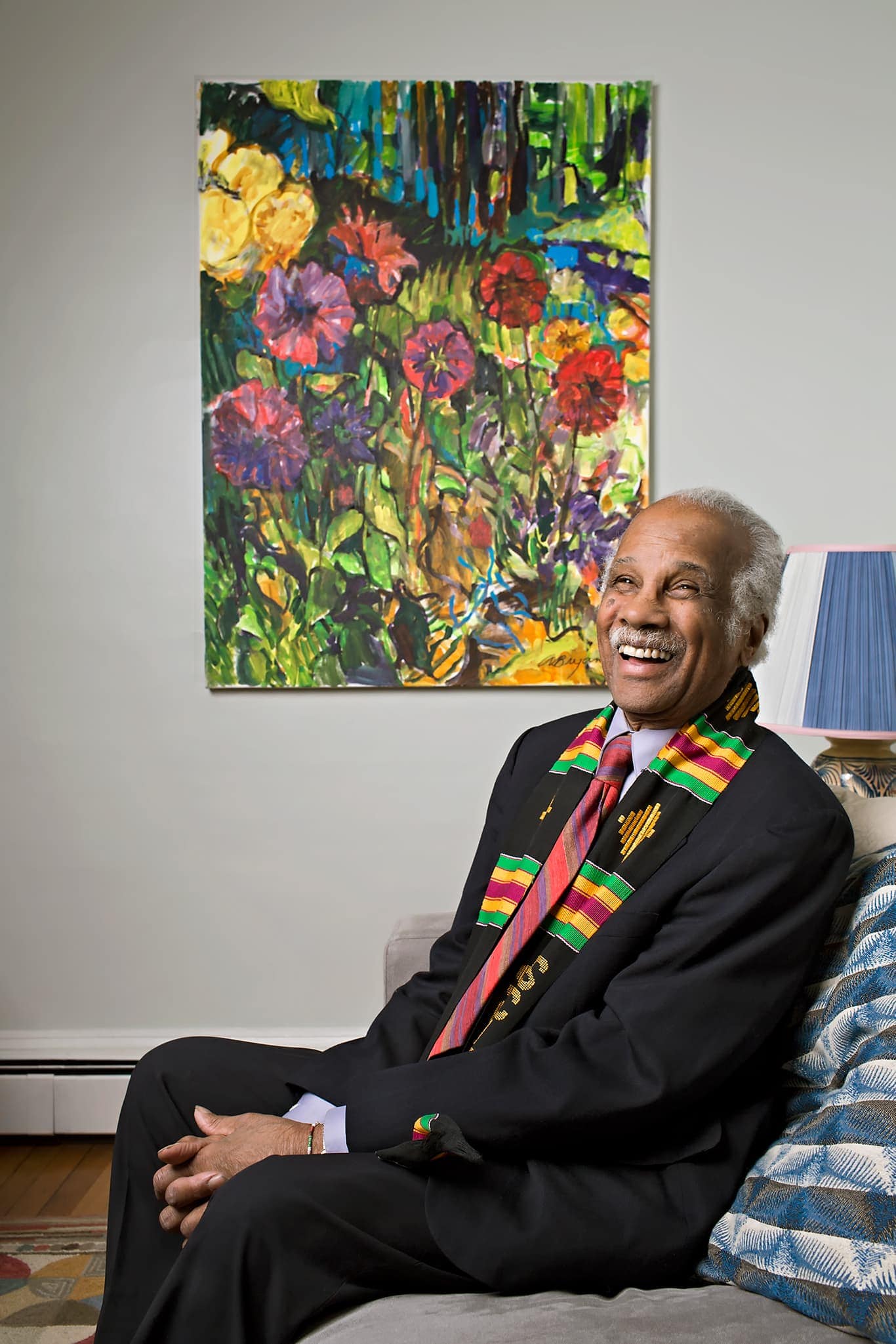
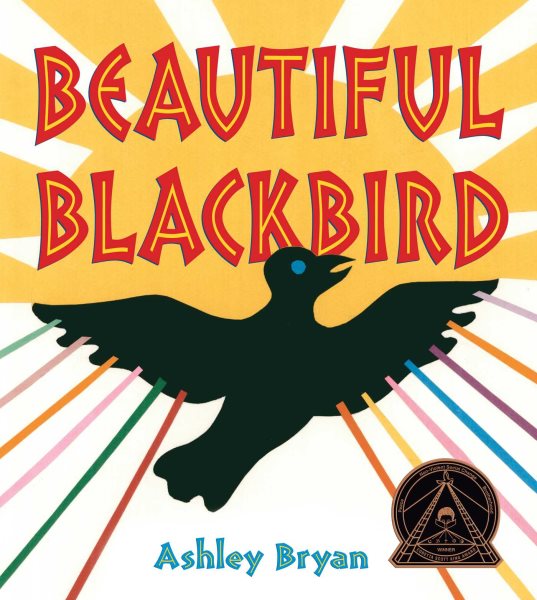
Ashley Bryan

July 13, 1923 – February 4, 2022

“But we throw ‘National Treasure’ around so cavalierly that when you get to know one, you realize how rare they are, and you want the world to dance jubilee in their honor. He deserved it. My god, Ashley, have you earned your rest.” – Jason Reynolds, NPR


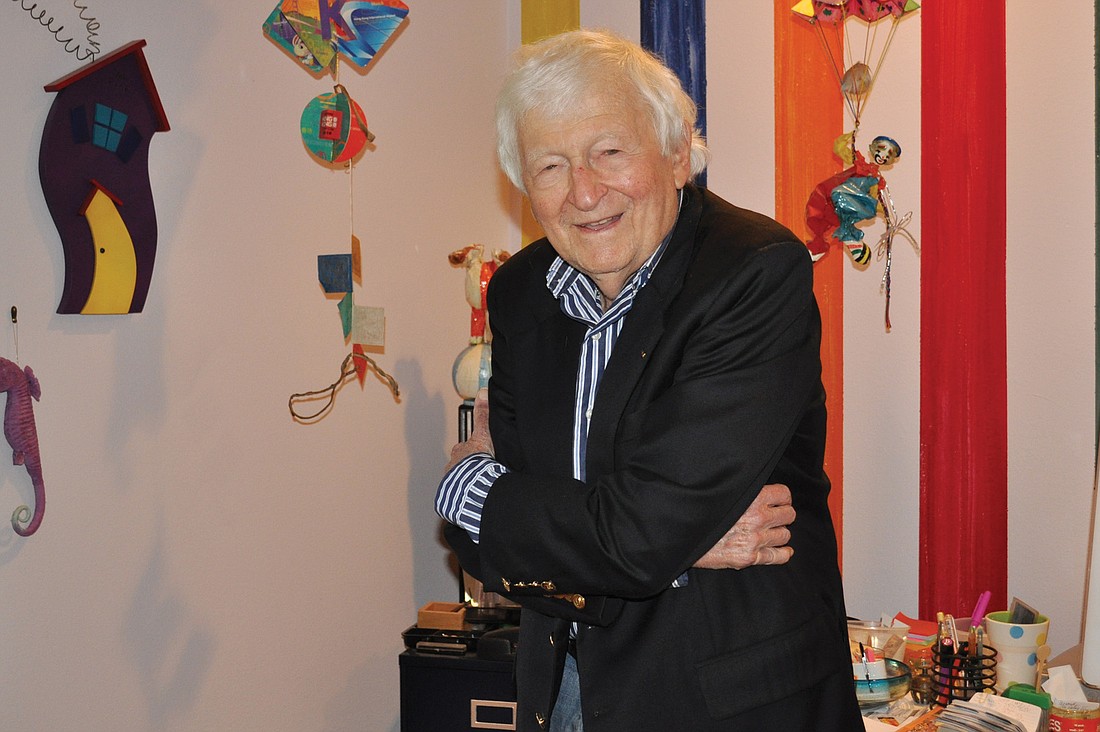
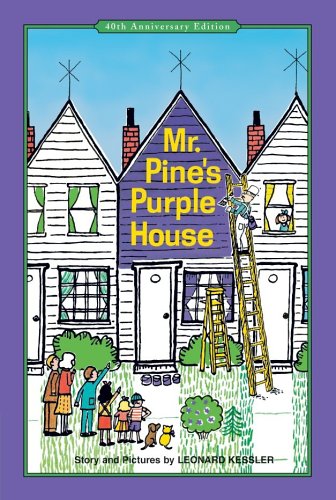
Leonard Kessler

October 28, 1920 – February 16, 2022

“I have a purple door. I have a purple studio,” he told The Tampa Bay Times in 2005. “I think purple is a color that vibrates. I think that’s me.” – Leonard Kessler, The New York Times


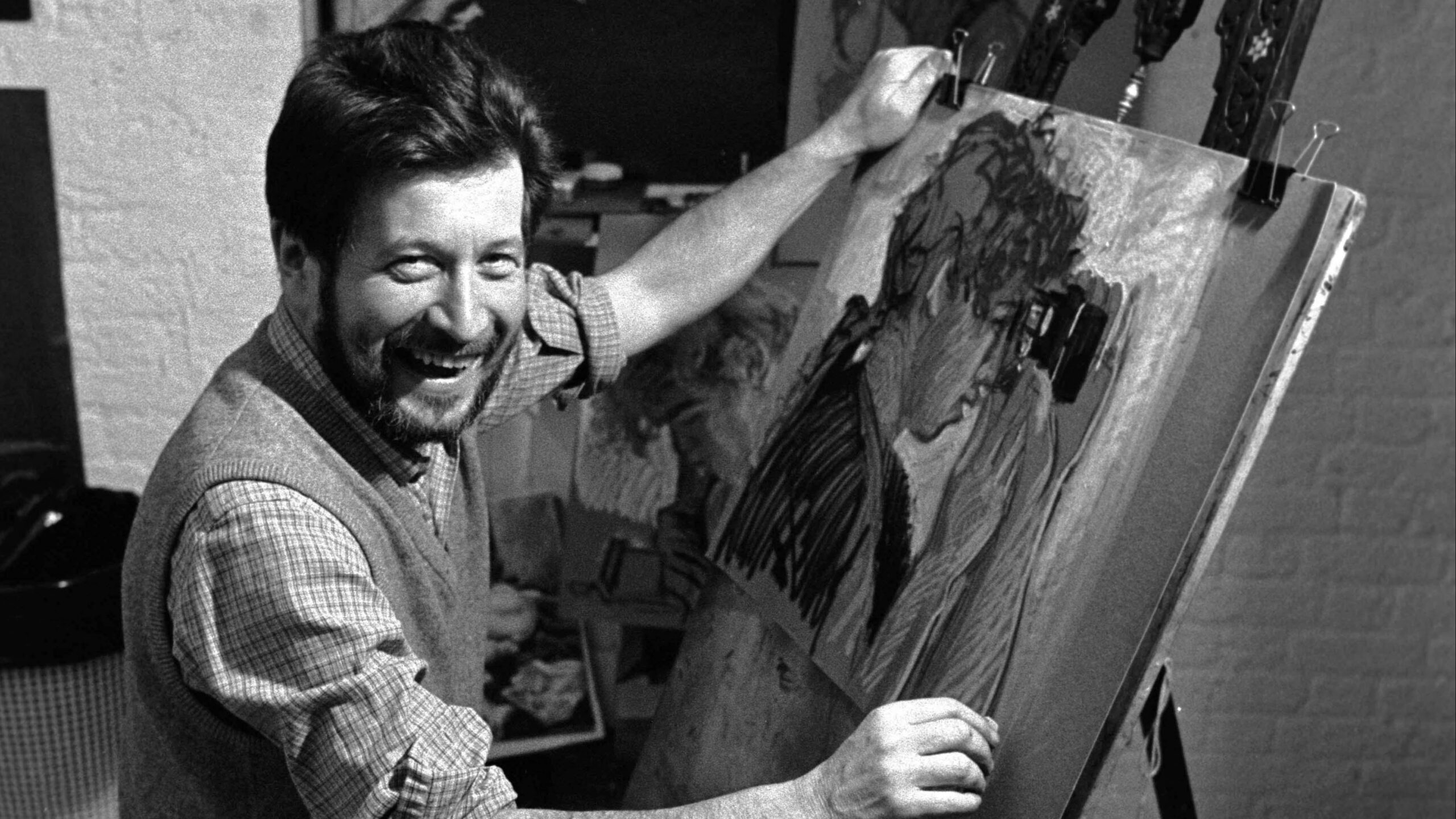
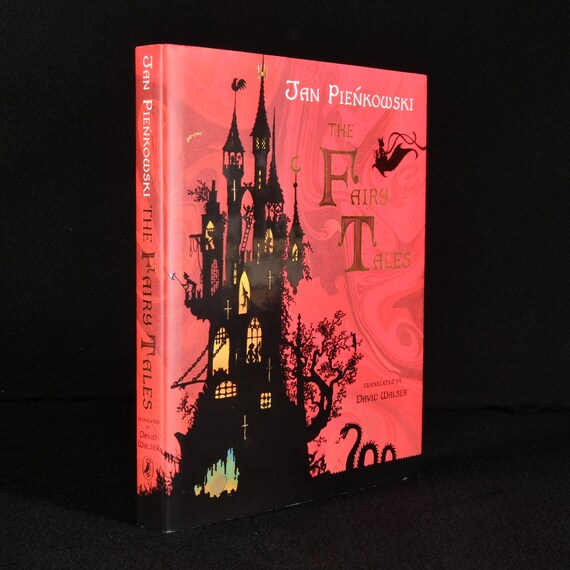
Jan Pieńkowski

August 8, 1936 – February 19th, 2022

“Jan was one of the great storytellers: an exceptionally talented creator, who was led by what interested him, and who treated children as his equals … There was an impatience and wonderful curiosity to him, as he looked for new ways to tell stories: drawing on his Polish roots with his cut-out and silhouette work; his extraordinary use of colour; his pioneering interest in drawing on the computer; and of course his award-winning pop-ups which challenged publishers and printers to find new ways to create his books.” – Francesca Dow, The Guardian


Paula Cohen

June 26, 1964 – February 24, 2022

“Paula was so much like Shirley, the protagonist of her debut picture book. She was thoughtful, fiery, sweet, funny, talented, and wildly determined. She loved her family, her friends, and her community and she made the world a friendlier place. It was a true honor to be a small part of making one of Paula’s big dreams come true. She will be missed by all of us in her extended family.” – Christy Ewers, Publishers Weekly


Shirley Hughes

July 16, 1927 – February 25, 2022

“Shirley and the characters she’s drawn and written about are a great family of witnesses to the power of love and kindness. We could talk for hours – with a multitude of examples – of her mastery of the craft of illustration, of her close and unwavering observation of children as they’re busy with all the things that are so important to them, of her sheer technical genius. But the best tribute to her lifetime of production is the physical state of the books of hers on bedside tables, or crammed into bookshelves, or face-down on the floor under the bed: battered, bent, torn here and there, perhaps chewed a little, scribbled on – these books have been loved almost to destruction. She will last as long as there are children.” – Philip Pullman, The Guardian


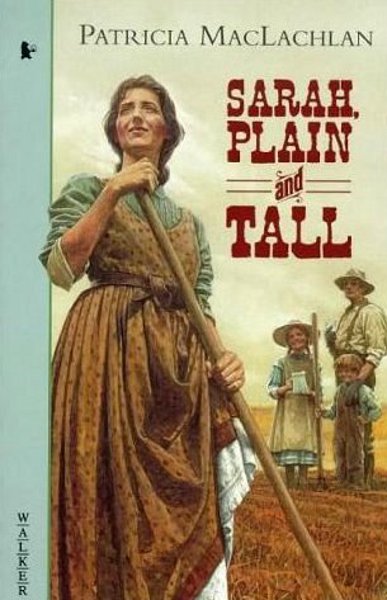
Patricia MacLachlan

March 3, 1938 – March 31, 2022

“PattyMac, as we in the writing group often called her, was more than just a brilliant writer. She was a sort of Dorothy Parker figure—sharp and funny—crossed with an Emily Dickinson wordsmith. ‘I’m no poet, you know,’ she would say to us, when we were talking about a piece she just read to us, her own lines of the picture book putting the lie to such a statement. We watched her struggle with macular degeneration and marveled that even blind, she was writing more than any of us. She always had a new piece, or part of a new book for us to hear. She was finishing revisions on a new novel even as death crept up behind her. Was she one of a kind? She was three of a kind, I think. I know no one else like her—soft and sharp, witty and snarky, and the most loving mom and grandmother in the world. In fact, the world has been mothered by her. Just read her books and you will know what I mean.” – Jane Yolen, Publishers Weekly


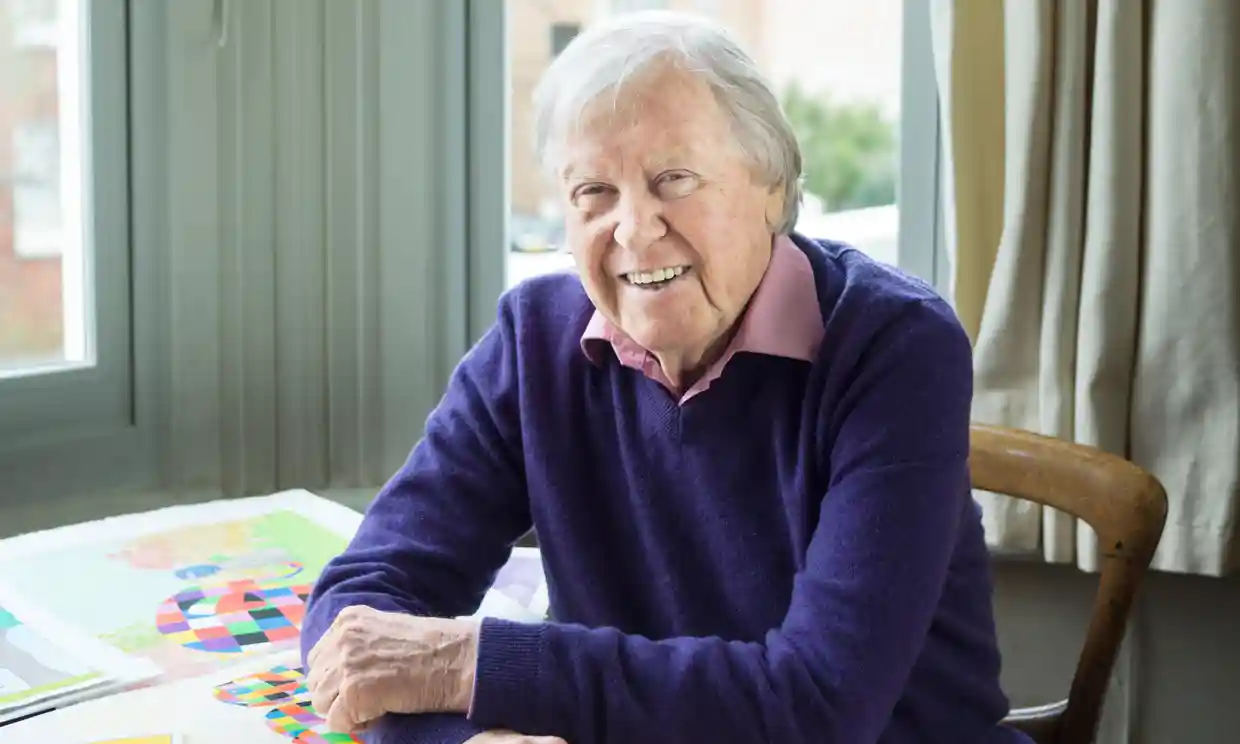
David McKee

January 2, 1935 – April 6, 2022

“I’ve often said I think the air is full of stories – you just have to have the right receiver and you pick them up.” – David McKee, The Guardian


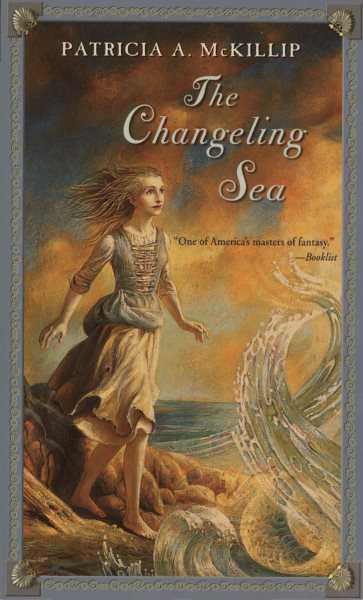
Patricia McKillip

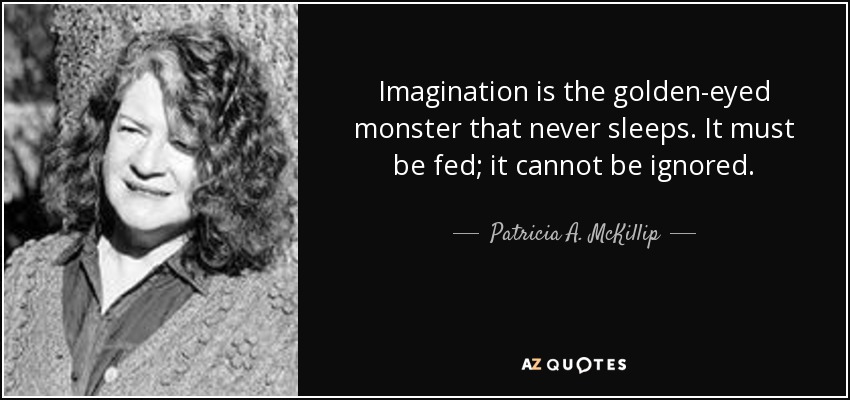
‘February 29, 1948 – May 6, 2022

“At it’s best, fantasy rewards the reader with a sense of wonder about what lies at the heart of the commonplace world. The greatest tales are told over and over, in many ways, through centuries. Fantasy changes with the changing times, and yet it is still the oldest kind of tale in the world, for it began once upon a time, and we haven’t heard the end of it yet.” – Patricia McKillip, terriwindling.com


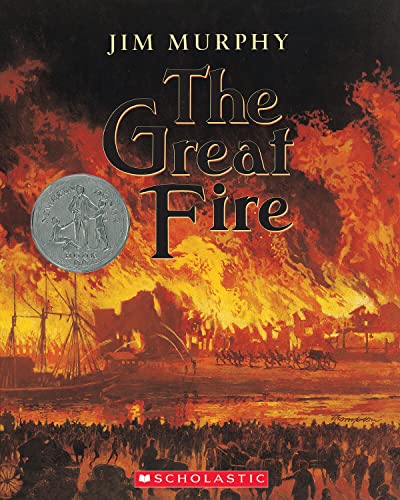
Jim Murphy

‘September 25, 1947 – May 1, 2022

“Jim was an inquisitive and passionate researcher. He had a remarkable talent for finding the voices that would bring his narratives to life, in letters, diaries, and periodicals, as if he had personally interviewed people from the past. Jim was also one of the funniest people I ever met. For readers wishing for a more rounded picture, Jim’s novel Revenge of the Green Banana offers a glimpse of his comic side and his years as a mischief-maker in elementary school. I’m sad to think I won’t have the pleasure of working with him again.” – Dinah Stevenson, Publishers Weekly


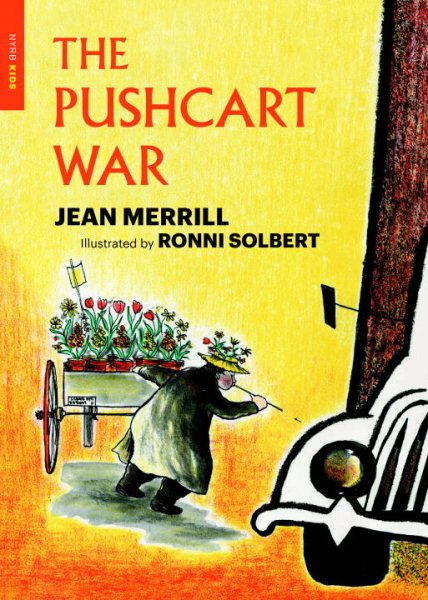
Ronni Solbert

September 7, 1925 – June 9, 2022 

“Art is my sanity, joy, frustration and passion. My subject is the human animal, our relationship with each other and to the world we inhabit. I want the work to invite reflection, open perspectives and challenge the viewers’ emotional and intellectual responses.” – Ronni Solbert, Cranbrook Art Museum


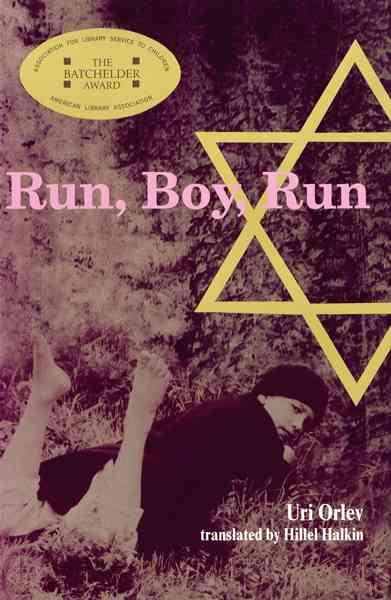
Uri Orlev

February 24, 1931 – July 26, 2022

Orlev’s books “manage to depict his youth in the Holocaust and his immigration to the country and to make the difficulty accessible to children and teenagers through his unique writing.” – Israel Culture and Sports Minister Chili Tropper, The Times of Israel


Charlotte Pomerantz

July 24, 1930 – July 24, 2022

“I started writing because it was the only thing I was ever good at.” – Charlotte Pomerantz, The New York Times


Jeanne Steig

May 2, 1930 – July 26, 2022

She was (and is) my hero, the best example I can summon about how to live a life. She started making art when Bill said to her, ‘You can’t sit on your ass all day. You have to work with your hands!’ Jeanne loved bright socks, shopping for them and wearing them; she explained their purpose: when she watched her nightly gory movie, she’d rest her feet on an ottoman and admire her socks. That was Jeanne in a nutshell. She found joy wherever she went. She had a bigger appetite than anyone I know—for food, for love, for art, for friends, for life. Poet, writer, artist, mensch—all of those things she was. What a gift to the world.” – Holly McGhee, Publishers Weekly


Raymond Briggs

January 18, 1934 – August 9, 2022

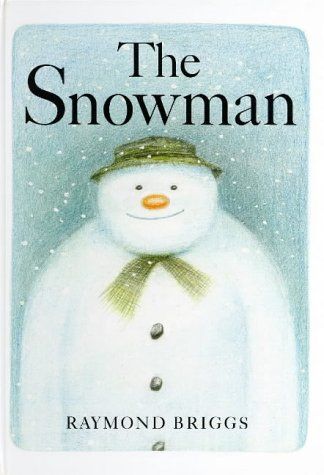
“I knew Briggs himself only very slightly: I met him on a couple of occasions. He had a wonderful, comically grumpy manner – deadpan and modest with it. He was also straightforwardly generous and kind. People pointed him out in a room. In fact, if you wanted to know he was there, he had to be pointed out, because he was so un-flamboyant in his appearance. I can’t vouch for his pyjamas but there’s a good chunk of him in the character of his Father Christmas. I heard about his passing from a call while I was in a taxi. I told the cabby. He didn’t recognise the name. “The man who wrote ‘The Snowman’,” I said. Yes, he knew that all right. The wordless picture book and its film adaptation are classics. The story touches on themes of friendship, change, loss, death, the rhythm of life, the chain of being between us – all done in a short space. With this book and across all his work, we have been lucky to have read and watched such great work from a great artist with a great heart.” – Michael Rosen, The Guardian


Jean-Jaques Sempé

August 17, 1932 – August 11, 2022

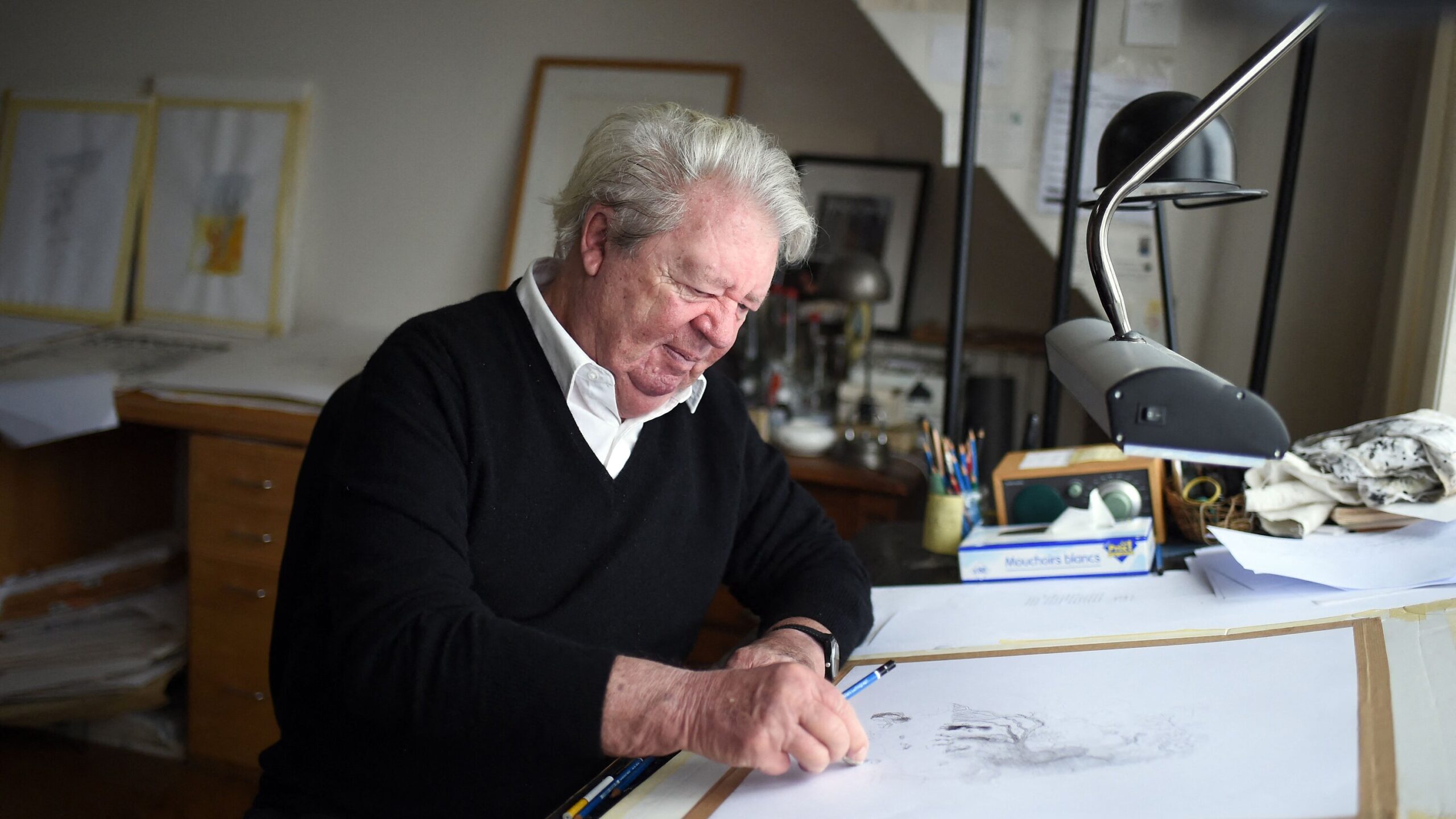
“Jazz, tender irony, the delicacy of intelligence…Jean-Jacques Sempé had the elegance of always remaining light without anything escaping him.” – French President Emmanuel Macron, Kirkus


Liz Goulet Dubois

January 13, 1967 – August 14, 2022

“She was such a funny, vibrant woman and an absolute delight.” – Eliza Smith, Publishers Lunch


Dennis Nolan

October 19, 1945 – August 16, 2022

“Keeping it simple and magical is the best way to travel. And the magic is always there if we take the time to notice it”. – Dennis Nolan, legacy.com


Jill Pinkwater

May 29, 1941-October 4, 2022

“I just want to say… not just that I love her, that’s obvious, but that she is the single greatest person I have met, ever. And quite a few things that people tend to like and/or respect about me are actually Jill. I don’t feel grief, I feel gratitude.” – Daniel Pinkwater, Publishers Weekly


George Booth

June 28, 1926 – November 1, 2022

“The man himself: tall, with a Will Rogers-like tuft of hair falling onto his forehead. A gentle man, with a touch of Missouri accent (that makes sense: it’s where he was born). Booth was a real character. Spend any time with him and you would be treated to his bursts of laughter – perhaps a snort! Laughing full out loud when he was surprised by humor in others. He wasn’t the least bit shy about laughing at his own work – an honest reaction to absurdities he’d laid down on paper … His laughter, like his cartoons, providing moments of contagious pure joy.” – Michael Maslin, The Daily Cartoonist


Marcus Sedgewick

April 8, 1968 – November 15, 2022

“He was always bursting with ideas and could create different worlds while keeping his stories very easy to relate to … He had a vast brain as well as all of that creativity.” – Fiona Kennedy, The Guardian


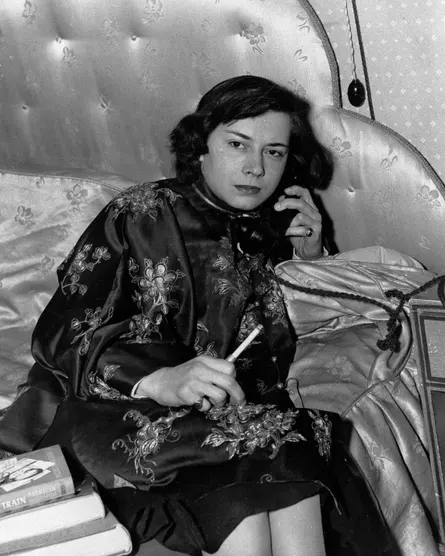
Marijane Meaker

May 27, 1927 – November 21, 2022

“That’s one thing – and, of course, so many changes – the freedom in the – among the young people to announce that they’re gay, the idea that it is not unusual today for a parent to hear from a child, I’m gay, and to handle it. And you don’t seem to hear any more about going to an analyst to be cured. It doesn’t exist anymore. And even the psychoanalytic society has finally taken the – taken us off the abnormal list. I see progress everywhere, and I – and it’s thrilling to me.” – Marijane Meaker, NPR


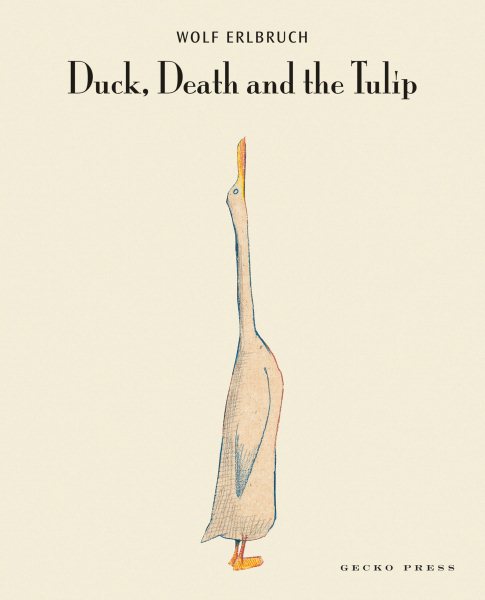
Wolf Erlbruch

June 30, 1948 – December 11, 2022

“Erlbruch is not averse to crassness and the grotesque and, to quote from Horst Künnemann’s 2005 article on Erlbruch in Bookbird, he consistently challenges “traditional squeamishness.” Children, Erlbruch was quoted in a 1996 interview, “are entitled to illustrations that have a certain crudeness.” Just as Erlbruch stretches the limits of the page, he also stretches the limits of acceptable content — consider that perhaps his most brilliant and profound work is about an ogress and her penchant for eating young children — but above all he stretches the imagination.” – Jeffrey Garrett, IBBY

Filed Under: Obits Tagged With: obits

31 Days, 31 Lists: 2022 Picture Books

December 31, 2022 by Betsy Bird

We’re done! At an end! After 31 days I’m ending with my biggest and best of all the lists: Picture Books. Every year literally hundreds of them flood my library. With my talented librarians by my side, we sift through them and find the ones that really are the best of the best. These are the ones that I loved particularly. Many you will have heard of. A couple will be new. But regardless, each and every one is a star.
Curious to see what the previous years’ lists of picture books looked like? Behold the fruits of my past labors!

  • 2021
  • 2020
  • 2019
  • 2018
  • 2017
  • 2016

2022 Picture Books

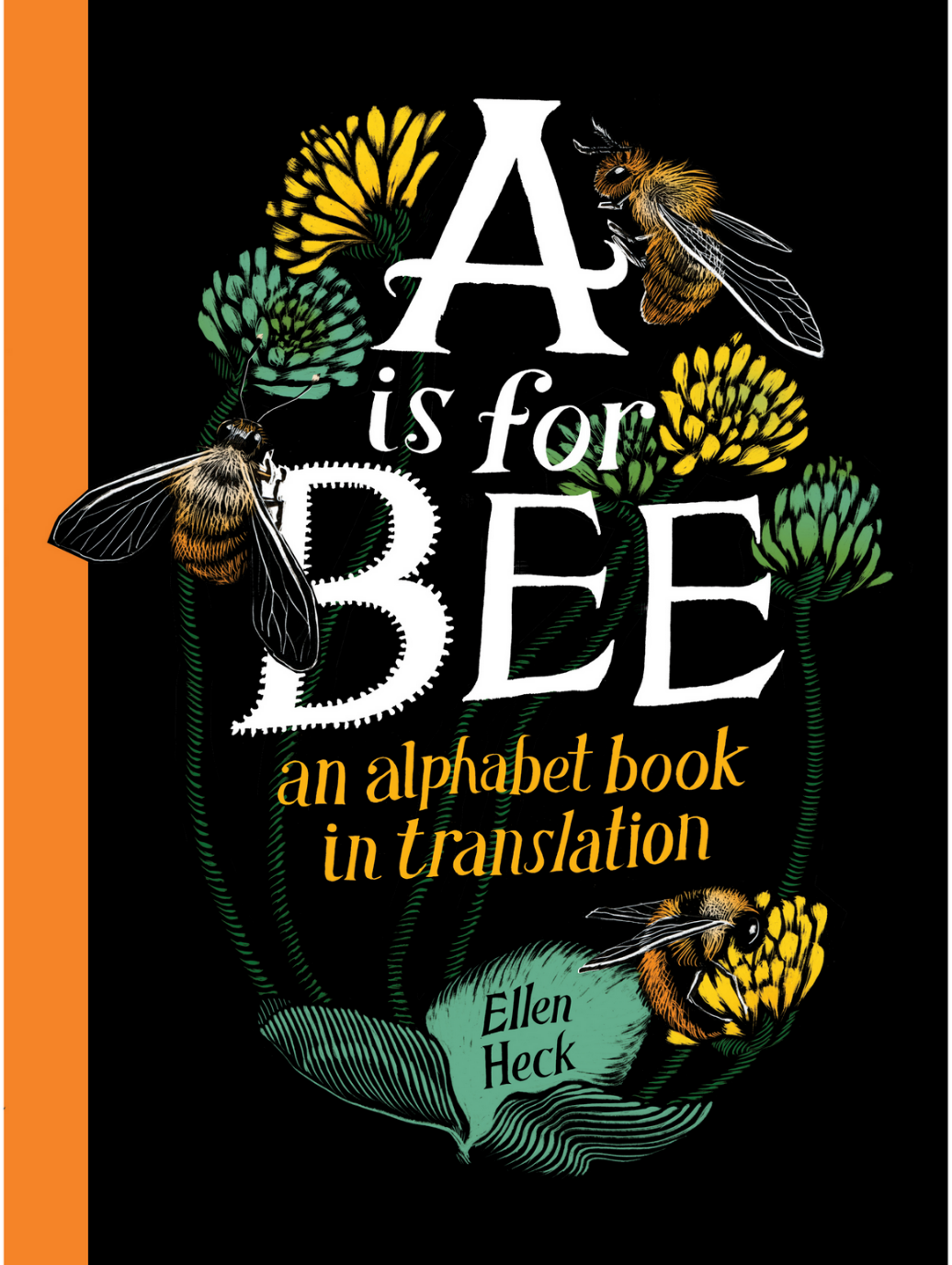
A Is for Bee: An Alphabet Book in Translation by Ellen Heck

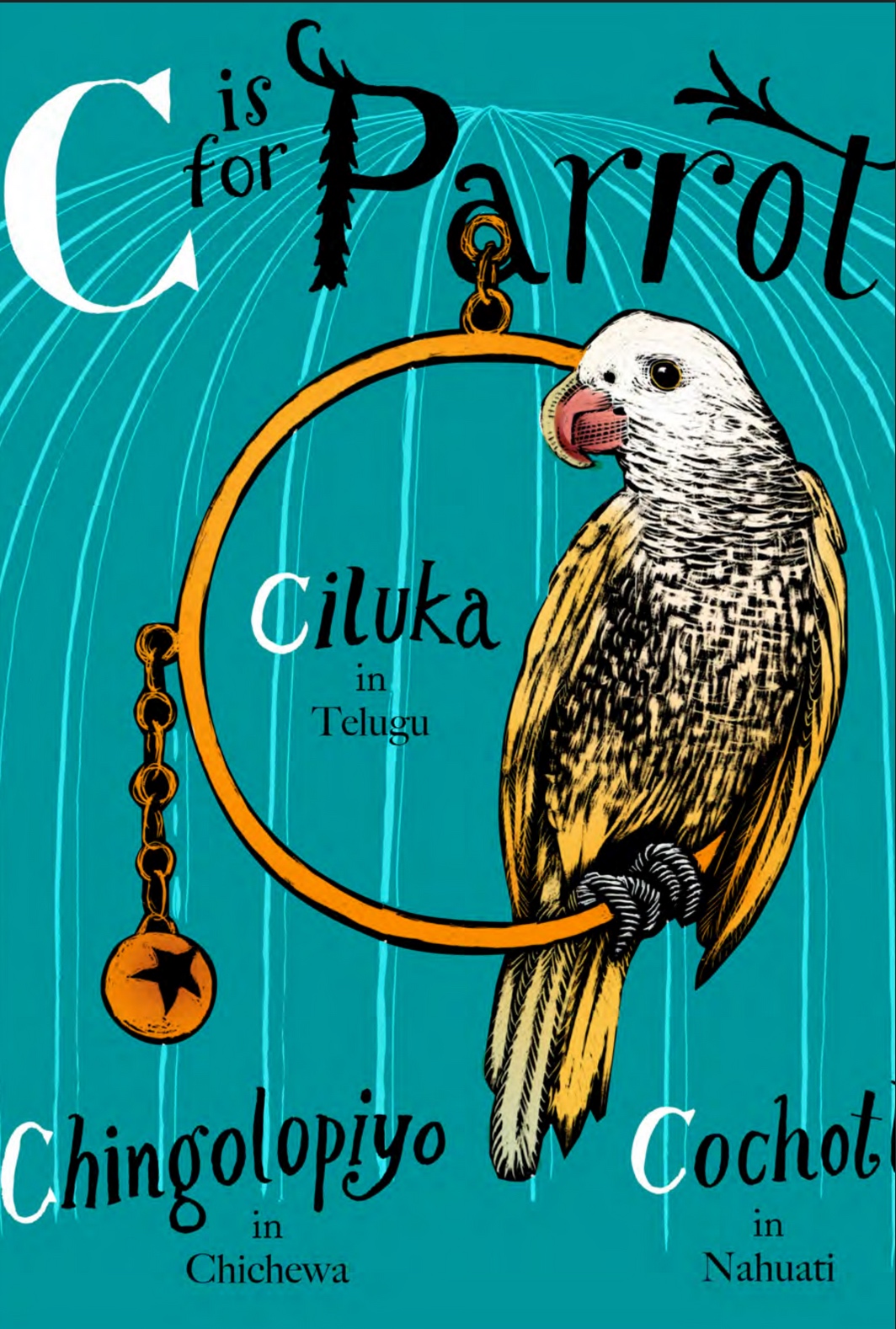
A is for Bee? It is when you realize that a bee is an “arl” in Turkish, an “Aamoo” in Ojibwe, and an “Abelha” in Portugese. A clever alphabet book that upsets kids expectations and what language can do. It is so hard to come up with an original alphabet book, to say nothing of an alphabet book that intends to expand kids’ global views of language. Consider this the serious (and seriously beautiful) version of P Is for Pterodactyl. Like that book, this plays with our assumptions. So this is for slightly older kids who think that they are done with alphabet titles. You could probably (with some practice) even read this aloud to classes. I can think of few titles that make it so clear how a lot of our perceptions and assumptions change when you look around the world. Plus that backmatter is a-maz-ing.

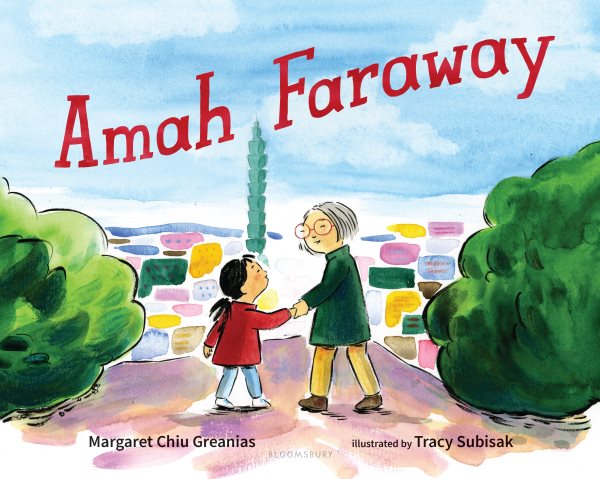
Amah Faraway by Margaret Chiu Greanias, ill. Tracy Subisak

Kylie is super uncomfortable at the idea of visiting her Amah in Taiwan. But after initially resisting everything that’s different she suddenly comes to realize that being with Amah can be SO MUCH FUN! This bears a passing resemblance to last year’s I Dream of Popo, and indeed we’re seeing a lot of tales these days about grandchildren visiting grandparents with whom they don’t share a language (see: Mariana and Her Familia later on this list). What I really enjoyed about this book was the little heroine’s discomfort and the degree to which she just resists and resists and resists at first. That felt particularly real to me. I think that feeling is doubly frustrating and understandable to young readers. You just get this palpable sense of relief when she finally gives in and starts to have a good time. And I just love how patient her Amah is as well. There’s a really nice echoing going on when she wants to know “Why do we have to go?” and then, when they leave, “Why do we have to go?” It’s a neatly written book when you get right down to it.

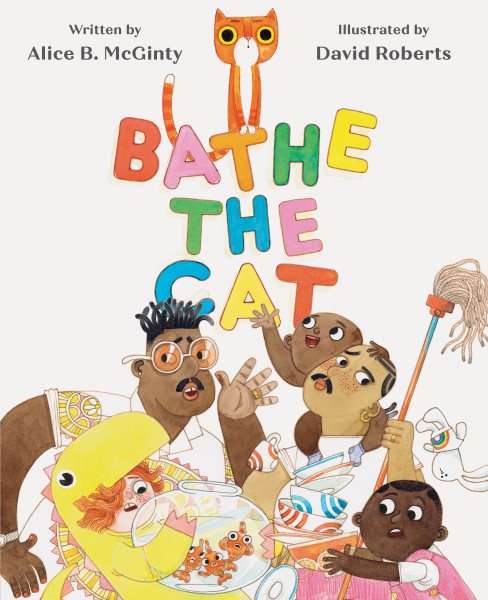
Bathe the Cat by Alice B. McGinty, ill. David Roberts

Grandma’s on the way to visit so everyone needs to clean up! “Sarah, feed the floor. I’ll sweep the dishes. Bobby, rock the rug. Dad will scrub the fishes.” Wait, what? A mischievous cat mucks with a family’s housework to hilarious effect. Okay. If there is an argument to be had that we simply do not have enough regular families with gay parents represented in our picture books, then I think I have at least one solution right here. This book is a sheer delight. Visually it’s such an eye-popper. I adore this family, and the mischievous cat in particular. Plus, it’s such an original idea for a storyline! Would love many many more reads on this.

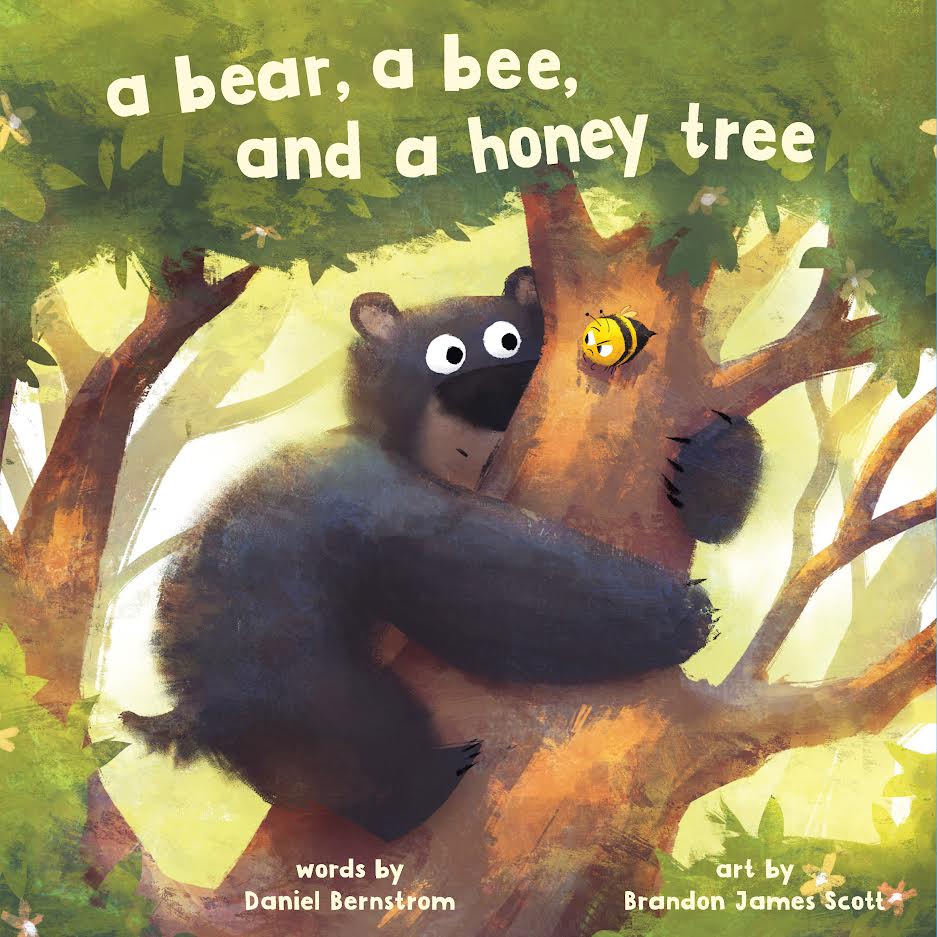
A Bear, a Bee, and a Honey Tree by Daniel Bernstrom, ill. Brandon James Scott

Fuzzy bear. Angry bees. Yummy honey. Silliness abounds in this delightful readaloud full of ursine hijinks. Friends and neighbors, if you read only ONE bear-related picture book this year, let it be this one. I know that we’re on a constant lookout for younger picture books and it can be difficult to find them. Now Daniel Bernstrom first won my heart by creating the truly delightful One Day in the Eucalyptus Eucalyptus Tree a couple years ago. This one has a rhythm of its own and as for illustrator Brandon James Scott, this guy can do so much with eyes. The slightest millimeter to one side or another changes absolutely everything. And the page turns! Dear god, the page turns! Basically, I see this as the ultimate readloud to large groups as well as one-on-one lapsits. Somebody do this in a storytime and tell me how it works! 

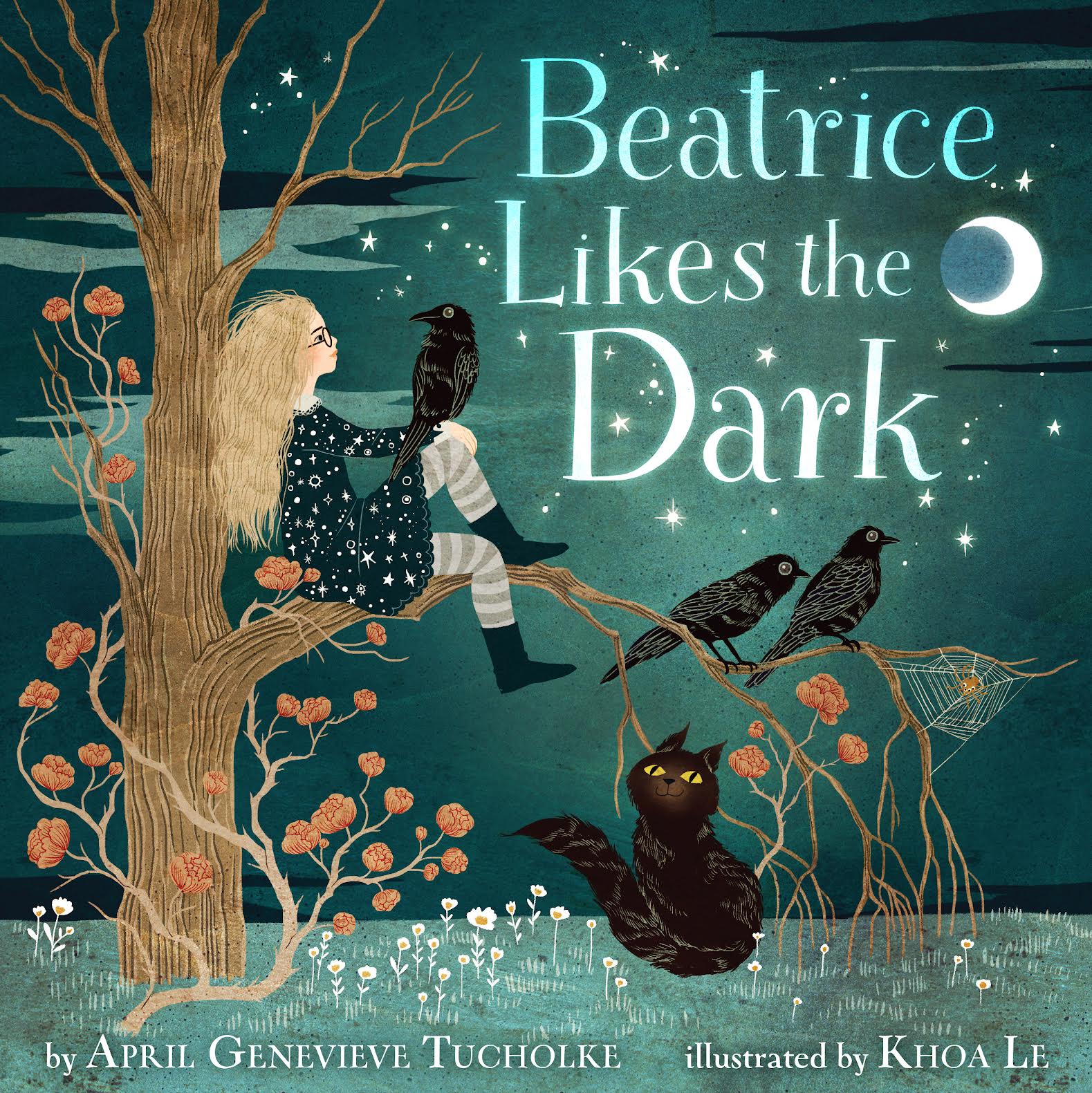
Beatrice Likes the Dark by April Genevieve Tucholke, ill. Khoa Le

Beatrice likes the dark, and the quiet, and the spiders, and the night. Her sister Roo likes light, and sun, and strawberries, and treehouses. Can such two very different people ever see eye to eye? A tale of accepting the different. You know, we see all kinds of picture books for girls that don’t fit our predetermined little categories of what constitutes femininity but you know what we don’t see? Enough picture books featuring creepy little girls. Little goth girls in the making. Tiny Wednesday Addams. I mean, we see a lot of picture books about girls who like bugs and stuff, but Beatrice is totally different from that. And the whole reason I’m including the book here is because this title honors her creepy little vibe and says it’s okay. At the same time, it shows that her polar opposite sister is also okay. No one is being demonized here for being the norm or outside of the norm. Plus, you add in the truly amazing art of Khoa Le (one of the too-little-lauded-treasures of the children’s book world) and you’ve got yourself a fabulous combination.

Beauty Woke by NoNieqa Ramos, ill. Paola Escobar

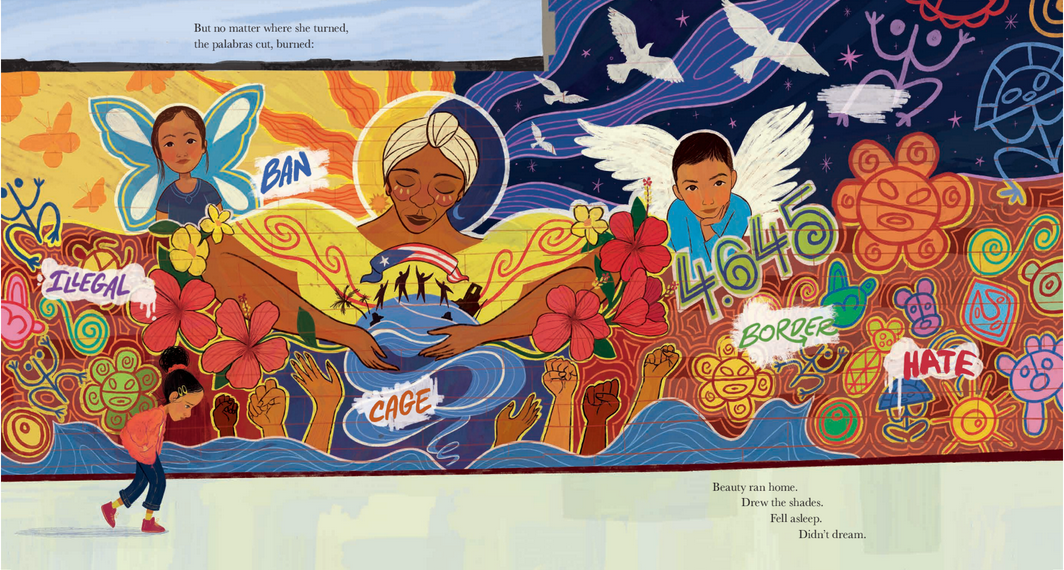
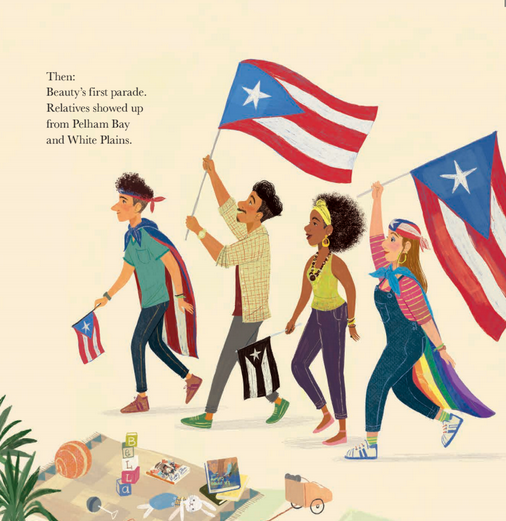
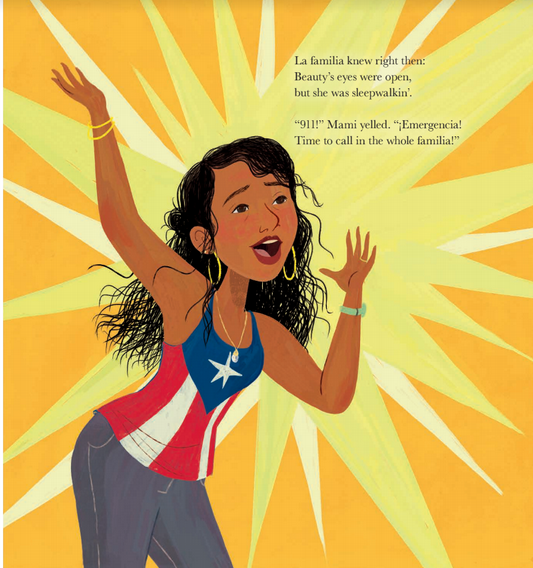
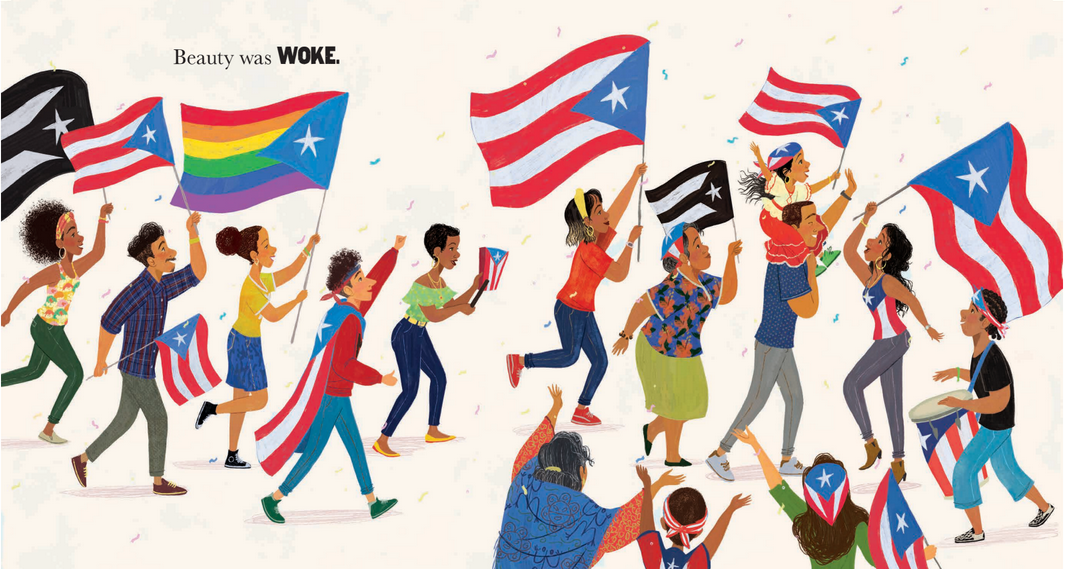
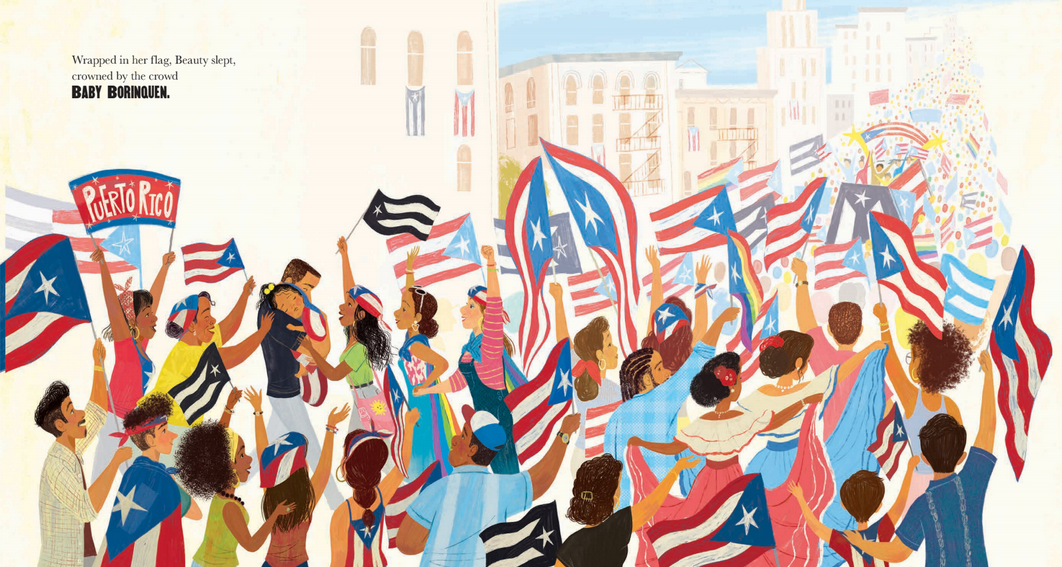
Thanks to her loving Puerto Rican family, Beauty learns to wake up and find the beauty within herself and in her heritage. Bursting with colorful illustrations, an inspirational story from the author of Your Mama. Yeah, see, this is how you do it. There are books that say you’re special but they don’t show it. This book means it. It burns with it. Plus who can resist taking the Sleeping Beauty myth and turning it on its head like this? Ramos’s decision to make it rhyme too was gutsy since rhyme can go so wrong. Extra points to whatever editor tapped Paola Escobar to do the art. This title should serve as an example for others. No halfsies. This book is all in.

Build! by Red Nose Studio

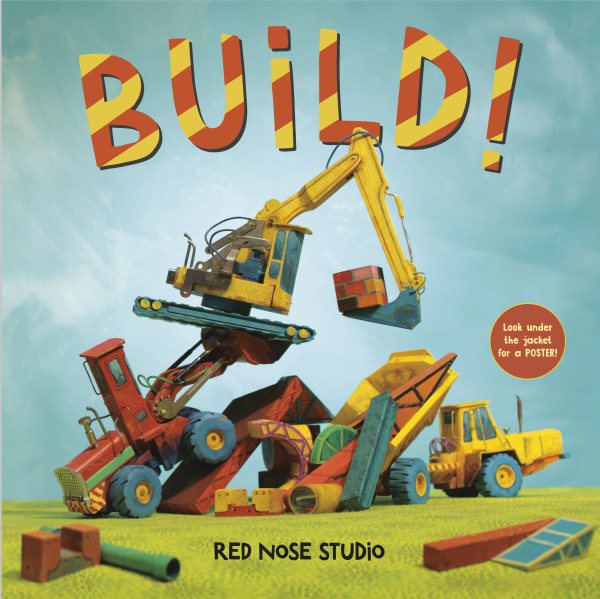
Telescopic handlers, excavators, bulldozers and more! Watch as these great big vehicles (or are they?) hoist and drag, load and push. Construction vehicles have never been this cool. Considering the fact that we’re always on the look out for books that speak to younger audience, let us not discount the fine fine work of Red Nose Studio. Now for a time I was the primary Kirkus reviewer of all picture books related to construction equipment. That was for the very good reason that my son was briefly obsessed with them. This book would have hit all the right notes with him when he was 2 or 3. The text is marvelously simple (easy book simple?) and does all the fun action words you’d like paired to the act of construction. “LOAD” “DRAG” “HOIST”. And because these are all models, there’s a kind of Walter Wick-ish aspect to seeing how the images are made. The threads that are part of the crane, for example. I love the appearance of the kid at the end. Now here’s an interesting detail I’ve not really seen before: Under the book jacket you’ll find additional nonfiction definitions of each vehicle, from payloaders to backhoes, in the form of a useful poster.

Chirp! by Mary Murphy

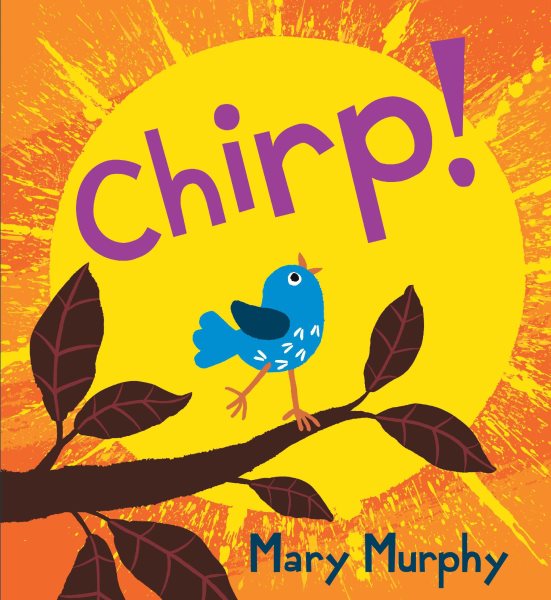
The sun is coming up and the birds are starting to appear. Bouncy rhyming text and beautiful art celebrate the dawn of day and the sounds of our many feathered friends. Okay, folks. I know some of you are always looking for those books for the younger kids that would be reading books from my lists. It’s so easy to praise those complicated stories for 5-year-olds and ignore their 3-year-old siblings. Now Mary Murphy is a known entity. She’s made a name for herself over the years (and I’m not ashamed to say that I’ve read the board book edition of her I Kissed the Baby MANY many times over the years). This book is subtle. It sneaks up on you. At first it doesn’t seem like much, but Murphy is juggling a lot of balls in the air. First of all, she has to include this wide array of birdcalls. She also has to make the whole thing rhyme (which is NOT easy), and in the art the sun has to rise at a glacial pace. There is also a seek-and-find element with the little blue bird apparent on every page. This is a readaloud that could work particularly well with a crowd, and it’s beautiful as well. A hard thing to manage in something that seems so simple.

The Circles in the Sky by Karl James Mountford

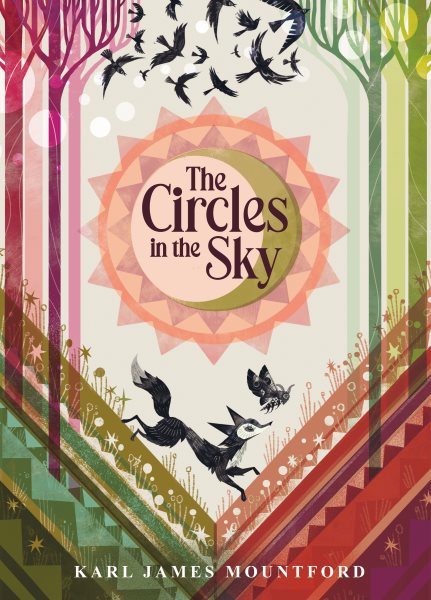
 One morning Fox finds a bird lying quite still upon the ground. With the aid of a small moth, the two reflect on life and death, accompanied by marvelous, beautiful illustrations. A meditative, contemplative, necessary book. I like my death books touching, and I like ‘em weird. Trouble is, you usually get one or the other. Now this book isn’t fully weird, but it has little tiny elements that keep your attention going. Mountford is making his picture book debut with this title, but you’ve probably seen the work he’s done on middle grade book jackets over the years. Here, he brings his unique style to the story of a fox dealing with the death of a bird. It is very much a story of someone grappling with the idea of death for the very first time. The helpful moth tries out platitudes to soothe the fox, and you can imagine how well that goes. Together, however, they come to a kind of understanding. Now the art in and of itself is amazing. There’s this shot of the fox doing a very foxy straight up-and-down leap in an effort to wake the bird up that’s marvelous (to say nothing of the choice of skeletons under the hill) but the wordplay is the real standout. I love this line: “Sad things are hard to hear. They are pretty hard to say, too. They should be told in little pieces.” Just amazing.

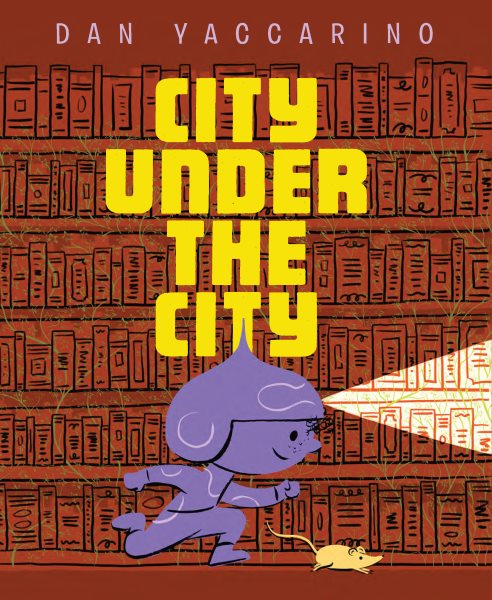
City Under the City by Dan Yaccarino

Bix lives in a city where robotic Eyes take care of everyone’s needs. But when she discovers an ancient city under the ground, she finds a love of books and reading she never had before. Now time for a revolution! Behold, the science fiction picture book. That rarest of rare beasts. Just anecdotally, when I happened to mention this book to a parent friend of mine she virtually grabbed my lapels and demanded I hand over a copy whenever I had a physical copy in hand. Why? Because this is just your average post-apocalyptic future in which a child finds the remains of an old world even as she discovers the beauty of choosing books for yourself. We see a lot of titles that are anti-screen but this is a much subtler and, quite frankly, more fun take on it all.

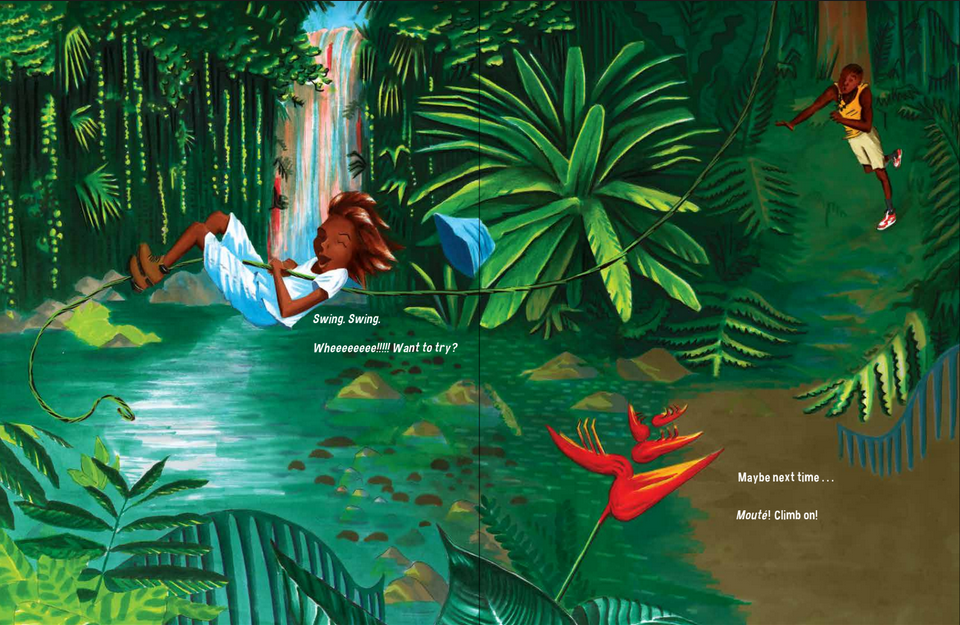
Climb On! by Baptiste Paul, ill. Jacqueline Alcántara

Pawé? Ready? What’s a kid to do when your dad wants to watch TV on a beautiful day? Get ready to climb the highest mountain and to scale the steepest paths. A hiking book with a view to remember. This one could have come across as one of those annoying role-reversal picture books people seem to be so fond of these days. You know what I mean. The ones where the parent acts like a child rather than vice-versa. There’s a bit of that in here, but honestly I felt for the dad in this book. Sometimes you just want to veg out on the couch and watch soccer, and then here comes your scrappy kid, insisting you actually go out and do something physical. In nature no less! While this is a quieter story than Paul and Alcántara’s previous collaboration on The Field, they get into this good rhythm together with this title. It also sticks the landing, which is no small thing. Definitely worth more reads.

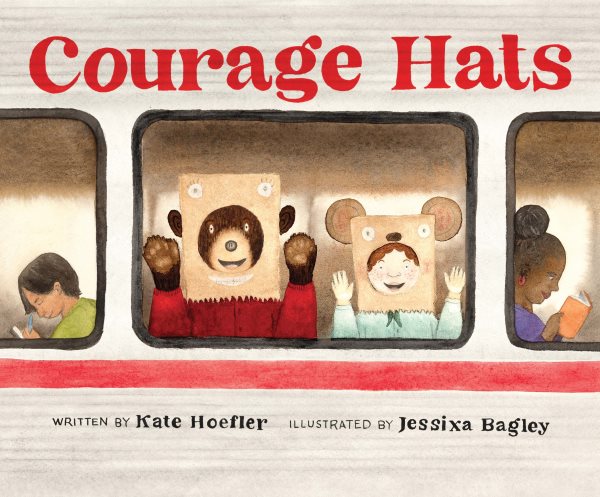
Courage Hats by Kate Hoefler, ill. Jessixa Bagley

“Not everyone loves a train. That’s the world. But sometimes, you have to take one anyway.” A girl scared of bears and a bear scared of girls make special hats to feel brave on a train and end up friends along the way. Smart writing and sweet art combine send a magnificent message. Okay, so a co-worker had me read this one and I wasn’t feeling too optimistic about it. I like Jessixa Bagley but something about this cover looked a little too cute for my tastes. Or maybe I was worried that it would contain this super obvious metaphor that offends the intelligence of child readers? Whatever it was, I walked in with doubts. I walked out a convert. First off, this is Bagley’s most sophisticated work to date. She’s really poured her heart and soul into this art. Just examine the way the pages are broken up and the different angles (I love the aerial view of the girl and bear walking down the aisle on the train together). But the real lure is the writing of Kate Hoefler. Do you remember Rabbit and the Motorbike from a year or two ago? Yeah, that’s her. Somehow she has managed to take the old Look Past Your Own Prejudices idea and turn it into this very sweet story that’s entirely new and old all at once. Making a new friend on the train? That’s just fun. But, again, I keep going back to the amazing writing here. This is picture book text at its finest.

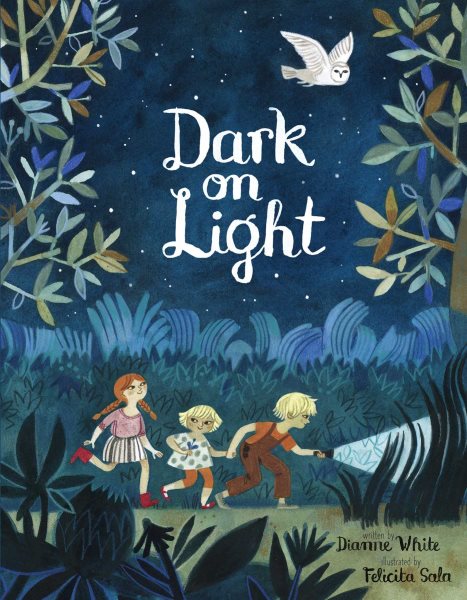
Dark on Light by Dianne White, ill. Felicita Sala

“Rose the horizon, gleaming and bright. / Twilight and evening and dark on light.” Gentle rhymes and sumptuous pictures present a mesmerizing bedtime tale. This is one of those cases where I’m awfully grateful for PDFs, even if I still prefer to read physical galleys. I’m already considering at least one other Felicita Sala book on this list this year, but I’d like some serious consideration for this this title as well. The rhythmic, almost hypnotic incantation of the text combined with her gorgeous art gives this all the feeling of a classic waiting to happen. There’s a really strong Moon Jumpers vibe coming off of this book, which I thought was great. I could see you reading this over and over, night after night, to a child in bed, since the story in the pictures is so comforting. Absolutely adored it on sight.

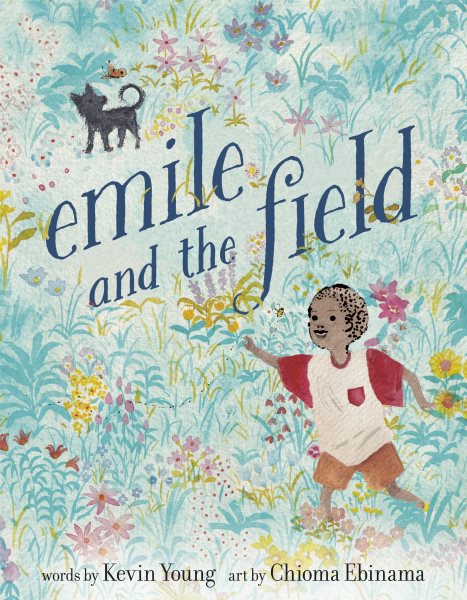
Emile in the Field by Kevin Young, ill. Chioma Ebinama

In this lyrical picture book from an award-winning poet, a young boy cherishes a neighborhood field throughout the changing seasons. With stunning illustrations and a charming text, this beautiful story celebrates a child’s relationship with nature. Now Emile was a book that took me more than one read to come around to. A beautiful example of why it’s useful to have friends and colleagues that can point out when you’re missing something. I think I fell into that old trap of figuring that if something was simple it was simplistic. But this book (which reads aloud particularly well) is doing tricks with watercolors you’d never expect. For a fun compare and contrast, try looking at Ms. Ebinama’s adult work and see if you can spot any similarities. 

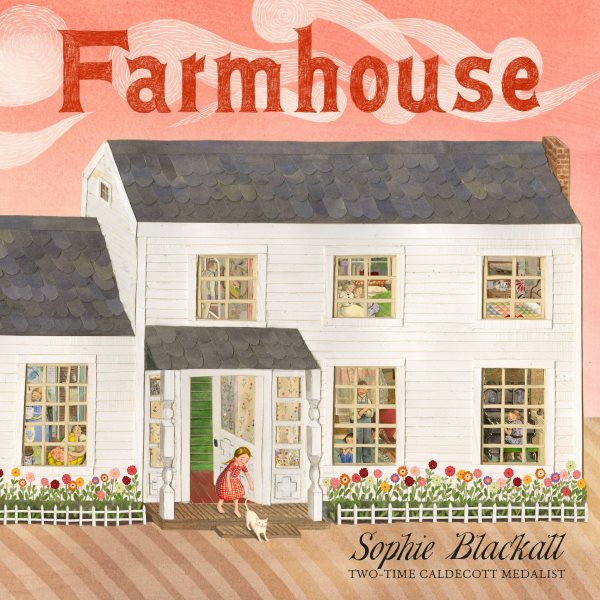
Farmhouse by Sophie Blackall

 In this house there lived a family that argued, dreamed, fished, and grew. Life and the passage of time are celebrated on the page in a stirring, beautiful tale. Farmhouse, which is very much in Blackall’s previous Calcecott-winning Lighthouse vein (day-to-day life in the past in a specific location) is a far more sophisticated, touching, and beautifully rendered book. I feel like we’ve seen at least a dozen picture books where a house is abandoned and then the happy ending at the close is that it’s restored by a new family. This book is kind of the opposite of all of those. The happy ending here is that an artist is able to bring the book back to life on the page. In real life? She bulldozed that sucker. I love the layered cut paper technique Blackall’s using here, and the sheer passage of time. There’s even a scene that shows the beauty of decay (which pairs the book well with that Fogliano/Smith title A House That Once Was). Yeah. Big time fan over here.
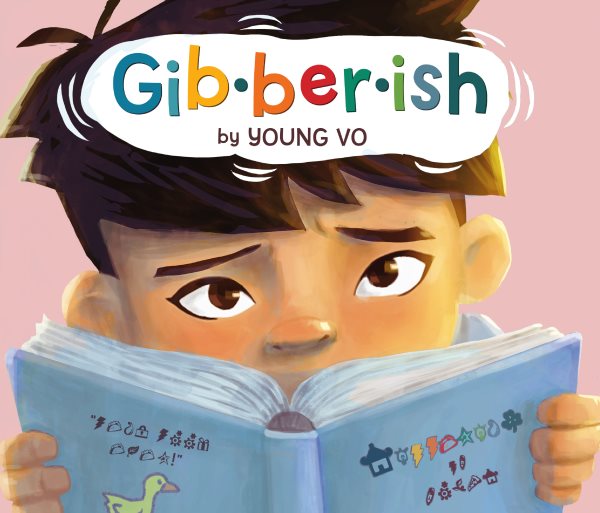
Gibberish by Young Vo

Now that he’s in a new country, Dat feels completely different from the people and the new language that surround him. Marvelous 30’s animation techniques drill home this separation, then recede to show how one good friend can make all the difference in a person’s life. I had to sit with this one a little while to really appreciate what it was doing. I initially read it as an ebook, but I think this particular title benefits the most when you can hold it in your hands. In a way, what it’s doing is pretty similar to what we’ve seen in Pie in the Sky, Here I Am, and even The Arrival. What it does differently, however, is utilize this kind of classic 1930s style of black and white animation along with a healthy smattering of Windings. What that does is really make clear not just the separation Dat feels from his classmates but also how unreal they all feel to him. I’m working on a theory of color as well. It’s possible that the color of the words and speech balloons mean something as well. It’s a lot more complicated than it looks from the outset but like all the best picture books it does a simply marvelous job of simplifying a complex idea without dumbing it down for kids. Extra points for what Young Vo has done with the title on the cover of this book. I didn’t notice it at first but it’s great.

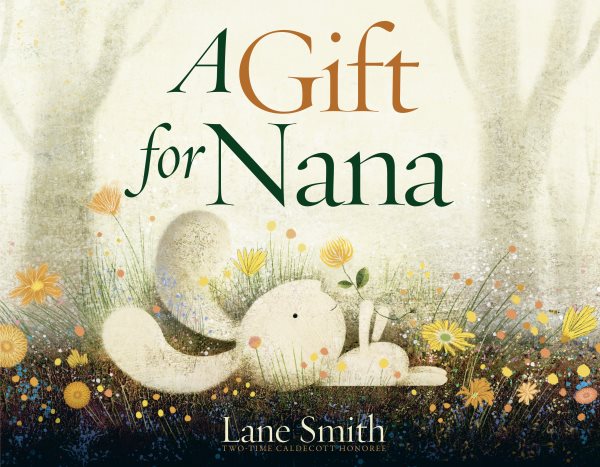
A Gift for Nana by Lane Smith, design by Molly Leach

What is the “perfect gift” for a Nana? Rabbit doesn’t know but he’s willing to go on a little quest to find out. With evocative art that sucks the reader in, Smith crafts a modern classic. When you get right down to it, Lane Smith is very good at what he does. It’s funny, but he can take the most dull sounding picture book plot and craft a truly gorgeous story out of it. The whole getting-a-gift-for-grandma trope has been done thousands of times before. But Smith is smart. He keeps the writing simple and then lets his art do the talking. The art in question is a mix of gesso, oils, “and cold wax” along with your standard Procreate digital work. By the way, have you ever seen anyone get title page credit for “Design” before? I think Molly’s his wife, so it makes sense, but it’s also rare enough to be notable.

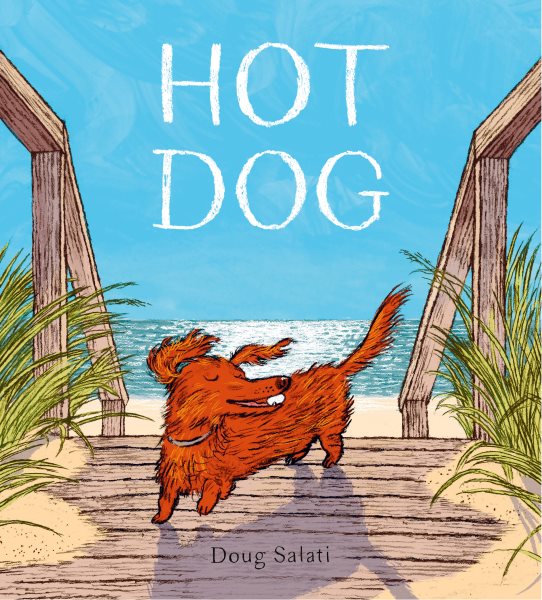
Hot Dog by Doug Salati

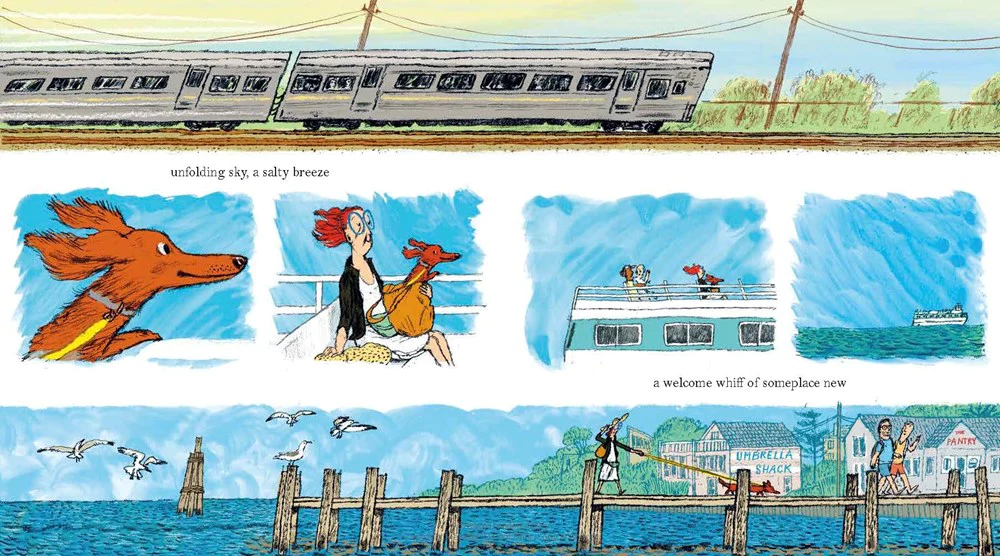
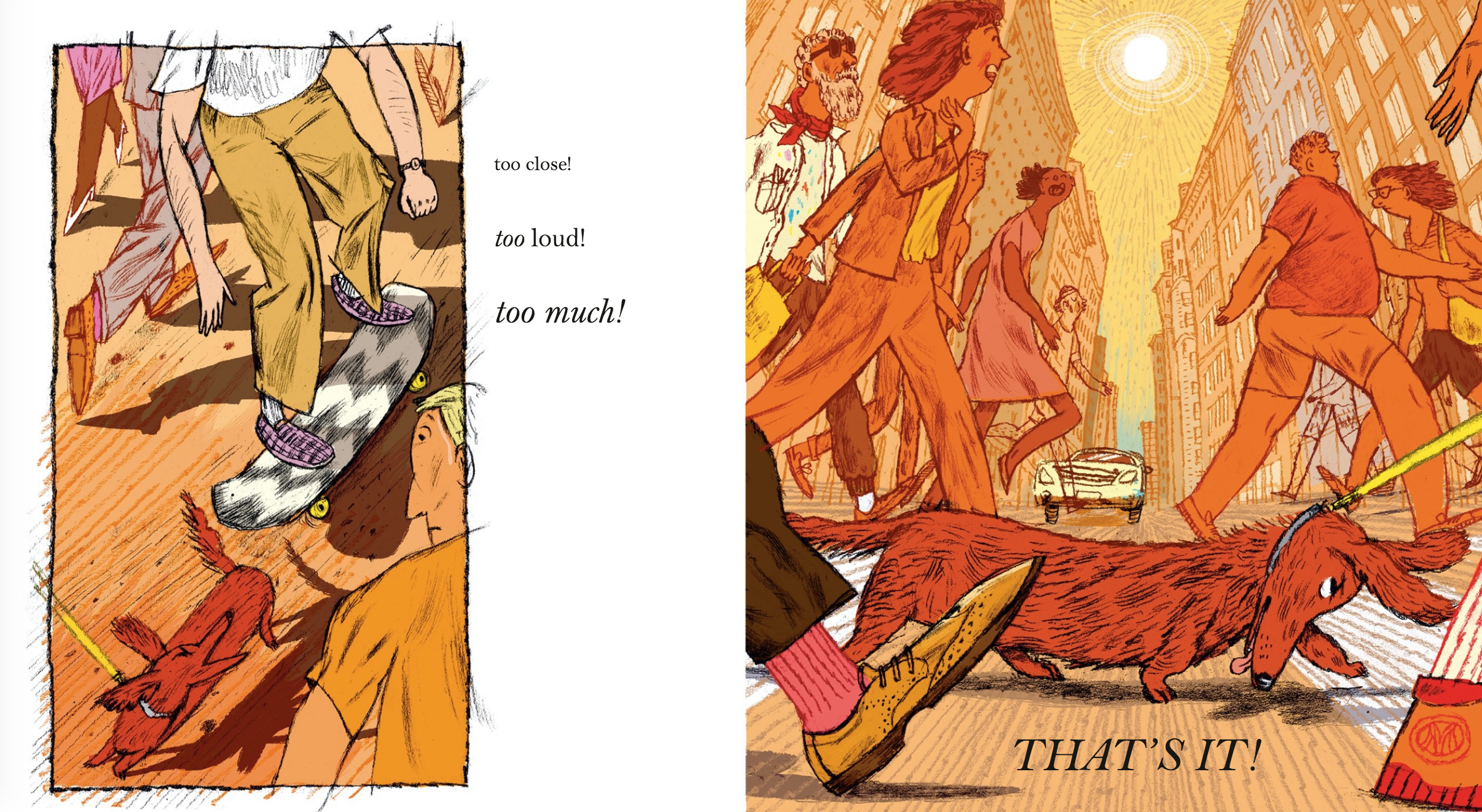
“too close! too loud! too much!” When a little long-haired dachshund is overwhelmed by the city, it takes a trip with its owner to the glorious sea. A book that feels like a deep breath of cool ocean breezes. A book that caught me entirely by surprise. I had walked into this figuring it was just your average, everyday dog book. What I didn’t expect was this author’s amazing ability to really plunge you into this little dog’s head. The claustrophobia of a hot overcrowded city felt so incredibly real. Never have I felt such a palpable sense of relief as when the woman and her dog make it to the seaside and those cool breezes start to blow. Then to have the return to the city feel like everyone has cooled down as well, is lovely. This book isn’t anti-city and pro-beach. It’s about needing to take a break once in a while and to just breathe. Extra points for a realistic look at living in NYC.
I Am a Baby by Bob Shea

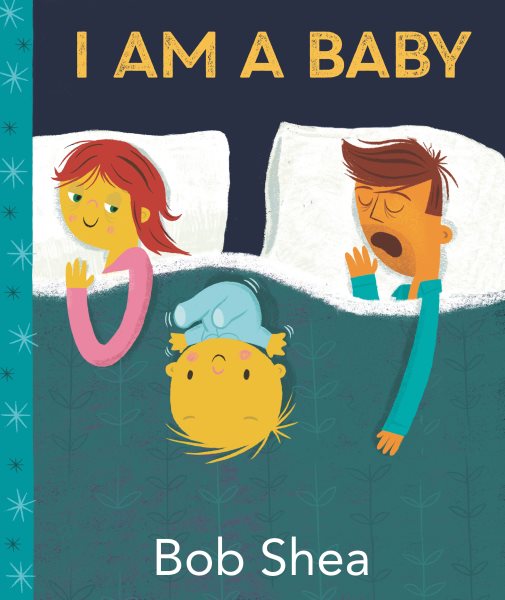
“I am a baby and I am not sleepy”. If this sentence doesn’t strike terror in your heart then you are not a parent. A book that puts proof to the phrase “Cute is a survival mechanism”. I feel obligated to explain that Bob Shea could probably write a picture book about tree sap and I’d invest my life savings to see it go to press. To my mind, he’s hit this golden plateau of uninterrupted successes. Little wonder that I’m gaga (no pun intended) over this baby. With spare language and copious bags under the eyes, we get to see a preternaturally cheery babe wreck glorious havoc with human sleep patterns. Has there ever been so devilish an image as this cutie in footie pajamas grabbing its own footies in the middle of its crib while the text proclaims those deadly words, “I am not sleepy”. This pairs shockingly well, by the way, with the board book twofer by Antoinette Portis out this year called “I’m Up” and (hauntingly) “I’m Still Up” (both recently seen on the 2022 31 Days, 31 Lists Board Books list). I feel like kids will love this just as much as their dream-deprived parents since there’s a beautiful back and forth to the writing. Two exhausted thumbs up.

I Don’t Care by Molly Idle and Juana Martinez-Neal

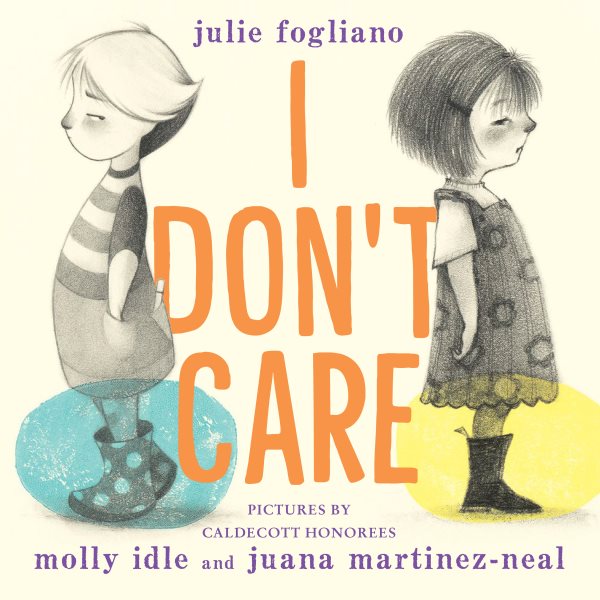
A remarkably charming tale of two girls seeing past their differences to become the best of friends. Illustrated by two artists who are best friends in real life! Could be a fun pairing with Pierre by Maurice Sendak. This is a good example of one of those cases where I saw a PDF of a book and liked it fine, then saw a physical copy and liked it so much more. And, I dunno, maybe I’m getting to be an old softie in my old age but this kind of made me tear up a little as well. There must be other examples of picture books where more two or more illustrators have melded their styles, but darned if none are coming to mind right now. The fact that this was Molly’s idea after reading Julie’s manuscript AND that she and Juana are good friends anyway is so sweet. Fogliano has a near magical ability to take a simple idea and then write that picture book more beautifully than 99.9% of the schlock out there. Long story short: I’m charmed.

I Won’t Give Up My Rubber Band by Shinsuke Yoshitake, translated by PHP Institute, Inc.

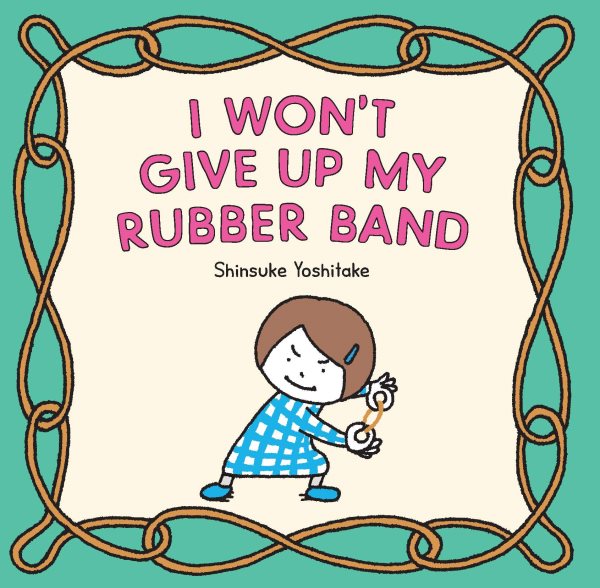
This rubber band? It’s mine. No one else’s. And if you want the world’s greatest (and funniest)  listing of what you can do with a single rubber band, you’ve come to the right place. It is a fact universally acknowledged that should a new Shinsuke Yoshitake book come out, I will probably like it very much. That said, if this were the very first Shinsuke Yoshitake book I’d ever seen, there is no doubt in my mind that I would be just as rabidly enthusiastic about it as I am now. He really knows how to tap into a kid’s way of looking at the world. I love the moment at the beginning of this book when our heroine goes through all the things she encounters regularly that are NOT just for her. The expression on her face as she shares? Priceless. Extra points for the little after-the-credits image on the back cover of her asking for a ribbon as well.

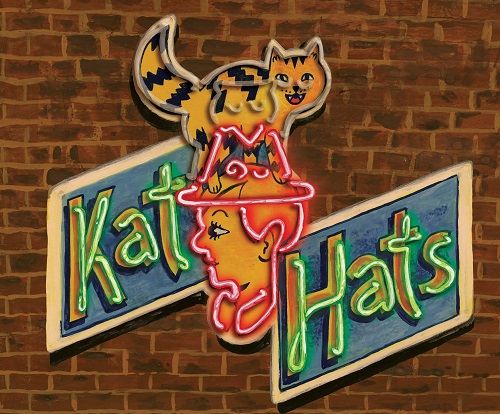
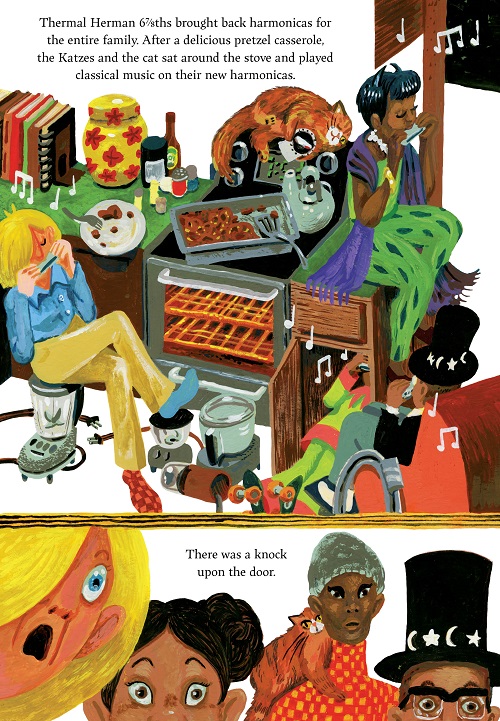
Kat Hats by Daniel Pinkwater, ill. Aaron Renier

Matt Katz’sKat Hats does not make hats that look like cats or hats for cats. It trains cats to BE hats. So when someone needs a hat stat, it’s up to the top Kat Hat to save the day. Brain melting fun with eye-popping art. Oh, sez I. Daniel Pinkwater has a new picture book after all these years of radio silence. Oh, sez I. His illustrator is Aaron Renier, a guy who’s sole contribution to the world of children’s books was that remarkable and creepy-as-all-get-out Walker Bean series. That’s . . . an absolutely fascinating combination. And maybe it was because I was aware of Pinkwater’s brain bursting oeuvre (Lizard Music, anyone?) that I was in the right frame of mind for this book. I would think you would have to be in the right frame of mind because otherwise the sheer weirdness of the concept and the art itself is going to make your (adult) little gray cells congeal. This book is really weird… and I really like it. If you want something that does NOT look like the 5,000 other picture books produced this year, better get in on it.

The Katha Chest by Radhiah Chowdhury, ill. Lavanya Naidu

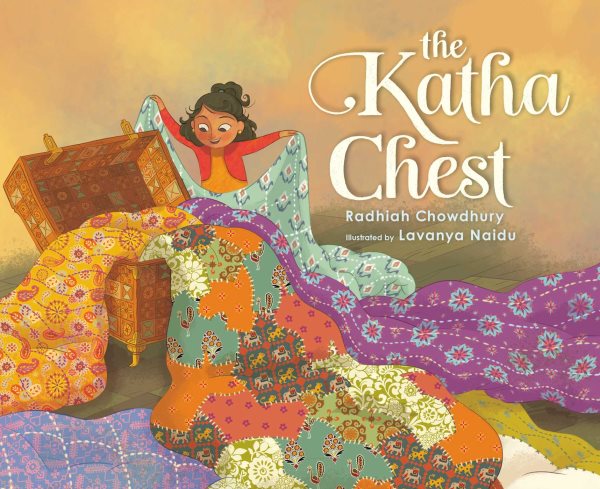
There’s nothing Asiya loves more than to open her Nanu’s katha chest and bury herself in its quilts. Each one is sewn from a sari worn by a woman in her family, and they tell of happiness and heartbreak. A stunner of a book, this one sneaks up on you. We’ve seen family stories with saris in the past. Usually the story is about a mom or other family member that wears them. This book looks like that, but there’s this marvelous collaboration going on between the author and artist that really raises the question as to whether or not they were in touch during the creative process. As you see each sari for each aunt in the family, you get a four panel sequence that summarizes each woman’s life story. It’s this graphic element that I find so very fascinating. Doesn’t hurt that the writing is good as well. Plus, the women’s stories are sometimes happy but sometimes honestly harrowing. A highly successful book on a story you might think you’ve seen before, but most certainly haven’t.

Kick Push: Be Your Epic Self by Frank Morrison

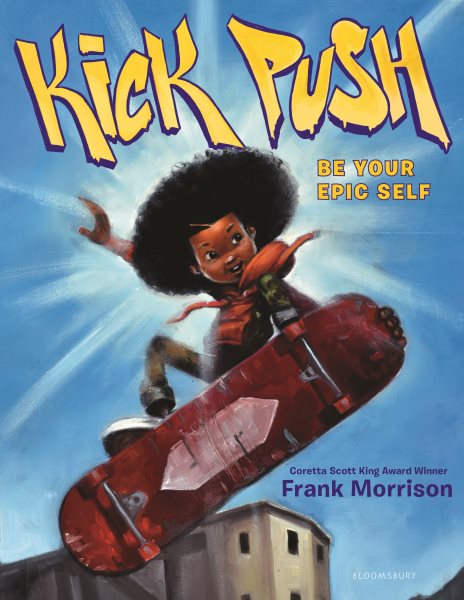
Ivan’s usually so legendary with his kickflipping, big rail grinding moves that his friends call him EPIC. Now he’s moved to a new town where skateboarding’s not the norm. Should he fit in or stand out? A book teaming with motion and fire. Long long long ago I remember seeing Frank Morrison’s very first picture book Jazzy Miz Mozetta. He was using this elongated, vibrant style that didn’t look like anyone else’s on the picture book market. In a note in the front of this book, Morrison calls this signature style “mannerism” and to my mind he’s perfected it. Inspired by his own kids and their skateboarding talents, he’s taken the standard “be true to yourself” motif (a standard in picture books) and given it his own inimitable twist. I call this Peak Morrison. A book that shows what he can do to the best of his own abilities. Nice to see him letting himself go like this. More!

Knight Owl by Christopher Denise

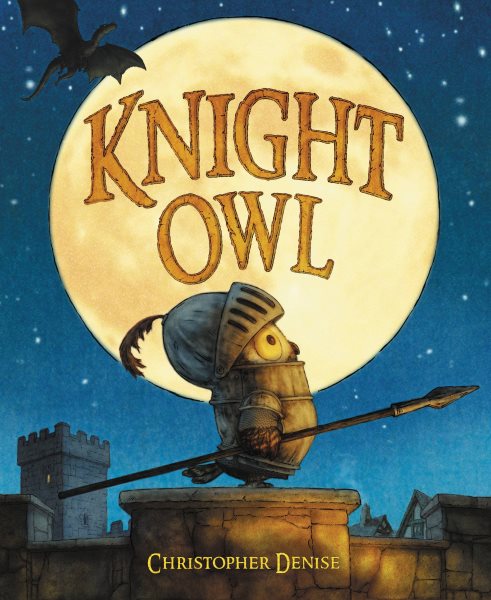
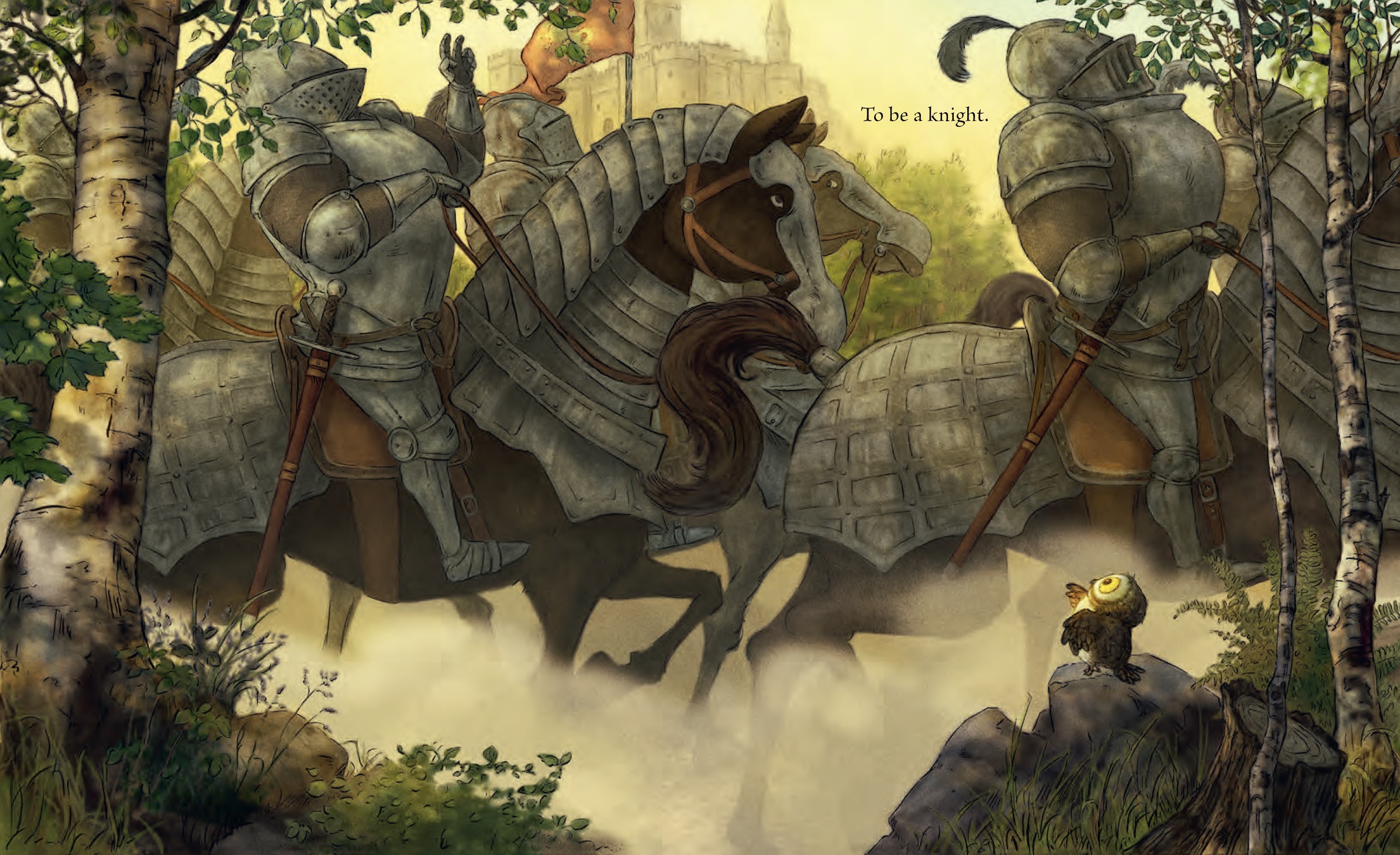
I went to a new Barnes & Nobles bookstore near my home recently and beelined for the picture book section. It was just as I feared. Just series titles and old reliable standby authors. Honestly there was only one non-series related picture book title from 2022 featured there and you know what it was? This little beauty. I mean it. In this book, Owl has a dream. You may think it’s ridiculous, but more than anything he yearns to become a knight in shining armor. But when his chance finally comes, will he be up to the ultimate challenge? Whoooo can say? Stand aside N.C. Wyeth and bow your head Maxfield Parrish! Christopher Denise is the one to watch these days. I’ve a weakness for little owls anyway, and this book really and seriously taps into that mild adoration. What could be cuter than an itty bitty owlet facing a gigantic dragon anyway? Love the tone of the book and the writing, but it’s the art that’s the true star of the show. Luminous is a word that’s overused in children’s book reviews, but for once in my life I’ve gotta use it. Lovely and luminous.

Mariana and Her Familia by Mónica Mancillas, ill. Erika Meza

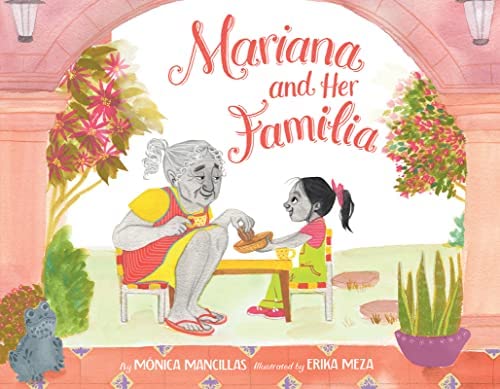
Oof! Came dangerously close to missing this one. I think you can pretty much see the cover of this book and know precisely what it is about this title that I like right now. I mean, just look at the expression on the Abuelita’s face. This is a woman who has done a LOT of tea parties in too small chairs with her grandchildren. Of course the storytelling itself is fantastic, and not one I’ve seen before. Mariana and her Mami are visiting her Abuelita and family members in Mexico. Only thing is, Mariana was last here when she was a little so she doesn’t remember anyone and she doesn’t really speak Spanish. She makes an early embarrassing mistake when she calls her Abuelita her Agualita early on, but her grandmother knows how to make her feel better, even without a shared language. It’s Erika Meza’s faces that just suck you in, though. The expressions and the glances. The eyes! She’s so good with eyes! I loved where patterns would work into the illustrations and the sheer beauty found in the contrast between the black and white people and their colorful clothes and designs. This is really a true delight. 

Mina by Matthew Forsythe

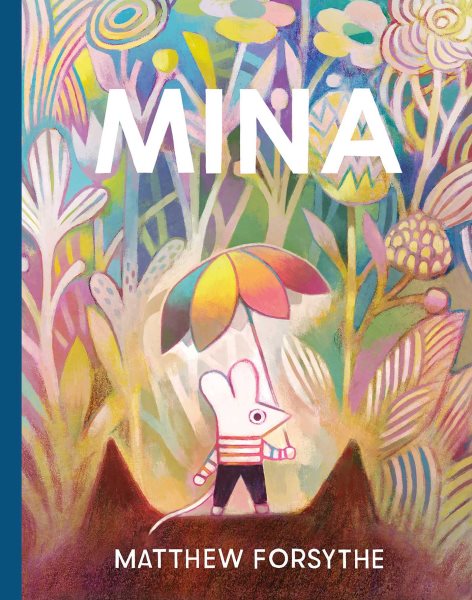
Nothing much bothers Mina, but the day her dreamy father brings home a cat, claiming it’s a pet squirrel, she gets a bit alarmed. Will her family survive the latest in her dad’s crazy imaginings? Now I will freely acknowledge that I loved Pokko and the Drum (Forsythe’s previous masterpiece) so much that anything else feels like it pales in comparison. But that’s not fair to this book since it really is utterly charming. It’s a fun take on the ne’er do well dad trope. The cats act like unapologetic cats, and I dig that too. Also, Forsythe may draw the best stick bugs I’ve ever seen. With its glowing art and visual humor, this one’s a keeper. 

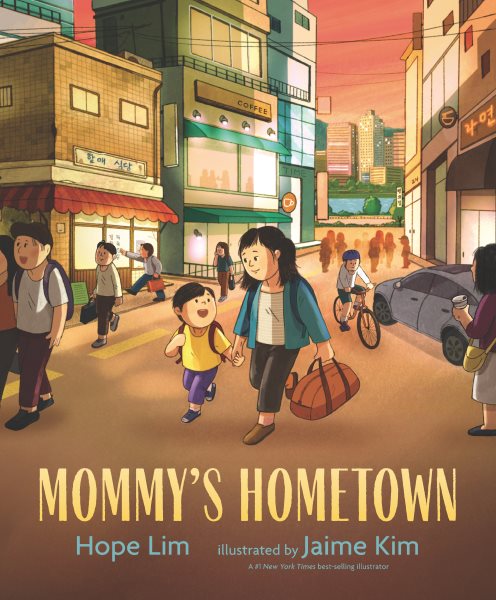
Mommy’s Hometown by Hope Lim, ill. by Jaime Kim

In Mommy’s country she grew up with mountains and fun rivers. But when her son visits the land with her, he finds a city has taken over. Is there still outdoor fun to be had? It’s an interesting take on a child living through their parents’ memories in a way that I truly think is universal. My own parents would sometimes tell me stories of growing up, in such a way that I would imagine what it was like to be those places myself. I think that happens anywhere. This book gives it a little added extra kick with the urbanization of parts of South Korea. It’s actually a really good celebration of city living, which we don’t see quite as often. Definitely unique.

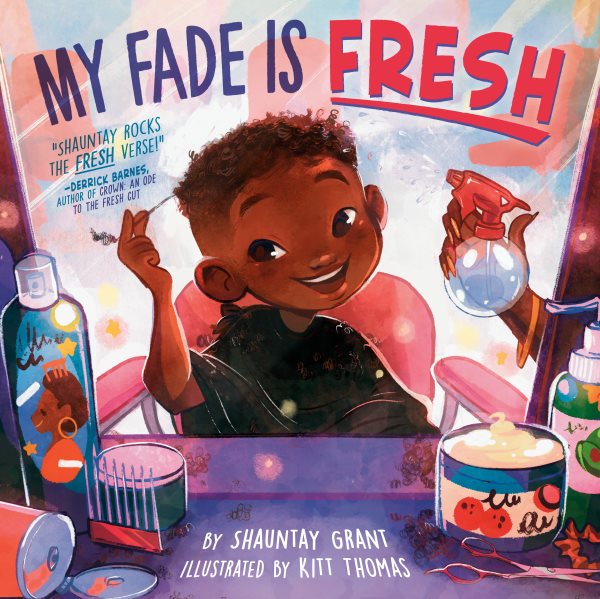
My Fade Is Fresh by Shauntay Grant, ill. Kitt Thomas

Considering the sheer number of picture books telling Black kids to be proud of their hair, I was caught completely unaware by the plot and structure of Grant’s latest title. From the cover, I just assumed we’d something along the lines of Crown by Derrick Barnes. And certainly there’s a little of that book in this one’s bones (he even has a blurb on the cover), but plotwise I couldn’t have been more wrong. A young girl walks into a barbershop seeking “the freshest fade up on the block!” She is not shy about this request and she knows PRECISELY what it would entail. But the adults around the girl just cannot deal with this. They literally suggest every other possible iteration of traditionally female hairstyles in the hopes of distracting the young customer from her goal. Through all of this she stays strong, which I greatly admired. It’s one thing to show kids a book about standing up to your enemies, but standing up to your friends and family? That takes an extra layer of toughness. The stylist keeps just cutting a little and then asking if she should stop, which is such a uniquely frustrating thing for any kid to deal with. The final result is HARD won, I have to say. It’s so nice that the rhymes scan as beautifully as they do, but that final show of the girl in her skirt with her new hair is worth the price of admission alone. An excellent title on showing how to stand up to a world full of other people’s opinions about how you look.

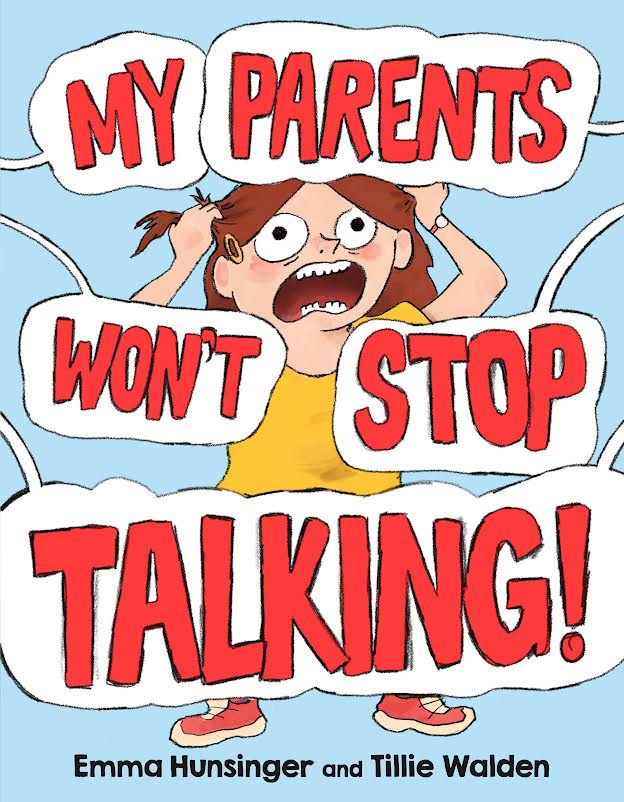
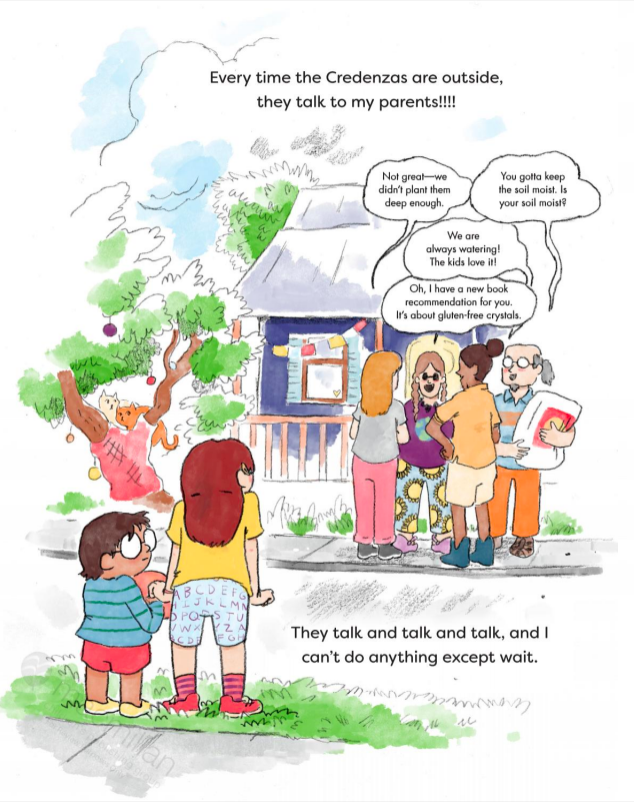
My Parents Won’t Stop Talking by Tillie Walden and Emma Hunsinger

Molly is so stoked to go to the park with her family . . . until they start talking to their neighbors, The Credenzas. WILL the parents ever stop talking? WILL Molly be able to go to the park? WHY is her brother so calm about all this? A hilarious and universal childhood moment. My favorite book of the year. I’ll repeat that for you. FAVORITE. BOOK. OF. YEAR. And yes, I originally wrote that statement in January of 2022 but that attitude never really changed. This is every childhood frustration rolled into one big, beautiful book. And talk about relatable! The art is fantastic (reminds me a lot of Jules Feiffer) the text hilarious, and I just love how it works itself into a worst case scenario so seamlessly. You want funny? You want this book.

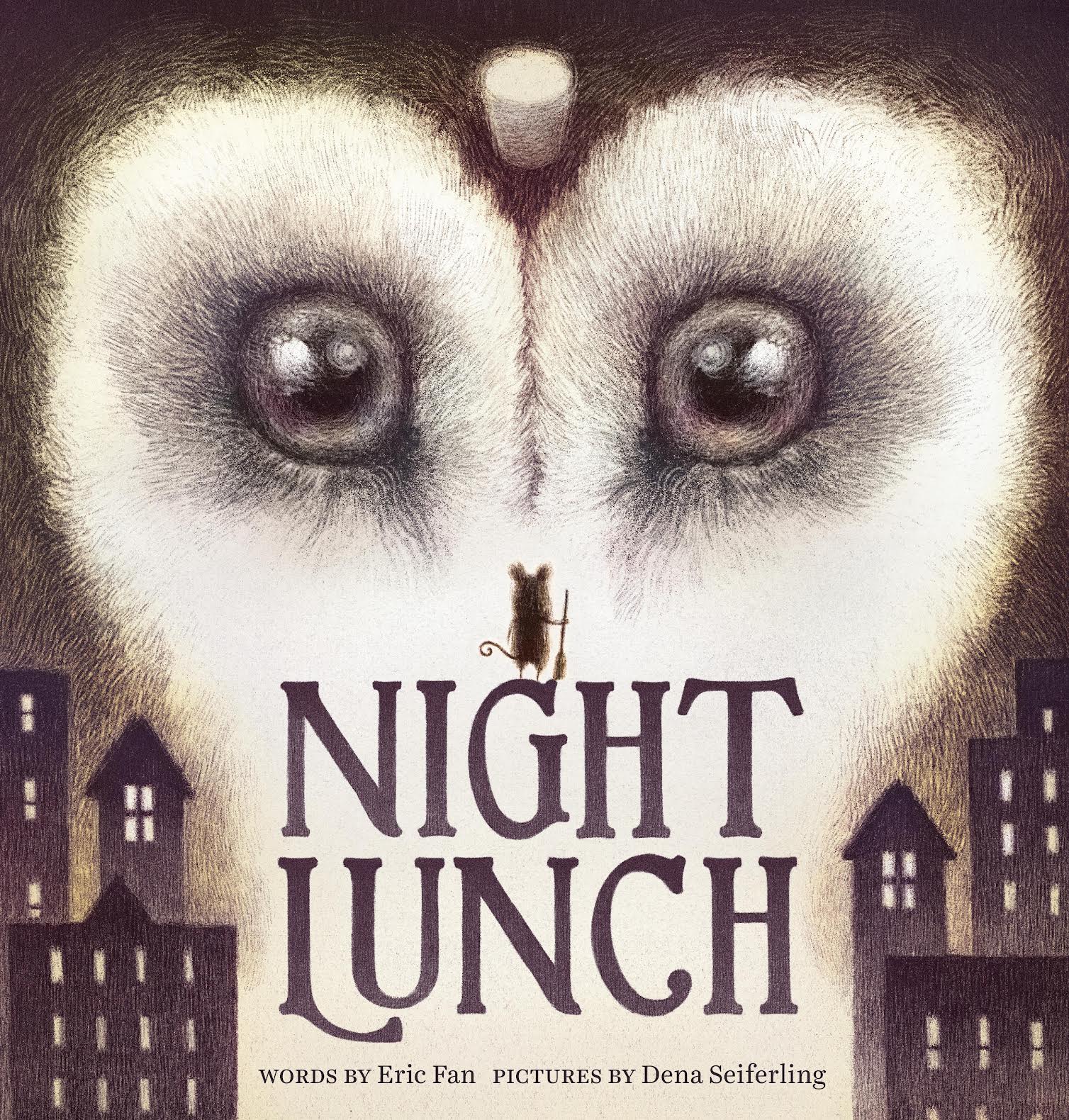
Night Lunch by Eric Fan, ill. Dana Seiferling

“Clip clop, a midnight moon / The night lunch cart rolls in.” Gently rhythmic wordplay accompanies the story of a kindly owl, the animals that feast at its lunch cart, and the hungry little mouse it befriends. Lovely and memorable. Under normal circumstances I’m no fan of picture books in which predators befriend their prey (Miss Spider always irks me) but I may have to give a pass to this particular beauty. How could I resist? I’ve always liked Seiferling’s style, but apparently if you set her books at night they get this extra added kick. It’s funny. There’s a rhythm to it, but it doesn’t rhyme. I love what the art does with light here. It’s also a great book for any child who has a parent that’s a night worker. A fortuitous pairing in a strangely comforting little book. 

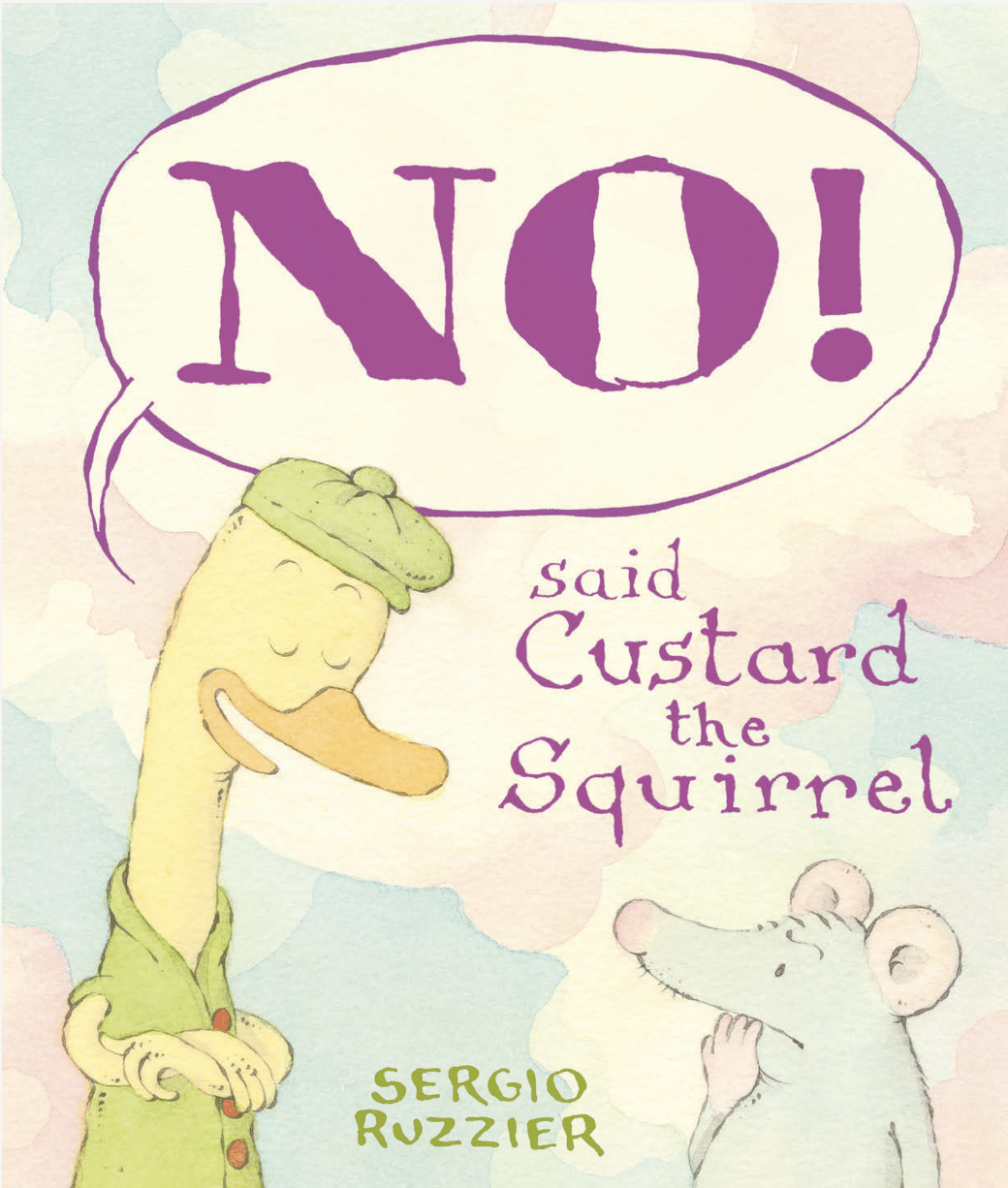
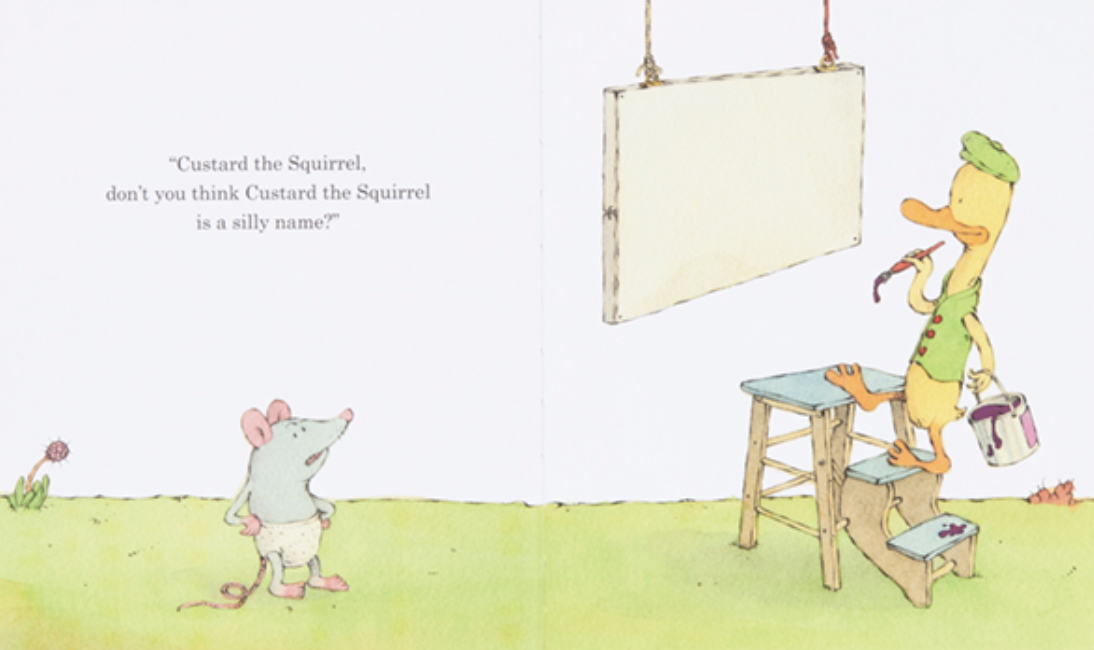
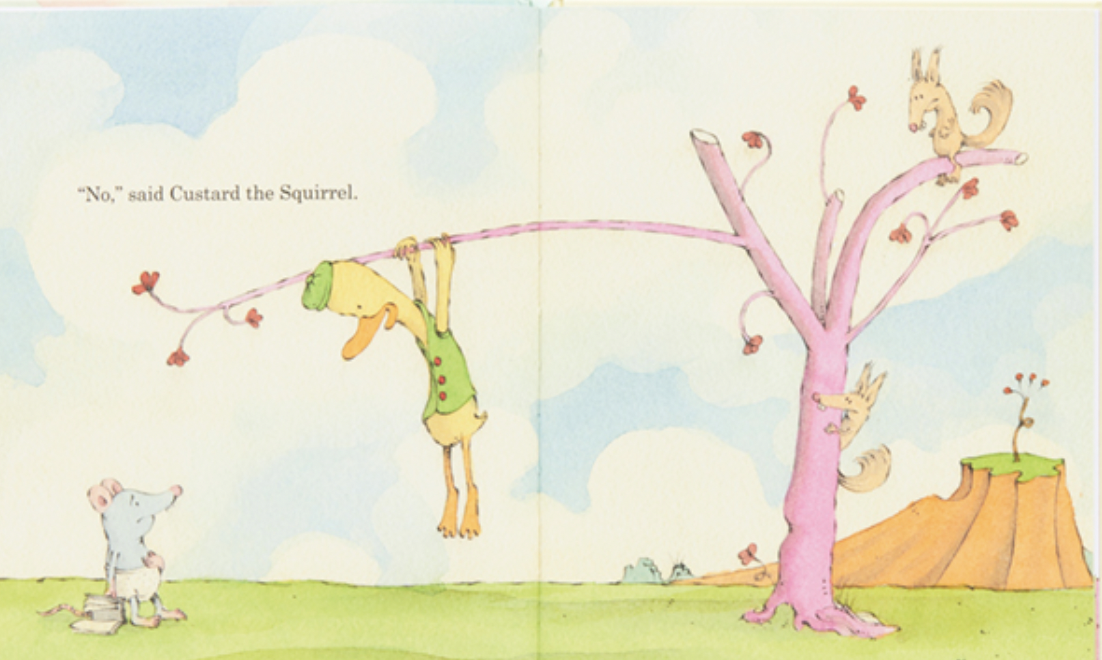
No! Said Custard the Squirrel by Sergio Ruzzier

A rodent insists that Custard must be a duck, and badgers him repeatedly. Fortunately, Custard knows himself very well and is adamant in standing strong. A book about being true to yourself in spite of the doubters. This one has kind of blown my tiny mind. At its core it appears to be a book about dealing with jerks that insist on defining you by their own terms. Custard’s sheer patience with this little rat is downright inspiring. This is so unlike anything else that Ruzzier has ever done that it took a little while for me to take all its different aspects into consideration. This practically feels like a primer for kids on how to deal with assholes. And yes, it’s about being true to yourself too, but I think there are all sorts of potential ramifications here. Utterly original, though I’d like to see more along these lines, please.

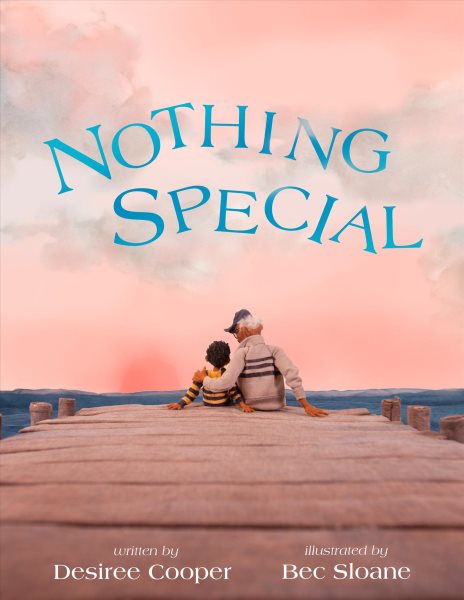
Nothing Special by Desiree Cooper, ill. Bec Sloane

You know how I have a list just for books that use photography? I’m seriously tempted to someday make a list that’s just models and modelwork. Trouble is, there just aren’t enough books that use models in a given year. Not enough great ones, anyway. Not enough like Cooper and Sloane’s Nothing Special. In her Author’s Note at the end, Desiree Cooper writes that, “Much is said about the Great Migration when more than six million African Americans left the oppression and violence of the Jim Crow South between 1910 and 1970. But little is said about the annual reverse-migration that has become central to black nostalgia.” This book is about one such visit. In it, grandson Jax has come from Detroit all the way to his grandparents’ farm in coastal Virginia. This being his first time, his expectations are Detroit expectations. He just assumes they’ll be going to the zoo or buying toys at the mall, or going to the movies. Instead, his PopPop, when pressed about what they’ll get up to, just says “Nothing special.” That “nothing special” turns out to be crab fishing, kite flying, eating crabs and corn, and counting fireflies. And Jax, to his credit, is on board with it. Sloane and Cooper seem to be working closely in tandem with one another. For one thing, Cooper grew up a self-described an Air Force brat and Sloane makes sure that PopPop is wearing his Air Force Veteran hat in all the shots. But the movement and naturalness to the modeled art is astounding. Not just when it comes to the figures (all felted) but also the emotions and the beautiful two-page wordless spread of a starry sky over the grandparents’ little house. Marvelous and miraculous and can’t miss, all at once. Something special. 

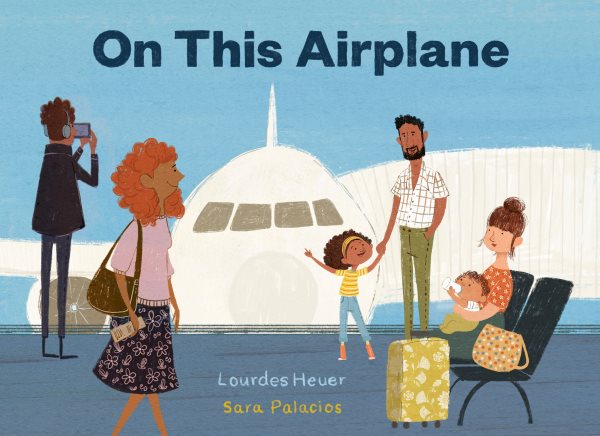
On This Airplane by Lourdes Heuer, ill. Sara Palacios

On this airplane there are many people to meet before any of them arrive at their final destination. A touching, gentle tale of expectations, travel, and immigration. Also, and is is no small thing, an exceedingly clever book. On the outset it looks like one of those informative picture books telling kids what to expect on airplanes. But the story actually begins with everyone stepping into the plane itself. Once there, you get all the characters you’d meet on a plane, like the screaming baby and the guy who moves his chair seat too far back. The book lets you get to know these people, particularly one family. It becomes clear after a while that they’re immigrating to a new home, and there’s this final shot in the book of them staring at their new apartment with this fascinating mix of trepidation and hope. Palacios is a perfect person for this story, and the writing is subtle and smart and moving in ways you wouldn’t initially expect. A smart book that touches on an old topic with a new take.

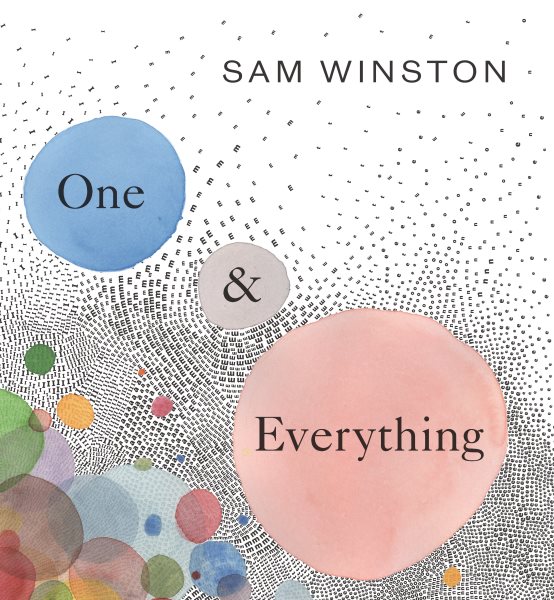
One & Everything by Sam Winston

When the world was full of stories things were lovely. Then came along a story calling itself The One and it started eating all the others. A fable about disappearing languages and the stories we have to save. Actually, I really really liked this book. Even before I got to the backmatter (which is jaw-dropping) I liked the storyline. Understand first, though, that my expectations were probably pretty low. I mean, fables with shapes aren’t really my picture book bag. So imagine my surprise when I found that this story about words and language and how some languages just dominate others, really hit home. I mean, this is basically about colonialism, but in the gentlest way possible. But what I really loved was how well Mr. Winston just stuck that ending. I did not know where this whole thing was going, and I loved the solution. And then I saw the backmatter. The fact that he has worked in fifty different “Scripts” (which is to say, written languages) dead and alive is remarkable. But just looking at the two page spread of everything from Rejang to Myanmar to Cherokee is jaw-dropping. Then you read about how he included specific scripts into different emotional moments of the story, like the Phaistos Disk as the old story. Oh man. This book is so cool. You have to check it out.

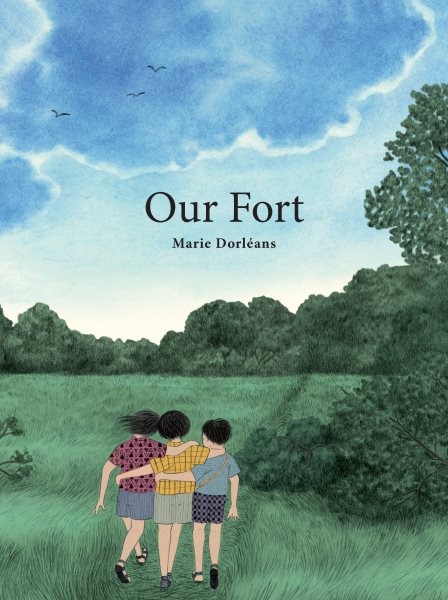
Our Fort by Marie Dorléans, translated by Alyson Waters

Three children set out to visit their secret fort in the woods. Will they survive the storm on the way? Will their fort still be standing? A book that captures all the imagination and delights of being a kid in nature. Oo. I think I like this one even more than the previous Dorléans title Night Walk. Someone in one of my library’s book committee meetings talked about how neat it was that even in the thick of the windstorm in this book, they never think of going home. And then you’ve got that wonderful moment where you see their glorious fort and it’s just a pile of sticks. This book really does a remarkable job of putting you directly into the head of the child reader. I know that when I was a kid, a super windy day could have all the drama and excitement of the storm in this book. This is the kind of book that truly transports the reader to another place. Childhood encapsulated, and beautifully too.

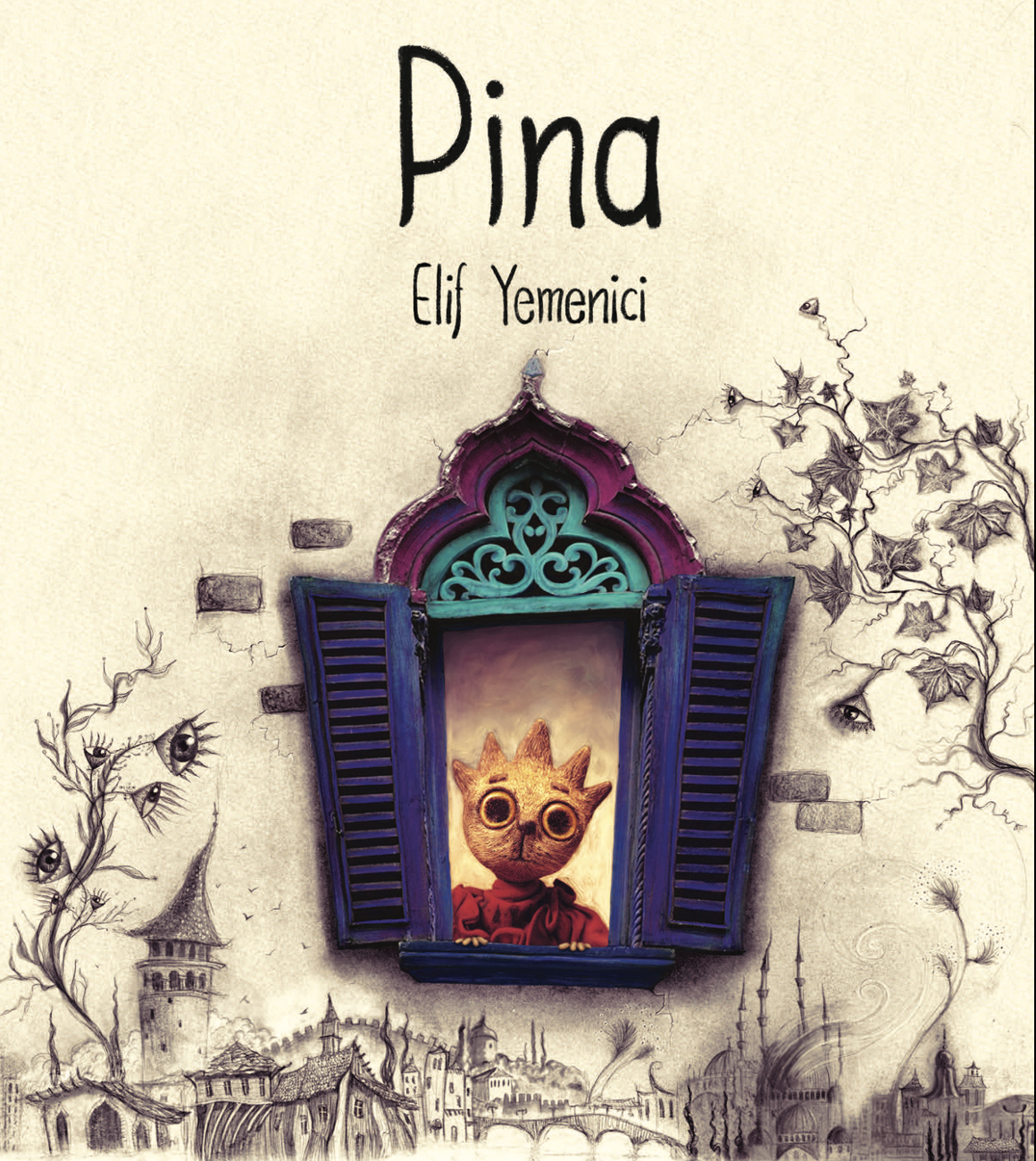
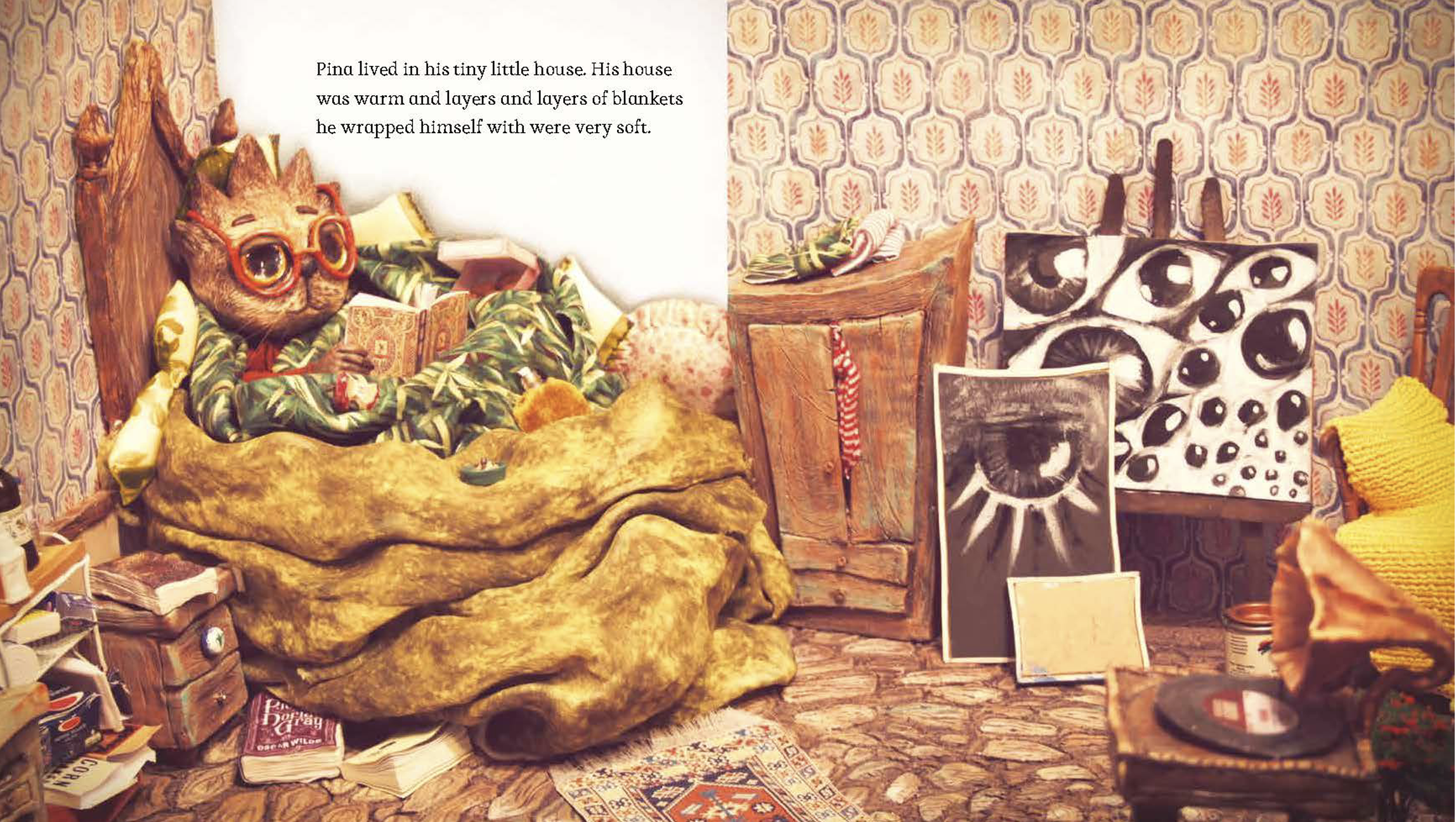
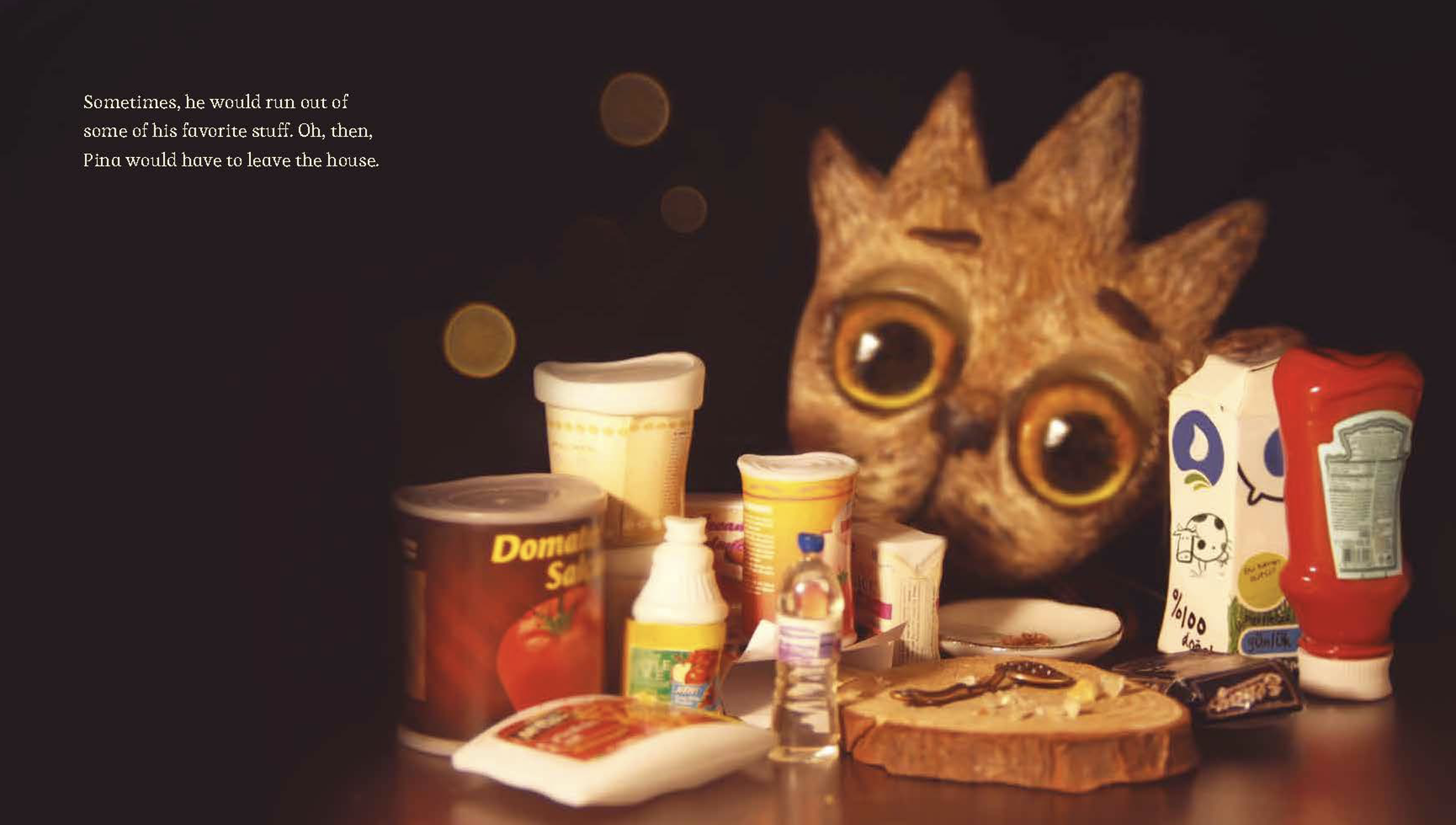
Pina by Elif Yemenici, translated by Sydney Wade

Pina lives in a tiny, warm house that contains everything he could ever need. But when he realizes he’s out of cheese, shopping turns into a walk into the unknown. Label this one a delightful Turkish import about trying new things. It is remarkably difficult for me to resist models. I don’t know why this is. Maybe it was all those Bagpuss shorts I watched as a kid on Nickelodeon. Whatever the case, when a picture book uses models ala Red Nose Studio I’m enthralled. It’s not merely the logistics of the enterprise (though those are fascinating) but rather how perfectly you can create a little world within the covers. Pina proves to be an excellent example of this! At the beginning you have to understand why Pina, a big-eyed little cat-like person, would prefer staying inside in his cozy little home, rather than venturing out into the big scary world. So Yemenici fills the rooms with delightful clutter. When I think how long it must have taken to construct each and every last one of those little leather-covered books, or the tiny paintings on the wall, or the miniscule Velvet Goldmine records on the floor (I’m not kidding about that) the mind boggles. Even the light is this soft, cozy, endearing glow. The outside world, in contrast, comes across as black and white, harsh and scary. And part of what I find so amazing about this is that even when Pina becomes more comfortable with talking to new people and seeing new things, that doesn’t mean everything black and white has changed. It just means that at the end, sitting on a bench next to the sea, watching the sunset, there’s a bit more color out there than there was before. This is a masterful bit of work and it fills the Baek Hee-na shaped hole in my heart where a new book of hers should be. I wouldn’t miss it, if I were you. 

A Place for Pauline by Anouk Mahiout, ill. Marjolaine Perreten

Okay, that’s it. Pauline has had it with being the eldest. She’s going to hop a boat to France and go live with her grandmother there. A sweet, funny take on finding your own space. I will now freely admit that I have a hard time resisting French-Canadian comic-style publications. I throw up my hands in surrender. But how could I resist this one? It feels like Kate Beaton mixed with Sylvie Kantorovitz! And it’s not that the story’s original or anything. We have definitely seen this type of tale play out before. I just happen to love this particular take. When you have a lot of siblings, you definitely need your own space. Also, I adore that the happy resolution is getting to hang out with your mom by yourself. 

The Polar Bear in the Garden by Richard Jones

Okay, this one’s for me. Once in a while I just sort of fall in love with a quiet, unobtrusive book and will go to bat for it. This book has hints of other titles surrounding it. There’s a whiff of The Tiger Who Came to Tea by Judith Kerr. There’s a smackerel of Where the Wild Things Are by Maurice Sendak. There’s even a bit of Wonder Bear by Tao Nyeu in the seams. But what it really and truly does so well is to give you this enormous sense of safety and comfort. Only, in the case of this particular story, it’s the child character that’s offering that comfort and that safety. A boy finds a very small polar bear in his garden. So small, in fact, that it can fit in the palm of his hand. He decides to take it home, so the two hop in a sailboat and off they ride. Mind you, the bear is growing larger and larger every day. Will the boat capsize before they get there? Gentle bedtime books of the world, meet your new king. Evocative and downright lovely it is. 

The Queen in the Cave by Júlia Sardà

One day Franca decides that she is going to plunge into the unknown to seek a marvelous queen. When her sisters come along, what will they find, and will they ever get back? A hypnotic, cacophony of chaos. I like giving you books that’ll wake you up a bit. We’ve seen a lot of children’s books that ponder the end of childhood, like Peter Pan or that really strange Jerry Spinelli book Hokey Pokey. I don’t remember ever seeing a book that discusses how the younger siblings feel when their older sibling starts to pull away from them and grow apart. This book is essentially one great big metaphor for that, but done in Sardà’s inimitable (which is to say, wackadoodle) style. I really liked it, in a strange way. From a kid’s point of view, this is kind of what happens when adolescence calls your sister away. A lot to chew on here.

See You Someday Soon by Pat Zietlow Miller, ill. Suzy Lee

If you’re far away from someone you love, how do you connect with them immediately? A child yearns for its grandmother, and thinks up all kinds of creative ways for them to get together. Inventive art mixes with a hugely touching tale. So nice to see the return of Suzy Lee. I don’t think I’ve seen anything new from her here in the States in a number of years, so it was such a delight to find that she’d been paired with Pat Zietlow Miller. This is a great example too of how art can really make or break the text of a picture book. Lee’s specialty has always been upsetting expectations with the choices she makes for each and every page of text. In this particular case she’s doing neat things with die-cuts (even on the cover), half-pages, and more. This entire book is about the thrill of the turn of the page, and since the plot is focused on a child wanting to be near their grandparent again, that page turn can make or break your heart, depending on how Lee wields it. A brilliant example of design working to a picture book plot’s best advantage. As my co-worker Jessica said so brilliant, “This is a book made to line publishers’ pockets with grandparents’ money.”

Snow Angel, Sand Angel by Lois-Ann Yamanaka, ill. Ashley Lukashevsky

Claire has lived on the Big Island of Hawai’i all her life and she finds it booooring. She longs for snow and sledding and ice. When her family tries to give her what she wants, though, she discovers that maybe there’s something to be said for where she already calls home. As I write this it is roughly 14 degrees outside. As such, I’m just imagining a kid in my city of Evanston, Illinois reading this book and being floored by the idea that anyone living in Hawaii would want anything to do with our weather. A brilliant little book on coming to appreciate what you have. It’s also about how even the most interesting sounding place can be downright boring to the kids already living there. I thought the family’s good-hearted efforts to give their daughter what she wants were fantastic, and the compromise at the end is exceedingly fun. And talk about some really good backmatter! This book’s a class act, through and through.

Still This Love Goes On by Buffy Sainte-Marie, ill. Julie Flett

Cree folksinger Buffy Sainte-Marie adapts her classic song about love surviving sadness, alongside the luminous art of Cree artist Julie Flett. A beautiful partnership. A beautiful book. Is it just me or were the last two years just wonderful when it came to Indigenous representation while 2022 has . . . not? Seriously, sometimes it feels like the publisher, Greystone Kids, is the only game in town. This book falls avoids a lot of the usual traps that songs-turned-picture-books are privy to, and Flett is just knocking this out of the park. Additionally, I think this song (as opposed to a lot of others) actually adapts to the picture book format a little better than some others do. Sure, it’s one of those books about unconditional love, but there’s a layer of sadness to it that elevates it. In the note at the end it says that this is “a happy song about missing the people who aren’t with us.” Worth considering. 

Sylvie by Jean Reidy, ill. Lucy Ruth Cummins

“… not everyone appreciates a spider who calls attention to herself.” And so Sylvie keeps quiet and out of sight, until the day she just can’t help but help out! A remarkably sweet tale of friendship and bravery. Boy, Reidy really knows how to write a picture book, doesn’t she? I know that there’s a lot of latent Truman love out there and so it can be difficult to separate out the affection one might have for that book vs. this one. Even so, I like to think that I’d be just as enamored of this book, even if I’d never seen her previous title with Cummins about that brave little turtle. There’s a line at the back of this book, for example, that I was particularly taken with. “But Sylvie had stopped just short of the top, watching, wondering, when – without proper warning – she was warmly welcomed.” The way the book splits this sentence up and turns the “warmly welcomed” part into a turn-the-page reveal? *chef’s kiss* Manifique! 

Telling Stories Wrong by Gianni Rodari, ill. Beatrice Alemagna, translated by Antony Shugaar

Boy, Grandpa just cannot get the story of Little Red Riding Hood right. First he says it’s Little Yellow Riding Hood and then he says she has to take a potato peel to grandma’s. Fortunately his granddaughter is ready to correct him at every turn. A funny take on getting things “right”. I actually get a fair number of European translations sent to me in a given year, but only a handful feel particularly extraordinary to me. This is one of the few, but that may have a lot to do with the fact that the art is by Beatrice Alemagna and I ADORE Beatrice Alemagna. I just love the premise too. I’m sure I’ve seen it before, but here it’s just done so exceedingly well. I’m sorry but I just found the idea of Little Red having to take a potato peel to her grandmother’s the height of funny. It’s a sly take on something a lot of us grown-ups do to our literal-minded children. A hoot.

This Story Is Not About a Kitten by Randall de Seve, ill. Carson Ellis

This is not a story about a homeless kitten. It’s not about the dog who found it or the people who tried to help it. So what IS this a book about? A clever, touching cumulative tale. Oh, doggone it. I was really hoping that I wouldn’t feel inclined to add any additional picture books to my list at this point. And then this stupid book went and made me cry. My hands are tied, people. It is, as I said, a cumulative tale that, I can’t believe I’m saying this, will make an actual emotional connection with its readers. Cat people will love it. Dog people will love it. It’s about community and caring and coming together. It’s really good

Too Many Pigs and One Big Bad Wolf by Davide Cali, ill. Marianna Balducci

Oof! This book came dangerously close to being missed on my radar this year, and that would have been a crying shame. Now it is a well-established fact that I have an inherent fondness for picture books in which the protagonist gets eaten. I suspect this has a lot to do with being raised on The Muppet Show in my youth. Whatever the case, I feel it taps into some deep, psychological understanding about the wider world, presented in a child-friendly way. This book is very much in the same vein as Jon Scieszka’s The True Story of the Three Little Pigs in that it involves a very wolf p.o.v. But this also has a lot of similarities to this year’s Telling Stories Wrong by Gianni Rodari, ill. Beatrice Alemagna, in that it involves an adult of some sort telling a story “wrong” in some way. In the case of this book, someone is telling a story about a wolf and some pigs and in every single solitary story (save one) the pigs are eaten. Initially the narrator (that you could assume was a wolf) is telling very short stories about pig eating. As the child stand-in complains, the stories get “longer” but usually in some pretty funny passive-aggressive ways. My favorite is the one where the story needs to get longer so the narrator just gives all the pigs names. Prior to being eaten. The timing on this text, by the way, is magnificent. Whole picture book writing schools should study it. This all sounds so dark but artist Marianna Balducci has done some infinitely clever things with the brightly colored art. You only see the pigs themselves, and never the wolf eating them. Often they are portrayed as beads on an abacus, with illustrations making them pig-like. None of them look particularly perturbed. And then there’s this killer ending where the wood on the abacus is broken at the end. I could literally read this a hundred times and find something new with each read. Funny and clever all at once. Don’t miss this like I almost did.

Witch Hazel by Molly Idle

Every season Hilda helps Hazel dust off happy memories from the past. But when a life comes to its close, how do you move on and make memories of your own? A gentle, caring tale of good friends across ages. Probably Idle’s best book since her Caldecott Honor winner Flora and the Flamingo, and I mean that truly. She’s taking a risk with this one, working entirely in sepia tones. What I find so interesting about it, though, is how she’s playing around so much with shading and the absence of colors, the white standing in for memories. Naturally, she’s perfected her round, circular style, where every movement feels connected to every other movement. Also, have you ever read a Halloween-ish picture book with half as much heart as this one? Love the writing and what the book has to say about life and living and memories. Seems appropriate that Idle would be the one to do a circle of life story, what with her circular style and all. 

The World Belonged to Us by Jacqueline Woodson, ill. Leo Espinosa

In Brooklyn “not so long ago,” children played together in the streets. Double dutch. Stickball. Kick the can. This loving ode to joyful communal play features vibrant illustrations and dynamic text. Dang. It’s not just that I want to automatically hand Jackie Woodson all the things because she’s Jackie Woodson. It’s just that she knows how to WRITE, man! And I fully admit that this book seems almost strategically aimed at parents of my generation. As I read this, I felt like I was a kid watching Sesame Street again. I grew up in the suburbs but my childhood entertainment was watching kids like the ones in this book having the time of their lives, unsupervised, in the streets of NYC. So yeah, this is tapping into some major nostalgia centers of my brain on the one hand, but on the other it’s offering kids today this kind of halcyon time period when they could just go out and be kids together with other kids. And Espinosa’s art . . . how did he know how to capture New York this well? I’m reminded of when Brinton Turkle illustrated The Boy Who Didn’t Believe in Spring. Just this amazing capture of the feel of Brooklyn once upon a time, “not so long ago”.


And that, my friends, is the kind of book you want to end a series upon.

Want to see all the other lists I did this month? Here’s what went down this December. Linger on them as long as you like cause I am OUT!

December 1 – Great Board Books

December 2 – Picture Book Readalouds

December 3 – Simple Picture Book Texts

December 4 – Transcendent Holiday Picture Books

December 5 – Rhyming Picture Books

December 6 – Funny Picture Books

December 7 – CaldeNotts

December 8 – Picture Book Reprints

December 9 – Math Books for Kids

December 10 – Gross Books

December 11 – Books with a Message

December 12 – Fabulous Photography

December 13 – Translated Picture Books

December 14 – Fairy Tales / Folktales / Religious Tales

December 15 – Wordless Picture Books

December 16 – Poetry Books

December 17 – Unconventional Children’s Books

December 18 – Easy Books & Early Chapter Books

December 19 – Comics & Graphic Novels

December 20 – Older Funny Books

December 21 – Science Fiction Books

December 22 – Fantasy Books

December 23 – Informational Fiction

December 24 – American History

December 25 – Science & Nature Books

December 26 – Unique Biographies

December 27 – Nonfiction Picture Books

December 28 – Nonfiction Books for Older Readers

December 29 – Best Audiobooks for Kids

December 30 – Middle Grade Novels

December 31 – Picture Books

Filed Under: 31 Days 31 Lists, Best Books, Best Books of 2022 Tagged With: 2022 picture books, 31 days 31 lists, Best Books of 2022, picture books

  • « Go to Previous Page
  • Page 1
  • Interim pages omitted …
  • Page 145
  • Page 146
  • Page 147
  • Page 148
  • Page 149
  • Interim pages omitted …
  • Page 1050
  • Go to Next Page »

Primary Sidebar