• Skip to primary navigation
  • Skip to main content
  • Skip to primary sidebar
  • About/Contact
  • Fusenews
  • Reviews
  • Librarian Previews
  • Best Books
    • Top 100
    • Best Books of 2022
    • Best Books of 2021
    • Best Books of 2020
    • Best Books of 2019
    • Best Books of 2018
    • Best Books of 2017
    • Best Books of 2016
    • Best Books of 2015
    • Best Books of 2014
    • Best Books of 2013
  • Fuse 8 n’ Kate
  • Videos
  • Press Release Fun

Review of the Day – Alone: The Journeys of Three Young Refugees by Paul Tom, ill. Mélanie Baillairgé, translated by Arielle Aaronson

Review of the Day – Alone: The Journeys of Three Young Refugees by Paul Tom, ill. Mélanie Baillairgé, translated by Arielle Aaronson

September 8, 2023 by Betsy Bird

Alone: The Journeys of Three Young Refugees
By Paul Tom
Illustrated by Mélanie Baillairgé
Translated by Arielle Aaronson
Groundwood Books (House of Anansi Press)
$24.99
ISBN: 9781773069272
Ages 10 and up
On shelves now

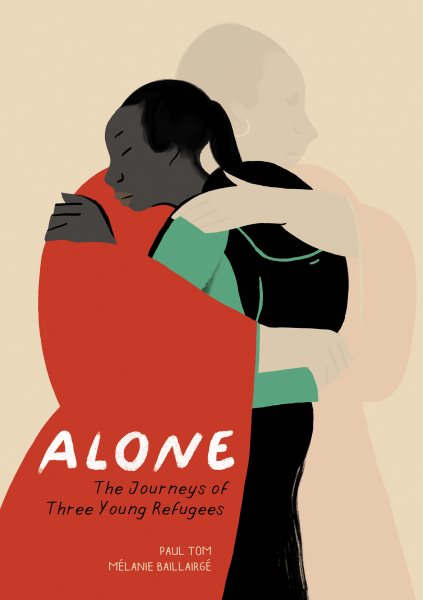
I can’t get my children’s librarians to read this book. This is no ding against the book itself. It’s top notch. Stellar. Like no other book out there. And I’ve pondered what it is exactly about this book that I cannot sell to my compatriots. Is it the fact that the predominant color on the book jacket is a sepia-esque brown? As any librarian will tell you, readers avoid sepia on covers like the plague. Or, is the problem that I’m trying to get children’s librarians to read the book and the girl on the cover looks like a teenager? Maybe it’s the fact that this is a work of nonfiction and some folks just don’t like to read nonfiction in their spare time. Whatever the case, eventually I realized that if this book is ever going to make a name for itself, then those of us who have read it are going to have to pronounce loudly and long why it is that it’s so good. Its audience, after all, isn’t adults with library science degrees. The true audience of this book is kids and middle schoolers (and teens too, if they want to). And in spite of its brown cover, it’s not dull in the least. It’s a gripping triple autobiography of three young people sent by their parents off into a very difficult world to make a better life for themselves. Read as easily as a graphic novel it sucks in its readers. This is a book that makes the refugee crisis real and pertinent in a way I’ve never seen before. You just need to know how to sell it to kids.

“You have a family, friends, a home. You go to school, and like all children, you like to play. One day, a threat appears and changes everything.” Three kids find themselves in this position. The first is Afshin who lives in Iran. When war comes to his country he can’t wait to be old enough to join the army. His parents, however, are convinced that he’ll die if he volunteers. To avoid that fate, they send him away to Canada. Meanwhile, in Burundi 13-year-old Alain’s father has been arrested. Convinced that they’re in danger, Alain’s mother takes him and his three brothers out of the country. But when she dies en route, they find themselves utterly alone in the world. Finally there is Patricia in Uganda. When her parents find out that she’s attracted to other girls, they know that she could potentially be arrested or killed for this fact. It’s best if she ends up in Canada too. Interwoven together, these three stories tell very different tales, but all with the same underlying thread. Backmatter includes a Glossary and an explanation of what happened to each of the kids after their stories here were done.
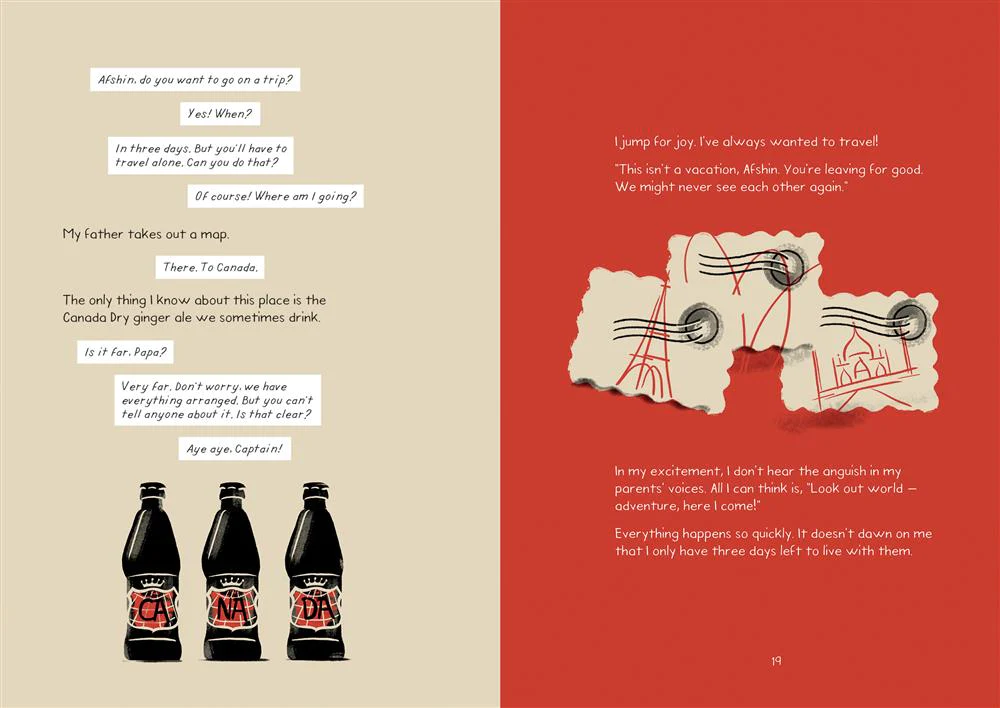
There is an aspect to this book that I didn’t really realize until I sat down and started writing this review. Mainly, that this title is technically an adaptation of a documentary. I never read the descriptions or bookflaps on the titles I read because I like to go into a book for kids without any prior knowledge about it. Usually that isn’t a problem but in the case of today’s title, by skipping the bookflap meant I also skipped the following statement: “Alone is a fully illustrated adaptation of the critically acclaimed documentary, Seuls.” If there was any indication of this inside the book, I certainly missed it. Maybe I would have been a little more clued in if the adaptation had showed its hand. But with the art of Mélanie Baillairgé combined with such an integrated storyline, I honestly hadn’t any reason to suspect. There may be a smart reason for that, though. Documentaries, like nonfiction memoirs, must take large chunks of pure information and weave a cohesive, coherent storyline out of the mere act of living. Even if the three kids in this book led exciting lives, to make their choices work in a film or a book you must ascribe meaning to them. It’s a difficult process. Now add on the extra layer of adapting from film to the page, and you begin to see how impressive this story is overall.

And it IS impressive! I don’t know who the art director or designer was on this book but they just knocked it out of the park. I mentioned earlier that the book reads like a graphic novel, and a lot of that has to do with the way in which each narrative acts alongside the art. Illustrator Baillairgé utilizes a three-color scheme of just black, green, and red which works exceedingly well. The ways in which she might use negative space or use the colors to flicker across characters’ faces like reflected lights is amazing. I’ve read so many nonfiction chapter books for kids where the design was dull and stilted and bored me on contact. With this book, every time I turn to a new page I get sucked in by the art first and foremost and end up reading page after page again.
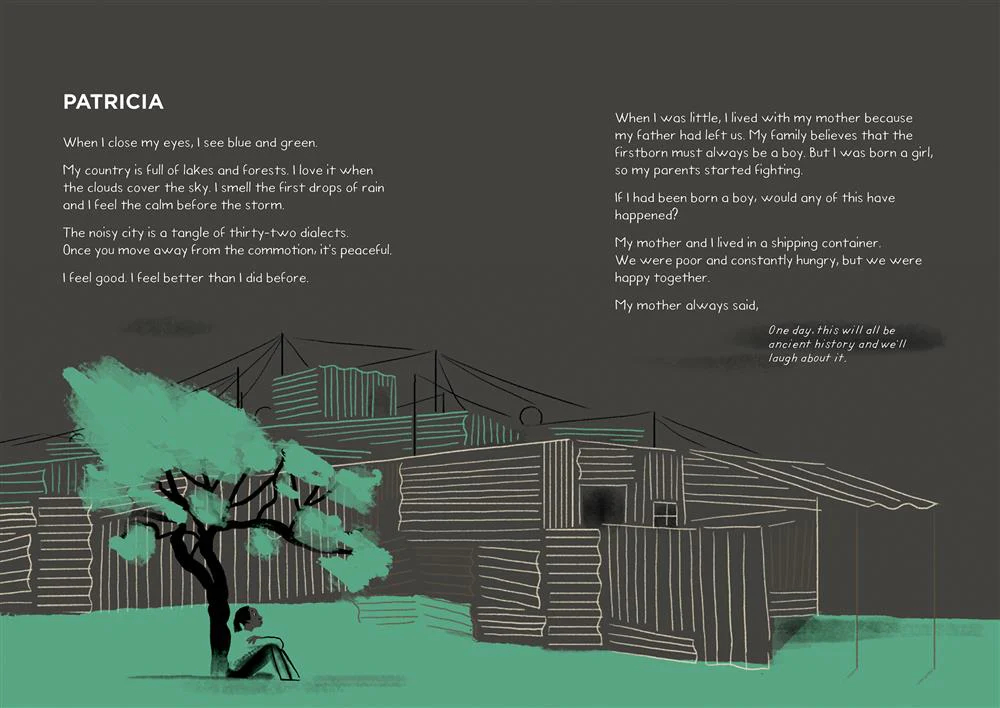
Then there’s the writing itself. Since each storyline is told in the first person I was a bit worried that I’d get confused about who was speaking at what time. I needn’t have worried. Paul Tom may be the one adapting these kids’ stories but there’s something about their individual personalities that shines through. Each one has left their home country for a different reason. All of them have traveled to Canada. Paul Tom will then occasionally speak directly to the young reader, putting them in the shoes of these characters. “You’ve finally managed to reach Canada after risking your life. You wish you could rest, but your journey is far from over. Your path is still littered with obstacles.”

So! The million dollar question: How do you sell this book to a young readership? Because like I say, just telling them it’s three refugee memoirs of kids making their way alone in the world is not necessarily going to cut it. Now you certainly could hand this to a kid with an autobiography assignment, but let’s look outside the school homework box a bit. This is book is seriously gripping and 100% true, yet it’s so exciting that you completely forget that it’s even nonfiction. I experienced a HUGE shock when I got to the backmatter and found myself confronted with three photographs of the story’s subjects with additional information about where they are today. My suggestion then is to do a good old-fashioned booktalk when selling this to kid readers. Play up the danger. The emotion of separating from the family that loves you. You could begin by saying, “What would it take for your parents to send you off on a hugely dangerous journey to another country where you do NOT speak the language and you’re all alone . . . AND you’re the age you are right now? Can you imagine that? And can you imagine, years later, being happy that they did?” Then show them the insides. The visual details. The readability. The fact that it isn’t a million pages long. I bet you could get them clamoring for it. You just need to sell it correctly.
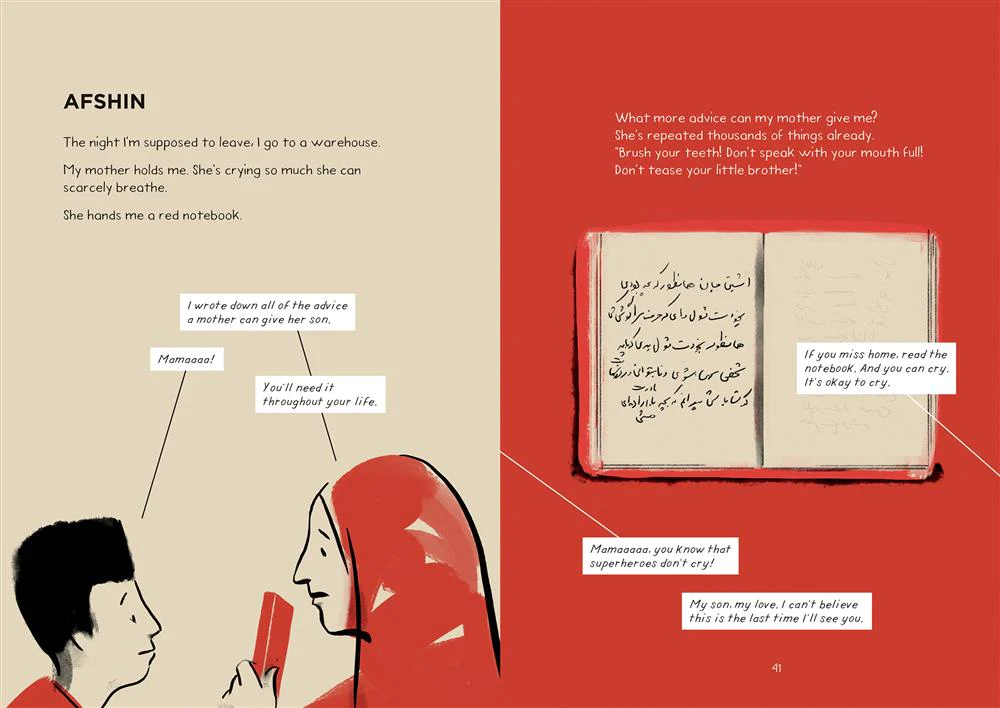
One question folks may have about this book is whether or not it’s truly for kids are better for teens. The protagonists do start out at 13 and 16, after all. Even so, I noticed that in terms of the content there isn’t much violence and certainly no sexual trafficking or abuse. The kids suffer, but it’s of loneliness for their homes and families. The story is gripping and sometimes a parent might die but overall it has happy endings at the end. The reason to read it, though, is that as a kid you can’t help but read this book and put yourself in Afshin, Alain, and Patricia’s shoes. Alone goes out of its way to make you feel, growing empathy in the process. You won’t lack for refugee stories in your children’s libraries and bookstores these days, but if you truly want to help kids to understand what other people are going through, Alone is a wonderful place to start. A visual stunner, gripping storyline, and heartbreaker of a title. Nothing else like it out there. Nothing at all.

On shelves now.

Source: Galley sent from publisher for review.

Filed Under: Best Books, Best Books of 2023, Reviews, Reviews 2023 Tagged With: 2023 nonfiction, 2023 older nonfiction, 2023 reviews, Arielle Aaronson, Best Books of 2023, Canadian children's books, French language children's books, Groundwood Books, House of Anansi Press, Mélanie Baillairgé, memoirs, middle grade nonfiction, nonfiction, Paul Tom, translations

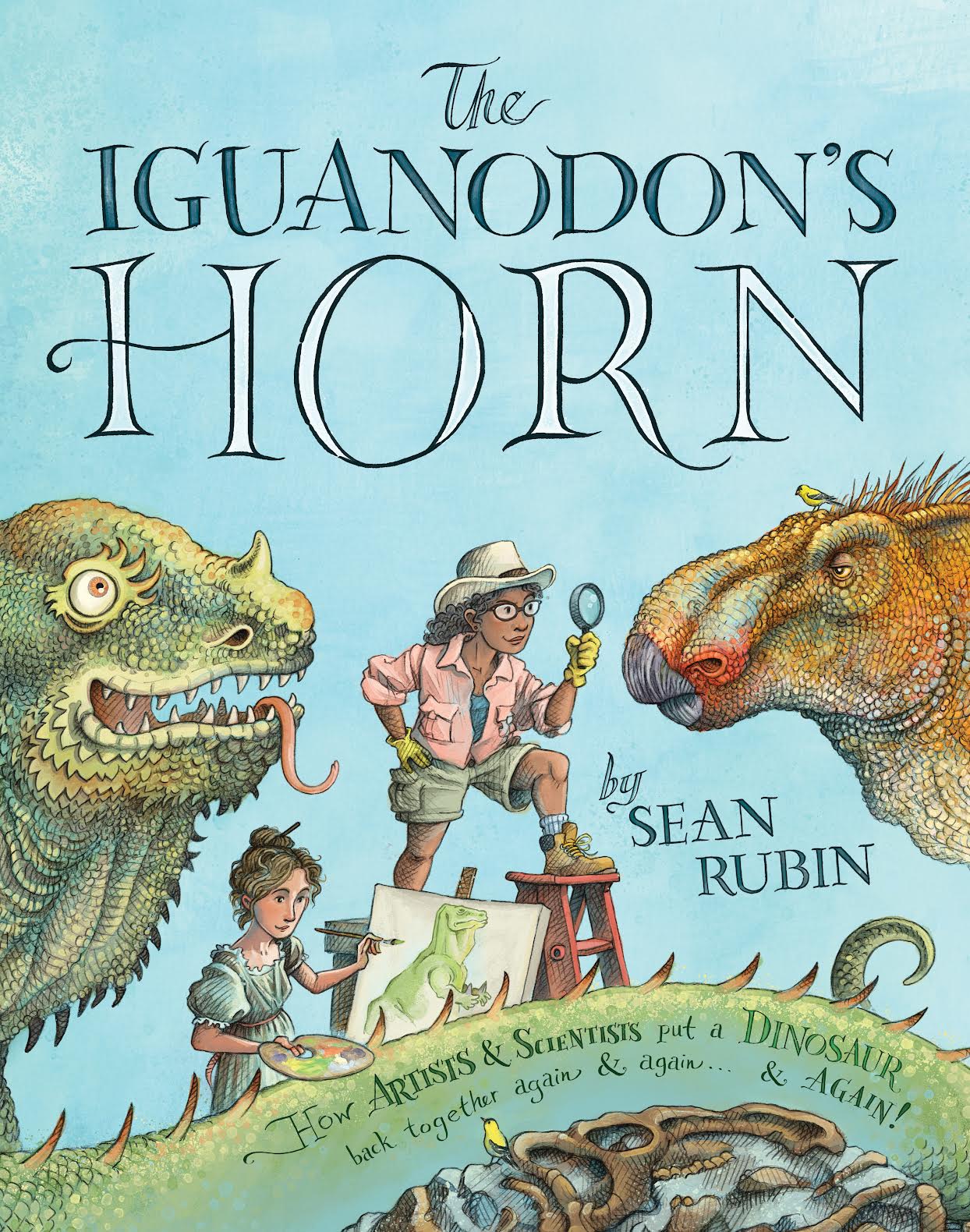
Art and Science Combine As One: It’s an Iguanodon’s Horn Cover Reveal + Interview with Sean Rubin!

September 6, 2023 by Betsy Bird

Is there any disappoint that cuts more cleanly to the heart than when you discover that a beautiful children’s book you’ve seen for the very first time isn’t going to come out until the following year? Just me? Well it’s a pain I should be inured to by now, but even so I never quite get used to the feeling. Case in point, today’s beautiful book.

Months ago author/artist Sean Rubin (whom you may know best from his jaw-dropping graphic novel Bolivar) gave me a look at The Iguanodon’s Horn: How Artists and Scientists Put a Dinosaur Back Together Again and Again and Again which he wrote and illustrated. This wouldn’t have been a problem except that it was instantly one of my favorite books of the year. Then I found out . . . it’s a 2024 title. There was wailing. There was some rending of garments. There was definitely a little tear in the corner of my eye.

Today, then, I shall wreck my revenge upon the world by making you too, gentle readers, wish that this book was coming out sooner than March 19, 2024. We’re going to talk to Sean about the whole, great big project and then, at the very end, a cover reveal!!

But first . . . a plot summary:

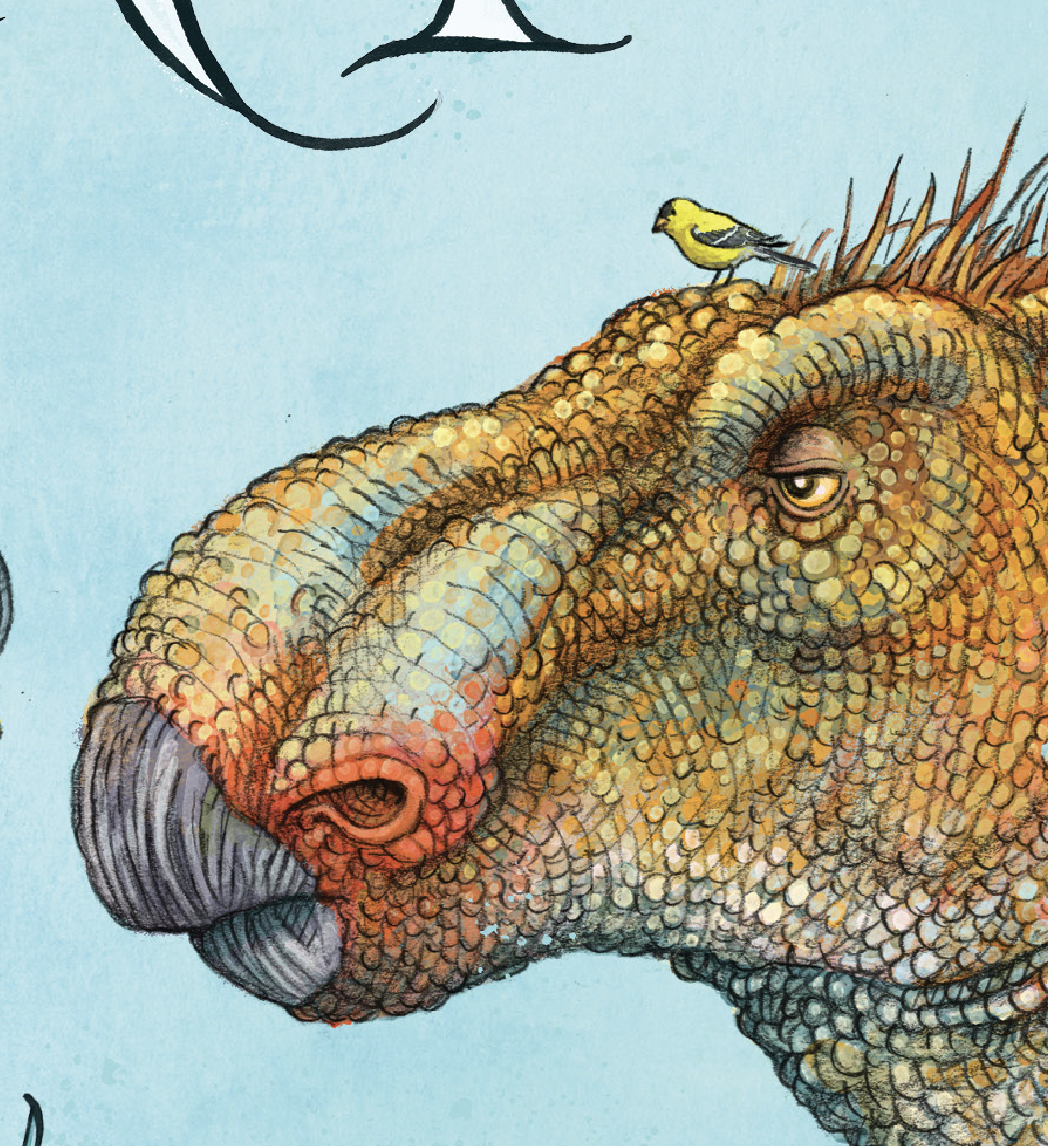
Ever since mysterious bones were found in 1822, scientists and artists have tried to figure out what the creature they came from looked like. But it seems that every time they’ve made up their minds, someone makes a new discovery, and they have to start all over. That’s only fair, though—after all, it’s how knowledge advances!

With an inviting tone and detail-filled art, Sean Rubin traces the process of defining—and redefining—the dinosaur called Iguanodon. Entertaining, accessible, and beautiful, his tale will delight dinosaur fans, budding artists, and anyone curious about how science really works. 

Darn right.


Betsy Bird: Sean! Such a delight to talk to you! Let’s dive right in, shall we? I’ve seen you do some jaw-dropping comics in the past so this switch to nonfiction intrigues me. Particularly because this is such a fantastic look at how consistently people have gotten dinos wrong over the years. Where did this project come from? 

Sean Rubin: Thanks, Betsy! The seeds of this particular book were planted when I was finishing up BOLIVAR. There’s a really obscure visual joke in that book, which is that Bolivar is designed to look like a cartoon version of the T-Rex in Rudolph Zallinger’s “Age of Reptiles” mural at Yale’s Peabody museum, circa 1947 (say that five times fast); however, all the other depictions of dinosaurs follow scientific illustrations from around 1990-2000, i.e. from when I was in elementary school. In some ways that was an acknowledgment of how all these different versions of dinosaurs coexist in popular culture–especially because toy designs are updated so slowly. Before Jurassic Park came around, my dinosaur toys were still based on the 1930s-40s illustrations.

Anyway, a handful of people have noticed this joke over the years, and used it as a starting point to ask me, “Why do dinosaurs look different, now?” I’ve tried to answer this question the best I could, but it wasn’t until I saw an animation by Steven Bellettini for his “Your Dinosaurs Are Wrong” series, where he depicted the different versions of Iguanodon sort of morphing into each other, that I realized the story was perfect for a picture book. The story is about dinosaurs, but it’s also about art.

BB: Well, as you mentioned, I can’t help but notice that your comics about BOLIVAR were also about a dino. Have you always had this interest in the critters or is this just a bit of a coincidence that they keep popping up in your work?

SR: Yeah, you got me–I’m really fascinated by dinosaurs! I was obsessed with Jurassic Park a full two years before my parents let me watch the movie (a decision I now support, being a parent myself). Now that I’m older, I’m pretty sure it’s because dinosaur paleontology is unique because it’s a science mediated by illustrators–paleoartists. It may be the only science where an ability to draw and do research means you can actively contribute to the field without spending four semesters in calculus or organic chemistry. 

BB: Speaking of which, fun time! Research! How did you conduct it? Who did you consult? And how did you go about the process?

SR: In some ways, I’ve been researching this book forever, I just didn’t know it. A number of the resources I used were books off the shelf in my studio, including dinosaur books that I’ve had since kindergarten. Fortunately, I was also able to talk to a handful of people that could dig a bit deeper, pun intended. I soon discovered the very famous Jack Horder is quite happy to talk to paleoartists. It also happens that my college roommate is an American art curator who worked on an exhibition about Benjamin Waterhouse Hawkins. Probably the most dedicated consultant was my editor’s sister, Kathryn Hoppe, who happened to be a paleontologist. Was I benefiting from coincidence after coincidence, here? Absolutely! 

BB: A plethora of talent, to say the least. Having read a fair number of dinosaur books in my day I admit that I probably fell into that old trap of assuming what they “looked” like. And of all the dino books I’ve ever read for kids, this is the very first I’ve seen to ever delve truly into the visual possibilities. Did you use any particular references coming up with that last shot in the book of those magnificently odd looking dinos?

SR: Hopefully I didn’t go too far, but I guess time will tell! The last iguanodon reconstruction was heavily inspired by artwork in the books “All Yesterdays” and the artwork of Natee Himmapaan, who is probably my favorite contemporary paleoartist. Although the coloring is mostly a riff on the green iguana. 

BB: And now, my favorite question always: What couldn’t you include? Was there information you loved but had to cut out for one reason or another?

SR: I really wanted to include a spread including Jurassic Park action figures, but we had to cut something and I agreed that was the one to go. Those toys were a huge part of my childhood, and they really defined what dinosaurs looked like for a generation, But we needed to prioritize visuals that hadn’t already saturated popular culture. A smaller version of the drawing came back in the endnotes, though. 

BB: Finally, what are you working on next? What’s on your plate?

SR: I’m still in the middle of illustrating COPY CAT, a middle grade graphic novel I co-wrote with Elyse Martin. That’s about a 12-year-old girl who is hiding out in a monastery in Northumbria during the 9th century, and pretending to be a scribe. I also have another Bolivar book in the works–a holiday title. You’ll be relieved to know no one makes Bolivar eat pizza this time; however, there is a lot of Italian food! 


Huge thanks to Sean for answering my questions (though now I’m going to have to deal with wanting to see even MORE of his books in the future!).

And here it is, the one, the only . . . the cover reveal!

Ain’t she a beauty?

The Iguanodon’s Horn is on bookstore and library shelves everywhere March 19, 2024. Be patient, my dears. It’s just around the corner.

Filed Under: Best Books, Best Books of 2024, Cover Reveal, Interviews Tagged With: author interviews, cover reveal, dinosaurs, illustrator interviews, interviews, picture book author interviews, Sean Rubin

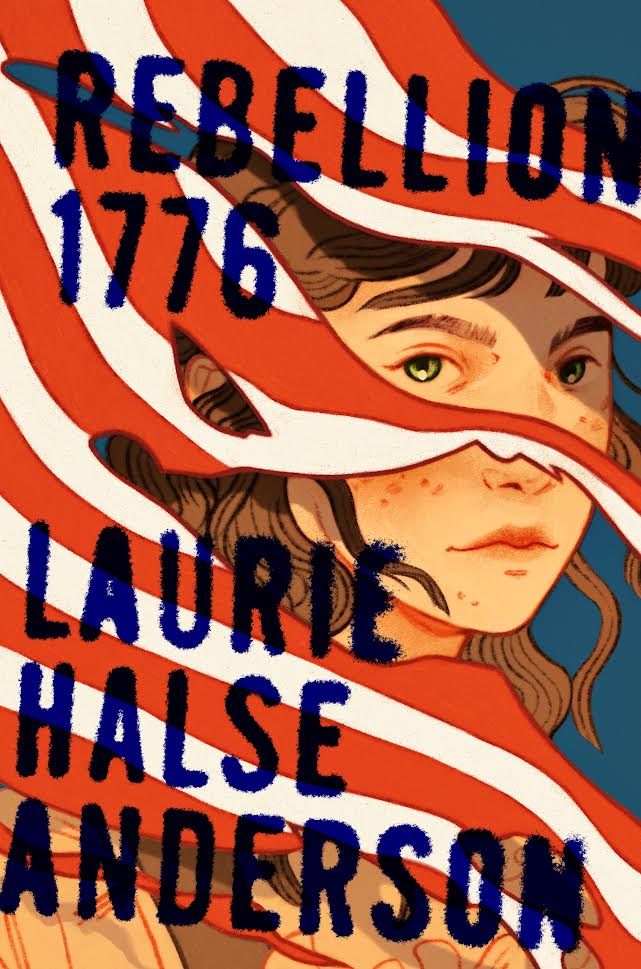
A New Laurie Halse Anderson Cover Reveal? Yes and Please!

September 5, 2023 by Betsy Bird

You know her.

You love her.

You are vaguely aware that she was recently celebrated as one of the top authors in the WORLD for young people by winning the highly coveted Astrid Lindgren Memorial Award this year (which gives out the largest amount of money given to a creator of literature for youth internationally).

You also happen to love her books, which makes a fair amount of sense. Which one is your favorite? Chains? Speak? And could I possibly interest you in seeing her latest book?

Now normally when I do a cover reveal these days I couple it with an interview, but we wanted to get this out as quickly as possible. So, without further ado, allow me to show you the brand new book jacket for . . .

Rebellion 1776

In the spring of 1776, thirteen-year-old Elspeth Culpepper wakes to the sound of cannons. It’s the Siege of Boston, the Patriots’ massive drive to push the Loyalists out that turns the city into a chaotic war zone. Elspeth’s father—her only living relative—has gone missing, leaving her alone and adrift in a broken town while desperately seeking employment to avoid the orphanage.

Just when things couldn’t feel worse, the smallpox epidemic sweeps across Boston. Now, Bostonians must fight for their lives against an invisible enemy in addition to the visible one. While a vaccine is being frantically fine-tuned, thousands of people rush in from the countryside begging for inoculation. At the same time, others refuse protection, for the vaccine is crude at best and at times more dangerous than the disease itself.

Elspeth, who had smallpox as a small child and is now immune, finds work taking care of Abigail Adams and her extended family as they await a turn at inoculation, but as the epidemic and the revolution rage on, will she find her father?

Rebellion 1776 is on shelves everywhere April 9, 2024. Many thanks to Tara Shanahan and the folks at Simon & Schuster Children’s Publishing for this reveal.

Filed Under: Cover Reveal Tagged With: cover reveal, Laurie Halse Anderson

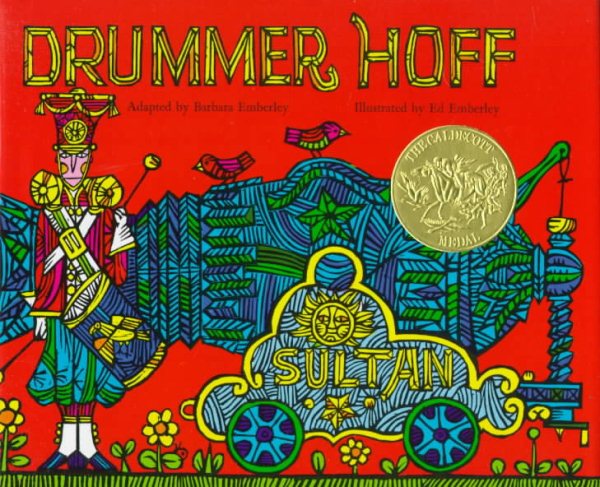
Fuse 8 n’ Kate: Drummer Hoff by Barbara Emberley, ill. Ed Emberley

September 4, 2023 by Betsy Bird

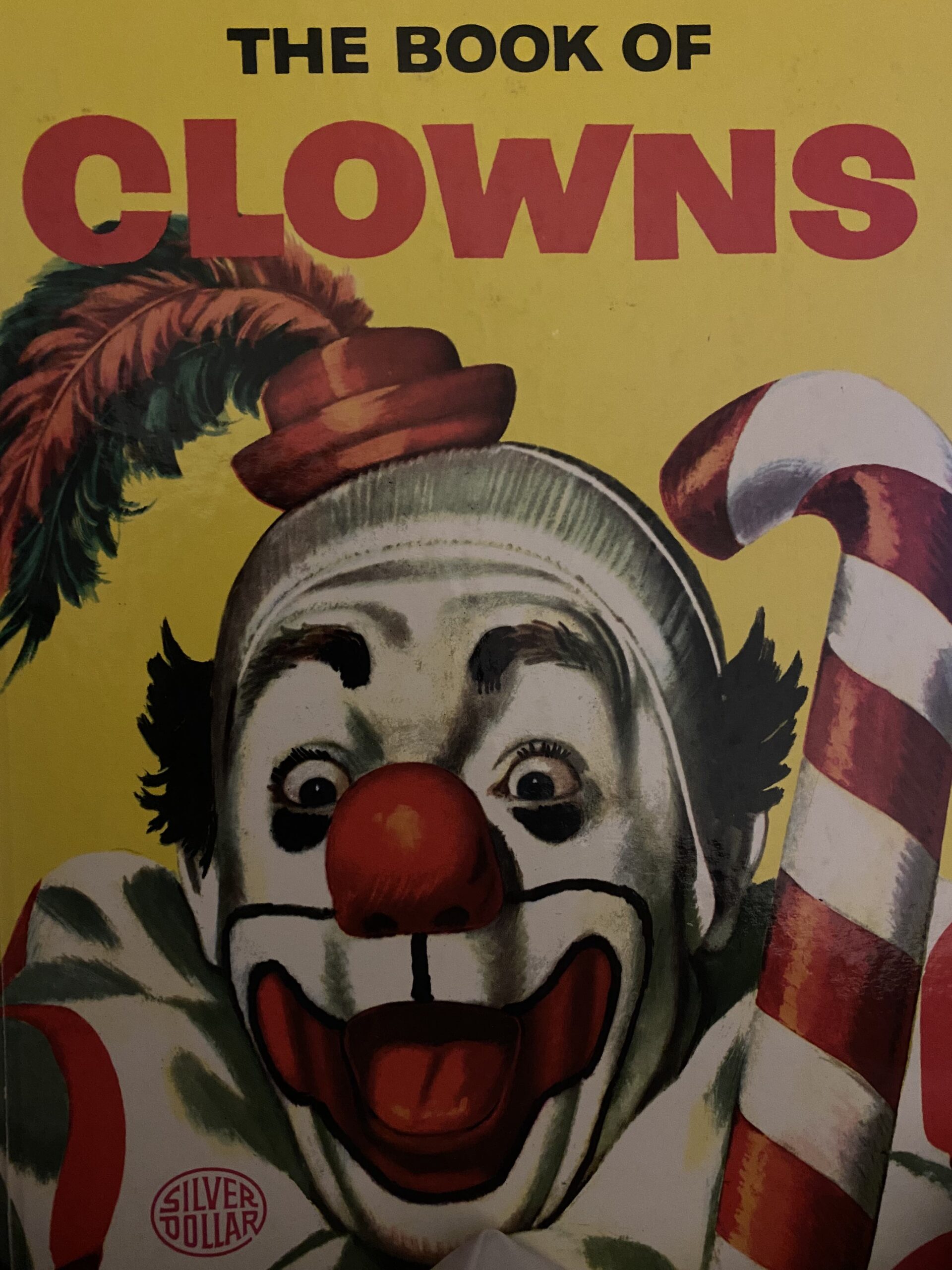
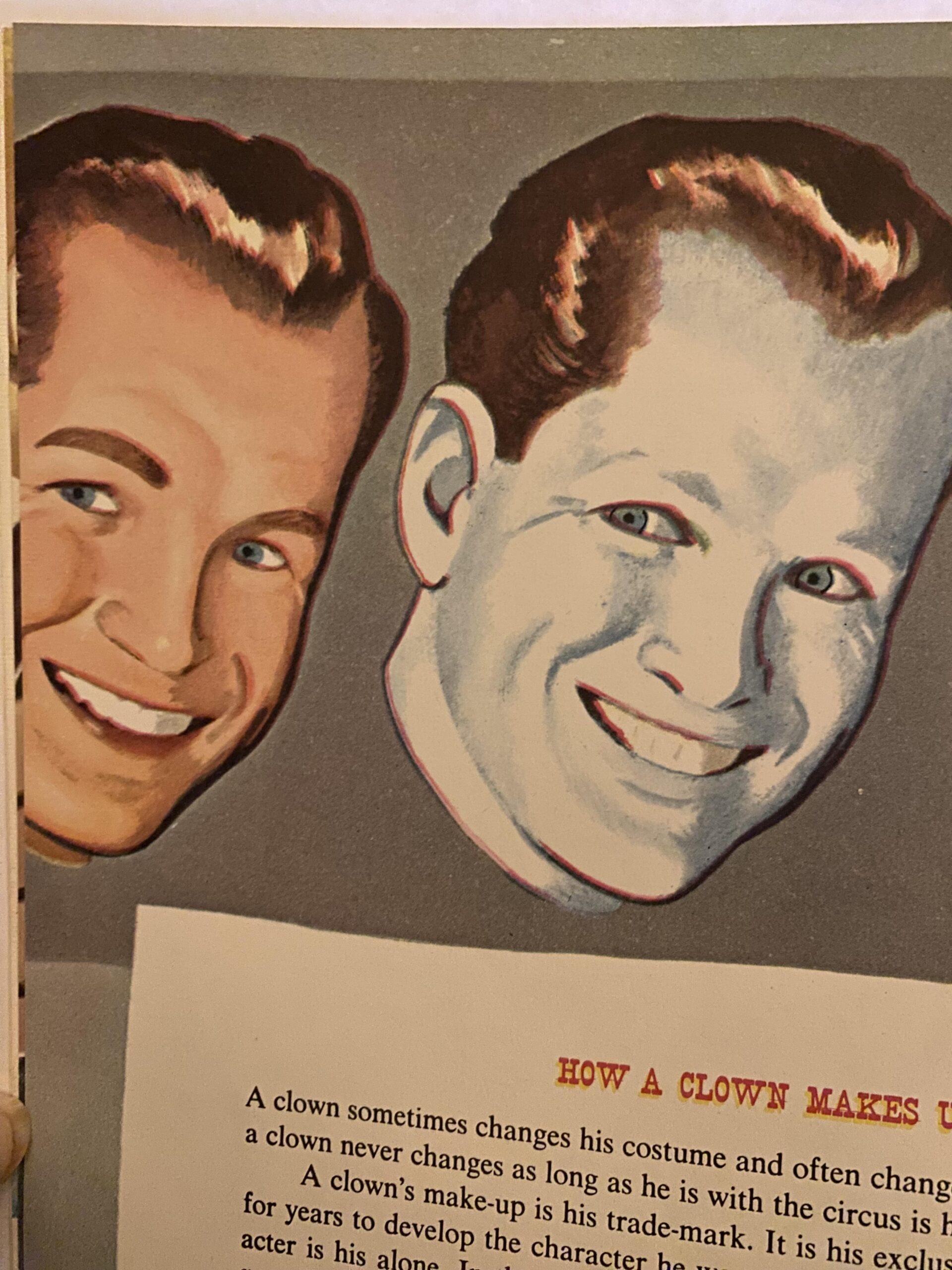
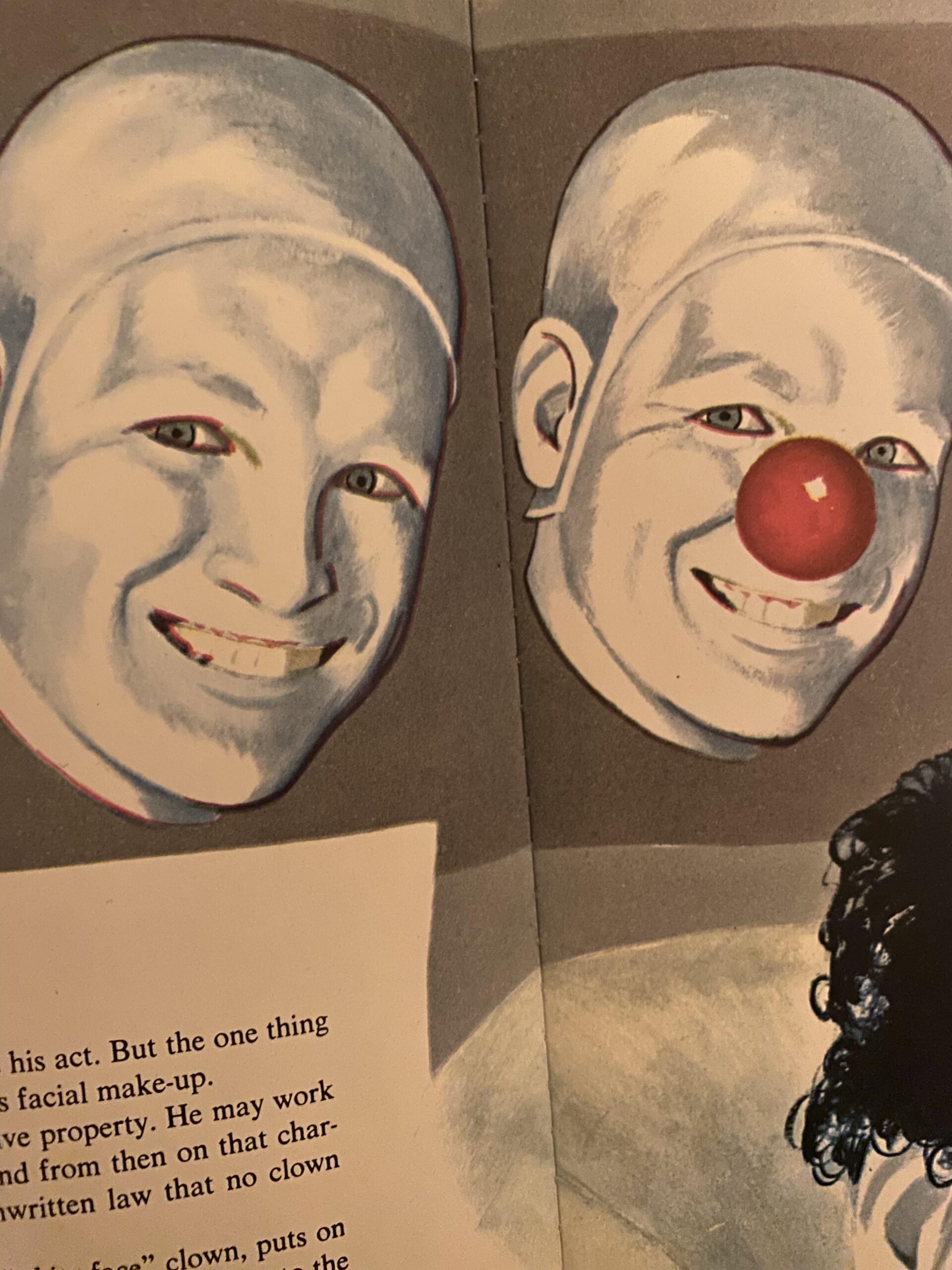
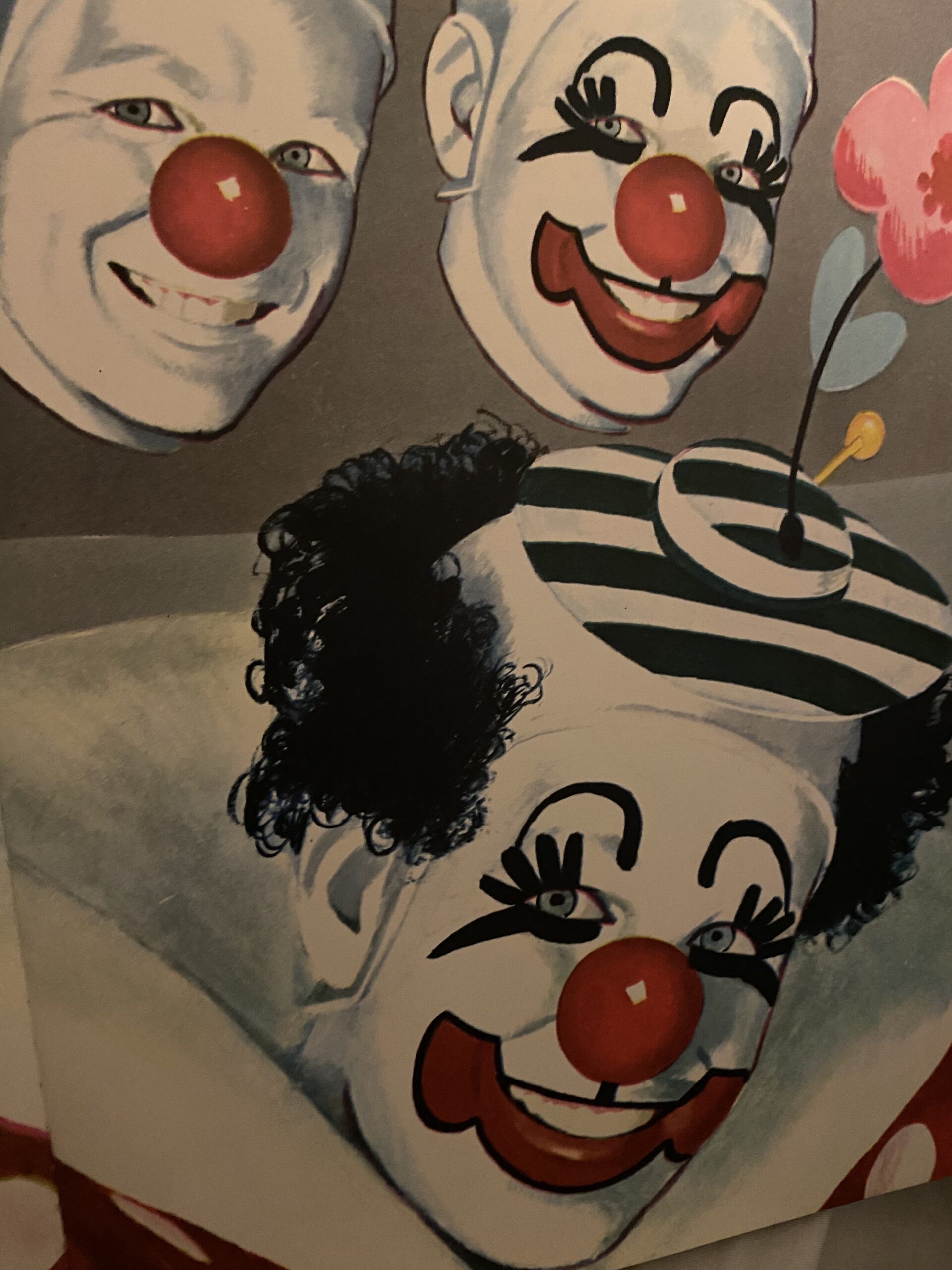
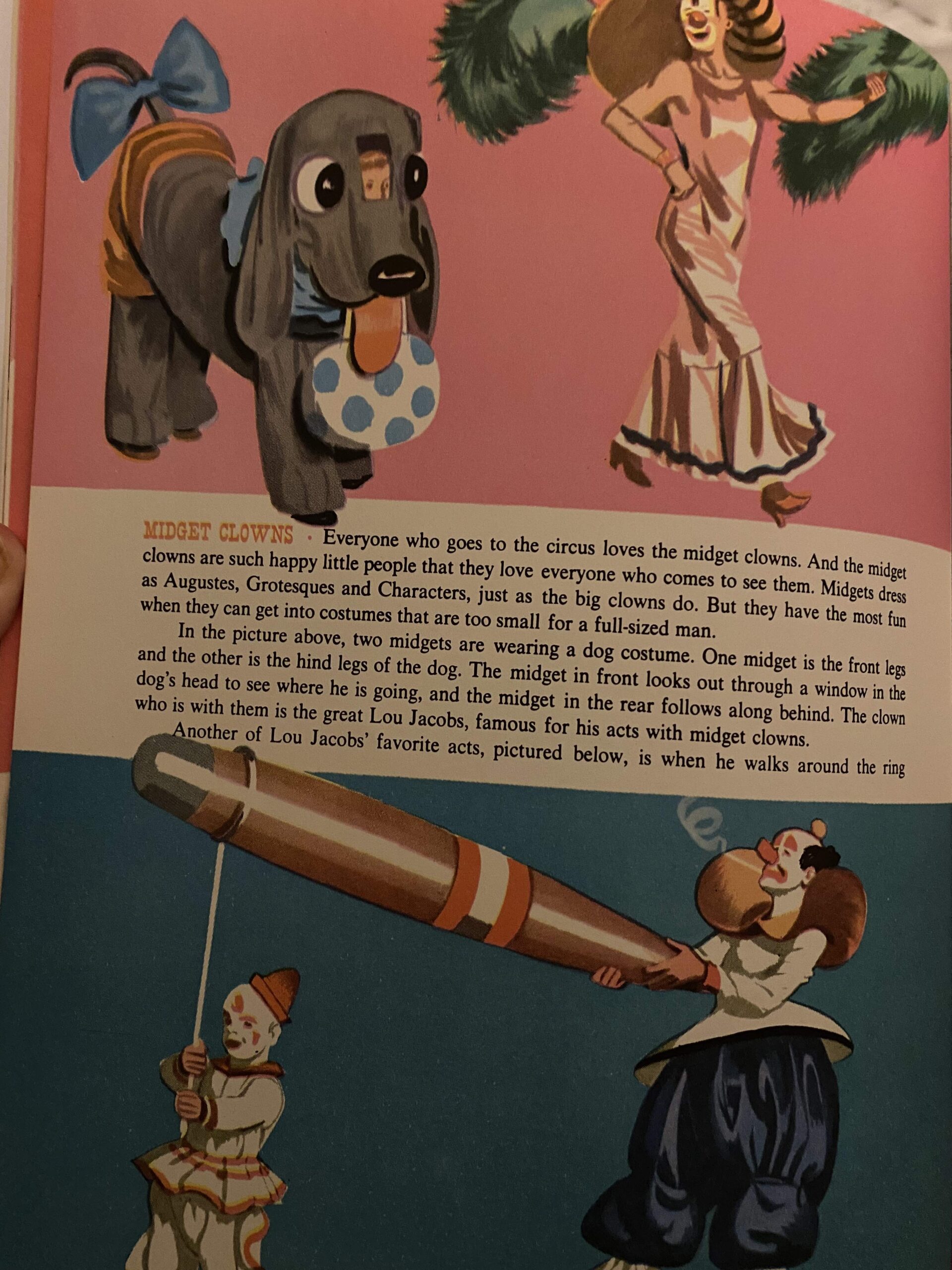
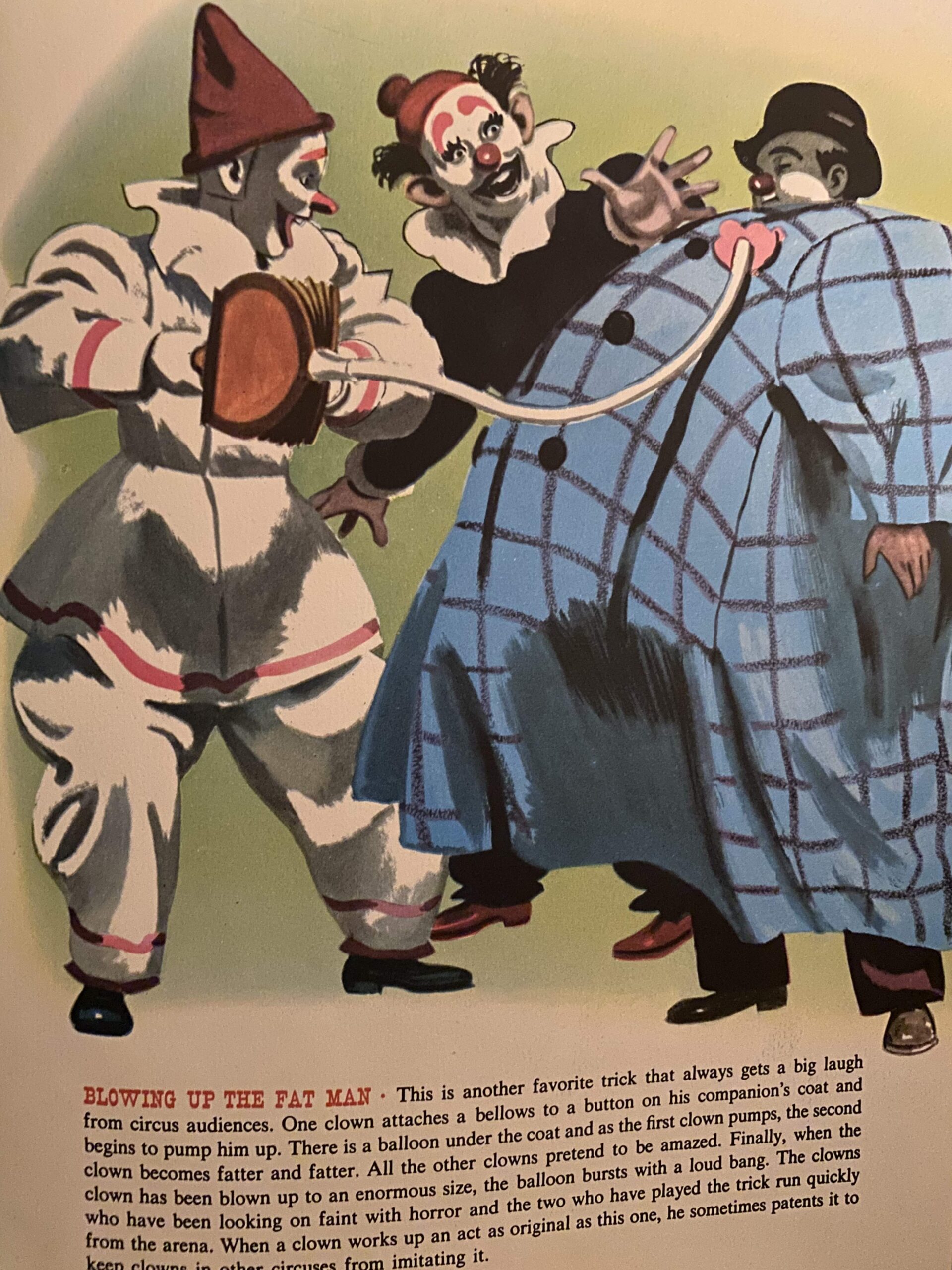
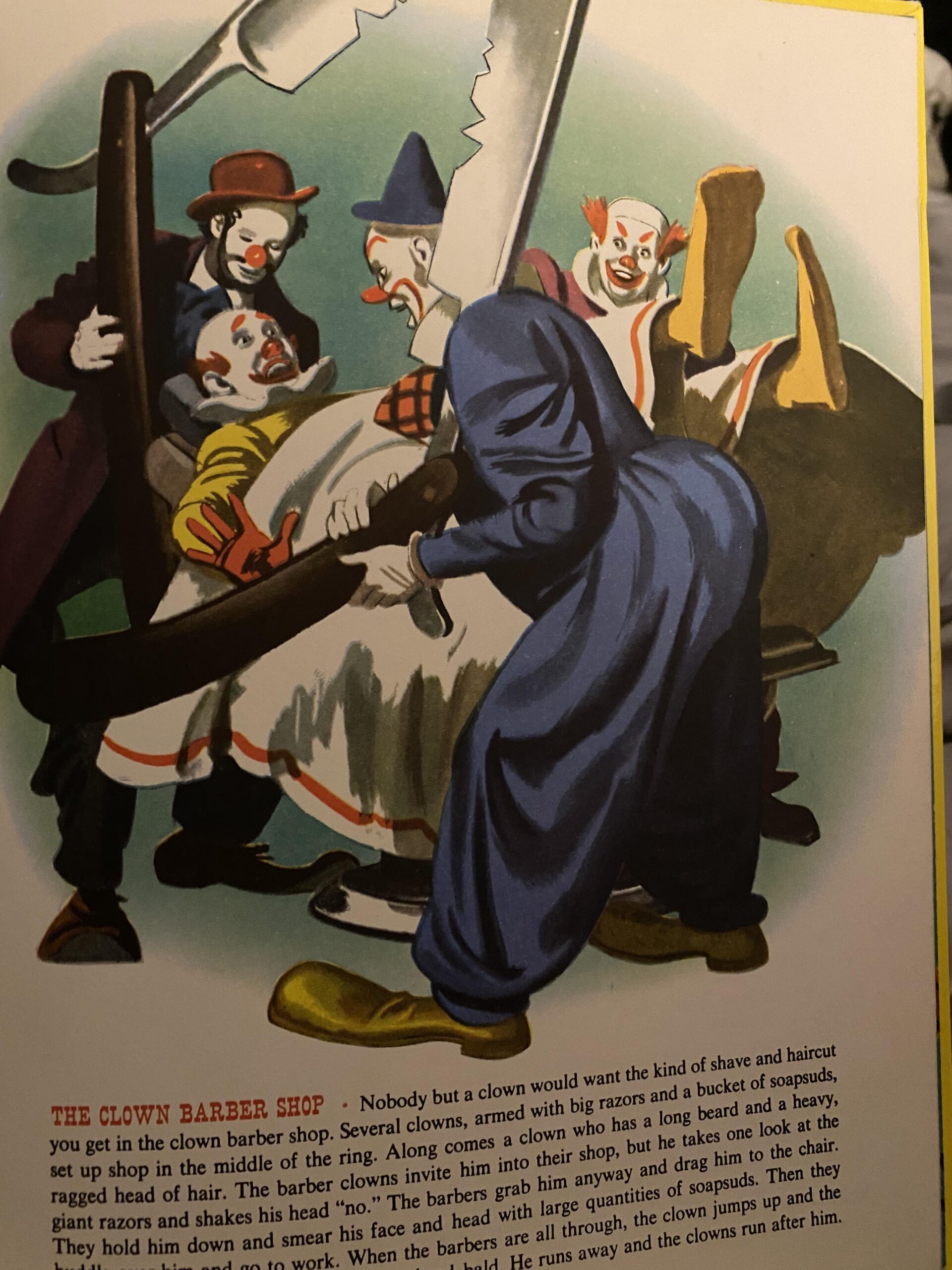
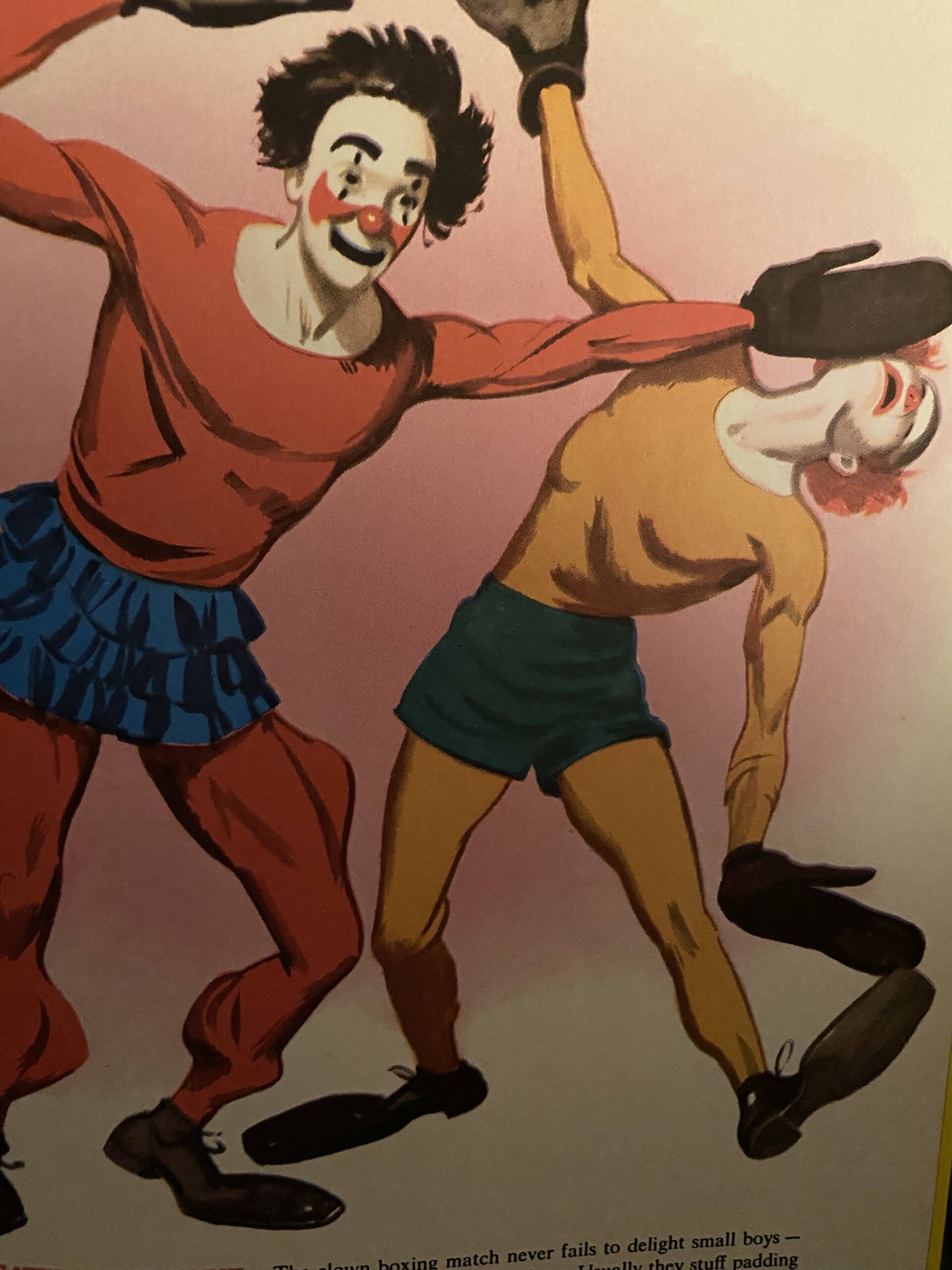
As many of you already know, I hate to start a podcast off in this way with my sister’s #1 dislike (honest!fer sure! you betcha!) but since listener Ann Burke was so kind as to send us a remarkable piece of clown-related kidlit history (and I am RAPIDLY making an amazing Vintage Horrifying Picture Book Clown collection for myself) you cannot blame me if I feature it on the podcast right off the bat.

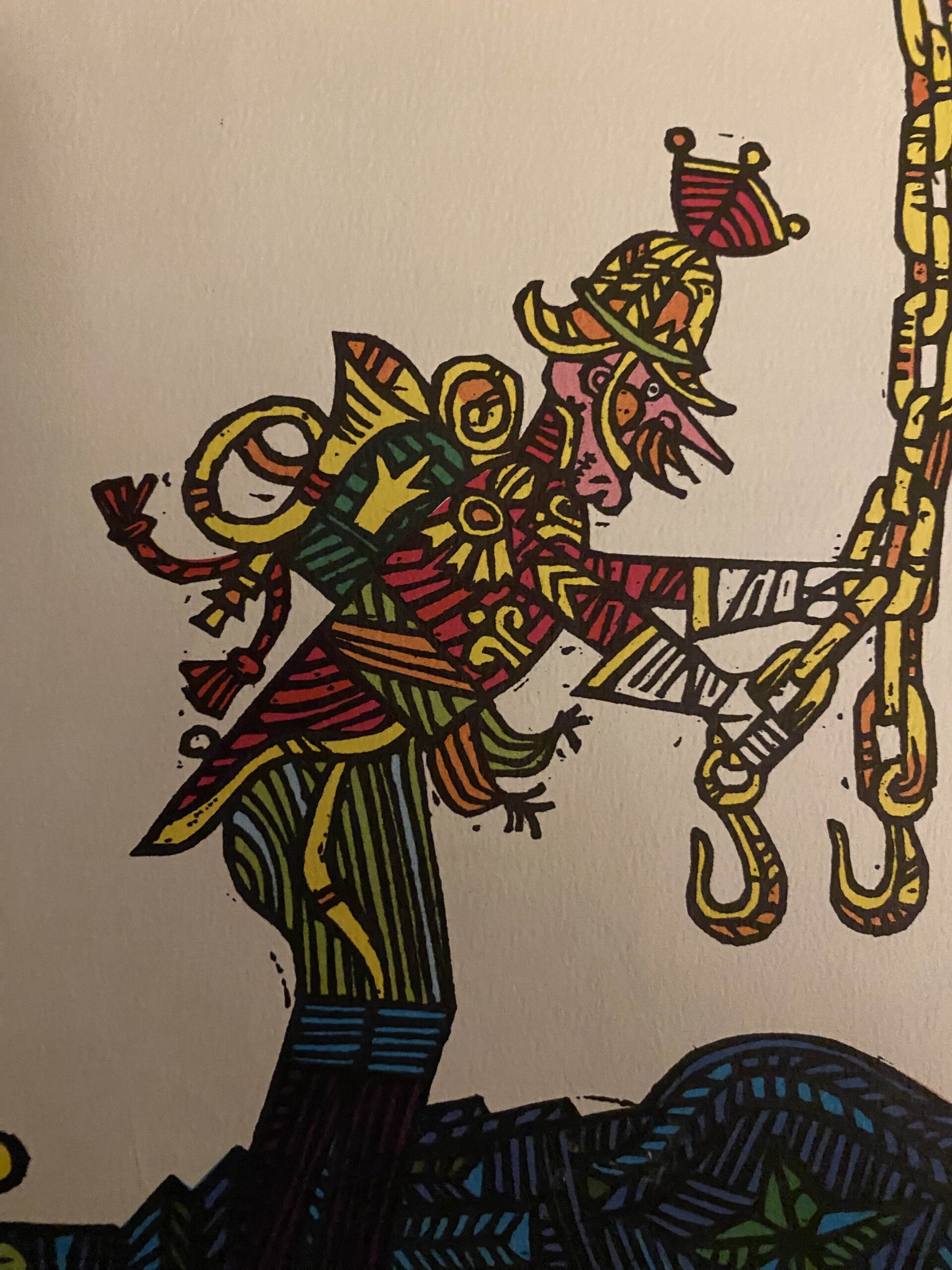
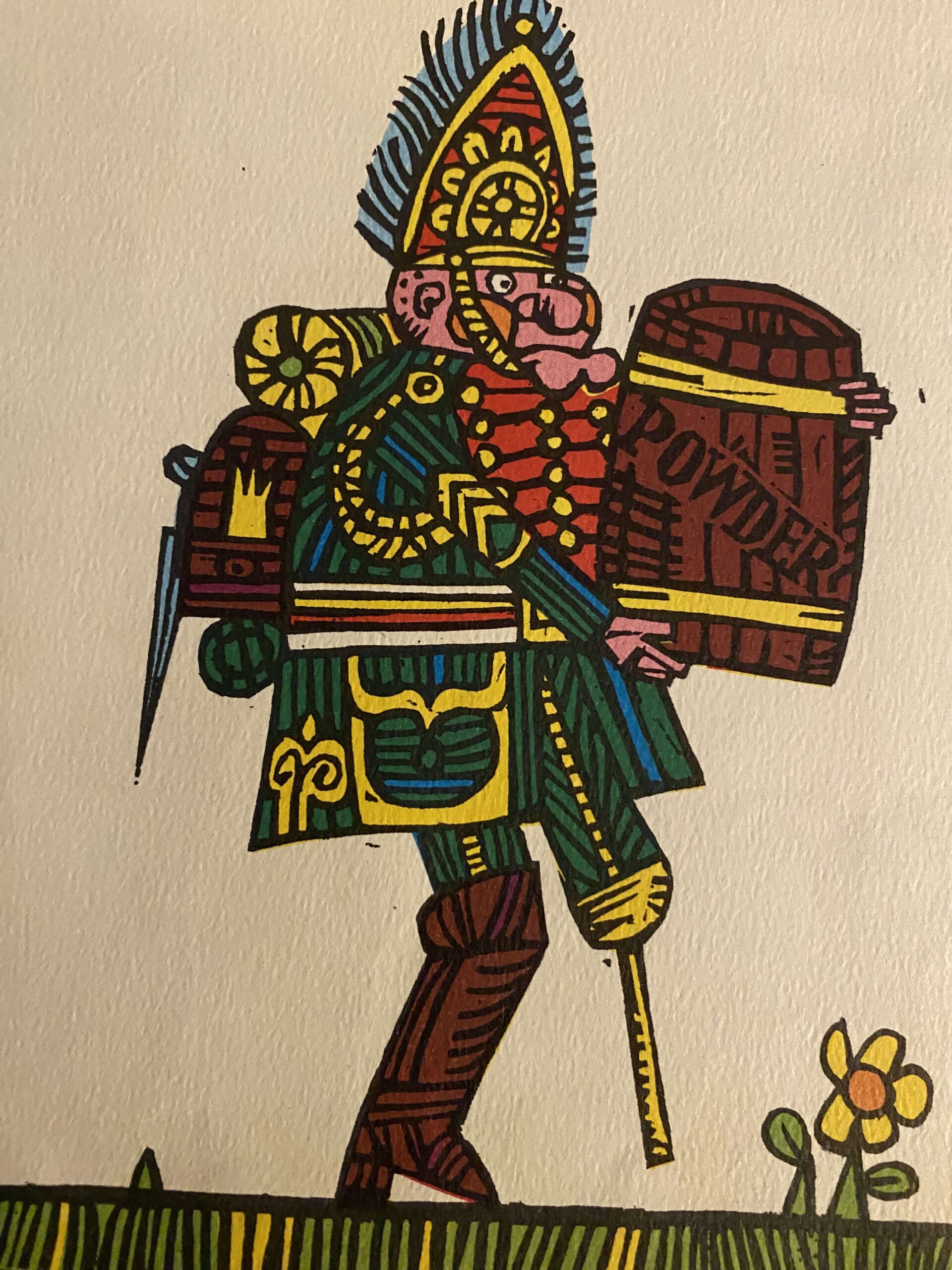
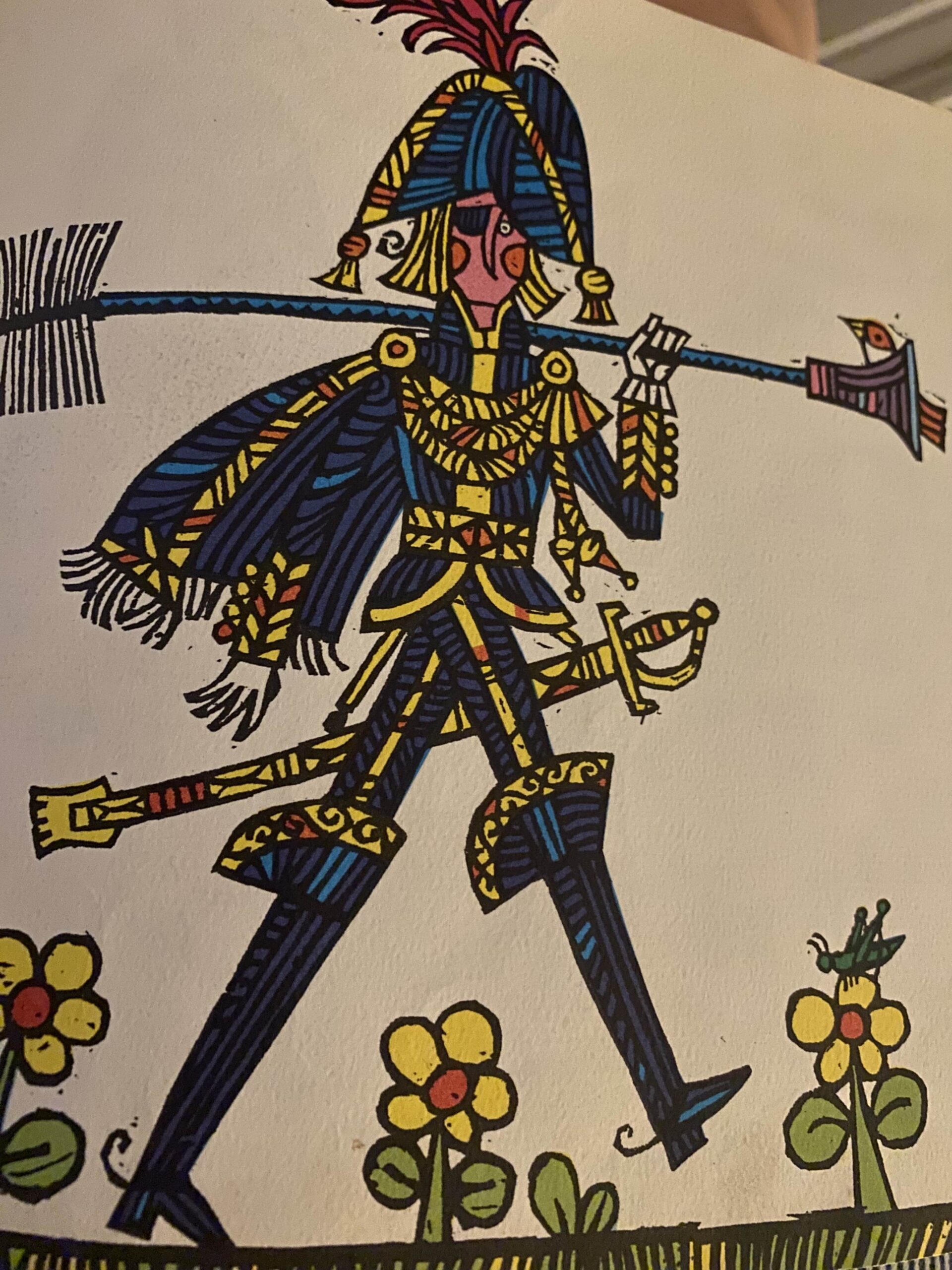
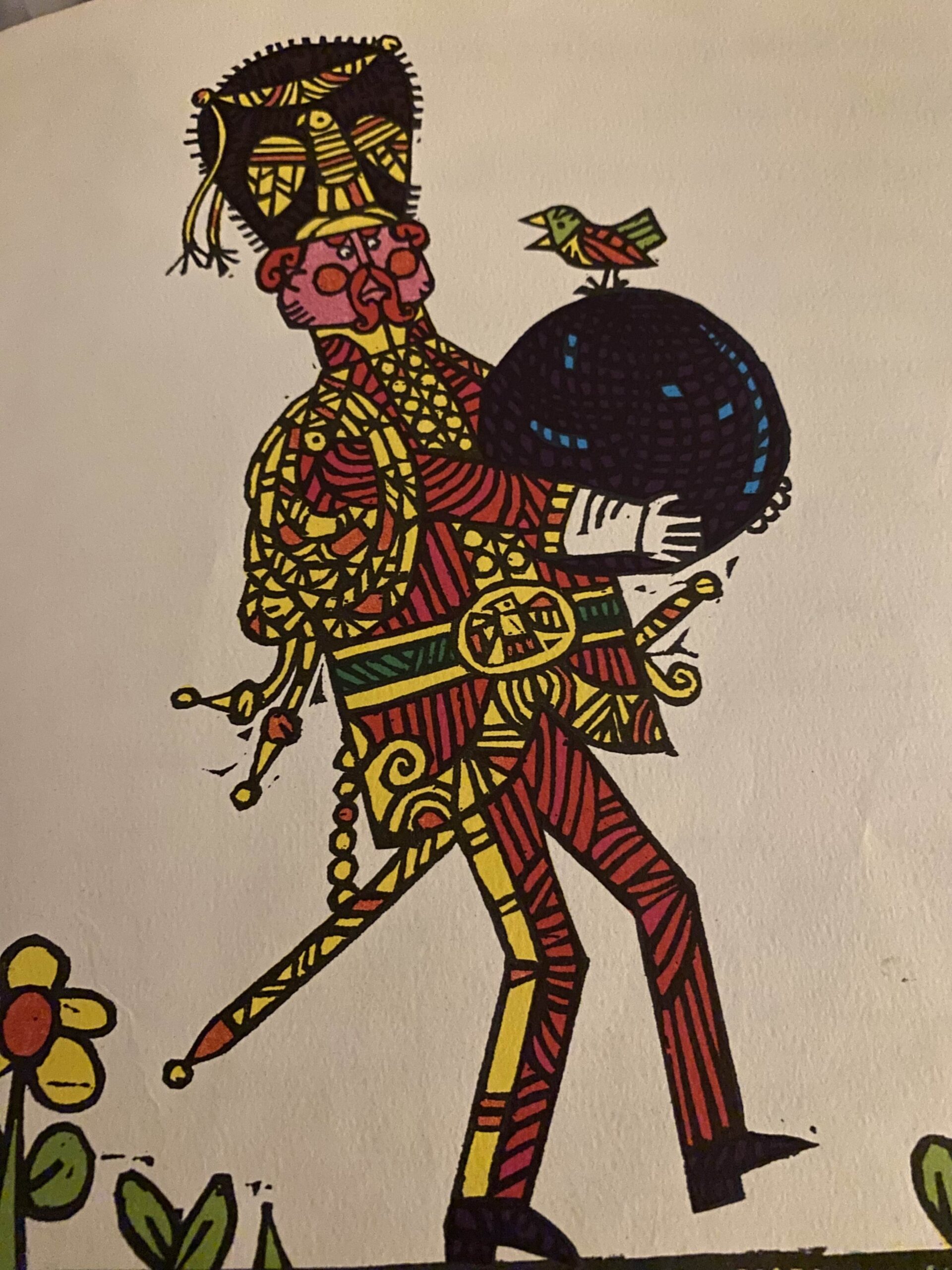
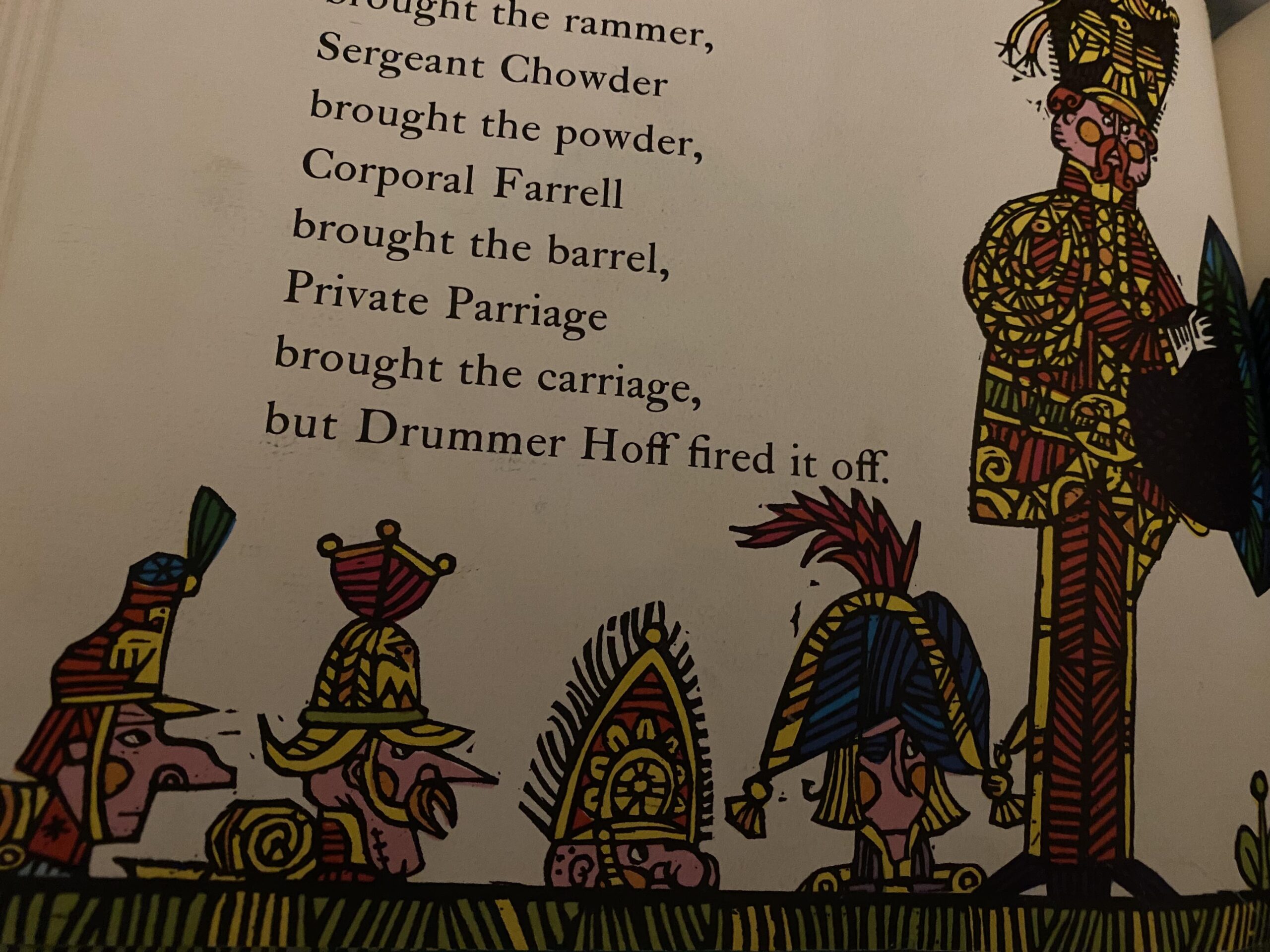
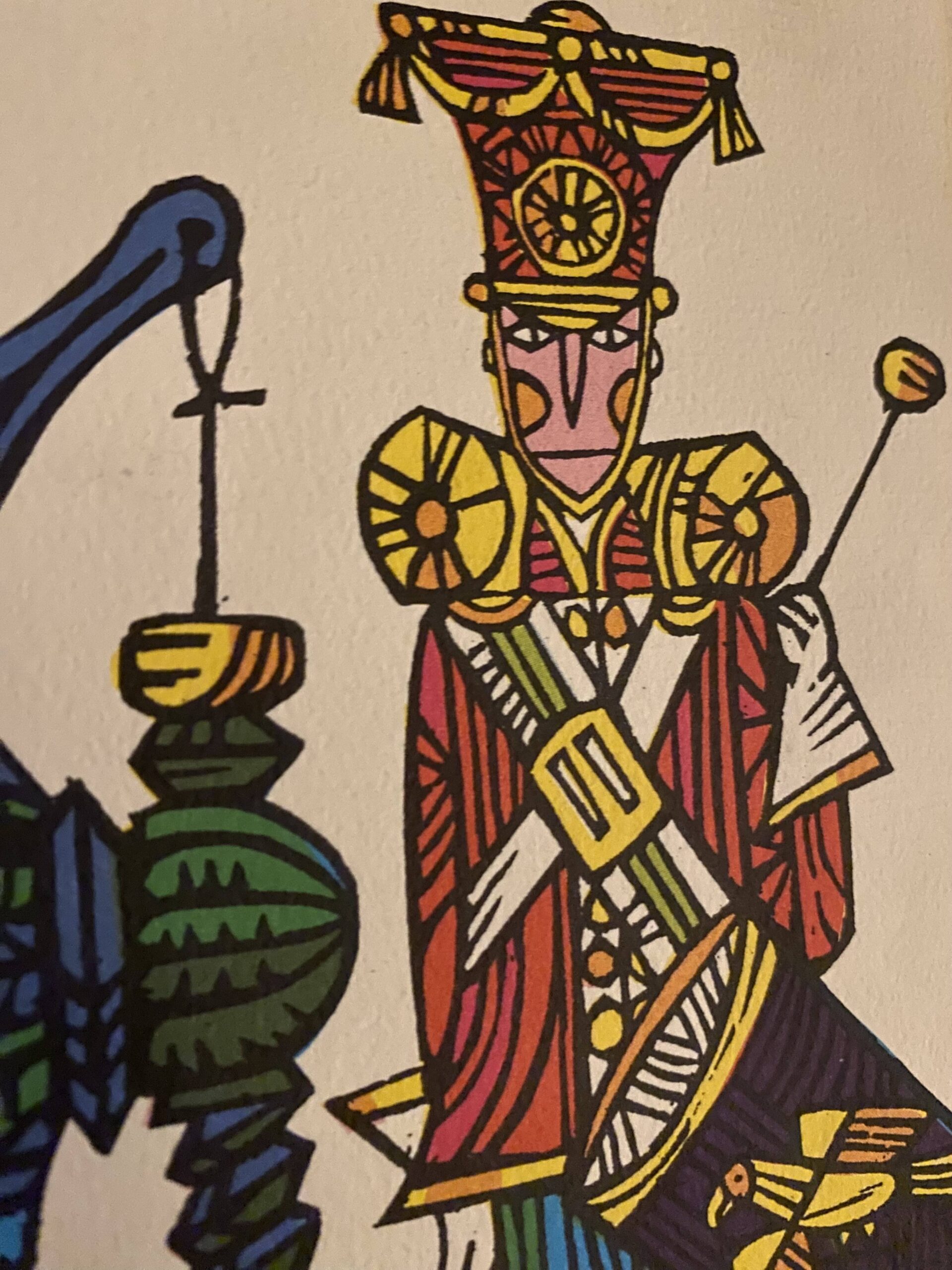
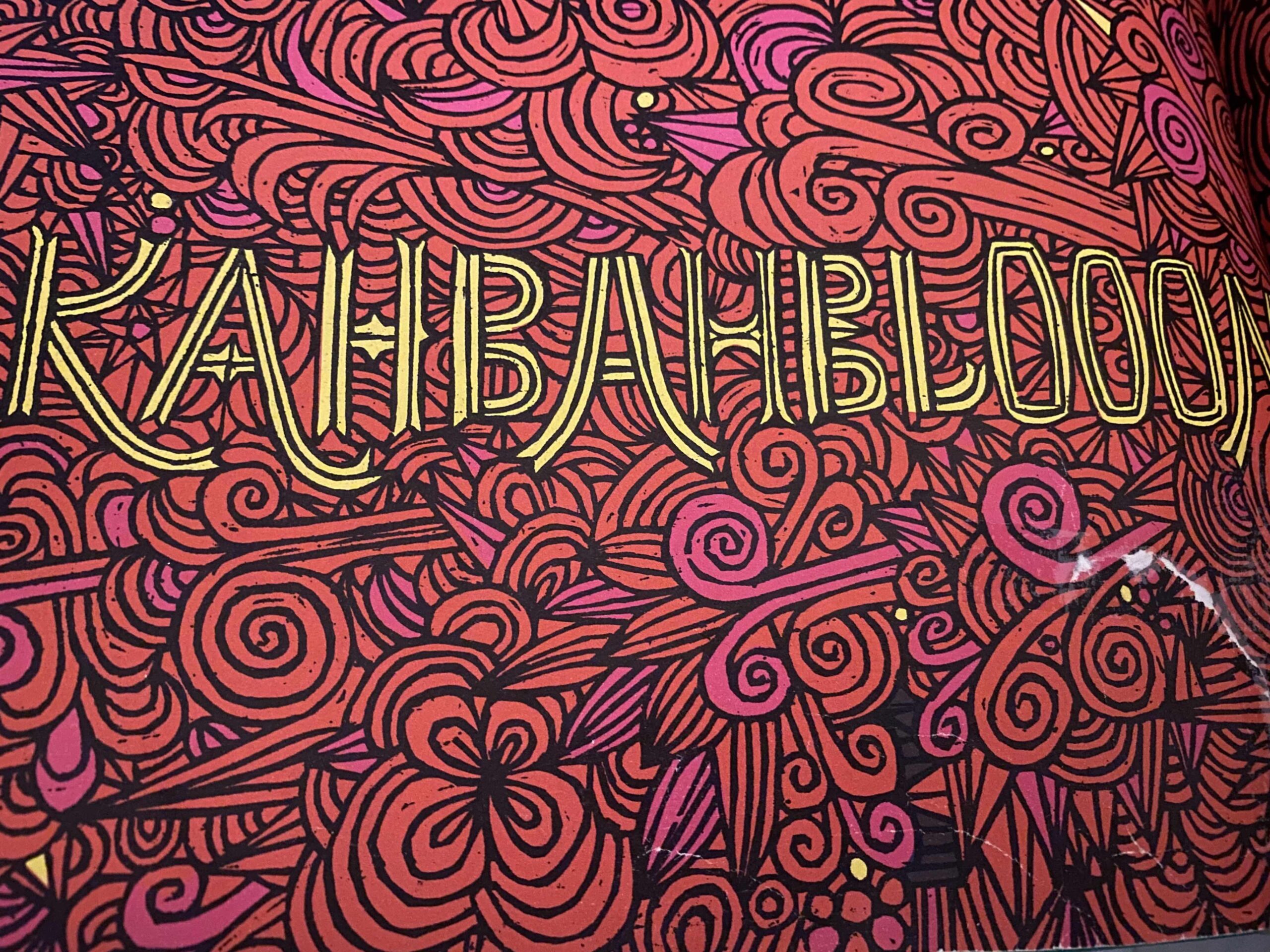
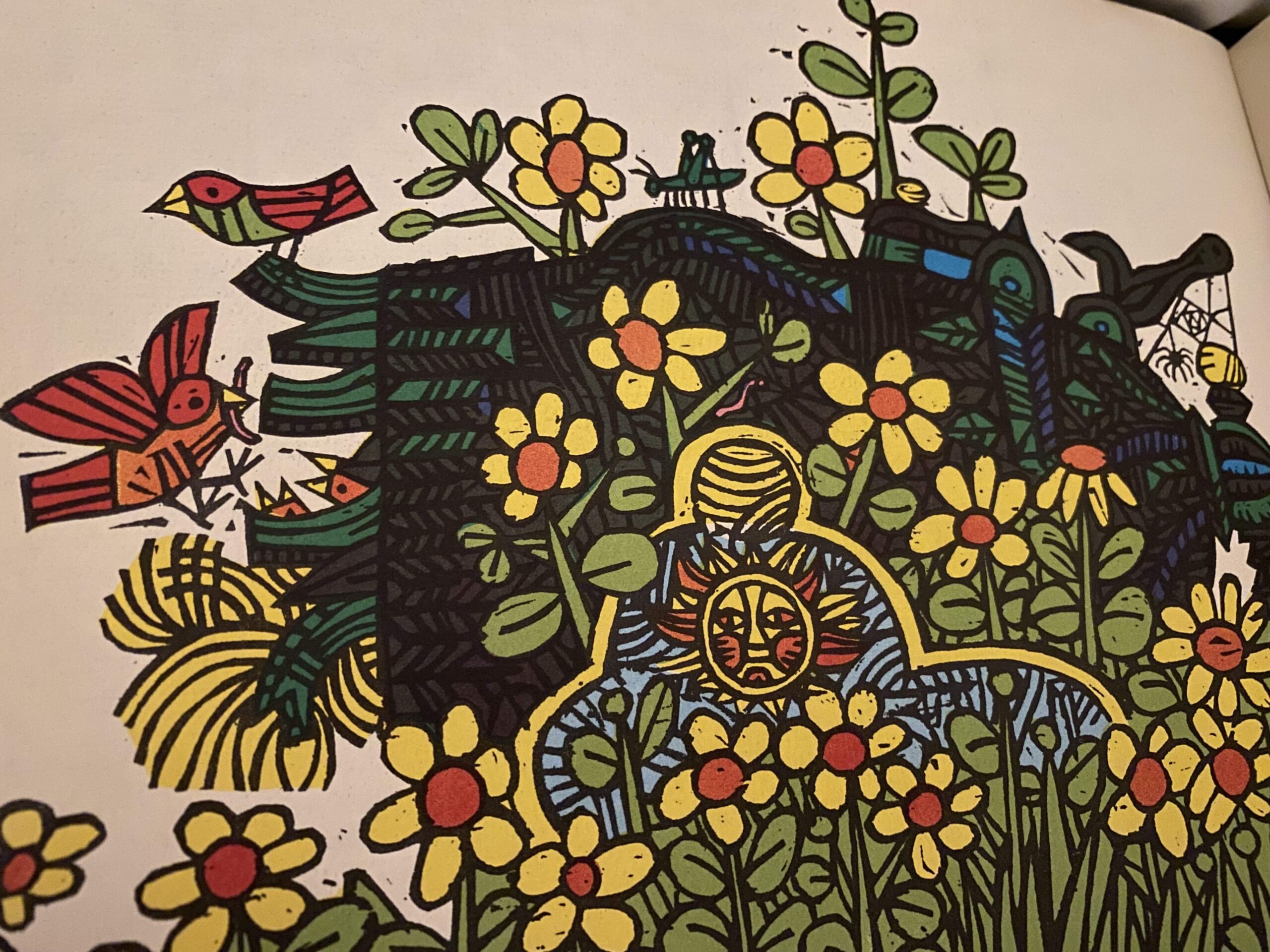
Meanwhile, (and not to bury the lede) our actual book featured today was DRUMMER HOFF. An odd mix of 1960s psychedelia meets Colonial woodcuts, in 1968 it was the ultimate Vietnam War bit of picture book commentary. NOT that the Emberley ever embraced that interpretation, but I am DANG sure the librarians had that in their minds when they selected it for a Caldecott Award. In today’s talk we discuss our various interpretations of this book as well as what its ultimate contribution was to children’s literature as a whole.

Listen to the whole show here on Soundcloud or download it through iTunes, Stitcher, Spotify, Google Play, PlayerFM, or your preferred method of podcast selection.

Show Notes:

Trigger Warning: If you do not like clowns, this may be the post to skip. But to do this book right, I’m showing you the following right off the bat. The publication date is 1953. This is what stood in for nonfiction in that era. It’s The Book of Clowns by Felix Sutton, ill. James Schucker:

It gets worse.

Okay, let’s just count them down at this point. So you’ve got ableism . . .

Fatphobia . . .

Uh. . . . oh boy.

You know what? I’m out. I’m just out at this point. Let’s get on with our real book today, shall we?

Kate: re the cover: “It’s so busy”. And why is the cannon named “Sultan”?

Kate’s argument is that Corporal Farrell is our best representation of Sgt. Pepper.

Kate: “If an illustration could show PTSD, it is what it would be. It would be this guy.”

“None of these outfits are appropriate for the battlefield!”

“And then we meet, Major Scott… He looks like he’s going to pass out.” And the little bird on it is clearly standing on his shot, mocking him.

This is the page where you can really appreciate the variety of noses amongst the men.

Like I said, the Emberleys did NOT want to engage in a big discussion of what this book “means”. I respect that. At the same time, I cannot help but notice that on every single page, Drummer Hoff, the guy who is setting off the weapon at our command, is staring directly at us. Breaking the fourth wall. Holding us accountable for what he is about to do. This man, and I mean this sincerely, terrifies me.

Stare into the soul of Drummer Hoff and repent your sins.

Do you like the word “Kahbahbloom” for this cannon going off?

I will say this much. If, as the Emberleys said, this wasn’t an anti-war book, how do you justify this last image?

Kate Recommends: The Devil Next Door

Betsy Recommends: Oppenheimer

Filed Under: Fuse 8 n' Kate, Uncategorized Tagged With: Barbara Emberley, Drummer Hoff, Ed Emberley, Fuse 8 n' Kate

Review of the Day: The Puppets of Spelhorst by Kate DiCamillo, ill. Julie Morstad

September 1, 2023 by Betsy Bird

The Puppets of Spelhorst
By Kate DiCamillo
Candlewick Press
$17.99
ISBN: 9781536216752
Ages 6-10
On shelves October 10, 2023

I’m no story theorist. I can quote the rudimentary ideas that the pros like to bandy about, but I’ve never made a serious study of their rules and regulations (The Secrets of Story being the sole exception, naturally). Still, there are a couple ideas I’ve picked up over the years that make sense to me. For example, let’s consider the idea of the “passive protagonist”. This would be a character that can’t or won’t do anything to change their circumstances. It’s supposed to be a bad thing. The ultimate withering insult to a writer. “Oh. Your main character? They’re a little . . . passive, wouldn’t you say?” The horror. And yet, consider how many children’s books feature toys or puppets that cannot move. Sure, the bulk of stories tend to go the Pinocchio/ Mouse and His Child route and allow their characters a bit of impetus and movement, and why not? Quite frankly that’s the easier story to write. But Kate DiCamillo has never been a particular fan of doing things the easy way. That’s why her latest story The Puppets of Spelhorst is so utterly fascinating. After reading it, I’ve had to rethink my entire “passive protagonist” theory as it relates to stories of children’s toys. But much more importantly, this is the kind of book that’s going to appeal to kids young and old. A contemporary classic with ingrained appeal and the occasional jolt of weirdness to keep things interesting.

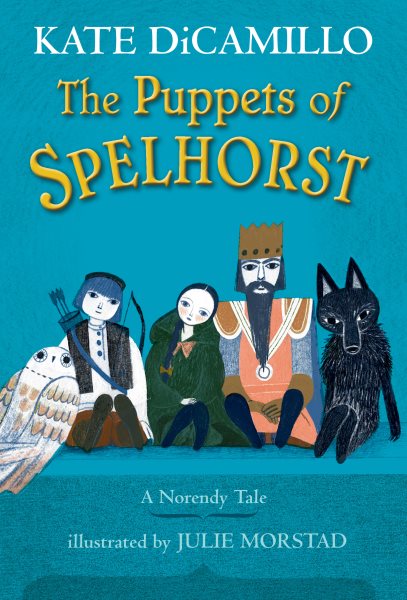
Five puppets hang in the window of a toy shop: An owl, a boy, a girl, a king, and wolf. One day, an old sailor named Spelhorst buys them, if only because he’s entranced by the girl puppet’s eyes. When he dies, the puppets are taken from place to place, only to ultimately end up in the possession of two young girls. While each puppet has his or her own dreams about what they’d like to accomplish in life, they know they must stick together. Only through great trials, separation, reunification, and the power of storytelling itself, do they come to realize their true purpose.

I like watching Kate DiCamillo grow and change as a writer. I don’t know why, but no other author seems to exhibit such an interesting trajectory. She comes out of the gate with Because of Winn-Dixie (strong start), wins herself some awards, and then shifts a little. She writes younger (Mercy Watson) and older but ultimately writes what she wants to, not what she has to. Her choices are not obvious. She might co-write a book about best friends one moment and then do a three book series of three friends in Florida the next. Then a superpowered squirrel. Then a malicious goat. With The Puppets of Spelhorst she’s written a shorter story. Just a scant 160 pages, and with all the trappings of a bedtime tale. The focus starts with an old man, fixates on the puppets, occasionally breaks free to get the thoughts and opinions of other humans, but ultimately stays with the toys in the end. This may sound hectic, but DiCamillo’s a sure hand. You are never confused about who is speaking at any given moment. All told, in spite of a harrowing separation halfway through the book, I found this a comforting story. Friends are separated, but they come together again. A story is told, and everyone gets a part.

All that I’ve written here is true, but none of it explains how DiCamillo makes this book work. You see, this isn’t the first time she’s had a passive protagonist before. Years and years ago she wrote a book called The Miraculous Journey of Edward Tulane about a china rabbit toy. And at the time of its, I was not a particular fan. There was something about that strong undercurrent of cruelty that ran through both it and her Newbery winning Despereaux that felt wrong. But on top of that, there was the fact that while horrible thing after horrible thing happens to Edward (and no one’s life is much better after having met him) he can do nothing to change his circumstances. His attitude, sure. But his circumstances? Not at all. Interestingly, this deep and abiding frustration I’d felt with that book never came up at all with Puppets. Why is that? I’ve pondered this for a long time, and at last I came to the conclusion that I was wrong about my criticism of Tulane all those years ago. My reaction to it was never, honestly, based on the fact that he was a “passive protagonist”. Not really. If that had been my issue then I would have had the same problem with Puppets. No, like this book, Tulane showed how a protagonist’s interior life can be as interesting as their physical one. The difference, I think, is in how each book depicts the cruelty of the world. In Tulane actions happen without meaning. A fry cook might destroy your main character’s head for literally no reason at all. But in Puppets, when cruelty happens it’s never malicious. If it happens it happens because characters are wrapped up in their own lives and cannot consider the effects their actions might have on others. So when I read this book, I can see myself in both the heroes and the villains. In Tulane I never had that chance.

Another reason I enjoyed this book particularly came when I realized that in Tulane the main character is utterly alone in the world. In Puppets the main characters rely upon one another. Each has his or her own adventure (except for the King, but you really aren’t all that upset on his account). They don’t always appreciate what anyone else has to say at first, but as the book continues you realize that they rely upon one another. Plus, their thoughts are given the chance to sometimes be internal and sometimes shared with others. Was this the reason why I enjoyed this book as much as I did?

Maybe. But not entirely.

Turns out, the true reason came only at the book’s very end.

You see, I’d walked into this book truly believing (probably because of the title) that the heroes of this book were, in fact, the titular puppets of Spelhorst. But they’re not, are they? Not really. They’re great characters and you care for them. Therefore, they are most certainly the protagonists of the text. But are they the heroes? I liked very much the interior journey each character took (even the king, to some extent) and that made them folks I rooted for. However, the true hero of this tale is only revealed at the story’s end and, like the puppets, once you realize who it is, you too would follow that person to the ends of the earth. Once I shifted my thinking and realized this, the entire book’s success fell into place. For the puppets, each one of them has dreams and hopes, however, fabulous or outlandish. And through fabulous and occasionally outlandish means, they fulfill their destinies. But the hero of this tale can’t fulfill their dreams within the confines of this particular story. And so the tale ends with them setting off to see the world, the way they wanted to. It’s so oddly satisfying. I hope kids see it the same way.

Now I would like to request, quite swiftly, that someone go on and set the three songs we see in this book to music, stat. Nothing ever happens quickly in the art world, but things are capable of happening very quickly on social media. So if one of those nice musically-inclined young people who grew up with DiCamillo’s books when they were little could heed my call and please make tunes to accompany her words, I’d be much obliged.

I do feel a bit bad that I haven’t mentioned artist Julie Morstad until this moment. I first encountered Morstad’s art years ago when I found her illustrating a Robert Louis Stevenson poem called The Swing in board book form. Instantly I was charmed, and I’ve faithfully followed the trajectory of her career in children’s literature ever since. Her pairing with DiCamillo reminds me of when DiCamillo was paired with Sophie Blackall for The Beatryce Prophecy. Critics like myself were left just thinking, “Well, duh. Haven’t they worked together before?” They have not. Certainly DiCamillo has never done anything at all with Morstad in the past, but linking the two together is mild genius. Morstad’s art is subdued but not emotionless. Her puppets in this book look out onto the world blankly, but you can sense, just looking at them, their interior lives. When humans make their appearance on the page (as humans are, sadly, wont to do) there’s an almost Edward Gorey-esque quality to their detachment. You feel for them… but honestly you feel for the puppets more. (Additional Note: If we do not see a Kate DiCamillo/Jon Klassed at some point in the next five years I shall think it a very great mistake on the part of the publishers. I mean, the obvious pattern here is Blackall to Morstad to Klassen. Debate me if you will).

There’s so much more to talk about with this book. The role of the girls who play with the puppets and how their very different impressions of them cause great changes. The role of the maid Jane Twiddum and what she wants. Heck, there’s a whole undercurrent of feminism and the roles puppets and living women play within society, but I suppose I’ll save that for someone else’s thesis. The important thing to understand is that this is a story where it doesn’t matter how physically passive you are. Your interior life, your hopes and dreams and goals, that’s the thing that matters. That’s what’s going to make you into an active protagonist in the end, regardless of whether or not you have the ability to move. The Puppets of Spelhorst taught me that. Now imagine what it could teach your own children.

On shelves October 10th.

Source: Galley sent from publisher for review.
Filed Under: Best Books, Best Books of 2023, Reviews, Reviews 2023 Tagged With: Candlewick, Julie Morad, Kate DiCamillo, shorter fiction

Cover Reveal and Chat with Kekla Magoon About THE SECRET LIBRARY

August 30, 2023 by Betsy Bird

Yesterday, I was talking about THE LOST LIBRARY.

Today? It’s SECRET LIBRARY time, my friends!

I tell you, libraries are not only the place to be these days, they’re infiltrating our books as well. And who better to put her pen to paper (in the proverbial sense, of course) than the one and only Kekla Magoon?

Coming out in March of 2024, Kekla’s latest is being discussed by her publisher as one of a kind. But don’t take my word for it. Here’s the description proper:

Since Grandpa died, Dally’s days are dull and restricted. She’s eleven and a half years old, and her exacting single mother is already grooming her to take over the family business. Starved for adventure and release, Dally rescues a mysterious envelope from her mother’s clutches, an envelope Grandpa had earmarked for her. The map she finds inside leads straight to an ancient vault, a library of secrets where each book is a portal to a precise moment in time. As Dally “checks out” adventure after adventure—including an exhilarating outing with pirates—she begins to dive deep into her family’s hidden history. Soon she’s visiting every day to escape the demands of the present. But the library has secrets of its own, intentions that would shape her life as surely as her mother’s meticulous plans. What will Dally choose? Equal parts mystery and adventure—with a biracial child puzzling out her identity alongside the legacy of the past—this masterful middle-grade fantasy rivets with crackling prose, playful plot twists, and timeless themes.

And we even have the cover for you! But first, let’s talk to Kekla herself a bit about this book:


Betsy Bird: Kekla! How absolutely delightful to talk to you today. So you’ve done a fair share of middle grade novels for kids before but this is the first time I’ve seen you dive deep into fantasy/time travel elements. Tell us a little bit about THE SECRET LIBRARY. Where did it come from?

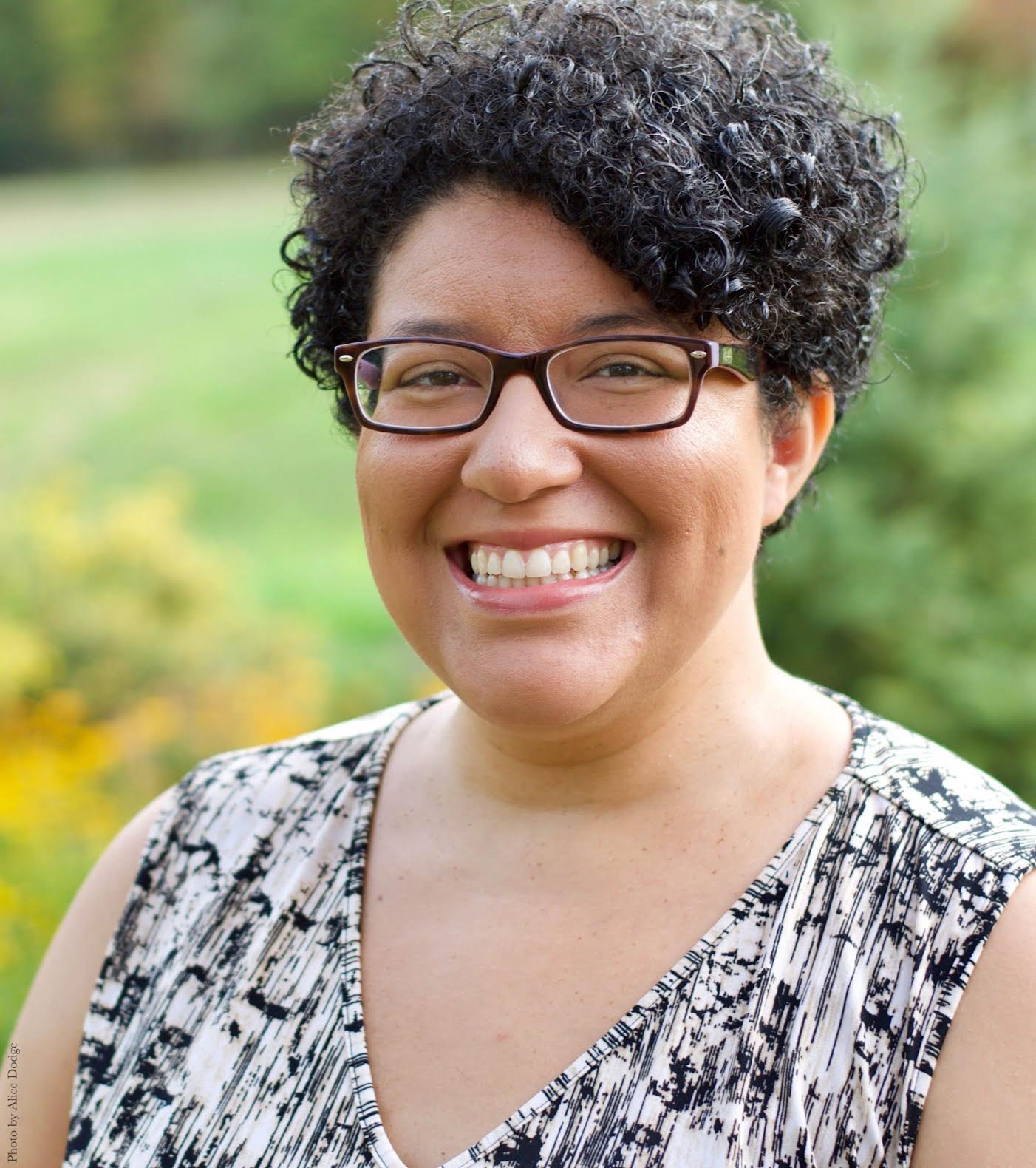
Kekla Magoon
Photo Credit: Alice Dodge

Kekla Magoon: Years ago (seriously, a decade or more) I read a blog post by author Holly Black in which she discussed having a secret library in her house. In Holly’s case, that meant a hidden library behind a door disguised as a bookcase, but my brain immediately leaped to a more imaginative place: what if it wasn’t a secret LIBRARY but a SECRET library? A library of secrets. What would such a library be like? I imagined entering a room full of glorious volumes, each containing a secret that could be read and explored. This led me to the time-travel element—in the Secret Library, you don’t just read about the secret, but you actually travel to the moment the secret occurred or to a time and place where it was shared. The idea was too teasing to ignore, so I began writing. In THE SECRET LIBRARY, eleven-year-old Dally Peteharrington receives a mysterious map in her grandfather’s will. It leads her to the Secret Library, where she embarks upon a series of adventures, guided by the Secret Librarian. Dally’s secret travels are fun, but they also lead her on a journey of self-discovery as she explores her family’s past and considers her own future.

BB: Shoot. Now I wanna be a Secret Librarian. So your publisher is calling this KINDRED meets WHEN YOU REACH ME which is a rather delightful combo. Did you have any trepidation working on something that touched on more fantastical themes than a lot of your past books or were you fairly certain you knew where it was going? 

KM: I love that description! The connection to Octavia Butler’s KINDRED, in particular, is important to me. Dally’s time travel takes her into her own family’s past, just like the characters in KINDRED. As much as I’ve always loved the idea of time travel, imagining it for yourself as a Black person has all of these layers. It’s impossible to decouple the fun of exploring a different era from the trauma and suffering our Black ancestors experienced. It was very instructive to see how Octavia Butler dealt with that question and challenge, and it definitely inspired me to consider how I could honor that painful history without plunging my character so directly into an experience of enslavement in that era. I wanted to write a fun adventure story that didn’t erase or ignore reality. The fantasy elements are indeed quite different from what I usually write, but THE SECRET LIBRARY still very much explores the themes of identity and social justice that unite my body of work. I felt both excited and nervous to tackle those themes in a new genre.

BB: Did you have a plan for the plot from the start or did it come to you as you wrote?

KM: Oh, I’m not much of an advance plotter. I have to write my way into things. That’s part of why it took so long for me to complete the novel after the initial spark. For many years, I had only the concept and the character; I didn’t know the story. Then, toward the beginning of the pandemic, during the initial months of lockdown, I pulled out some files of older ideas that had always stuck with me, and I used the isolation time to play and to explore. It was funny—the moment I pulled up THE SECRET LIBRARY and printed it out, new ideas started flowing. Plotting and outlining tends to occur as part of the revision process for me, but for time travel, plotting early on is really important because of all the leaps and jumps and twists and turns. I sketched a rough outline based on the scene fragments I had, and within a few days I had this lightning strike moment when I realized how the novel needed to end. My first draft was still rather haphazard, but that lightning strike moment about the ending gave me something to write toward, and that allowed me to continue drafting and finding my way.

BB: Awesome! And were there any books or movies with time travel themes that you’re fond of and inspired you in any way?

KM: Definitely KINDRED and WHEN YOU REACH ME, as mentioned above. I also love A TIME TRAVELER’S THEORY OF RELATIVITY by Nicole Valentine, THE MAGIC IN CHANGING YOUR STARS by Leah Henderson, and classics like A WRINKLE IN TIME by Madeline L’Engle and TIME AND AGAIN by Jack Finney. A slightly tangential book that I loved as a teen was BEING OF TWO MINDS by Pamela F. Service. The two main characters don’t time travel, but they share the unique ability to “mind travel” into each other’s worlds and I always loved the sense of that shared secret between friends leading them to adventure. 

BB: Was there anything you initially wanted to include in the book and weren’t able to for one reason or another?

KM: Overall, I added a lot more in revision than I cut out, because as I dove deeper into the concept, more tiny, fun aspects of the world-building came to light. One of my favorite additions was the costume closet in the Secret Library. In her present-day life, Dally goes to a school with uniforms, so in the first draft of the novel, I had her time traveling to the 1800s wearing her pleated skirt and vest, and having to scramble to change clothes when she arrived inside each secret. She goes on many different trips and it became rather one-note for her to have to worry about how she was dressed all the time. Later I realized that the library would know that this was a problem for travelers and thus might give her the opportunity to change to period-appropriate clothing in advance. This way, Dally starts each adventure with fewer logistical complications. Also, a big chunk of the story takes place on a pirate ship in the 1850s, and ensuring the historical accuracy of that experience required some deletions. I really wanted to have a rambunctious scene in a pirates’ port, but historically the heyday of pirates had ended by then, and such places had become few and far between. I had written a fun scene that made reference to the Bermuda Triangle, too, assuming it was an old sailor’s legend. My research later revealed that no one talked about the Bermuda Triangle as a phenomenon until an article written in the 1960s. I was sad to have alter that scene and I still wanted the concept of a suspicious part of the ocean to be part of the story, but I had to make the reference much more oblique. 

BB: Aww. Mindful research strikes again. Finally, what are you working on next? What’s coming up for you?

KM: THE SECRET LIBRARY comes out in May 2024 from Candlewick. I also have a middle grade graphic novel coming out in March: MISSION ONE: THE VICE-PRINCIPAL PROBLEM is the first book in THE BLUE STARS SERIES, written by Cynthia Leitich Smith and me, beautifully illustrated by Molly Murakami, and published by Candlewick. I’m up to the copyedit stage on PROM BABIES, an intergenerational YA novel about three girls who got pregnant at their prom eighteen years ago and their three now-teenaged kids who are preparing for the prom in present day (Henry Holt). I’m also drafting a non-fiction historical middle grade, and working with Cynthia on the script for the next book in the Blue Stars Series. I am always busy writing something!


Fantastic! Big thanks to Kekla for taking so much time to answer my questions today.

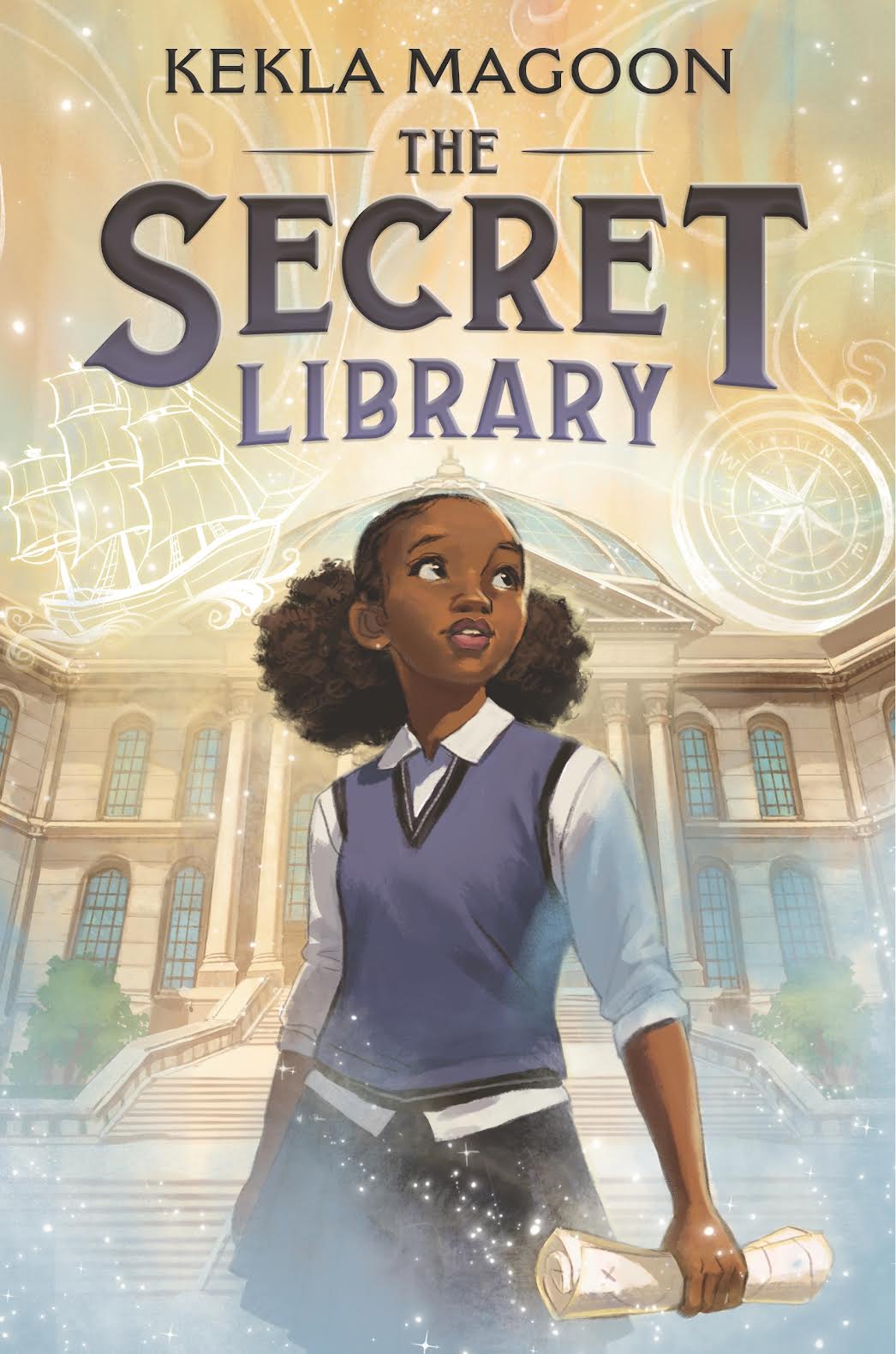
And now, the moment you’ve all been waiting for . . . the cover:

This book jacket comes to you courtesy of cover designer Maria Middleton and cover artist Bea Jackson. Thanks to Stephanie Pando and the folks at Candlewick for helping put this interview and reveal together. THE SECRET LIBRARY will be on shelves everywhere March 7, 2024.

Filed Under: Cover Reveal, Interviews Tagged With: author interviews, Bea Jackson, Candlewick, cover reveal, Kekla Magoon, Maria Middleton

  • « Go to Previous Page
  • Page 1
  • Interim pages omitted …
  • Page 116
  • Page 117
  • Page 118
  • Page 119
  • Page 120
  • Interim pages omitted …
  • Page 1048
  • Go to Next Page »

Primary Sidebar