• Skip to primary navigation
  • Skip to main content
  • Skip to primary sidebar
  • About/Contact
  • Fusenews
  • Reviews
  • Librarian Previews
  • Best Books
    • Top 100
    • Best Books of 2022
    • Best Books of 2021
    • Best Books of 2020
    • Best Books of 2019
    • Best Books of 2018
    • Best Books of 2017
    • Best Books of 2016
    • Best Books of 2015
    • Best Books of 2014
    • Best Books of 2013
  • Fuse 8 n’ Kate
  • Videos
  • Press Release Fun

Elsewhere Editions Publisher Preview (Spring & Fall 2026)

Elsewhere Editions Publisher Preview (Spring & Fall 2026)

January 30, 2026 by Betsy Bird

I’m not allowed to have favorites when it comes to small publishers. Obviously. Each one is special and delightful in their very own special way. That said, I think it would be fair to say that I do have my favorites amongst a select few, yes? And Elsewhere Editions, the international imprint of Archipelago, is a company that consistently brings me joy. This upcoming season they’ve a mere four books for your consideration, but each and every last one of them is entirely unlike anything you’ve ever encountered before. Behold and bemuse:


Lost In Peach Blossom Paradise by Xiong Liang, translated from Chinese by Chloe Garcia Roberts

ISBN: ‎ 978-1962770491

Publication Date: May 12, 2026
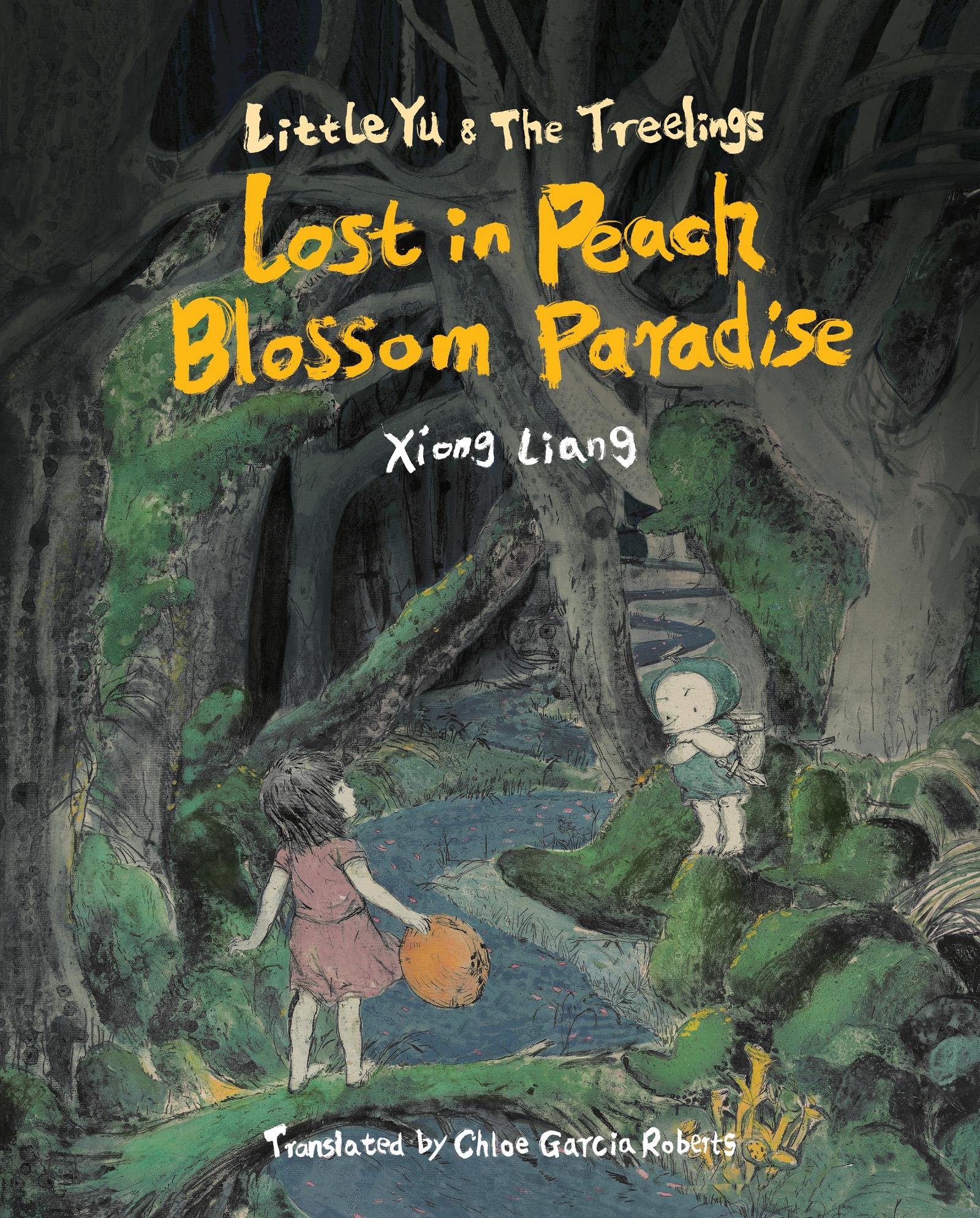
This would be the first book in the Little Yu & the Treelings series, though it pairs nicely with last year’s picture book, Take a Walk With the Wind. This title, however, is for slightly older readers. It starts with a classic Chinese myth. We meet a forbidden forest, and then we fast forward to the present day. A big city girl is visiting her grandparents’ village, and in the opening pages it’s near the end of summer as she wanders towards a path of floating petals. Naturally, she’s the only one who can see the petals, which she follows to the forest’s mysterious edge. All this is rendered with art that is painted upon silk. Upon entering the forest, Little Yu sees a flash of a small being, and we learn that it’s a Treeling. Treelings, if you read the previous book, are small elflike forest creatures. She chases after this creature and as a result, must face the trials of the seven guardians of the forest. Told in roughly 90 pages altogether, each trial references specifics of Chinese folklore and philosophical beliefs. Here’s a particularly cool detail as well: Ruth Chan AND Gracie Zhang both gave this book blurbs! This is the first of six books in this series, so be on the lookout for more soon!


Mafalda 2 by Quino, translated by Frank Wynne

ISBN: 9781962770453

Publication Date: October 20, 2026

You’re seeing it first here, folks! This beautiful purple cover is the advent of a brand new collection of Mafalda comics, newly translated into English by Frank Wynne. Are you excited? This is the second of five. The books move chronologically through time, and if you were lucky enough to see the first Mafalda then this will not disappoint in the least. Our diminutive heroine is still yearning for democracy and hating soup. The big overarching storyline in this collection is Mafalda’s first trip to the beach with her family, as well as her first day of school (you can imagine how that goes). Elsewhere Editions has hired the same translator (whew!) and continued same series design look, just with a different color cover.


The River by Claude Ponti, translated by Margot Kerlidou and Alyson Waters

ISBN: 978-1962770477

Publication Date: March 24, 2026

A new Ponti is always cause for celebration. His latest is an incredible and inventive exploration of a natural world that dares to explore gender in an exhilarating way. In this story, two communities live on a single river. The grandparents have a lot of sway in these communities, and when they die they get to say what the next grandchild’s gender will be, since they essentially get to be reborn in those bodies. In one case, a grandmother wants to come back as a boy, but the child that is born is assigned female at birth, so the community agrees to raise the child as a boy. Likewise, in a similar case a grandfather wants to come back as a girl and the opposite thing happens. There’s this whole condition of the world where everyone can explore gender as much as they want, yet it’s just one small element in the overall world building. Just as much is said about hunting fur and herbs and about handmade flying machines and an underground library. The book isn’t didactic at all in how it talks about how the kids can make their own way in the world. There are even characters that don’t select a gender at all. Eventually, and because we live in 2026, there is a threat posed by this Trumpian monster who wants all the desserts. He wants to eat all the parents of the creatures in this book too and there’s a great spread where the community screams, “No, not the mamas! Not the papas!” Needless to say, our heroes end up saving the day. And, as PW said of it, this book, “invites full storytelling surrender”.


Bob and Hilbert by Bárður Oskarsson, translated from the Faroese by Marita Thomsen

ISBN: 9781962770651

Publication Date: September 15, 2026
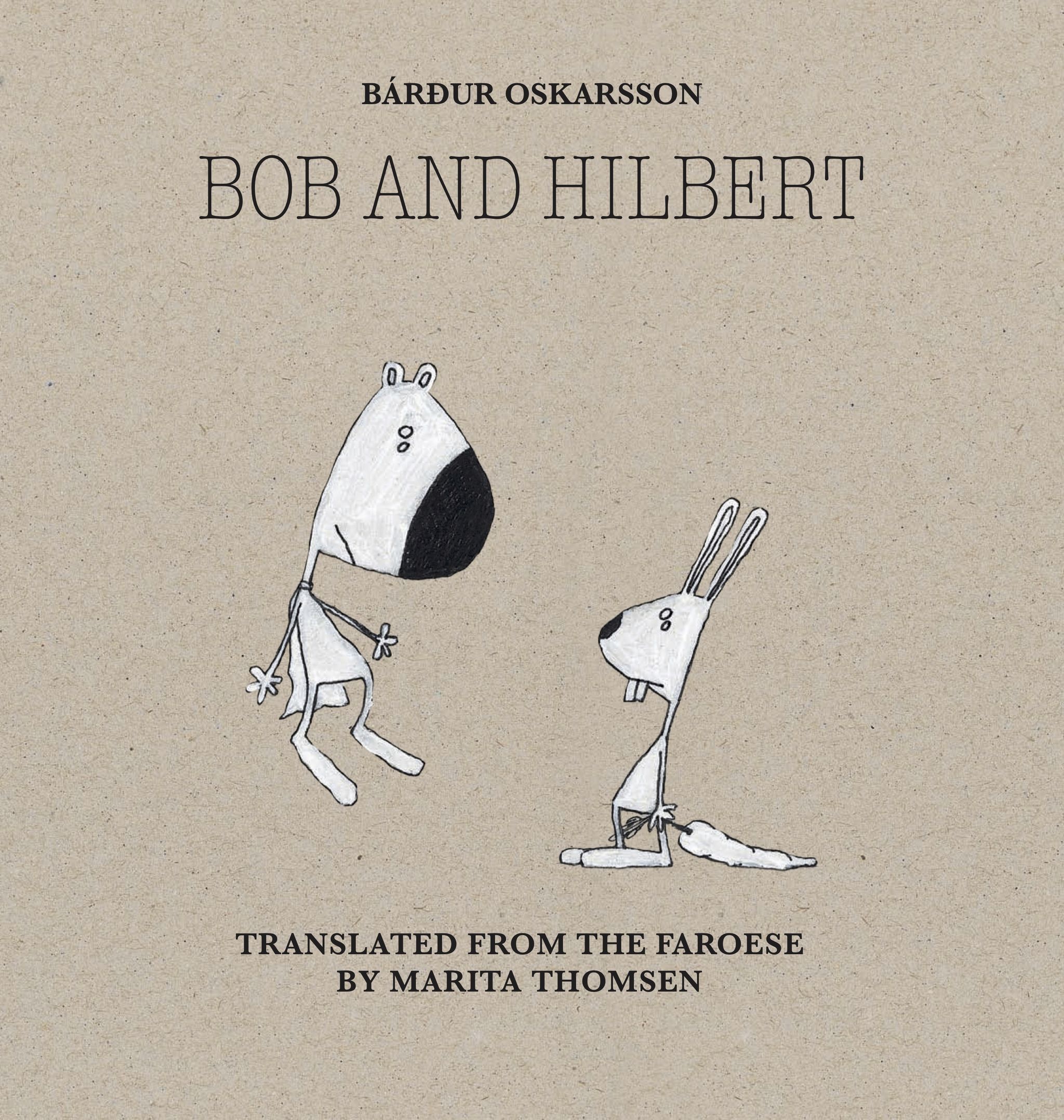
It turns out that Oskarsson is a new author for the Elsewhere Editions team but he might be familiar to some of you out there already. Anyone happen to remember the book The Flat Rabbit when it came out in 2014? Well, everyone’s favorite Scandinavian author/illustrator is back. This book fits nicely into the Reverso trend I’ve noticed popping up in 2026 (more on that soon). One side of this book tells Bob’s side of a story, and Hilbert’s side is on the other. Now as you can see, Bob is a rabbit and Hilbert a dog and the the drawing style that renders them is very spare. In spite of its seemingly simplicity, this book is both extremely funny and subtle. It has this angle into the absurdity of human existence that children respond to. In the story, Bob buys a carrot, gets on a bus, and proceeds to lose the carrot. Interestingly, Bárður takes years and years to get this art just right. He’s very precise. The end result? Utterly unique.

And that’s all we have for you here today! My thanks indeed to Emma Raddatz, Sarah Gale, Jill Schoolman, and everyone else at Elsewhere Editions.

Filed Under: Publisher Previews Tagged With: Elsewhere Editions, publisher previews

A Rare Bird of an Interview: A Talk with Elisha Cooper

January 28, 2026 by Betsy Bird

So here’s the deal. Elisha Cooper? Essentially anytime the man wants to tell me about his latest book, I am on board. I’ve known him for decade(s?) now, and his picture books just provide this steady drip of joy that I think a lot of us need at this moment in time. Take his latest. The Rare Bird (on shelves February 24th) is what you would get if Walter Mitty were of the feline persuasion. Or, as the publisher puts it:

“Caldecott Honoree Elisha Cooper returns with a unique and playful tale about an imaginative house cat who dreams of all the wild things it can be.

The imagination of one housecat takes him to unexpected adventures as he dreams of spreading his wings as a “Rare Bird”.

A Rare Bird can do anything!
Fly fast through the forest,
or splash in the bird baths,
or meet animals from faraway lands…..

Readers will fall head over heels for this extraordinary tale of dreaming, the power of imagination, and the freedom of creativity.”

Today, Elisha talks with us a bit about this latest title, as well as its debt to Where the Wild Things Are. There’s also a thoroughly enjoyable rant about respecting children’s art, and he confesses which book did him in “in the best way”.


Betsy Bird: Elisha! Such a delight to get to pepper you with questions once again. When last I heard, THE RARE BIRD had garnered at least FOUR starred reviews, which is extraordinary. I’m going to need the origin story on this one, though. Where did this particular book come from? 

Elisha Cooper

Elisha Cooper: As I write you, my cat is napping next to me, on the arm of our sofa. Usually he’s circling my feet as I work at my desk, pestering me to throw his toy, which he retrieves for hours. One day, he was just flying around our apartment and I looked at him and thought, he’s a bird. That’s the book! What if he actually imagined he was a bird? How would that look? And I thought how this is true for all of us, how imagination lets us take flight. All those little adventures we take in our minds. So with that we’re off into our story.

BB: The book requires a certain degree of interpretation and understanding on the part of the child reader. At no point do you say anything so pedantic as “the cat thought it was a bird”. You respect the kids to catch on. The visuals (the cat starting with a book on sea life and then encountering one on birds) does a lot of the heavy lifting too. And the book itself is much in line with your previous titles in terms of displaying this respect for a child reader’s intelligence. Like your art, you winnow things down to the essentials. Is that a conscious thing you work to achieve or is it just the natural outgrowth of your writing/illustrating process at this point? 

Elisha: Oh, it’s probably subconscious! Though my editor and I were intentional about never using the word “cat” anywhere in the book, not even on the flaps. Commit to the bit, right?

And while The Rare Bird is about imagination, it’s firmly rooted in non-fiction, in observing the world around me. That’s our cat. That’s our apartment here in the Village. The other animals are from the Museum of Natural History (stuffed). The landscapes are forests and lakes in Maine. The girl is drawn from old photos of my editors when they were girls.

I’m glad you used the word “respect.” Readers deserve our respect; why disrespect a reader because she’s a child? I often think of something an adult novelist said — a novelist who wrote for adults — that he was actually writing for an intelligent 12-year-old. A great example is Charlotte’s Web. I also think how Maurice Sendak said he wasn’t even really writing books for children. He’s writing for humans. That feels right to me.

To answer your question about winnowing things down, it’s possible that as I get older I’m adjusting to my limitations. I can’t write as long (or run as long). The essay I wrote last year in The New York Times Book Review was hard. When ideas get too busy, I’m lost. So I try to keep things simple, for myself. A short phrase, a splash of watercolor.

BB: The Rare Bird has an outsized personality entirely of its own. Even if folks don’t have cats that encompass every aspect, they’ll at least recognize some of its proclivities in their own felines (my cat Hilo is clearly a bird in his mind, at least once in a while). You’ve sort of covered this already, but I’ll still ask it: Is this kitty inspired by your own cats at all, or entirely out of your head?

Elisha: Um, photos of Hilo please?

BB: Dignity dignity, ever dignity.

Elisha: Again, the cat here is our cat. I followed him around our apartment for a week with my sketchbook (he was like what are you doing?!). I leaned on other animals in my life, the personalities of the goats I had growing up. And there’s always material as I bike around the city. I’ll see a cloud along the Hudson River, catch it in my sketchbook. Or see a dog playing in Central Park, something about their expression, and I’ll think I’m taking you home to my desk.

BB: I can think of no other author/illustrator who has so thoroughly staked an equal claim in dog AND cat books. Normally one picks a lane. You, however, seem to have an equal affection for both species, so I’ll ask you this: What, to your mind, is the essential difference between a good cat book vs. a good dog book? And is one easier to create than another? 

Elisha: What’s a lane?! Yeah, I don’t believe in lanes, except for the bike lane on Broadway. But let’s be clear — in children’s books an animal is not always an animal. This cat is a child. Maybe it’s me, years ago. Or it’s me today. Or it’s you, or all of us. And storytellers have always used animals as stand-ins, from fairy tales to Aesop fables. Think of the kitten in Kitten’s First Full Moon by Kevin Henkes. She is clearly, beautifully, a child. Or at least I think she is. Let’s ask Kevin. I think this transformation, or whatever we call it, allows humans to express deeper, more complicated feelings. It gives us latitude to deal with sadness, or have wild thoughts. A certain freedom. That said, sometimes a cat is just a cat.

BB: You’ve had wordless two-page spreads in your books before, but this title is a bit different because you include a wordless sequence. I don’t recall you doing that before. Was that an aspect from the get-go with the first draft of this title or did you come to it later?

Elisha: I do love a wordless sequence! Ideally one that appears in the third arc of a book, that gives the reader a chance to breathe, to slow down, reflect. The flight sequence in Rare Bird is a pretty transparent homage to the dream sequence in Where the Wild Things Are. I knew I was going to do this when I storyboarded the book. My homage, or thievery, extends to Rare Bird having the same trim size as Wild Things; the flowered rug in the apartment mimics Sendak’s flowered endpapers; there are so many easter egg thefts that I probably shouldn’t admit to them, or the Sendak Foundation will come after me. Hello, Doug!

Here’s something else an effective wordless sequence does — it gives a character, and the story, the space to change, without being so explicit about it. It’s an interior journey. A nap, a dream. So as Max naps, his wild rumpus subconscious takes over, and something switches inside him. A shift that Sendak renders perfectly. We feel one thing, then calm down. We read a book, and become different. Wordless sequences give the story a bendy arc that brings the book home (where the soup is still hot). I don’t know if I achieved that with the flight in my book, but that’s what I was going for.

BB: Your seminal cat book was BIG CAT, LITTLE CAT where you kept backgrounds, shading, etc. to a bare minimum. THE RARE BIRD retains your linework but there are LOTS of details and (comparatively) colors to be found. I know that your style has shifted over the years through different types of books, but this is an interesting compare and contrast with your current run of animal picture books. Did you try anything different with this book artistically (or written, for that matter) that you ultimately rejected for this book, or was it like this from the get go?? 

Elisha: Maybe art matches the subject? Years ago, when my daughters were young, our cat died. I wrote Big Cat, Little Cat to tell them that this was hard, but that eventually it would be okay. I think I wrote the story in one morning, at a café in Chicago. I was in town for a library conference. Then I wanted the paintings to be simple, clear, black-and-white, almost like a Japanese woodcut.

Big Cat, Little Cat

When I finished painting Here is a Book two years ago I was gutted. There were rips in the collar of my t-shirt, holes in my socks from scooching our floor. I painted everything in a no-days-off rush. That book did me in, in the best way. A book about making a book felt personal, with those wide ocean landscapes and dashed pencil sketches. It raised my expectations for myself, for what I could do with a children’s book.

So when I started painting Rare Bird I felt I had to give the same effort, sweat, tears, what have you. Using rough pencil again, trying to make the line really fly, like a bird, or a cat who thinks he’s a bird. I wanted controlled recklessness. Letting the pencil and watercolors jump, making art as high as I could. In writing and pacing, too. Sendak once said — and I know I’m citing him a lot here — that artists have to take a dive, risk smashing themselves against the rocks, but if they take that leap then maybe…. Those words have always resonated with me. I’m aiming for an emotional catharsis, where I’m almost destroyed when I finish a book. Like, ooof. That was the best I could do.

BB: I gotta ask it. The book is dedicated “To Mouse and Panda”. Cats? Or someone else? 

Elisha: Yes, Mouse and Panda are our cats! Mouse was the little cat in Big Cat, Little Cat. He became a great, big cat who strode around our apartment with handsome authority. He died last year. It’s just Panda now, he’s growing into himself and approaching great cat status now too, and the furry star of this new book.

BB: Finally, what’s next for you? What else are you working on these days?

Elisha: A picture book called Line Lion, where a single black ink line changes shape from a lion to a bear to a hippo etc…. It’s a simple idea — the line is the narrative — inspired by those curvy wire sculptures by Alexander Calder. I’ll start painting in the next few days, right after I finish this interview!

Before that though, can I return to the subject you raised, of respect? And rant a little? After going to the Calder exhibit at the Whitney Museum, and looking at Picasso’s bull paintings, and driving up to Boston to the Museum of Fine Arts to see the Winslow Homer watercolors, I’ve been thinking more about how children’s book art fits within the broader world of “art.” In that Times essay, I placed Picasso and Sophie Blackall in the same sentence. That was intentional. In my mind they’re on a continuum. I have such admiration for the artists in our community, from Sophie Blackall to Vashti Harrison to Jason Chin. It’s why I love these interviews with you, because you take what we do seriously (and you’re an author, too). Again, respect. In the same breath, I get defensive when children’s books are considered in any way “less than.” We have a role to play here. We’re not helped when we publish books that talk down to children, with obvious and moral messaging, with art that is dull and digital (think of any crappy celebrity children’s book). We are better than that. Our best books should make us reach for the best in ourselves, to risk and dare and dream. And while I can’t know what that may be — and how can we judge art anyway — I believe this is something we can all aspire to. Okay, rant over. Cooper out.


Elisha Cooper, you are hereby given express permission to rant anytime you wish on this site, about anything you like. And that’s a promise.

The Rare Bird is, as I mentioned, on shelves February 24th. And the reviews are in:

★ “Pure imagination.” –Kirkus Reviews, starred review

★ “A seamless, creative progression worthy of study and repeated readings.” –Booklist, starred review

★ “[A] lovely gem of a picture book.” –The Bulletin of the Center for Children’s Books, starred review

★ “A resounding tribute to the power of reading and make-believe.” — Horn Book Magazine, starred review

Look for it soon!

Thanks to Elisha for taking the time to answer my questions, and to Kelsey Marrujo and the team at Macmillian Children’s Publishing Group for helping to put this all together.

Filed Under: Interviews Tagged With: author interviews, Elisha Cooper, illustrator interviews, picture book author interviews

ALA Youth Media Awards: The Interviews, Videos, and Behind-the-Scenes of the Winners

January 27, 2026 by Betsy Bird

I tried finding an image of the YMAs in my old files and ended up with this. It’s a decade old, but that makes me laugh so IN IT GOES!

I was in the room where it happened, and it was glorious.

Yesterday, as I’m sure you are well aware, the American Library Association dropped their Youth Media Awards live and in person in Chicago, Illinois. In a ballroom so bedecked in gilt that my friend Brian joked you could produce several productions of Phantom of the Opera simultaneously (there were a LOT of chandeliers prepped to drop), we sat at round tables in a simulacrum of the ALA Newbery/Caldecott/Legacy Banquet. There was even a high table of Chairs! Chairs of the respective committees, of course. Not actual physical chairs. That would be silly.

As the winners were read out, it occurred to me that I’ve additional information that might be of use to folks about these books. As such, if you’d like some supplemental information about some of these books, please peruse the following and it will provide you with info on some (though certainly not all) of these incredible winners. The write-ups of each book are from the ALA press releases. If you just need a helpful list of what won, this may also be of use.


John Newbery Medal

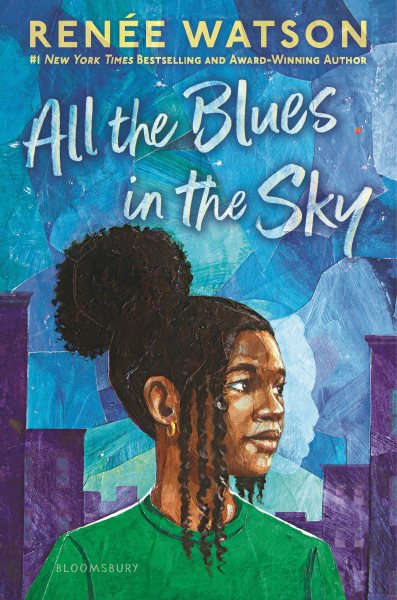
John Newbery Medal for the most outstanding contribution to children’s literature: “All the Blues in the Sky,” written by Renée Watson and published by Bloomsbury Children’s Books, an imprint of Bloomsbury Publishing.

  • Read an interview between Renée Watson and Torrey Maldonado where she discusses writing this book and its relatively shorter length.

Newbery Honor Books

“The Nine Moons of Han Yu and Luli,” written and illustrated by Karina Yan Glaser and published by Allida, an imprint of HarperCollins Publishers; “A Sea of Lemon Trees: The Corrido of Roberto Alvarez,” written by María Dolores Águila and published by Roaring Brook Press, a division of Holtzbrinck Publishing; “The Teacher of Nomad Land: A World War II Story,” written by Daniel Nayeri and published by Arthur A. Levine, an imprint of Levine Querido; and “The Undead Fox of Deadwood Forest,” written by Aubrey Hartman, illustrated by Marcin Minor and published by Little, Brown and Company, a division of Hachette Book Group, Inc.

  • Read this interview with María Dolores Águila about A Sea of Lemon Trees and “distilling a story down to its very essence”.
  • Interested in seeing all the alternative covers to The Teacher of Nomad Land? You can take a gander at a slew of them here.
  • And you can read my review of the book here.

Randolph Caldecott Medal

Randolph Caldecott Medal for the most distinguished American picture book for children: “Fireworks,” illustrated by Cátia Chien, written by Matthew Burgess, and published by Clarion Books, an imprint of HarperCollins Publishers.

  • You can read my review of this Caldecott winner here.
  • And you can hear Kate and I discuss its chances for a Caldecott here (though I warn you that Kate didn’t like it as much as I did).

Caldecott Honor Books

“Every Monday Mabel,” illustrated and written by Jashar Awan and published by Simon & Schuster Books for Young Readers, an imprint of Simon & Schuster Children’s Publishing; “Our Lake,” illustrated and written by Angie Kang and published by Kokila, an imprint of Penguin Random House; “Stalactite & Stalagmite: A Big Tale from a Little Cave”, illustrated and written by Drew Beckmeyer and published by Atheneum Books for Young Readers, an imprint of Simon & Schuster Children’s Publishing; and “Sundust,” illustrated and written by Zeke Peña and published by Kokila, an imprint of Penguin Random House.

  • You can read my review of Every Monday Mabel here.
  • You can listen to Kate and I discuss its Caldecott changes as well on our podcast here.
  • You can read my review of Our Lake here.
  • You can listen to Kate and I discuss its Caldecott chances on our podcast here.

Coretta Scott King Book Awards

Coretta Scott King Book Awards recognizing an African American author and illustrator of outstanding books for children and young adults.

King Author Award Book

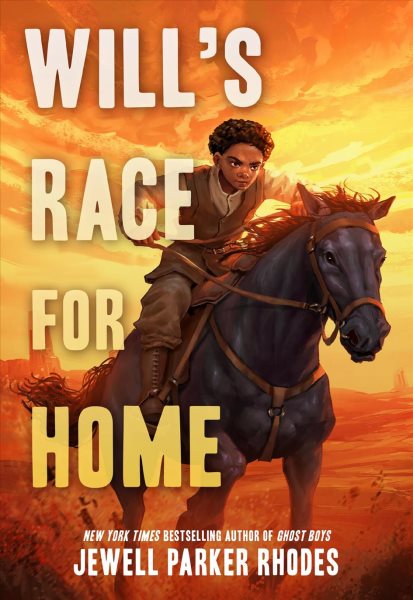
“Will’s Race for Home,” written by Jewell Parker Rhodes, is the King Author Book winner. The book is published by Little, Brown and Company, a division of Hachette Book Group, Inc.

  • You can read my review of Will’s Race for Home here.

King Author Honor Books

“The Incredibly Human Henson Blayze,” written by Derrick Barnes and published by Viking, an imprint of Penguin Random House; “The Library in the Woods,” written by Calvin Alexander Ramsey, illustrated by R. Gregory Christie and published by Carolrhoda Books, an imprint of Lerner Publishing Group, Inc.; and “Split the Sky,” written by Marie Arnold and published by Little, Brown and Company, a division of Hachette Book Group, Inc.


King Illustrator Award Book

“The Library in the Woods,” illustrated by R. Gregory Christie and written by Calvin Alexander Ramsey, is the King Illustrator Book award winner. This book is published by Carolrhoda Books, an imprint of Lerner Publishing Group, Inc.


King Illustrator Honor Books

“André: André Leon Talley–A Fabulously Fashionable Fairy Tale,” illustrated by Lamont O’Neal, written by Carole Boston Weatherford and Rob Sanders and published by Henry Holt and Company, an imprint of Macmillan Publishing Group; and “City Summer, Country Summer,” illustrated by Alexis Franklin, written by Kiese Laymon and published by Kokila, an imprint of Penguin Random House.

  • You can read my review of City Summer, Country Summer here.

Coretta Scott King/John Steptoe New Talent Author Award

Arriel Vinson for “Under the Neon Lights,” published by G.P. Putnam’s Sons, an imprint of Penguin Random House.


Coretta Scott King – Virginia Hamilton Award for Lifetime Achievement

Kadir Nelson is the winner of the Coretta Scott King – Virginia Hamilton Award for Lifetime Achievement. The award pays tribute to the quality and magnitude of beloved children’s author Virginia Hamilton. Nelson is a renowned artist and storyteller whose work as both author and illustrator appears in over 30 children’s books. He has received numerous honors for his contributions to children’s literature, including the Caldecott Medal, Coretta Scott King Illustrator Award, Robert F. Sibert Medal, and multiple New York Times Best Illustrated Book distinctions.

Michael L. Printz Award for Excellence in Young Adult Literature

The Michael L. Printz Award honoring the best book written for teens, based entirely on its literary merit: “Legendary Frybread Drive-In: Intertribal Stories,” edited by Cynthia Leitich Smith, and published by Heartdrum, an imprint of HarperCollins Publishers.


Printz Honor Books

“Cope Field,” written by T.L. Simpson and published by Flux, an imprint of North Star Editions, Inc.; “The House That No One Sees,” written by Adina King and published by Feiwel and Friends, an imprint of Macmillan Children’s Publishing Group; “Sisters in the Wind,” written by Angeline Boulley and published by Henry Holt Books for Young Readers, an imprint of Macmillan Children’s Publishing Group; and “Song of a Blackbird,” written and illustrated by Maria van Lieshout and published by First Second, an imprint of Macmillan Children’s Publishing Group.


Schneider Family Book Award

Schneider Family Book Award for books that embody an artistic expression of the disability experience.

Schneider Younger Children’s Award — Ages 0 to 8

“Wanda Hears the Stars: A Blind Astronomer Listens to the Universe,” written by Amy S. Hansen with Wanda Díaz Merced, illustrated by Rocio Arreola Mendoza and published by Charlesbridge.


Schneider Younger Children Honor Books

“Bat and the Business of Ferrets,” written by Elana K. Arnold, illustrated by Charles Santoso and published by Clarion Books, an imprint of HarperCollins Publishers; and “I Hear the Snow, I Smell the Sea,” written by Janice Milusich, illustrated by Chris Raschka and published by Anne Schwartz Books, an imprint of Random House Children’s Books, a division of Penguin Random House.


Schneider Middle Grade Award — Ages 9 to 13

“Where Only Storms Grow,” written by Alyssa Colman and published by Farrar, Straus and Giroux Books for Young Readers, an imprint of Macmillan Publishing Group.


Schneider Middle Grade Honor Books

“Octopus Moon,” written by Bobbie Pyron and published by Nancy Paulsen Books, an imprint of Penguin Random House; and “The Strongest Heart,” written by Saadia Faruqi and published by Quill Tree Books, an imprint of HarperCollins Publishers.


Schneider Young Adult Award — Ages 14-18

“Whale Eyes: A Memoir About Seeing and Being Seen,” written by James Robinson, illustrated by Brian Rea and published by Penguin Workshop, an imprint of Penguin Random House.


Schneider Young Adult Honor Books

“The Golden Boy’s Guide to Bipolar,” written by Sonora Reyes and published by Harper, an imprint of HarperCollins Publishers; and “The Poetry of Car Mechanics,” written by Heidi E.Y. Stemple and published by Wordsong, an imprint of Astra Books for Young Readers, a division of Astra Publishing House.


Alex Awards for the 10 best adult books that appeal to teen audiences

“The Favorites,” by Layne Fargo, published by Random House, an imprint and division of Penguin Random House;

“The Girls Who Grew Big,” by Leila Mottley, published by Alfred A. Knopf, a division of Penguin Random House;

“Harriet Tubman: Live in Concert,” by Bob the Drag Queen, published by Gallery Books, an imprint of Simon & Schuster;

“Hole in the Sky,” by Daniel H. Wilson, published by Doubleday, a division of Penguin Random House;

“Insectopolis: A Natural History,” by Peter Kuper, published by W.W. Norton & Company;

“Plum,” by Andy Anderegg, published by Hub City Press;

“Sonita: My Fight Against Tyranny and My Escape to Freedom,” by Sonita Alizada, published by HarperOne, an imprint of HarperCollins Publishers;

“These Heathens,” by Mia McKenzie, published by Random House, an imprint and division of Penguin Random House;

“What Kind of Paradise,” by Janelle Brown, published by Random House, an imprint and division of Penguin Random House;

“The Whyte Python World Tour,” by Travis Kennedy, published by Doubleday, a division of Penguin Random House;


Children’s Literature Lecture

The Children’s Literature Lecture is an annual event featuring an author, critic, librarian, historian or teacher of children’s literature. Kwame Alexander will deliver the 2027 ALSC Children’s Literature Lecture. Alexander is the New York Times bestselling author of more than 44 books including the John Newbery Medal winner The Crossover. A strong supporter of libraries, he has been instrumental in building libraries and partnering with the Little Free Library organization.


Children’s Literature Legacy Award

Children’s Literature Legacy Award honors an author or illustrator whose books, published in the United States, have made, over a period of years, a substantial and lasting contribution to literature for children through books that demonstrate integrity and respect for all children’s lives and experiences. This year’s winner is Candace Fleming. Her award-winning works include “Muncha! Muncha! Muncha!” (Atheneum Books for Young Readers, an imprint of Simon & Schuster Children’s Publishing Division, 2002) and The Lincolns: A Scrapbook Look at Abraham and Mary (Schwartz & Wade Books an imprint of Random House Inc, 2008), among others.


Excellence in Early Learning Digital Media Award

Excellence in Early Learning Digital Media Award recognizing a digital media producer for creating distinguished digital media for an early learning audience: “Weather Hunters,” produced by WeatherHunters, Inc. and Silver Creek Falls Entertainment.


Excellence in Early Learning Digital Media Honors

“Reading Rainbow,” produced by Buffalo Toronto Public Media PBS and Kidzuko; and “Terrestrials,” produced by WNYC, Radiolab.


Margaret A. Edwards Award for lifetime achievement in writing for young adults

Margaret A. Edwards Award honors an author for lifetime achievement in writing for young adults. This year’s winner is Candace Fleming, whose books include: “Amelia Lost: The Life and Disappearance of Amelia Earhart,” “Crash from Outer Space: Unraveling the Mystery of Flying Saucers, Alien Beings, and Roswell,” “The Family Romanov: Murder, Rebellion, and the Fall of Imperial Russia,” “The Great and Only Barnum: The Tremendous, Stupendous Life of Showman P.T. Barnum,” “Murder Among Friends: How Leopold and Loeb Tried to Commit the Perfect Crime,” “Our Eleanor: A Scrapbook Look at Eleanor Roosevelt’s Remarkable Life,” “Presenting Buffalo Bill: The Man Who Invented the Wild West” and “The Rise and Fall of Charles Lindbergh.”


Mildred L. Batchelder Award

Mildred L. Batchelder Award for an outstanding children’s book originally published in a language other than English in a country other than the United States and subsequently translated into English for publication in the United States: “Croco,” published by Tapioca Stories. Originally published in Spanish as “Croco,” the book was written and illustrated by Azul López and translated by Kit Maude.

  • While it isn’t a behind-the-scenes precisely, you can see a number of spreads from this incredible book in my Tapioca Press publisher preview, which included this title.

Batchelder Honor Books

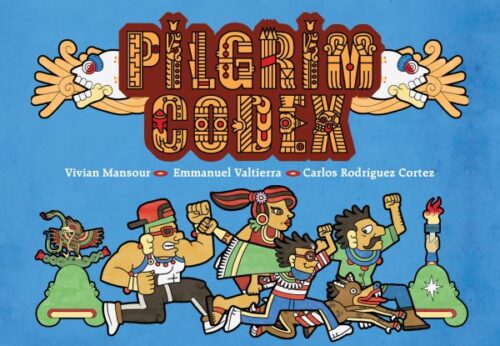
“The Adventures of Cipollino,” published by Enchanted Lion Books, written by Gianni Rodari, illustrated by Dasha Tolstikova and translated by Antony Shugaar; “From Memen to Mori,” published by Yen Press, written and illustrated by Shinsuke Yoshitake and translated by Ajani Oloye; “Picking Tea with Baba,” published by Charlesbridge, written by Xu Bin, illustrated by Yu Yin and translated by Shan Chen; and “Pilgrim Codex,” published by Em Querido, an imprint of Levine Querido, written by Vivian Mansour, illustrated by Emmanuel Valtierra and translated by Carlos Rodríguez Cortez.

  • Read the interview with Vivian Mansour and translator Carlos Rodríguez Cortez about this book and its take on migration in the era in which we live.

Odyssey Awards

Odyssey Award for the best audiobooks produced for children and young adults, available in English in the United States.

Odyssey Award for Children

“Clack, Clack! Smack! A Cherokee Stickball Story,” produced by Arnie Cardillo and Debra Cardillo for Live Oak Media, written by Traci Sorell, illustrated by Joseph Erb and narrated by the author and a full cast.


Odyssey Award for Young Adults

“Trans History: From Ancient Times to the Present Day,” produced by Iris McElroy and Juan García Ticoulat for Listening Library, an imprint of Penguin Random House Audio Publishing Group, written and illustrated by Alex L. Combs and Andrew Eakett and narrated by the authors and a full cast.


Odyssey Honor Audiobooks

“The Dead of Summer,” produced by Zane Birdwell and Paul Gagne for Scholastic Audio, written by Ryan La Sala and narrated by the author and a full cast; “Legendary Frybread Drive-In: Intertribal Stories,” produced by Sydney Mathieu of Eljin Productions, Inc. for Heartdrum, an imprint of HarperCollins, edited by Cynthia Leitich Smith and narrated by a full cast; and “Soundtrack,” produced by Dan Zitt and Brian Ramcharan for Listening Library, an imprint of Penguin Random House Audio Publishing Group, written by Jason Reynolds and narrated by a full cast; and “Whale Eyes: A Memoir About Seeing and Being Seen,” produced by Iris McElroy and Olivia Langen for Listening Library, an imprint of Penguin Random House Audio Publishing Group, written and narrated by James Robinson, illustrated by Brian Rea.

  • Read my interview with Jason Reynolds on the creation of this audiobook (and ONLY an audiobook) title here.

Pura Belpré Awards

Pura Belpré Awards honoring Latino writers and illustrators whose children’s and young adult books best portray, affirm and celebrate the Latino cultural experience.

Belpré Children’s Illustration Award

“Popo the Xolo,” illustrated by Abraham Matias, written by Paloma Angelina Lopez and published by Charlesbridge.


Belpré Illustration Honor Books

“A-Ztec: A Bilingual Alphabet Book,” illustrated and written by Emmanuel Valtierra and published by Arthur A. Levine, an imprint of Levine Querido; and “The Invisible Parade,” illustrated by John Picacio, written by Leigh Bardugo and John Picacio and published by Little, Brown and Company, a division of Hachette Book Group, Inc.

  • Read my interview with both Leigh Bardugo and John PIcacio about The Invisible Parade here.

Belpré Children’s Author Award

“The Pecan Sheller,” written by Lupe Ruiz-Flores and published by Carolrhoda Books, an imprint of Lerner Publishing Group, Inc.


Belpré Children’s Author Honor Books

“A Hero’s Guide to Summer Vacation,” written by Pablo Cartaya and published by Kokila, an imprint of Penguin Random House; “The Island of Forgotten Gods,” written by Victor Piñeiro and published by Sourcebooks Young Readers, an imprint of Sourcebooks Kids; and “A Sea of Lemon Trees: The Corrido of Roberto Alvarez,” written by María Dolores Águila and published by Roaring Brook Press, a division of Holtzbrinck Publishing.


Belpré Young Adult Author Award

“On the Wings of la Noche,” written by Vanessa L. Torres and published by Alfred A. Knopf, an imprint of Random House Children’s Books, a division of Penguin Random House.


Belpré Young Adult Author Honor Books

“Rosa by Any Other Name,” written by Hailey Alcaraz and published by Viking, an imprint of Penguin Random House; “Silenced Voices: Reclaiming Memories from the Guatemalan Genocide,” written and illustrated by Pablo Leon and published by HarperAlley, an imprint of HarperCollins Publishers and “The Story of My Anger,” written by Jasminne Mendez and published by Dial Books, an imprint of Penguin Random House.


Robert F. Sibert Informational Book Award

The Robert F. Sibert Informational Book Award for most distinguished informational book for children: “Alberto Salas Plays Paka Paka con la Papa,” written by Sara Andrea Fajardo, illustrated by Juana Martinez-Neal and published by Roaring Brook Press, a division of Holtzbrinck Publishing.

  • Listen to both Sara and Juana talk about this book and the choices they made in making it here.

Sibert Honor Books

“At Last She Stood: How Joey Guerrero Spied, Survived, and Fought for Freedom,” written by Erin Entrada Kelly and published by Greenwillow Books, an imprint of HarperCollins Publisher; “Go Tell It: How James Baldwin Became a Writer,” written by Quartez Harris, illustrated by Gordon C. James and published by Little, Brown and Company, a division of Hachette Book Group, Inc.; “The History of We,” written and illustrated by Nikkolas Smith and published by Kokila, an imprint of Penguin Random House; “Silenced Voices: Reclaiming Memories from the Guatemalan Genocide,” written and illustrated by Pablo Leon and published by HarperAlley, an imprint of HarperCollins Publishers; and “A World Without Summer: A Volcano Erupts, A Creature Awakens, and the Sun Goes Out,” written by Nicholas Day, illustrated by Yas Imamura and published by Random House Studio, an imprint of Random House Children’s Books, a division of Penguin Random House.

  • For a full interview with Erin about this book, read on here.
  • Or perhaps you’d prefer a dual interview with Quartez Harris and Gordon C. James about their own book? You can find that here.
  • If you would like to see video of Nikkolas Smith talking to me about The History of We, you can actually do so here:
  • And I did the cover reveal and had a conversation with Nicholas Day about A World Without Summer here.

Stonewall Book Awards – Mike Morgan & Larry Romans Children’s & Young Adult Literature Award

Stonewall Book Awards – Mike Morgan & Larry Romans Children’s & Young Adult Literature Award given annually to English-language works of exceptional merit for children or teens relating to the gay, lesbian, bisexual and transgender experience.

Stonewall Book Awards – Mike Morgan & Larry Romans Children’s Literature Award

“Halfway to Somewhere,” written and illustrated by Jose Pimienta and published by RH Graphic, an imprint of Random House Children’s Books, a division of Penguin Random House.


Stonewall Honor Books for Children’s Literature

“Call Me Gray,” written by Andrew Larsen and Bells Larsen, illustrated by Tallulah Fontaine and published by Kids Can Press Ltd.; “The Ink Witch,” written by Steph Cherrywell and published by Little, Brown and Company, a division of Hachette Book Group, Inc.; ” Ollie in Between,” written by Jess Callans and published by Feiwel and Friends, an imprint of Macmillan Publishing Group; and “Woods & Words: The Story of Poet Mary Oliver,” written by Sara Holly Ackerman, illustrated by Naoko Stoop and published by Beach Lane Books, an imprint of Simon & Schuster Children’s Publishing.


Stonewall Book Awards – Mike Morgan & Larry Romans Young Adult Literature Award

“One of the Boys,” written by Victoria Zeller and published by Arthur A. Levine, an imprint of Levine Querido.


Stonewall Honor Books for Young Adult Literature

“Devils Like Us,” written by L. T. Thompson and published by Bloomsbury YA, an imprint of Bloomsbury Publishing; “He’s So Possessed with Me,” written Corey Liu and published by Little, Brown and Company, a division of Hachette Book Group, Inc.; “Hick: The Trailblazing Journalist Who Captured Eleanor Roosevelt’s Heart,” written by Sarah Miller and published by Random House Studio, an imprint of Random House Children’s Books, a division of Penguin Random House; and “Sometimes the Girl,” written by Jennifer Mason-Black and published by Carolrhoda Lab, an imprint of Lerner Publishing Group, Inc.


Theodor Seuss Geisel Award

Theodor Seuss Geisel Award for the most distinguished American book for beginning readers: “Stop That Mop!,” written and illustrated by Jonathan Fenske and published by Simon Spotlight, an imprint of Simon and Schuster Children’s Publishing.


Geisel Honor Books

“Earl and Worm: The Big Mess and Other Stories,” written and illustrated by Greg Pizzoli and published by Alfred A. Knopf, an imprint of Random House Children’s Books, a division of Penguin Random House; ” I Like Hoops,” written by Juwanda G. Ford, illustrated by Jada Jeni Bennett and published by Holiday House; and “The Tunneler Tunnels in the Tunnel,” written and illustrated by Michael Rex and published by Simon Spotlight, an imprint of Simon & Schuster Children’s Publishing.


William C. Morris Award

William C. Morris Award for a debut book published by a first-time author writing for teens: “All the Noise at Once,” written by DeAndra Davis and published by Atheneum Books for Young Readers, an imprint of Simon & Schuster Children’s Publishing.


William C. Morris Award Finalists

“First Love Language,” written by Stefany Valentine and published by Penguin Workshop, an imprint of Penguin Young Readers, a division of Penguin Random House; “Love, Misha,” written and illustrated by Askel Aden and published by First Second, an imprint of Roaring Brook Press, a division of Holtzbrinck Publishing; “Red Flags and Butterflies,” written by Sheryl Azzam and published by DCB Young Readers, an imprint of Cormorant Books Inc.; and “You and Me on Repeat,” written and illustrated by Mary Shyne and published by Henry Holt Books for Young Readers, an imprint of Macmillan Children’s Publishing Group.


Award for Excellence in Nonfiction for Young Adults

The Award for Excellence in Nonfiction honors the best nonfiction book published for young adults: “Death in the Jungle: Murder, Betrayal, and the Lost Dream of Jonestown,” written by Candace Fleming and published by Anne Schwartz Books, an imprint of Random House Children’s Books, a division of Penguin Random House.


Award for Excellence in Nonfiction for Young Adults Finalists

“American Spirits: The Famous Fox Sisters and the Mysterious Fad That Haunted a Nation” written by Barb Rosenstock and published by Calkins Creek, an imprint of Astra Books for Young Readers, a division of Astra Publishing House; “White House Secrets: Medical Lies and Cover-Ups,” written by Gail Jarrow and published by Calkins Creek, an imprint of Astra Books for Young Readers, a division of Astra Publishing House; “White Lies: How the South Lost the Civil War, Then Rewrote the History,” written by Ann Bausum and published by Roaring Brook Press, an imprint of Macmillan Children’s Publishing Group; and “A World Without Summer: A Volcano Erupts, A Creature Awakens, and the Sun Goes Out,” written by Nicholas Day, illustrated by Yas Imamura and published by Random House Studio, an imprint of Random House Children’s Books, a division of Penguin Random House.


American Indian Youth Literature Awards

The American Indian Youth Literature Awards, announced in even years (e.g. 2024, 2026, 2028), were established to identify and honor the very best writing and illustrations by and about American Indians and Alaska Natives. The award is administered by the American Indian Library Association, an affiliate of the ALA.

American Indian Youth Literature Award for Best Picture Book

“Chooch Helped,” written by Andrea L. Rogers (Cherokee Nation), illustrated by Rebecca Lee Kunz (Cherokee Nation) and published by Arthur A. Levine, an imprint of Levine Querido.


American Indian Youth Literature Picture Book Honor Books

“Braided Roots,” written by Pasha Westbrook (Chickasaw Nation and Choctaw Freedman), illustrated by Madelyn Goodnight (Chickasaw Nation) and published by Orchard Books, an imprint of Scholastic Inc.; “Fierce Aunties!,” written by Laurel Goodluck (Mandan and Hidatsa and Tsimshian), illustrated by Steph Littlebird (Oregon’s Grand Ronde Confederated Tribes) and published by Simon & Schuster Books for Young Readers, an imprint of Simon & Schuster Children’s Publishing Division; “For a Girl Becoming,” written by Joy Harjo (Mvskoke Nation), illustrated by Adriana Garcia and published by Norton Young Readers, an imprint of W.W. Norton & Company; “Raven’s Ribbons,” written by Tasha Spillett (Cree and Trinidadian), illustrated by Daniel Ramirez (Saginaw Chippewa Tribe of Michigan) and published by Little, Brown and Company; and “We Weave,” written by Daniel W. Vandever (Navajo and Irish), illustrated by Deonoveigh Mitchell (Navajo and Black American) and published by South of Sunrise Creative.


American Indian Youth Literature Award for Best Middle Grade Book

“Buffalo Dreamer,” written by Violet Duncan (Plains Cree and Taino from Kehewin Cree Nation) and published by Nancy Paulsen Books, an imprint of Penguin Random House.


American Indian Youth Literature Middle Grade Honor Books

“Jo Jo Makoons: The Super-Scary Sleepover,” written by Dawn Quigley (Turtle Mountain Band of Ojibwe), illustrated by Tara Audibert (Wolastoquey/French) and published by Heartdrum, an imprint of HarperCollins Publishers; “Lost at Windy River: A True Story of Survival,” written by Trina Rathgeber (Peter Ballantyne Cree Nation), illustrated by Alina Pete (Little Pine First Nation) and Jillian Dolan (Kapawe’no Cree First Nation) and published by Orca Book Publishers; “Outfoxed,” written by Elise McMullen-Ciotti (Cherokee Nation) and published by Scholastic Inc.; “Red Bird Danced,” written by Dawn Quigley (Turtle Mountain Band of Ojibwe) and published by Heartdrum, an imprint of HarperCollins Publishers; and “The Ribbon Skirt,” written and illustrated by Cameron Mukwa (Anishinaabe) and published by Graphix, an imprint of Scholastic Inc. and “The Summer of the Bone Horses,” written by Virginia Driving Hawk Sneve (Rosebud Sioux Tribe), illustrated by Steph Littlebird (Oregon’s Grand Ronde Confederated Tribes) and published by Amulet Books, an imprint of Abrams Books for Young Readers, an imprint of ABRAMS.


American Indian Youth Literature Award for Best Young Adult Book

“Legendary Frybread Drive-In: Intertribal Stories,” edited by Cynthia Leitich Smith (Muscogee Nation) and published by Heartdrum, an imprint of HarperCollins Publishers.


American Indian Youth Literature Young Adult Honor Books

“Sheine Lende: A Prequel to Elatsoe,” written by Darcie Little Badger (Lipan Apache), illustrated by Rovina Cai and published by Levine Querido; “Sisters in the Wind,” written by Angeline Boulley (Sault Ste. Marie Tribe of Chippewa Indians) and published by Henry Holt Books for Young Readers, an imprint of Macmillan Children’s Publishing Group; “Super Indian, Volume Three,” written and illustrated by Arigon Starr (Kickapoo Tribe of Oklahoma) and published by Wacky Productions Unlimited; “The Unfinished,” written by Cheryl Isaacs (Kanyen’keha) and published by Heartdrum, an imprint of HarperCollins Publishers; and “Where Wolves Don’t Die,” written by Anton Treuer (Ojibwe) and published by Levine Querido.


Asian/Pacific American Awards for Literature

The Asian/Pacific American Awards for Literature promote Asian/Pacific American culture and heritage and are awarded based on literary and artistic merit. It is administered by the Asian Pacific American Librarians Association (APALA), an affiliate of the ALA.

Asian/Pacific American Award for Pasifika Picture Book

“Kaho’olawe: The True Story of an Island and Her People,” written by Kamalani Hurley, illustrated by Harinani Orme, and published by Millbrook Press, an imprint of Lerner Publishing Group.


Asian/Pacific American Honor Title for Pasifika Picture Book

“Filo’s Butterflies” written by Litea Fuata, illustrated by Myo Yim, and published by Hardie Grant Children’s Publishing, an imprint of Hardie Grant Publishing; “White Sunday” written by Litea Fuata, illustrated by Myo Yim, and published by Hardie Grant Children’s Publishing, an imprint of Hardie Grant Publishing.


Asian/Pacific American Award for Asian American Picture Book

“Many Things at Once”written by Veera Hiranandani, illustrated by Nadia Alam and published by Random House Studio, an imprint of Penguin Random House.


Asian/Pacific American Honor Title for Asian American Picture Book

“Every Peach Is a Story” written by David Mas Masumotoand Nikiko Masumoto, illustrated by Lauren Tamaki, and published byAbrams Books for Young Readers, an imprint of ABRAMS; and “A Vaisakhi to Remember” written by Simran Jeet Singh, illustrated by Japneet Kaur, and published by Kokila, an imprint of Penguin Random House.


Asian/Pacific American Award for Children’s Literature

“Hungry Bones,” written by Louise Hung, published by Scholastic Press, an imprint of Scholastic Inc.


Asian/Pacific American Honor Title for Children’s Literature

“The Queen Bees of Tybee County” written by Kyle Casey Chu, published by Quill Tree Books, an imprint of HarperCollins Publishers; and “Fresh Start” written and illustrated by Gale Galligan, published by Graphix, an imprint of Scholastic Inc. 

  • You can find my review of Fresh Start here.

Asian/Pacific American Award for Young Adult Literature

“The Red Car to Hollywood” written by Jennie Liu, published by Carolrhoda Lab, an imprint of Lerner Publishing Group. 


Asian/Pacific American Honor Title for Young Adult Literature

“Tall Water” written by SJ Sindu, illustrated by Dion MBD and published by HarperAlley, an imprint of HarperCollins Publishers.


Sydney Taylor Book Awards

The Sydney Taylor Book Award, presented by the Association of Jewish Libraries, honoring outstanding books for children and teens that authentically portray the Jewish experience and encouraging the publication and widespread use of quality Judaic literature.

Sydney Taylor Book Award Gold Medalist for Picture Book

“Shabbat Shalom: Let’s Rest and Reset,” written and illustrated by Suzy Ultman, and published by Rise x Penguin Workshop, an imprint of Penguin Random House.


Sydney Taylor Silver Medalists for Picture Book

“The Book of Candles: Eight Poems for Hanukkah,” written by Laurel Snyder, illustrated by Leanne Hatch and published by Clarion Books, an imprint of HarperCollins Publishers; “The Keeper of Stories,” written by Caroline Kusin Pritchard, illustrated by Selina Alko and published by Simon & Schuster Books for Young Readers, an imprint of Simon & Schuster Children’s Publishing; and “My Body Can,” written by Laura Gehl, illustrated by Alexandra Colombo and published by Apples & Honey Press, an imprint of Behrman House Publishers.

  • Quick Note: You’ll be able to see my interview with Laura Gehl and Alexandra here on February 9th as part of the Sydney Taylor Book Award Blog Tour. Look for it here then!

Sydney Taylor Book Award Gold Medalist for Middle Grade Book

“Neshama,” written by Marcella Pixley and published by Candlewick Press.


Sydney Taylor Silver Medalist for Middle Grade Book

“Beinoni,” written by Mari Lowe and published by Arthur A. Levine, an imprint of Levine Querido.


Sydney Taylor Book Award Gold Medalist for Young Adult Book

“D.J. Rosenblum Becomes the G.O.A.T.,” written by Abby White and published by Arthur A. Levine, an imprint of Levine Querido.


Sydney Taylor Silver Medalist for Young Adult Book

“The Rebel Girls of Rome,” written by Jordyn Taylor and published by HarperCollins Children’s Books, a division of HarperCollins Publishers.

The Sydney Taylor Body-of-Work Award recognizes an author or entity who has made a substantial contribution over time to the genre of Jewish children’s literature. This year’s winner is author-illustrator Uri Shulevitz, z”l (of blessed memory).


And now, as a special treat, we have a new award here as well. ALA’s Graphic Novels & Comics Roundtable announced their own inaugural Outstanding Comics for Children Awards yesterday as well! If you missed them, here are the results:


Outstanding Comics Award – Children in the category of Fiction Winner

“Froggy: A Pond Full of Pals!”written by Paige Walshe. Art by Paige Walshe. 2025. Flying Eye Books


Outstanding Comics Award – Children in the category of Fiction Honor Books

“Fresh Start,” Written by Gale Galligan. Art by Gale Galligan. Colors by K Czap. 2025. Graphix.

“The Snips: A Bad Buzz Day,” written by Raúl the Third. Art by Raúl the Third. Colors by Elaine Bay. Coloring by Eleonora Bruni. Lettering by Rob Leigh. 2025. LB Ink.


Outstanding Comics Award – Children in the Category of Nonfiction Winner

“How to Draw a Secret,” written by Cindy Chang. Art by Cindy Chang. Colors by Cristina Rose Chua. 2025. Allida Books.


Outstanding Comics Award – Children in the Category of Nonfiction Honor Books

“How to say Goodbye in Cuban,” written by Daniel Miyares. Art by Daniel Miyares. 2025. Anne Schwartz Books.

“I’m a Dumbo Octopus!: A Graphic Guide to Cephalopods” written by Anne Lambelet. Art by Anne Lambelet. 2025. Graphic Universe.

  • It was such a relief to see that Daniel got an award after all. You can read an excerpt of the book and a Q&A with Daniel about it here.

Outstanding Comics Award – Children in the Category of Series Winner

“Witches of Brooklyn v.1,” written by Sophie Escabasse. Art by Sophie Escabasse. 2020. RH Graphic.

“Witches of Brooklyn v.2: What the Hex?!,” written by Sophie Escabasse. Art by Sophie Escabasse. 2021. RH Graphic.

“Witches of Brooklyn v.3: S’More Magic.” written by Sophie Escabasse. Art by Sophie Escabasse. 2022. RH Graphic.

“Witches of Brooklyn v.4: Spell of a Time,” written by Sophie Escabasse. Art by Sophie Escabasse. 2023. RH Graphic.

“Witches of Brooklyn v.5: Curse & Reverse,” written by Sophie Escabasse. Art by Sophie Escabasse. 2025. RH Graphic.


Outstanding Comics Award – Children in the Category of Series Honor Books

“Are You Afraid of the Dark? v.1: The Witch’s Wings and Other Terrifying Tales,” written by Tehlor Kay Mejia. Illustrated by Junyi Wu, Justin & Alexis Hernandez, Kaylee Rowena. Letters by Bernardo Brice. 2023. Abrams Fanfare.

“Are You Afraid of the Dark? v.2: The Sinister Sisters and Other Terrifying Tales,” written by Roseanne A. Brown. Art by Shazleen Khan, Bill Masuku and Gigi Murakami. Letters by Lor Prescott with Sara Linsley. 2025. Abrams Fanfare.

“Peapod Farm v.1: Stepping Stones,” written by Lucy Knisley. Art by Lucy Knisley. Colors by Whitney Cogar. 2020. RH Graphic.

“Peapod Farm v.2: Apple Crush,” written by Lucy Knisley. Art by Lucy Knisley. Colors by Whitney Cogar. 2022. RH Graphic.

“Peapod Farm v.3: Sugar Shack,” written by Lucy Knisley. Art by Lucy Knisley. Colors by Whitney Cogar. 2025. RH Graphic


Congrats to one and all!!

Filed Under: Best Books, Best Books of 2025 Tagged With: ALA Youth Media Awards, Caldecott 2026, Newbery 2026

Fuse 8 n’ Kate: Moo, Baa, La La La by Sandra Boynton

January 26, 2026 by Betsy Bird

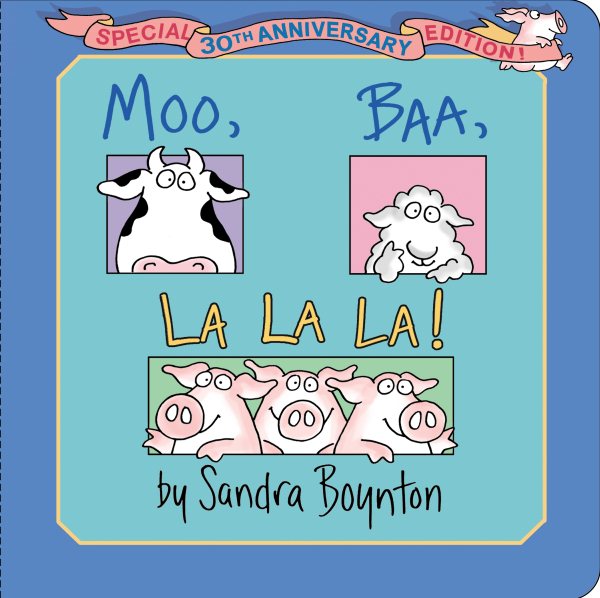
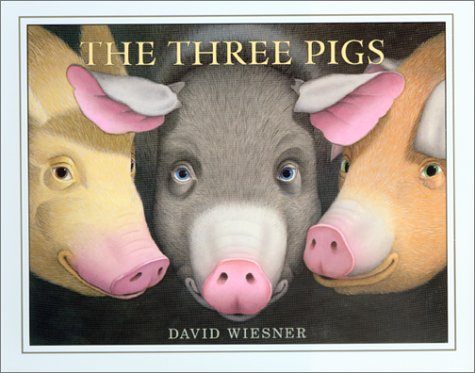
Initially, this was supposed to be an entirely different episode altogether. I had somehow managed to convince myself that we hadn’t done The Three Pigs by David Wiesner on this podcast before. In truth? We did that precise book on May 13, 2024 (so, yeah, not actually all that long ago). My bad, folks. My bad. In a pinch we had to find a replacement and, because Kate is now mother to a small child, we had title on hand that (A) I love and (B) we’ve never done before. We discuss this teeny tiny board book which, we would like to point out, ALSO has three pigs on the cover! It was fate to do this title.

Listen to the whole show here on Soundcloud or download it through iTunes, Stitcher, Spotify, Google Play, PlayerFM, Audible, Amazon Music, or your preferred method of podcast selection.

Show Notes:

Since we couldn’t do this book in the end, Kate (who was mid-critiquing it when I burst in and told her we’d done the book before, just with a different cover) wanted to point out how interesting the original cover is. Most pigs, apparently, have brown eyes. One study said that some blue eyes in pigs are due to a disease. So why do most of the pigs on this cover have baby blues?

This book came on at #69 on my Top 100 Picture Books Poll results back in 2012.

Here’s the nice lady singing the song to the tune of Bad Romance in, clearly, the most expert manner.

I was trying to figure this one out. How would you typify the outfits that these pigs are wearing? I’m thinking they’re from a distinct era. Vaudeville?

Note these pigs. Their fun has been stripped away. They were having fun and now they are forced into this situation. This… is their lot now.

We started talking about how this book has been translated over the years. In my old files, I found this cover:

Kate has become a real typography fan recently. She really did appreciate how big the font was for the big dogs on “Bow Wow Wow.”

Kate also suspects that because one of these dogs has no nametag, there’s something special about that dog. Perhaps it is based up on a real dog? Hard to say.

Kate Recommends: Murder in the Dollhouse by Rich Cohen

Betsy Recommends: The film Blue Moon, available on AppleTV

Filed Under: Fuse 8 n' Kate Tagged With: Fuse 8 n' Kate, Moo Baa La La La, Sandra Boynton

Winnie-the-Pooh Celebration Week: Day 5 – New Pooh-Related Titles Worth Exploring

January 23, 2026 by Betsy Bird

You may not have heard it, but this coming Saturday, January 24th is Winnie-the-Pooh Day. And not just any Winnie-the-Pooh Day either! All over the world people are celebrating the silly old bear’s 100th anniversary since the publication of his first books. This week, we celebrate him in different ways.

For our final delve into Poohdom this week, I thought briefly about going into the fact that Pooh is now technically in the public domain. It was a thought, but I think the nicest way to end instead is by looking at two new Pooh-related releases and what they say about Pooh in the 21st century.

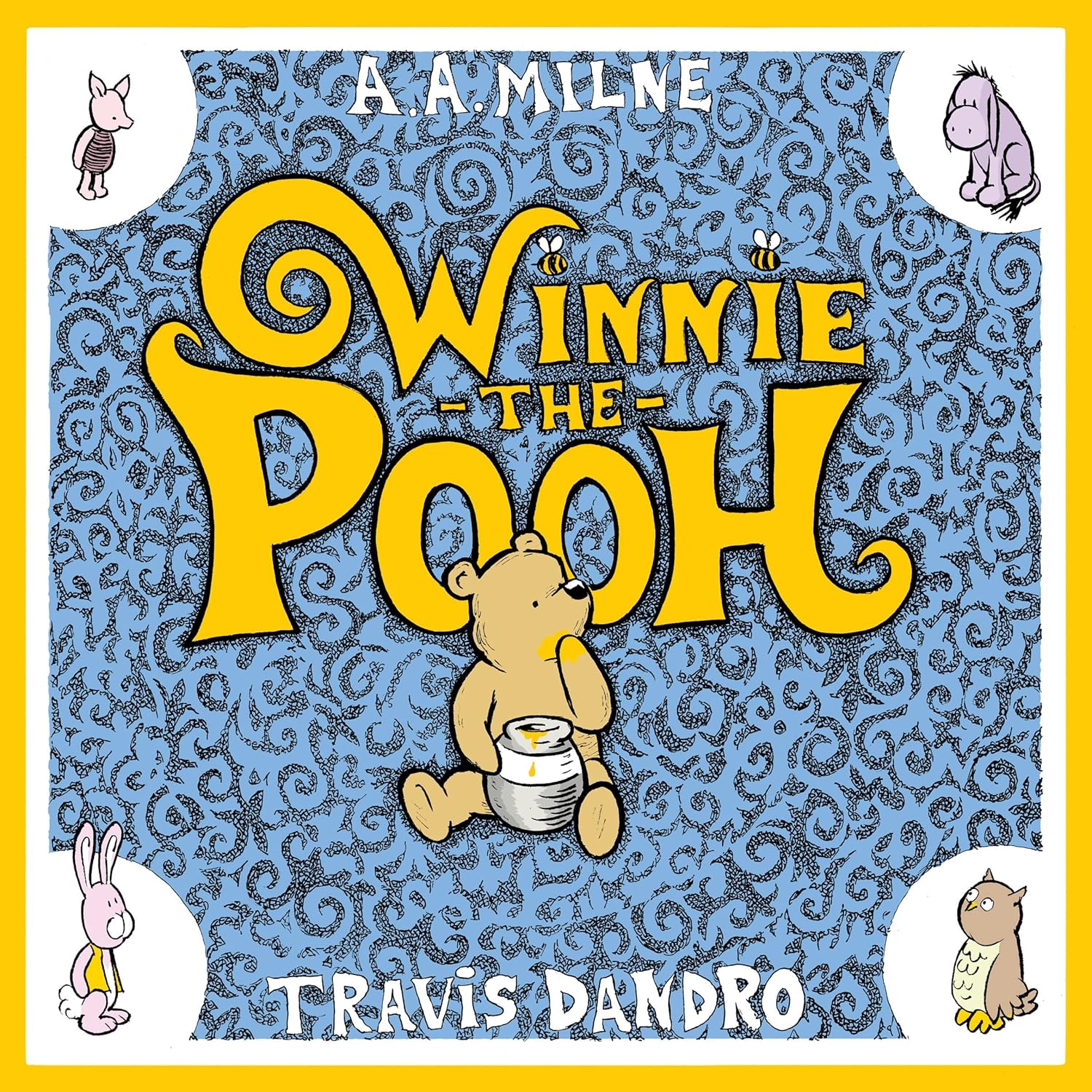
When Drawn & Quarterly released this Winnie-the-Pooh graphic novel in 2024 I was, admittedly, a bit wary of it. Drawn & Quarterly typically does some very adult work in the comics world, so the thought that they’d take on the silly old bear made me uncertain (see previous statement about Pooh now being in the public domain). I needn’t have worried. Travis Dandro (a native of Leicester, MA rather than Leicester, England) took a great deal of time and care to render the original tales in a new format, and nothing else. As Kirkus said so succinctly, “No public-domain tomfoolery here; this adaptation is an act of love.” School Library Journal, meanwhile, called it, “A cottagecore graphic novel for all ages that is sure to please during story time or while young readers choose to explore the Hundred Acre Wood on their own.” Whatever one cares to call it, it is very much in the same vein as the original.

The other book today was just released on January 6, 2026. Imagine, if you will, a cover that feels soft and fuzzy to the touch:

This is the 100th Anniversary Edition of Winnie-the-Pooh, put out by Aladdin books. What’s remarkable about it isn’t what it does (though the fuzzy cover is a definite plus) but rather what it doesn’t do. It doesn’t include a Forward by a famous author, for example. Such inclusions are almost de rigueur in this day and age. Then again, who on earth is our contemporary Milne? No, the book simply is… the book. No updates that I can detect. No changes. I was, admittedly, a little amused by the note on the publication page that, “The illustrations for this book were rendered in pen and ink.” That’s at least one element not in the original.

Otherwise, if you happen to be looking for a classic gift version of the book, this is the title to go for. Small. Cute. And just a little bit furry.

Filed Under: Uncategorized Tagged With: Winnie-the-Pooh

Winnie-the-Pooh Celebration Week: Day 4 – The Strange Case of Lottie the Otter a.k.a. The Bane of My Existence

January 22, 2026 by Betsy Bird

You may not have heard it, but this coming Saturday, January 24th is Winnie-the-Pooh Day. And not just any Winnie-the-Pooh Day either! All over the world people are celebrating the silly old bear’s 100th anniversary since the publication of his first books. This week, we celebrate him in different ways.

I’m going to tell you a personal Winnie-the-Pooh story today. This is a fun one. I haven’t thought about it for a while, but going through my files on Pooh and my time alongside him, I realized that I never accounted for one of the more peculiar incidents in the life and times of the stuffed Pooh animals. A time, indeed, when their sanctuary was invaded by an interloper… wearing pearls.

In 2009, this was the invite that went out:

PENGUIN YOUNG READERS GROUP WILL UNVEIL AND PRESENT A PERMANENT MURAL FOR THE ORIGINAL WINNIE-THE-POOH STUFFED ANIMALS THAT LIVE IN THE NEW YORK PUBLIC LIBRARY
CHILDREN’S CENTER AT 42 STREET

Join Winnie-The-Pooh and Friends as They Reveal Several Surprises and Begin a New Chapter in the Classic Winnie-The-Pooh Legacy

Jim Dale, Grammy Award-Winning Reader, to Give First Official Reading from the Newly Published RETURN TO THE HUNDRED ACRE WOOD. On October 5, in conjunction with the publication of Return to the Hundred Acre Wood, the first authorized sequel to the last Winnie-the-Pooh novel in more than 80 years, Penguin Young Readers Group will unveil and present a permanent mural for the original Winnie-the-Pooh stuffed animals that inspired the books — adding another chapter to its long history with Winnie-the-Pooh and the Library. Pooh, Eeyore, Piglet, Kanga, and Tigger have lived at The New York Public Library since 1987 and currently find their home in the Children’s Center at 42nd Street. Jim Dale, Grammy Award-winning reader who voiced all of the characters in Return to the Hundred Acre Wood, will give the first official read from the new book to school children before the unveiling.  WHO:            

  • Paul LeClerc, President of The New York Public Library
  • Don Weisberg, President, Penguin Young Readers Group
  • Jim Dale, award-winning voice for countless audio books
  • Children from New York City’s schools
  • …And a SURPRISE SPECIAL GUEST!

 WHEN:          

Monday, October 5
Press Check-In: 10:00 AM 
Welcome: 10:30 AM
Jim Dale Reading: 10:45 AM
Surprise Unveiling / Photo Opportunities: 10:55 AM
                                            
WHERE:        
Children’s Center at 42nd Street
The New York Public Library Stephen A. Schwarzman Building
(Fifth Avenue and 42nd Street)
 
ALL PRESS MUST RSVP IN ORDER TO BE CREDENTIALED

It was all very interesting and I wrote up the entire event here, complete with ample photographs. And if you’re wondering who the surprise special guest was, I misremembered it as Mary-Louise Parker, but that was actually a different event a month later. No, as it happens the special guest was someone a bit shorter and a bit furrier. Meet… Lottie:

a.k.a. My nemesis.

I’m going to endeavor to explain.

So in 2009, I was a children’s librarian working in the Central Children’s Room on 42nd Street. And, as I may have mentioned before, I worked alongside the original Winnie-the-Pooh dolls. We were originally in the Donnell Library on 53rd Street, but then NYPL sold the Donnell and moved the whole Central Children’s Room to the main location on 42nd and 5th. Which was unspeakably cool. We were now just down the hall from the original children’s room where Anne Carroll Moore herself used to traipse about.

In the room was an odd little room within a room. It was there that we placed the Winnie-the-Pooh toys, after the conservators got their hands on them and patched them up a bit (trust me when I say that Eeyore and Piglet sorely needed it). The room was nice but the walls were a bit bland. It’s hard to find images from that time, but it basically looked something like this.

See? Kind of boring.

That’s when someone at Penguin had a brilliant plan. I have to give them full credit. As press release events go, it was inspired. What if, in conjunction with this book they were releasing (called Return to the Hundred Acre Wood, now long since forgotten) Penguin were to paint the walls of that little room to look like the maps and other original illustrations by E. H. Shepard? AND what if they threw a big party to reveal the painted room alongside this new book AND they invited Jim Dale to do a reading?

It was absolutely the smartest thing in the world. Penguin was happy because it was a great way to highlight this book and NYPL was happy because they were getting more attention for the original Winnie-the-Pooh toys AND a free painted room! Miraculously, it all worked too. The room was revealed. Jim did his reading. Everyone was happy.

Almost.

You will remember the “special guest” that was touted. Well, in this new Winnie-the-Pooh book (“for the first time approved by the Trustees of the Pooh Properties”) author David Benedictus added an all new character. Her name was Lottie the Otter, and Jim Dale read her as if she were Lady Bracknall in The Importance of Being Earnest. On the page she was quite cute, thanks to the art of Mark Burgess:

And had she stayed on the page, I wouldn’t have had any problems with her. The trouble was that she didn’t remain two-dimensional. That photo I just showed you earlier? That was the unveiling of a stuffed animal version of Lottie by Don Weisberg, President of Penguin Young Readers Group.

That’s right. They gave her a cute little display case of her very own alongside an open copy of the new book. As you can see, she was outside of the room where the original toys were housed. And that was honestly just fine! They had their space. She had her own….

… until they put her in the case with Winnie.

*sigh*

Look. I’m no purist, all right? I understand how the world works. Some people were incensed that Lottie the character even existed at all. Like the new book was trying to improve upon Milne. I never felt that way. I liked that Burgess thought he could add a new playful element to the stories. That was fine. But our Library Director was hugely amused by Lottie. He just got a real kick out of that otter. So on his order, not long after this party, she ended up in the SAME CASE as all the original toys.

Where’s your photographic proof of this, Betsy? you may be asking. All I can say is, thank god for Roadside America. While I was foaming slightly at the mouth every time I even looked in the room, they took this shot:

Can you spot her? She’s second from the left, just behind Kanga.

And they had this to say:

“But who is that new, pearl-wearing, fresh-from-the-factory addition next to Kanga? Why, its Lottie the Otter, created long after Milne was dead, for the 2009 “authorized sequel” Return to Hundred Acre Wood.

In other words…the coveted position of sidekick is a donated product of the Disney/Penguin Books marketing machine.”

Now imagine you are an employee of the library and you have to answer the question, “Who is THAT?” over and over, day after day. My favorite response to her was a child who took one look at the case and asked, “Is that the groundhog from the movie?” Yes, kid. And that groundhog loved him some pearls.

At one point Pooh and friends went on display as part of an exhibit in another part of the library building. I missed them but was relieved to see that Lottie was not part of that exhibit as well. I thought that I’d finally seen the last of her! Hooray!

When they returned to our room we were ecstatic. And then, I kid you not, THEY PUT THE DING-DANG OTTER BACK INTO THE CASE!!!

I used to joke with my colleagues that one of these days I was going to break into the case with a hammer, grab that otter, and then run for the library’s exits, holding her like the furry little football she was.

All this madness ended, I think, when the toys went on display as part of Leonard Marcus’s The ABC of It exhibit. When they came back over 2 years later, Lottie was finally gone for good (possibly because the Library Director who had loved her so dearly went off to work for the Library of Congress). So where is Lottie today? Well, NYPL has ended up with a lot of odd promotional materials over the years. I distinctly remembering have to bypass a gigantic Eragon egg, that was supposed to hum when you plugged it in, that sat gathering dust in our stacks. Lottie, I have no doubt, has been carefully packaged, labeled, and put away in a box somewhere in either the Schwarzman or BookOps in Queens. She may never surface again, honestly. Her story, even a mere 17 years later, is well and truly forgotten.

Even so, I like to think that someday, someone is going to find that pearl-wearing little interloper and wonder what is to be done with her. Maybe they’ll take her home and give her to an actual child. It’s not the NYPL way to give away their archives, but maybe in her case they’ll make a furry little exception.

Filed Under: Uncategorized Tagged With: Pooh -- Winnie-the-Pooh, Winnie-the-Pooh

  • « Go to Previous Page
  • Page 1
  • Interim pages omitted …
  • Page 8
  • Page 9
  • Page 10
  • Page 11
  • Page 12
  • Interim pages omitted …
  • Page 1044
  • Go to Next Page »

Primary Sidebar