• Skip to primary navigation
  • Skip to main content
  • Skip to primary sidebar
  • About/Contact
  • Fusenews
  • Reviews
  • Librarian Previews
  • Best Books
    • Top 100
    • Best Books of 2022
    • Best Books of 2021
    • Best Books of 2020
    • Best Books of 2019
    • Best Books of 2018
    • Best Books of 2017
    • Best Books of 2016
    • Best Books of 2015
    • Best Books of 2014
    • Best Books of 2013
  • Fuse 8 n’ Kate
  • Videos
  • Press Release Fun

31 Days, 31 Lists 2022: It’s Almost Here!

31 Days, 31 Lists 2022: It’s Almost Here!

November 25, 2022 by Betsy Bird

It’s almost here. As you may recall, each year I make a list of my favorite children’s books of the year. Not just a single list, though, but one for every day in December. I’ve done it for a number of years now, and 2022 is no exception. These will be books entirely published in the 2022 year. Each one, a sterling example of its kind. Some you’ll know. Some may be new to you.

So, starting December 1st, here are the lists I’ll be releasing.

Want to see other lists? Stay tuned for the rest this month!

December 1 – Great Board Books

December 2 – Picture Book Readalouds

December 3 – Simple Picture Book Texts

December 4 – Transcendent Holiday Picture Books

December 5 – Rhyming Picture Books

December 6 – Funny Picture Books

December 7 – CaldeNotts

December 8 – Picture Book Reprints

December 9 – Math Books for Kids

December 10 – Gross Books

December 11 – Books with a Message

December 12 – Fabulous Photography

December 13 – Translated Picture Books

December 14 – Fairy Tales / Folktales / Religious Tales

December 15 – Wordless Picture Books

December 16 – Poetry Books

December 17 – Unconventional Children’s Books

December 18 – Easy Books & Early Chapter Books

December 19 – Comics & Graphic Novels

December 20 – Older Funny Books

December 21 – Science Fiction Books

December 22 – Fantasy Books

December 23 – Informational Fiction

December 24 – American History

December 25 – Science & Nature Books

December 26 – Unique Biographies

December 27 – Nonfiction Picture Books

December 28 – Nonfiction Books for Older Readers

December 29 – Best Audiobooks for Kids

December 30 – Middle Grade Novels

December 31 – Picture Books

Stay tuned then! It’s gonna be a heckuva ride.
Filed Under: 31 Days 31 Lists Tagged With: 31 days 31 lists, Best Books of 2022

A Lost Hero: The Rediscovery of Mildred Batchelder

November 22, 2022 by Betsy Bird

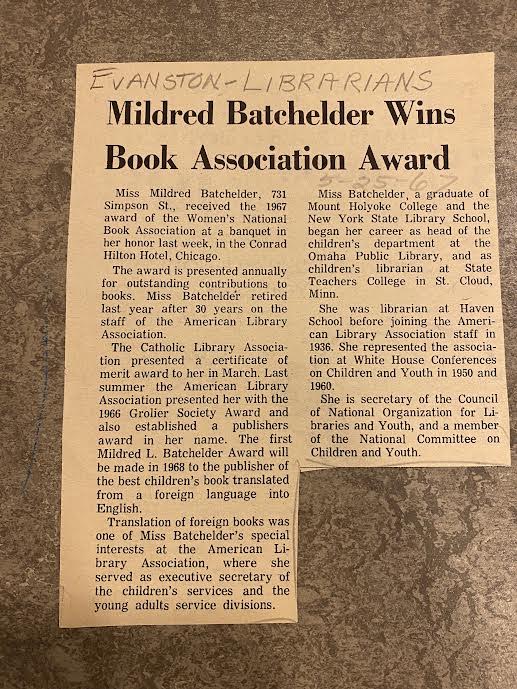
Periodically my Library (Evanston Public Library) will close for a Staff Day in order to train our employees on a host of different matters. The training this past October was no different. And in the afternoon, as a bit of a break, I found myself taking my fellow employees to the Evanstoniana Room on the 2nd floor.

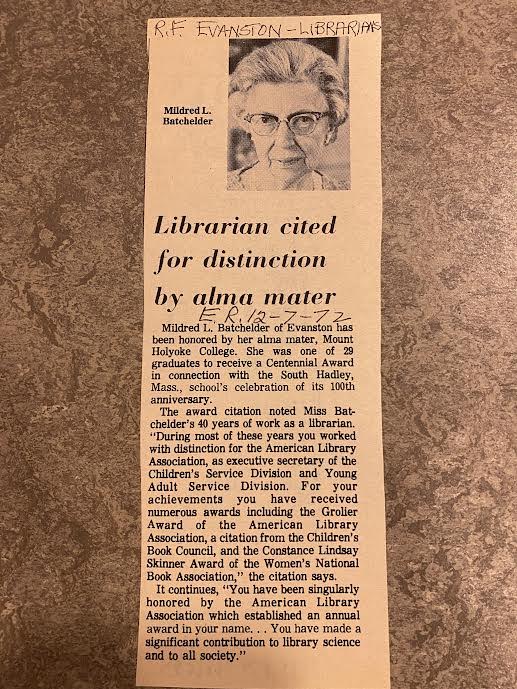
The Evanstoniana Room is the library’s historical section. Outside the room are flat files with additional information. Now while I was showing my fellow employees the statue that was mysteriously found under the steps of the first Evanston Public Library building as it was being demolished (a good story, but one for another day), I started pawing through the files. Out of curiosity I went to the section on “Evanston – Librarians”, just to see if there was anything of interest. The odd file here and there were of mild interest . . . until I found two small articles from 1967 and 1972 respectively.

Now I’m a children’s librarian by training. And when I moved to Evanston, Illinois from New York City roundabout seven years ago I came to the sudden realization that more than any city OTHER than NYC, Evanston, Illinois is a veritable hub of international children’s literature. There’s the ongoing and beautifully curated collection at independent bookstore Bookends and Beginnings. There are local scholars like Junko Yokota, world famous for her children’s literature expertise, past president of USBBY, the U.S. national section of the IBBY (International Board on Books for Young People) who has chaired the Batchelder Committee, and served two terms on the IBBY Hans Christian Andersen Award jury. And now, on this day, I discovered one more surprising connection.
Every year, the American Library Association (ALA) bestows the Batchelder Award to a United States publisher for a children’s book considered to be the most outstanding of those books originating in a country other than the United States and in a language other than English. For a lot of international children’s books, it’s honestly the only major U.S. children’s book award awarded by ALA that grants them any attention at all.

Now, as I looked through the files, I discovered that Mildred L. Batchelder lived in Evanston and was the librarian at Haven Middle School for much of her life. Check out her Wikipedia page sometime if you’d like to hear more about how she fought racist library policies for decades. As the page says, “It outraged her that African American children weren’t provided the same privileges that were afforded to white children. She fought hard for the rights of minorities and women and was enraged when the keynote speaker of an ALA meeting was asked to use the service elevator because she was black. She was instrumental in bringing this racism to light and in keeping the ALA conferences from taking place in Southern states for 20 years.”

But that’s not all! According to an inside source in Evanston, Mildred was once sent on assignment to Munich after the war to catalog the children’s books Jella Lepman had attracted from all over the world. This was for the new library she founded, the International Youth Library (now located in a castle in Germany and VERY MUCH worth a visit, should you find yourself in the neighborhood). Mildred was also a friend of Eleanor Roosevelt, who was a big supporter of Lepman’s efforts.

She is, in fact, one of the great library heroes and one of the great Evanston heroes as well. And to think I had to dip through old files even to find out! I don’t know if anyone has half a mind to name something after a librarian in my town, but if they do then I shall step forward and propose a Mildred L. Batchelder street/fountain/library branch/what have you. Seems it would be the least my city could do for a name that is now internationally famous (and with good reason).

Filed Under: Uncategorized Tagged With: Evanston Public Library, librarians, Mildred L. Batchelder, Mildred L. Batchelder Award

Fuse 8 n’ Kate: Our 250th Episode! Richard Scarry’s Best Word Book Ever

November 21, 2022 by Betsy Bird

It’s our 250th Episode!!

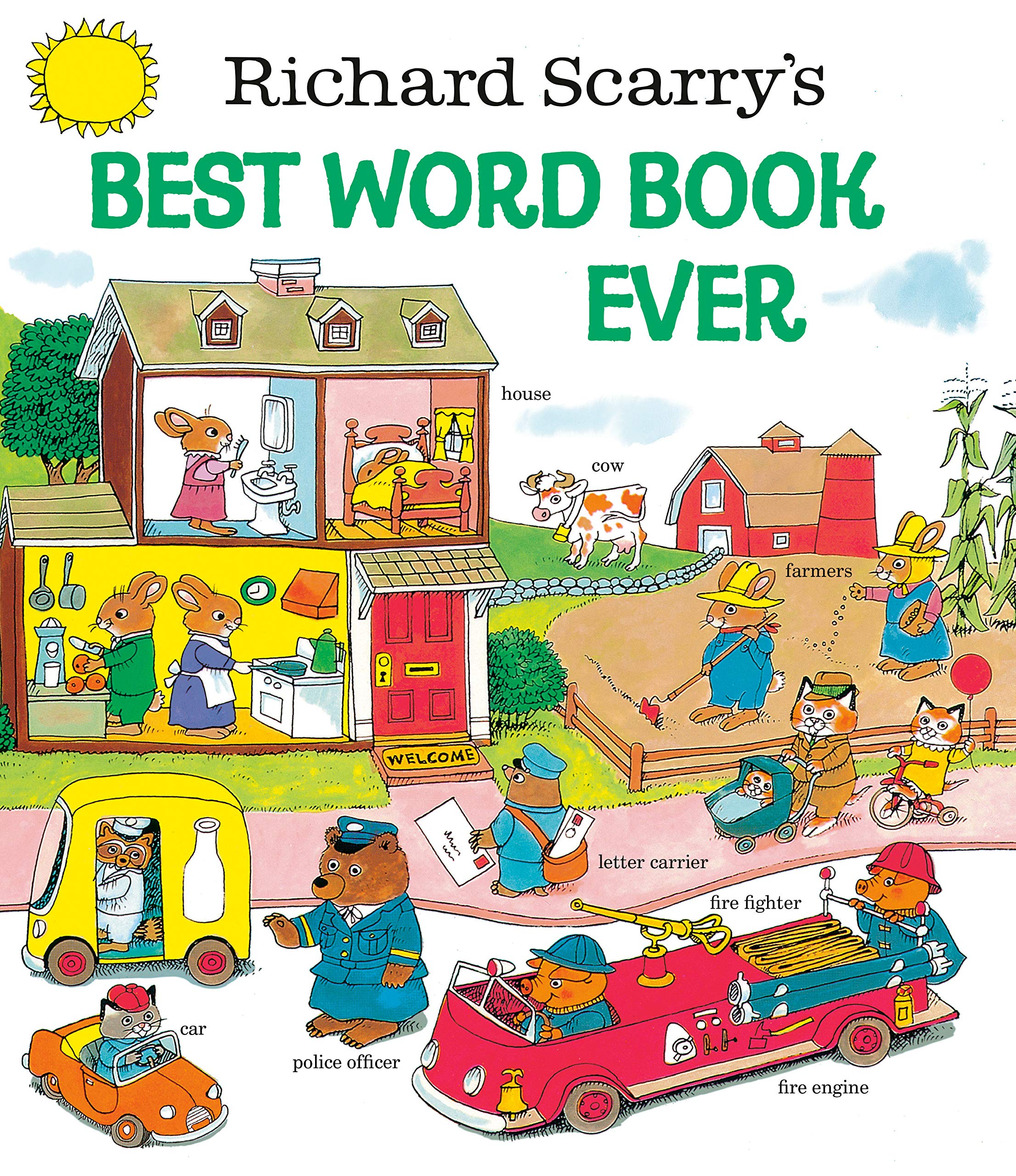
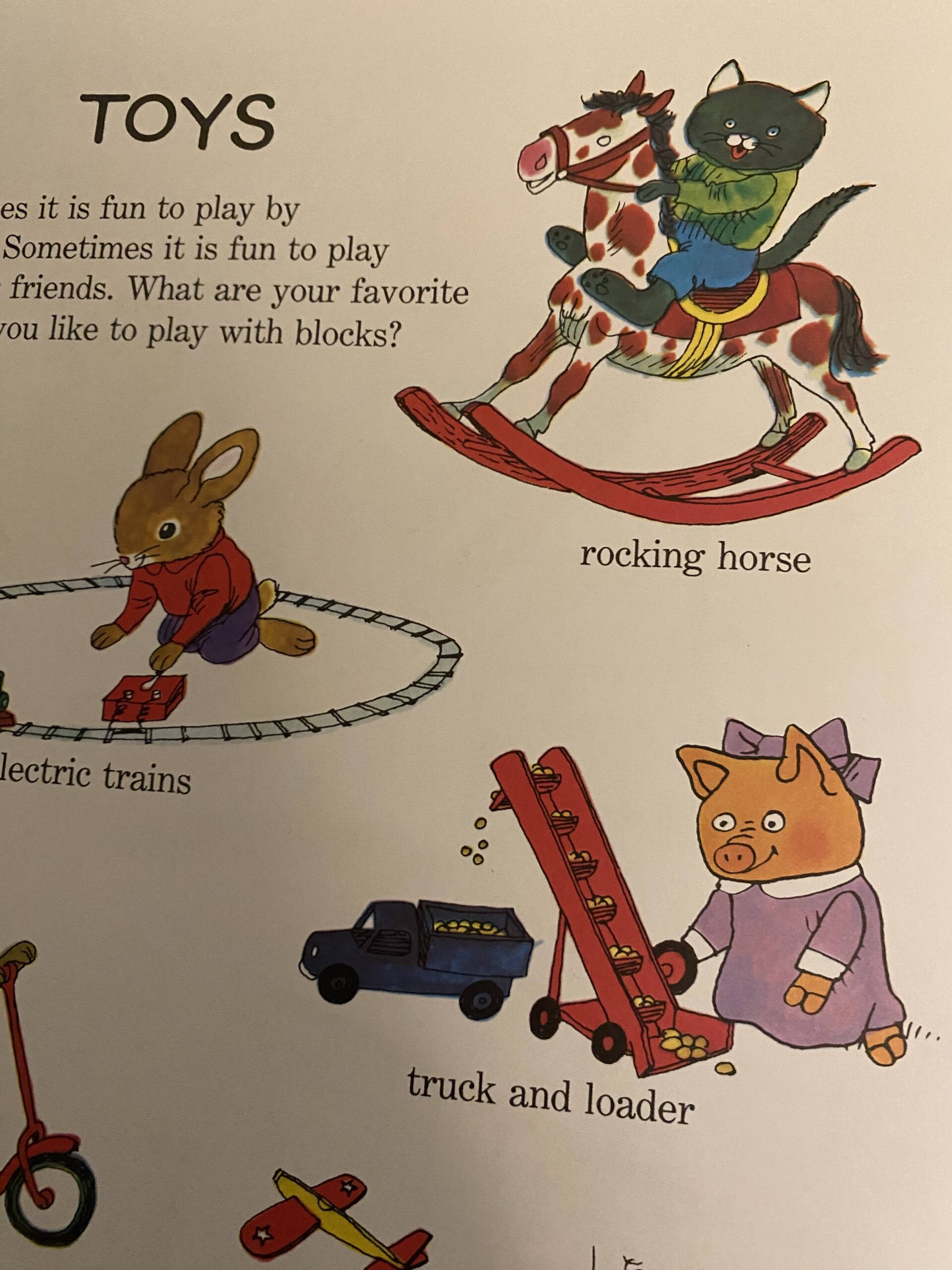
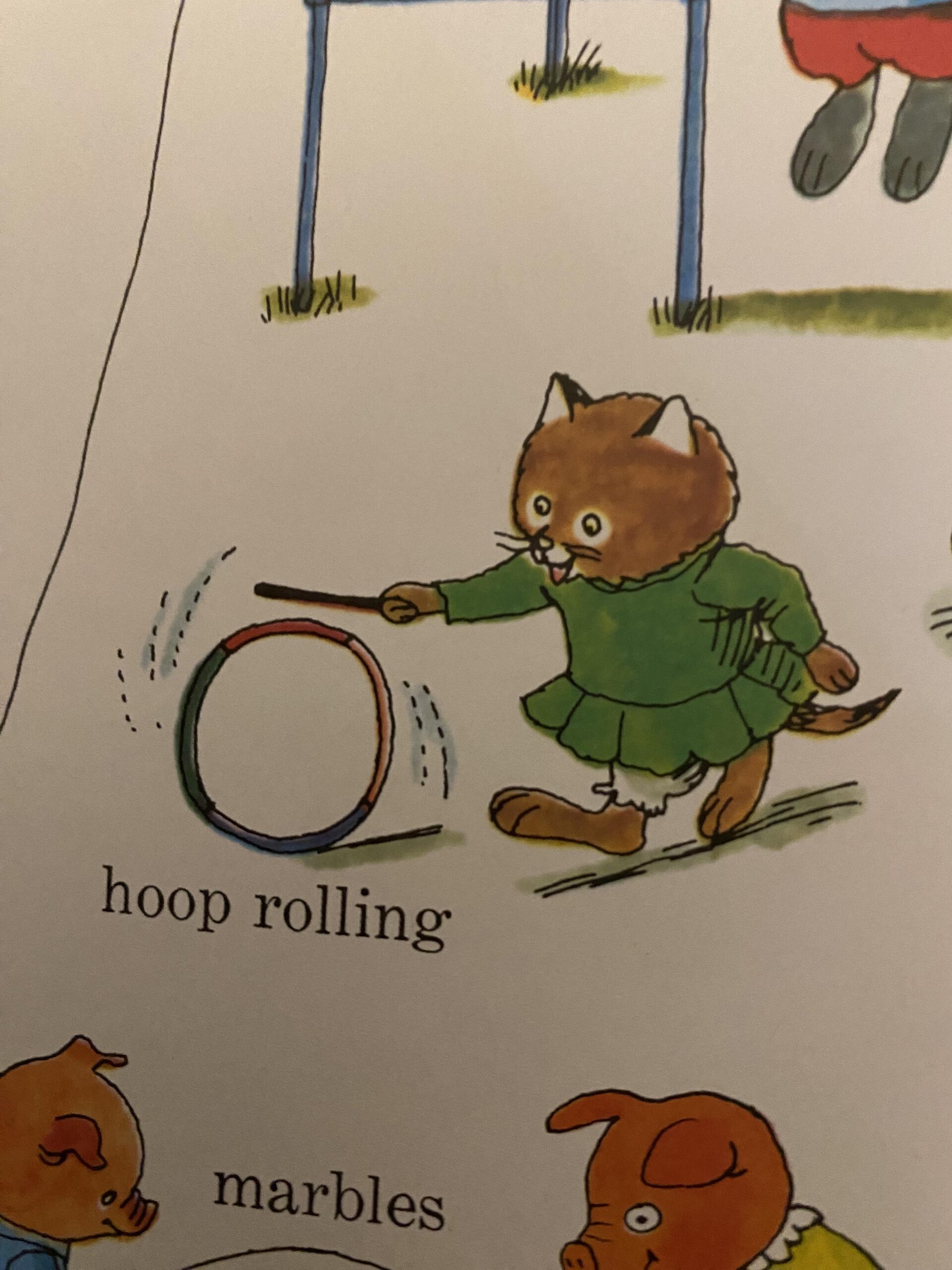
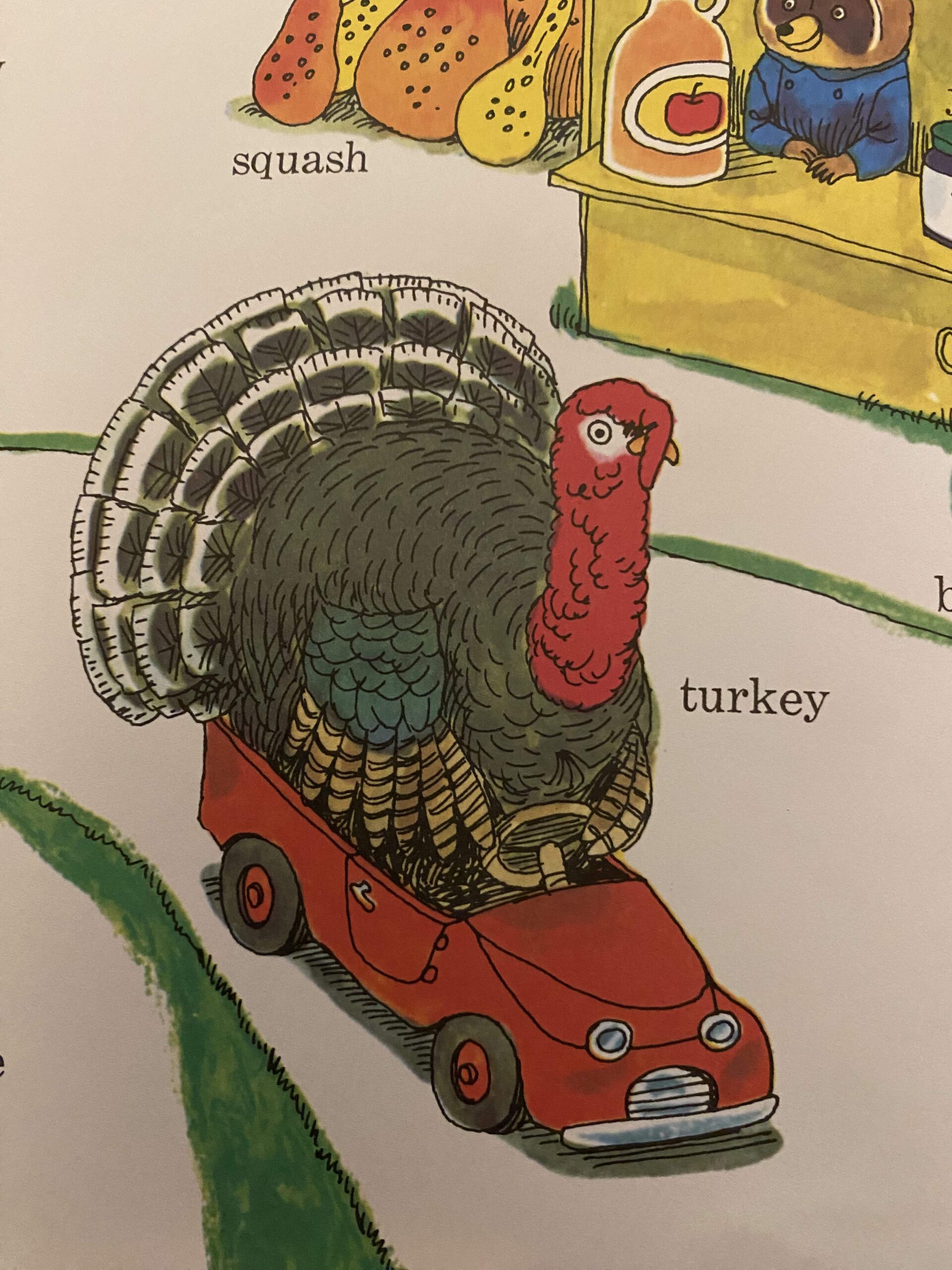
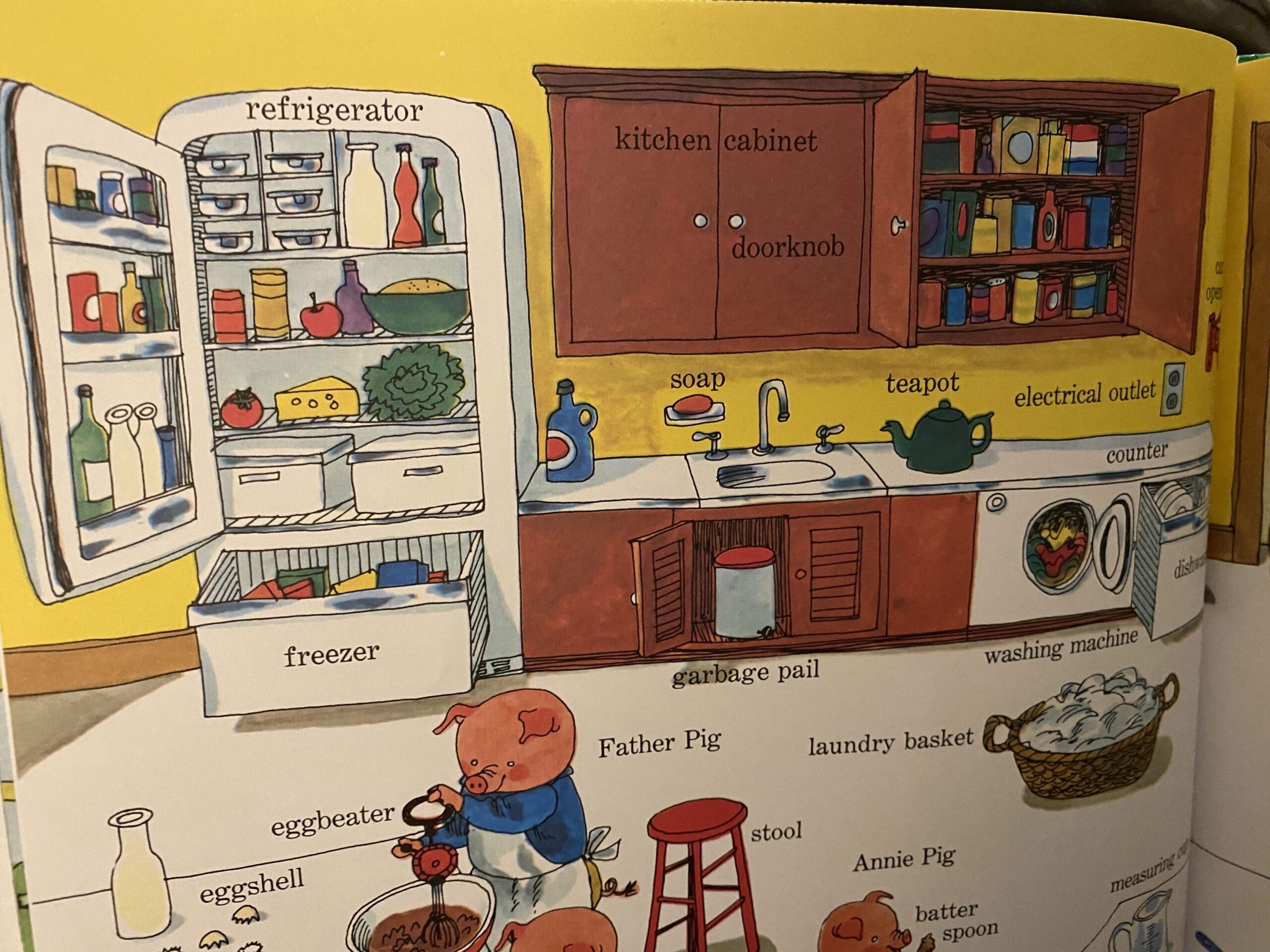
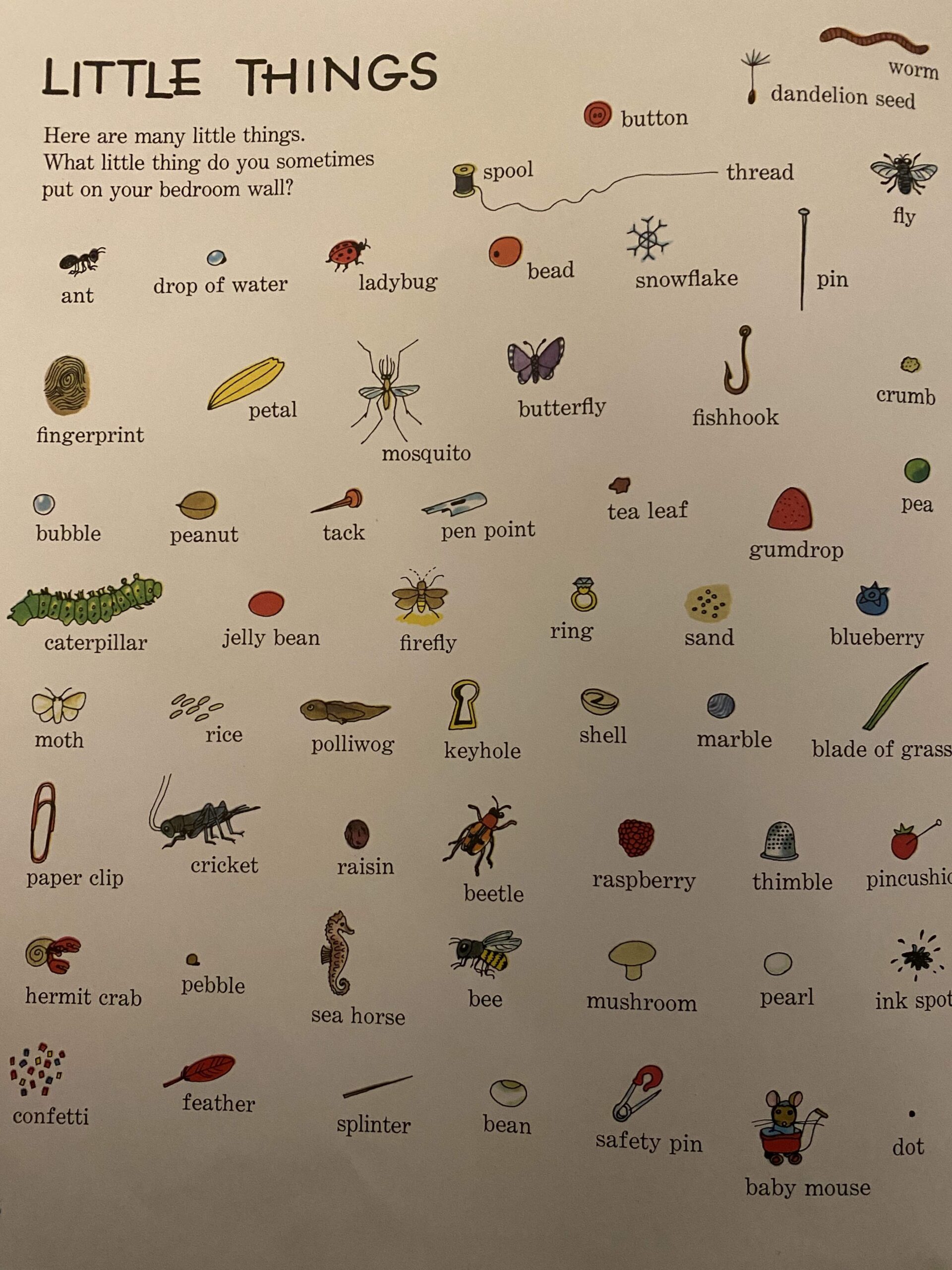
You know, when we first started this podcast we didn’t really have a plan in terms of how long it might go. Nor did I lay out a carefully considered explanation from the start of which books we would do, and in what order. All we had was the premise, a catchy theme song, and an unending supply of titles to choose from. Case In Point: We have never done a Richard Scarry book before. Can you believe it? It’s true though. You see Richard Scarry’s best known books are (how shall I put this) incredibly long. I’m talking, Moby Dick-long equivalent tomes. But 250 is a special number so we’re dedicating it to a very special guy. Come for the turkey. Stay for the odd changes made between different editions of this book.

Listen to the whole show here on Soundcloud or download it through iTunes, Stitcher, Spotify, Google Play, PlayerFM, or your preferred method of podcast selection.

Show Notes:

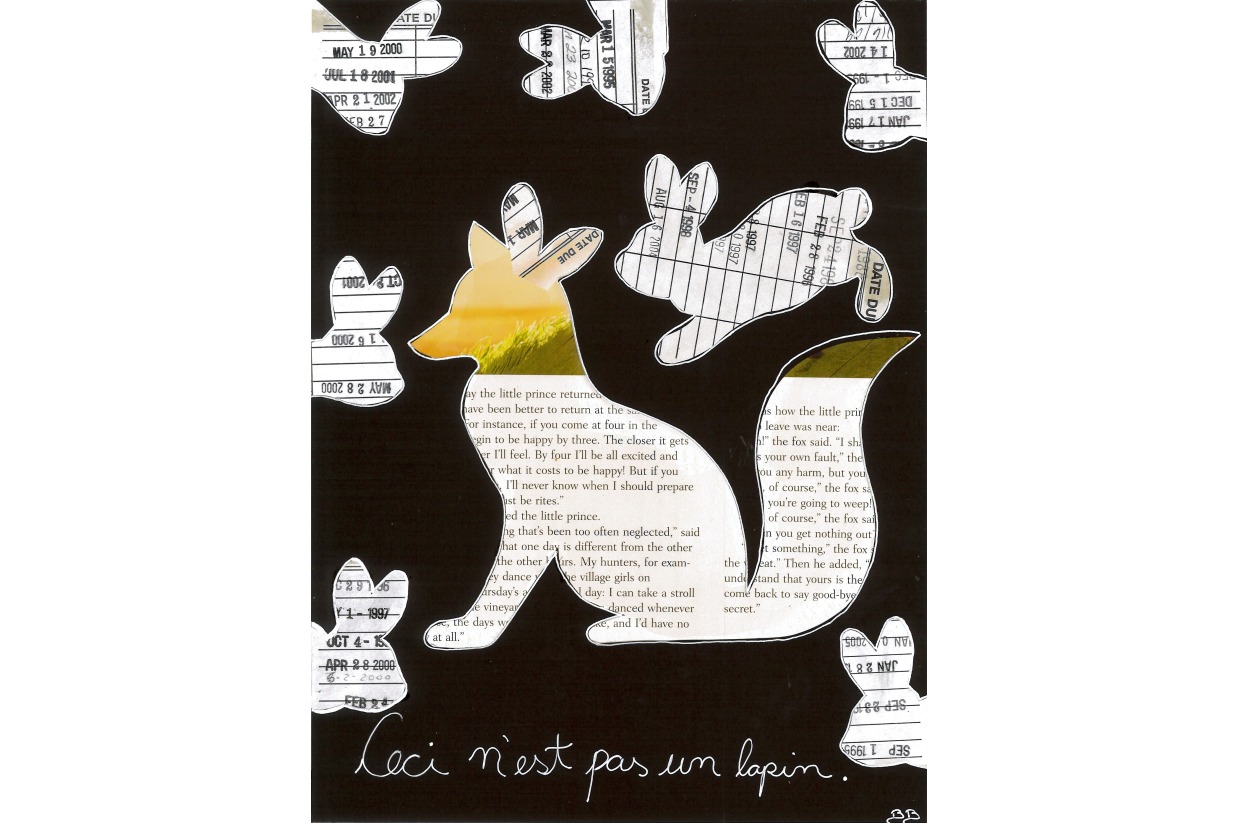
For the record, ultimately my piece of art for the Rabbit hOle Auction went for $312. Here’s what it looked like:

Here are the original Flickr comparisons by Alan Taylor between the 1963 and 1991 editions of The Best Word Book Ever. The one that went viral and appeared on a lot of other websites.

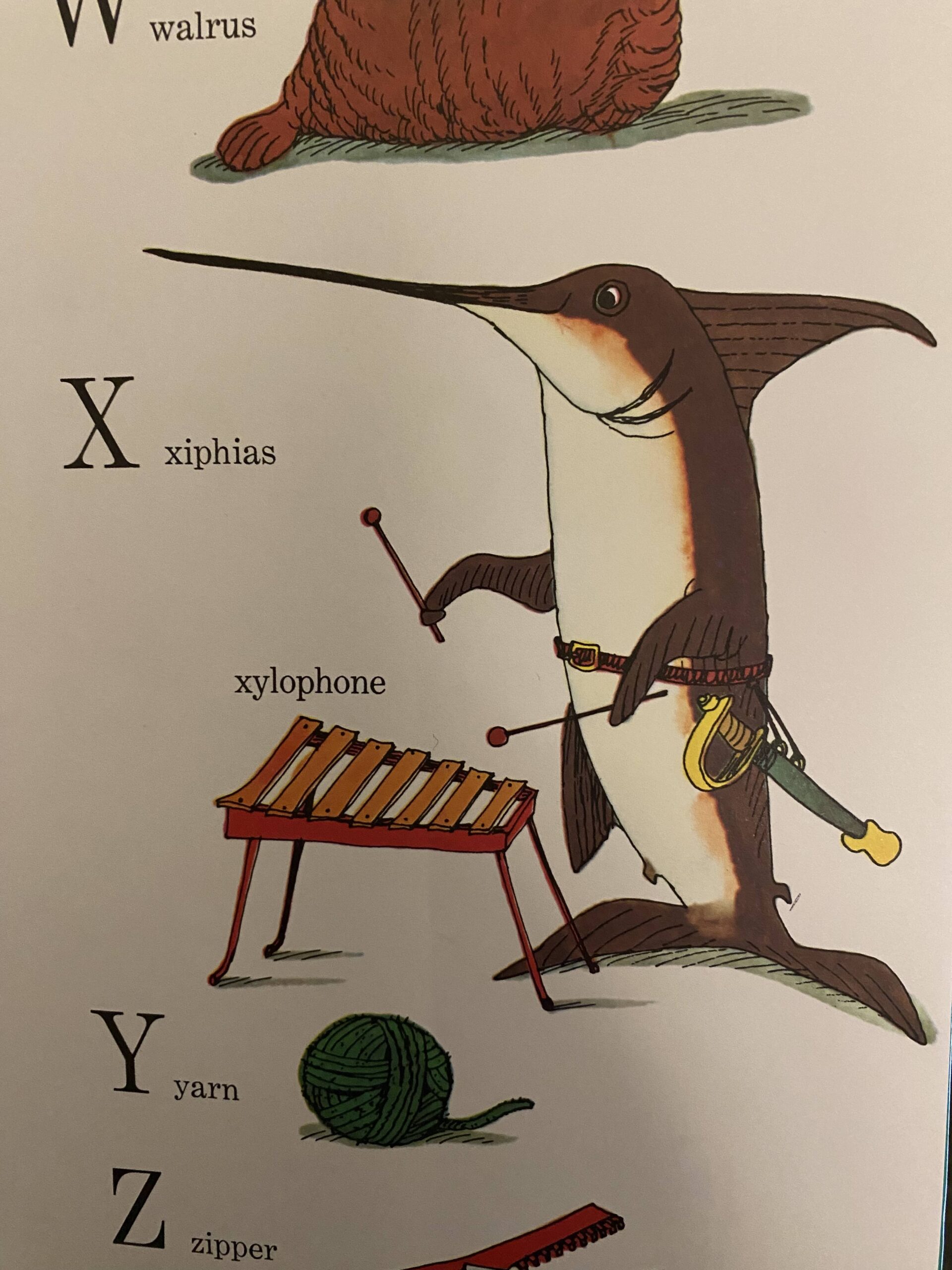
Making the “X” animal a “xiphias” in the alphabet at the start is a bold move, Mr. Scarry.

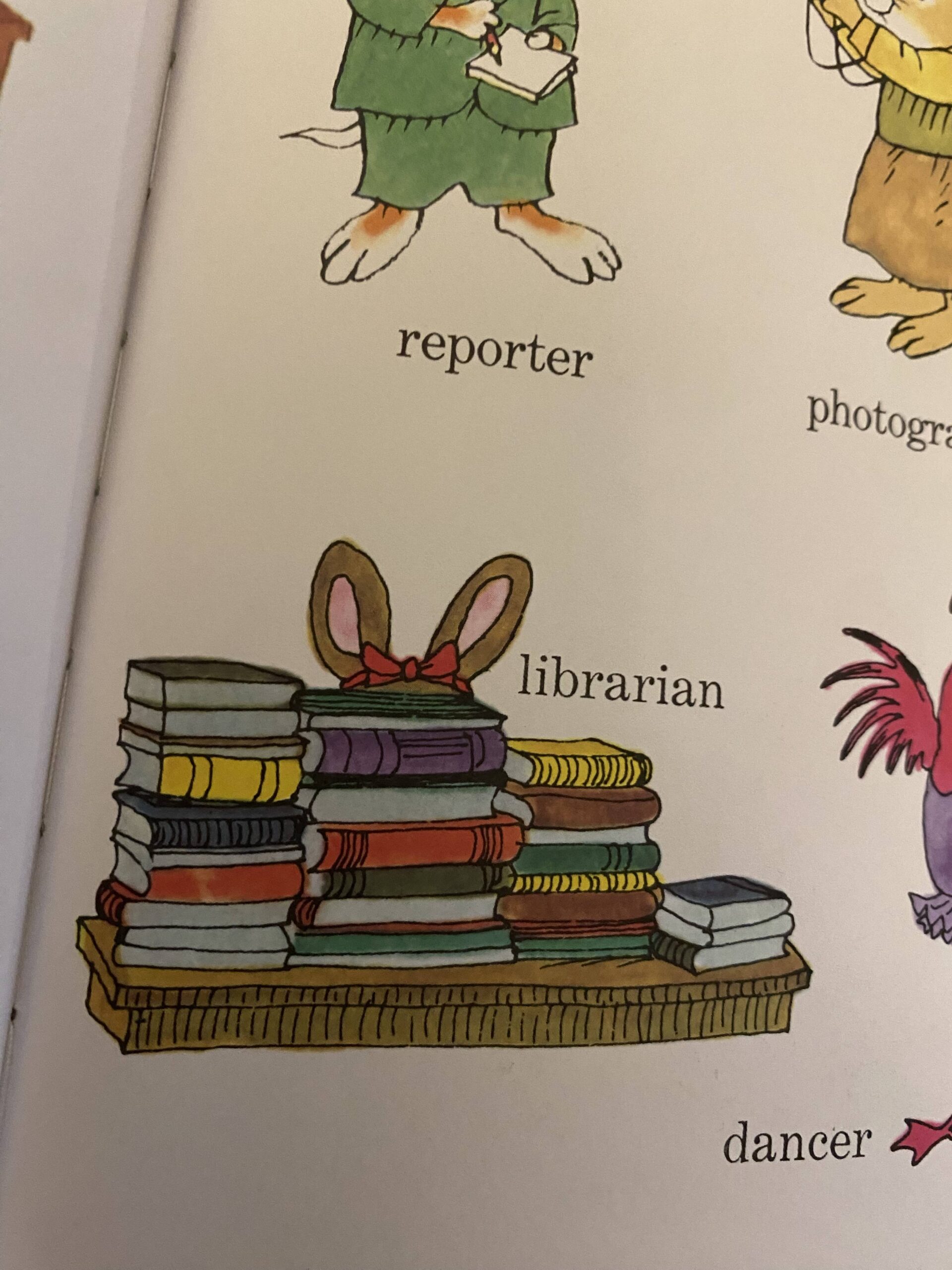
I have a theory about this book. The updated animals drawn later are noticeably less detailed than the originals. Note the difference between this pig and this bunny.

“Nothing about this book is dated. Nothing at all,” she deadpanned. A person could actually pick and choose their favorite dated elements. These were ours.

RUN, PIGLET!!! RUN!!!

And this is why I was able to justify this as a Thanksgiving title. Two turkeys, one book.

We love that this is just listed on the Holiday page as “National Holiday”.

This reminds me of that moment in The Sixth Sense when the mom leaves the room for two seconds and returns to see all the doors standing open.

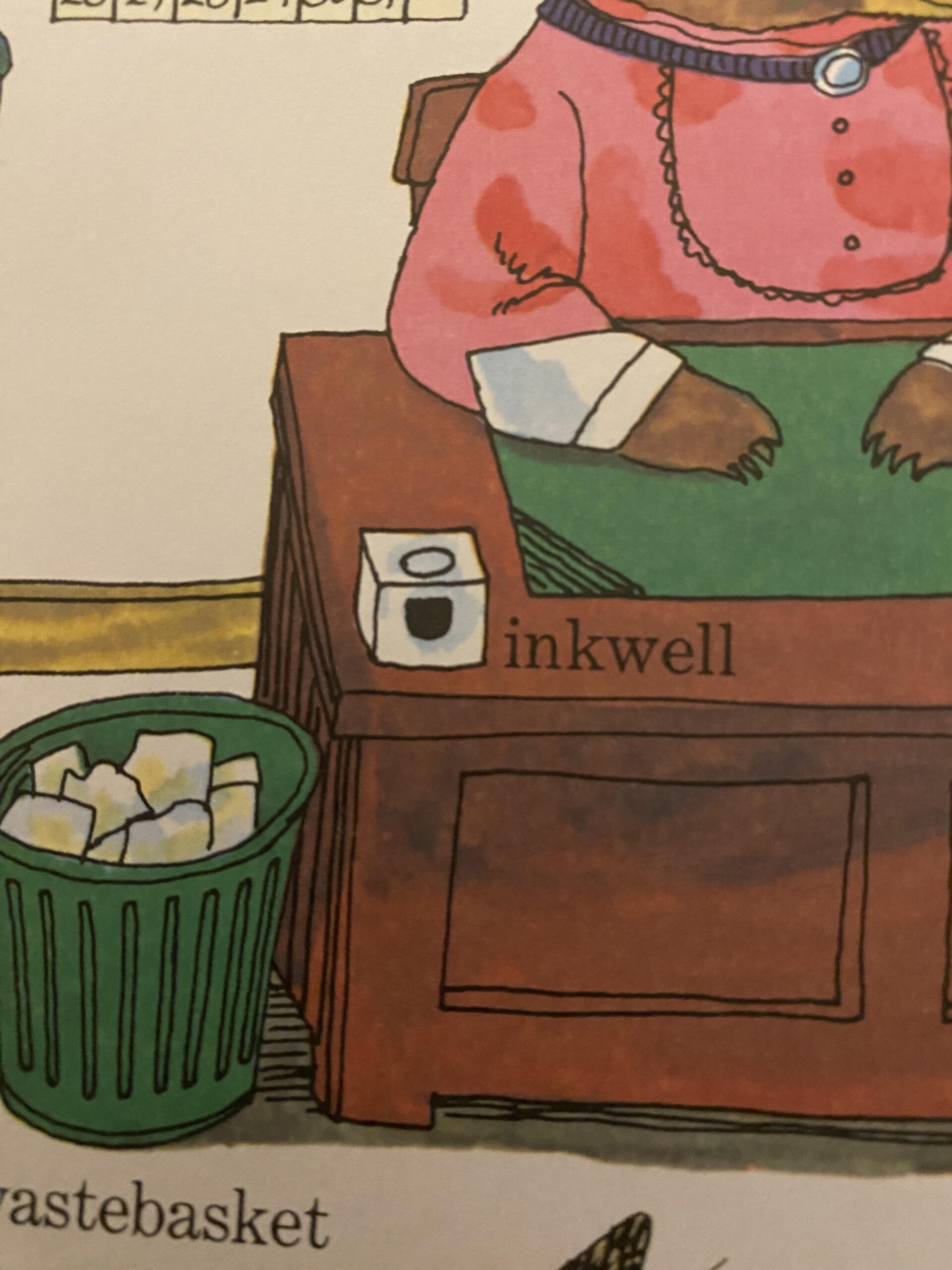
Accurate. At least when it comes to my desk.

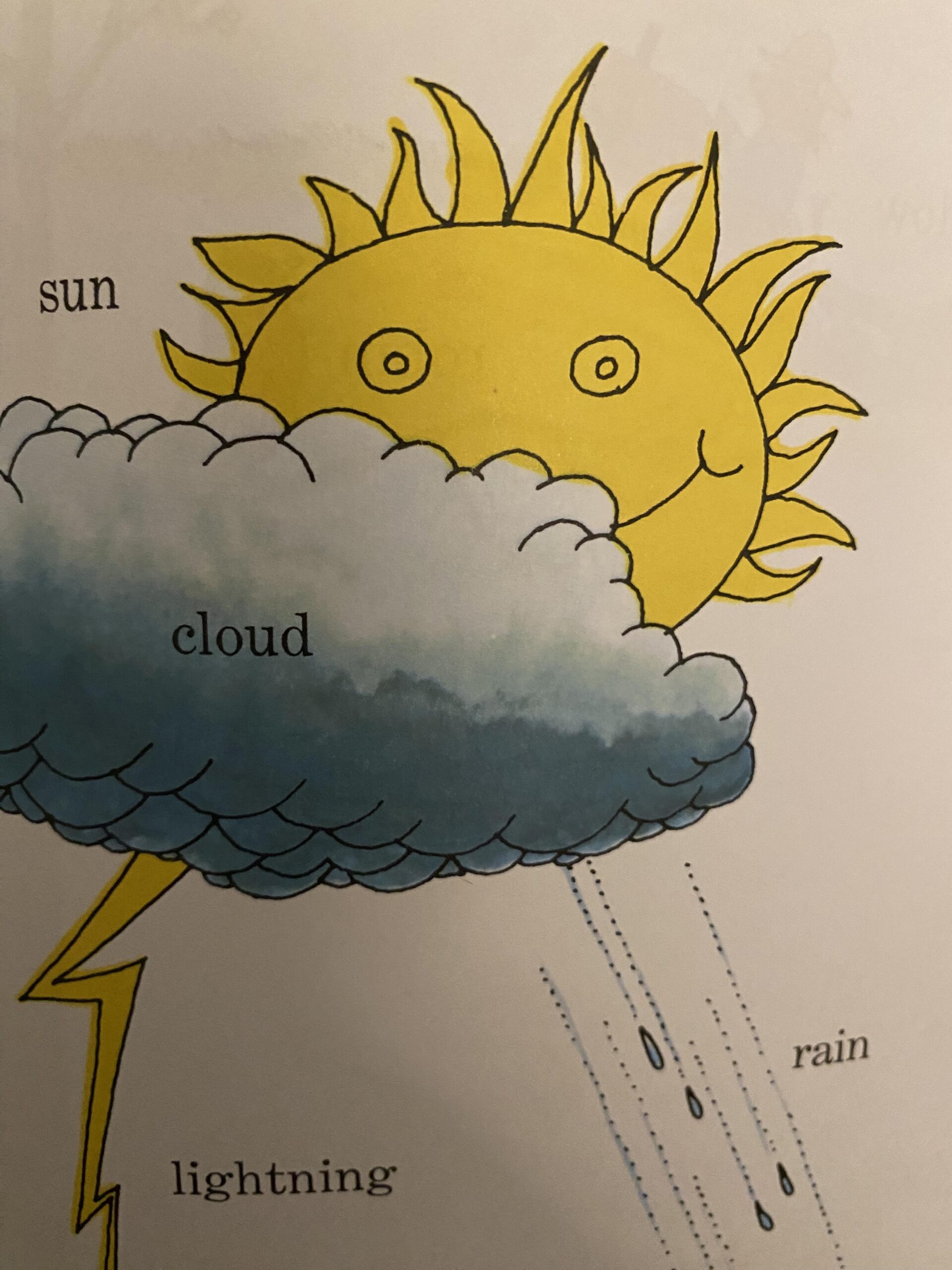
Kate has deemed this one “Scarry Sun”. You remember her favorite Sassy Sun? This pairs with that.

As I mention to Kate, this only shows up when you are so close to the end… and yet so far.

Betsy Recommends: Jill Wine-Banks and her book Watergate Girl.

Kate Recommends: The Seven and a Half Deaths of Evelyn Hardcastle by Stuart Turton.

Filed Under: Fuse 8 n' Kate Tagged With: Best Word Book Ever, Fuse 8 n' Kate, Richard Scarry

Review of the Day: Shuna’s Journey by Hayao Miyazaki

November 18, 2022 by Betsy Bird

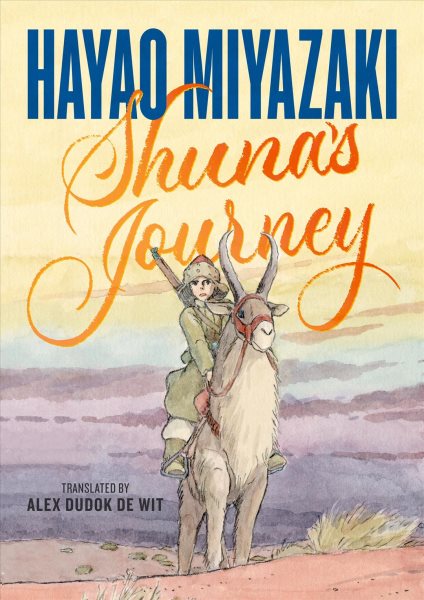
Shuna’s Journey
By Hayao Miyazaki
Translated by Alex Dudok de Wit
$27.99
ISBN: 9781250846525
Ages 9-12
On shelves now

In the pantheon of Miyazaki fans you have to rate yourself on a kind of scale. There are, after all, folks out there that make veritable pilgrimages to places like the Ghibli Museum, Mitaka in suburban Tokyo or the café Kodama in Nagoya, Japan. Then there are folks who’ve never even seen a Miyazaki film and can’t figure out what the fuss is all about. Myself? I fall fairly squarely in the middle. My first Miyazaki was Howl’s Moving Castle and mostly that was just because it was based on a Diana Wynne Jones book I liked. In time, however, I’d see other movies like Kiki’s Delivery Service, Nausicaä of the Valley of the Wind, and my personal favorite (which I’ve seen several times) “Castle in the Sky”. So I’m in a fairly interesting position to read and gauge a graphic novel of his which has been overwhelmingly successful in other countries for years but is only just reaching the States now. Shuna’s Journey, as is explained by translator Alex Dudok de Wit, precedes much of what we now consider to be Miyazaki’s seminal work. Loosely based on a Tibetan folktale, the book was originally published in 1983, two years before the launch of Studio Ghibli. Reading it now, it’s this epic, ancient, futuristic, sprawling storyline full of gods and slaves and ancient decaying civilizations. Remarkably it acts as a kind of Intro to Miyazaki in and of itself. The real question that remains, however, is how well it compares to the comics of today. Does it have what it takes to be a graphic novel for kids in the 21st century?

Shuna no Tabi (Shuna’s Journey)
Copyright © 1983 Studio Ghibli
All rights reserved.
First published in Japan by Tokuma Shoten Co., Ltd.

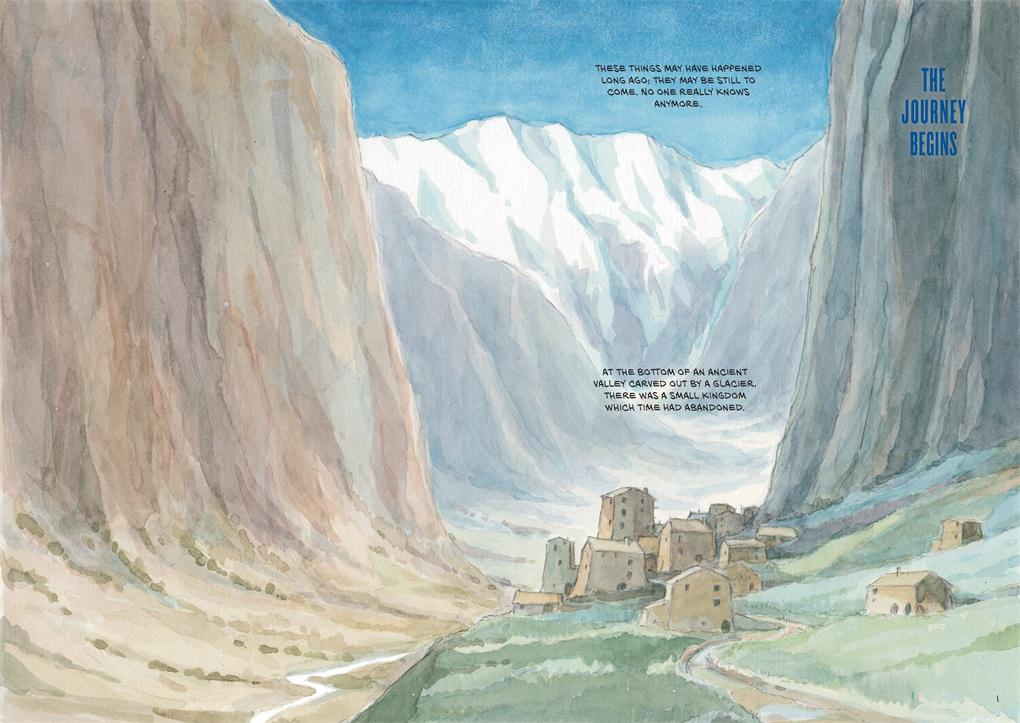
“These things may have happened long ago; they may be still to come. No one really knows anymore.” In this tale a small kingdom exists in an ancient valley, just scraping by. There’s hardly enough food to feed anyone. Here a prince by the name of Shuna lives, and one day, after rescuing a stranger, he learns of a grain that would feed his people indefinitely. The old stranger never found the food, but Shuna is invigorated by the quest. Against the advice of the elders he sets off to see the world and find the grain. Along the way he encounters slavers, a strange moon that travels across the sky at great speeds, kindness, cruelty, and at last a strange land where attaining knowledge means losing everything you have.

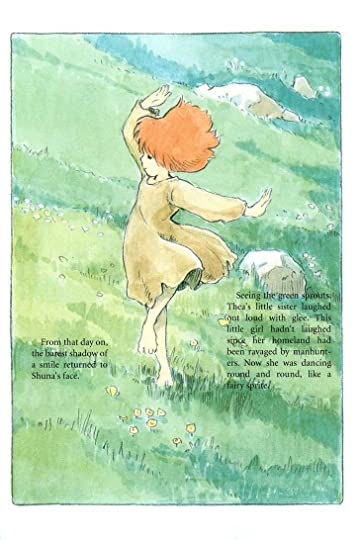
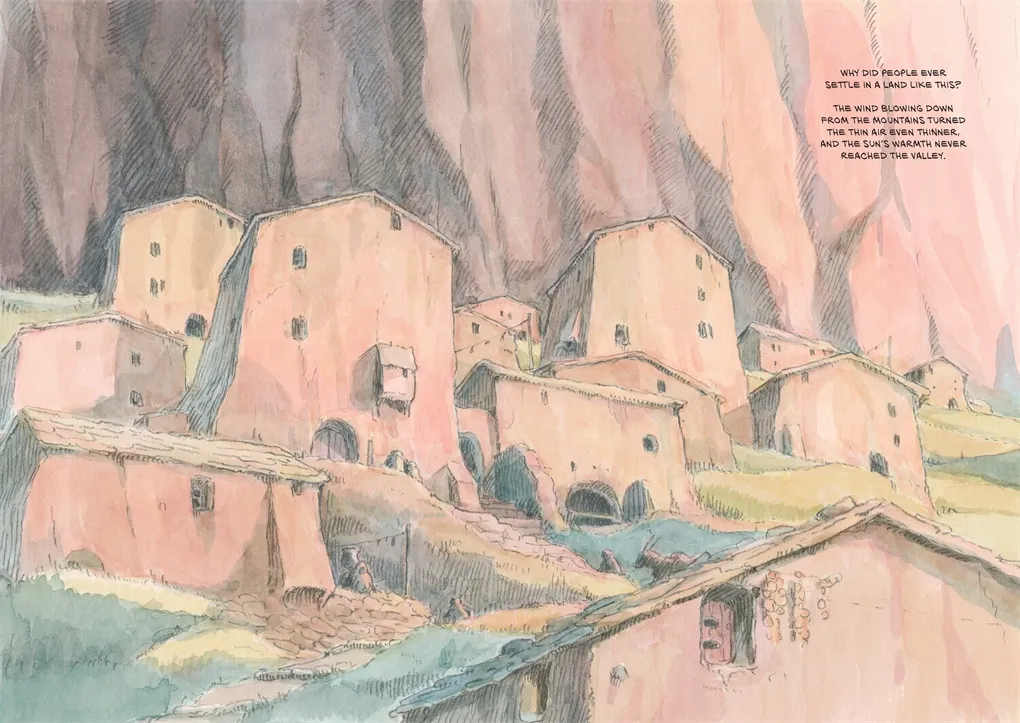
Epic. Definition: extending beyond the usual or ordinary especially in size or scope. Miyazaki has never been a man afraid of the big picture. Indeed, his films have a tendency to go big or go home. And clearly, after reading Shuna’s Journey this was always the case. I love a children’s book that makes big swings and it doesn’t get biggier or swinginger than this! First and foremost, there’s the story itself. In his Afterword, Miyazaki explains that the Tibetan folktale he based his story upon may have connections to reality. After all, the tale is all about bringing a cereal back to your country. Miyazaki notes that barley is a staple in Tibet but originated in West Asia. From such simple beginnings, though, he crafts an otherworldly reality that’s just as likely to yield wonders as horrors. Late in the book it starts to resemble nothing so much as Jordan Peele’s film Nope, albeit with more jolly green giants getting eaten alive by critters. Then there is the art, which Miyazaki painted himself. They look like watercolors and he just seems to be having such fun with this world. Ancient crumbling statues are the name of the game, but he’s just as adept at nature and architectural details as well. A second read and I picked up on details I might have missed the first time around. There are quite a few layers to the whole enterprise.

Shuna no Tabi (Shuna’s Journey)
Copyright © 1983 Studio Ghibli
All rights reserved.
First published in Japan by Tokuma Shoten Co., Ltd.

The world constructed here is strange and adding to that strangeness is the fact that Shuna goes on an unusual hero’s journey. To be perfectly frank, I’m not used to stories where you follow one character for 110 pages and then the focus switches to someone else for the remaining 34. The choice made here is to render Shuna utterly helpless for the final act of the storyline. Because he did an act of kindness early on, he is saved by those saved by him. Early in the story Shuna saves a girl named Thea and her younger sister from the manhunters. Later, when he has stolen some of the golden grain, his memory, speech, everything really is taken from him and it’s Thea that has to care for him until he is better. Thea is, herself, a strong character who can take care of herself and her sister very well once they’re on their own. As such, you don’t mind the shift to her perspective when it happens. It’s unusual but not unheard of and fits the folktale feel of the endeavor.

Cultural appropriation is something we Americans understand in a fairly limited sense. We get it if we’re already pretty well and truly familiar with the cultures doing the appropriation. When we aren’t, we get a touch confused. Shuna’s Journey is a rather good example of this. Reading this as a Yank it hadn’t really occurred to me that a Japanese creator taking a Tibetan folktale could be read as appropriation. Certainly this is, as the very first line of the book says, a story that could either be the past or the future, depending on how you prefer to see it. There are also elements of Tibetan culture, but it didn’t feel at any point that the creator was doing much more than taking the place more than a jumping off point for his own very different vision. Still, it’s something to take into account, even as you read.

Shuna no Tabi (Shuna’s Journey)
Copyright © 1983 Studio Ghibli
All rights reserved.
First published in Japan by Tokuma Shoten Co., Ltd.

In his note at the end of the book, translator Alex Dudok de Wit says of Miyazaki’s book that, “it is unique in his career: He has never produced another standalone emonogatari book. Nor, I think, has he ever told a story as beguilingly strange as this one.” The words “beguilingly strange” are absolutely perfect. There’s hardly any other way to describe this book. It reads like a manga, from right to left, but as de Wit points out it prefers captions to speech balloons. He calls it an “illustrated story”, though I think “graphic novel” is probably the most accurate description at this time. Whatever you want to call it, there’s a feel you get after reading this book that is entirely its own. Eerie and unnerving, yet at the same time filled with beautiful and even calming moments, this is a book to entice those that have never seen a Miyazaki film and to enthrall those already under his spell. I’ll say it again. “Beguilingly strange”.

On shelves now.

Source: Final copy sent by publisher for review.

Filed Under: Best Books, Best Books of 2022, Reviews, Reviews 2022 Tagged With: 2022 graphic novels, 2022 reviews, Alex Dudok De Wit, Best Books of 2022, First Second, graphic novels, Hayao Miyazaki, Japanese children's literature, Japanese imports, macmillan, middle grade graphic novels

Ellen Myrick Publisher Preview (Spring 2023) Part One!

November 16, 2022 by Betsy Bird

Hooray! It’s that time again! We’re taking a gander at the little guys. Once again Ellen Myrick of Myrick Marketing has done me a solid and given me a preview of some of the books coming out in the near future. That means getting a sneak peek at the independent publishers that create high quality children’s literature but don’t have those advertising budgets of the big guys. Me, I love these books. Often they come from overseas. Often they’re small or strange or quiet and simply won’t catch the eye of someone running out to grab, say, the latest Jennifer Lopez/Jimmy Fallon picture book.

So let’s take a look at what’s on the horizon in 2023. It’s always fun to dip into books that give you a greater understanding of the wider world.

Albatros, as it just so happens, is based in the Czech Republic. Not something that usually comes up when we discuss overseas titles. Particularly those of the snail-like variety:

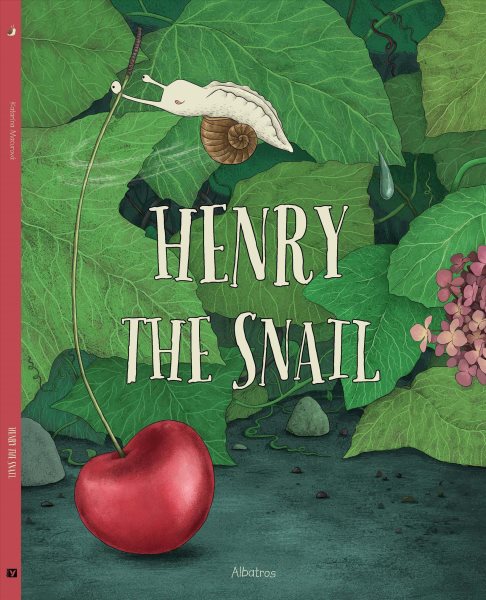
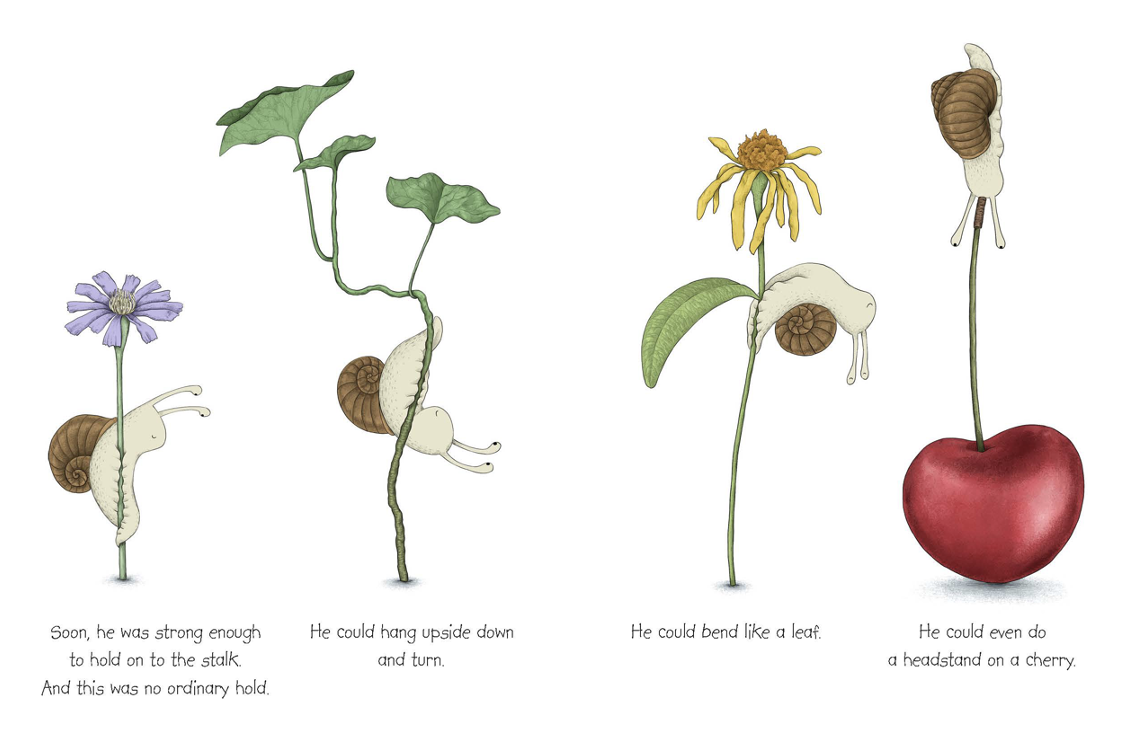
Henry the Snail by Katarina Macurova

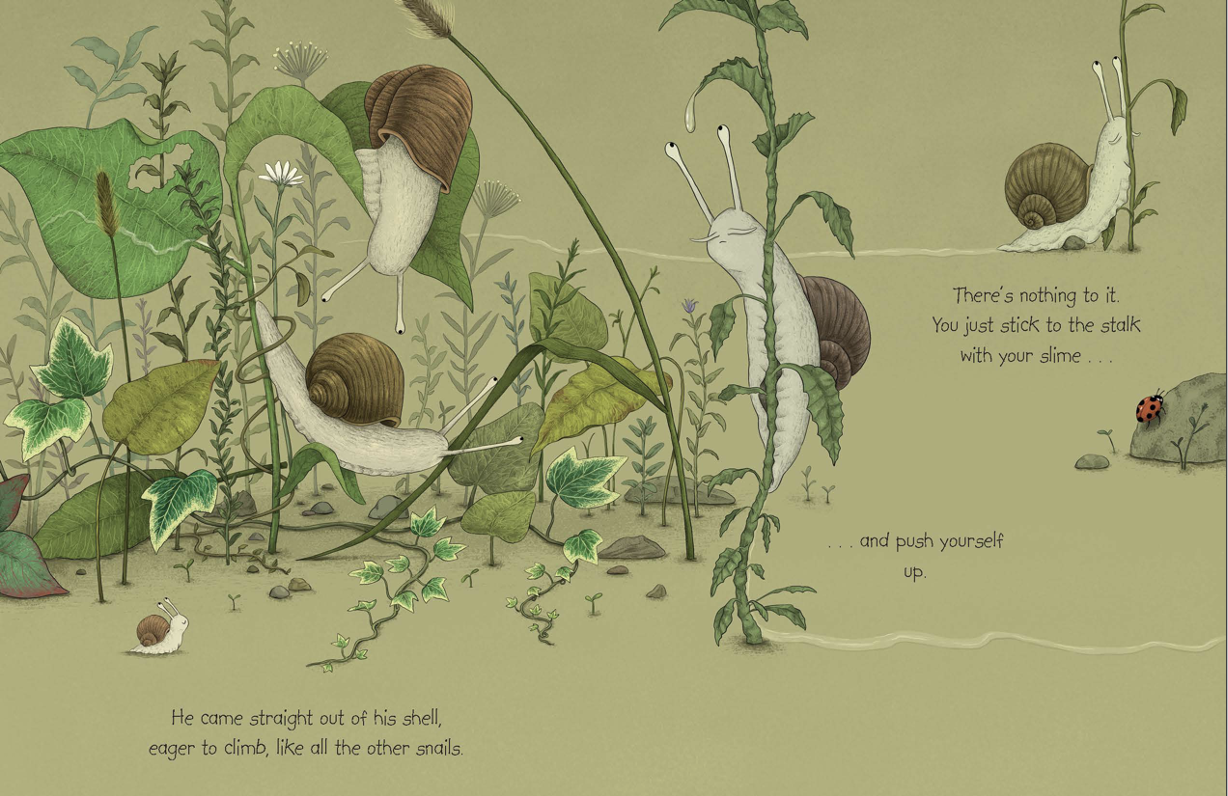
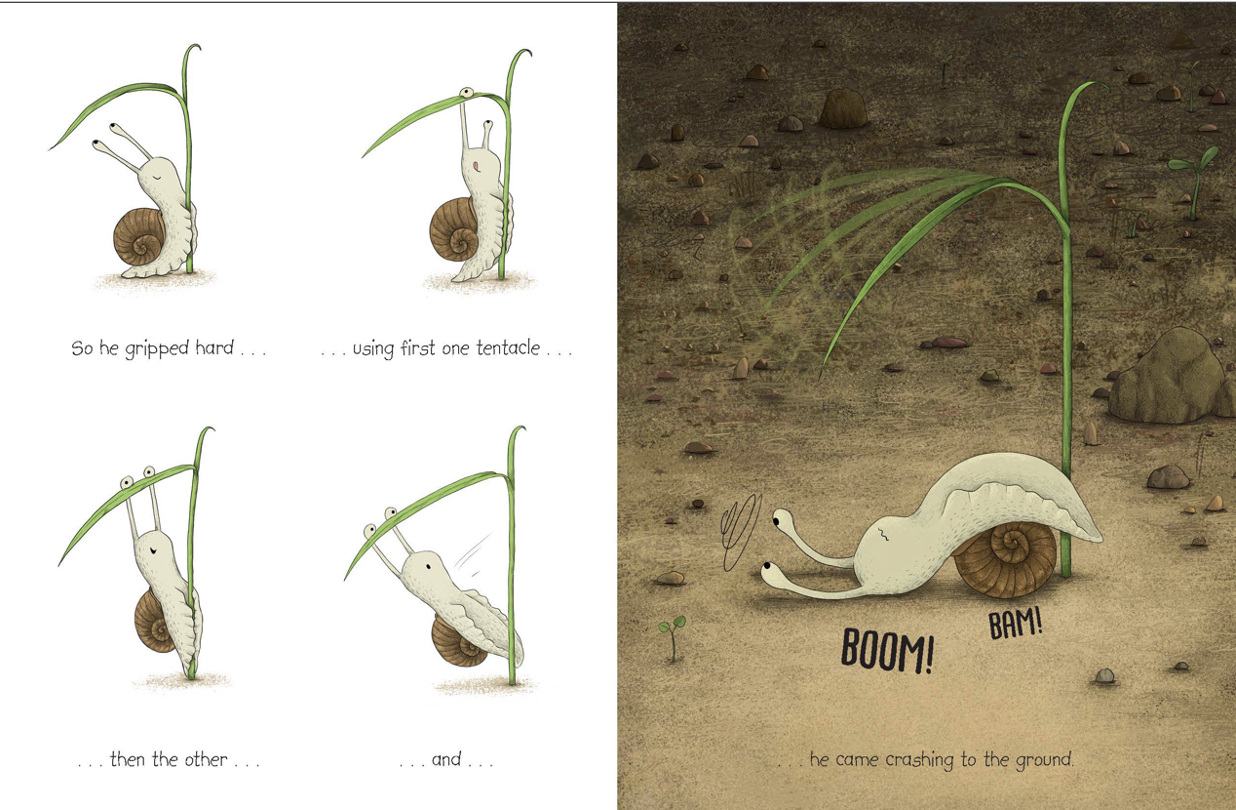
Cute Snail Alert! Hope you like your escargot adorable, folks, because there’s a whole slew of them in this post today. This first book involves a little guy by the name of Henry with a distinct disadvantage in life: no slime. And a snail without slime is a snail that can’t climb. Distraught at first, Henry learns to build up his other strengths and, in doing so, eventually joins the circus. Consider this ideal for a storytime pairing with a craft because, as Ellen told me, “Anytime you can talk about slime in storytime, it’s a good thing.” 

And now a new publisher . . .

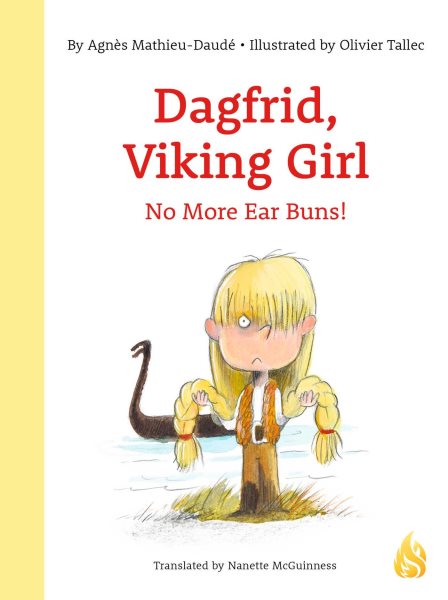
Dagfrid Viking Girl: Secret Viking Wishes and No More Ear Buns by Agnès Mathieu-Daudé and Olivier Tallec, translated by Nanette McGuinness

It takes precisely zero effort to get me to read a book that Olivier Tallec has illustrated. I don’t know why this is, but it’s true. Tallec’s style is absolutely, utterly, and inexorably engaging. And I didn’t know how much I needed a grumpy Viking girl in my life until I saw Dagfrid’s dang face on these covers.

Now don’t let these covers fool you. This is actually an early reader chapter book series. For whatever reason, I’ve discovered that other countries are consistently better at creating this particular age range of books than we are. We do okay, but our output is NOTHING compared to theirs. And this plot is all about a girl upending gender stereotypes left, right, and center. Plus, I’m sorry, but I love this description:

“Many things bother Dagfrid. Her name, for starters. And life as a viking girl isn’t exactly a piece of cake: you have rolled-up braids, like buns, on your ears, you wear dresses that are too long to run with, and you dry fish. In fact, fish is all you eat, even when you’re not a girl. But girls, they can’t even navigate and go explore America.

Well, until now. Because Dagfrid is really sick of dried fish.”

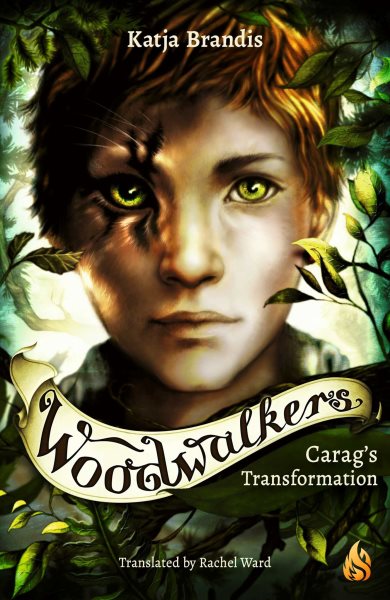
Woodwalkers: Carag’s Transformation by Katja Brandis, translated by Rachel Ward

If you’ve ever thought to yourself, “I like Animorphs, but I wish they were more German”, then have I got good news for you! This series, a bestseller in Europe, starts off with Carag, who is a puma shapeshifter. One thing they’re stressing about the series is that it has humor. That right there is enough to make me sit up and take notice.

By the way, have you noticed how ever since the Batchelder mentioned that translators have to have their names on the covers in order to be considered, a LOT more books have started doing that? I LIKE this trend very much indeed!

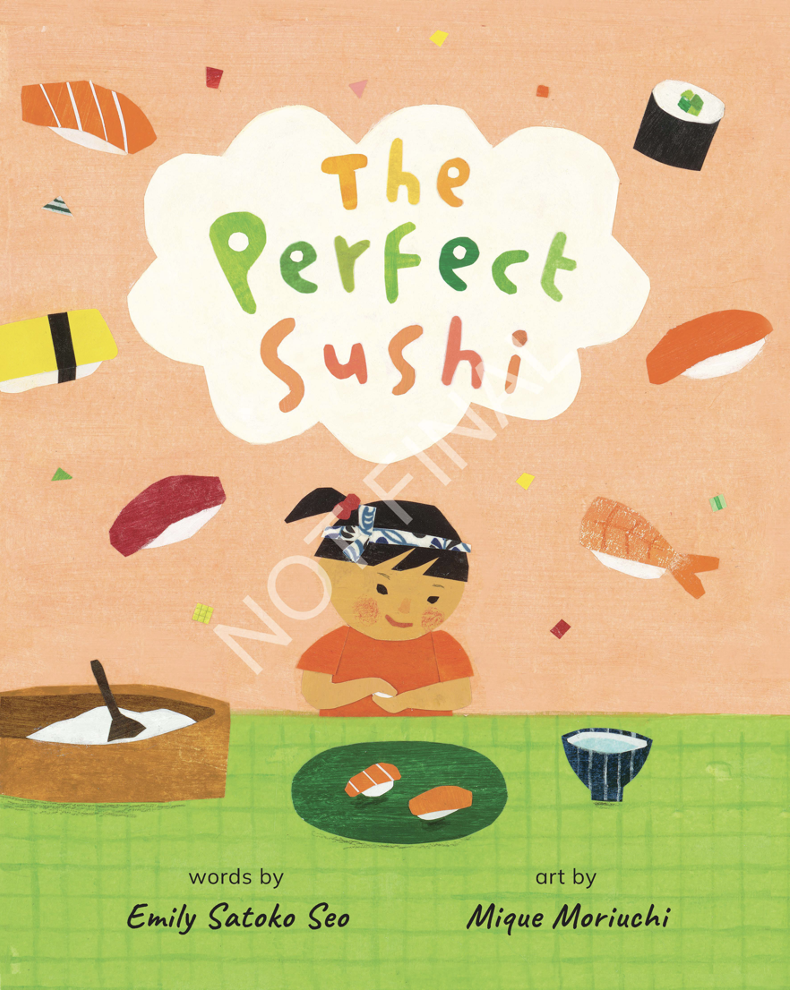
The Perfect Sushi by Emily Satoko Seo, ill. Mique Moriuchi

Kimchi had its moment. Now it’s time for sushi. In this story a girl named Miko is absolutely obsessed with perfection. You know the kid. The one who always paints within the lines and writes all her lines neatly. So when she decides that she wants to make perfect sushi for her grandma it seems like a great idea.

Okay. A show of hands. How many of you out there have made sushi before? Part of the reason I like the premise of this book so much is that I have done a sushi making class with my sister and it is a WHOLE THING. In fact, I can hardly think of a better vehicle for showing kids that sometimes it’s okay for something not to be perfect when it’s made with love. And yes. I know you were wondering. There’s a recipe in the back. 

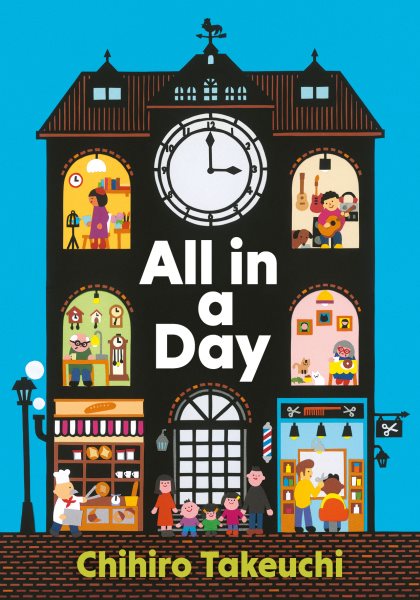
All in a Day by Chihiro Takeuchi

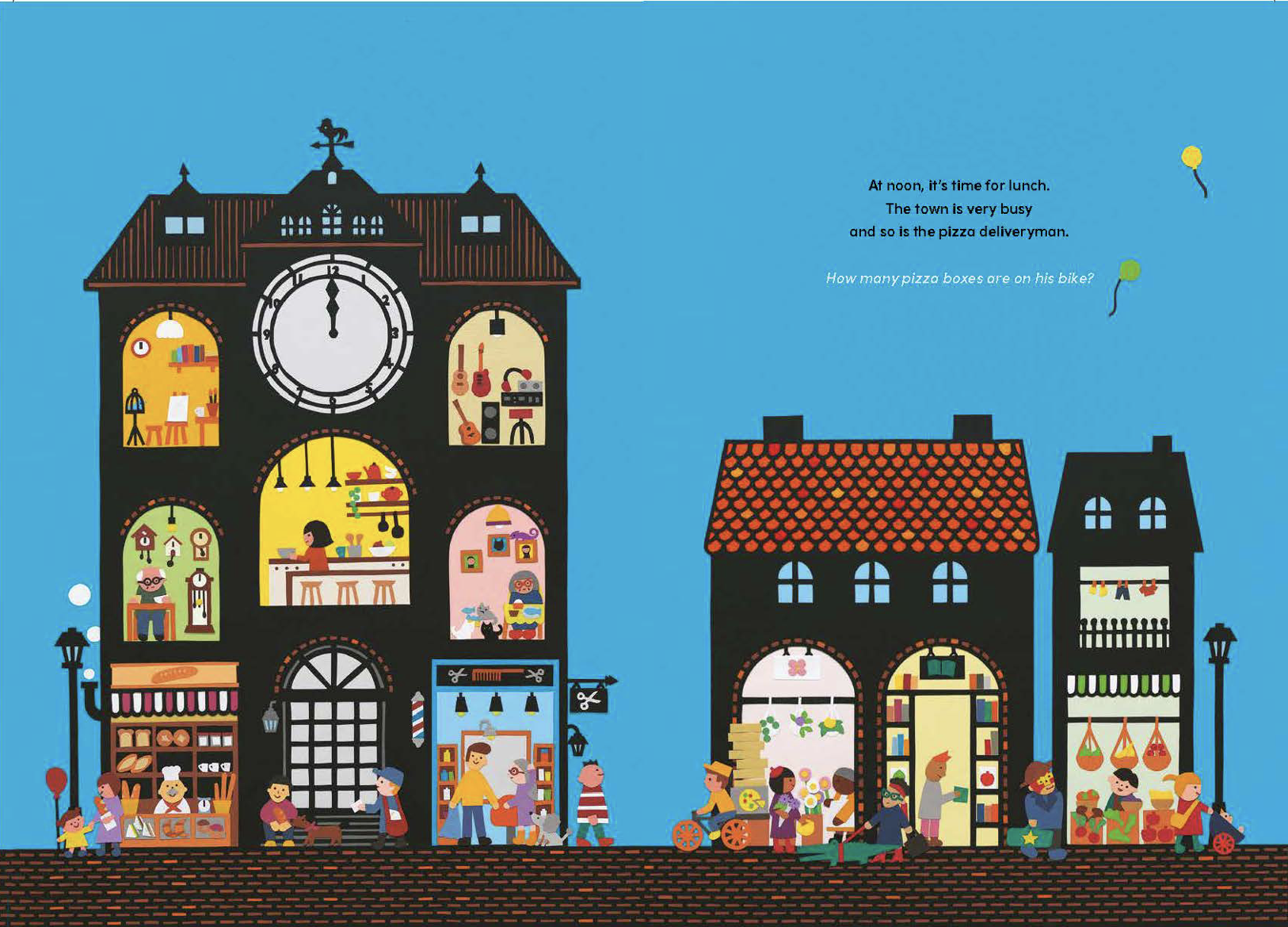
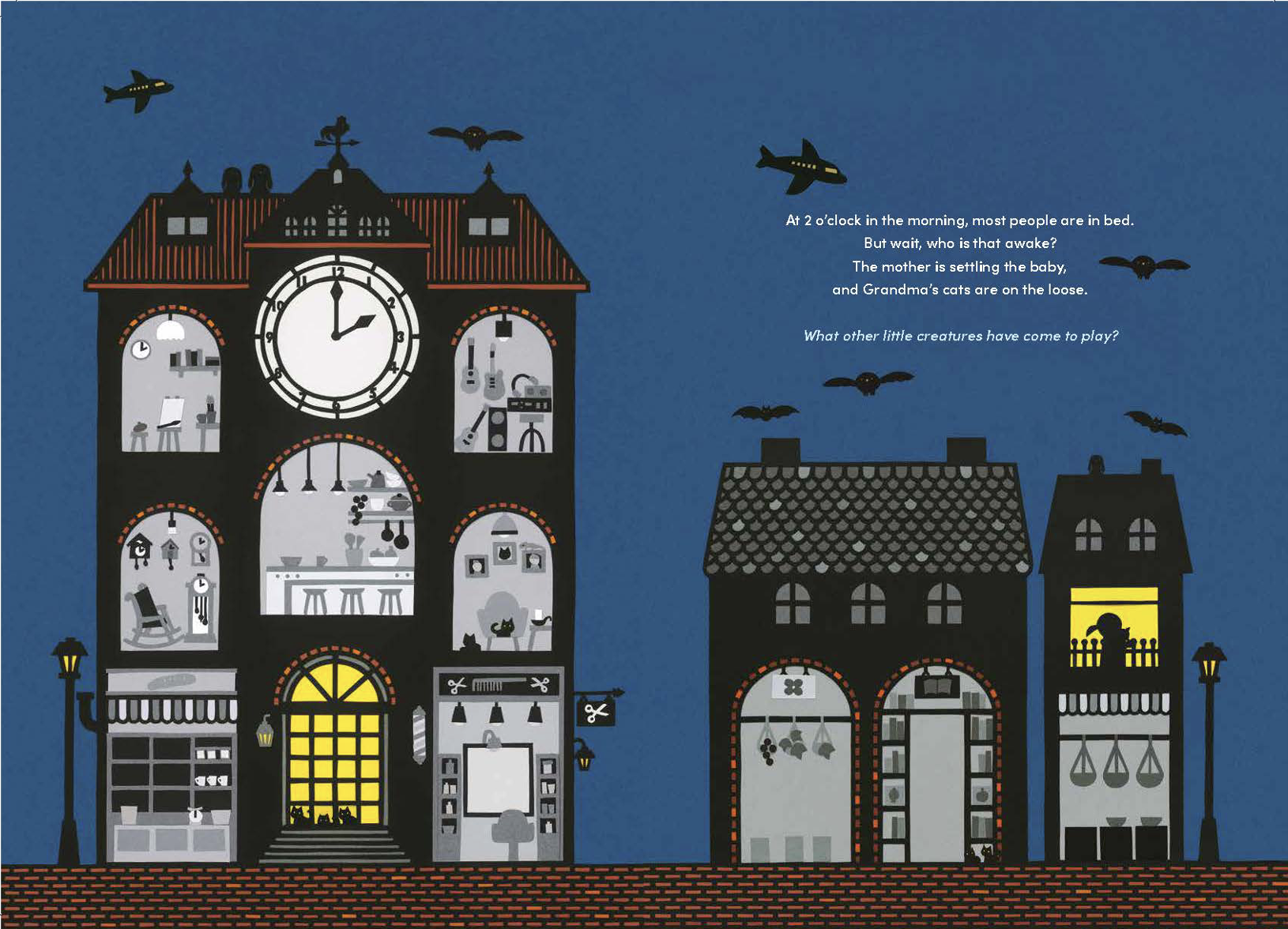
Getting some serious Playmobile vibes off of this one. You feel it too? So if the name “Chihiro Takeuchi” is ringing any bells at all for you, that may be because she created (amongst other things) the fun nonfiction picture book Whose Bones are Those?, released in the States this year. This particular book is a bit different. Takeuchi is a Japanese cut paper artist, so she’s using her skills this time around to show what goes on throughout the day. The clock, as you can see, is ever prominent, and with it as your guide you can see what’s going on at different levels of the house at different times of day. There are also seek and find and other interactive elements.

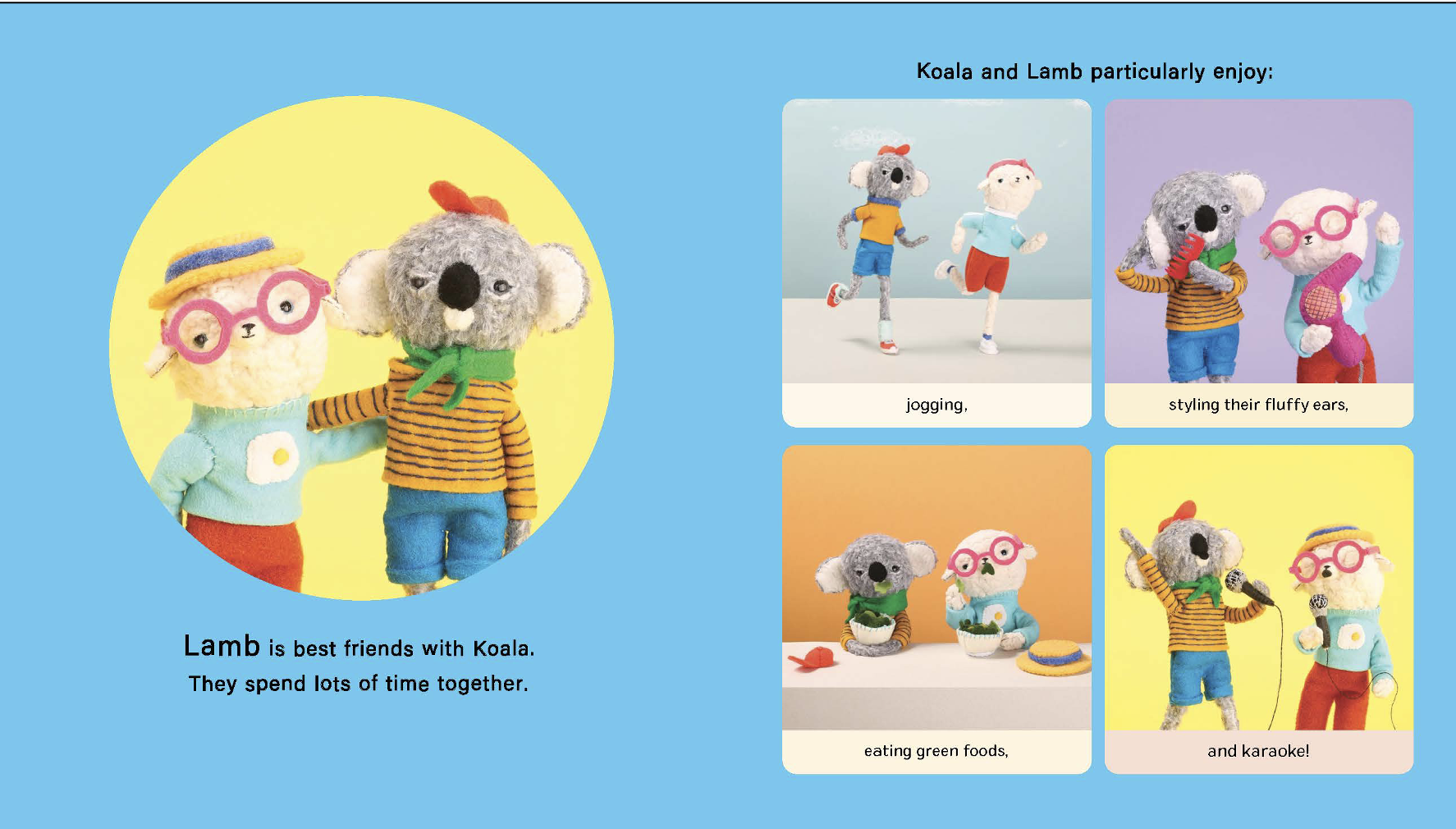
How to Make Friends: A Bear’s Guide by Cat Rabbit

Australian! Models! Little dioramas! Karaoke! Need I say more?

So generally speaking, if your name is Cat Rabbit, I think that you may be legally obligated to create children’s books in some capacity. Cat Rabbit is an artist, you see, with a rather large social media following. Hearing this, I decided to see if it was true and yup. 162K followers on Instagram alone. That’s not small potatoes. There was even an exhibit of her work in Portland last month. The plot of the story itself is pretty much in the title. And sure, models are cute, but what I like about the art is the changing perspective from scene to seen. It’s excellent design, and I particularly enjoy the bird’s eye views.

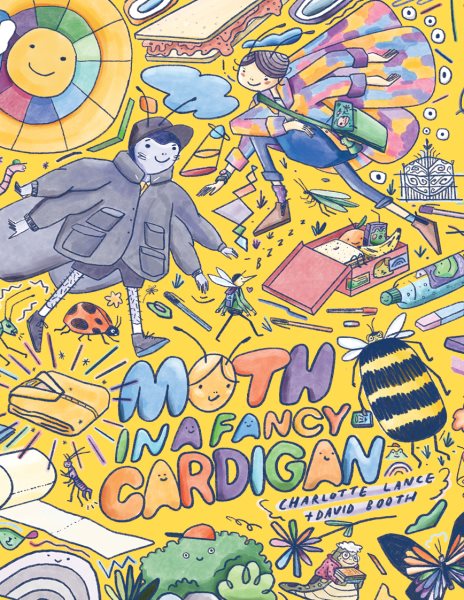
Moth in a Fancy Cardigan by Charlotte Lance, ill. David Booth

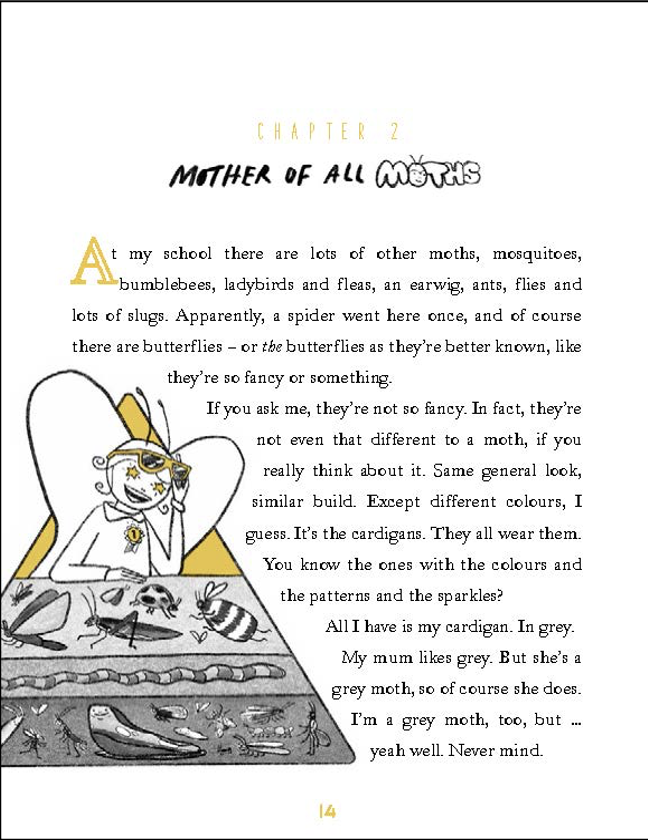
Illustrated middle grade novel, alert! So somehow the muralist/graffiti artist David Booth (wildly famous in Australia, they say) was convinced by author Charlotte Lance to do this, his first illustrated chapter book for kids. In the story, Gary Grey Moth wants to be noticed. Florence Butterfly wants anything but. Will switching sweaters change their lives? There are two color illustrations throughout the story. Looks cute!

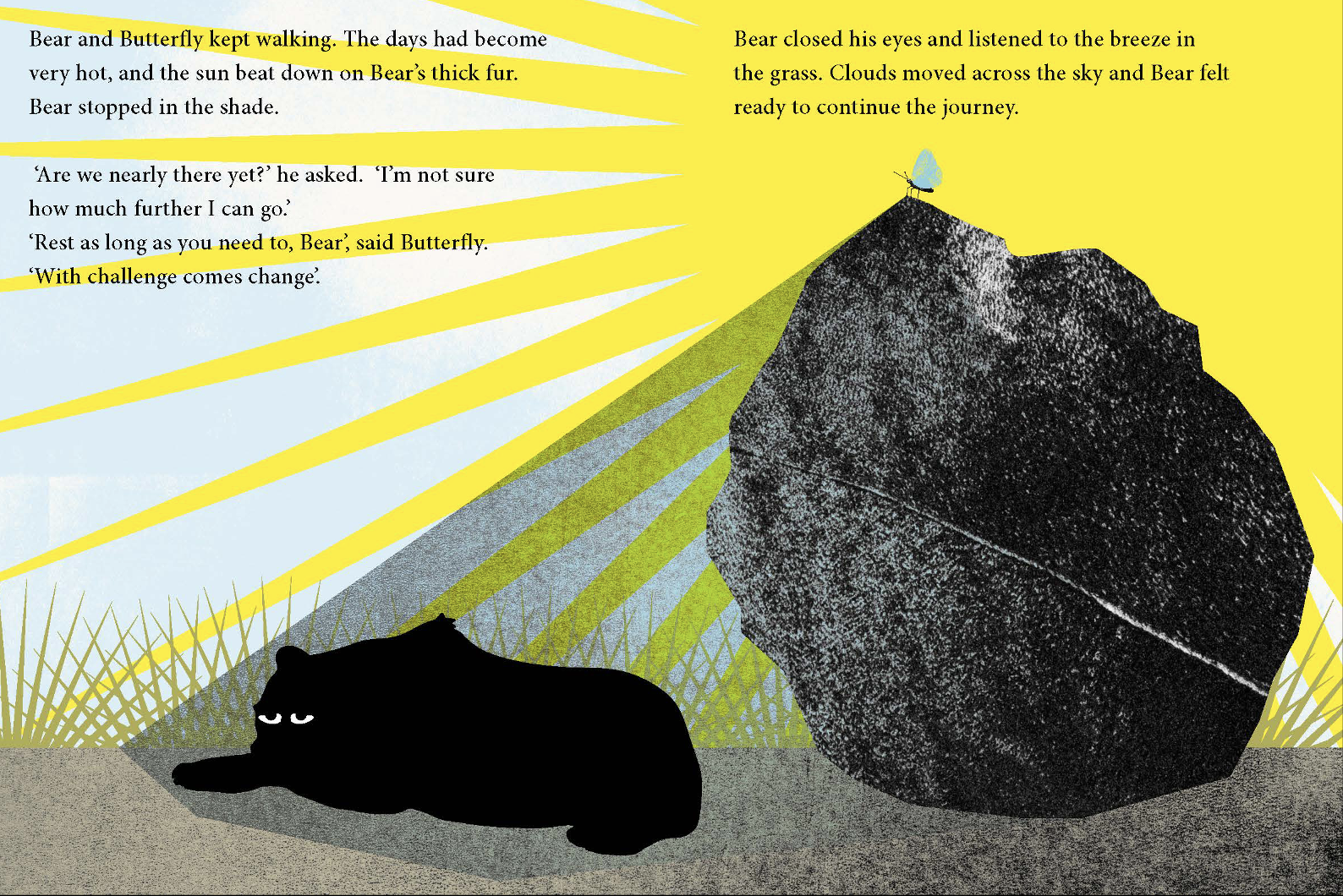
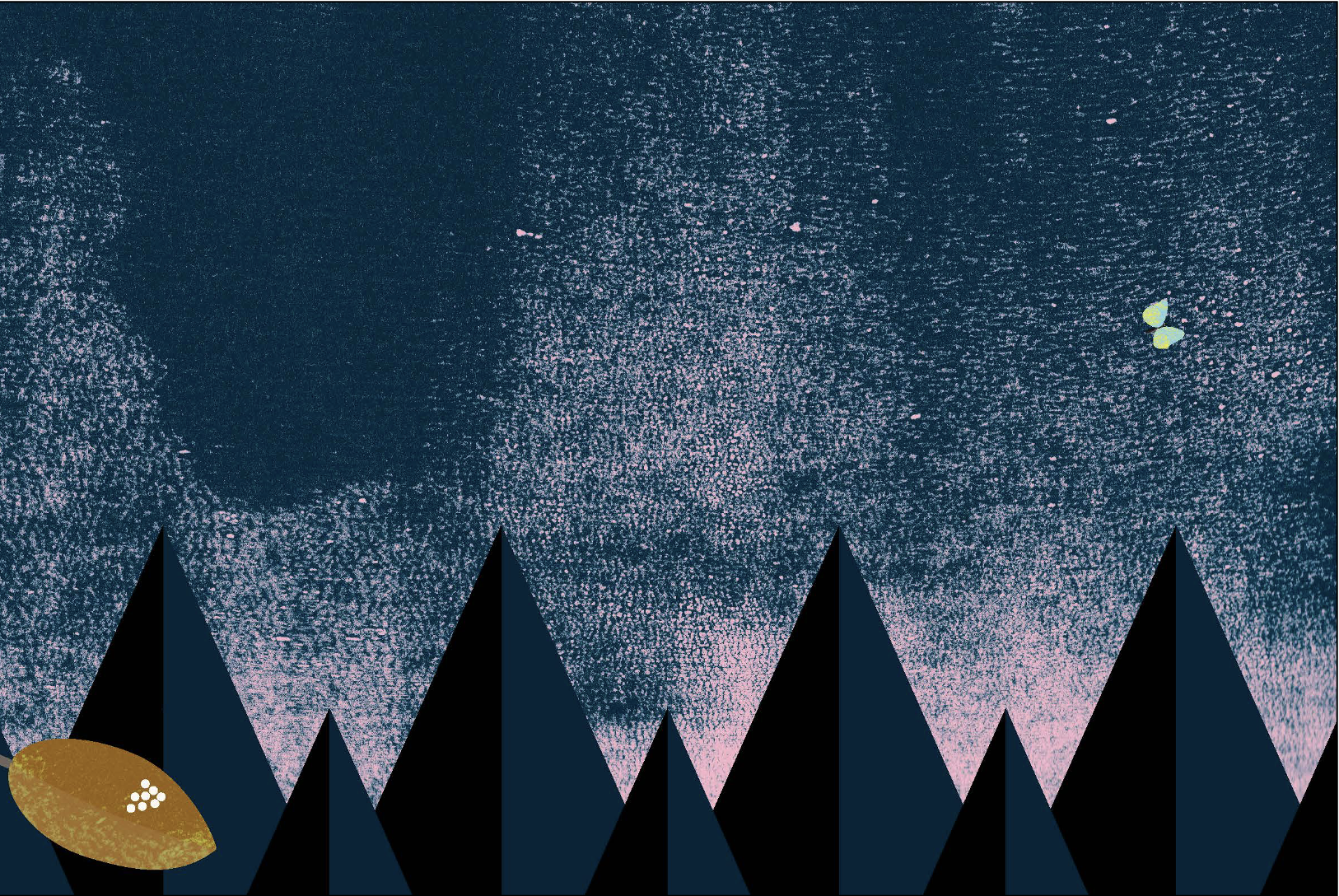
Are We There Yet by Sven Völker

Back in 2019 I was a real fan of Völker’s book A Million Dots. Partly because I always appreciate a picture book unafraid to tackle mathy topics. Partly because it managed to end up on the New York Times/New York Public Library Best Illustrated list of that year. This book shares the simplicity of his previous title, but has a bit more structure in terms of a plot. Here’s how its publisher describes it:

Bear wakes up after his long winter’s sleep and joins his friend, Butterfly, on a journey. Where are we going? Asks bear. All journeys have secret destinations, says Butterfly. As they travel through forest, over hill and across a great river, Butterfly offers her wisdom about hardships, facing one’s fears and living in the moment. Bear’s natural impatience gradually softens into acceptance of the world around him. As the seasons change, the friends find themselves once more in front of Bear’s cave. Landscapes look different with different eyes and the end of one journey is the beginning of another.

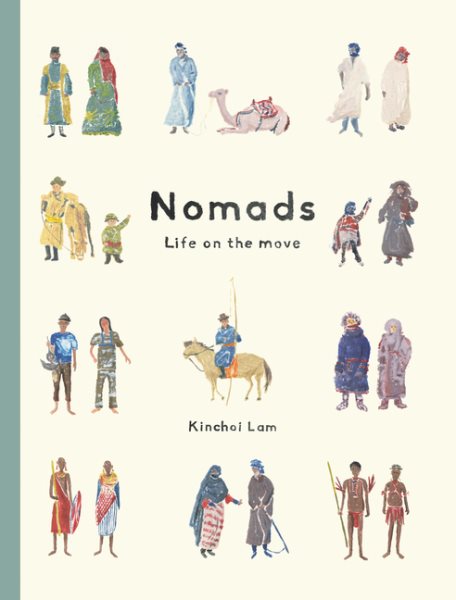
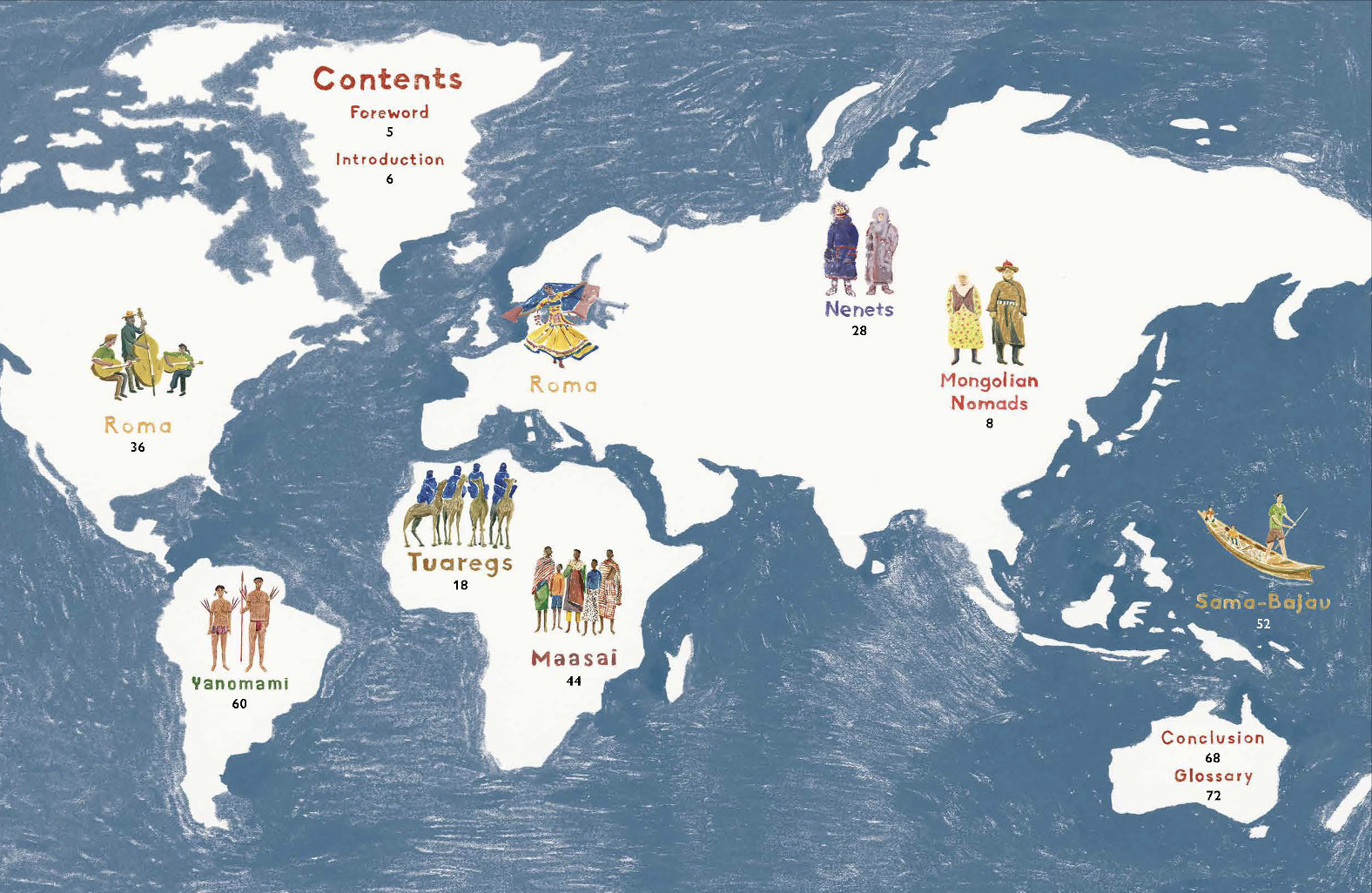
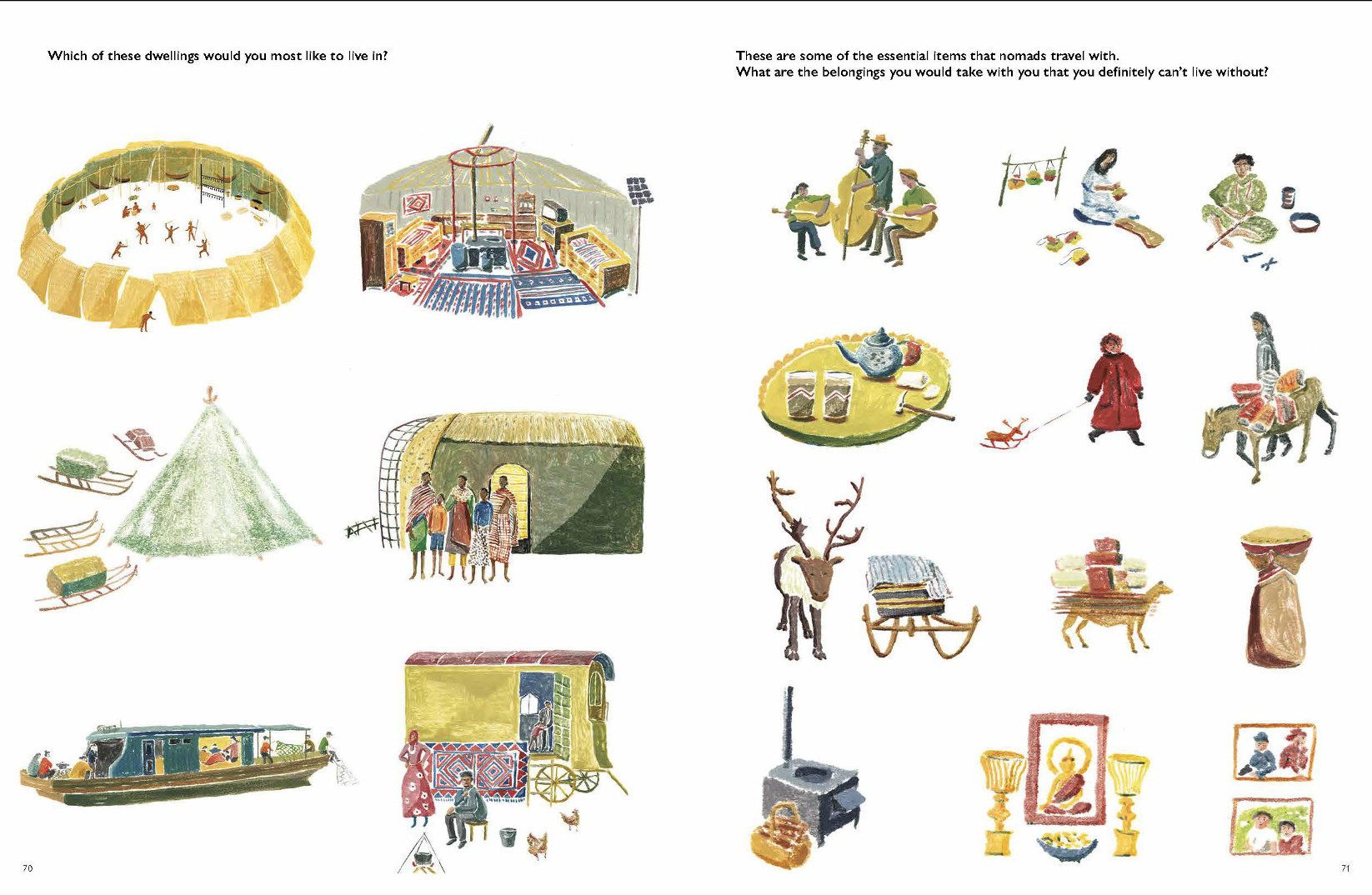
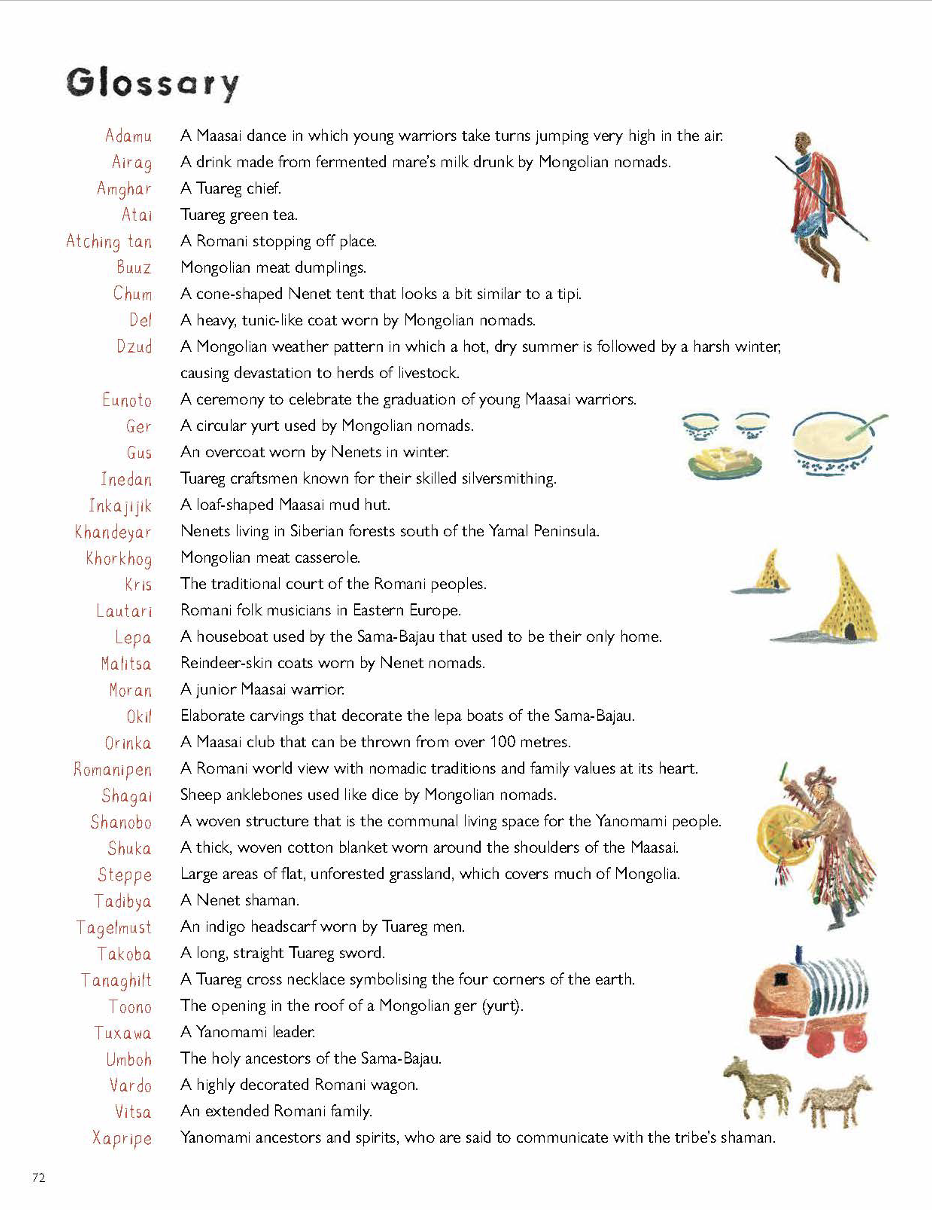
Nomads: Life on the Move by Kinchoi Lam

It does seem more than a bit strange to me how few books children have on certain topics. We’ve seen nomadic life exemplified in picture books from time to time, but a nonfiction text that looks at how nomadic life came to be and the seven nomadic tribes that exist to this day is without compare. As the copy for this book puts it, “This book is a wonderful introduction to sustainable living as a contract to capitalistic societies.” Impressive Glossary too.

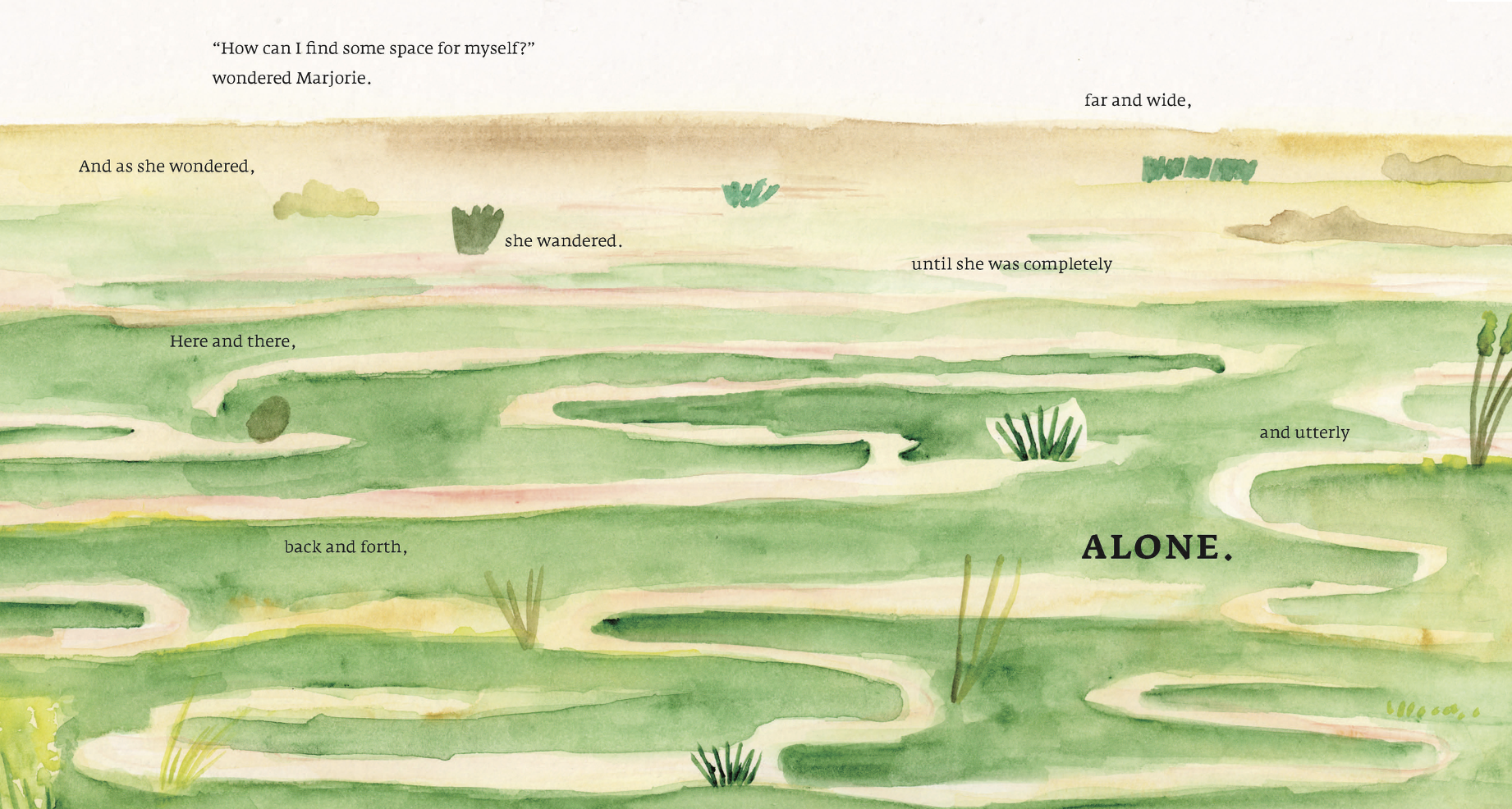
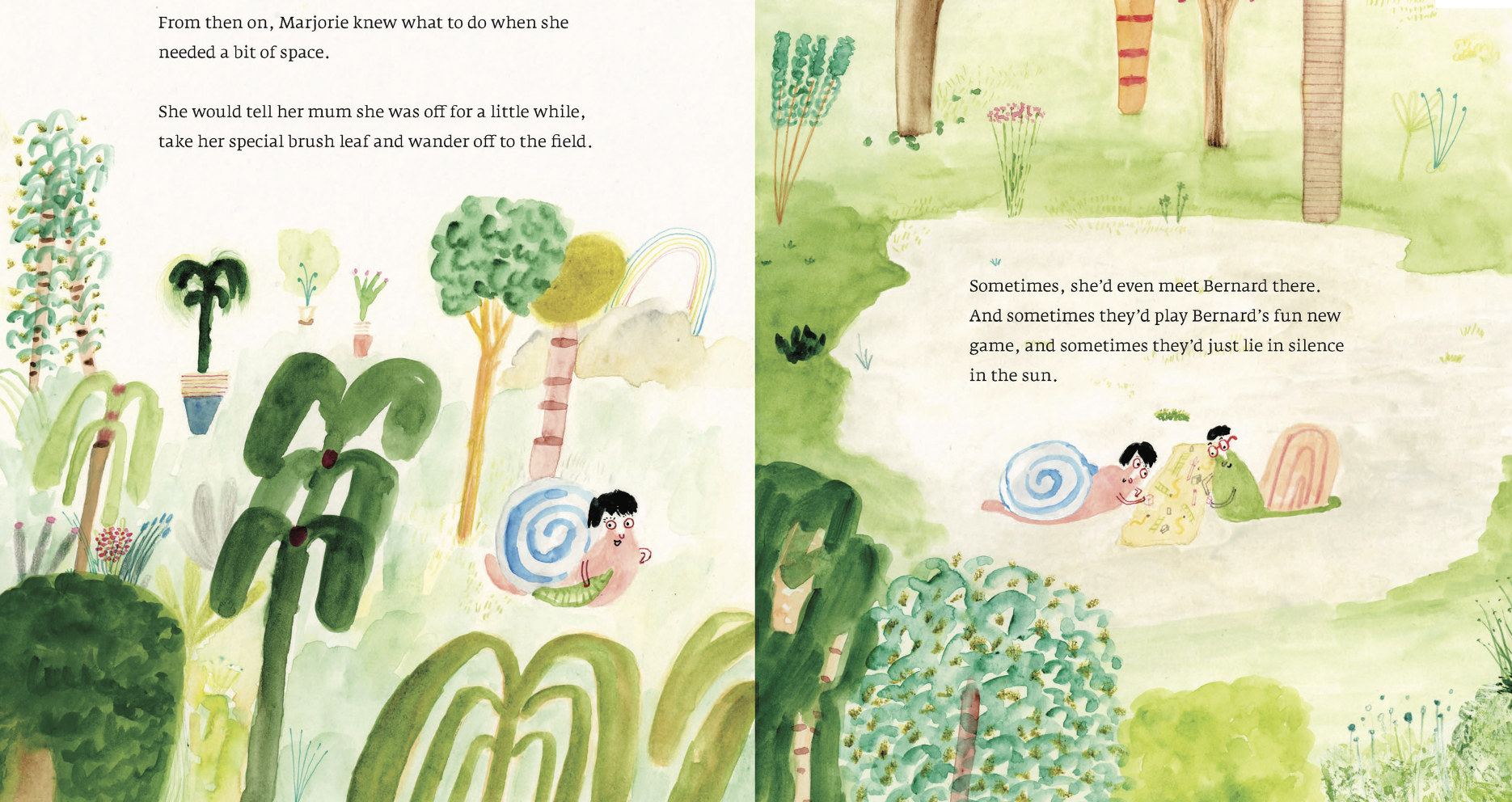
Snail Train by Ziggy Hanaor, ill. Christos Kourtoglou

And you thought I was kidding about there being more than one snail book today. Not a chance! Snails are clearly poised to be the hip critter of 2023.

If the first book we looked at today (Henry the Snail) was all about a snail that can’t make slime, it seems fitting to bookend today’s post with this Greek tale of Marjorie, a little snail who is TOO successful at producing slime. Everywhere she goes, her trail follows her, making it impossible to get some time to herself. We’ve all been there.

By the way, am I the only one who sees the title and the tune of “Peace Train” by Cat Stevens comes to mind? Just me? Got it.

Filed Under: Publisher Previews Tagged With: Albatros, Arctis, Barefoot Books, Berbay Publishing, Cicada, Ellen Myrick, publisher previews

The Yellow Áo Dài : A Talk with Hanh Bui and Minnie Phan

November 15, 2022 by Betsy Bird

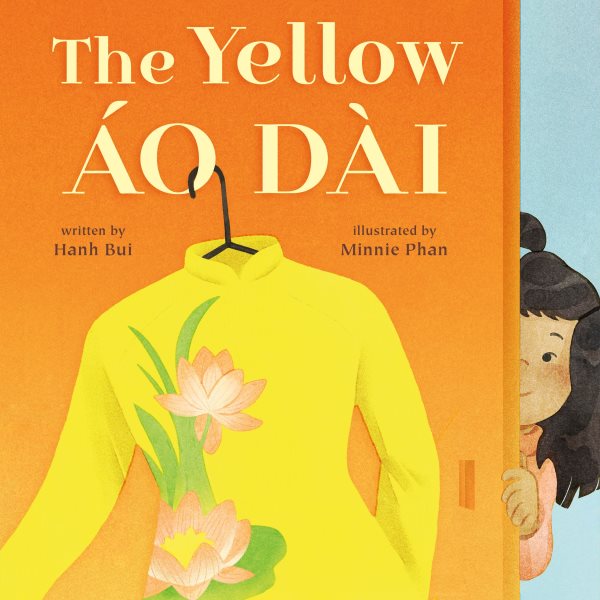
Just back in July of this year I had the chance to host author Hanh Bui in a guest post entitled Libraries and Librarians Enrich Lives Far Beyond Books (a sentiment of which I’m rather fond). Honestly, it seemed only natural that when Hanh’s debut picture book came out I’d get a chance to talk to her about it. Today, however, it’s even better than that. We’re discussing her upcoming Spring 2023 title The Yellow Áo Dài not just with her but with illustrator Minnie Phan as well!

Here’s a rundown of the story:

Naliah is excited to perform a traditional Vietnamese Fan Dance at her school’s International Day. When she finds that her special áo dài no longer fits right, she goes to her mom’s closet to find another.

She puts on a pretty yellow one—only to accidentally rip it while practicing her dance. She’s horrified to discover that this was a very special áo dài that her grandmother had worn to dance at the Mid-Autumn Festival in Vietnam.

But with a little help from her mom’s sewing kit and her grandmother’s loving legacy, Naliah learns not only how to mend the yellow áo dài but also how to believe in herself and make it her own.

And here, as promised, are the creators themselves:


Betsy Bird: Hanh, I’d love to start with you. Can you tell me just a little bit about how this book even came to be? Is there some truth behind the story? Any autobiographical details we should know about?

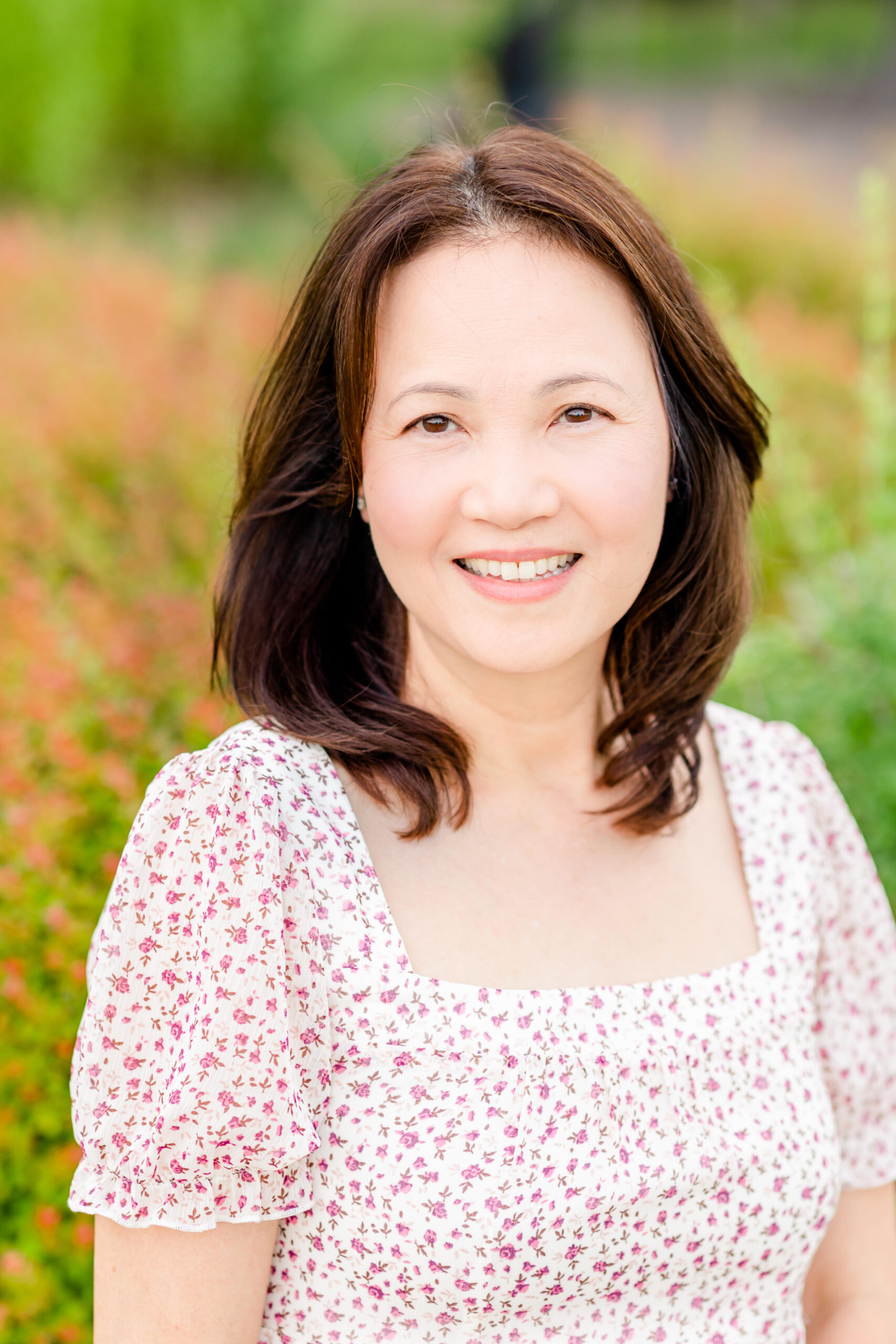
Hanh Bui

Hanh Bui:The Yellow Áo Dài is inspired by my daughter and her grandmother, my mother-in-law. When my daughter was six-years-old, she attended Grandparents’ Day at her school. She felt sad and different from her classmates because she didn’t have grandparents. One day she discovered the áo dàis in my closet that belonged to her beloved grandmother who passed away when my daughter was a baby. She asked if she could try on the yellow one, her favorite color. She was much too small for it. We negotiated back and forth and finally agreed she could wear it when she turns sixteen. I explained to my daughter that each áo dài carries special memories of an event when her grandmother wore it. My daughter was overjoyed to learn that she and her grandmother both love yellow, the color of happiness. Her favorite story is of her grandmother being crowned the Mid-Autumn princess when she was a school girl in Vietnam. In this book, I wanted to also honor my mother-in-law’s resourceful sewing skills. She made and mended clothing for herself and her family. My mother-in-law’s special áo dàis and our family stories helped my daughter to feel connected with her grandmother. I knew this was a story seed for a book celebrating family ties and our Vietnamese heritage. 

BB: And Minnie, how did you get involved with the project? What was it that intrigued you about it? What did you feel you could bring to the page?

Minnie Phan: I was brought onto the project by my fabulous agent, Andrea Morrison at Writers House. When I was sent Hanh’s manuscript, I leapt at the opportunity to be the illustrator. A book like The Yellow Áo Dài did not exist when I was a child. I was thrilled to be part of a new generation of picture books. 

I felt I could bring to the page a shared love of Vietnamese culture and identity. The characters would not be caricatures; they’d be informed by an authentic Vietnamese perspective. 

Also, it was not just what I could bring to the page, but what our team could build together. Shout out to Melissa Vuong, our book designer, who was phenomenal and served as an unofficial sensitivity reader. This book is Vietnamese AF!

BB: Hanh, one of the things I like so much about the book is that it’s a contemporary story about a Vietnamese-America kid that focuses on the present day. Could you talk a little bit about visibility in picture books and the importance of having these stories told?

HB: Representation in children’s literature is important in order for us to celebrate the experiences of families from all different cultures. In doing so, we can show more children that they matter and foster empathy for others. As a child, I didn’t see myself between the pages of books. Even now, there are few books that portray the experiences of today’s Vietnamese Americans with authenticity. I want to normalize not only our refugee and immigrant experiences, but to also share our family stories. I believe that stories like mine will help readers of all ages appreciate the many layers of our experiences as Vietnamese Americans. It is my hope for all children to see themselves in books. 

BB: Minnie, one of my favorite moments in the story is when Nailah realizes she’s ripped her mother’s áo dài, and shoves it back into the closet with this mixed expression of guilt and desperation. I think there’s humor to the book that deserves to be called out. Could you tell us a bit about your artistic influences and the picture books that have served as an inspiration to you?

MP: Part of my job as an illustrator is to add to the text in a visual way. What I appreciate most about Hanh’s story is how it subversively pushes against harmful Asian stereotypes. Western society tends to focus on negative Asian mother-daughter relationships. However, in Hanh’s story there are no tiger moms. Instead, there is vulnerability, forgiveness, and love. I wanted to match Hanh’s literary tenderness with my own visual playfulness, further humanizing her characters and how Asians are depicted. Humor serves as a reminder that yes, everyone is simply human. Asian people are as clumsy as we are competent; playful as we are driven. 

Aesthetically, books that influenced me include I Am Golden by Eva Chen and Sophie Diao, Paper Son by Julie Leung and Chris Sasaki, and, without fail, everything illustrated and/or written by LeUyen Pham.

BB: Hanh, you’ve some great backmatter in this book, talking about your own family history as well as providing a Glossary (I particularly like the part about sniff kissing). I’m actually really interested in the choices authors make when they create backmatter. How did you select the photographs? How did you decide which stories to tell? And did you have any help with the Glossary or were you clear on the terms from the start?

HB: I’m honored to share my mother-in-law’s fond memories of life as a young schoolgirl and being crowned Mid-Autumn princess. The picture I selected is of her as a young girl in the meadows of Vietnam.  I am bilingual and grew up speaking both Vietnamese and English. Therefore, I did not need help with the glossary. I was intentional with my decisions to choose Vietnamese words and phrases that I wanted to introduce to our readers. Sniff kisses is one of my favorite traditions as a child and mother. When I was a little girl, I received sniff kisses from my grandparents. As a mom, I give sniff kisses to my children and am grateful for their sweet sniff kisses too. This loving expression of affection is a nod to our Vietnamese roots. I hope that after reading this book, children and the adults in their lives will embrace sniff kisses. 

BB: Minnie, could you talk a little bit about the research you did to prepare for this book?

Minnie Phan
Photo by Kathy Phan

MP: My illustrations are informed by real life and I had a blast scrolling through photos of butterflies, áo dài, Mid-Autumn in Vietnam, and student dance videos from across the globe. Actually, the fan dances in the book directly reference various Vietnamese Student Association performances on Youtube. 

Additionally, I revisited photos from my first solo trip to Vietnam. It was exciting to discover details long ignored: plants growing behind buildings, palm trees dotting the skyline, tin roofs scattered across country fields.

Lastly, due to the complicated nature of growing up Asian American, parts of my childhood simply existed: traditional dresses, foods, ceremonies. I was not often given context for why we did something or where it came from. Researching The Yellow Áo Dài allowed me to bridge cultural gaps and learn about many foundational elements of my life. I’m grateful to this project and Hanh for bringing me closer to my Vietnamese heritage.

BB: Finally, what are you both working on next?

HB: Ánh’s New Word, a picture book based on my refugee experiences, is slated for 2024 with Feiwel and Friends. I also have several other picture books out on submission with my agent. I’m currently working on a middle grade anthology honoring helpers and the important work they do. I’m excited to collaborate with an amazing line up of kindhearted authors and illustrators as we bring our voices together to make a difference. 

MP: Shh, this one is under wraps but…I’m illustrating a picture book about climate change with a Pulitzer prize winning author, set to be published by minedition in 2024. Stay tuned!


I gotta say, interviews are great, but it’s awfully satisfying to hear when creative people have even more irons in the fire. I want to thank Hanh Bui and Minnie Phan for taking the time to answer my questions today. The Yellow Áo Dài hits shelves everywhere April 25, 2023. Look for it then!

Filed Under: Uncategorized Tagged With: author interviews, illustrator interviews, picture book author interviews, Vietnam, Vietnamese representation

  • « Go to Previous Page
  • Page 1
  • Interim pages omitted …
  • Page 150
  • Page 151
  • Page 152
  • Page 153
  • Page 154
  • Interim pages omitted …
  • Page 1048
  • Go to Next Page »

Primary Sidebar