• Skip to primary navigation
  • Skip to main content
  • Skip to primary sidebar
  • About/Contact
  • Fusenews
  • Reviews
  • Librarian Previews
  • Best Books
    • Top 100
    • Best Books of 2022
    • Best Books of 2021
    • Best Books of 2020
    • Best Books of 2019
    • Best Books of 2018
    • Best Books of 2017
    • Best Books of 2016
    • Best Books of 2015
    • Best Books of 2014
    • Best Books of 2013
  • Fuse 8 n’ Kate
  • Videos
  • Press Release Fun

31 Days, 31 Lists: 2022 Simple Picture Book Texts

31 Days, 31 Lists: 2022 Simple Picture Book Texts

December 3, 2022 by Betsy Bird

A new category! It’s been a long time since I came up with one. But since I just couldn’t find the same number of reprinted board books that I usually find, I figured we should highlight those picture books that are best for the youngest of readers. Now, as adults critiquing books for kids, our inclinations are, by necessity, mature. We reward books with complexity and loquacity. This is a bit of a pity, though, when you consider just how hard it is to create a truly original picture book with a simple text appropriate for the youngest of readers. As such, today I celebrate those very books. Titles in which the complexity of text is age appropriate for our toddlers and preschoolers. They deserve good books too, doggone it. Let’s give them what they want!


2022 Simple Picture Book Texts

A Bear, a Bee, and a Honey Tree by Daniel Bernstrom, ill. Brandon James Scott
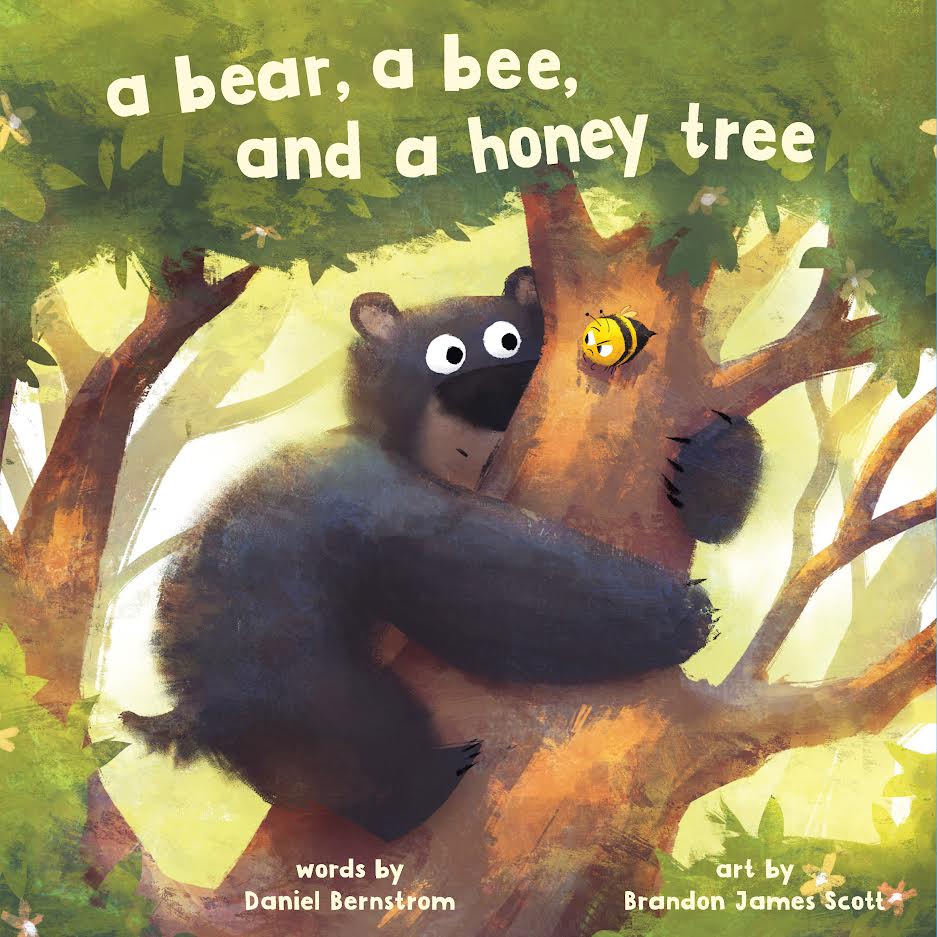
Fuzzy bear. Angry bees. Yummy honey. Silliness abounds in this delightful readaloud full of ursine hijinks. Friends and neighbors, if you read only ONE bear-related picture book this year, let it be this one. I know that we’re on a constant lookout for younger picture books and it can be difficult to find them. Now Daniel Bernstrom first won my heart by creating the truly delightful One Day in the Eucalyptus Eucalyptus Tree a couple years ago. This one has a rhythm of its own and as for illustrator Brandon James Scott, this guy can do so much with eyes. The slightest millimeter to one side or another changes absolutely everything. And the page turns! Dear god, the page turns! Basically, I see this as the ultimate readloud to large groups as well as one-on-one lapsits. Somebody do this in a storytime and tell me how it works! 

Build! by Red Nose Studio
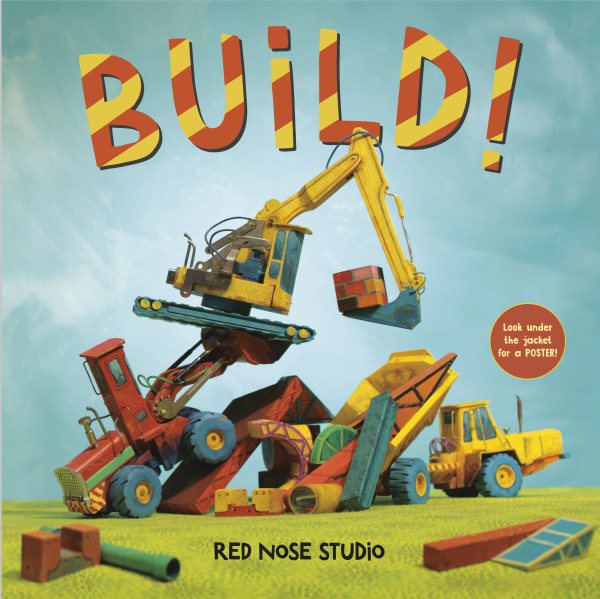
Telescopic handlers, excavators, bulldozers and more! Watch as these great big vehicles (or are they?) hoist and drag, load and push. Construction vehicles have never been this cool. Considering the fact that we’re always on the look out for books that speak to younger audience, let us not discount the fine fine work of Red Nose Studio. Now for a time I was the primary Kirkus reviewer of all picture books related to construction equipment. That was for the very good reason that my son was briefly obsessed with them. This book would have hit all the right notes with him when he was 2 or 3. The text is marvelously simple (easy book simple?) and does all the fun action words you’d like paired to the act of construction. “LOAD” “DRAG” “HOIST”. And because these are all models, there’s a kind of Walter Wick-ish aspect to seeing how the images are made. The threads that are part of the crane, for example. I love the appearance of the kid at the end. Now here’s an interesting detail I’ve not really seen before: Under the book jacket you’ll find additional nonfiction definitions of each vehicle, from payloaders to backhoes, in the form of a useful poster.

Chirp! by Mary Murphy
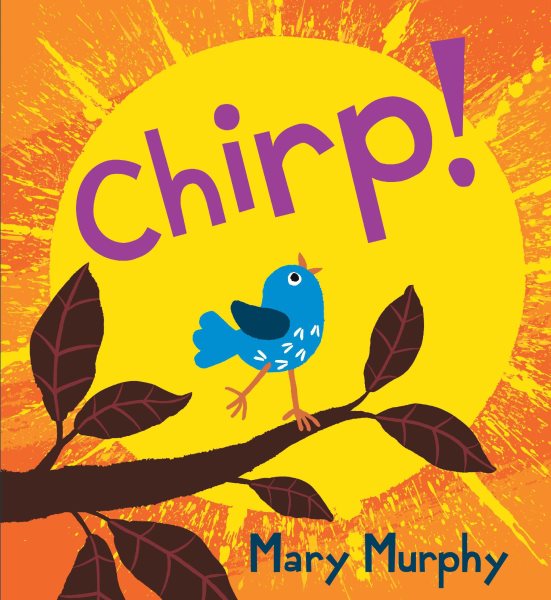
The sun is coming up and the birds are starting to appear. Bouncy rhyming text and beautiful art celebrate the dawn of day and the sounds of our many feathered friends. Okay, folks. I know some of you are always looking for those books for the younger kids that would be reading books from my lists. It’s so easy to praise those complicated stories for 5-year-olds and ignore their 3-year-old siblings. Now Mary Murphy is a known entity. She’s made a name for herself over the years (and I’m not ashamed to say that I’ve read the board book edition of her I Kissed the Baby MANY many times over the years). This book is subtle. It sneaks up on you. At first it doesn’t seem like much, but Murphy is juggling a lot of balls in the air. First of all, she has to include this wide array of birdcalls. She also has to make the whole thing rhyme (which is NOT easy), and in the art the sun has to rise at a glacial pace. There is also a seek-and-find element with the little blue bird apparent on every page. This is a readaloud that could work particularly well with a crowd, and it’s beautiful as well. A hard thing to manage in something that seems so simple.

Firefighter Flo! by Andrea Zimmerman, ill. Dan Yaccarino
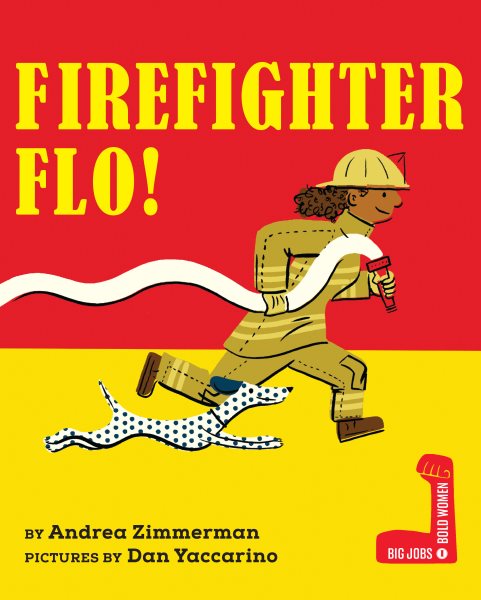
Move over, Mr. Gilly! There’s a new community worker in town and she goes by the name of Flo. When my son was just a little bit of a thing I became, and I don’t like to brag, a connoisseur of the finest firefighting picture books out there (in additional to the aforementioned construction books). Seriously, I managed to grab hold of every single fire-related book published and available in several library systems for a couple of years there. Had Firefighter Flo (part of the “Big Jobs, Bold Women” series from Holiday House) been available, you know I would have snapped it up right quick. Female firefighter picture books aren’t unheard of. As I recall the Susan Middleton Elya/Dan Santat title Fire! Fuego! Brave Bomberos! title did a great job with female representation. And then there was Send a Girl and Molly, By Golly. But both of those have nonfiction feels and read quite a bit older. The nice thing about Firefighter Flo! is that she feels custom-made for a storytime with the little littles. There are some gentle rhymes but I loved seeing Yaccarino back in the saddle, he and Zimmerman reliving their Trashy Town days. Fond of a firefighter trope? This book’s got everything from the poles to the dalmatian.

Hot Dog by Doug Salati
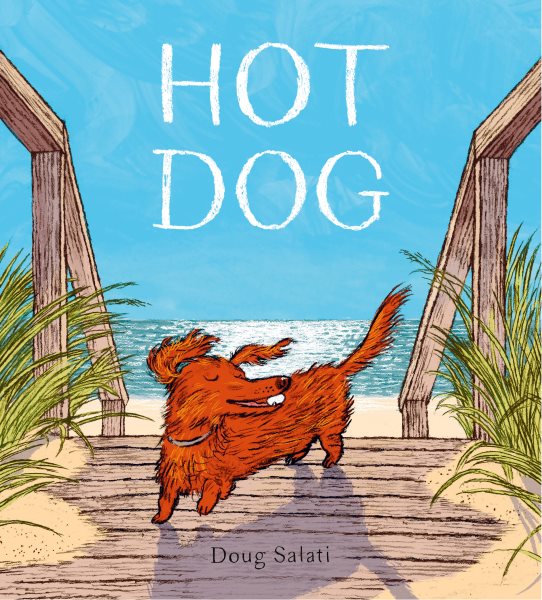
“too close! too loud! too much!” When a little long-haired dachshund is overwhelmed by the city, it takes a trip with its owner to the glorious sea. A book that feels like a deep breath of cool ocean breezes. A book that caught me entirely by surprise. I had walked into this figuring it was just your average, everyday dog book. What I didn’t expect was this author’s amazing ability to really plunge you into this little dog’s head. The claustrophobia of a hot overcrowded city felt so incredibly real. Never have I felt such a palpable sense of relief as when the woman and her dog make it to the seaside and those cool breezes start to blow. Then to have the return to the city feel like everyone has cooled down as well, is lovely. This book isn’t anti-city and pro-beach. It’s about needing to take a break once in a while and to just breathe. Extra points for a realistic look at living in NYC.

I Am a Baby by Bob Shea
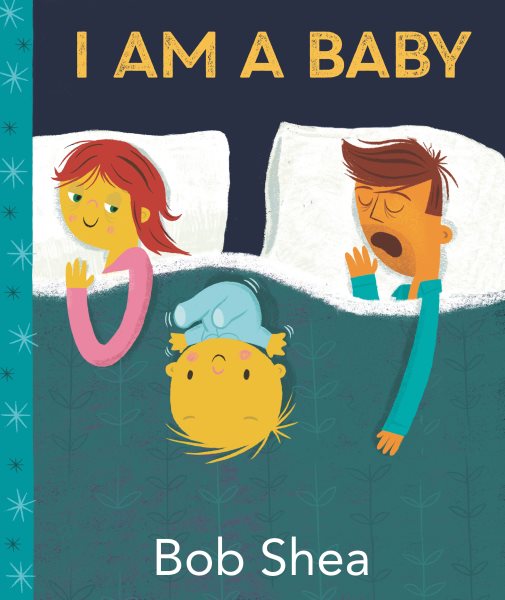
“I am a baby and I am not sleepy”. If this sentence doesn’t strike terror in your heart then you are not a parent. A book that puts proof to the phrase “Cute is a survival mechanism”. I feel obligated to explain that Bob Shea could probably write a picture book about tree sap and I’d invest my life savings to see it go to press. To my mind, he’s hit this golden plateau of uninterrupted successes. Little wonder that I’m gaga (no pun intended) over this baby. With spare language and copious bags under the eyes, we get to see a preternaturally cheery babe wreck glorious havoc with human sleep patterns. Has there ever been so devilish an image as this cutie in footie pajamas grabbing its own footies in the middle of its crib while the text proclaims those deadly words, “I am not sleepy”. This pairs shockingly well, by the way, with the board book twofer by Antoinette Portis out this year called “I’m Up” and (hauntingly) “I’m Still Up” (both recently seen on the 2022 31 Days, 31 Lists Board Books list). I feel like kids will love this just as much as their dream-deprived parents since there’s a beautiful back and forth to the writing. Two exhausted thumbs up.

I’m Not Small by Nina Crews
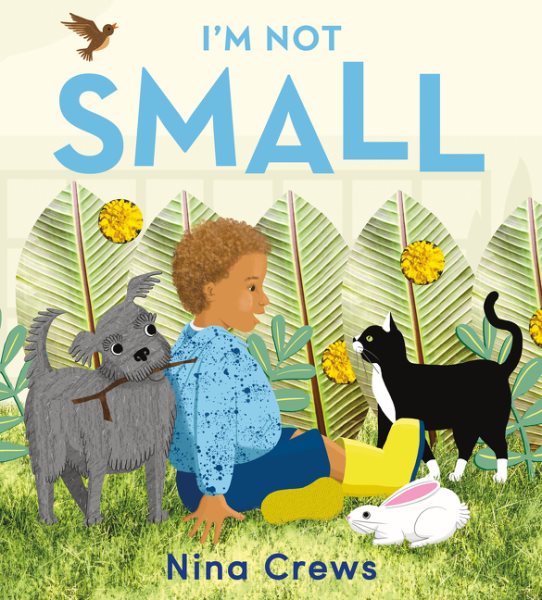
A boy steps into his big backyard and notices what is both bigger and smaller than him. Crisp graphics and concise language explain the concept big and small in a very lovely way. Feel free to also slot this book into the easy book category (and, by extension, a legitimate nomination for the Geisel Award). This is another take on the little/big concept for children, but it’s also subtly giving kids the impetus to declare that in a world where they are small, in some places they tower. I would never have known that this was digital, since I’m so used to Ms. Crews collaging her photographic work. Definitely a strong easy title contender and it even manages to do a bit of an emotional punch with those last two lines.

No! Said Custard the Squirrel by Sergio Ruzzier
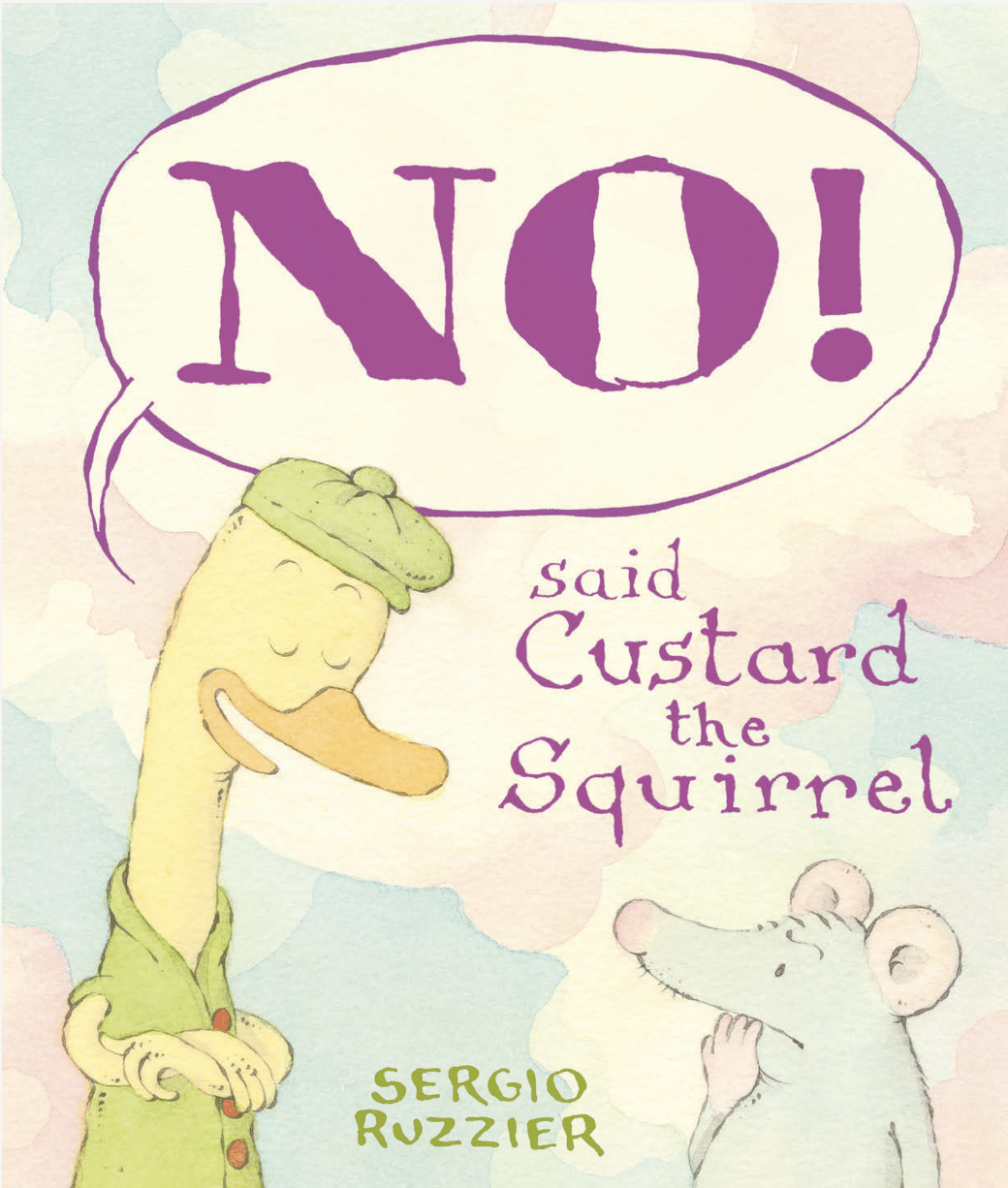
A rodent insists that Custard must be a duck, and badgers him repeatedly. Fortunately, Custard knows himself very well and is adamant in standing strong. A book about being true to yourself in spite of the doubters. This one has kind of blown my tiny mind. At its core it appears to be a book about dealing with jerks that insist on defining you by their own terms. Custard’s sheer patience with this little rat is downright inspiring. This is so unlike anything else that Ruzzier has ever done that it took a little while for me to take all its different aspects into consideration. This practically feels like a primer for kids on how to deal with assholes. And yes, it’s about being true to yourself too, but I think there are all sorts of potential ramifications here. Utterly original, though I’d like to see more along these lines, please.

The Polar Bear in the Garden by Richard Jones

Okay, this one’s for me. Once in a while I just sort of fall in love with a quiet, unobtrusive book and will go to bat for it. This book has hints of other titles surrounding it. There’s a whiff of The Tiger Who Came to Tea by Judith Kerr. There’s a smackerel of Where the Wild Things Are by Maurice Sendak. There’s even a bit of Wonder Bear by Tao Nyeu in the seams. But what it really and truly does so well is to give you this enormous sense of safety and comfort. Only, in the case of this particular story, it’s the child character that’s offering that comfort and that safety. A boy finds a very small polar bear in his garden. So small, in fact, that it can fit in the palm of his hand. He decides to take it home, so the two hop in a sailboat and off they ride. Mind you, the bear is growing larger and larger every day. Will the boat capsize before they get there? Gentle bedtime books of the world, meet your new king. Evocative and downright lovely, it is.


Eager to read other lists this month? Then be sure to stay tuned for the following:

December 1 – Great Board Books

December 2 – Picture Book Readalouds

December 3 – Simple Picture Book Texts

December 4 – Transcendent Holiday Picture Books

December 5 – Rhyming Picture Books

December 6 – Funny Picture Books

December 7 – CaldeNotts

December 8 – Picture Book Reprints

December 9 – Math Books for Kids

December 10 – Gross Books

December 11 – Books with a Message

December 12 – Fabulous Photography

December 13 – Translated Picture Books

December 14 – Fairy Tales / Folktales / Religious Tales

December 15 – Wordless Picture Books

December 16 – Poetry Books

December 17 – Unconventional Children’s Books

December 18 – Easy Books & Early Chapter Books

December 19 – Comics & Graphic Novels

December 20 – Older Funny Books

December 21 – Science Fiction Books

December 22 – Fantasy Books

December 23 – Informational Fiction

December 24 – American History

December 25 – Science & Nature Books

December 26 – Unique Biographies

December 27 – Nonfiction Picture Books

December 28 – Nonfiction Books for Older Readers

December 29 – Best Audiobooks for Kids

December 30 – Middle Grade Novels

December 31 – Picture Books
Filed Under: 31 Days 31 Lists, Best Books of 2022 Tagged With: 31 days 31 lists, Best Books of 2022, simple picture books

31 Days, 31 Lists: 2022 Picture Book Readalouds

December 2, 2022 by Betsy Bird

Okay, we’re slowing it down a little here now. When I begin the 31 Days, 31 Lists series I always like to kick it off with a great big enormous list and then take it down a notch on day two. Even so, readalouds are a critical part of any librarian’s stable of go to resources, so this isn’t a minor list. Yet finding good picture books that can actually engage large crowds is a tall order. That’s why I truly feel the books you see here today are the cream of the crop. And don’t worry. I’ve included plenty of suggestions on how to use them with your kids!

Interested in other readaloud lists I’ve compiled? Then check out the previous years:

  • 2021
  • 2020
  • 2019
  • 2018
  • 2017
  • 2016

2022 Picture Book Readalouds

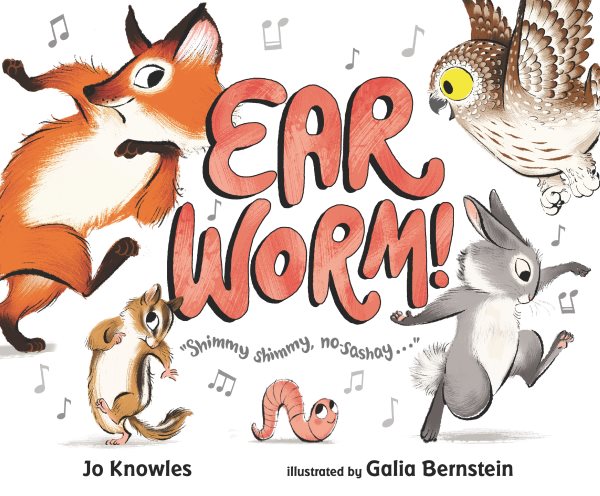
Ear Worm! by Jo Knowles, ill. Galia Bernstein

Poor Little Worm. There’s a song caught in his head and he just can’t figure out where it came from. When he asks Chipmunk, Bunny, and Fox, they have their own catchy songs, but they’re completely different! Prepare to bop and dance along to this rolicking, rhythmic book. Even years after my last storytime, I still look at pictures with half an ear cocked in the vague hope of finding something I can read aloud well. This book sure seems like a readaloud dream too. Once you find its rhythm, can’t you just see yourself chanting “Shimmy shimmy, no-sashay, shimmy shimmy, no-sashay”? I love the action in the art, the fun storyline, and even the solution at the end. My co-worker Brian Wilson has tried this one out with kids and can attest that for some children it’s a showstopper.

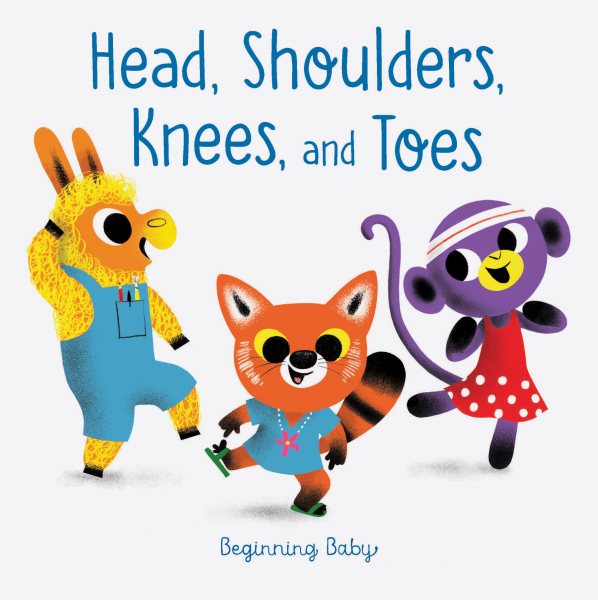
Heads, Shoulders, Knees, and Toes by Nicola Slater

My sole board book inclusion of the day! And if it looks familiar that may be because you just saw it on the board book list. I’m allowing each book on a list the chance to be on one other list. So I once performed this book in a preschool storytime while 9 months pregnant (though in that case it was more “Head, Shoulders, Knees and I-Assume-Somewhere-Down-There-Are-Toes”) so this song is particularly near and dear to my heart. When I see board book adaptations I usually have only two questions in mind: 1) Is the art cute, funny, playful, and actually fun to look at? 2) Did they muck up the words? You would not BELIEVE the number of board books that think it’s a good idea to tweak the scansion on a classic song like this. Happily, you needn’t really worry with the “Beginning Baby” series. Naturally, it will be almost too difficult to both perform this book and read it, so I suggest you double up. Grab a partner and have them turn the pages while you engage in the physical calisthenics. It’ll make for the perfect combo.

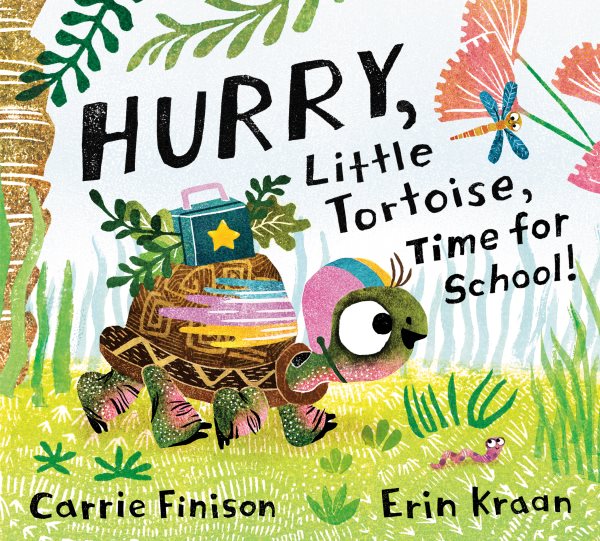
Hurry, Little Tortoise, Time for School! by Carrie Finison, ill. Erin Kraan

Every year I select my favorite Back to School picture book title. And this year that honor is going to this marvelous work by Finison and Kraan. I think a fair number of kids will be able to identify with Little Tortoise and her intentions to get to her first day of school on time. Trouble is, she is a tortoise and all, and her initial pep takes a significant hit as more and more animals pass her on the way. But the true joy of the book is the narrative. It’s so enthusiastic with lines like, “She is probably setting a new land speed record for tortoises.” Then you get kooky sounds from other critters, like a llama for some reason saying, “Wock-a-pa, wock-a-pa!” (which strikes me as a bit disco). The surprise reveal of who Little Tortoise’s teacher is makes for a very pleasant capper as well. So the readaloud aspects are great, but then just LOOK at Erin Kraan’s art at work here! Woodcuts illustrated with watercolors? With a gorgeous brown/pink palette? All that and the racing stripes painted on Little Tortoise’s shell make me extra happy. 

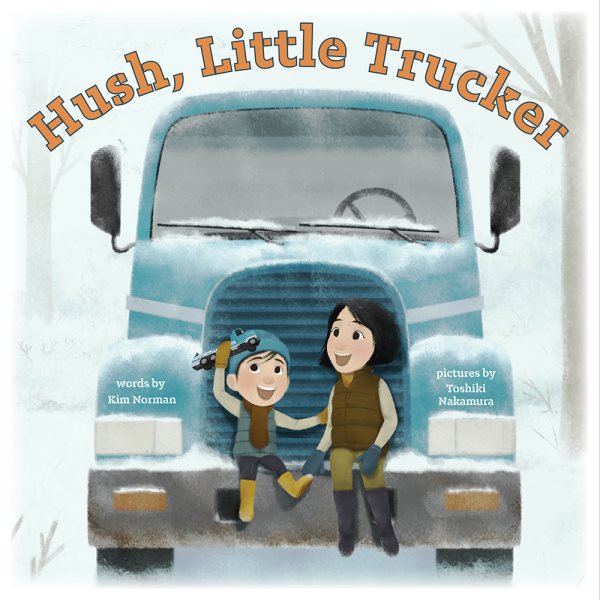
Hush, Little Trucker by Kim Norman, ill. Toshiki Nakamura

I just gotta say, taking the tune of “Hush, Little Baby” and adapting it to cars and trucks and things that go? Brilliant! Wish I’d thought of it. Ms. Norman’s words scan perfectly, and the end result is a story about a child (who is never technically identified as either male nor female) that loses a truck in the snow one day. Nakamura cleverly lays hints around for readers to pick up on that show that Mama is a truck driver herself. This is ideal for vehicular storytimes, and I have to say that it’s nice to see a title where Mama is the driver at all times. A thoroughly pleasant title to discover.

Mako & Tiger: Two Not-So-Friendly Sharks by Scott Rothmann, ill. Mika Song

Okay. So I’m going to let you in on a little secret. Winning the hearts and minds of children is a shockingly easy prospect. Honestly, all you have to do is read them fantastic picture books, and read them well, and you’ll have them eating out of your hands. Of course, not just any picture book will do. So imagine, if you would, what it would be like to read a funny shark book aloud. One that sports visual gags, written gags, and two completely self-absorbed, greedy sharks as the protagonists. Throw in some turtles in a chorus line wearing girdles (probably my favorite image in a picture book this year) and you’ve got yourself readaloud GOLD, my darlings! And for those shark obsessed kids in your audience, they will be in complete and utter heaven. So give ‘em a thrill. Try this book out on them. You’ll be an instant hero.

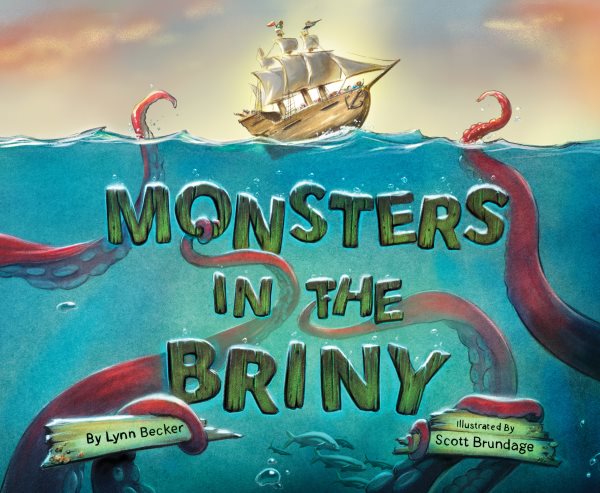
Monsters in the Briny by Lynn Becker, ill. Scott Brundage

I guess it was only a matter of time before that sea shanty craze made its way into a picture book of some kind. The shanty in question? “What Should We Do With a Drunken Sailor?” Only in this case it’s more , “what do you do with a grumpy kraken”. Fabulous sea creatures come to a ship full of kids, in need of tending. That would be fine, but there is the small problem that each time a monster comes by, it accidentally gives the kids’ ship a battering. The rhymes? They scan. And even if you don’t know the tune there’s sheet music at the end. Perfect for your Talk Like a Pirate storytimes!

Pizza: A Slice of History by Greg Pizzoli

He’s baaaaack! And he’s created the only nonfiction picture book on today’s list. Take a deep (dish) dive into the history of pizza with your faithful companion Pizza Rat. Learn its true origins and gather some facts you might not have known in this cheery book with a retro look. Boy, I wish Mr. Pizzoli did more nonfiction. Greg just has this endearing, simple style that’s so appealing to look at! I worried for a while there that he got disappointed by the sales of his brilliant book about the guy who sold the Eiffel Tower and got turned off of the whole idea. But now he’s back! He’s back and have you ever seen a better nonfiction storytime title than this one? Pizza gets a history thanks to its narrator, the aforementioned Pizza Rat. It’s great nonfiction for younger readers as well (which we’re always looking for). Good hearted and delicious. What more could you wish for?

Somewhere in the Bayou by Jarrett Pumphrey, ill. Jerome Pumphrey

Ahhh. I’m so glad the Pumphreys have moved away from their books about trucks and boats and stuff like that. Those books were fine, but I’m a humor person myself. And if you throw in various animals getting eaten by toothy water critters, I am ALL in. This book has all the trappings of some classic picture book stories. I am reminded of that old hand rhyme about the monkeys getting picked off one by one by “sneaky Mr. Crocodile”. I think this book reads aloud beautifully. Beautiful too is the art. I adore the bags under these animals’ eyes. The Pumphreys are still working on sticking their landings, and I think you could make this one work if you leaned in real close to the kids and read the twisty final line in a deep, threatening, whisper. Something to consider anyway.

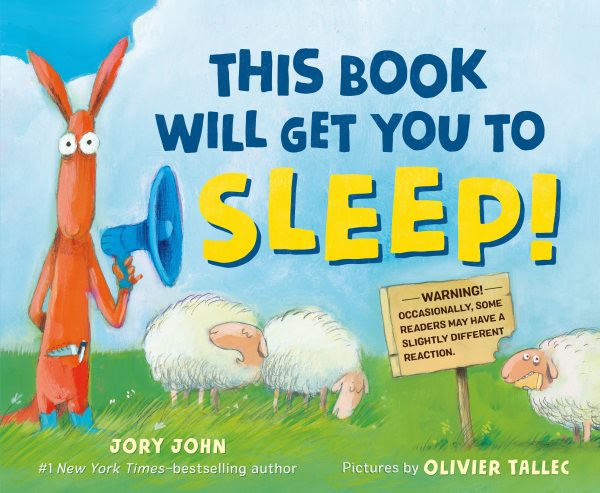
This Book Will Get You to Sleep! by Jory John, ill. Olivier Tallec

Because I was trained as a children’s librarian, sometimes I can’t read through a title without trying to figure out the best possible storytime to use it in. This book? Pajama Time storytimes, obviously! Kudos to the folks at FSG that had the wherewithal to think to pair Jory John with Olivier Tallec. Not a coupling I would have come up with on my own, but it really works here. To wit, an overly enthusiastic kangaroo uses wildly jarring methods to get you, the reader, to sleep. Do you remember the song “With Cat-Like Tread” from the musical The Pirates of Penzance where they sing at the top of their lungs about how quiet they are? This is practically that song in book form. The kangaroo itself has this just wild look in her eyes (it would have to be a her if she has a pocket, right?) as she tries with everything from monster trucks to fifty electric guitars jamming out “wicked, endless guitar solos” to put you to sleep. Can you imagine engaging your audience of kids, having them all do their own guitar solos at the top of their lungs? Storytime will never be silent when this book’s around.

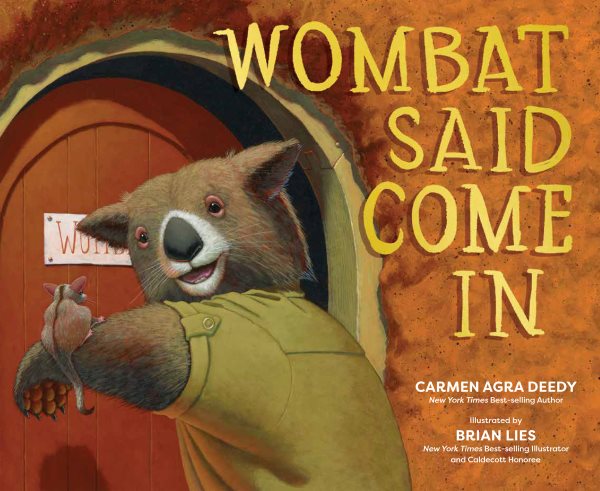
Wombat Said Come In by Carmen Agra Deedy, ill. Brian Lies

It’s sort of what you’d get if wombats were related to hobbits. We’ve all heard the stories of wombat homes being used by other animals during the great wildfires of Australia. This takes that concept and runs with it, with a kindly wombat finding himself on the receiving end of a number of fleeing critters. Brian Lies adds a delightful touch to the storytelling, and he’s ideal for storytimes as his images just POP across a room. As for Ms. Deedy, she’s a longstanding storytime staple. This isn’t a rhyming tale, with the exception of the refrain that happens every time wombat lets someone new in the door: 

“Wombat said, ‘Come in!’

Wombat said, ‘Come in!

From smoke and din

and howling wind,

come in, my friend, come in!’ ”

You’ll want to practice it beforehand. If you’re looking to do one of those storytimes that integrate nonfiction picture books alongside plain old fictional picture books, consider pairing this with Wombat Underground: A Wildfire Survival Story by Sarah L. Thomson, illustrated by Charles Santoso. And, naturally, Diary of a Wombat by Jackie French. Wombat it up!


What did I miss? I’m sure you’ve seen other books, ideal for reading to groups. Let me know what you wish you could have seen here.

Eager to read other lists this month? Then be sure to stay tuned for the following:

December 1 – Great Board Books

December 2 – Picture Book Readalouds

December 3 – Simple Picture Book Texts

December 4 – Transcendent Holiday Picture Books

December 5 – Rhyming Picture Books

December 6 – Funny Picture Books

December 7 – CaldeNotts

December 8 – Picture Book Reprints

December 9 – Math Books for Kids

December 10 – Gross Books

December 11 – Books with a Message

December 12 – Fabulous Photography

December 13 – Translated Picture Books

December 14 – Fairy Tales / Folktales / Religious Tales

December 15 – Wordless Picture Books

December 16 – Poetry Books

December 17 – Unconventional Children’s Books

December 18 – Easy Books & Early Chapter Books

December 19 – Comics & Graphic Novels

December 20 – Older Funny Books

December 21 – Science Fiction Books

December 22 – Fantasy Books

December 23 – Informational Fiction

December 24 – American History

December 25 – Science & Nature Books

December 26 – Unique Biographies

December 27 – Nonfiction Picture Books

December 28 – Nonfiction Books for Older Readers

December 29 – Best Audiobooks for Kids

December 30 – Middle Grade Novels

December 31 – Picture Books
Filed Under: 31 Days 31 Lists Tagged With: 2022 picture book readalouds, 31 days 31 lists, picture book readalouds, readalouds

31 Days, 31 Lists: 2022 Great Board Books

December 1, 2022 by Betsy Bird

It is time, as they say, to get this party started.

But before I get into the meat of the matter, let me tell you a thing or two about the children’s book releases of 2022. As with every year, I conduct a book committee at my library (Evanston Public) to determine 101 “Great Books for Kids” (notice that we never say “best”). And every year cutting the books down to a mere 101 is deeply painful. My own personal consolation, whenever a book is removed from the potential list, is to know that at least I can honor my favorites with these 31 Days, 31 Lists.

However. This year presented the most painful final meeting I’ve experienced in years. I don’t know if it was the makeup of the committee or just the sheer quality of the output, but this year it was HARD to cut down our books.

Today, I kick off a series that acts as a salve. Know, though, that there are a LOT of magnificent books for children out this year and even in my position as a librarian and reviewer, I only see a certain number of them.

Board books have always been my pet favorites, of course. I just love the little buggers. Who could blame me? They’re fun and original and often very inventive.

As you might expect, this year there are more books for toddlers and preschoolers on this list than there are books for actual drooly babies. That’s just the nature of the game. Even so, I was happy with the number of titles for the youngest of ages, in addition to the more prolific titles for the older ages.

And in case you need more suggestions, be sure to check out my previous years’ lists:

  • 2021
  • 2020
  • 2019
  • 2018
  • 2017
  • 2016

2022 Board Books for Babies

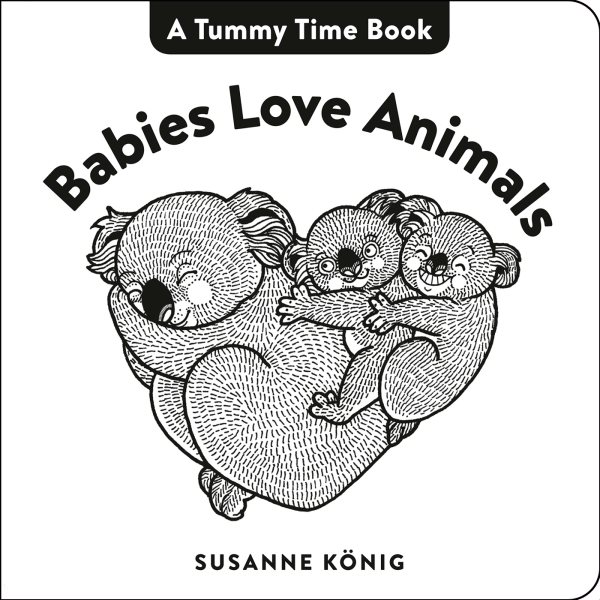
Babies Love Animals by Susanne König

Just to clarify, if you make an accordion-style book in black and white with babies and the art is good, I’m going to be on board with all of that. I was honestly surprised to see that this book was coming out with Philomel. Why? Because I don’t usually see the big publishers taking the time and energy to create quality board books. I just don’t! They usually leave that stuff to the little pubs. And this one isn’t particularly groundbreaking or anything. It’s black and white images of animals in family units, their bodies in the shape of hearts. Some of the art is quite artistic and some is downright cartoony, but all of it is very pleasant en masse. Backgrounds alternate between black and white, and everyone in the pictures is very happy. One of the lovelier accordion books to come out. It was probably marketed a lot around Valentine’s Day, what with the hearts and all, but would work well in any home any time of the year. Bonus Fact: Susanne König is an acclaimed tattoo artist. Care for a heart shaped koala on your bum?

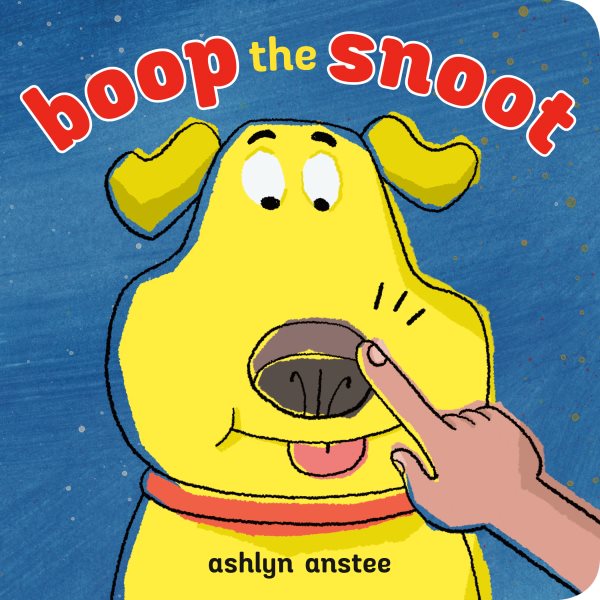
Boop the Snoot by Ashlyn Anstee

I always feel a little silly when I counsel parent readers to practice their board books before debuting them with . . . y’know . . . babies. But I also truly feel that if you’re gonna read to your kids, try getting it right on the first try. Now 100 points to Ashlyn Anstee for the very idea behind this book. How have we never seen a boop the snoot board book before? It boggles the very mind. It’s not always an intuitive book in terms of when you should do the booping, so that’s why I advise you to give it a couple practice runs first. Still, I love the plethora of boops, and I particularly like the part of the text that reads, “boop-a-doop-doop, a-boop, boop, blep!” This is great stuff. Interactive board booking (teach those tiny fingers motor control with ample boops!) at its best.

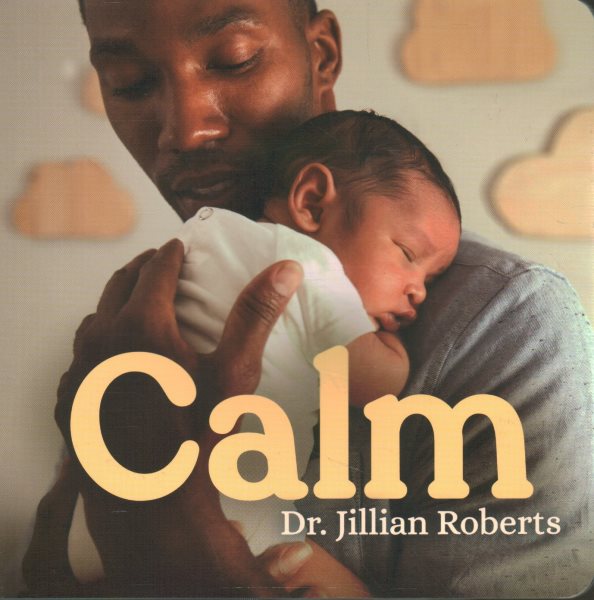
Calm by Jillian Roberts, ill. Santi Nuñez

Any day you find a board book filled with photography is a day to celebrate! Awww. Just look at that cover photo too. The baby! So tiny! The book consists of a series of calming techniques for babies and toddlers, with appropriate photos with each. Are there faces? There are lots of faces. Are there emotions? Boy howdy there are emotions! And along the way there are also grandparents, and kids with parents of different races. There are kids of a wide range of ethnicities and just babies babies babies. Always a pleasure to see a book of this sort well done.

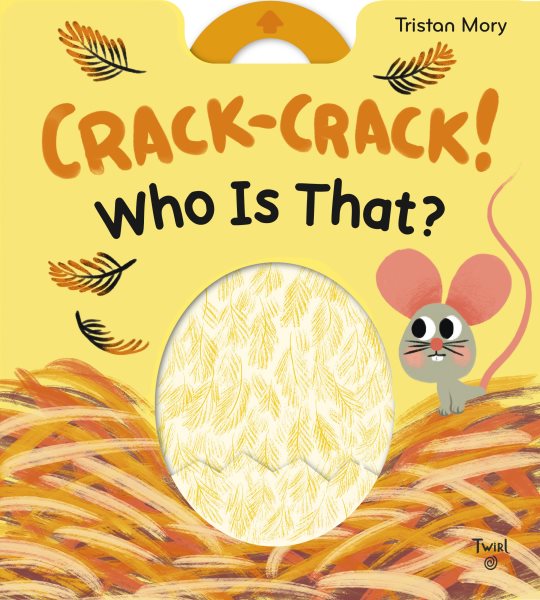
Crack-Crack! Who Is That? by Tristan Mory, translated by Wendeline A. Hardenberg

Look, I’m not made of stone, people. If you didn’t want me to fall in love with this board book then you shouldn’t have found a way to allow it to make cracking sounds every time you pull the (sturdy, easy to grab) tab. Different types of animals that emerge from eggs are revealed by the reader. Of course, if you want to get technical about it, I’m not sure that turtle or fish eggs actually crack when they open, but that’s neither here nor then. As a note, the book does end with an Easter egg cracking open, so don’t be too surprised when you get to that part. Interestingly, this is a French import as well. I suspect you’ll have trouble wrenching this from your babies’ hands, once they get ahold of it. 

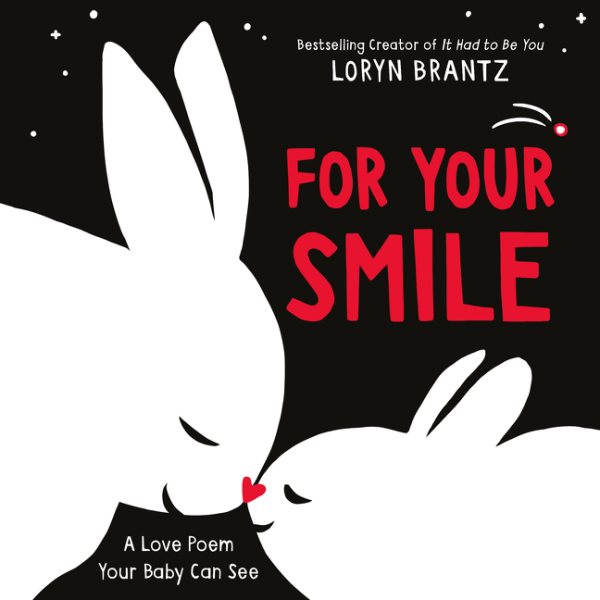
For Your Smile by Loryn Brantz

Okay, we’re edging a little closer to the kinds of board books that, quite frankly, I’m surprised we haven’t already been seeing for years. See, we already know that babies need sharply contrasting colors. So why does no one produce such things COMBINED with other types of books that sell well? In this case, Brantz has written (as the cover tells us) “A love poem your baby can see.” Picture book love poems serve one purpose: They appeal to new parents so overwhelmed with love for their new brood that they cannot tell a good book from a poor one. You know the books I mean. Picture books with the sole purpose to be given away at baby showers. Well if you’re going to do that, why not make sure the book itself is actually more than halfway decent? This early title packs itself full of high contrast images, and does so with aplomb. We already saw Brantz’s work last year with the similar title It Had to Be You, so we know she’s got the goods. A clever amalgamation of two book ideas into one.

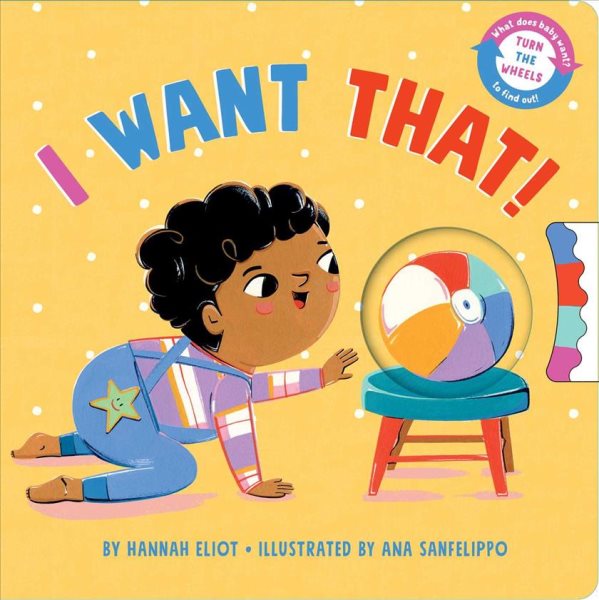
I Want That! by Hannah Eliot, ill. Ana Sanfelippo

Heh heh. Bit of a nightmare for parents, some of the things these babies are grabbing for in this book, but none of it is inappropriate (or unlikely). This is a book with six wheels. Turn them and you can decide what is is that a baby/toddler is grabbing for in a number of different sequences. The cool thing is that as you turn on one side, you turn the page and that same object is now in the kid’s possession on the other side. Neat, right? There’s also this slight undercurrent of ridiculousness that I appreciated as well. For example, at one point a child encounters a baby skunk in its home as part of the “stinky” section. Say what now? Later in the part where the baby can decide what to take into the tub, a cat is seen as an option. Turn the page and the cat is looking distinctly disgruntled. Don’t try this at home, kids!

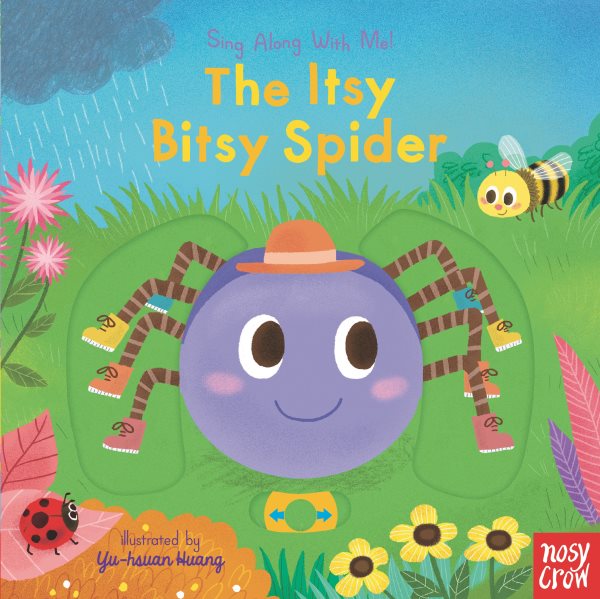
The Itsy Bitsy Spider by Yu-hsuan Huang

Look. I don’t want you to think I’m easy or anything. Like you can just make any old Itsy-Bitsy Spider board book and I’ll sign on instantly. Though, you have to admit, the length of the Itsy-Bitsy Spider song/hand rhyme is the perfect length for a board book. And then there’s the fact that if that board book knows precisely where to place the interactive elements, then it’s kind of a slam dunk no matter what. I’m going to have to research how many other Itsy-Bitsy Spider board books are even out there because as far as I can tell this is the first one I’ve seen to really utilize those push-up and moveable elements to their best effect (the only comparative title I can think of being Richard Egielski’s Itsy Bitsy Spider from 2012). It’s not a flashy board book. But for a storytime that involves both the hand rhymes and a separate staff member doing the book, I think you’d get some really good responses. Nosy Crown, man. That company knows how to make a board book work. 

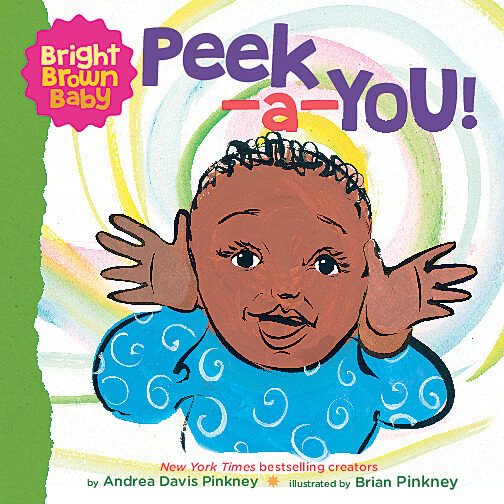
Peek-a-You! by Andrea Davis Pinkney, ill. Brian Pinkney

Further spin-offs from the Bright Brown Baby treasury the Pinkneys produced last year. May they produce as many board books as possible over the years. Even with the focus on the need for a wider range of representation in our literature for children, too often board books get left out in the cold. Brian Pinkney’s art is, as always, on point. The interesting thing about this book is that since it’s a peek-a-boo book, you’d think it would contain the industry standard mirror at the end. Not a bit of it. Now read the words again. What you find is that this book is actually about “mirrors” as in “windows in mirrors” ala the Rudine Sims Bishop definition. So when the book says, “Here’s the pretty brown face of ME!” you understand precisely the purpose of the book. More brown faces for babies to look at. Thank god.

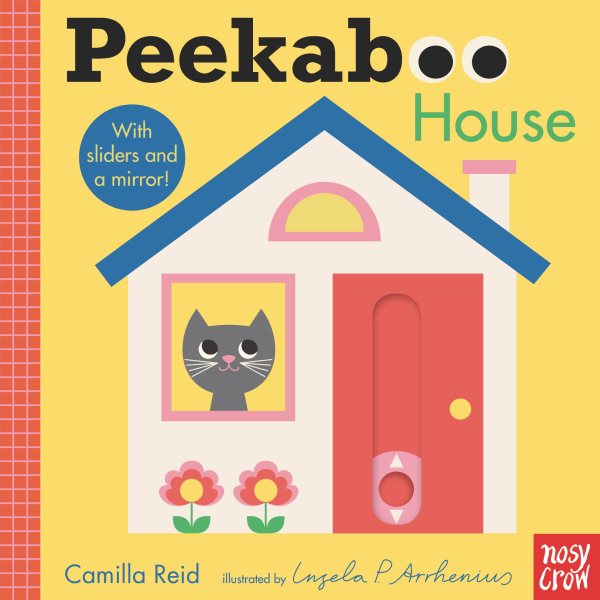
Peekaboo House by Camilla Reid, ill. Ingela P. Arrhenius

This isn’t my first ride on the Arrhenius board book bus, if you know what I’m saying. I’ve seen her work before and it’s always consistently strong. It can also get a bit same-y, though, so I didn’t walk into this expecting to be blown away. And I don’t think “blown away” was my final reaction, but I can say that I was quite impressed with the peekaboo elements in this book. The flaps and elements are strong and will hold up to repeated use. The rhymes work and do not cheat. A lot of what is on these pages will be familiar to a lot of kids. But the thing that really tips the balance for me is the final reveal. Mirrors in board books present any number of problems. But having the last one behind a full page covering that you pull away (and there was ZERO sticking when I did so on even the very first try), that’s really nice. A great example of solid construction that babies and toddlers will truly enjoy.

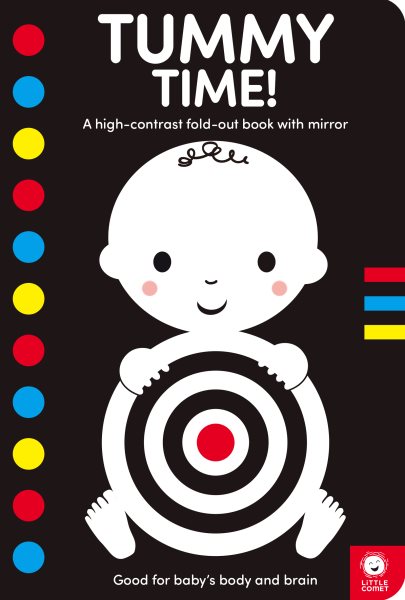
Tummy Time! by Mama Makes Books

Red Comet Press isn’t playing around. Oh, you can have your simple accordion books all you want. This one’s cranking up the volume to 11. Basically, it’s going all all ALL in on baby brain development. And it isn’t just content to give you stuff for babies either. Right at the start you get this kickass statement to parents specifying PRECISELY how much babies can or cannot see developmentally. After that it shows thumbnails of all the images inside and asks, “Which image will excite your baby the most?” A worthy question since not only are we talking about high-contrast illustrations but also baby faces and even a mirror. Some of the pictures even give the babies little instructions that parents can do with them. “Happy Baby Touch your nose,” reads one. Boop! I’m always shocked we don’t see more books like this one on the market. A must for any new parent.


2022 Board Books for Toddlers and Preschoolers

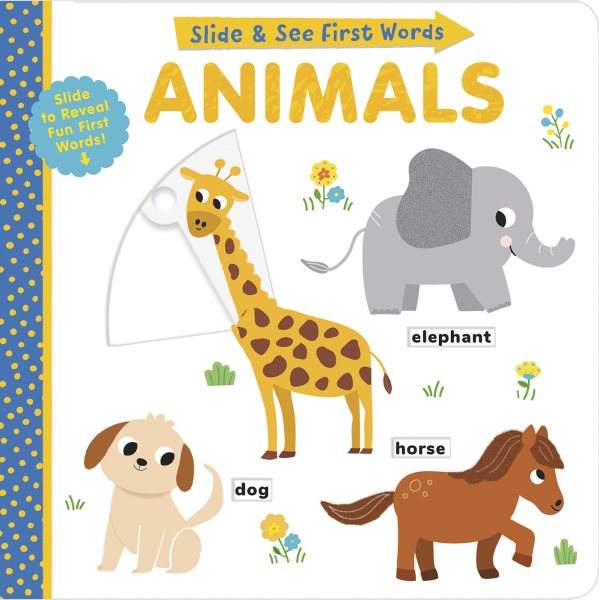
Animals (Slide & See First Words) by Helen Hughes, ill. Isabel Aniel

I’m always up for a bit of cutting edge board book technology. This little title is an interesting combination of elements. The entire premise rests on revealing a wide array of words as they relate to animals. What’s interesting is that you’re not revealing the animals themselves. They’re right there! Bold as brass. So instead, sometimes you see the animals on the left-hand page and then reveal their names on the right-hand side. So the joy of the whole endeavor comes in the reveal and the recognition. I’m intrigued by this notion of words being the treat itself. Other times there are questions on one page that are answered in the reveal. It’s a little more sophisticated than your usual reveals, and the tabs are significantly smaller, indicating increased fine motor control. Chalk this up as a board book better suited for a preschool than for the itty bitties, I think. 

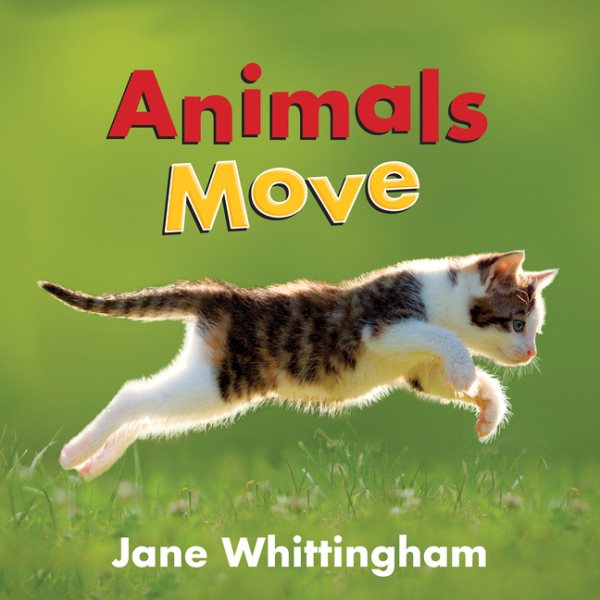
Animals Move by Jane Whittingham

Photography! Baby animals! Now that’s the kind of board book I like to see. Though, come to think of it, “board book” isn’t a strictly accurate definition of the kind of book you’ll find here. This tough little book comes with reinforced pages that would be awfully difficult to rip and tear (though notice I didn’t say it would be impossible). On the endpapers you get these really nice photos of animals with their parents (the frog and tadpole one is particularly amusing since they’re rarely together in nature) and it lists what those babies are called. Then, as you go through the book, you watch each baby animal doing something on one page and kids doing those same things on the other. All Shutterstock photos, of course. Since the kids in the pictures are clearly preschoolers, this is possibly a title for slightly older littles. Still, I very much appreciate how thick those pages are. A good transitional book from board to picture book.

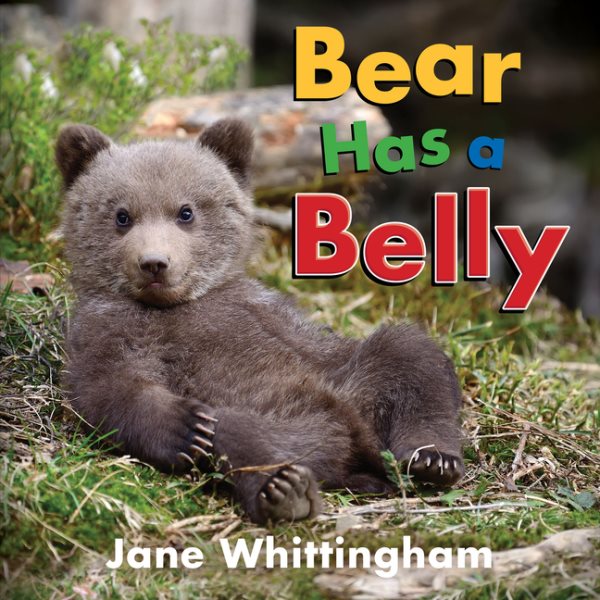
Bear Has a Belly by Jane Whittingham

It would take a soul blacker than mine to resist a cover like this. It’s a friggin’ baby bear, people. I’m not made of stone. Now what we’ve got here is a stock photo situation, and I’m fine with that. I’m also putting this in the board book category though, I must admit, the impossible-to-rip pages are of a thinner variety than the cardboard you’re so very used to. This is a body parts book where you find out about a portion of an animal’s anatomy and then see a human with that part as well. And, naturally, when reading this in a lapsit or in a storytime you can make sure the toddlers are pointing to their own faces or hands or ears or what have you. As charming as its cover implies.

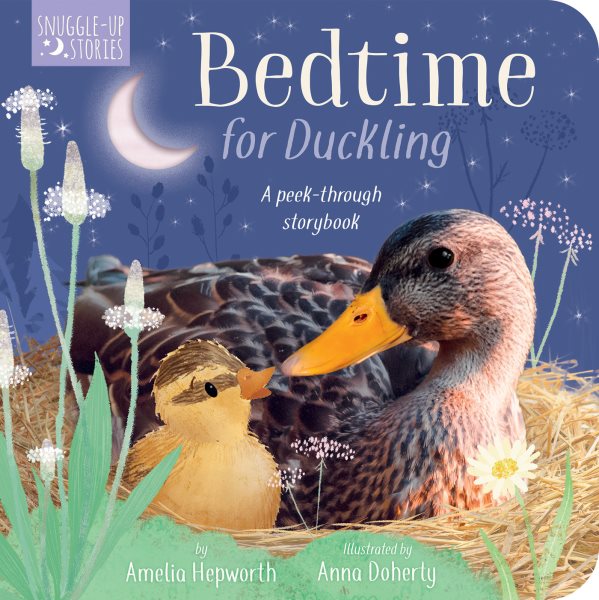
Bedtime for Duckling: A Peek-Through Storybook by Amelia Hepworth, ill. Anna Doherty

Small children love photography. Love it. Then, at some point, it gets downgraded in their books. Illustrations get precedence from then on. Me? I love illustrations but I love love photography. That’s probably why I find this otherwise innocuous series with Doherty integrating Shutterstock photos rather fascinating. You are in a completely illustrated world until you lift the flaps and discover the photographed animals underneath. Cool, right? Now, there was a book released in tandem with this one called Looking for Mommy. Why isn’t it on today’s list? I docked points for that when its “mommy” bunny was quite clearly a baby, and that’s just weird, folks. Duckling is clearly the superior title. 

The Big Scream by Kristi Call, ill. Denis Angelov

Meltdown time. You know, there are aspects to my children from when they were very young that I miss. Not the meltdowns, though. Do not miss those. Nope. Not a jot. But children’s authors have done a great job over the years replicating the nuances of the true toddler tantrum in all its thumpy glory in picture book and board book form over the years. In this particular title, the tantrum is merely a means to an end. Working on the assumption that it’s never too early to get some calming techniques into your child’s personal mental and emotional toolkit, all the deep breaths and counting techniques are on display here. That would be great alone, but it’s Angelov’s art that tips this from being merely good to truly great. A color palette of umber, yellow, and blue with wide swaths of black keeps everything interesting to the eye. Bonus points for the mom’s expression as she drags in the time out chair.

Bumblebee Grumblebee by David Elliot

Okay, so this one definitely requires that the audience be a bit sophisticated to get what’s funny about the book. I consider this a kind of transitional title between board books and picture books. Its super simple concept is that you have a normal animal on one page, and then it does something that changes its name. So a “Buffalo” in the bath becomes a “Fluffalo” when it turns on a hair dryer. That’s cool, but what I really liked about the book was its end. After you’ve gotten used to the form, the last four pages go “Turtle”, with a turtle taking a hose. “Turtle?” as it gives you a cheeky grin. “Squirtle” as it starts hosing down everyone else in a final two-page spread. It’s hard to stress to you how difficult it is to write something this simple but also with a successful capper at the end. Sticking the landing in a board book is an art. David Elliot? A master.

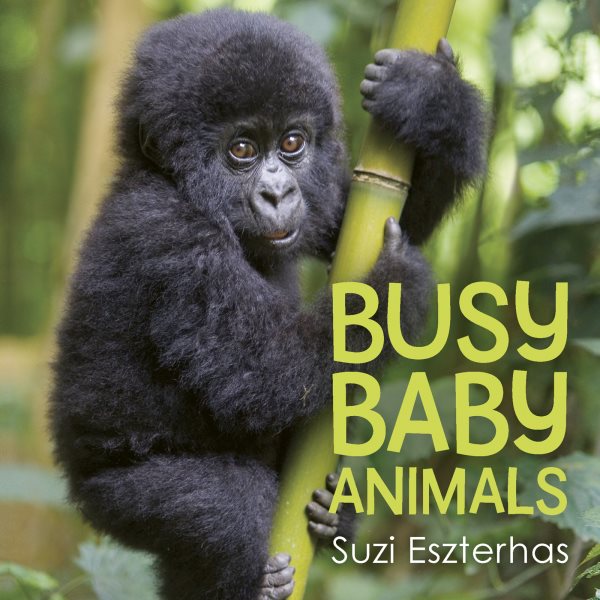
Busy Baby Animals by Suzi Eszterhas

I think I’ve talked a fair amount about how torn I feel when I encounter a really good book full of excellent photography and then find that it’s all stock photos. I dunno. Maybe I’m naive but I like knowing the name of the photographer, y’know? Suzi Esztrhas is the kind of person I like to hear about. She’s a wildlife photographer and this board book of hers is full of precisely the kind of inventive, innovative photos of parents and child animals that you wish you could see more of. Her photography? It can’t be beat. Throughout the story you’ve got this text that says what different babies do. So, for the page reading “Babies bugging” you see this baby cheetah fully enveloping its parents’ head, looking to be gnawing on an ear while the now blinded adult sits there, casually. The book is a little less capable when it comes to actual rhyming. Soft rhymes like “Babies swimming” alongside “Babies chilling” aren’t dealbreakers, but for those sticklers like me out there, lower your expectations. A fun, visual eye-popper of a book with a decent if not outstanding text.

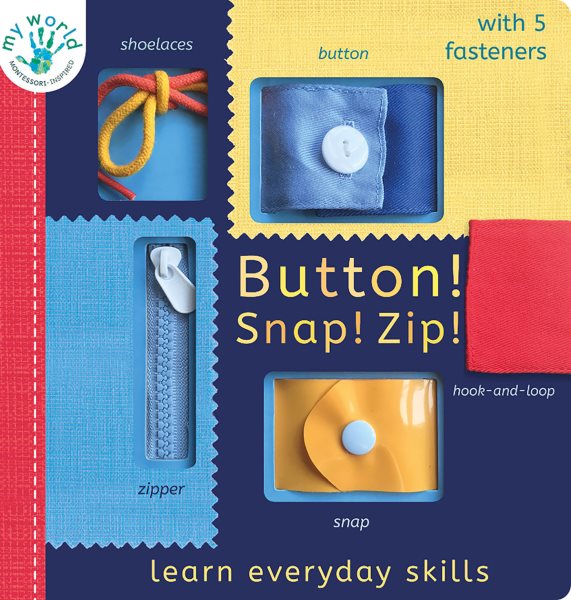
Button! Snap! Zip! by Nicola Edwards, ill. Thomas Elliott

I’m a true sucker for a truly clever board book. This isn’t the first book to try and teach kids basic everyday skills, like how to button and unbutton or how to snap things, but it’s certainly one of the more sophisticated. Montessori-inspired, it calls itself a “fasteners book” and links itself to Montessori’s focus on “hands-on learning that engages imaginative young minds and helps children to reach their full potential”. Pretty neat. Of course, nothing in this life is perfect. If I had my way, the zipper portion would be less about simply moving the darn thing up and down (any baby could do that) and be more about fitting the bottom of a zipper into its necessary groove. THAT is where the frustrations come out, my friend. Even so, with its bright colors and wonderful photographs of little kids’ faces, this should be a necessary purchase for every preschool in the nation. As for libraries, nothing about this comes apart. I’m sure it’ll get a little grimy over time (what doesn’t?) but it appears to be plenty sturdy. Just remember to tie that shoelace before you put it away. 😉

Eat Together by Miguel Ordóñez

Don’t let the back cover copy lead you astray. This title isn’t a “shapes” book in the traditional sense of the word. Rather, it’s a rather clever look at putting something together out of many parts and then, when necessity dictates, taking it apart again. The reader is show a page of disparate pieces of … something. The first time it’s a red body, a little green line, and a green looking bridge thing. What happens when you put all three of these together (this is a numbers book too, in a way)? You get a strawberry! This idea is repeated with a cupcake, lettuce leaves, and more. Eventually the reader is allowed to guess too, and all the while clever ants are walking off with the spoils. When we finally catch up with them, we can see that these huge food items won’t fit in their anthill. The solution? Take them all apart and put them in a space together. All 33 of them. And what happens when you put the 33 together in a different order? That’s when you get . . . a feast! With exceeding simple illustrations that allow a bit of personality to shine through (the ant that regards you with a hooded eye and skeptical expression is delightful) this is definitely one to place into the sticky hands of a clever toddler.

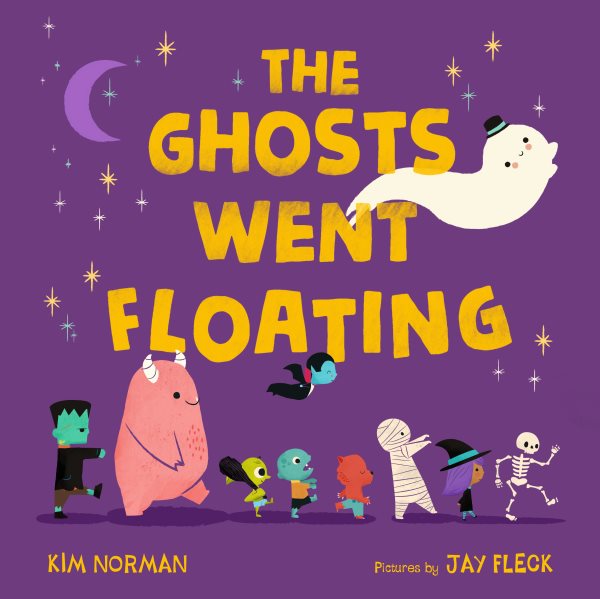
The Ghosts Went Floating by Kim Norman, ill. Jay Fleck

I love to be surprised. Board books, while not as prevalent as they might be, still come to me on a regular basis looking very much like this little title. And since this was included in a batch of Halloween-esque titles, I wasn’t particularly overwhelmed by it when I looked at it. When I discovered that it was a creepy take on “The Ants Go Marching” (a.k.a. “When Johnny Comes Marching”) I had to give it some points. Then I liked the fact that each verse ends with “by the light of the moon, moon, moon, moon.” And THEN I started looking at some of the lyrics. You have to really admire the fact that for all that the book looks cutesy as heck, there are verses like, “The zombies lumbered, five by five, / You’d never guess that they weren’t alive.” The rhymes consistently scan perfectly. I’ll go on and say it: This is my favorite Halloween board book to date. Super adorable for the kids but with enough interest (and a great tune) so that parents will actually want to read/sing it over and over.

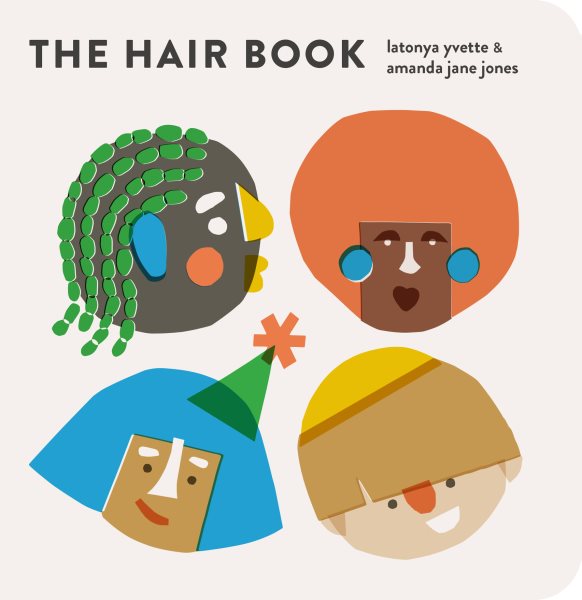
The Hair Book by LaTonya Yvette, ill. Amanda Jane Jones

Simplicity. There’s a lot to be said for it. And there’s a lot to be said for the fact that The Hair Book is just that. A book o’ hair. It looks cool because it is cool. Now there are a lot of books out there that parade their inclusion like it’s a plot. This book doesn’t have to do that. It’s showing you hair on a wide variety of people and, occasionally, monsters. There’s nothing the least bit preachy about it. The art of Amanda Jane Jones is simple, brightly colored, and eye-catching. The text is supremely simple. Generally you’re going to just get two words per page. I dunno, I was fond of it. There’s just something open and honest about the whole endeavor. A book about hair. What else needs to be said? 

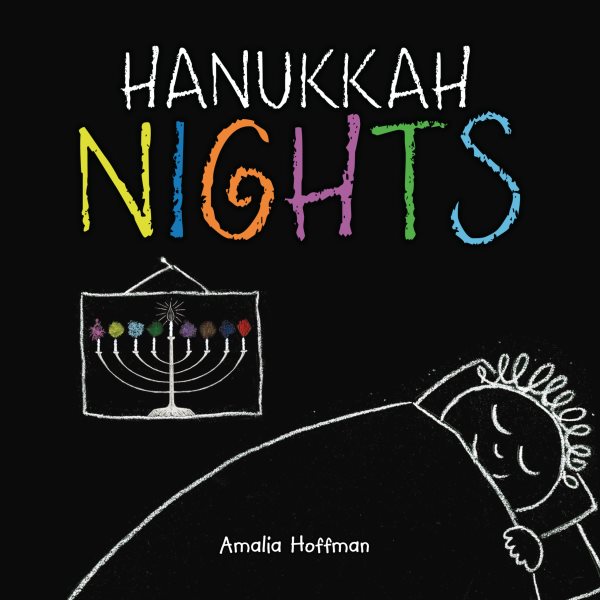
Hanukkah Nights by Amalia Hoffman

I have often thought that should I ever turn to painting as a hobby, the first thing I would want to do is experiment with vibrant colors on pure black backgrounds. I can’t tell you why I find this combination so appealing. Perhaps it holds a kind of late 70s vibe for me that I dig. What I can say is that it’s particularly neat to see when it’s in a brand new board book. And a holiday board book at that! The first thing that you see when you lift the cover of Hanukkah Nights are these gorgeous red streaks just spewing out of the left-hand side of the page. On the right-hand side sits a single candle, also burning red, and the words below, “1 light. Special night.” As each night progresses, the lights increase and the colors and patterns on the left-hand page change. It’s almost trippy to watch. Which, when you think about it, means that it’s absolutely ideal for young growing brains. Colors and religion and board books all together? My kind of party!

Heads, Shoulders, Knees, and Toes by Nicola Slater

Look, I once performed this book in a preschool storytime while 9 months pregnant (though in that case it was more “Head, Shoulders, Knees and I-Assume-Somewhere-Down-There-Are-Toes”) so this song is particularly near and dear to my heart. When I see board book adaptations I usually have only two questions in mind: 1) Is the art cute, funny, playful, and actually fun to look at? 2) Did they muck up the words? You would not BELIEVE the number of board books that think it’s a good idea to tweak the scansion on a classic song like this. Happily, you needn’t really worry with the “Beginning Baby” series. Naturally, it will be almost too difficult to both perform this book and read it, so I suggest you double up. Grab a partner and have them turn the pages while you engage in the physical calisthenics. It’ll make for the perfect combo.

How Big is Your Paw? Forest Animals by Kristin J. Russo

Am I the only one who sees this title and immediately starts singing, “How Deep Is Your Love” every time? Yes? Just me? Figured as much. Now this little board book has a lot of the same appeal as that old Steve Jenkins title Actual Size. It shows a range of animals’ paws, and you can compare how big they are to your own hand. So it starts out little (it’s really interesting that the smallest prints don’t always come from the smallest animals) and then grows to the point where your hand is pressing up against the prints of a bear and moose. Now a lot of the text pays the price of being too old for babies and preschoolers . . . but not all of it. There is, I noticed, a small part in darker print with simpler words that you could read to younger readers. The rest of it could be for their older siblings, hanging around, wanting to press their own grimy digits against the prints. Interactive and a lot of fun, I’m willing to forgive it its occasional loquaciousness. 

I’m the Boss by Elise Gravel, translated by Charles Simard

Repetition in service to humor. It’s a double edged sword. On the one hand the joke can wear thin after just a read or two. On the other hand, kids LOVE repetition, particularly that of the funny variety. Elise Gravel’s ace up her sleeve with this book is that she is, in fact, Elise Gravel. That’s a huge advantage to have. In this story a little blue, let’s say monster, named Lulu has informed the larger (and presumably adult) red monster that she is the boss. “Your job is to give me everything I ask for, okay?” She then proceeds to ask for any number of wildly outlandish requests. These range from chocolate castles to monkeys to garbage trucks and they always end with, “A big one! Right now!” When it finally becomes clear to Lulu that none of her demands will be forthcoming, the big monster asks if she’d like a hug. “A big one? Right now?” And that is precisely what she gets. A perfect combination of humor and heart.

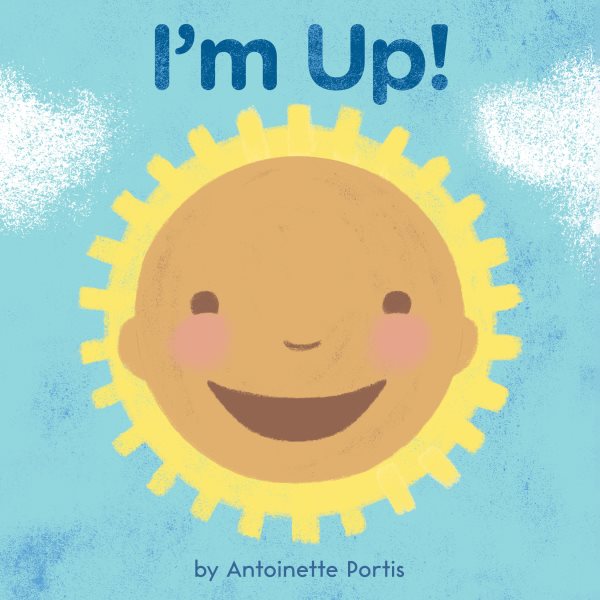
I’m Up by Antoinette Portis

I’m Still Up by Antoinette Portis

I find it impossible to separate these two books in any logical fashion. Seems to me that they’re a set, plain and clear. One lays the groundwork. The other pounds that groundwork to pieces with a shovel. By far one of the funniest concepts for the ankle biter set I’ve seen in a while (that wink on the cover of I’m Still Up just slays me). Portis is, of course, an old hand at this and you can trust that she knows how to write for young readers. I remember years and years ago when my (now fifteen-year-old) niece saw the book Not a Stick as a toddler and was rendered helpless with laughter at the concept. In these books there’s this wonderful marriage of the baby’s tufty hair and a bird or sun or moon or whatever it’s resembling. That round theme is so enticing to the eye, even as the text is just hilarious. You know how Bank Street College established a board book award last year? Baby, this better win ALL the things. It’s a masterclass on how to create the ideal board book. It really is. 

Lionel Eats All By Himself by Éric Veillé, translated by Daniel Hahn

You know, I could have just linked the two “Lionel” books out this year under a single heading. I usually do that sort of thing to save on time with these lists, but when you get right down to it, Lionel Eats All By Himself is an entirely different kind of title than Lionel Poops (as you shall soon see). Both deal with the inherent messiness of toddlers, but in entirely different ways. The throughline with this series is that Lionel is exceedingly proud of his new independence. In this book he is eating by himself for the very first time. Peas, pumpkin, cake, banana, and pudding all move in the general direction of his mouth. That said, a fair amount of the stuff congeals in his mane as well. A well timed burp (done in the form of a roar) shoots the excess from his personage. And as he walks away from the carnage all over the floor, he has this look on his face that makes it clear that he is VERY pleased by this turn of events. Can you blame him?

Lionel Poops by Éric Veillé, translated by Daniel Hahn

It’s not what you think. I mean, it kind of is, but it’s really more about the threat of Lionel’s poop than any actual poop itself. This is a French book, folks. The Europeans have a lot less hang-ups about excrement in their children’s books than we do. Even so, you get the feeling that Veillé is toying with our ingrained Puritanical sensibilities as Lionel continually seems on the verge of pooping on an ridiculous array of things (tennis balls, a bus, the Eiffel Tower) and animals (cows, cats, and some seriously nonplussed polar bears). Ultimately he poops in the potty (and you don’t even see it, people). And just like in his other book out this year, the self-satisfaction just radiates off of him. He even takes a bow. Of course he does.

Me and My Mama by Carole Boston Weatherford, ill. Ashleigh Corrin

I can pinpoint the precise moment this book won me over. Trust me, I’m a tough reader when it comes to board books. It’s not enough to do the whole I-love-you-to-the-moon-and-back schtick, cute as that may be. But this book, which just outlines all the fun things you can do with your mama, has this moment early on that reads, “We spread my toys out on the floor / and shop for fun as if a store.” The mom is there with a variety of toys all around, and the kid, wearing bunny ears for no particular reason, has this fantastic face on, like he’s really and truly considering how good a deal he’s getting for that bouncy ball. Right then, I was sold. The rhymes work consistently, but it’s Ashleigh Corrin’s art that makes the entire enterprise sing. Maybe because she knows how to acknowledge the messiness of day-to-day life. Maybe because there’s a really inventive light and life to each of these pictures. Whatever the case, this book’s a real fun read and one you shouldn’t miss. Great stuff.

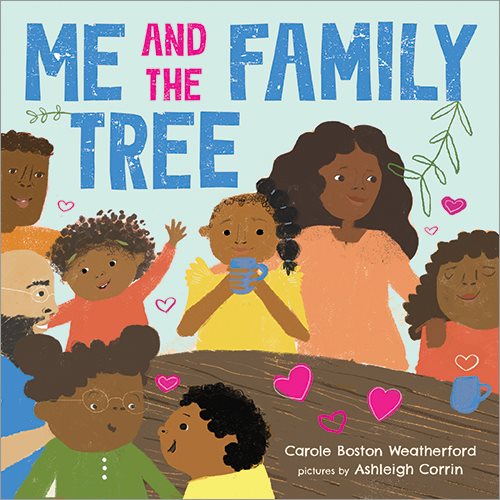
Me and the Family Tree by Carole Boston Weatherford, ill. Ashleigh Corrin

It’s a bit unfair. Some authors are lucky enough to have enough talent to effectively create one kind of children’s book, be it a picture book or a middle grade novel. Carole Boston Weatherford? She’s just plowing through, effectively doing all SORTS of different kinds of books for kids. It doesn’t hurt matters any either that Ashleigh Corrin was, once again, paired with her text, since Corrin is capable of making unspeakably charming but NOT treacly art. The text is a clever mash-up of different body parts as they relate to how a child is related to different family members. So it begins, “I’ve got father’s mouth / and my mother’s thick brown waves. / I’ve got my uncle’s chin / though you can’t tell ‘til he shaves.” Oh yeah, did I mention that it also rhymes and rhymes really well? Once again, Weatherford knocks it out of the park.

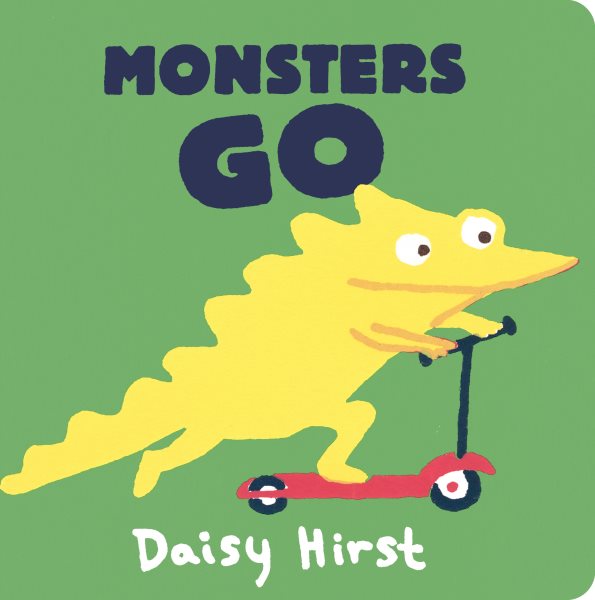
Monsters Go by Daisy Hirst

Sorry, other monster-related board books. Daisy Hirst, designated queen of the under 3 set, has returned. She has returned and she has brought out two brand new board books in the year 2022. Of the two, I designate this particular title to be my favorite. It’s not hard to see why. The general idea is to show how monsters travel. And sure, there are your standards. Your scooters, cars, and buses. But there is also Rodney, who prefers to travel by rabbit (the rabbit appears to be entirely okay with this). There’s Zebedee who goes by zip line. And, of course, there’s Danni, who is “delivered with dinner”. It’s hard to determine precisely what it is about these critters that make them so darned appealing visually. Something about the amiability of their smiles, perhaps? The ratio of eyeballs to forehead? I’m not sure at all, but adding in the fact that their names go far beyond your standard Karen and Bill (I see a Skeeter, Kieron, Sadiya, and Catya amongst others) this book is just the bee’s knees.

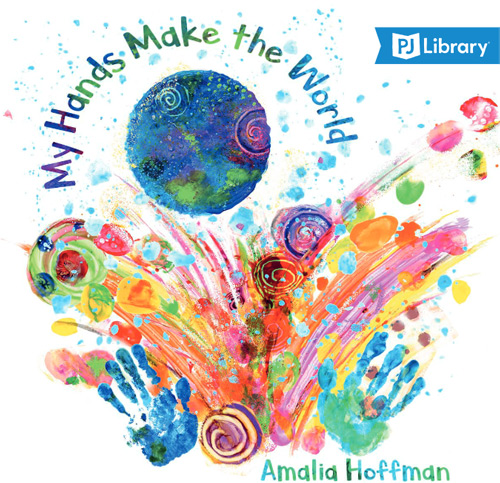
My Hands Make the World by Amalia Hoffman

Well! I think it’s fair to say that I didn’t expect to see a Creation board book that actually, honest-to-goodness, works for little readers. Who knew it was possible? But Hoffman has just doubled down on the gorgeous paints in this, and it’s a stronger woman than I that could resist it. Its remarkably simple concept is probably why it works as well as it does. It’s written in the first person, and the story of Genesis almost equates the creation of the cosmos with the creation children do when they paint. “On the second day… My left hand made sky and clouds / My right hand made water.” There’s something distinctly satisfying about the way that these paints just pop off the page. It’s a book that looks like it was as much fun to make as it is to read. Finding books for this age range that touch on religious subjects and aren’t cloying or saccharin is an almost impossible task. At least there’s one book out there now to read with flair.

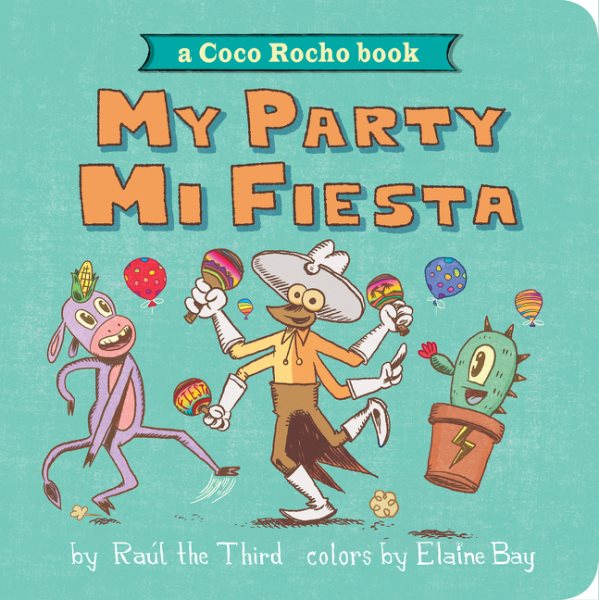
My Party / Mi Fiesta by Raúl the Third, colors by Elaine Bay

You can thank Chicago Public Library for this little inclusion. Near the end of the year there are only two library-created “Best Of” lists that I watch with an eagle eye (since my own Evanston Public Library 101 Great Books for Kids list needs to keep up with other libraries). Those two libraries are Chicago Public Library and New York Public Library. Thanks to them, this tiny jewel came to me. For all its charms, the Versify imprint of Harper Collins does not appear to send out many galleys, so I almost missed a couple of these very sweet Raúl the Third/Elaine Bay/Coco Rocho titles. Now I considered both this book and My Nap / Mi Siesta, and I gotta say that My Party / Mi Fiesta is the superior product. The text replicates the cover: “My house, your house / Mi casa, tu casa”, “My balloons, your balloons / Mis globos, tus globos.” And so on. The text is simple and many of the characters are recognizable from this whole “World of ¡Vamos!” that Raúl and Elaine have conjured up over the years. So watch out, Richard Scarry. Someone’s giving you a run for your money, at last.

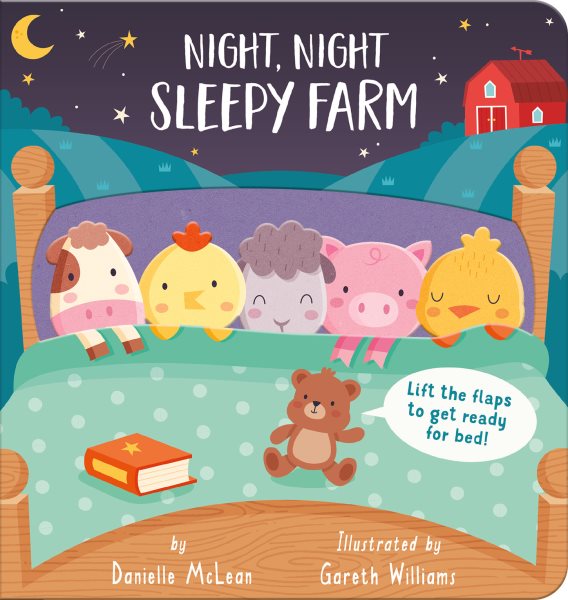
Night Night Sleepy Farm by Danielle McLean, ill. Gareth Williams

While I do fear that some of these sleepy little animals may lose their heads in the course of things, this lift-the-flap title gets extra points for innovative board book construction. I’m just scratching my head over the very logistics of this thing. Each animal is slightly in front of the ones behind it. That means that with every page turn you are sending that animal to bed. BUT there are also flaps that show what their bodies are doing after every activity on the right-hand side of the pages. Make sense? No? That’s because for something that looks so simple, Tiger Tales really buckled down and decided to make this book work. As I mentioned before, I cannot attest to its longevity, but at least at first it’ll be a neat title for your shelves.

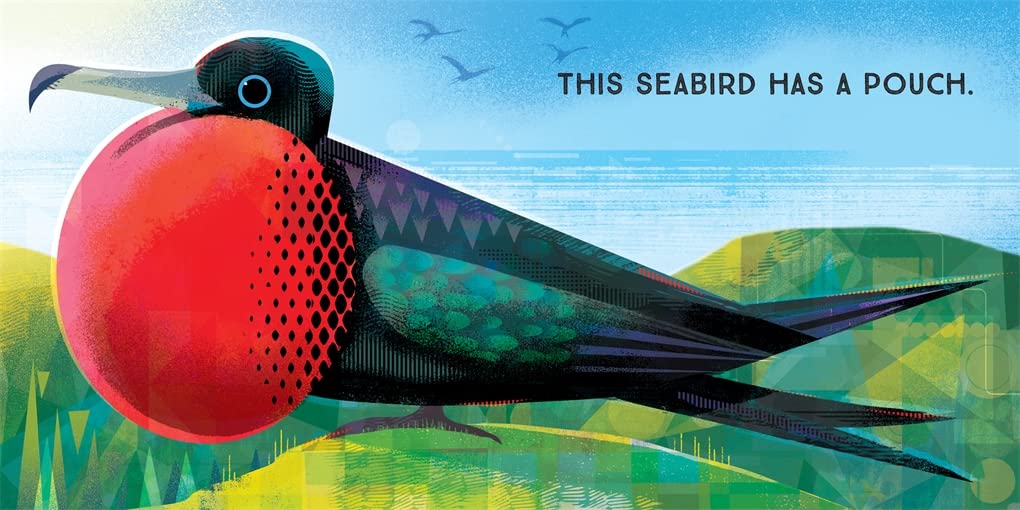
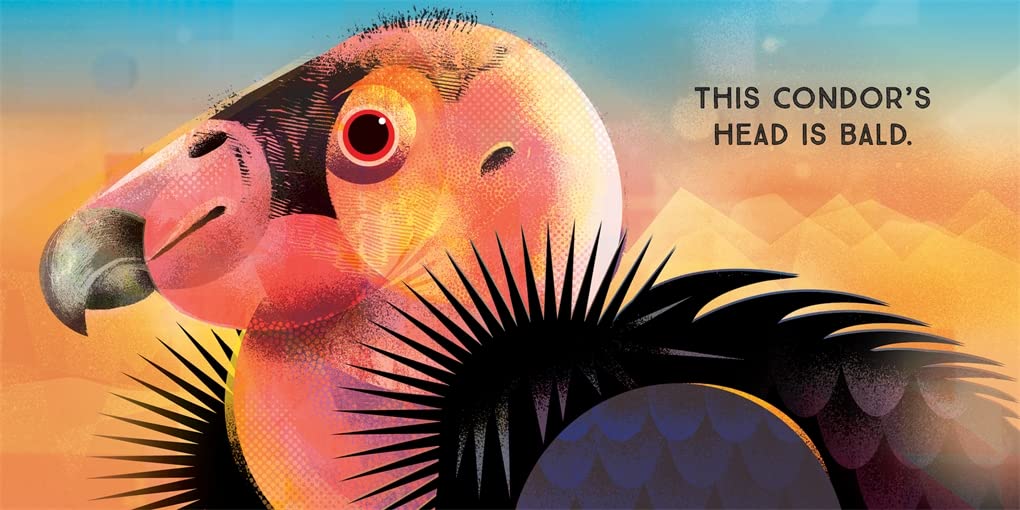
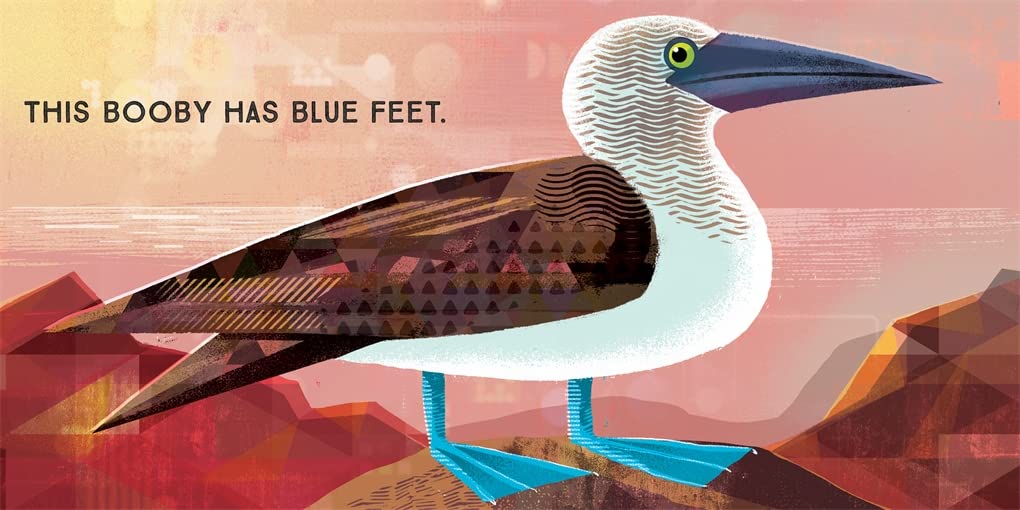
Odd Birds: Meet Nature’s Weirdest Flock by Laura Gehl, ill. Gareth Lucas

This book may be single-handedly responsible for my library rethinking its policies on not putting board books on our best of the year lists. Generally we don’t do it because at our location we don’t allow our board books to be put on hold. But this book, this amazing very young nonfiction book, it breaks ALL the rules. First off, it’s gorgeous as all get out. Gareth Lucas is just bending over backwards to make even those deeply ugly condors look like avian gods. The selection of the birds themselves is often surprising and interesting (I had no idea that oilbirds used echolocation). And THEN you get to the back of the book and see photographs of the real birds with facts for older readers. Did I mention that the text in the book is perfect for the youngest of kids? “A booby has blue feet”. If you get only one board book in your collection this year, make it this one. Seriously.

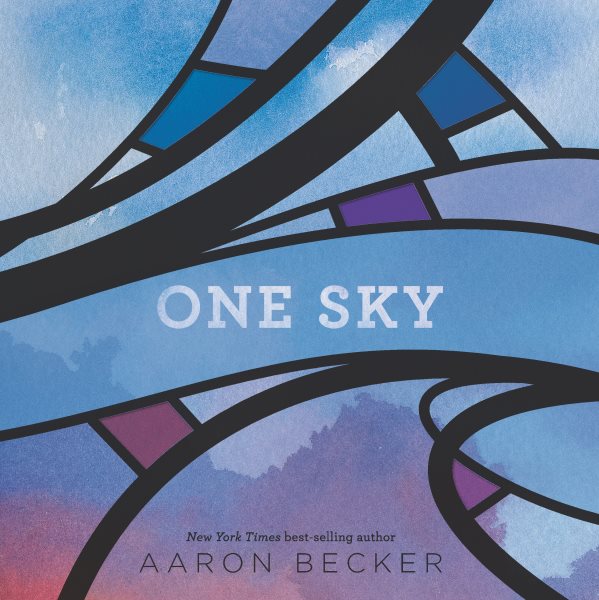
One Sky by Aaron Becker

See, what I can’t figure out is why Aaron Becker is the only person out there smart enough to be playing with the board book form the way that he does. Oh sure, Herve Tullet did it back in France for a while, and you get the occasional title that’s creative, but Becker’s the one that figured out that the board book is this infinitely adaptable piece of literature capable, with its thick-set pages, of doing things no other book can. Things like allowing light to shine through colored, translucent colors and shades. In the past he’s done books like You Are Light and My Favorite Color, but with One Sky he’s trying something a little different. This is a book in which the sky itself changes as the light changes. And, like any good stained glass window, he’s broken up these images with black lines that change in thickness depending on the need of the page. Now a skeptical adult might point out that this book is going to be hugely desirable to adults, but will toddlers dig it at all? My answer to that is yes. Here’s what you do: You lay on your back beside your kid with the book held above the both of you. Do it outside. Let the light seep through some of these pages. And trust me, the contrast of the thick black lines with the colors is going to do everything you’d want it to to that little growing brain. HIGHLY recommended.

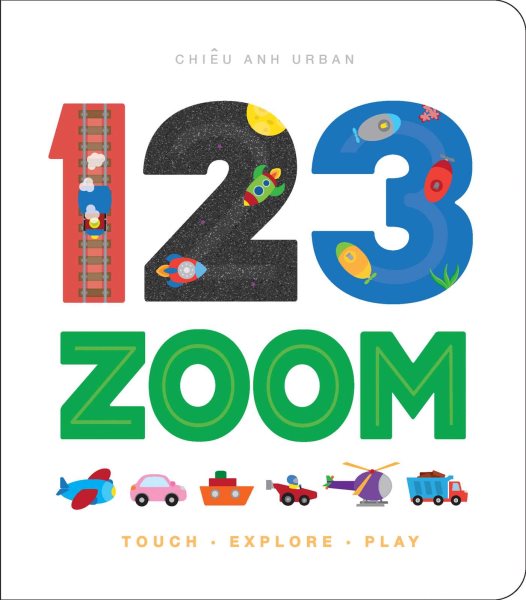
123 Zoom by Chiêu Anh Urban

I literally cannot imagine the process that goes into creating an original board book. I suppose one of the first things you’d have to do would be to determine a need. In the case of 123 Zoom, maybe that need would be an understanding of not what a number is, but its tactile shape. That done, you’d have to give the reader a reason to trace those numbers. Say, because you’re following the flight or trajectory of different vehicles. And then there’s the question of how to direct the youngest of readers. Maybe little arrows that point out where you could begin. Oh! And don’t forget to make it feel kind of cool. Maybe the sides around the numbers could be raised a little bit. And if you threw in a seek-and-find aspect as well (perhaps a tiny package that’s being delivered?) that’s just the icing on the cake. And voila! You have yourself an honest-to-goodness original board book that’s a lot of fun for kids and adults alike. Whew!

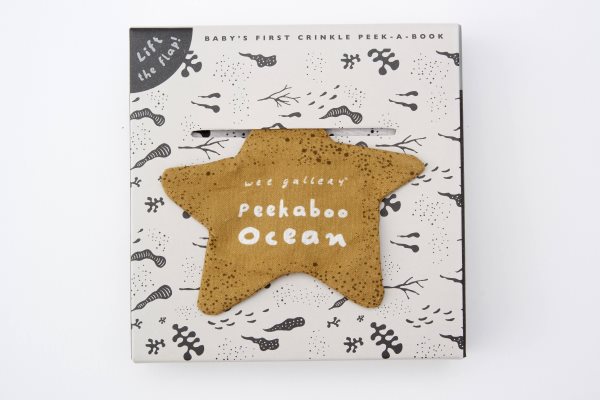
Peekaboo Forest by Surya Sajnani

Peekaboo Ocean by Surya Sanjnani

And now we get into it. The crinkle books. If you haven’t had a baby in the last 15 years then you could be forgiven for not knowing what a crinkle book exactly is. Imagine, if you will, a fabric book, only some of the pages have been filled with a crinkly material that make a soft crunching sound every time you move them. Though impossible to circulate in libraries, by and large, I was impressed with the “Wee Gallery Range” series coming out from Quarto Group which places the crinkle books in boxes. Of course a patron would lose that box almost immediately upon bringing it home, but it’s the thought that counts. These two books by Surya Sajnani are curious in that they are not brightly colored. This suggests, then, that they are intended less for little babies (for whom high contrast books are the best possible type to read) but rather for toddlers. That’s okay. The books are pretty darn cool to look through anyway, and due to the amusing nature of the art (Jon Klassen has much to answer for) I suspect they’ll  be a hit in any household you hand ‘em over to.

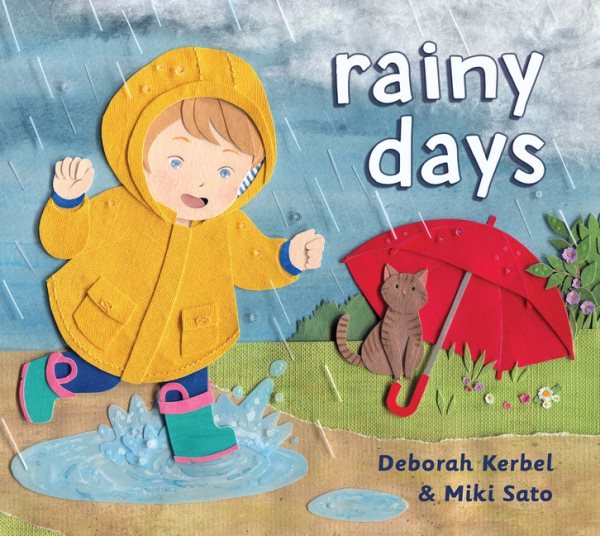
Rainy Days by Deborah Kerbel, ill. Miki Sato

I cannot resist a clever bit of paper cutting, no matter how hard I want to. Of course, cleverness only gets you so far in this life. Without age appropriate, enjoyable writing, you could be as clever as you like and the book would still sink. This is one of those titles that have the poofy covers and then the thinner but incredibly difficult to rip or tear plasticy pages. You’ll appreciate their hearty quality since this book is bound to be a favorite each time a rainy day comes along. And, as a parent myself who indulged the outdoorsy whims of my own tots long ago, I appreciate lines like, “Freezing rain; we complain,” which shows a kid and dog INSIDE on a sleety nasty day. May it save many a fine parent from feeling obligated to tromp through that muck. Layered paper illustrations by Sato expertly provide the color you needs in a book with such gray skies.

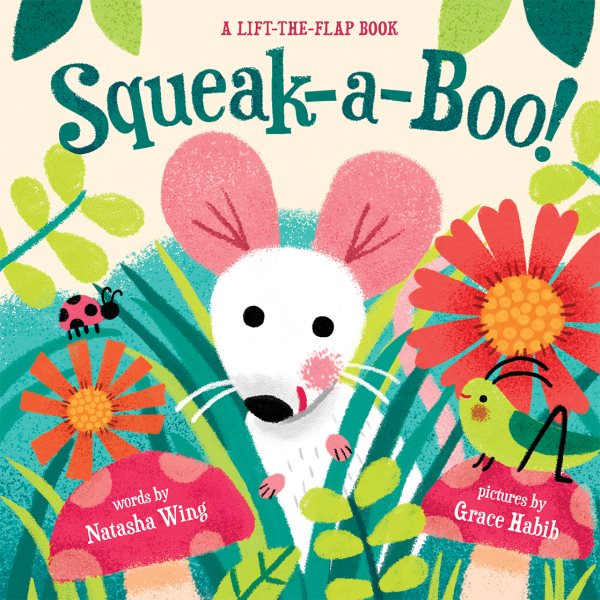
Squeak-a-Boo! by Natasha Wing, ill. Grace Habib

If the notion of a jaded board book reader is amusing to you, it’s my living reality. I read large swaths of board books in a given year. Tons of the darn things. Oodles of kaboodles of stroodles of noodles of them. And when I get a ton of mediocre ones in a row, I slowly begin to despair. Perhaps my standards are too high? Maybe people just aren’t making extraordinary board books anymore? Then I run across something like this Wing/Habib collaboration and it puts my worried heart to rest. Oh, thank goodness! This book is not dissimilar to the classic Nina Laden “peek-a-” series, in that it’s not afraid to change its peek-a-situation. In the case of this title it’s a lift-the-flap with animals underneath. The text might read something like, “What scurries past? It’s small and fast.” Lift the flap to see the little mouse and, “Squeak-a-boo! A mouse!” Now I’ve seen folks rhyme the “boo” part before, but never the “peek”. It’s just that tiny bit of extra clever that makes you really appreciate what it’s doing. As for the flaps themselves, a determined child will probably make sort work of some of them, but you may get some good reads out of it before then.

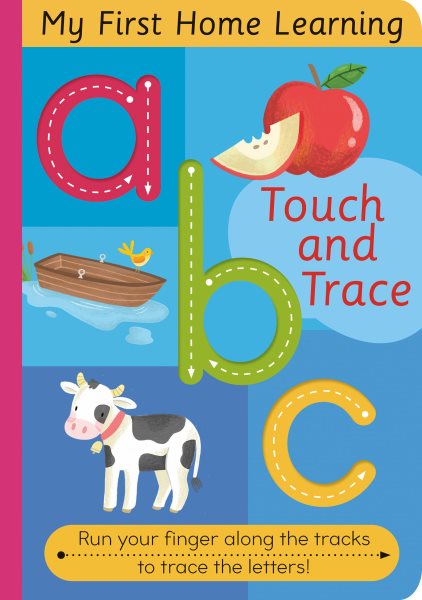
Touch and Trace ABC by Harriet Evans, ill. Jordan Wray

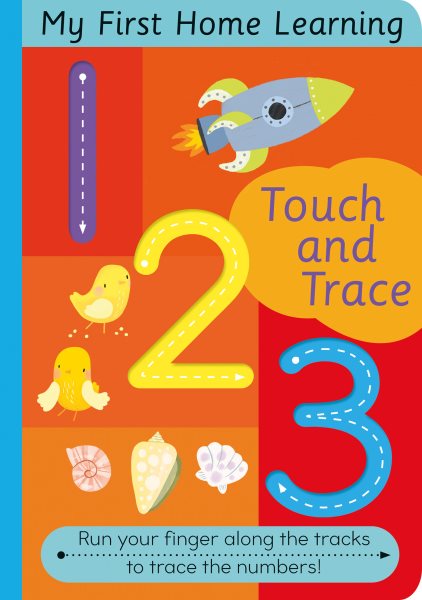
Touch and Trace 123 by Harriet Evans, ill. Jordan Wray

The fact of the matter is that you simply cannot have enough touch and trace books in this world. Holding these books in my hands, I can practically see the chubby little fingers being led up and down each letter and number. And I know I probably shouldn’t have favorites, but the numbers book is far and away the superior product. Not only do you get little numbers to trace at the end, but a whole host of simple math concepts as well. Too old for the babies and toddlers, sure, but maybe there’s an older kid lingering nearby that picks up on some of that. Couldn’t hurt!

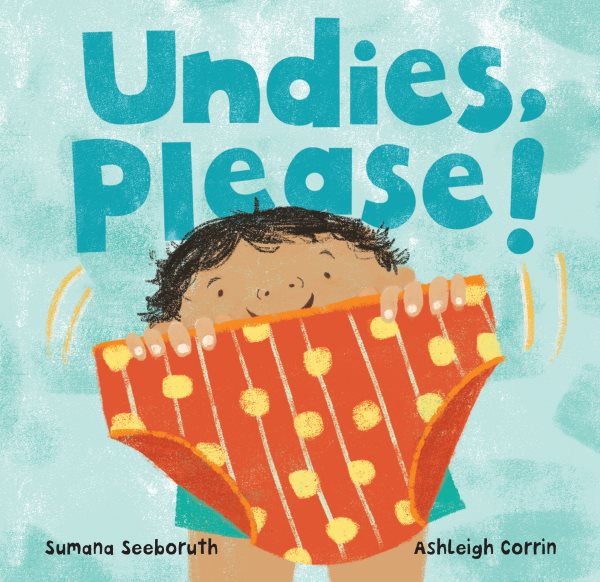
Undies, Please! by Sumana Seeboruth, ill. Ashleigh Corrin

Potty books. They have a job to do. As far as I’m concerned, the more potty training books on the market, the better that is. I remember all too well sitting my daughter down on her little potty next to a stack of board books, and watching her systematically go through them one at a time while we waited. Of course, not all potty board books are created equal. Some (a lot, actually) are just too darn old for the kids. And one of the many impressive things about UNDIES, PLEASE! is that Sumana Seeboruth is writing this text at precisely the correct age level for the first time learners. She is aided in this endeavor by Ashleigh Corrin who has produced some honestly great art. This, and I mean this sincerely, is the kind of potty training board book you won’t mind reading a hundred times or more. Taking my cue from the title, more of this, please! Also available in Spanish.

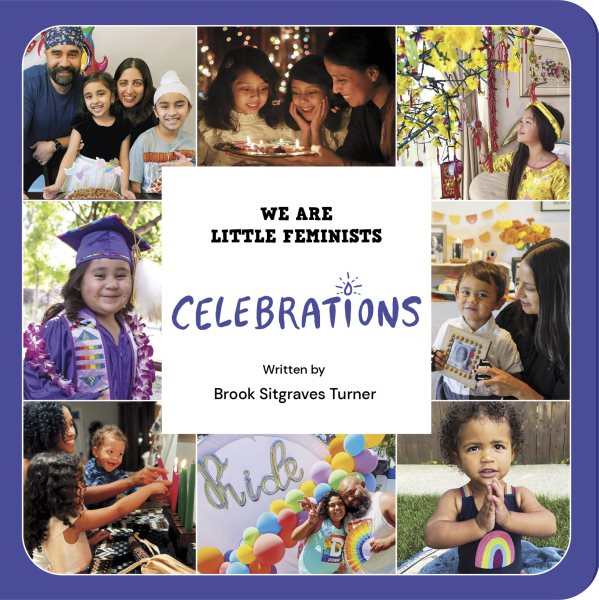
We Are Little Feminists: Celebrations by Brook Sitgraves Turner

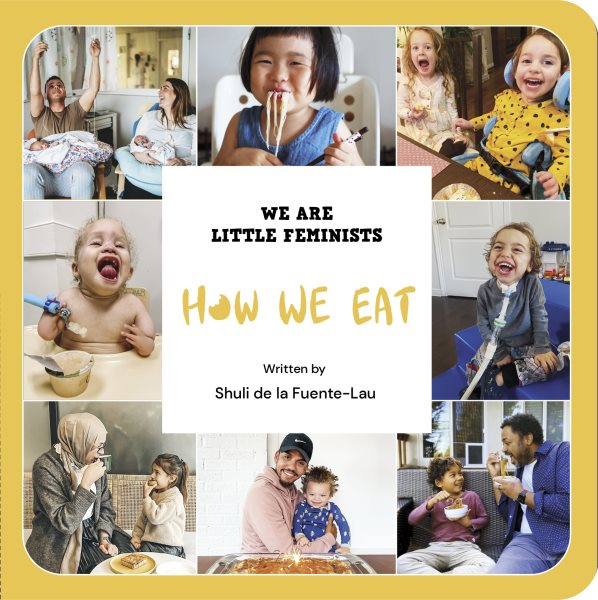
We Are Little Feminists: How We Eat by Shuli de la Fuente-Lau

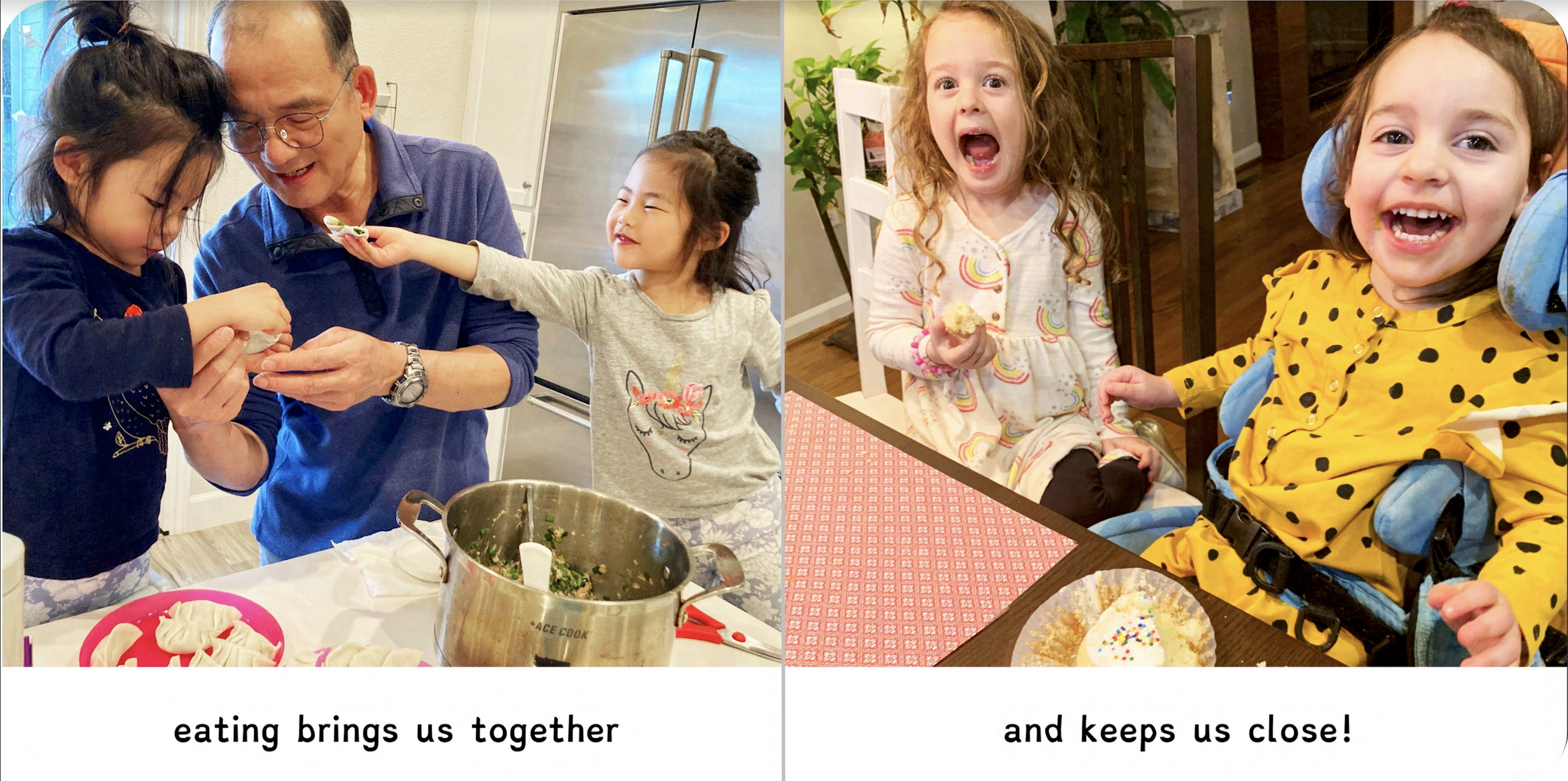
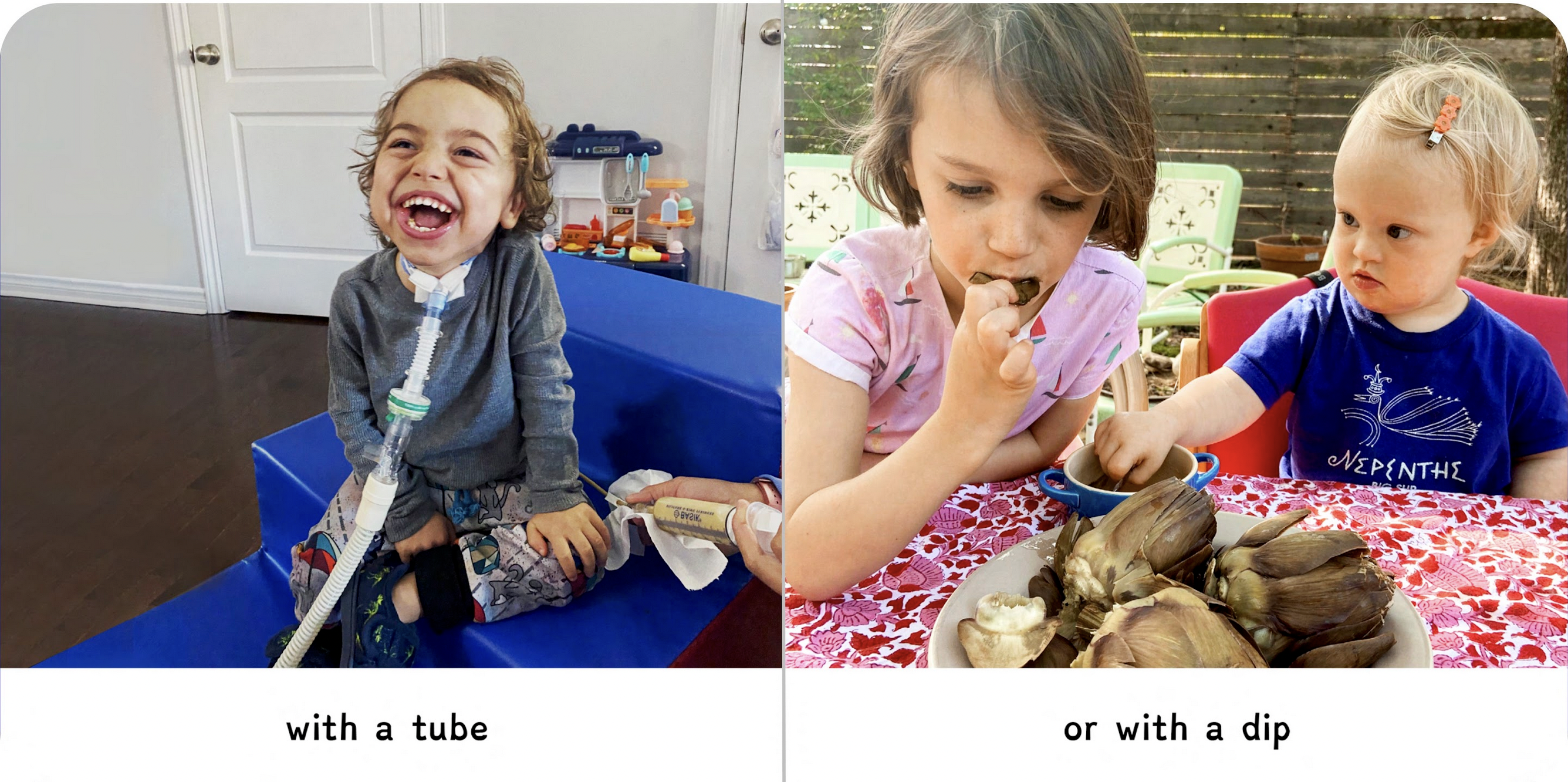
It was an upset like no other. The 2021 Youth Media Awards were being announced and we had just gotten to the Stonewall category. The Stonewall is awarded each year to “English-language works of exceptional merit for children or teens relating to the gay, lesbian, bisexual and transgender experience.” And typically that tends to be stuff on the upper end of the reading spectrum. A lot of YA. A lot of middle grade. Some picture books occasionally too. So imagine everyone’s surprise when the winner of the big Award proper went to We Are Little Feminists: Families by Archaa Shrivastav and designed by Lindsey Blakely. In other words a board book! A board book had actually won an ALA award. And while I’m no historian, I’m fairly certain that it was the very first time a board book ever won an ALA award (please feel free to correct me on this point if you know otherwise). This year, Little Feminist, the publishing house/children’s book club subscription agency, has two more board books for us. Board books that essentially wipe the floor with the photos-for-babies competition. Oh. You thought your board book was inclusive? Uh-huh. Well, lemme see here. Let’s look at How We Eat, where we’re not just showing innovative methods of breast feeding, spoons, and chopsticks but IVs, feeding tubes, ports, and more. Essentially, we’re normalizing the feeding process for everyone. As for Celebrations, powwows, pride parades, adoption days, and Obon make an appearance. On top of all that, the photos are really and truly magnificent. It’s like I say, Little Feminist sort of wipes the floor with the competition. Check out these books yourself if you don’t believe me. 

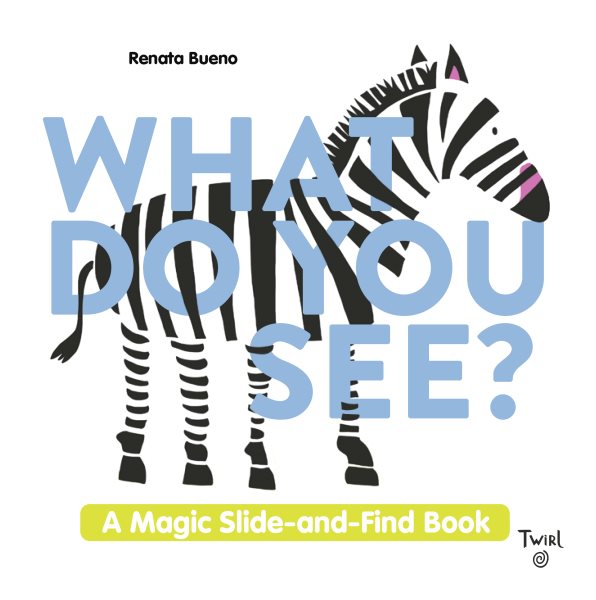
What Do You See? by Renata Bueno, translated by Wendeline A. Hardenberg

The French are back, baby! Used to be I could walk into the board book section of a library or bookstore and be flooded by the brand new board books from France that filled the shelves. Then, in the last few years, that flood turned to a trickle. I’m not sure how to account for the drop-off, but I do know that it’s always a delight finding new titles from that particular region of the world. I wasn’t familiar already with the work of Bueno, but Chronicle’s Twirl imprint rarely leads me astray. In this book you remove a “magic picture finder” from an inside pocket. Essentially it’s just opaque black lines on a piece of transparent plastic. You then place it over a picture strategically. Place it one way and you see one picture. Place it another and you see a different picture entirely. And that might be a cute gimmick alone, but what elevates the book for me is the fact that what you’re seeing in the second picture is a close-up of the first. So, you might see a camel in picture number one and then the hat that rests on the camel’s hump in the second. For a certain kind of kid, this may actually provide a great deal of fun. Just don’t lose that piece of plastic!

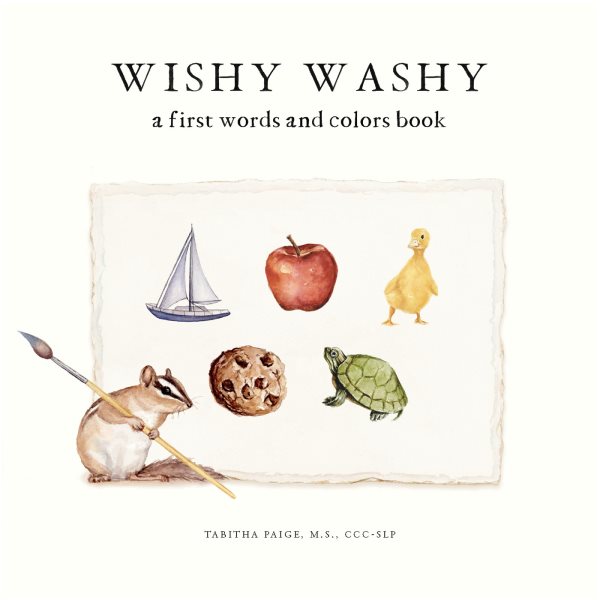
Wishy Washy: A First Words and Colors Book by Tabitha Paige

I confess that with its Beatrix Potter-esque use of realistic watercolors and white child-sized binding, I wasn’t really giving this book an adequate amount of credit when I first picked it up. It was only as I started getting into it that I realized that I had a bit of a unicorn on my hands. This is a colors book and shows a lot of first word objects, certainly. But it’s also a rhythmic rhyming book with a repeating “Wishy Washy / Wishy Washy / Swish Swish”. And then on top of that I noticed that each object gets its own two word phrase that can be fun to read aloud or indicates different body movements. But it’s the sheer length of the whole operation that’s really remarkable. I know this sounds strange, but I feel like we need more long board books these days. Some are so short that you need a pile of 15+ to read with a baby or toddler at a time. This one, with all its cool instructive and verbal elements, could keep a child and parent engaged for huge segments of time, and that’s very appealing. Best of all, it looks like a gift book. Like, you could give this to someone at a baby shower and they wouldn’t give you the side-eye. Months later they’ll thank you for introducing them to it in the first place.


Eager to read other lists this month? Then be sure to stay tuned for the following:

December 1 – Great Board Books

December 2 – Picture Book Readalouds

December 3 – Simple Picture Book Texts

December 4 – Transcendent Holiday Picture Books

December 5 – Rhyming Picture Books

December 6 – Funny Picture Books

December 7 – CaldeNotts

December 8 – Picture Book Reprints

December 9 – Math Books for Kids

December 10 – Gross Books

December 11 – Books with a Message

December 12 – Fabulous Photography

December 13 – Translated Picture Books

December 14 – Fairy Tales / Folktales / Religious Tales

December 15 – Wordless Picture Books

December 16 – Poetry Books

December 17 – Unconventional Children’s Books

December 18 – Easy Books & Early Chapter Books

December 19 – Comics & Graphic Novels

December 20 – Older Funny Books

December 21 – Science Fiction Books

December 22 – Fantasy Books

December 23 – Informational Fiction

December 24 – American History

December 25 – Science & Nature Books

December 26 – Unique Biographies

December 27 – Nonfiction Picture Books

December 28 – Nonfiction Books for Older Readers

December 29 – Best Audiobooks for Kids

December 30 – Middle Grade Novels

December 31 – Picture Books
Filed Under: 31 Days 31 Lists, Best Books, Best Books of 2022 Tagged With: 2022 board books, 31 days 31 lists, Best Books of 2022, board books

Guest Post – What Red Lipstick Has to do with Children’s Literature: Sharing Lessons I Learned While Teaching Creative Writers in Ukraine by Oksana Lushchevska

November 30, 2022 by Betsy Bird

Folks, today it is my very great honor to host Oksana Lushchevska on the blog. Jules Danielson featured Oksana back in 2015, but her bio there’s a bit out of date. As it now reads, “Oksana completed Doctoral Degree in Language and Literacy with focus in Children’s Literature from the University of Georgia and served as a reviewer of international children’s books for US IBBY and as a columnist for IBBY. Also, Oksana is the author of over 40 children’s books and translates picture books from Ukraine into the English language, some of which have been awarded the Bologna Ragazzi Award. She also extensively cooperates with a few small publishing houses in Ukraine.” And today, she’s joining us to discuss the value of Ukrainian books for children. I can think of no one better to speak on this subject. To Oksana, I yield the floor:


As a prominent children’s writer Madeleine L’Engle wrote: “It was dark and stormy night.” Or, let me rephrase it for you for the purpose of this essay:  it was dark night – the electric power was lost; and it was stormy night indeed – Russian troops shot about 90 rockets in Ukraine… while I was getting ready for my webinar Kooky/Funny Children’s Books, which I was planning to teach on Zoom that day. 

Oksana Lushchevska

My mother called: “Check if your attendees are going to show up… just check the news”. I checked the news and with the deepest pain I moved on to my presentation slides: what if they show up, I should be ready for them…

“Who needs children’s kooky books during the war?”  one and only question that came to me at this particular moment.

“An air defense system has shot down a rocket nearby. We instantly loose electric power… I am still working and waiting for Oksana Lushchevska’s webinar about kooky books to start. I hope the power from generator will last me through the whole webinar,” writes my children’s literature colleague on her Facebook page. She is in Kyiv, Ukraine; and Kyiv has an electricity blackout. But as written in her post, she needs this webinar.

My colleague Alina later states further: “I am sorry, I am with candles, and I apologize I am on and off zoom video, we have no electricity; yet, I need this webinar badly because I need to drag myself out of this (war) negativity and start thinking in a different direction.”

“Do we need children’s kooky books during the war?” the question prevailed.

Children’s books, as we know, are always about complexity: joyful and sad, realistic and imaginative, children’s literature reflects various glimpses of lives of our global communities. Children’s literature is always about what values we cherish and celebrate in our peaceful everydayness. Often children’s books are, as Jella Lepman (1891-1970), a German journalist, author, and translator who founded the International Youth Library in Munich right after WWII, said bridges to understanding and the couriers of peace. But what is the role of children’s literature in the war time?

As a scholar of children’s literature, little did I knew the real meaning of children’s books in opposition to peace — during war, during Russian war in Ukraine to be exact. This war not only brought a tremendous human and cultural loss, it also constructed a few new lessons about children’s literature, which I am eager to share with children’s literature community having a high hope that these lessons will stay rather as gained knowledge but never as obtained practice.

Lesson # 1: Red lipstick and a children’s book are a match for this high-stakes season. 

February 23, a day prior to Russian invasion, which was highly discussed by global news, I taught another children’s literature course. When my students appeared on Zoom, I asked them how they felt. “I’ve put my red lipstick on,” said Olesia, a Ph.D. candidate in literature. “I am scared of tomorrow and I want to know more on how to finish my children’s book manuscript today, as if I am ready for everything.”

Red lipstick as I know became meaningful during WWII, as a symbol of living on and staying true to oneself. And children’s books became popular after WWII as a symbol of replacing old ideologies, a symbol of peaceful coexistence. Seeing my colleagues dressed up and wearing red lipstick ready to learn more about children’s books during this hard time, I learned that children’s books are shaping our strife for life. Similar to red lipstick, children’s books talk about  perseverance and resilience. It might sound absurd but Olesia inspired me to think how a psychologist Victor Frankl (in his book Man’s Search for Meaning) explained the meaning of physical appearance and mind organization as an act of self-preservation.  It turned out that children’s books as an essential tool can be added to physical appearance as well as to mind organization.

Lesson #2: Hello Dr. Seuss! How do you do Mr. Disney? 

When Putin started the war in my country, I stopped teaching creative writing classes on children’s books but just for a while. Pretty soon, I resumed our children’s literature activities in April. My students made an immediate request: we need to learn about absurdity in children’s books as well as about silliness. “Why these themes?” I asked. “I need to know how to write books for children when everything around is absurd and surreal. War = absurd. Escaping our country = surreal,” she added. I wanted to turn to Shaun Tan’s books, yet I reconsidered. Instead, we  worked with Isol’s picturebooks because they are great examples of resifting socially-accepted discourses. Next, we worked with silly books just to add some to understanding that ambiguity is always a topic of children’s books and silliness is a necessity at all times. Were my students satisfied? Yes and no. Still it is difficult to explain the surrealistic horror of the war to contemporary children who are part of Greta Thunberg’s discourses of saving our planet and making good for the common use. Yet, one thing happened – Dr. Suess’s Green Eggs and Ham united us more closely in a sincere laugh and Michaël Escoffier’s Brief Thief reminded us that despite all we all have physical needs and sometimes our needs are the highest or the lowest inner voices of consciousness and we all have a variety of good or evil thoughts.

Lesson #3  The tougher times the better the books.

As a reviewer of both Ukrainian and international children’s books, I am keeping my eyes open for some really good titles around the globe. Ukrainian children’s book market was fast developing until February, 2022.  However, our market had a huge percentage of translated children’s books, mostly from the USA. Now the situation differs. Ukrainian publishers do not try to win over the reading audience for the sake of earning more.  Instead, they try to meet the needs of their audience by trying to publish the books which will spark an interest in deeply conversing about major meanings of victory and a value of peace. Additionally, publishers are trying to publish the books on the topics of how to live fully in the time of war.  Such books will add a lot of understanding of meaning of life in a time of turmoil for both local and global reading communities. Therefore, I think it is time for the US publishers to look more closely at children’s books from Ukraine and try to bring them for the readers in the USA. It is essential not to think about war just from a historical perspective and learn not to avoid but face the conversations in our interconnectedness and perseverance. I don’t remember the Cold War (I was too young), but I learned from Debra Wiles’s book Countdown that it was a real dark scary time here in the US. While the history repeats itself, it is not the same as well. Today in comparison to the past, we really can support the nation that fights against the evil by doing many things (online) (e. g. donate, share, support, publish, avoid indifference, etc.) and publish books from the country whose bravery we have been observing since the beginning of 2022 (below I will share the list of outstanding recently published Ukrainian children’s books). I feel that we here in the USA  have a responsibility to help our young readers to grow into empathetic adults who will most definitely create better, life-altering history for humanity to avoid tragedies such as this.

In spring, 2022, I was invited by Children’s Literature Assembly to write on how to open the conversation about the war in Ukraine. I talked about the picturebook How War Changed Rondo by Romana Romanyshyn and Andrij Lesiv, which I translated. It was published by Enchanted Lion Books and it indeed served as a great opener to the conversation. Yet, because the conversation has been now open for nine months already, I feel it is time to continue and to deepen it. Thus, we, as a reading community, should request children’s books which will help us to do so. Why? To see how people of 2022 live through war and what they do (e. g. what their days look like, what they use for entertaining, how they go to schools, etc). To say in Zelenskyy’s words: “if we stay silent today, we’ll be gone tomorrow!” Doesn’t this quote apply to all of us? No doubt, it does.

To conclude, I would like to mention that not so long ago I’ve heard on NPR how Taiwan learns lessons from Ukraine. Does only Taiwan need them? We all need the lessons from Ukraine, we as global community are all in a desperate need to know more about living gracefully and act in highest mode of human interconnectedness. Or, don’t we?

Books from Ukraine: Must-Publish in the USA to learn more about contemporary lessons of perseverance and humanness

The Rooster (By Zoriana Zhyvka and illustrated by Olia Haidamaka. The Old Lion Publishing House, 2022.)

The Yellow Butterfly (By Oleksandr Shatohin. The Old Lion Publishing House, 2022.)

The Dream (By Zoriana Zhyvka and illustrated by Bohdana Bondar. Svicahdo, 2022.)

Going Home by Train (By Marjana Savka and illustrated by Marta Koshulinska. The Old Lion Publishing House, 2022.)

The Battle for the City (By Volodymyr Cherneshenko and illustrated by Tetiana Kopytova. Artbooks, 2022)

A School Break by a Must (By Kateryna Ehoryshkina. Vivat, 2022)

A Secret Book of My Big and Small Victories (By Tania Stus and illustrated by Marta Koshulinska. Knyholav, 2022)

Let’s Hold Hands, Sister (By Oksana Lushchevska and illustrated by Anna Surgan. Krokus, 2022)

The Cat, the Rooster, and the Kitchen Cabinet (By Oleksandr Myhed. The Old Lion Publishing House, 2022.)

Air Raid Children (By Larysa Denysenko, illustrated by Olena London. Vydavnystvo, 2022)

Листи на війну. Діти пишуть солдатам/Letter on the War. Children Write to Soldiers (Edited by Oksana Lushchevska and Valentyna Vzdulka and illustrated by Olena Staranchuk. Zalizny Tato, 2022)

The Apricot Trees Bloom in Night (By Olia Rusian. The Old Lion Publishing House, 2022.)

Gerar, the Partisan (By Ivan Andrusiak and illustrated by Anna Majta, Vivat, 2022.)

Quite Night, my Astronaut (By Oksana Lushchevska and illustrated by Katia Stepenishcheva. Knyholav, 2022.)

My Father Turned into the Star (By Halyna Kyrpa and illustrated by Oksana Bula. The Old Lion Publishing House, 2015.)


 I’d like to thank Jules Danielson for connecting me to Oksana and allowing me to premiere this piece on Fuse 8. And thanks, of course, to Oksana herself. Here’s hoping we see many more of these books for kids stateside in the future!

Filed Under: Guest Posts Tagged With: guest posts, Oksana Lushchevska, Ukraine

Ellen Myrick Publisher Preview – Spring 2023 (Part Three)

November 29, 2022 by Betsy Bird

I wasn’t kidding about more preview schtoof. If you’re interested in parts one and two then be sure to check them out as well. Today we plow forward with our third part. Lots more books for you to look at, folks!

Finn’s Fun Trucks: The Train Team by Finn Coyle, ill. Srimalie Bassani

This isn’t the first Finn book I’ve ever encountered but I don’t know that I knew much about their author the first time they made their debut. For those folks looking for books from neurodiverse perspectives, Finn Coyle is on the spectrum. For this series he’s a consultant and helps to write them as well. In this latest title, the focus is squarely on those kids who want anything vehicle oriented. There was a time not too too long ago when my own children were wild for anything of a vehicular nature, so I feel this book series would have done them a spot of good. And, of course, the more technical terms you work in there, the happier the (young) readership.

Kind Crocodile by Leo Timmers

I wonder… could be at all possible that there are a few of you still out there unaware of the great golden glory that is Leo Timmers? This Belgian creator has such a distinctive tone and style that I actually wait through these previews of Ellen’s with the hope that maybe I’ll be able to catch a glimpse of a new Timmers title on the horizon. Today, that patience is well rewarded. First off, look at that sweet little punim. Who could fear a face like that? And yet, as the book is quick to show, that’s precisely what happens with our boy. That is, until he helps scare off an even scarier predator. Now this is the very first Leo Timmers original board book, so I’m rather thrilled on that account as well.

Friend by Gavin Bishop

Maori creator and New Zealand native Gavin Bishop may be better known to some for his previous book Pops. Now its companion book is coming out and at its heart it’s really just a story about a kid and his dog. What keen about this book, though, is that it fills a need we constantly have but are often unable to find. Adult selectors (particularly those that serve on committees) like books with complex texts. Yet it’s the simplest books that are often in the highest demand. With simple one or two word sentences, Friend slots neatly into that very category. Doesn’t hurt matters any that the art is rather lovely as well.

Perfect Presents by Anke Kuhl

Okay. You’re gonna have to go with me on this one. Before I show you some of the inside spreads, you have to understand that I grew up with a great fondness for Muppet chaos. As such, the idea of animals eating animals for laffs is lodged firmly in the second lobe of my cerebellum. Here then is a brief glimpse of this German import’s very particular humor:

Okay. So there are a LOT more sequences of the lizard creature handing the owl guy presents only to see them devoured. But you get the picture from this, yes?

The Moon Is a Ball by Ed Franck & The Tjong-Khing

Oh, like I’d leave you with only one Belgian today. Now if there’s anything I’ve learned over the years, it’s that the Europeans do one thing in their children’s books far better than we Americans: Bedtime stories. We’re okay. Publishers like Candlewick do what they can to produce them on occasion (though 50% of the time those titles are from England anyway). But overseas they understand that longer texts can be delightful when it comes to bedtime reading. And nowhere is this clearer than in this sweet little illustrated story collection about two friends. It’s just built to be shared aloud.

Astonishing and Extinct Professions by Markus Rottmann and Michael Meister

If the Europeans do bedtime books better than Yanks then where do we excel? That’s an easy one. Nonfiction and informational books, obviously! Generally speaking, other countries have an aversion to sourcing their facts, and including timelines, bibliographies, recommended sources, and just backmatter in general. They do, however, come up with some pretty cool ideas, and here’s a great example of that. First and foremost, can you think of a better title? I was particularly pleased to see that the Fartiste (last seen in the book Fartiste by Kathleen Krull and Paul Brewer, ill. Boris Kulikov) got his own place on the page. Beautiful.

Big Bangs and Black Holes: A Guide to the Universe by Herji and J. Francfort, with Nobel laureate Michel-Mayor, translated by Jeffrey K. Butt

During the early days of the COVID-19 pandemic when the schools closed and a whole host of parents found themselves in the unexpected position of homeschooling, my husband took it upon himself to give our kids a rough approximation of history via comics. He had lots of avenues to choose from, Larry Gonick’s Cartoon History series was key. Of course, Larry’s done all kinds of topics, including science and math. It is in this vein, then, that I was so happy to see this import coming to us via the winner of the Nobel Prize in Physics. If you’ve been looking for a graphic novel title that covers gravitational waves, the theory of relativity, black holes, and more, I think you’ve found your winner.

Benny the Bananasaurus Rex by Sarabeth Holden, ill. Emma Pedersen

The banana, for all its flaws (as a wise woman once told me, they are “God’s failed attempt at soap”) is an inherently funny fruit. Perhaps it is its size. Its construction. Its very name. Whatever the case may be, bananas are friggin’ hilarious. Now for a long time I’ve been advocating for not simply We Need Diverse Books but We Need Funny Diverse Books. And this little number, with its Inuit/Arctic characters and setting fits the bill. The story’s simple: A kid loves bananas so much that he turns into a banana dinosaur. Do you even really need more than that? Nuh-uh. Nope. You don’t.
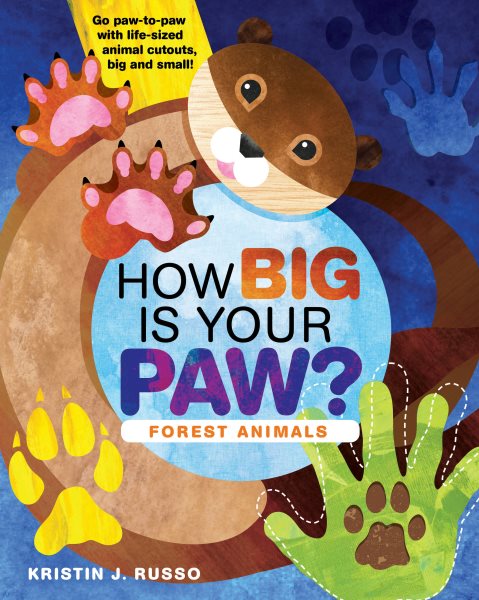
I Remember: A Recognition of Muslim Loyalty and Sacrifice in WWI by Maidah Ahmad, ill. Kristina Swarner

You know, sometimes when I make the statement that we’re currently living in a golden age of children’s literature, I can experience doubt. Is that just an example of my own hyperbole? Do I honestly believe what it is that I’m saying? Then I get to see books like this one and my statements are more than justified. Yes, dammit, this IS a great time to be gauging, judging, admiring, and generally engaging with books written for youth. How could I even doubt that? Can you begin to imagine a book about the Muslim experience in WWI coming out even ten years ago? In this particular book a young girl thinks about her great-great-grandfather and speculates about what he experienced when he was a soldier. How did he pray? Sleep? Learn another language? And you know me. If there’s lots of great backmatter at the end then I am a happy pooky. Talk about raising the bar a bit. 

Watch Me Bloom: A Bouquet of Haiku Poems for Budding Naturalists by Krina Patel-Sage

Okay. I’m including this one in here because it’s doing something I’ve never seen before in a picture book. Not the haiku poems, though we always need a lot more new poetry books in a given year. And not the mixed media art, though it’s quite pretty. Not even the mix of STEM and art. No, I’m fascinating because a conscious effort was made to make sure that the flowers featured in this book were non-invasive species. I don’t really remember any other book making a strong point on the matter, but here every flower featured fits into the place that it is portrayed.

My Mommies Built a Treehouse by Gareth Peter, ill. Izzy Evans

Perhaps about this time you’re thinking, “This is all well and good, Betsy, but where the heck is the LGBTQIA+ representation on any of these lists?” Noted and agreed. So if the name “Gareth Peter” sounds at all familiar, you may be associating it with the picture book Adventures With My Daddies. Funny thing is, that book didn’t come out with Lantana but with from a different publisher: Peachtree. Now he’s paired with Izzy Evans for a new book. In this tale, a kid wants a treehouse, but there are lots of steps involved. For example, you have to look for the right tree to build in. One mommy is good at designing and one is good at decorating, so together they’re able to create not just any treehouse but a dream treehouse. Just watch out. This may suffer from the Bluey problem and raise expectations about parental abilities.

My Mommy Marches by Samantha Hawkins, ill. Cory Reid

And just for kicks, let’s end today on a high note. And what could be higher than a social justice activist book? The plot’s pretty simple: A child thinks about her mom and why she marches. It’s not linked to a single or specific issue which means, logically, that it will never age. After all, inalienable rights have an amazing amount of longevity. 

Filed Under: Publisher Previews Tagged With: Ellen Myrick, Flowerpot Press, Gecko Press, Helvetiq, Inhabit Media, Kube Publishing, Lantana, Myrick Marketing, publisher previews

Ellen Myrick Publisher Preview Spring 2023 (Part Two)

November 28, 2022 by Betsy Bird

Welcome one and all to the second part of our fabulous recap of Ellen Myrick’s marvelous publisher preview. Myrick Marketing, as I’ve mentioned before, represents a large swath of smaller publishers who need their time in the sun just as much (if not more so) than the big fellas. That’s where I come in. I don’t show you everything I’ve been presented with, though. Just the things that pique my interest. And today, these books were the very essence of pique.

Food for Hope: How Jon Van Hengel Invented Food Banks for the Hungry by Jeff Gottesfeld, ill. Michelle Laurentia Agatha

Back in 2021 you may recall that there was a pretty darn decent book published the same team you’re seeing here called The Christmas Mitzvah book (which won a 2022 Silver Medal from the Sydney Taylor Book Award committee). That book was categorized as fictional by folks like Kirkus, though it was based on a real fellow. This book probably won’t fall into the same trap (and I see that Baker & Taylor has already deemed it nonfiction and a biography). The subject, Jon Van Hengel was indeed the fellow who came up with the concept of food banks that we use today. The books shows how he created the system that is currently in use in the U.S. today. Essentially, this is a book about being an active member of your community in a good way. Yet at the same time it never makes what he did sound easy, and takes care to show his struggles. And for you backmatter nerds out there, take a look at this:

Love that note on dialogue. Wish it was an industry standard for informational picture book texts for kids.

Scurry: The Doomed Colony by Mac Smith

For the next book, I am obligated to tell you that this might not be the final cover. If it does get changed, though, it’ll be a friggin’ cryin’ shame, because I feel like they got a hole in one with this:

Ist not glorious? This is basically about a colony of mice trying to survive in some post-human dystopia, and you get ALL of that from this book jacket. Besides, what kid wouldn’t want to pick up a book that looks like this? In the story itself, mice in the past got very reliant on humans when it comes to food. Now the humans are all gone (for some unnamed reason) and the mice have to find it on their own. Trouble is, it’s a hazardous world out there and the cats are also foraging. Ultimately it becomes a story about a quest for finding a safe place to be.

Blitz: Volume 2 by Tsukasa Mori, Cedric Biscay and Daitaro Nishihara

You’d be forgiven for wondering why Garry Kasparov’s name is so prominent on the cover here. Turns out, he’s a consultant on this SoJo series. Now, normally I wouldn’t highlight a sequel, but I missed the first book in this series and I’m rather charmed by the concept. A rather nice companion to those kids that got obsessed with chess after The Queen’s Gambit (you know they’re out there) this enters the world of high stakes chess at a high school chess club. Better still, the backmatter covers chess rules, strategies, and more.

Kaya by Wes Craig

It’s bad enough to be caught in a dystopia. Even harder when you have to take along your bratty younger brother. In this series a girl with a magical arm (excellent) has to take her little brother to a safe harbor. He’s apparently the key to saving their world. He is also annoying and it is hard. And there are giant lizards involved. Drop the mic.

Ava’s Demon – Book One: Reborn by Michelle Fus

The background to this particular title is that it was initially a webcomic and then it turned into the largest Kickstarter for a webscomic in history. By the time it was slated to be turned into a book, 1.2 million people followed it online. The story involves a girl who has a demon living inside of her. Naturally, this is a difficult thing to live with. All the more when it becomes clear that the “demon” is actually an ancient alien queen… and she wants to make a deal. This is definitely more on the YA side of things, so hand it to your teens into Lore Olympus and you should be fine.

Actually, let me just pause a moment on this one. Eye of Newt Books is a relatively new publisher here today, and good reason too. According to Ellen it was started by one of the co-founders of Inhabit Media. Inhabit Media, as you can probably know, is the publisher that specializes in Inuit creators, artists, and stories. The books you’ve find at Eye of Newt are the ones that didn’t fit with the mission of Inhabit Media. Case in point . . .
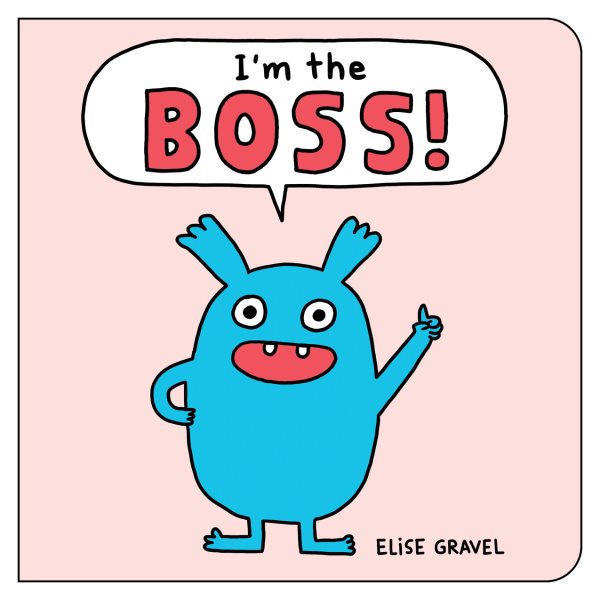
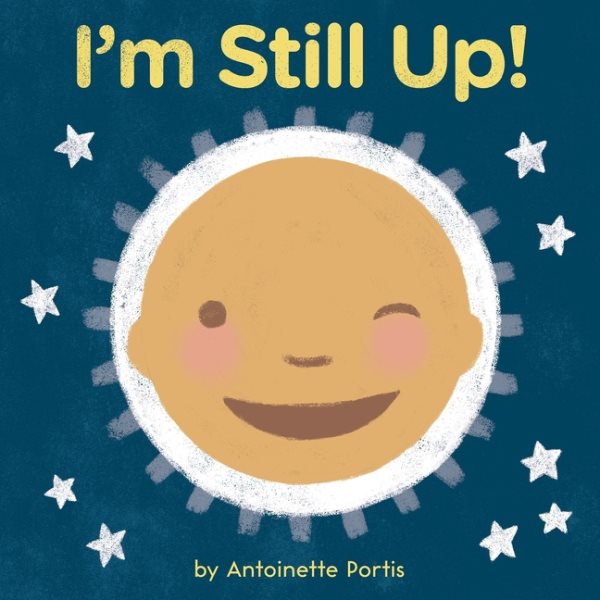
What Lurks in the Dark? by Kelly Ward-Wills and Steve James

Don’t be fooled by the cover. This title is part of a new board book series for slightly older readers. Replete with additional backmatter, it slots neatly into the STEM board book trend we’ve been tracking the last few years. It’s not the first in the series (What Dwells in the Deep took that honor) but it’s coming up in 2023 and has some fairly nice visuals. Always assuming you’re into eels (I am!!).

Mina Belongs Here by Sandra Niebuhr-Siebert, ill. Lars Baus

We need a new category. What do you call children’s books in which the protagonist goes to a new place and the artist renders that space different in a variety of innovative ways? I’m thinking of books like Here I Am by Patti Kim and Gibberish by Young Vo (to say nothing of Shaun Tan’s The Arrival or Pie in the Sky by Remy Lai). Welp, add Mina Belongs Here to this Yet To Be Named category. In this story Mina is coming to a new place and trying to adapt. To give a sense of her disengagement everything about this new space is rendered in black and white. That is, until Mina begins to build relationships and things start to appear in more and more in color. And Baba Yaga gets a cameo, so that’s always a good thing.
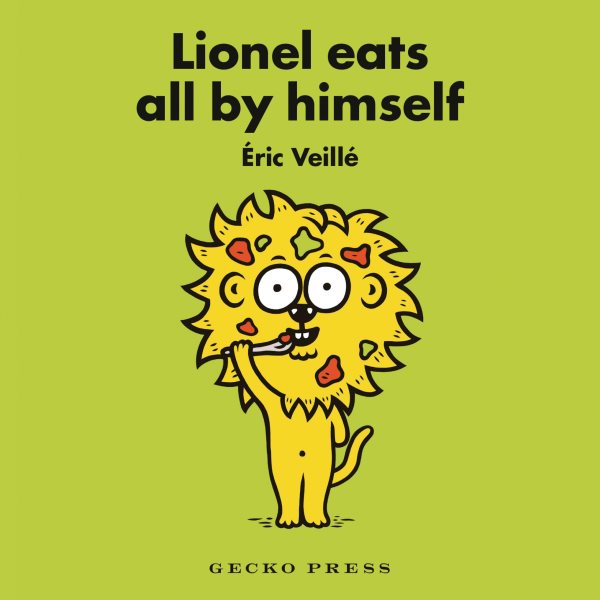
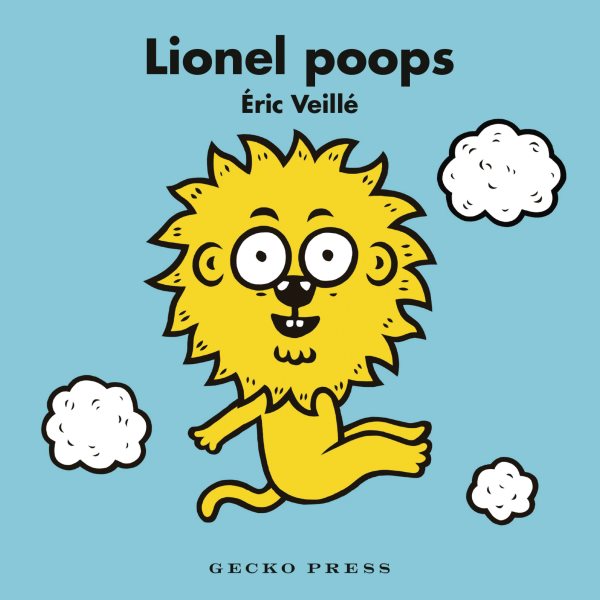
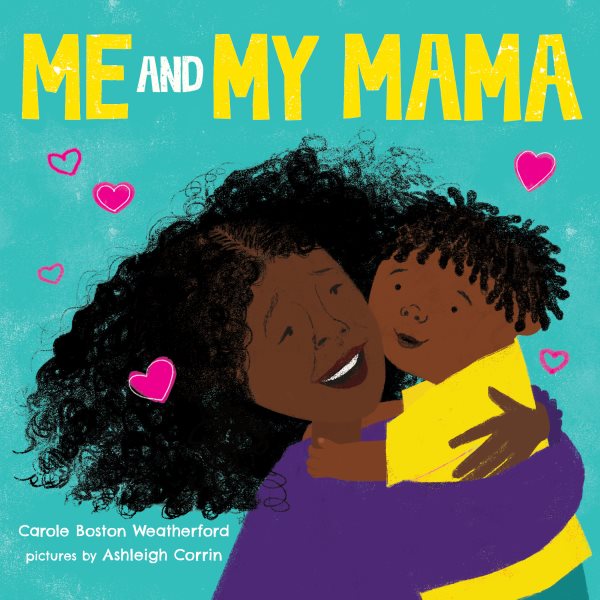
And that’s all she wrote for today! But stay tuned. I’ve only a little bit of time before my 31 Days, 31 Lists start coming out. Time to get everything done now!

Filed Under: Publisher Previews Tagged With: Creston Books, Dynamite, Ellen Myrick, Eye of Newt Books, Floris Books, Myrick Marketing

  • « Go to Previous Page
  • Page 1
  • Interim pages omitted …
  • Page 149
  • Page 150
  • Page 151
  • Page 152
  • Page 153
  • Interim pages omitted …
  • Page 1048
  • Go to Next Page »

Primary Sidebar