• Skip to primary navigation
  • Skip to main content
  • Skip to primary sidebar
  • About/Contact
  • Fusenews
  • Reviews
  • Librarian Previews
  • Best Books
    • Top 100
    • Best Books of 2022
    • Best Books of 2021
    • Best Books of 2020
    • Best Books of 2019
    • Best Books of 2018
    • Best Books of 2017
    • Best Books of 2016
    • Best Books of 2015
    • Best Books of 2014
    • Best Books of 2013
  • Fuse 8 n’ Kate
  • Videos
  • Press Release Fun

Using Well-Placed “Humour” As a Trojan Horse for Information: An Interview with Philip Bunting About Ants!

Using Well-Placed “Humour” As a Trojan Horse for Information: An Interview with Philip Bunting About Ants!

February 27, 2024 by Betsy Bird

In the backmost corner of my brain, down the hall from the water cooler, the whiteboard, and the various cubicles producing god-knows-what-all, there is a list. It’s not a particularly noticeable list and, I suspect, you could probably walk right by it without giving it a glance. Nevertheless, it’s a list I consult with great frequency. Scrawled in crayon, right at the top, are the words “PEOPLE I WANT TO INTERVIEW”. And prominent amongst them, for a number of years, has been the name “Philip Bunting”.

Does his name ring a bell? If you’re an American it might not, and that’s a pity. I bet you’ve seen some of his books before, though. Chances are, if you’ve seen them, laughed with them, or shown them to a kid, you’ve probably an affection for them. Phil himself is Australian, but his books, with their irreverent nonfiction topics, touch on international themes. He’s one of the few author/illustrators I included twice on my 31 Days, 31 Lists for two separate titles. And now I find that he has a new book out March 19th. Called The Wonderful Wisdom of Ants, it joins a surprising number of other ant-related picture books due to come out in 2024. If you can pick only one, though, I think you know where to look.

Today, I get to talk to Mr. Bunting for the very first time. And not simply about ants either:


Betsy Bird: Philip! Long time reader, first time interviewer. I’ve been a huge fan of yours for a number of years. Your propensity for placing eyeballs in objects and living beings that do not, for all intents and purposes, actually have eyeballs is fantastic. You bring a much needed irreverence to the world of nonfiction books for kids. Just out of my own curiosity, how did you get wrapped up in informational books in the first place?
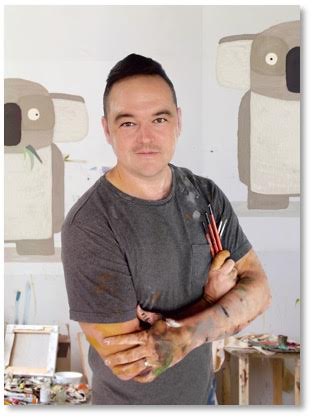
Philip Bunting

Philip Bunting: Exactly for that reason—so many nonfiction books are a little too heavy on the reverent, the earnest, the literal. They tend to take themselves too seriously. Falling back on the local parlance here (Queensland, Australia), much of children’s nonfiction is ‘as dry as a dead dingo’s donger.’ Perhaps when I was growing up—pre-interweb 😉 —very literal nonfiction had its place, but it is a less relevant form today, in my humble opinion. Particularly when dealing with nonfiction, well-placed humour can behave like a Trojan Horse for information, allowing the ideas to get in by stealth. 

BB: Just adding “dry as a dead dingo’s donger” to my list of phrases I didn’t expect to encounter today. You know, walking that balance between what is funny and what is real can be tricky. Yet I never find that I have difficulty parsing truth from fiction in your books. Is there a lot of trial and error when you’re adding humor to your books (a lot of editing down) or do you tend to nail the landing the first time you create a manuscript?

PB: No, I never nail the landing (and anyone who claims to is probably spinning a bit of a yarn)! Distillation to the point of being able to produce a presentable picture book manuscript requires rounds of editing. The same applies to both fiction and nonfiction, but my goal is always to present the information or story as simply—and in as few words—as possible. I keep a copy of Orwell’s Six Rules for Writing on my wall as a reminder to keep it simple (and refrain from trying to become Conan the Barbarian).  
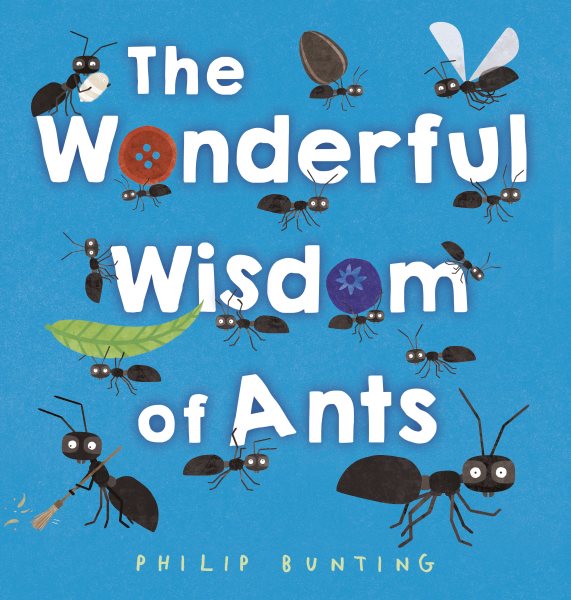
BB: That right there is the sound of hundreds of people running to look up Orwell’s six rules. No shade (ha ha) on other tree communication books but your GENTLE GENIUS OF TREES really is the standard bearer when it comes to books for kids that explain the whole process. You’ve followed it up with THE WONDERFUL WISDOM OF ANTS, which is fantastic, but it gets me to wondering. We’ve a million bee books for kids out there, and surprisingly few ants. What made you choose the little sugar lovers over the pollen lovers?

PB: Well, thank you, that’s very kind. Ants are indeed underrepresented and underappreciated! I had kept a few disparate notes and facts on ants, across a few equally disparate notebooks. There came a point where I’d collected enough random data to see a through-line for the book—that being the somewhat anthropomorphised ‘lessons’ we hairy humans could take from ants. 

BB: Out of curiosity, what kinds of reactions do you get from kids to your books? 

PB: Kids’ reactions tend to be as wonderful and unique as they are. But anything a little rude or cheeky that makes it through the final edit tends to get the most attention from the kids. I set aside a few hours each week to reply to messages and emails from children, teachers, parents, and more, and those few hours are often the best part of my working week—the feedback is incredibly humbling. 
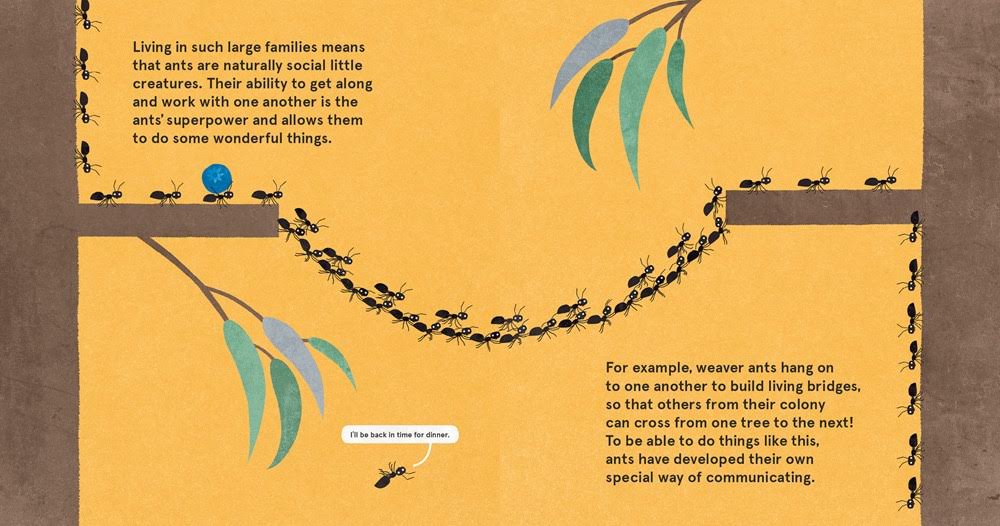
Image courtesy of Crown Books for Young Readers

BB: You snuck a bit of a nice environmental message at the end of ANTS, I noticed. Your books are funny and informative but is there an inclination to also raise the occasional consciousness when it comes to this Earth we all live on? 

PB: Most good contemporary nonfiction inherently promotes positive environmental messaging—if not explicitly, it does the job simply through positive association. We fight for what we love, and discovery—through good literature—is often the first step in that process. The message at the end of my Ants book is pretty literal, but I don’t see the application as exclusively environmental—it’s an ethos that can be applied to every decision, every moment, to help benefit the greater good. If we each endeavour to make the world a little better—with every decision, in each moment—then we help to nudge the dial in the right direction, just a little.

BB: And were there any ant facts that you weren’t able to fit into this book?

PB: Way too many! Fire Ants get a bad rap, but they exhibit some incredible behaviours. My favourite behaviour is that when they are faced with a river, or sudden flood, a colony of Fire Ants will join together to make a living raft . . . and float to safety. Look out, humans!

There were also ‘hive mind’ allegories I had to leave out, and even quantitative comparisons between the number of neurons in an ant colony vs the number of neurons in a human brain, which were really interesting.
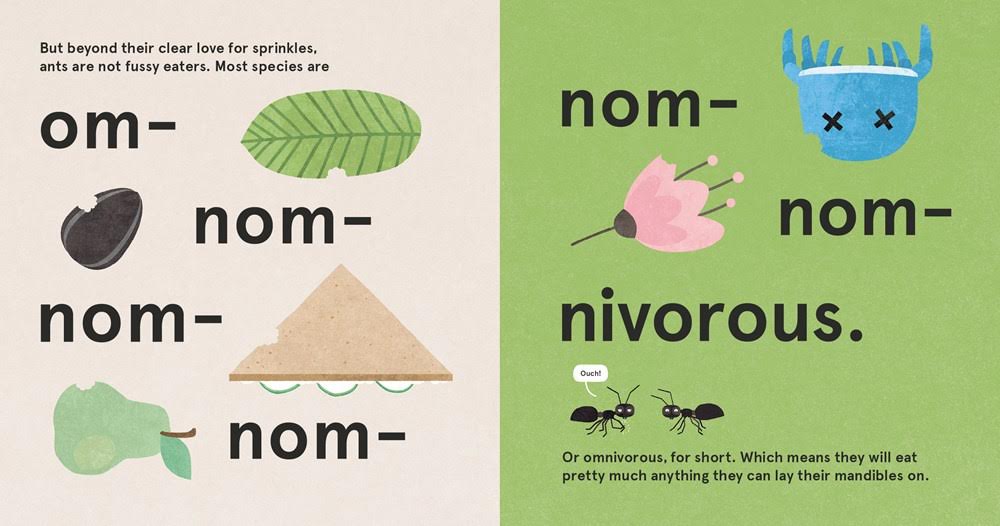
Image courtesy of Crown Books for Young Readers

BB: Zut! I would have loved to have learned more about that one. What kinds of books are you working on next? I know you often have a number of irons in the fire. 

PB: I’ve most recently finished a book about human reproduction—How Babies Are Made—which will be published by Scholastic here in Australia, in June (2024). I make books primarily for my own children, and the older two (age 10 and 8) were beginning to ask questions. A picture book seemed like the best way to answer. 😉

BB: Finally, this one’s just for me. I have to know. In one of your books (which shall remain nameless) I swear to God I found three Simpsons references. I could be wrong but just let me know: Were they intentional?

PB: Having grown up in the 90s—the golden era—I just love the Simpsons. It is the most wonderful anthology of comedy, silliness, and heart. I don’t think any of my references would have been intentional, but equally I don’t think I could have helped it at this point. The writing from that show has formed a significant part of my subconscious! 🙂

BB: As is right.
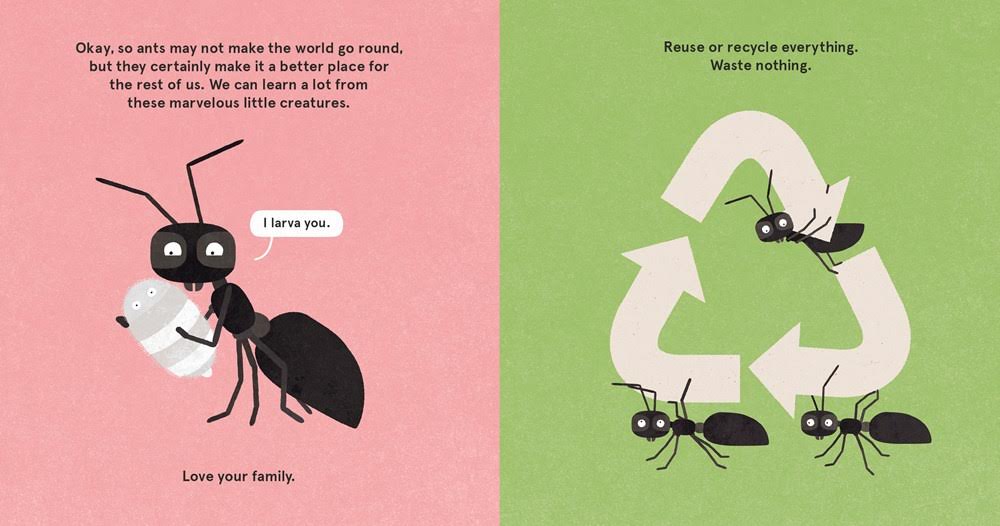
Image courtesy of Crown Books for Young Readers

Big time thanks to Philip for taking the time to answer my questions today. Thanks too to Sarah Shealy of Blue Slip Media for helping to put this together. You can find The Wonderful Wisdom of Ants on bookstore and library shelves everywhere March 19th. Find it! Read it! And enjoy the fact that 2024 is clearly the year of the picture book ants.
Filed Under: Best Books, Best Books of 2024, Interviews Tagged With: author interviews, illustrator interviews, Philip Bunting, picture book author interviews

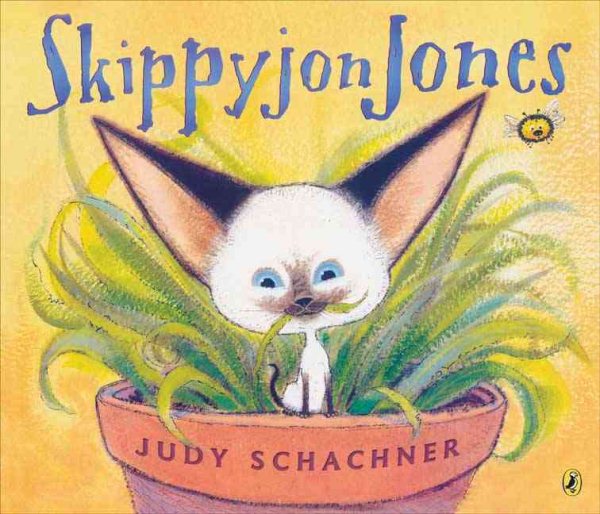
Fuse 8 n’ Kate: Skippyjon Jones by Judy Schachner

February 26, 2024 by Betsy Bird

Originally released in 2003, Skippyjon Jones is a fascinating study of a picture book that was controversial prior to the rise of We Need Diverse Books. When first it came out, the book received loads of praise and awards … and then loads of controversy. While still in print today, we identify the probable reasons why this book doesn’t have a Netflix show, a Macy’s Thanksgiving Day Parade, a live-action film, etc. Let’s just say there may be a reason why the last book in this series came out in 2014. We discuss what may be one of the oddest Kirkus Reviews I’ve ever read (and I do it twice on the show), the name “Siamese cats”, and why the book is trying to keep the hero “out of the closet”.

Listen to the whole show here on Soundcloud or download it through iTunes, Stitcher, Spotify, Google Play, PlayerFM, Audible, Amazon Music, or your preferred method of podcast selection.

Show Notes:

If you would like to read the entry I wrote in 2009 when Skippyjon Jones appeared on my entry for this book on the Top 100 Picture Books Poll, you can find it here.

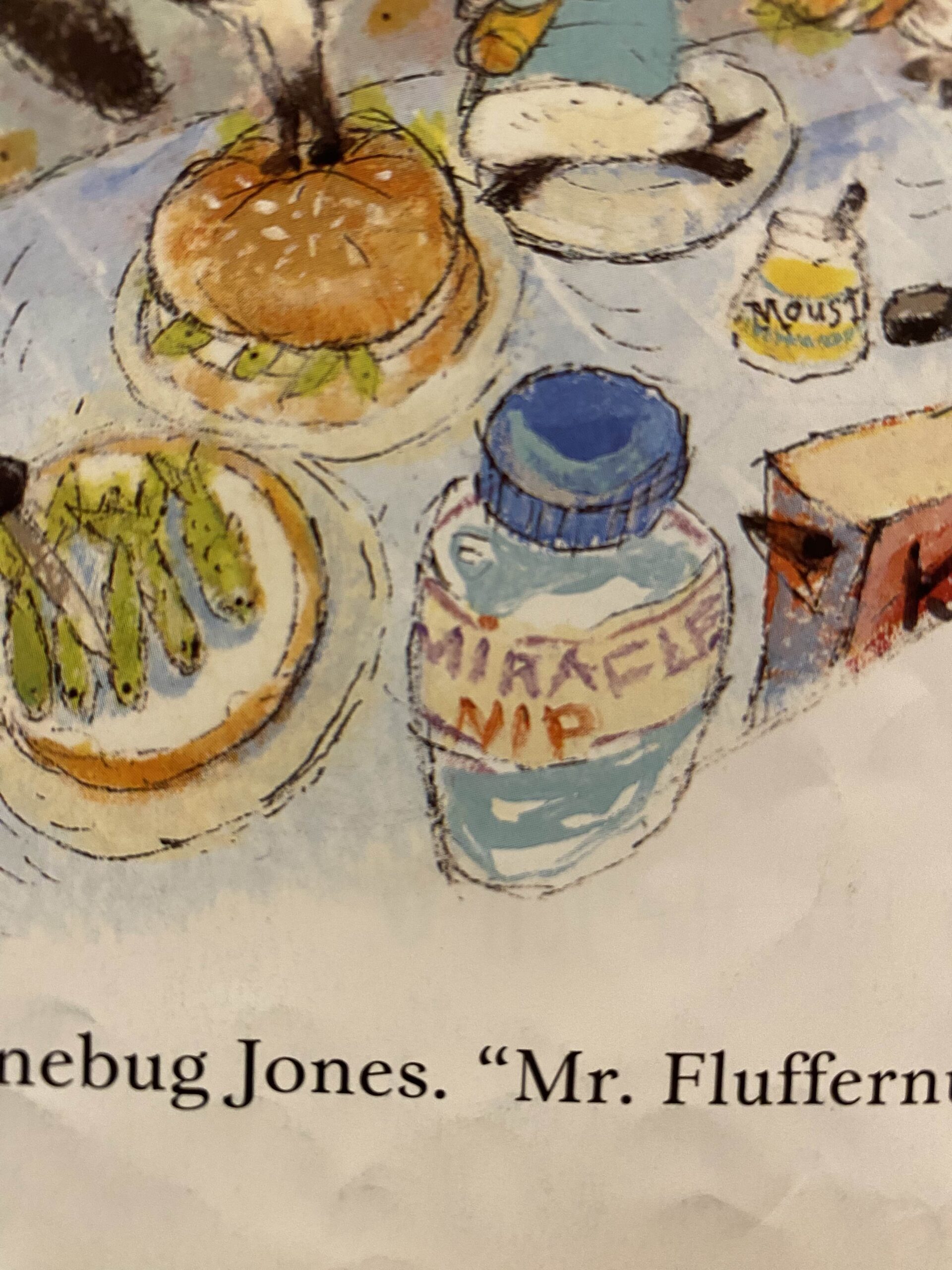
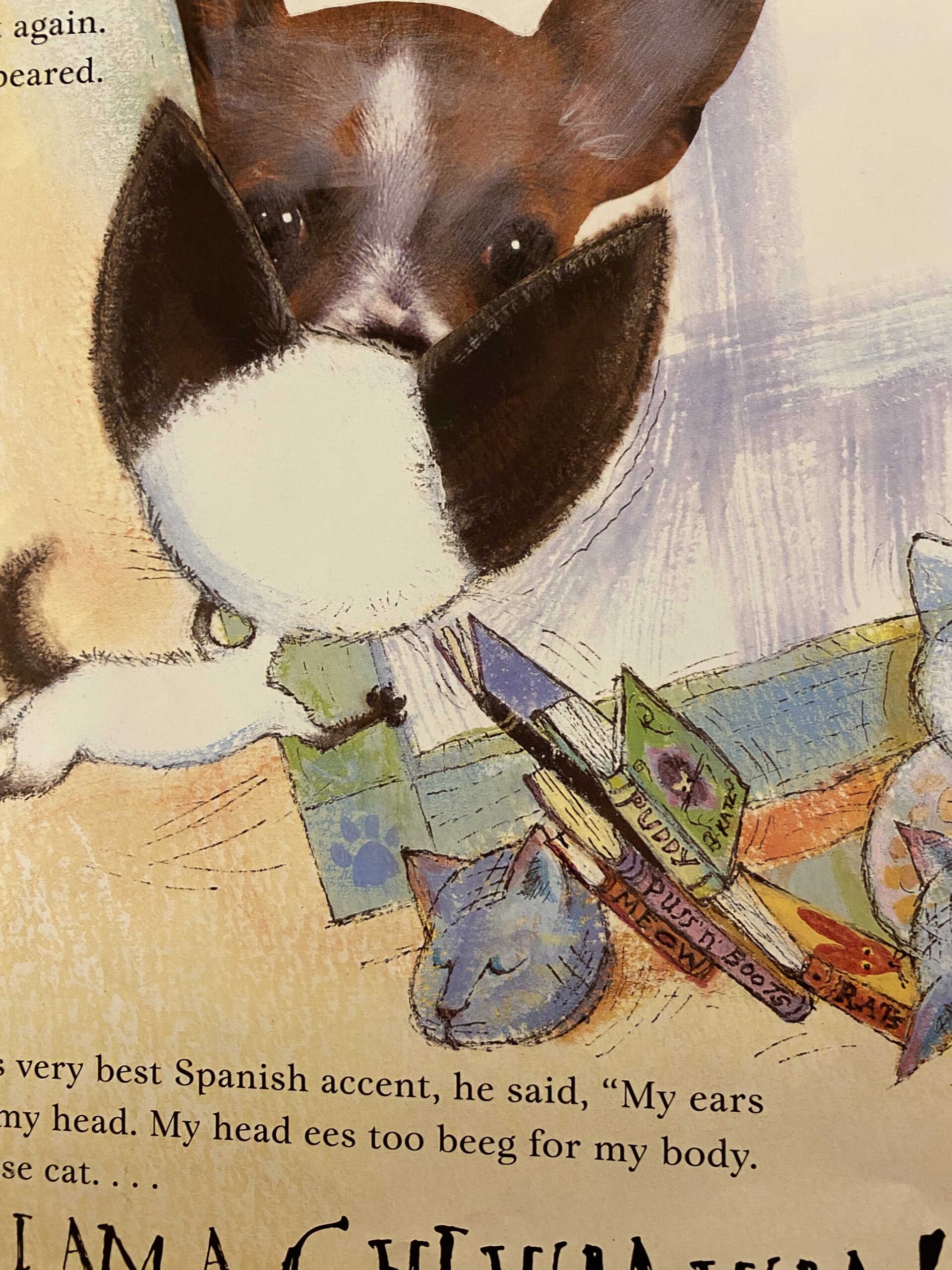
A lot to pick apart with this image. There’s the mixed media, and that works just fine. But the choice of titles on the books on the shelf are so odd. “Puss n’ Boots”? No notes. That’s fine. But “Rats” and “Meow”? I suspect that “Puddy” may be a reference to Tweety Bird’s “I thought I saw a puddy tat,” but maybe I’m extrapolating too much.

Again, I’m willing to go along with mustard turned into a cat’s “moustard”, but “Miracle Nip”? I think she’s referring to the “nip” part of “catnip”. Bit of a stretch, that one.

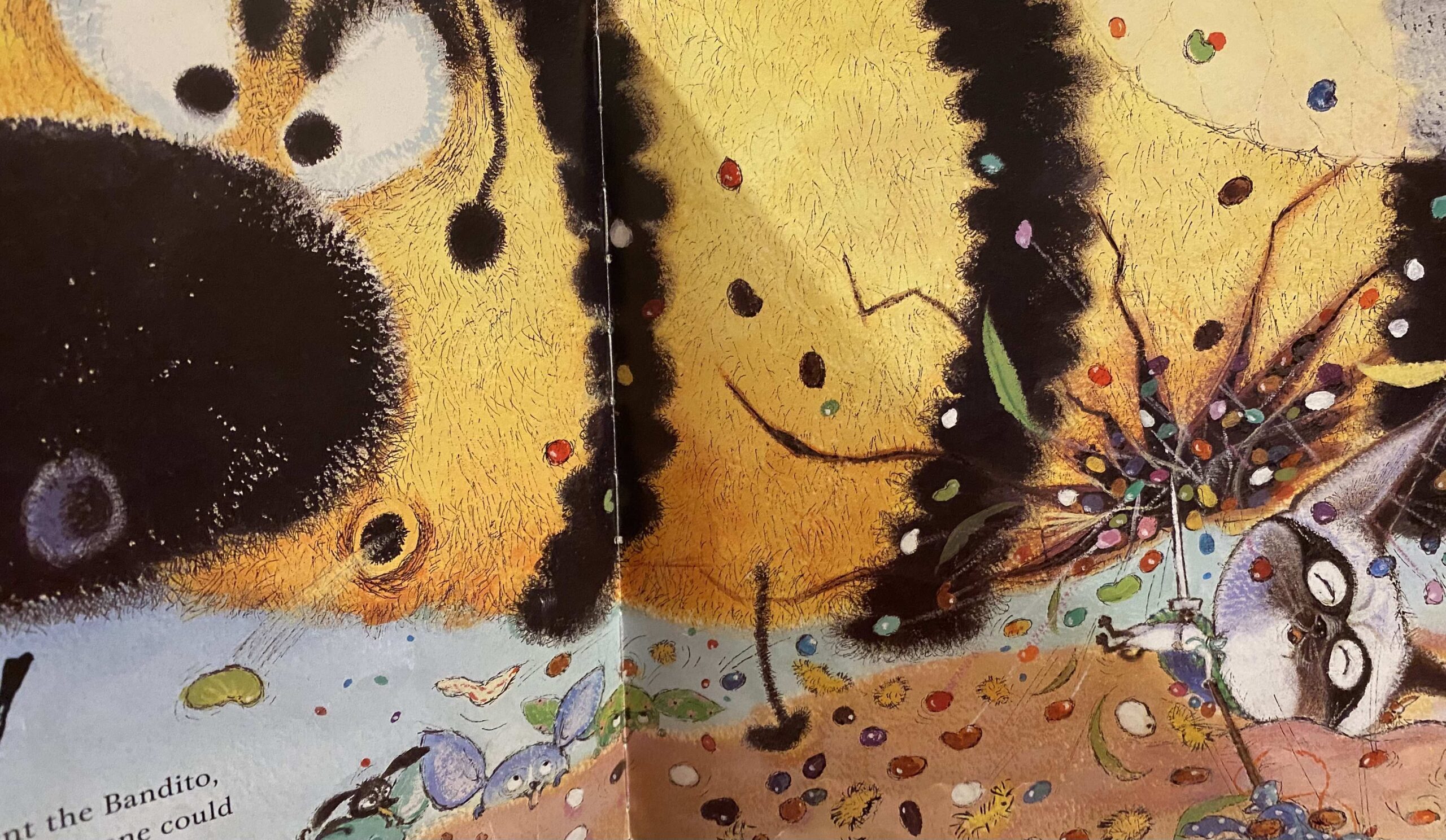
I also have a whole justification for why these beans in the bee’s stomach aren’t partially digested and it has to do with why they vomit honey. I tell you, this book is making me think odd things.

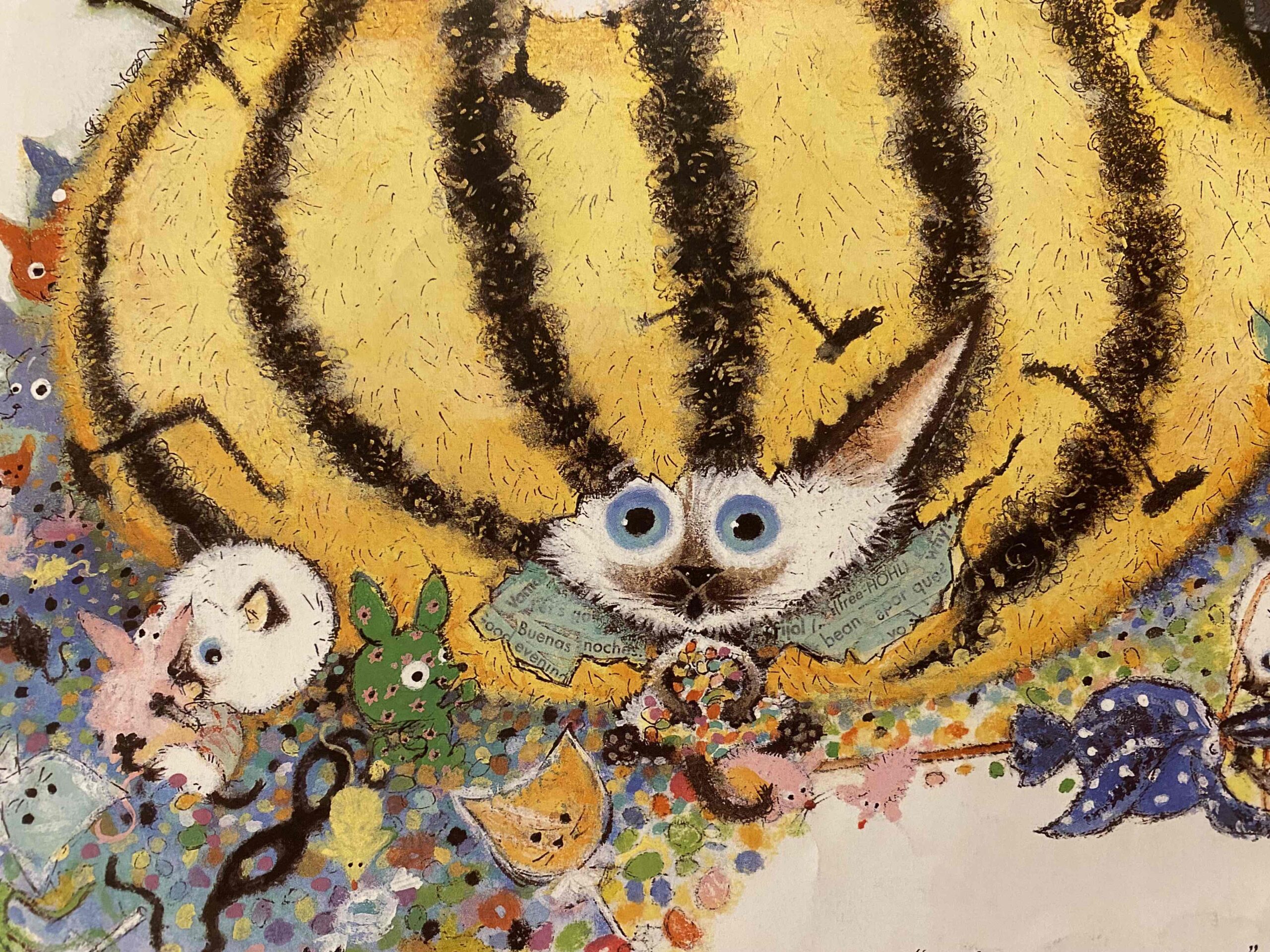
Kate wonders why a birthday pinata would be filled with dog toys for a cat. Meanwhile I’m wondering why, if you were going to hide a kid’s birthday pinata, why would you put it in his closet in the first place?

Is the E.B. White Readaloud Award still given out? It appears to have been given out from 2004-2019. So no longer.

Kate Recommends: I Remember You by Yrsa Sigurðardóttir

Betsy Recommends: Anatomy of a Fall, now streaming on Prime, but don’t watch it there. There’s a weird 5 second delay between what people say and the translated words on the screen and it’s intolerable. Save yourself the pain and stream from AppleTV instead.

Filed Under: Fuse 8 n' Kate Tagged With: Fuse 8 n' Kate, Judy Schachner, Skippyjon Jones

The War in Ukraine, Part Two – Cover Reveal: A Star Shines Through by Anna Desnitskaya

February 24, 2024 by Betsy Bird

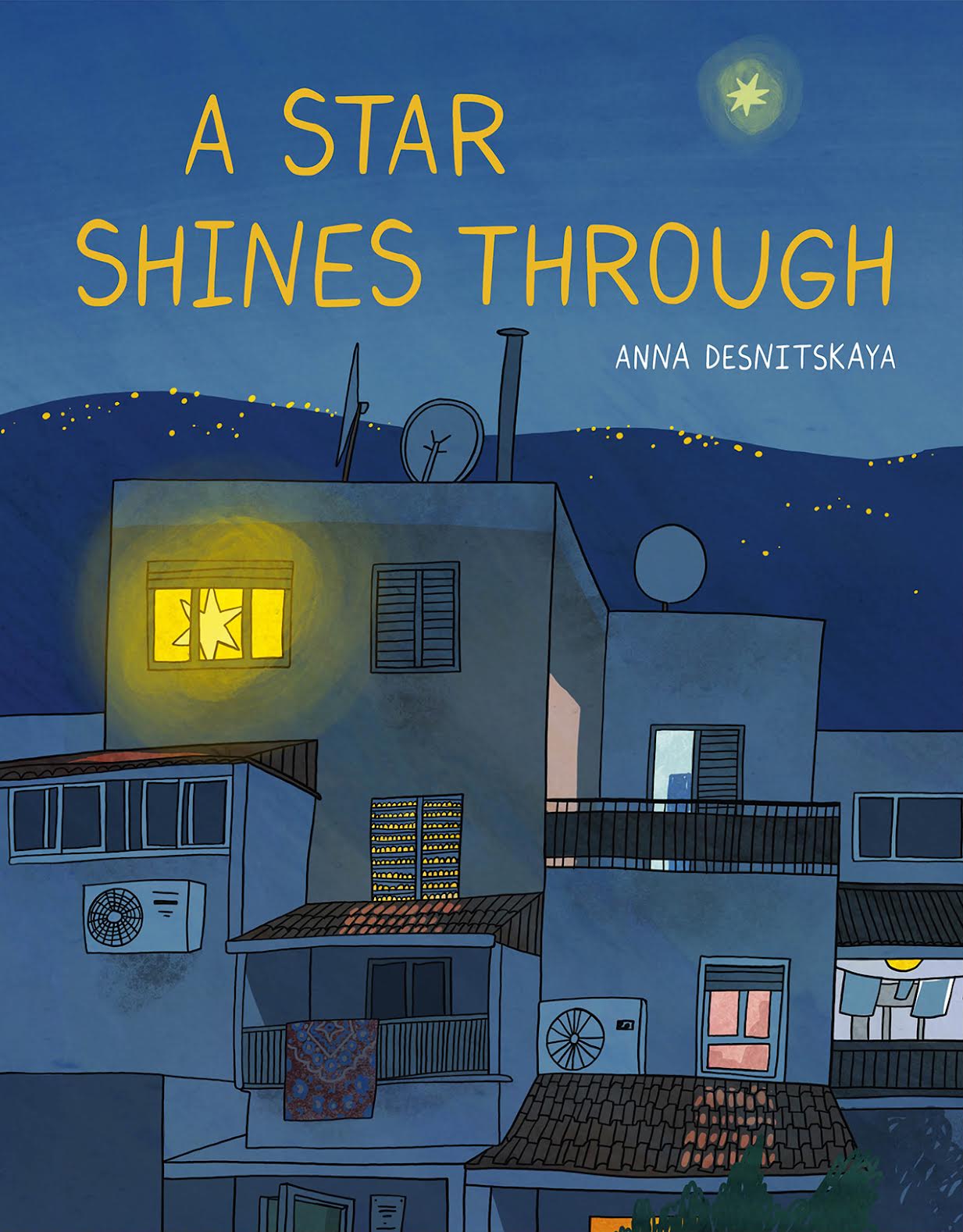
Today marks the second post commemorating the fact that two years ago today Russia invaded Ukraine in an escalation of the Russo-Ukrainian War. Yesterday we looked at a wordless Ukrainian picture book that was released in 2023. Today we are revealing the cover of a picture book not available until August of 2024. A Star Shines Through by Anna Desnitskaya is fiction but was inspired by Anna’s family’s real-life experience emigrating to Israel (then Montenegro) from Russia upon the outbreak of the Ukrainian War. You may remember Anna from the truly original and beautiful picture book On the Edge of the World released by Eerdmans Books for Young Readers just last year (and included in my 31 Days, 31 Lists roundup of 2023 Unconventional Children’s Books).

In remembrance of the day that this author/illustrator first received the news of the escalation, please take a moment to read the Author’s Note from Anna that accompanies her latest:


AUTHOR’S NOTE

Anna Desnitskaya

For my entire life, I lived in Moscow, and I cannot describe how much I love that city. It’s a city where I have always felt at home.

On February 17, 2022, my children and I went to Cyprus for a week: a gift for my son’s tenth birthday. For a whole week, we had a wonderful vacation—we enjoyed the blooming trees, the sea, and the sun after an icy February in Moscow. We swam, rode bicycles across the hills, and explored ancient ruins. On February 24, we were supposed to fly back home. At six in the morning, my youngest daughter started whimpering and fussing; I got up to feed her, glanced at my phone’s screen, and saw that it was filled with notifications: “Russia has launched an invasion of Ukraine,” “Russia is shelling Kyiv with ballistic missiles,” “Russian troops have landed in Odessa.” At that moment, I realized that we would not be going back home.

Since then, my husband and I, our three children, our cat, and our dog (the animals arrived later) have been searching for our home. It turns out that emigration is very difficult and challenging. Even in the most wonderful places, everything feels so different, and you feel like a stranger to yourself.

In Moscow, cardboard stars adorned the windows of our house: they were always visible from
afar. When we found ourselves in Israel, in a tiny and uncozy rental apartment, the first thing I
bought was the same star we had back home. We placed it in the window, and I realized that the place became a bit less foreign to us. And I also realized that I wanted to write a book about it. This book was a part of my farewell to my home: when I finished it, I understood that our former life had irreversibly ended.

But now we are all together—my husband, our children, our animals, and me—and the star is in the window. We slowly settled into a new home, and then another, and then we moved to another country, taking the star with us.

— ANNA DESNITSKAYA


A thank you to Anna for sharing this note. And the cover:

Thanks too to Amy Burton Storey and the good folks at Eerdmans for sharing this cover reveal with us today. A Star Shines Through is out on shelves everywhere on shelves August 20th. Be sure to look for it then.

Filed Under: Cover Reveal Tagged With: Anna Desnitskaya, cover reveal, Ukraine

The War in Ukraine, Part One: A Yellow Butterfly Interview with Oleksandr Shatokhin

February 23, 2024 by Betsy Bird

On February 24, 2022, Russia invaded Ukraine in an escalation of the Russo-Ukrainian War that started in 2014. We now find ourselves at the two-year anniversary of that war, and so for the next two days I’ll be featuring posts that discuss that war and the children’s books that have come out of it.

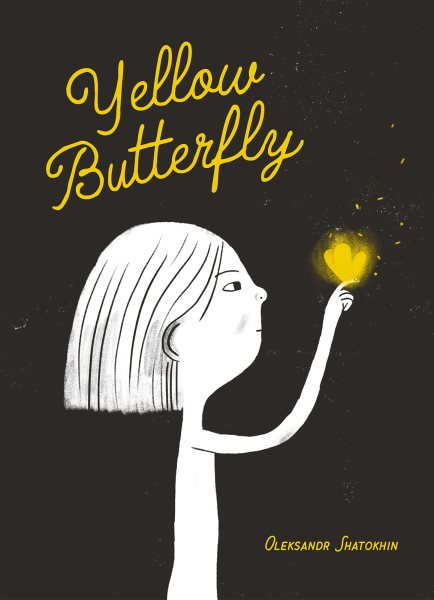
When Yellow Butterfly by Oleksandr Shatokhin was first released it received multiple starred reviews and raves from journals, like Kirkus calling it, “Provocative, powerful, breathtakingly beautiful,” and PW saying it was an, “unflinching response to current events from the perspective of a single child.”

I also included the book in my 31 Days, 31 Lists round-up of Wordless Books of 2023. In my review I wrote:

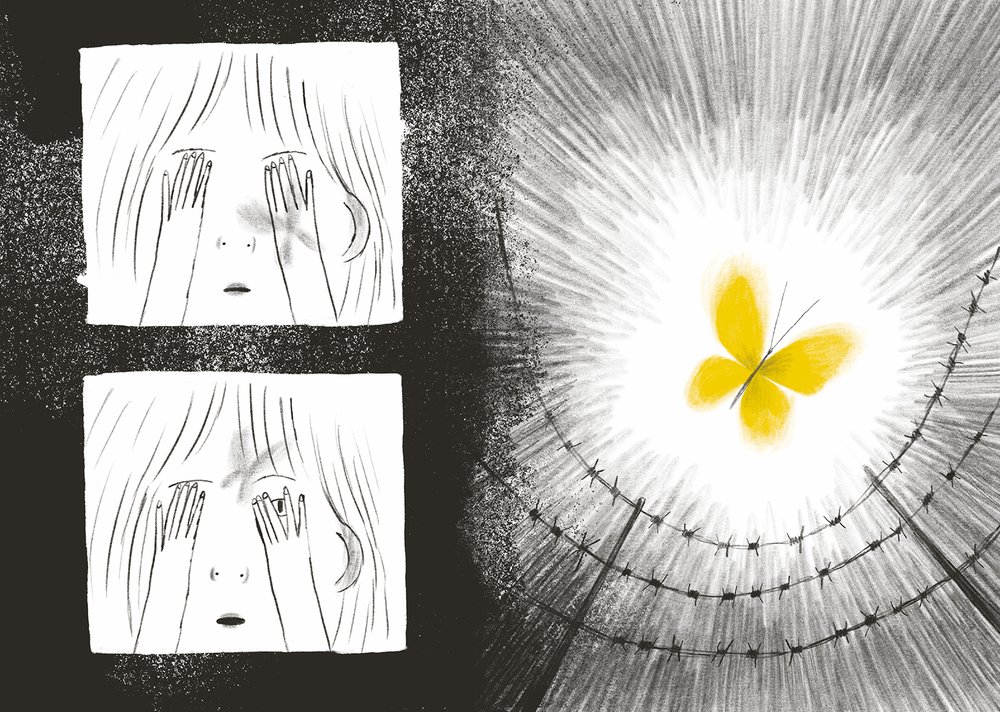
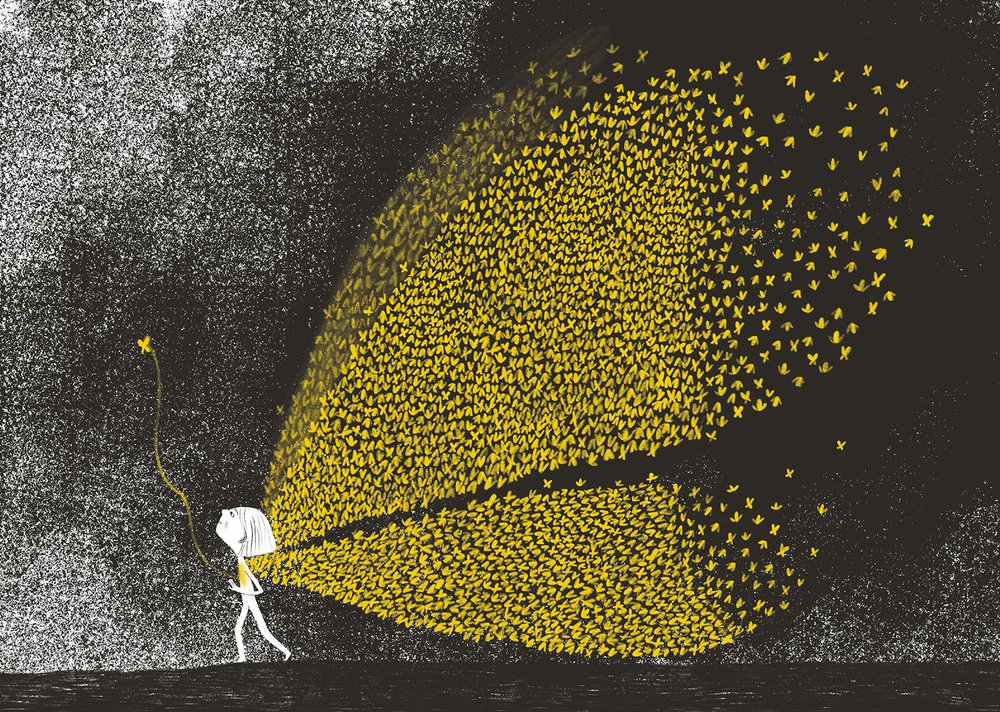
“Much like the rise of picture books about refugees that came out in the wake of Syria’s crisis, so too have Ukrainian picture books proliferated in the last year or two due to the Russian invasion. Finding a way to appeal to notoriously apathetic American consumers and their children is a challenge for any publisher, so perhaps wordless books really are the smartest method of conveying information about war. Oleksandr Shatokhin, a Ukrainian artist who is, according to this biography on the back bookflap, still living and working in Ukraine, does something infinitely clever with this title. It’s really all about the imagery. Unexploded bombs. Barbed wire. And, of course, the yellow butterfly. The book begins in black and white, which means that when the butterflies swarm upon the lines of barbed wire against the blue sky, the final effect bears resemblance to nothing so much as the Ukrainian flag (clever). Red Comet Press made sure to include information at the end on how to share a wordless book, as well as tips for guiding a conversation about the war. A clever way to bring a hard subject to the youngest of readers.”

Two years into the war, I spoke with author/illustrator Shatokhin about the book’s creation, reception at home and abroad, and more:


Betsy Bird: Oleksandr! Welcome and thank you so much for answering my questions. Yellow Butterfly has, in many ways, become the quintessential picture book during this time of the invasion of Ukraine. I never knew how you came up with the book, though. What inspired you to create it in the first place?

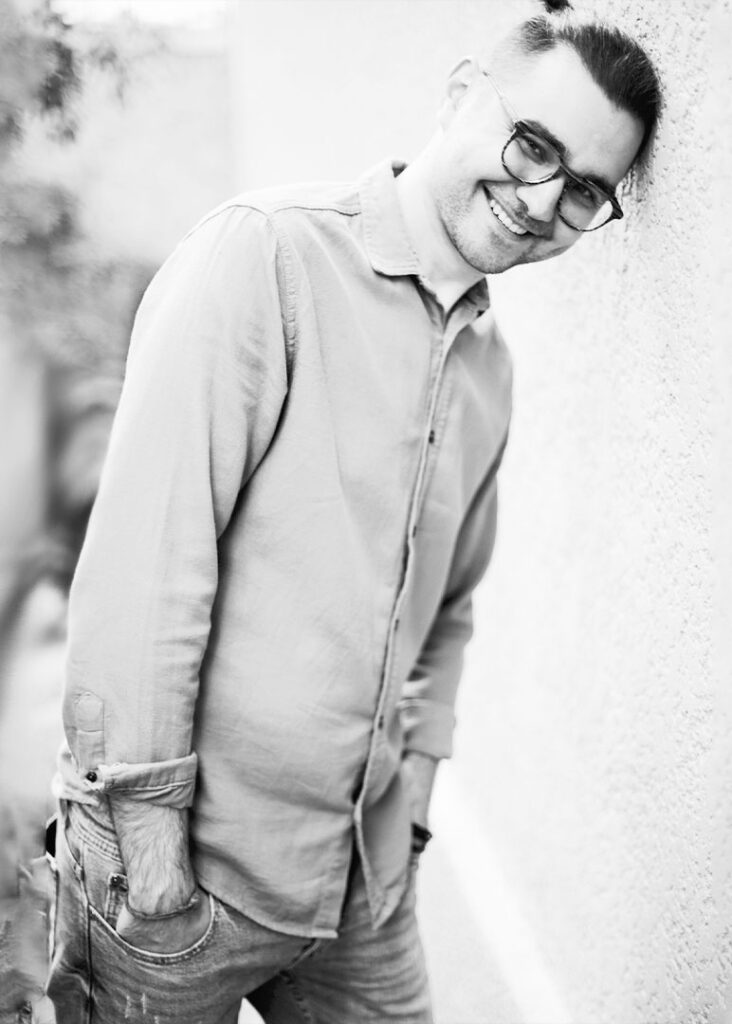
Oleksandr Shatokhin

Oleksandr Shatokhin: It all started with a drawing, which later became one of the book’s illustrations. It’s an image of a girl behind the barbed wire whose eyes we cannot see. It was a drawing, but I did not have an idea it would become a book about the war. When the full-scale war broke, and I all the horrible crimes committed by the Russians with my own eyes, I felt the urge to draw a wordless book about war, hope, faith, and ultimately light and victory. That’s when the drawing of the girl came in handy—I just added symbolic butterflies, and the story started plotting itself.

BB: Wordless books have a universal quality to them, capable of reaching across different languages. When you made this book without words, did you have in mind the fact that it could reach more people that way?

OS: No, I didn’t think about that. I am into wordless books and like the format. It’s the kind of format that comes both a challenge and a real adventure for the illustrator. When I got an idea for the book, I already knew it would be wordless—not for the sake of reaching as many people as possible, but to emphasize the topic of war, that would resonate even without words, where the viewer, the reader focuses on the emotional component of the story and reflects on it. Only when other countries started publishing the book, did I realize the advantage of its wordlessness. It’s a very strong format that is without borders and speaks everywhere.

BB: What are some of the responses you’ve received from people outside of Ukraine since the book’s publication? I know there are editions in Japan, Canada, and several other countries now.

OS: Honestly, I have no idea how readers from other countries react to the book. I hope it will help draw attention to what is happening in my country and will be correctly understood. I would love that.

BB: How have people in Ukraine felt about the book? Have you received any responses from there as well?

OS: Such topics as war in picture books have always been treated with caution, especially when it’s a war of here and now. Children live in it, feel it, and see it. But I believe we should not distance ourselves from such important topics. On the contrary, we must discuss and feel them. I wanted to draw a book about the hope and light that will surely come, regardless of the darkness and fear we all experience together. I know teachers, psychologists, and librarians are using my book for classes with children, and they perceive it with understanding and warmth. I am grateful for that.

BB: What else have you been working on? Are there any more picture books in your future?

OS: I continue drawing thanks to our soldiers who protect us and with the support of our friends from around the world. I am also interested in more wordless books and hope to continue to move in that direction. I have just finished drawing my new picture book and am already thinking about a new one. It’s a strange feeling. In times of war, something inside me works in a completely new way, and I try to live with this experience and express it in my new books.


Thanks to Oleksandr for answering my questions today. And I was told by his publisher that he has a new book coming out in September 2024 that, “shows the lighter side of his creativity.” It’s called Little Hare Finds a Gift and is a Christmas story about gifts and giving, so be sure to look for it then.

Many thanks to Angus Killick and the team at Red Comet Press for helping to make this interview a reality today. You can find Yellow Butterfly on bookstore and library shelves wherever the finest of books are sold.

Filed Under: Interviews Tagged With: author interviews, illustrator interviews, Oleksandr Shatokhin, picture book author interviews, Ukraine

Review of the Day: Touch The Sky by Stephanie V.W. Lucianovic WITH Bonus Q&A

February 22, 2024 by Betsy Bird

I never do this, but sometimes a book is so good that you’ve just gotta double dip. Today I am engaged in the particularly rare twofer: A review AND Q&A with Stephanie V.W. Lucianovic about her upcoming picture book. And you know I don’t do that with just anybody. So here’s how it’s gonna go down.

First, I will review the book.

Second, I will talk to Stephanie about the book.

Now sit back and enjoy one heckuva great title:


Touch the Sky
By Stephanie V.W. Lucianovic
Illustrated by Chris Park
Carolrhoda Books (an imprint of Lerner)
$18.99
ISBN: 9781728460451
On shelves May 7th

“How do you like to go up in a swing, / Up in the air so blue? / Oh, I do think it is the pleasantest thing / Ever a child can do!”

Robert Louis Stevenson, The Swing

Two opposite things can be true at the same time, when it comes to children’s books. For example, I often tell people that a truly great children’s author can take a subject that’s been done to death a million times before and bring to it something new and striking that’s never been seen before. You can make a truly great book for kids out of the overly familiar. That said, it is also true that sometimes the best titles for children are the ones that suss out a topic or truth about being a kid that has never been captured on the page before. Touch the Sky belongs firmly in the latter category, and for good reason. If you were to approach a children’s librarian, knowledgeable in the field, and ask for the quintessential swing-related picture book on their shelves, what would they hand you? Had you asked me, prior to seeing Ms. Lucianovic’s latest, I would have recommended the board book edition of Robert Louis Stevenson’s The Swing as illustrated by Julie Morstad (long before she became the Kate DiCamillo-illustrating wonder we all know and love today). That book is good, great even, but sedate and serene. Its lyrical read mimics the effects of going up and down on a swing, completely ignoring the complementary thrill and rush. And the difficulty of learning how to pump? Forgettaboutit! For that, you’re going to need Touch the Sky and you’re going to need it stat. A book that truly exemplifies one of those key moments in a child’s life, fated to be forgotten.

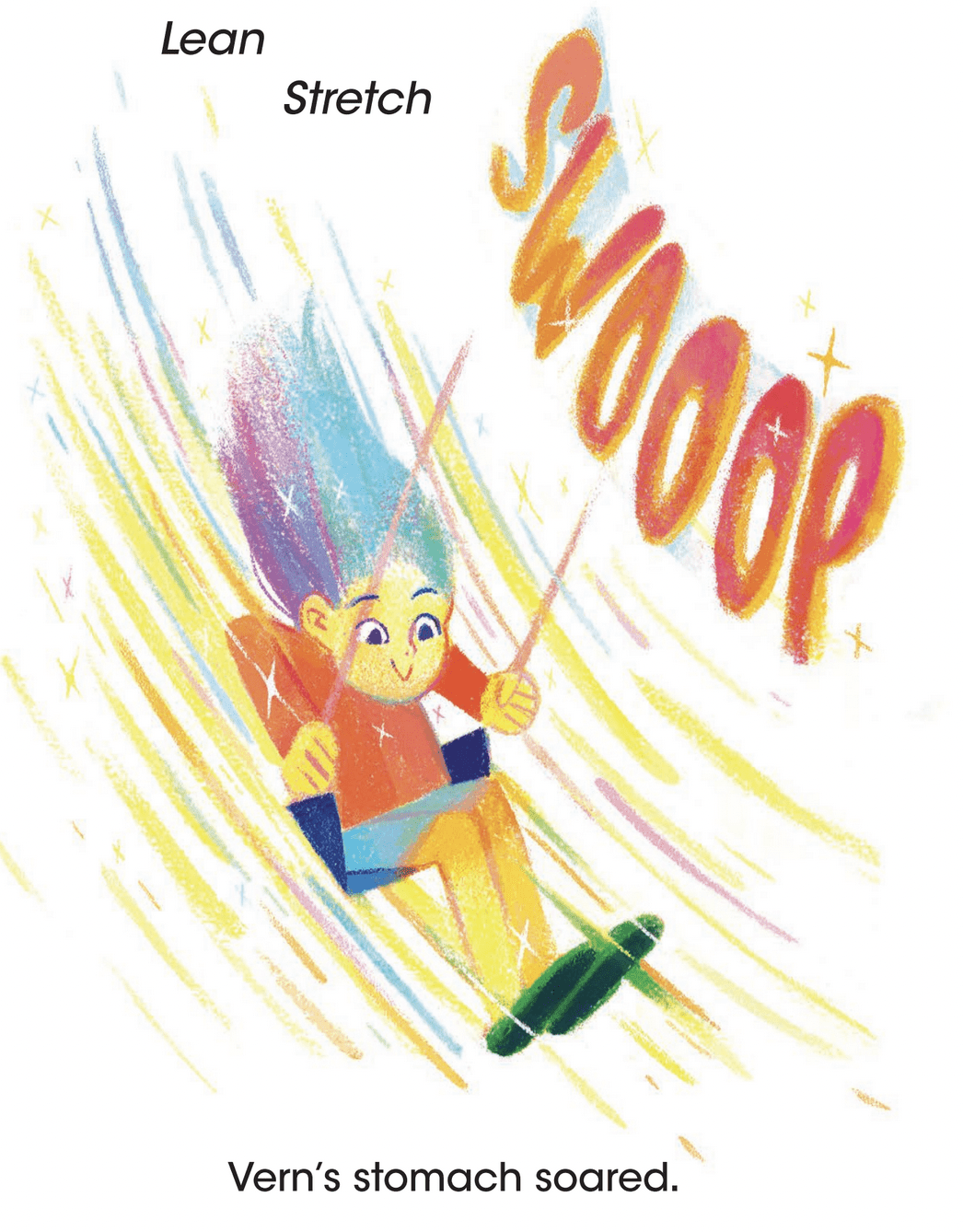
For Vern, the park is the place he tends to go almost every day. Kids all have their favorite places to go in a playground, but for Vern there’s no competition. He’s a swing kid through and through. Usually the most he can do is fling himself onto a swing, belly first, or twist it up and then let go until he’s dizzy. Why? Because Vern doesn’t know how to pump his legs. And unless you know how to do that, you’re grounded. Then one day a girl named Gretchen gives Vern a couple pointers. What follows isn’t instantaneous success or fast learning. Vern wants to give up more than once, but he keeps at it and slowly, slowly, slowly it all starts to come together. Just Vern, the swing, and the sky.

Children are the sole occupants of only a couple spaces in this world, and playgrounds as a rule serve no real purpose aside from existing for kids and kids alone. As a result, they tend to crop up in picture books on a regular basis. Yet for all that, few remain in your brain for very long. I was just sitting here, trying to think up the greatest picture books set in playgrounds, but all I could think of was the aforementioned The Swing and the charming You Go First by Ariel Bernstein, illustrated by Marc Rosenthal. How strange that a place that exerts such a pull on a child’s early life (and occupies their adult caretakers as well) should be so little lauded on the page. Until now.

Speaking of those caretakers, it took me a read or two of this book before I realized that there’s one key component to swinging completely obliterated from the narrative. Which is to say, this title is a parent-free zone. You’re not going to find one of those overaged interlopers spoiling the purely kid-centric narrative here. You have to assume they exist, of course. Vern’s love of swinging high but without the requisite knowledge of how to pump is entirely contingent on some big person giving him a push on a regular basis. But for this book to have the right amount of emotional oomph, Vern needs to learn pumping entirely on his own. That means excluding any well-meaning but ultimately unnecessary grown-ups from the book. Don’t worry. You don’t even miss them.

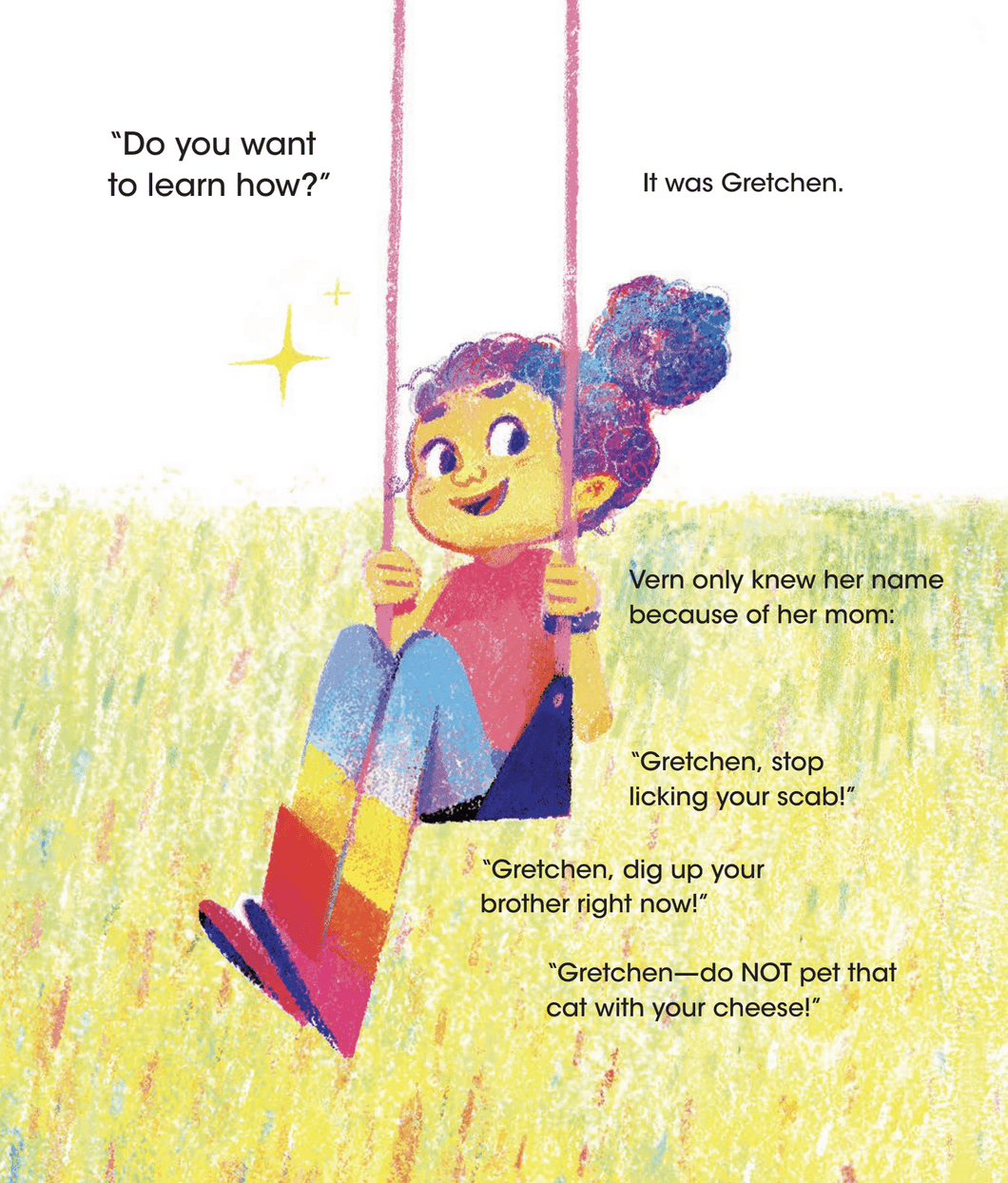
How to make a truly great picture book? Step One: Fill book with great writing. Tall order, that. If every incipient picture book author was able to conjure up words that were both exquisite and chock full of truth, then it would make the lives of reviewers like myself much harder, I can tell you. There is a moment in every book, and it doesn’t matter if I’m talking about titles for babies or the geriatric, when the reader falls in love. It might not be on the first read. It might not even be on the fifth or fiftieth, but when it happens you will defend that book’s honor to the end of your dying days. For me, that moment happened on page ten with the appearance of Gretchen. The book explains that Vern only knew her because of her mom.

“Gretchen, stop licking your scab!”
“Gretchen, dig up your brother right now!”
“Gretchen – do NOT pet that cat with your cheese!”

That sequence is doing the duty of making you fall in love with the book, sure, but you’re also now firmly in the pro-Gretchen camp and you would follow her lead wherever she might go. Creative writing teachers should use this sequence with up-and-coming authors to show them how to create an instant rapport with an audience.

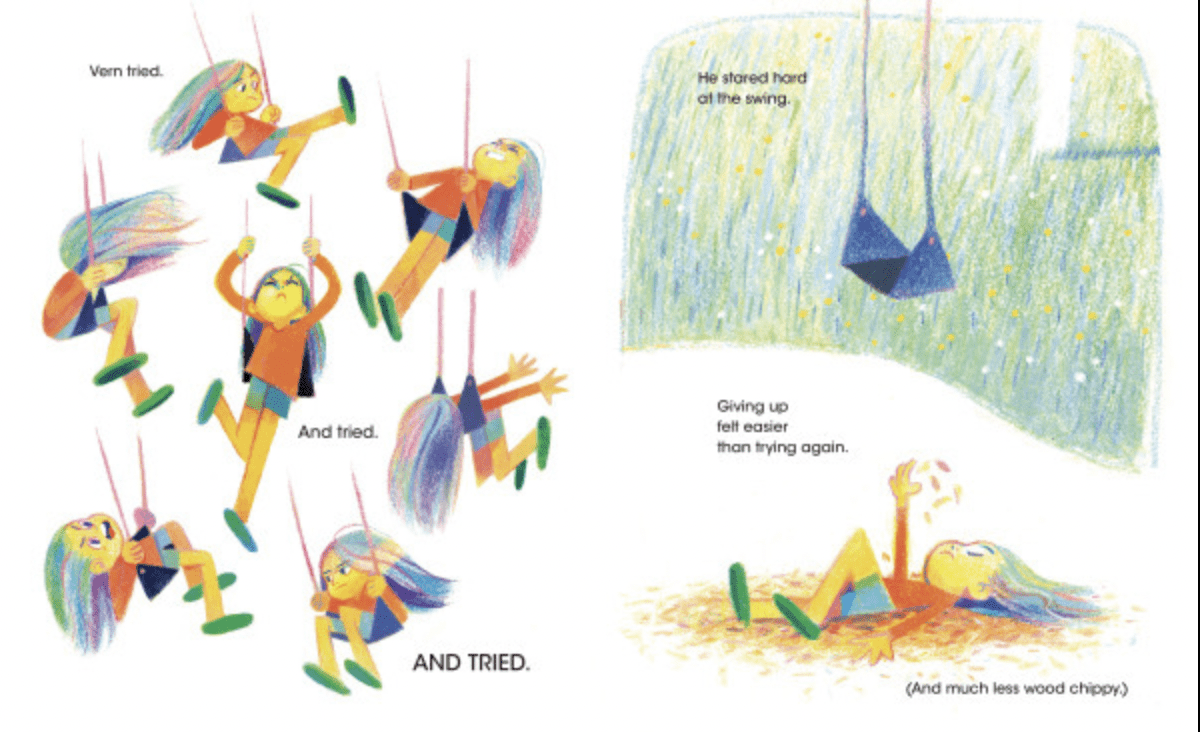
But clever wordplay is only half the battle. Lucianovic also has to nail home the whole concept of learning something new and hard. In doing so, she has to avoid The Elmo Effect. That’s a term I just made up. You see, once I was watching Sesame Street with my kids and it was a sequence where Elmo wanted to learn to play some kind of an instrument. This being contemporary Sesame Street (i.e. shorter than it was when I was a kid) the sequence plays out like this: Elmo tries and fails. Elmo tries and fails. Elmo tries and succeeds! The Elmo Effect. And I hate this sequence. As anyone will tell you, the odds of learning something new on a third try, while not impossible, is pretty darn low. But picture books, like 21st century Sesame Street sequences, are pressed for time. This book clocks in at a mere 32 pages, so it was enormously gratifying to find Lucianovic not only shows Vern’s frustrations (“Giving up felt easier than trying again”, “He could get off the swing now. Gretchen would never know he gave up”) but also just the sheer amount of work he has to put into the learning. Even when he gets it, it isn’t slam-bang-whoopsie-doo-it’s-a-miracle all at once. Competence increases at its own steady rate. Beautifully done.

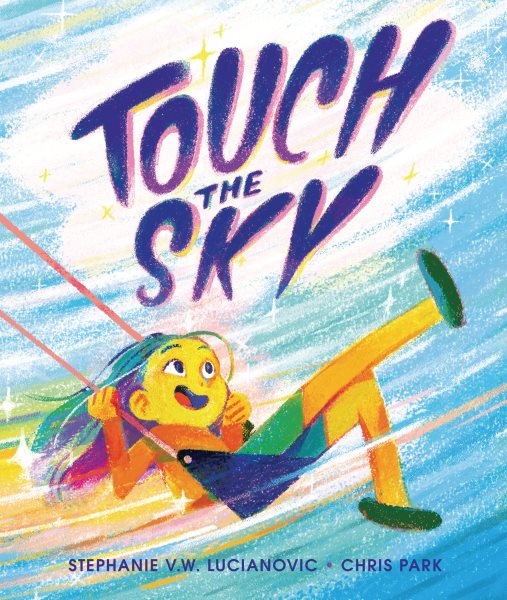
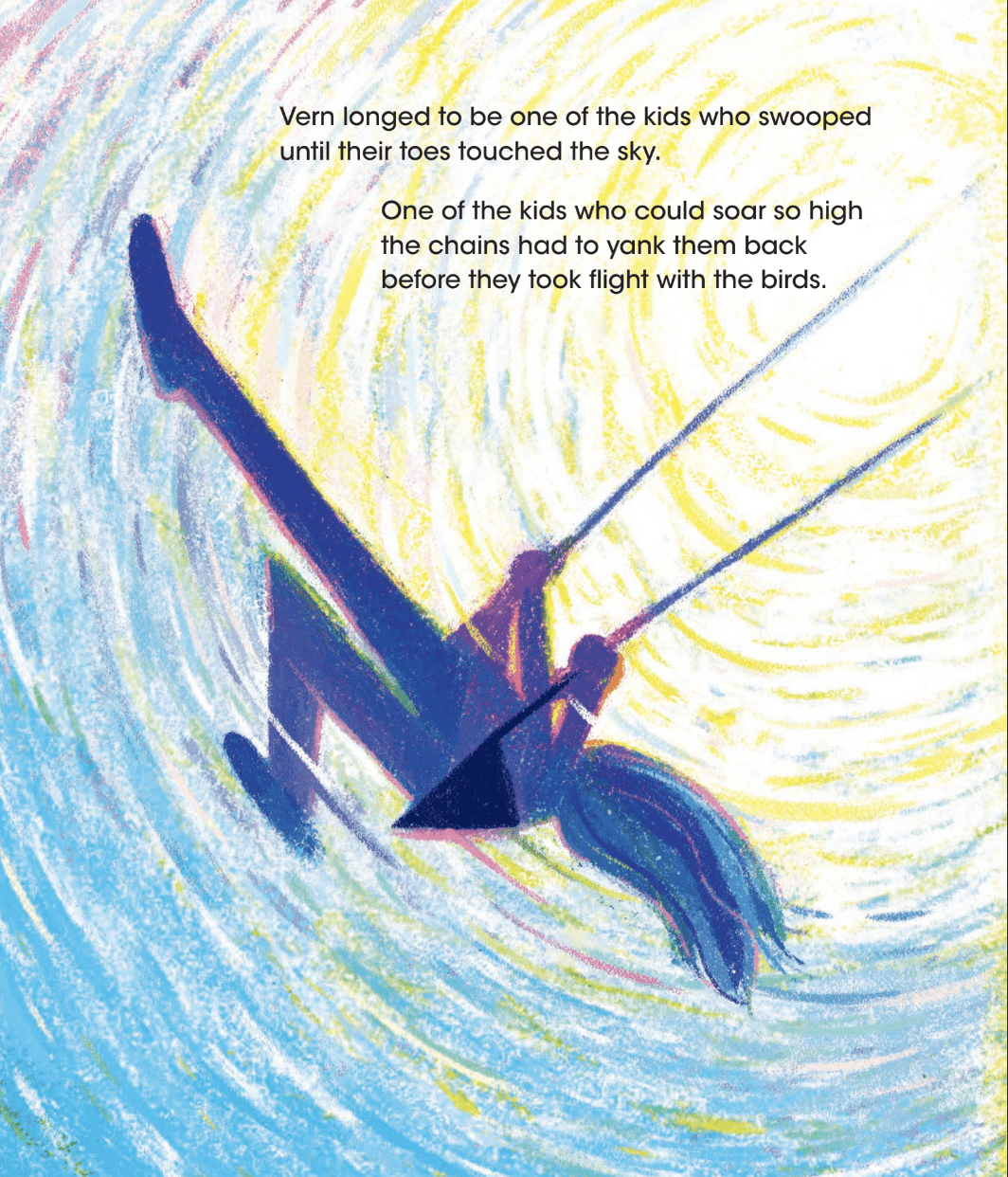
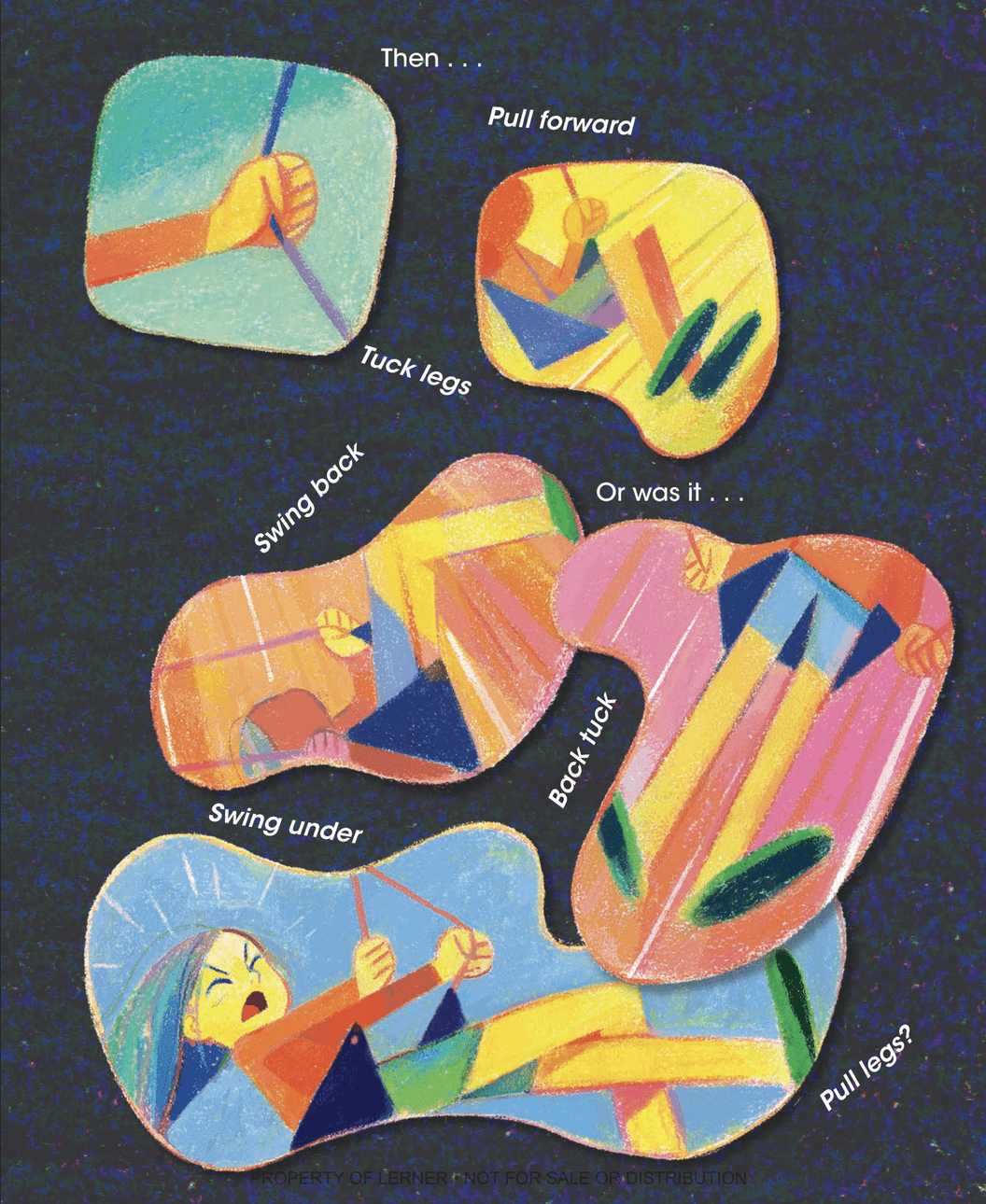
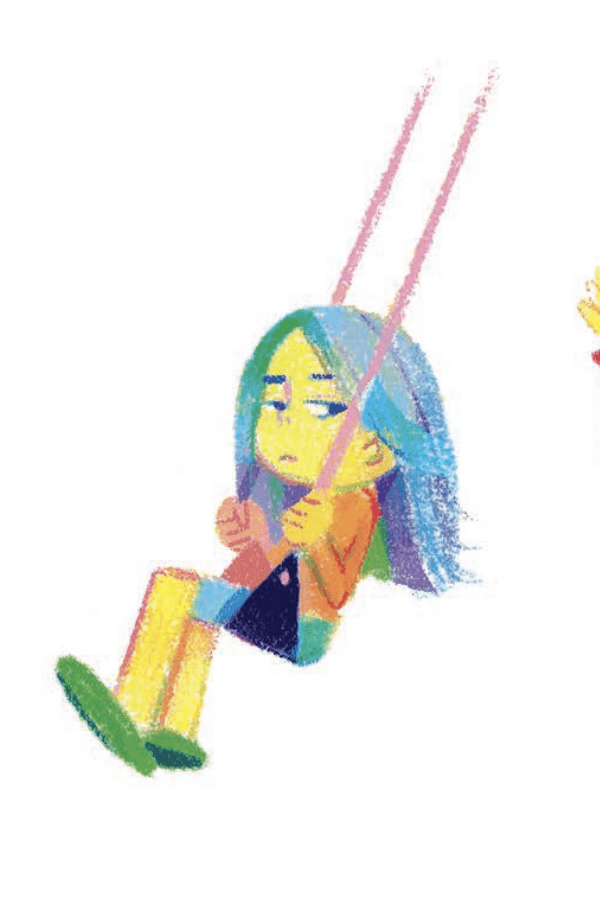
One of these days I’m going to shake up my normal writing format and mention the art right at the start of my reviews rather than near the end. That day, alas, is not today but not for a lack of respect for what illustrator Chris Park is doing here. Glance at the publication page and you read that the art of this book was created with “mixed media”, an all-encompassing term that tells you diddly over squat about Park’s process. That’s actually okay, though, since I’m a lot more interested in how Park managed to take what could have been an average playground book and made it, frankly, gorgeous. His medium resembles that of pastels and crayons (which are probably digital) but it’s his colors that set this whole enterprise apart. Specifically Vern’s hair. It’s long and luscious (still a rarity in books about boys) and filled with all these different blues, purples, and pinks. Gretchen’s hair? It seems to radiate purples and pinks almost from the inside out. Then you start looking at how Park shakes up his angles and the nuances of each page. Look at that shot of Vern on a swing from underneath, his body dark against the blinding light of the sun. Now look at the body language at play. The way Vern’s feet close in on themselves when Gretchen talks to him for the very first time. There’s even this fascinating sequence where the background becomes dark, and the scenes of Vern’s attempts become windows and even blobs. What could have been rote, nay, is almost REQUIRED by some books to BE rote, is made exemplary and magical thanks to one illustrator’s finesse.

The premise is good, the art fantastic, and the writing stellar but that could all be said of a lot of books. A truly great picture book needs that one extra added element to be stirred into the mix. That thing that lifts it, just one more step, above the hoard of hundreds of picture books published every year. In short, it needs heart. Real heart, TRUE heart. Touch the Sky has that heart in a single moment near the end of the book. Vern, at long last, has learned to pump and is filled to brimming with that knowledge. Now comes the moment of truth. So many kids (hell, adults too) when they have learned something new, will use that knowledge to lord it over the ones who still don’t know. In some alternate universe there is a version of this book where Vern turns to the envious little kid at the end of the book and rubs his newly acquired pump knowledge in that child’s face. Not this book. When the kid notes how good Vern now is, the response is an immediate, “It feels hard until you get it, and then it’s not . . . Do you want to learn how?” We never get to hear the first child’s response, but I feel like Park’s endpapers, filled to the brim with words like “PUMP”, “AGAIN”, “SKY”, “TUCK”, “TIP”, and more, are the actual answer.

Yeah, so I like it. Think it’s pretty good. I also think it’s a great example of all these different elements working together in tandem in just the right order and sequence. Humor and heart. Beautiful art and a smart text. A familiar concept but unfamiliar in a picture book until now. Memorable writing. All told, there are loads of picture books coming out every day that are perfectly fine. Completely decent. Downright nice. This book is not one of them. This book is better than those books. It has accessed, by whatever means, the magic required to make a title go from merely good to great. Best that you do a kid a favor and read it to them ASAP. They’ll be glad you did. You’ll be glad you did.

On shelves May 7th.

Source: E-galley sent from publisher for review.


And now, a couple words from Stephanie herself . . .

Betsy Bird: Stephanie! How the heck are you? And this book! Daaaang. It’s legitimately one of my favorites of the year. I’m downright baffled when I realize that I have read thousands upon thousands of picture books before and not a single one has ever been about learning to pump your legs on the swing. I can probably guess your answer to this, but can you give us the origin story of this book?

Stephanie V.W. Lucianovic

Stephanie V.W. Lucianovic: Betsy! Always a joy to talk to you because you ask the most interesting interview questions! 

I’m so thrilled you feel that way about TOUCH THE SKY — I’m definitely not one to disagree! It *is* kind of wild that no other book has tackled this subject, which I put down to being seen as a “small moment” in a kid’s physical life. Not that the emotional impact is small, by any means, more that I think it doesn’t seem as HUGE to adult editors as jumping off a diving board or staying upright on a bike. (In fact selling it, we got a lot of “not special enough to break this out in the market” kind of passes, which, hello? There aren’t ANY other books on this subject!)

Another reason for the lack of picture books on swinging is that it is — as I personally and physically discovered — incredibly difficult to try and describe in writing how one gets their body to contort and flex and crunch with the coordination necessary to gain that crucial momentum to keep going.

As for the idea: I mean, like so many of my books, OF COURSE my original inspiration came from my own children going through the pump phase themselves. It’s not that I had forgotten my own struggles with it when I was their age, it’s just that I really didn’t think about it as an adult until I was trying to teach my own kids how to do it. My husband pointed out to me that it’s incredibly difficult to remember a time when we didn’t know something. Like, once you learn how to pump on a swing, it’s really hard to remember what it was like not to know how.

In this case, my youngest was taking longer than his older brother did to figure out the necessary coordinations, and I was trying in vain to explain it to him — both in words and physically. He was frustrated because friends very much took the attitude of, “Come on — it’s SO easy!” Which, yes, it is easy when you finally get it, but not before! It all got me thinking of all the great memories I had on swing sets as a kid: underdogs, leaps from the swings and landing on your feet, how those black rubber seats burned your butt in the summer, and even swinging with a high school sweetheart at dusk in a particular park. I could go on and on, but the long and short of it is: whenever I realize there’s so much emotion steeped in a certain, iconic childhood moment, that’s when I want to write it down for me, and then turn it into something for everyone.

BB: One thing I particularly appreciated about this book was that it avoids what I call The Elmo Effect. Which is to say, it doesn’t show a character failing one or two times and then being an immediate pro. Vern has to try on his own repeatedly and even when he starts to get it, it’s super slow. Success is not instantaneous. How important was it to you to make sure that was the case with this story?

SVWL: That part was incredibly important to me because none of these things — diving off a diving board, riding a bike, learning how to pump — happens in one day. It takes time and effort and it includes very real failures and very real frustration. I never liked books that took difficult things and made them out to be so easy. As a kid, they made me feel both inadequate and also lied to. I never want to lie to kids about the important things in my books — I want to validate their feelings, which are often quite complex. Kids can want to learn how to pump but also not want to work on it if it doesn’t come easy to them. And they can feel shame for not getting it right away and impatience and frustration with themselves and others during the entire process.

BB: The sentence “Gretchen stop licking your scab” may already be my favorite of the year. And I love the names you gave these characters. Gretchen. Vern. Why these particular names for this particular book?

SVWL: Me and Beatrice Alemagna, we get real with the scabs! I’ll tell you a secret, that particular sentence is something I’ve actually said to one of my children. Until my kids were about 8, I kept careful journals about all the crazy things they said or did, and those notes included things I had to say to them. “Don’t pet that cat with your cheese” was another sentence I uttered in real life that also made it into the book. 

As for the character names: they aren’t common names these days, are they? I do think that makes them really stand out for people, but to answer your question, I named them for my parents. They are both in their 80s, and it tickled me to stick them in a story about kids in a park.

BB: Ahhhh, I suspected something like that! Now I don’t think there’s a soul alive who can’t relate to the idea that it’s easier to just give up and lie in the wood chips under a swing than it is to try something difficult again and again. It’s one thing to try to depict frustration on the page and something else entirely to do so well. When you were writing this, how many drafts did it go through to get it just right?

SVWL: I frequently lose count of my drafts because I tend to overwrite a draft rather than save it as a new draft. However, this one looks like it went through at least seven drafts before it was on submission to editors. My first draft had Vern getting frustrated, but not lying-in-the-woodchips-giving-up frustrated. By the second draft, I had teased that part out to last a little bit longer. However, I didn’t have the part about Gretchen never knowing if Vern were to give up until the 5th draft, and I feel like that part is so necessary to fully showcase how we feel when we want to give up. Like, no one’s watching and keeping track, so we can just a walk away, right?

BB: Well, for that matter, how different is this book from the very first draft? Did you have to take out anything you liked?

SVWL: I’d say it’s pretty different from the first draft, but it’s much stronger. I rushed the ending a bit in the very first draft, and really didn’t spend too much time on the part where he’s learning the physical lesson of pumping. I was afraid to lean into that because I thought it wouldn’t have enough action and drag the pacing down.

Two lines that I really liked but had to lose somewhere along the way were: 

“Herb itched wood chips out of his shorts and tried again” and “Anastasia ran backwards until her tip toes were barely grasping the ground.”

I can’t remember when or why they came out, but it was probably about us leaning into brevity once we were working with the art. So much can be trimmed when you get to that stage. Also, those original names — Herb and Anastasia — got changed because we felt they might be difficult names to read aloud. But I still think Herb’s a really funny/old fashioned name for a kid and I would like to use it in another book someday.

But make no mistake, I wasn’t at all heartbroken by any of the changes. In fact, I had to compare drafts just now in order to remember them! I’ve certainly gotten past that writing hurdle where killing your darlings is an emotional wrench.

BB: I’m not sure what burnt sacrifices you offered up to the Illustration Gods, but congrats on getting paired alongside artist Chris Park! Did you know Chris’s work before this? How do you feel about the final product?

SVWL: Words fail when I talk about Chris’ art. I was not familiar with his work before, but when my team at Carolrhoda/Lerner suggested him, I was all-in and completely on the edge of my seat to see what he would do with the story. As you can imagine, I was NOT disappointed in the least. 

One of my favorite parts about working on this particular book is that the picture book team at CarolRhoda/Lerner Books are some of the best people in publishing. Ever. My editor, Carol Hinz, and the designer, Danielle Carnito, have generously involved me in every aspect of this book’s creation from day one. As a text-only author, I don’t always get to see or have input on how the art and design come about. In this case, I was given the opportunity to react to everything! However, I don’t think I was much help in the end because my only reactions were: “I love this!” and “This is amazing, no notes!” It was the truth, though, and the final product fills me with such joy and amazement. I have never seen a picture book look like this one, and I really hope to work with Chris on many more books.

BB: You’re busy as all get out, but I gotta ask. What do you have coming out next (or even in tandem) for us?

SVWL: Hah! You’re sneaky with that “in tandem” bit, because I think you know that by the time this Q&A goes live, my verse novel about a kid dealing with distance learning during the early days of the pandemic will be out. That particular book, HUMMINGBIRD SEASON, is very important to me because it’s another one of those stories where I want kids to feel seen and to know that their experiences were very real and very lousy. I also want them to have the space and moment to discuss them since so many adults were very “business as usual!” when life started to return to a ew kind of normal. But I also know there are kids who were too young to really remember the pandemic and I hope that HUMMINGBIRD SEASON serves as a sort of emotional record of history for everyone.

Additionally, coming out in 2025, I have an ADORABLE book about a zombie boy who makes a pet out of one of the baby brains his parents raise on their farm and another book about the anxiety a child feels during a lockdown drill at his school. The zombie book will be published by Bloomsbury and illustrated by the amazing Laan Cham and the lockdown drill book is coming out with Random House Kids and will be illustrated by Gabrielle Grimard, an award-winning French-Canadian artist. I also have an unannounced picture book that I can’t say much about, but I will tell you that it was the FIRST EVER picture book I attempted to write, and ten years later it will actually see the light of day.


Big thanks to Stephanie for answering my questions and to Lindsay Matvick and the team at Lerner for helping to put all of this together. Touch the Sky is out May 7th in fine bookstores and libraries everywhere.

Filed Under: Best Books, Best Books of 2024, Interviews, Review 2024, Reviews Tagged With: 2024 picture books, 2024 reviews, Best Books of 2024, Carolrhoda Books, Chris Park, Lerner Publishing Group, picture books, Stephanie V.W. Lucianovic

Still Life: Cover Reveal AND Q&A with the Illustrious Alex London and Paul O. Zelinsky

February 21, 2024 by Betsy Bird

That’s a double whammy of a combo, isn’t it? On the one hand you have author Alex London, who’s been doing novels for kids for years, but is getting more and more into picture books these days. On the other you have Caldecott Award winning illustrator Paul O. Zelinsky, producing a book in his own uniquely inimitable style. Put ’em both together and you have STILL LIFE, out everywhere September 3rd of this year. Here’s the plot, for the curious:

Every young artist has drawn or painted a still life scene. Perhaps it is a bowl of fruit, or a toy, or a vase of flowers, or a chair. The only rule is that a still life painting must stay still.

But staying still is hard! Especially for a curious mouse and a hungry dragon and a no-nonsense princess. Will the artist notice that his still life painting is breaking all the rules?

From award-winning author Alex London and Caldecott Medal–winning artist Paul O. Zelinsky, Still Life is a funny, subversive, and clever picture book that brings a painting to wildly imaginative life. Readers will pore over all the silly and surprising details in the illustrations—which tell a story of daring rescues, dashing heroes, and found friends. With its inventive humor, Still Life is for readers of Battle Bunny and David Ezra Stein’s Interrupting Chicken.

Now here’s the exciting news. Today you will get to see, for the very very first time, the cover of this lovely book. But before we get to any of that, let’s talk to the creators and get their spin on all the ins and outs of painting, breaking the fourth wall, sleep-deprived hallucinations, and more:


Betsy Bird: Alex London! How lovely to get a chance to talk to you about STILL LIFE! Now this is, to the best of my knowledge (and correct me if I’m wrong) your first picture book. Where did the book come from?

Alex London

Alex London: Thanks so much! I’m so excited to share Still Life with you. I actually wrote a previous—and very silly—picture book, some years ago, with the inimitable Frank Morrison, but Still Life is the book I wrote for my daughter when she was a newborn, with the dream of having a book I could read aloud to her when she was little. It’s my first as a parent. I thought of it while sitting with my daughter during an early morning bottle feeding, staring at the cover of an old art book that was on the coffee table. The picture seemed to be moving, probably because I was exhausted, but from that moment on, there was an idea simmering.

Of course, as is the way of these things, my daughter is five and a half now! And she’s very
excited for the book inspired when she was literally in my arms.

BB: Awww. One might argue that that’s the perfect age for this book anyway. And in our other corner here we have Paul O. Zelinsky. Hi, Paul! It’s been a minute since I saw you in person. Congrats on your work on STILL LIFE! How did you first hear about this project?

Paul O. Zelinksy: Hi Betsy! Yes, it’s been too long—except that in my head, time elapsed between the beginning of Covid and not too long ago doesn’t really count.

Thanks for the congratulations! To answer your question, the manuscript of Still Life came to me in an email from Greenwillow editor Martha Mihalick, who didn’t know that Alex and I had been friends for a long time. I’ve been working with Greenwillow for an even longer time—my second picture book* was with them, in 1981!

Paul O. Zelinsky

I thought Alex’s text was wonderful. It’s basically a harangue, hammering away about rules that still life paintings must always follow, while the pictures go off in another direction. (Definitely a manuscript that required author notes.) To be honest, though, I worried the sly humor might fail completely as an illustrated book, when you’re simply reading one thing while seeing another. So just to see how this text could function with pictures, I worked up sketches of the first few pages. Was it funny? I couldn’t tell.

So, I did more sketches, and more, and still didn’t know. I ended up working out the entire book before deciding that an illustrated Still Life could be hilarious, and I definitely wanted to illustrate it.

BB: I love the idea of sketches leading to the acceptance. Alex, the book is narrated, for the most part, by the snooty artist who is lecturing the reader on what constitutes a “still life”. Does he happen to have any real world antecedents?

AL: No comment, certainly no comment about a particular art teacher I had when I was an exchange student in Berlin in high school, who had very particular ideas about the correct subject matter for student paintings. Needless to say, I did not pursue the visual arts much longer after that…

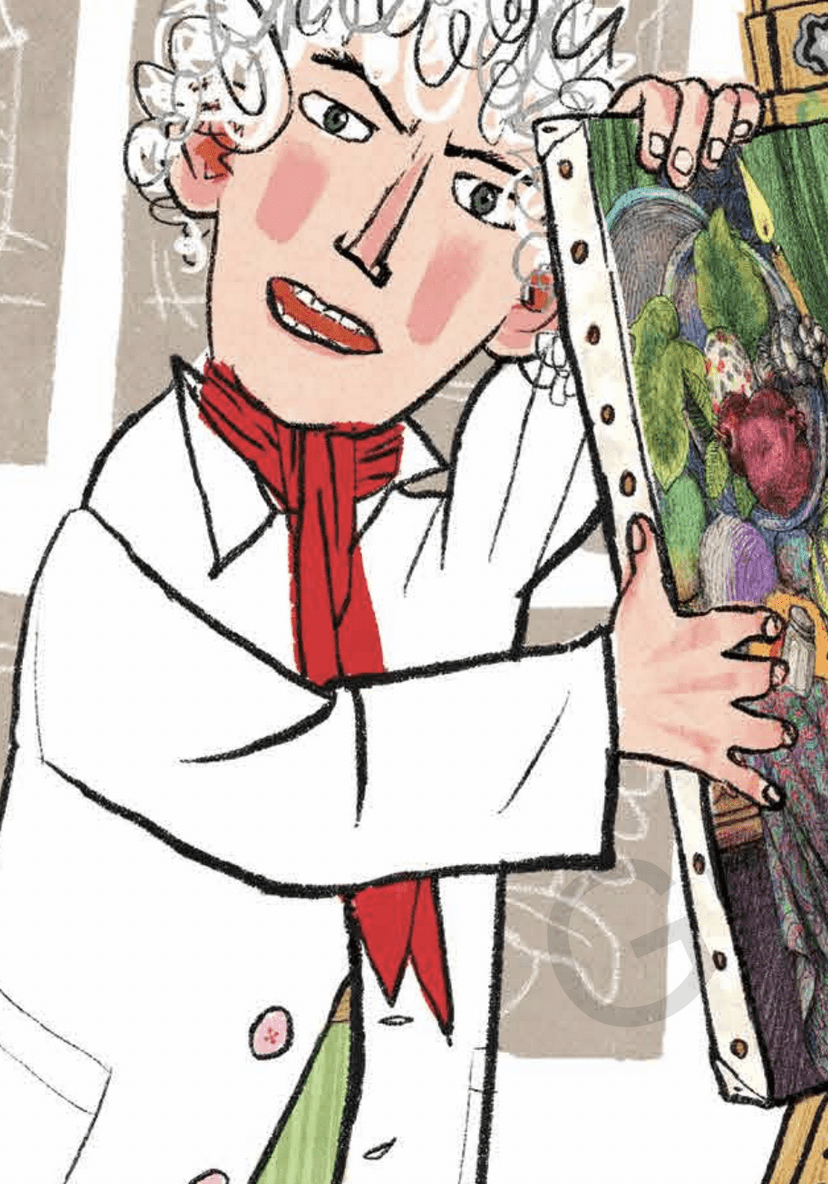
BB: Well, since we’re already talking about art, let’s hand this next question to Paul. I’d love to dive in a little into the different styles you’re using in this book. While the artist and other characters are done in a flattened, more cartoonish look, the still life painting itself is exquisitely rendered. I know that you’re doing a mix of traditional and digital work with this book. Could you tell us a bit about what your process was in rendering both the painting in the book and the characters that interact with it?

POZ: Obviously, this is a work that addresses the question: “what is reality?” Also one that gives me the opportunity to draw a knight and a princess, and even better, a dragon.

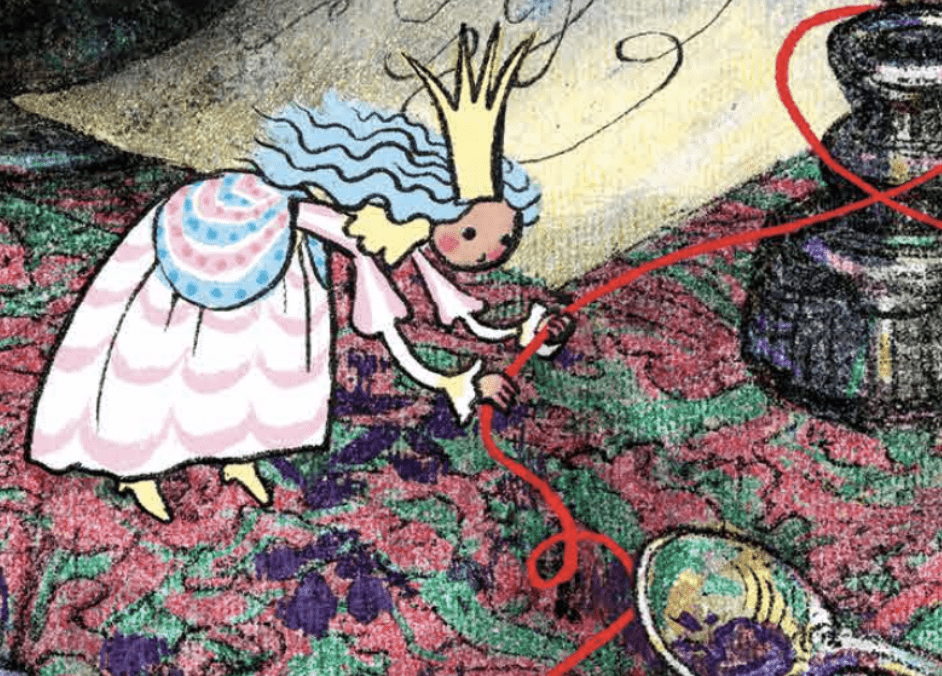
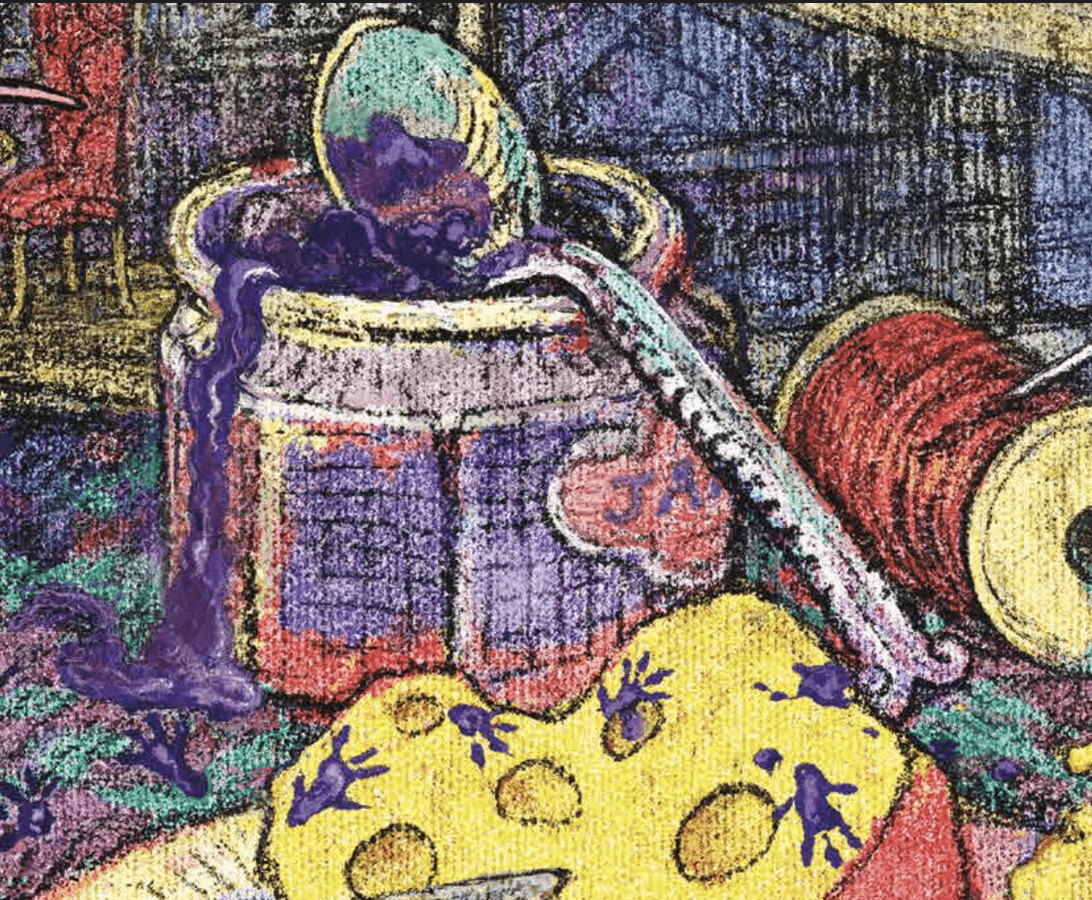
I knew that the still life painting in the book should be a display of elegance and pomp. Otherwise, the gravitas with which the narrator addresses the topic would feel silly, and that would undermine the true silliness that comes in later. I looked at a bunch of Dutch and Flemish still lifes from the 17th Century—the high point of posh still life art—for guidance.

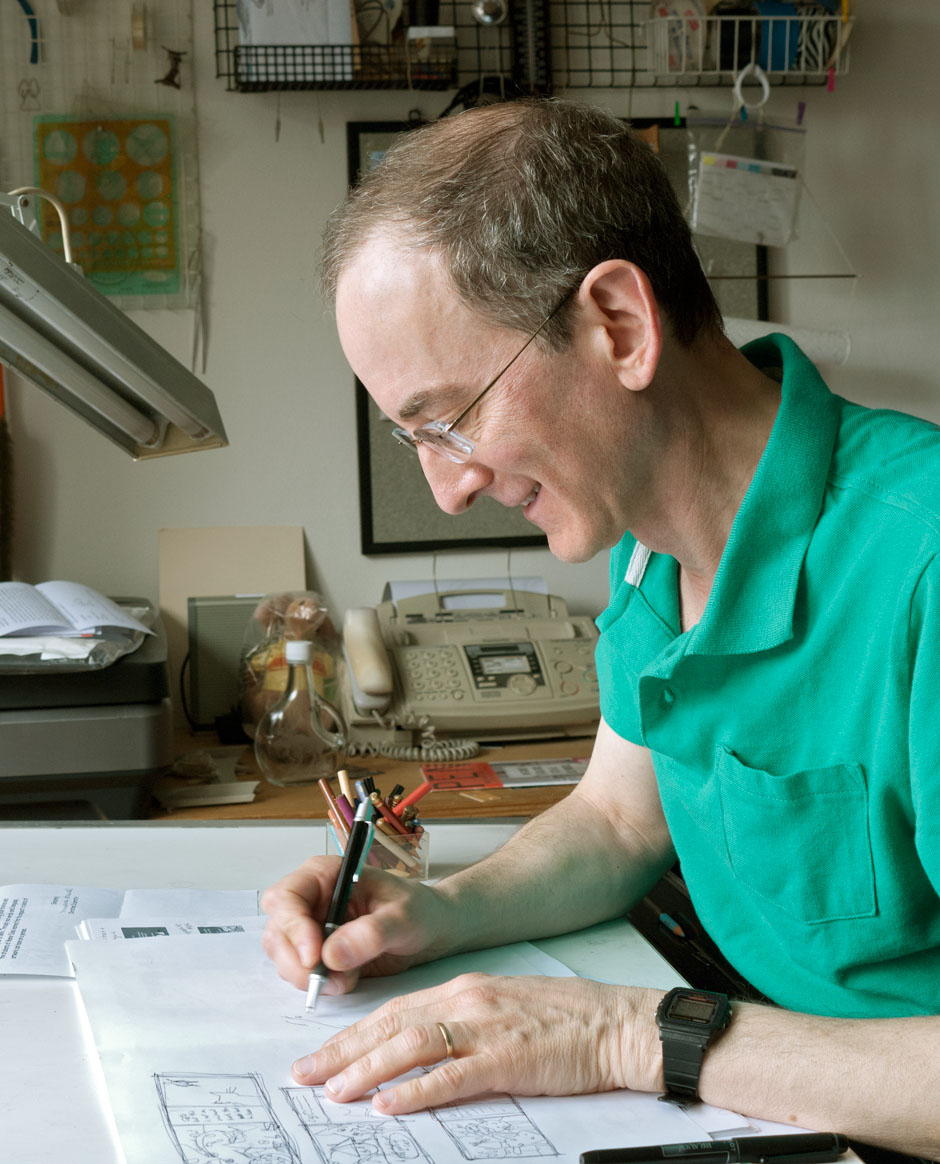
As for the actual reality surrounding the still life—the objects on the table that figure in the painting, the room and the artist himself, and also the little characters who have no business showing up in a still life, I thought it would be funny, and probably somehow deeply true, to make all of them as un-modeled and as loosely drawn as I could manage. That would be easy in Photoshop, where I’m comfortable with various tools I’ve made that resemble charcoal or pencil, and I can draw loosely without tightening up.

So I drew straight into my Wacom tablet with a stylus, no pencil or paper at all. I’ve been illustrating my books digitally lately, but I thought for this one maybe I could create the still life as an actual oil painting, and incorporate it digitally into the final art, to use again and again (at different angles, from different distances). I knew I couldn’t possibly paint that still life in oils for each picture in the book—not in what’s left of my lifetime—and I wasn’t sure I could paint it even once with the finesse I had in mind.

I tried painting a little bit when my experimenting began and was not pleased. So, I reverted to Photoshop. I’m afraid there’s not much traditional medium visible in what you now can see. There is a canvas texture on the painting, which comes from a piece of the actual canvas I did not paint on.

BB: Eh, I think the time has long since passed since people were wringing their hands over the effects of digital art on picture books. Next up, we’re talking process. Alex, how much, would you say, did the book change from its earliest first draft to the final product?

AL: There have been a lot of changes throughout the process, starting with the keen editorial eye of Martha Mihalick at Greenwillow. She worked hard with me to capture just the right tone both in juxtaposition to the art and for a compelling read aloud. We spent a lot of time with rhythm, batting single words back and forth, searching for the resonances and the giggles (“jam” was more lovely a word than “jelly”; “spoon” makes a funnier sound than “fork” in this context). The changes accelerated once Paul O. Zelinsky got involved. As his art developed, my text shifted, sometimes because he inspired better ideas with an image, and sometimes because he asked just the right question to push me into a new way of thinking about each moment. I’ve written 30+ novels, but I don’t think I’ve ever worked harder on a text than on the 2,000 or so words in this book.

BB: And Paul, did you determine from the start the way in which you’d render this book or was there a fair amount of trial and error? Did you try anything early on that just didn’t work out?

POZ: You may think that my last answer takes care of this question, too, but in fact I had so many false starts that it doesn’t begin to cover it. Even now, just trying to think of what to say is making my eyes want to close, and I have to go lie down for a while.

… Now I’m back. I expected Still Life to come so easily! After all, when I’d signed the contract for the book I already had a finished dummy, one I was fond of! I’d only have to choose the medium or mediums and go from there. The painting file began as a fairly detailed pencil drawing and took on layer after layer after layer in Photoshop…

The problems I created for myself were so numerous, so serious, and so technical that if I started getting specific here, your eyes would want to close, too. Suffice it to say that almost everything I cleverly did to make the work easier ended up creating impenetrable problems and massive roadblocks. I somehow plowed through, with much help from my infinitely patient art director, Sylvie Le Floc’h, who kept trying to lead me out of the labyrinthine tangle of difficulties I kept steering myself into. And now I am determinedly not thinking about that part of the work. Though if you need to know, ask me, and you’ll get a 40-page harangue about Smart Objects and missing layers and ….

BB: Honestly, I think a lot of folks reading this would find that scintillating, but we’ll save that for another interview day. Speaking of Paul, congrats, Alex, on pairing with the one and only Paul O. Zelinsky for this book! I know that when an author writes a picture book manuscript they have a rough idea in their head of what the final product might look like. Did Paul’s vision match yours at all? Did he do anything that surprised you?

AL: I am so lucky. Paul is not only a kind soul, but an absolute genius. While I had some visual sense of what I hoped the book would like with the different in styles of the still life painting and the narrator, Paul elevated it all and made the book about so much more than I had initially thought it could be. The snooty artist’s pathos really came from Paul’s work echoing back on mine. He found humor in moments far beyond what I had written and brought emotion to places where I hadn’t imagined it could hide. I am, simply, gobsmacked by his illustrations, having been a fan since my own elementary school days. Can I call him the GOAT? Too late, I have. I’m sure he’ll be mortified after finding out what that means.

BB: Doesn’t make it any less true. I’m not done with asking about process, though. Paul, I’m particularly intrigued by the patterns you use in the book. The endpapers. The pattern used on the chair. Where do you look for patterns when you want to include them in a book like this? Where did you find these particular patterns?

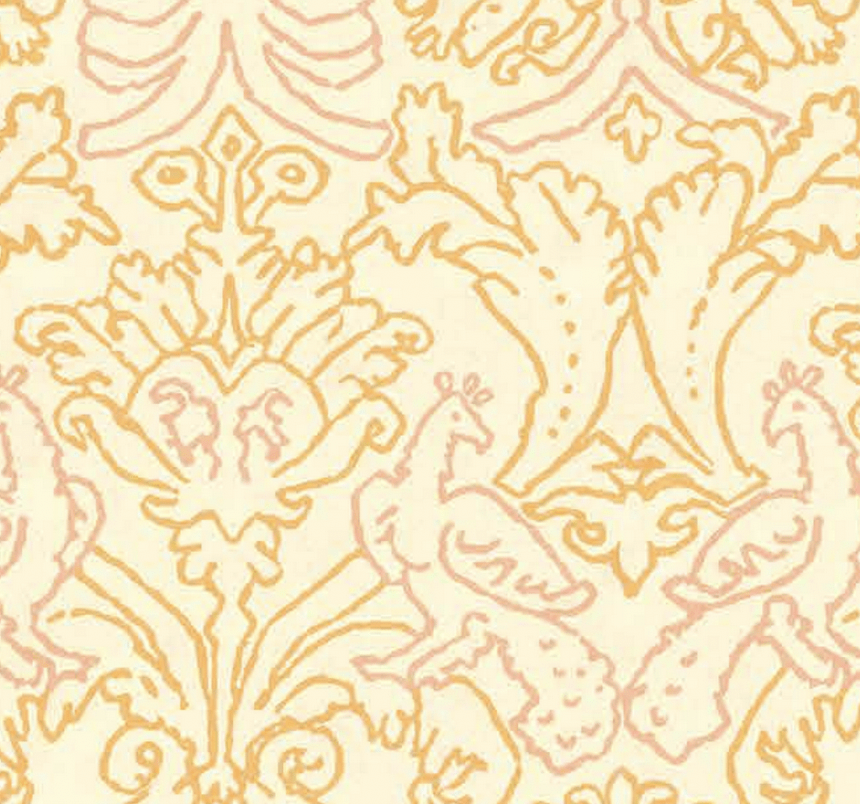
POZ: Well, the pattern on the chair in the painting is just stripes and triangles I thought wouldn’t compete with the painting’s tablecloth pattern. (I seem often to be spinning out patterns made of simple shapes when I doodle lately. A part of me is always trying to figure out the secrets of decorative art. FYI, I post my doodles a lot on Instagram.) The fancy pattern of the tablecloth had to be something better than I could make up, so I looked up damask patterns from the Renaissance. I chose one with peacocks that worked nicely with the shapes on the tabletop.

But drawing the pattern as it would appear on draped and folded cloth is something else. I’d already refined the still life image with its draping cloth (which I made up without a model), so how was I going to do this?

First I got the pattern into my computer, tracing it and adjusting the photo to make a true repeating pattern in outline. I have a supply of fabrics in my studio; I took a length of one that looked like it might drape nicely, printed out a page of pattern and spent an inordinate amount of time tracing it onto the cloth, using a light table and a Sharpie, only to find that it was no help whatsoever. Uncharacteristically but wisely, I gave up. I just had to try my best to imagine how this pattern would distort from draping, folding and wrinkling. If I did a bad job of it, I rationalize, it’s okay because this was not my painting, but a one by the artist in the book, and painting fabric could be his greatest flaw, who knows?

My patterns often become a book’s endpapers (not to mention a piece of clothing for me to wear at conferences, etc.). That’s again the case here: my Photoshop pattern found a use after all in Still Life’s endpapers, colored gold rather than the green and maroon of the tablecloth. I might add that the front endpaper is my Photoshop pattern. The back is different, subtly enough that I’ve been hoping only children notice, and what’s different I don’t want to give away!

BB: Nor should you. Alex, can we hope to see more picture books from you in the future?

AL: I truly hope so! I love the collaborative process of them and the deep care they demand. I love the deep focus on a short text and the way the words and pictures play with one another. I’ve always respected the form, since my own library school days, but I am now in love with the act of creating them. I hope I get to do more soon!

BB: And finally, this one’s for the both of you, what are you all working on next?

POZ: The answer to this question is up in the air still, so I will have to leave it a mystery, too.

AL: I’ve got a new middle grade series coming out, The Princess Protection Program, which is about fairy tale princesses who don’t like how their fairy tales go, so they flee to a boarding school in the real world, where things are not quite what they seem. It’s a super fun to be playing with iconic tales like Sleeping Beauty, Cinderella, and the Little Mermaid in, hopefully, exciting new ways!

I’m also currently working with [another amazing artist who shall for now remain a secret] on a young adult graphic memoir from a time when I was 16, in the closet, and a championship skeet shooter. It too was story that demanded a visual telling. I seem to be all about words and pictures these days. I wonder if the artist in Still Life would give me lessons? I like the idea of a work that breaks out of its borders and makes its own rules. After 30 published books, I love that I still have so much to learn and so many new creative challenges ahead.

*it was called What Amanda Saw, written by Naomi Lazard, and I think only five or ten people ever saw it.

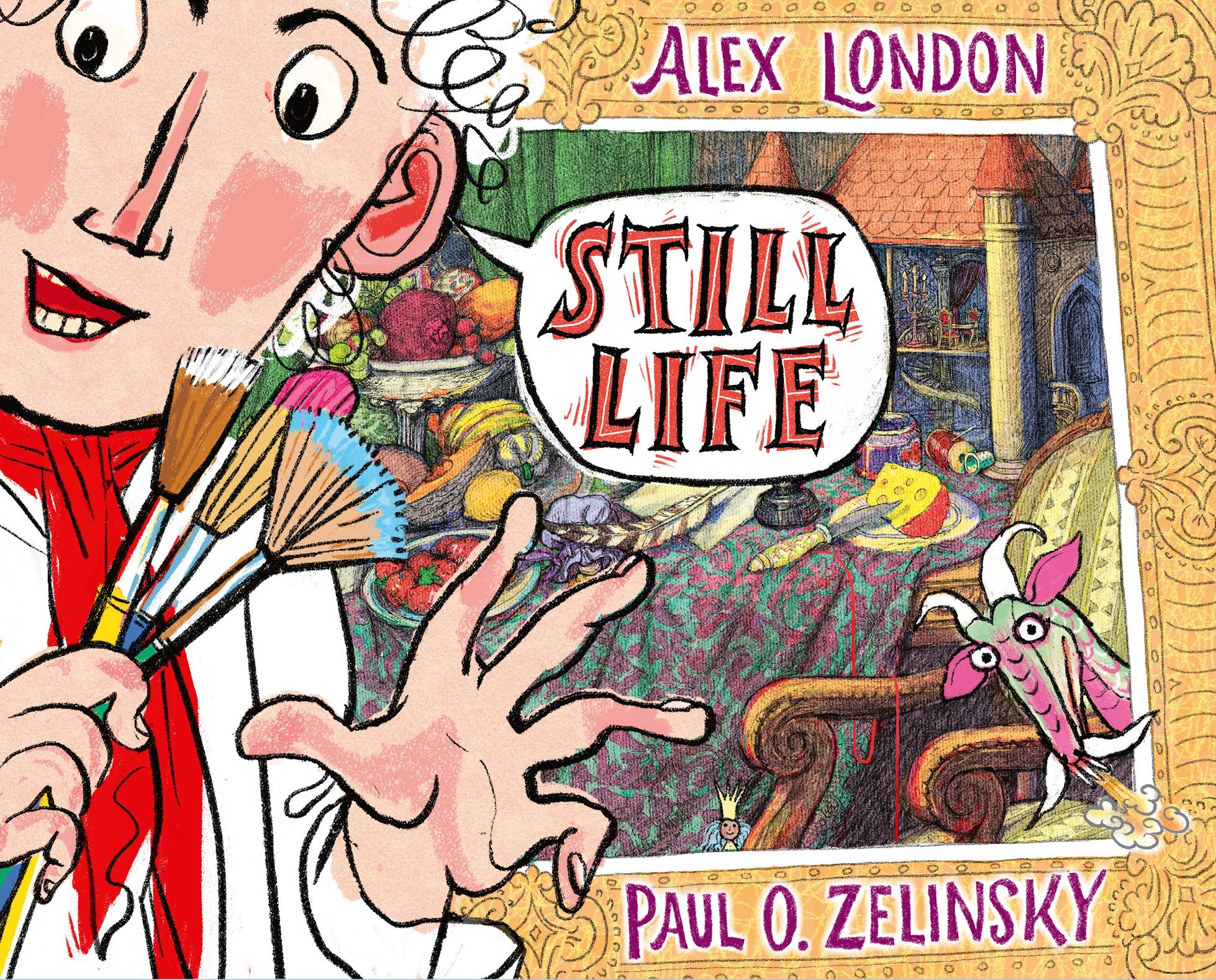
Ahhhh. My favorite interviews are the ones where you get just a sheer whopping amount of amazing context for a book. Now all we need to do is kick back and wait seven months for it to come out. Easy peasy! So while we wait, here’s the gorgeous cover for one and all to see:

You know what? That STILL isn’t enough! So we’re throwing in a book trailer that Paul created for this title as well. Just because I love you:

Such HUGE thanks to Alex and Paul for taking all that time to answer my questions today. Thanks too to none other than Martha Mihalick herself for taking the time to help put this all together. STILL LIFE is out everywhere September 3rd.

Filed Under: Cover Reveal, Interviews Tagged With: author interviews, C. Alex London, cover reveal, illustrator interviews, interviews, Paul O. Zelinsky, picture book author interviews

  • « Go to Previous Page
  • Page 1
  • Interim pages omitted …
  • Page 95
  • Page 96
  • Page 97
  • Page 98
  • Page 99
  • Interim pages omitted …
  • Page 1048
  • Go to Next Page »

Primary Sidebar