• Skip to primary navigation
  • Skip to main content
  • Skip to primary sidebar
  • About/Contact
  • Fusenews
  • Reviews
  • Librarian Previews
  • Best Books
    • Top 100
    • Best Books of 2022
    • Best Books of 2021
    • Best Books of 2020
    • Best Books of 2019
    • Best Books of 2018
    • Best Books of 2017
    • Best Books of 2016
    • Best Books of 2015
    • Best Books of 2014
    • Best Books of 2013
  • Fuse 8 n’ Kate
  • Videos
  • Press Release Fun

Troublemaking: A Conversation with Arree Chung

Troublemaking: A Conversation with Arree Chung

April 22, 2025 by Betsy Bird

At my library (Evanston Public Library) we create a list consisting of 101 Great Books for Kids at the end of each year. To make this list, I will receive a slew of galleys and review copies of children’s book titles and then meticulously file them on shelves behind my desk for any committee member to have. In doing this, I’ve noticed that some categories have changed in size over the last few years. Poetry this year, in comparison to 2024, is rather robust. Ditto Fairy Tales/Folk Tales/ Religious Tales. And for all that we’re decrying the death of Middle Grade Fiction (if it’s a slow news day in book publishing then something somewhere has to be dying, I figure) the number I’ve seen already is hugely impressive!

But there is one shelf that is particularly full as of April 2025, and that is the graphic novel shelf. When I think back even ten years ago to the state of GNs for kids outside of the comic book industry and then compare it to what we’re seeing today, I’m floored. Now I’m sure there are some publication reasons for the plethora currently on display (and, by the same token, I know that fears of tariffs could change everything in an instant) but the fact of the matter remains that while other types of children’s books experience some kind of flux and flow, comics are still doing mighty well.

And comics with memoir components? Forget about it. They’re on fire!

Naturally, this lead up brings me to Arree Chung. If you are a children’s librarian that name may already be familiar to you, but within a younger context. No doubt you have at some point encountered Arree’s picture books, if not his Ninja picture book series then Mixed: A Colorful Story (though I was always a particular fan of his work on How to Pee, but that’s me). So how do you take the leap from picture book to middle grade fictionalized memoir? I intend to find out.

Don’t Cause Trouble (out TODAY, you lucky ducks) follows the story of Ming Lee, best described by its publisher in this way:

Twelve-year-old Ming Lee hopes middle school will be the fresh start he needs.

But stepping into school with the same bowl haircut his mom insists on giving him, and wearing the extra-discounted thrift shop clothes she buys him doesn’t quite make for the first day of his dreams. Things only get worse when he’s placed in an ESL class despite English being his first (and only) language. The journey ahead is full of awkward, painful, and downright embarrassing moments.

Ming’s dad always tells him, “Get good grades! Don’t cause trouble!” But with two new friends by his side, and a few tricks up his sleeve, Ming is determined to make some changes.

Perfect for fans of Raina Telgemeier and Jerry Craft, Don’t Cause Trouble is a funny, warmhearted graphic novel that will resonate with readers who are looking for a place to belong.

Today, I get to talk to Arree about the book itself and its links to real life:


Betsy Bird: Arree! Thank you so much for talking with me today. You’ve done your fair share of picture books over the years, but writing a graphic novel is another set of muscles entirely. Did you always want to write a comic, or did the idea creep up on you slowly?

Arree Chung

Arree Chung: I’ve always loved comics and toyed with the idea of making one, but I never found the right story until my agent, Rubin, asked if I’d explore my own experiences growing up Asian American. I thought, “Boy, do I have stories to tell!” I had plenty of funny, awkward, and deeply personal memories from my childhood as a child of immigrants. Over the next few years, as I shared these experiences with my editor Kate, the idea naturally evolved into Don’t Cause Trouble.

On one hand, switching from picture books to a graphic novel felt familiar—my picture books often use panels and sequential art, so the visual storytelling came naturally. On the other hand, tackling a project that required an entire screenplay-style script and more than 250 pages of art was no small feat. It stretched my storytelling skills in new ways, but finishing something so substantial was incredibly rewarding. It turns out that big challenges can be a lot of fun when they come from telling a story close to your heart.

BB: The middle grade graphic novel memoir is considered a staple of comics for kids right now. With that in mind, was writing a fictionalized version of your own experiences your first inclination when you thought about making a GN or was it something that was suggested to you as a good place to start?

Arree: When I first started, I envisioned something more autobiographical—along the lines of Smile by Raina Telgemeier. But when I tried piecing them together chronologically, it felt scattered. Some experiences, like the mysterious love note I once received, never really had a neat conclusion in real life. It was humorous but wasn’t a full story.

That’s when I realized it would help to fictionalize things. I could take those awkward, funny, and heartfelt moments and weave them into a cohesive storyline with its own emotional arc. Making a fictionalized version of my experiences gave me the freedom to explore what I learned and felt, without being bound by strict facts and timelines. And it allowed me to infuse humor and tie everything back to the central idea of embracing where you come from and who you are.

BB: While a lot of this feels very specific and very real, it’s impossible for the reader to know which parts actually happened to you and which just extrapolate on those real experiences. For example, I found myself wondering if they really put you in an ESL class in middle school. Is that true?

Arree: Yes! Being placed in ESL was absolutely true—though it actually happened in my later elementary school years. By middle school, a teacher recognized my strengths and placed me in honors classes, which was a huge turning point. As for some of the other story elements, like Ming’s friends Vikrum and Marcus, they’re inspired by real people but from different periods of my life. And that love note? Totally real—but I never discovered if it was just a prank or genuine.

The part about stealing shirts from a department store was also drawn from real events. In reality, I got my brother involved instead of my friends, and we both got caught! Needless to say, my parents were not thrilled about that episode.

BB: Well, and much along the same lines, how did you go about deciding which elements from your own life to include and which you wouldn’t? Were there stories you really wanted to put in the book that simply didn’t fit the storyline?

Arree: Fictionalizing my childhood gave me room to shape a complete story while still capturing the heart of my experiences. I had plenty of memories I wanted to include, but if a scene didn’t serve the book’s core themes, I had to let it go. I wanted to maintain a clear story arc and explore Ming’s identity, so every plot point needed to reinforce that.
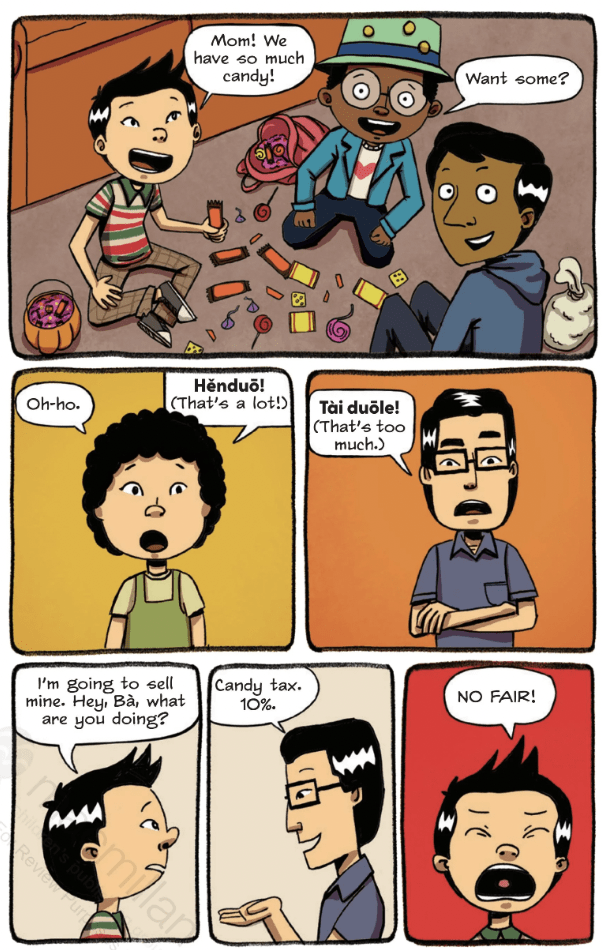
For instance, Ming’s journal and his alien drawings show how he feels different and dreams big. But the trick-or-treating adventure never actually happened to me—it just felt like the perfect moment to deepen the boys’ friendship. On the other hand, scenes of my parents collecting a “candy tax” really did happen. In the end, it’s a mix of real anecdotes and invented moments, but all of it supports the story I wanted to tell.

BB: I think I speak for all kids when I say that the “candy tax” moment caused me almost physical pain to read. You know, it can be difficult taking a real life and giving it a satisfying narrative with a strong end. Did you have to invent the conflict in this book or was some of it real?

Arree: Most of the conflict in Don’t Cause Trouble comes directly from my life: My parents really struggled financially, they truly sent money back to family abroad, and arguments about paying tithe vs. saving every cent happened often. The longing for new clothes, the bowl haircut, wanting to join the basketball team, and even stealing clothes to fit in—all real.

What took more creativity was weaving these moments into one cohesive arc. Real life can feel random, so I had to invent certain details—like how my friends reacted to the mysterious love notes—and build a satisfying resolution. In reality, I never learned if my own love note was legit. And while I dreamed of my mom turning her egg rolls into a business, that never happened. If it did, perhaps today we would be rich! But at its heart, the core lesson remains the same: by working through trouble, I learned from my mistakes, discovered what truly mattered, and carved my own identity.

BB: Finally, what else do you have coming out these days? What else is on the horizon?

Arree: I’m currently developing two new inspirational picture books—The Long Shot and The High Bar. Both focus on resilience, overcoming challenges, and learning how to get back up when you fall. I’m also exploring fresh ideas for more graphic novels. And who knows? There might be a sequel to Don’t Cause Trouble. I still have plenty of personal experiences that haven’t made it onto the page yet!


Huge thanks to Arree for taking the time to talk to me on this, his book’s birthday. Thanks as well to Morgan Rath and her team at Macmillan Children’s Publishing Group for giving me the chance to talk to Arree in the first place. Don’t Cause Trouble is out at this precise moment in time, so delay not! Find yourself a copy and indulge. You won’t even have to pay a candy tax.

Filed Under: Interviews Tagged With: Arree Chung, author interviews

Fuse 8 n’ Kate: It’s Not Easy Being a Bunny by Marilyn Sadler, ill. Robert Bollen
April 21, 2025 by Betsy Bird

“I want to do something with my life, but with minimal effort.” “He’s the hero our children need today.” Today, there is a mystery at work. For the past two years this 1983 beginner book publication has hit #1 on the Publishers Weekly list of top selling picture books around Easter time. But why? What caused this particular P.J. Funnybunny book to become quite so popular again? We endeavor to find out as we tackle today’s title. It’s not very Easter-y, but I guess bunnies will be bunnies. Along the way, we talk about the potentially damaging narrative at work here and how this book is, in its way, the complete opposite of a title like Itty-Bitty Kitty-Corn.

Listen to the whole show here on Soundcloud or download it through iTunes, Stitcher, Spotify, Google Play, PlayerFM, Audible, Amazon Music, or your preferred method of podcast selection.

Show Notes:

Love the bindle. Sad that this is literally the only moment in the whole book that this bindle is seen.

Size-wise, what do we think? Giant bunny or tiny baby bear?

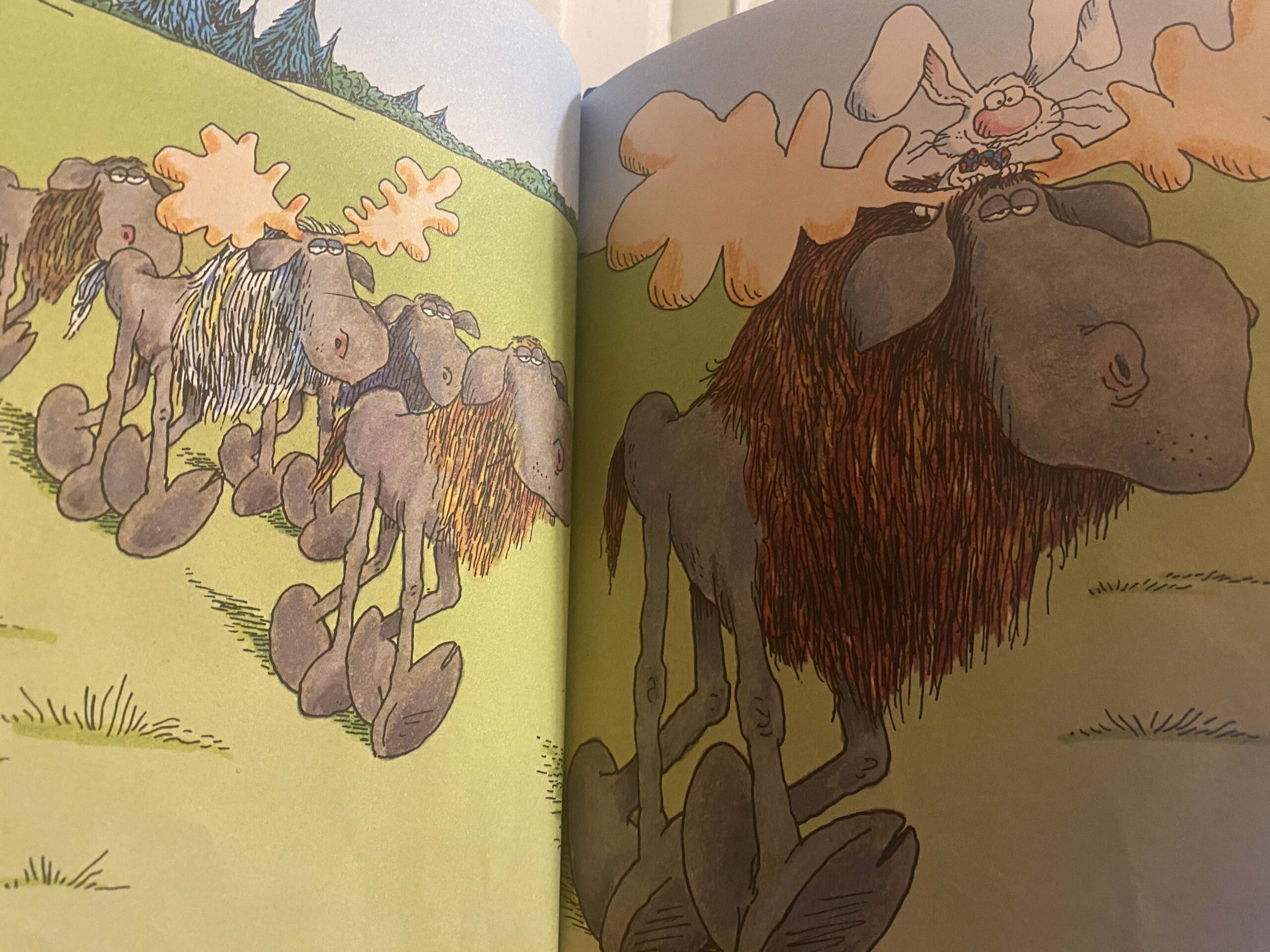
After looking at this image, Kate imagines these moose speaking in the voice of Eeyore. “Live with us, don’t live with us, it doesn’t matter. Living doesn’t matter.”

We kind of adore that Sadler went with “MOOK” with this one.

As Kate correctly points out, the book should have spelled this as opossum. As for how you pronounce it, apparently both pronouncing the “o” and not pronouncing it are equally fine options.

Kate Recommends: Go to Sleep, I Miss You by Lucy Knisley

Betsy Recommends: A Minecraft Movie

Filed Under: Fuse 8 n' Kate Tagged With: Fuse 8 n' Kate, It's Not Easy Being a Bunny, Marilyn Sadler, Robert Bollen

Myrick Marketing Publisher Preview Spring/Summer 2025: Part Four Featuring TOON Books, Walker Books, What On Earth Books, Albatros, and Barefoot Books

April 18, 2025 by Betsy Bird

We’ve an interesting array of titles on display for you today. These are all books that have either just come out or are on the near horizon. As per usual, I have Ellen Myrick and Publisher Spotlight to thank for this sneak peek. Here’s to the smaller publishers, unafraid to try interesting, new things. And I suspect you may particularly enjoy the last book on today’s list…

Pencil by Hye-Eun Kim

Publication Date: March 18, 2025

ISBN: 9781662665530

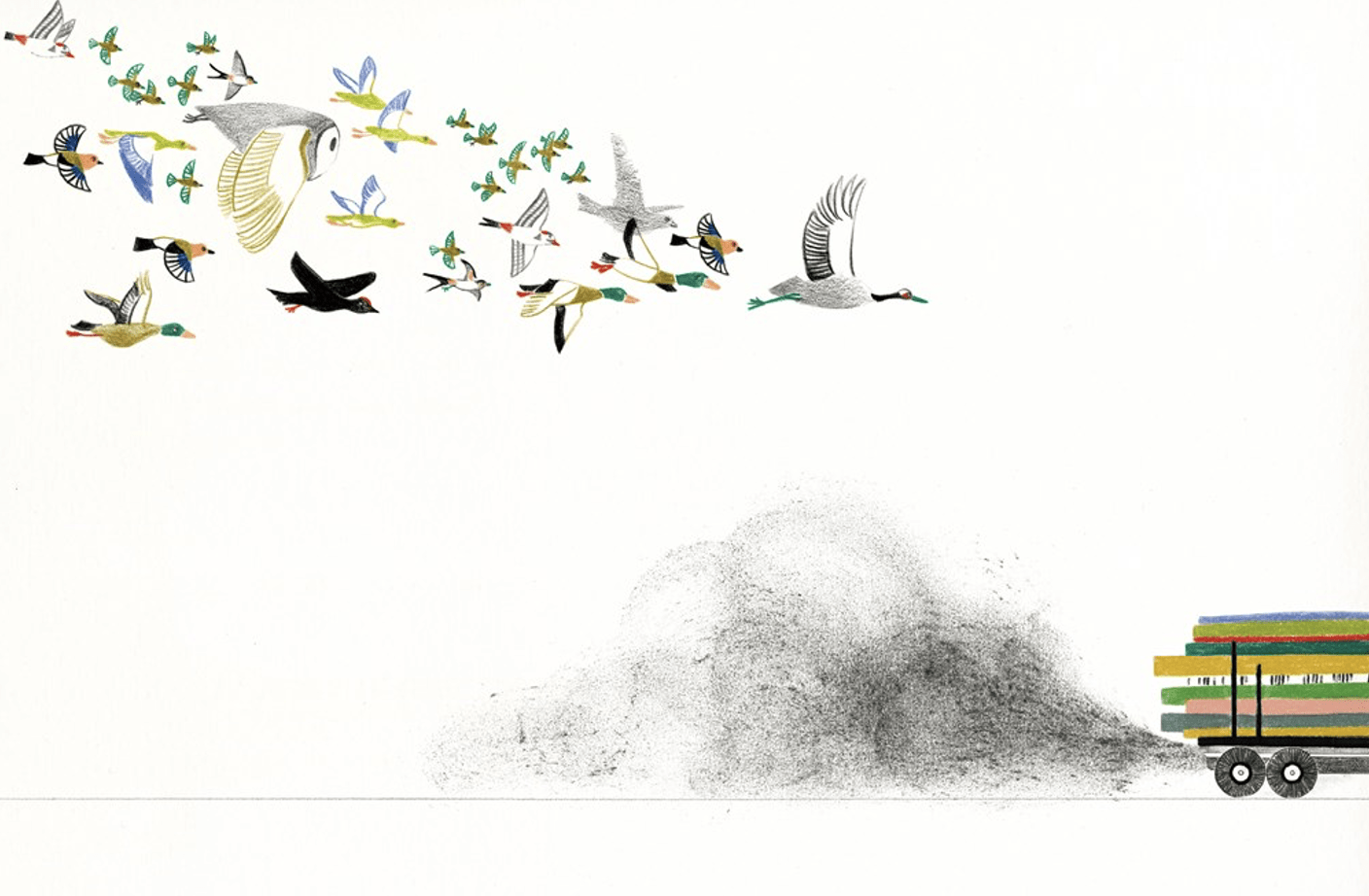
Woot! Let’s hear it for the wordless books! Teachers are constantly looking for them, but they are often tricky to find. This particular book focuses on the creation of a pencil. After procuring just the right wood in the forest, the wood goes to the factory where it’s cut and trimmed down. The graphite is put inside and then voila! You can draw things with it. Things like… trees. A circular little book, this is, with beautiful South Korean illustrations.


This Makes That by Ivan Brunetti

Publication Date: May 20, 2025

ISBN: 9781662665561

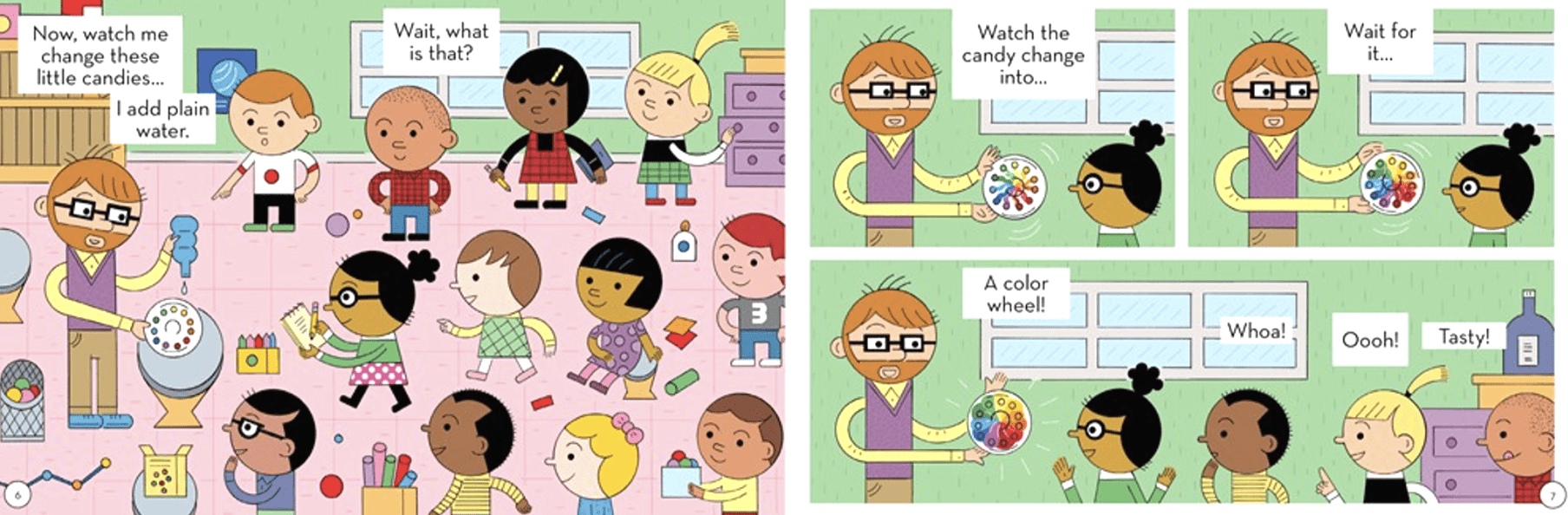
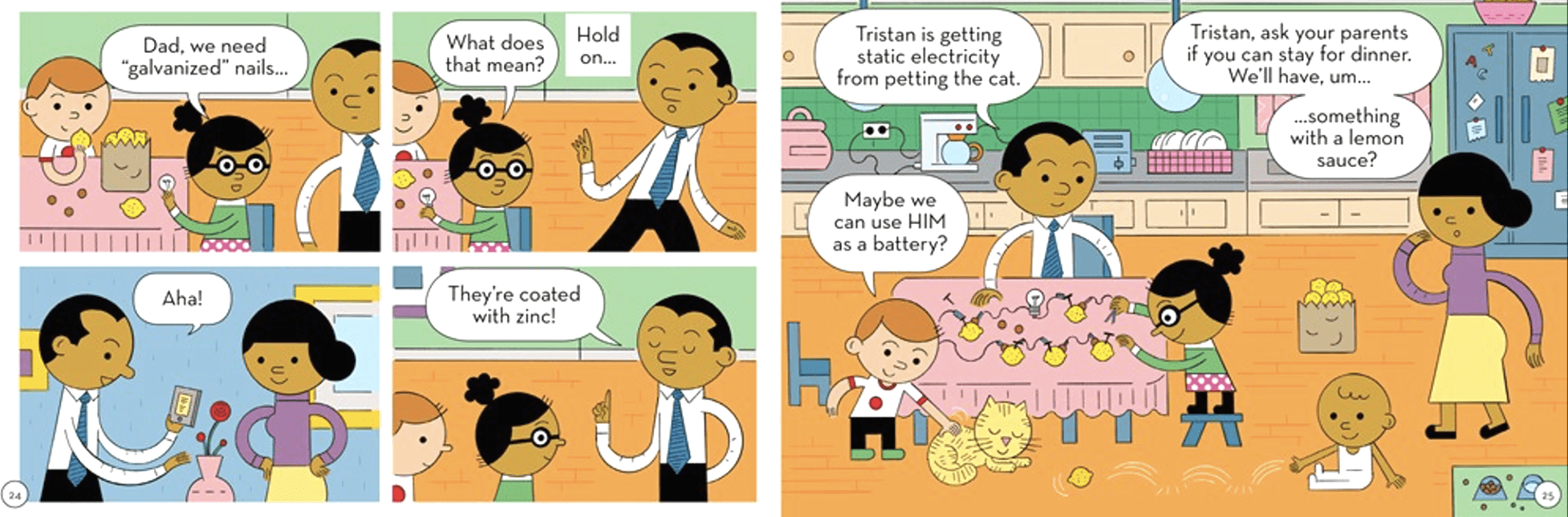
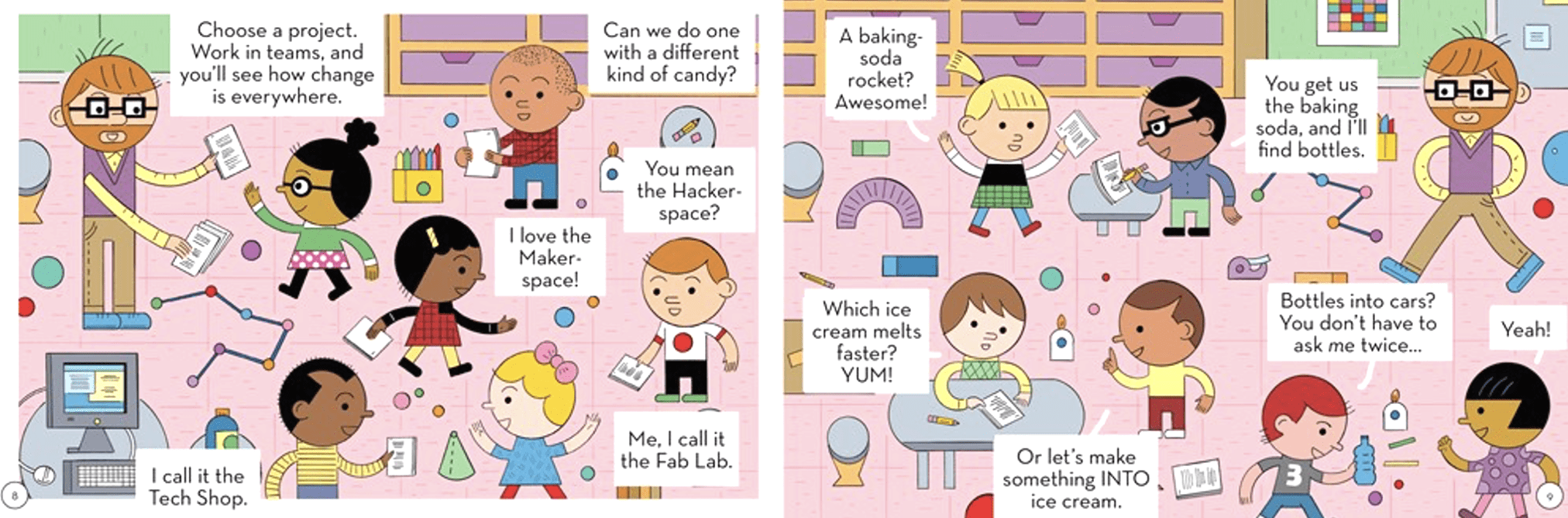
You know I’m always going to be supporting my local Chicago creators, and Ivan Brunetti is no exception. And since this is TOON Books we’re talking about, he’s created a younger graphic novel, this time with a STEAM focus. Consider this his makerspace book. This is really about making things happen and making things work thanks to cooperation. And yes, if candies can make colors and lemons can make batteries along the way, then bonus!


Nop by Caroline Magerl

Publication Date: March 4, 2025

ISBN: 9781761600807

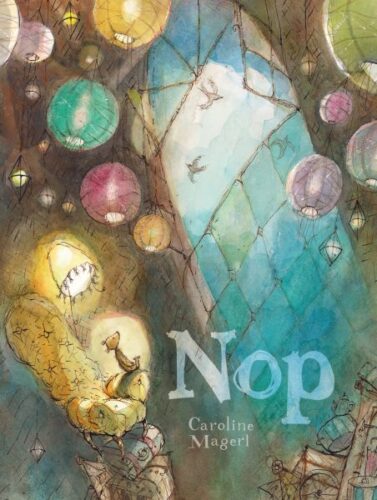
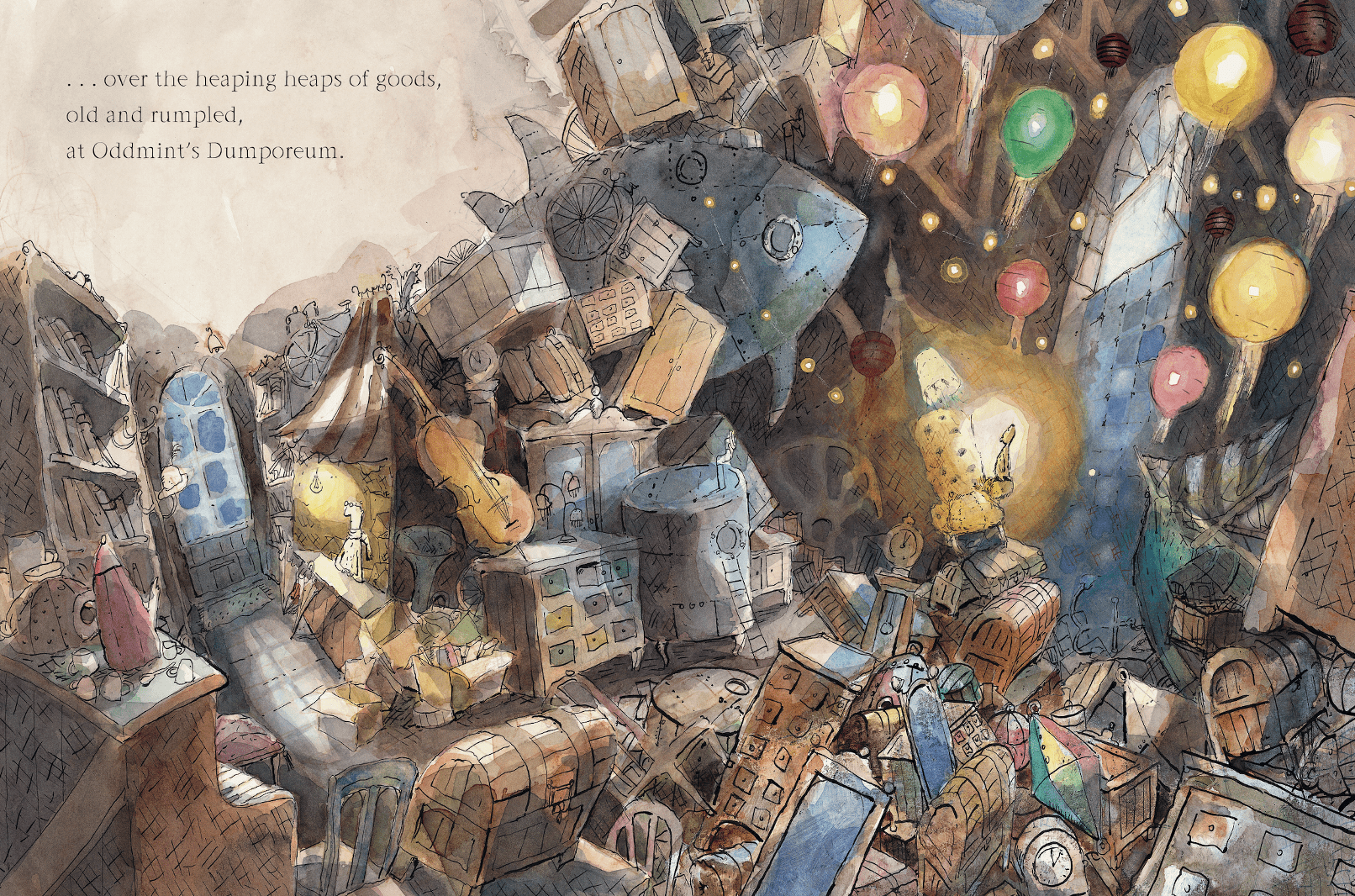
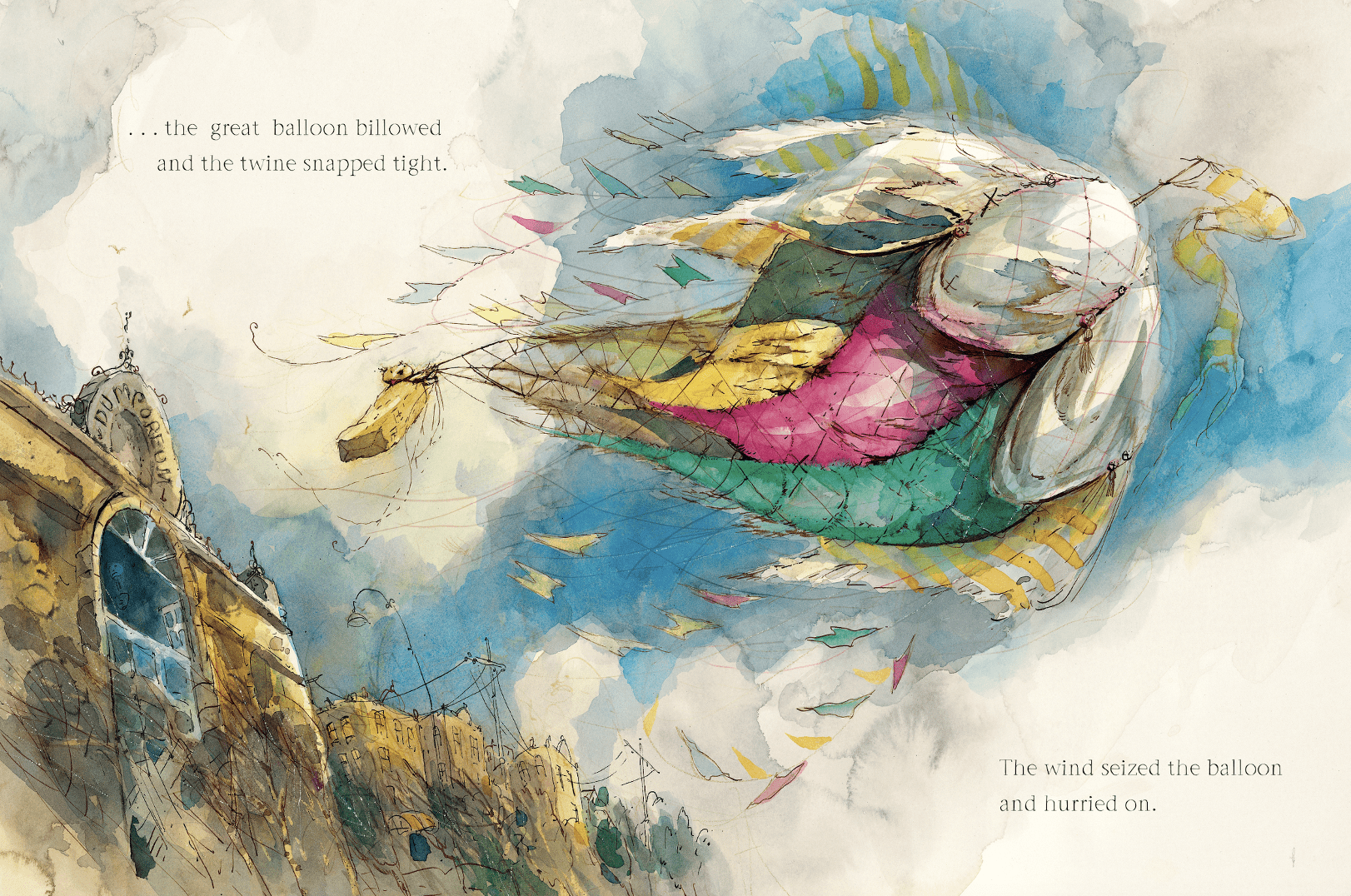
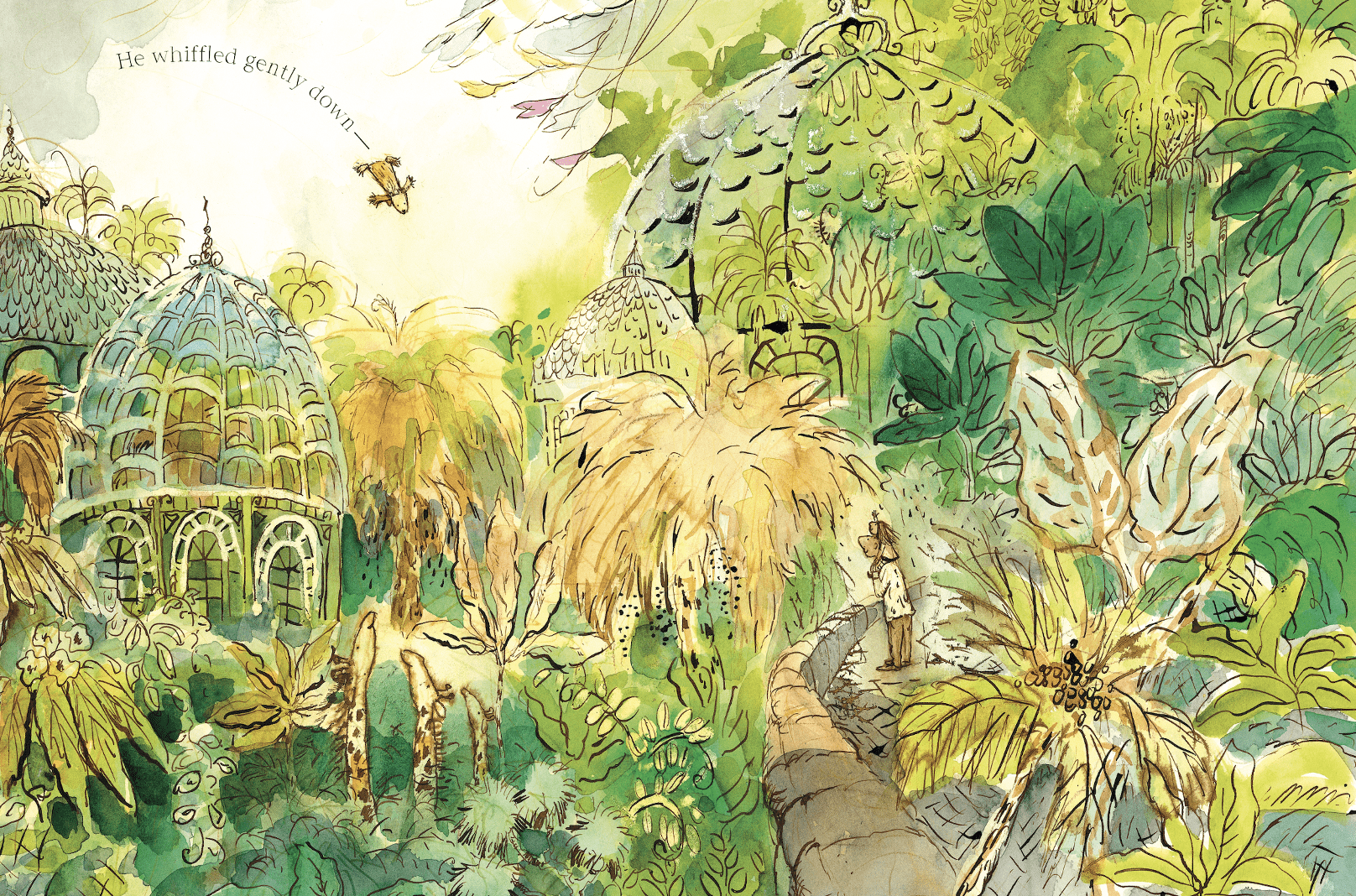
This Corduroy but trade in that department store for a secondhand emporium (named, and I love this, “Oddmint’s Dumporeum”) and a bear in overalls for a tiny ragamuffin little creature. Every stuffed animal in this place longs to get taken home with somebody. Our hero? No such luck. So he finds a little ribbon and after some experimentation he creates a balloon with which to explore the world. Inspired by the author, who as a child created a teddy bear for her father out of scraps that she named Roadkill. It still sits on his desk to this day.


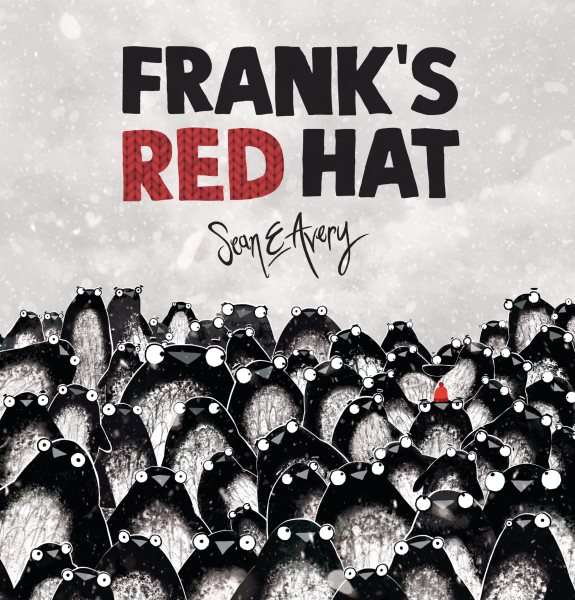
Frank’s Red Hat by Sean E. Avery

Publication Date: May 6, 2025

ISBN: 9781761600661

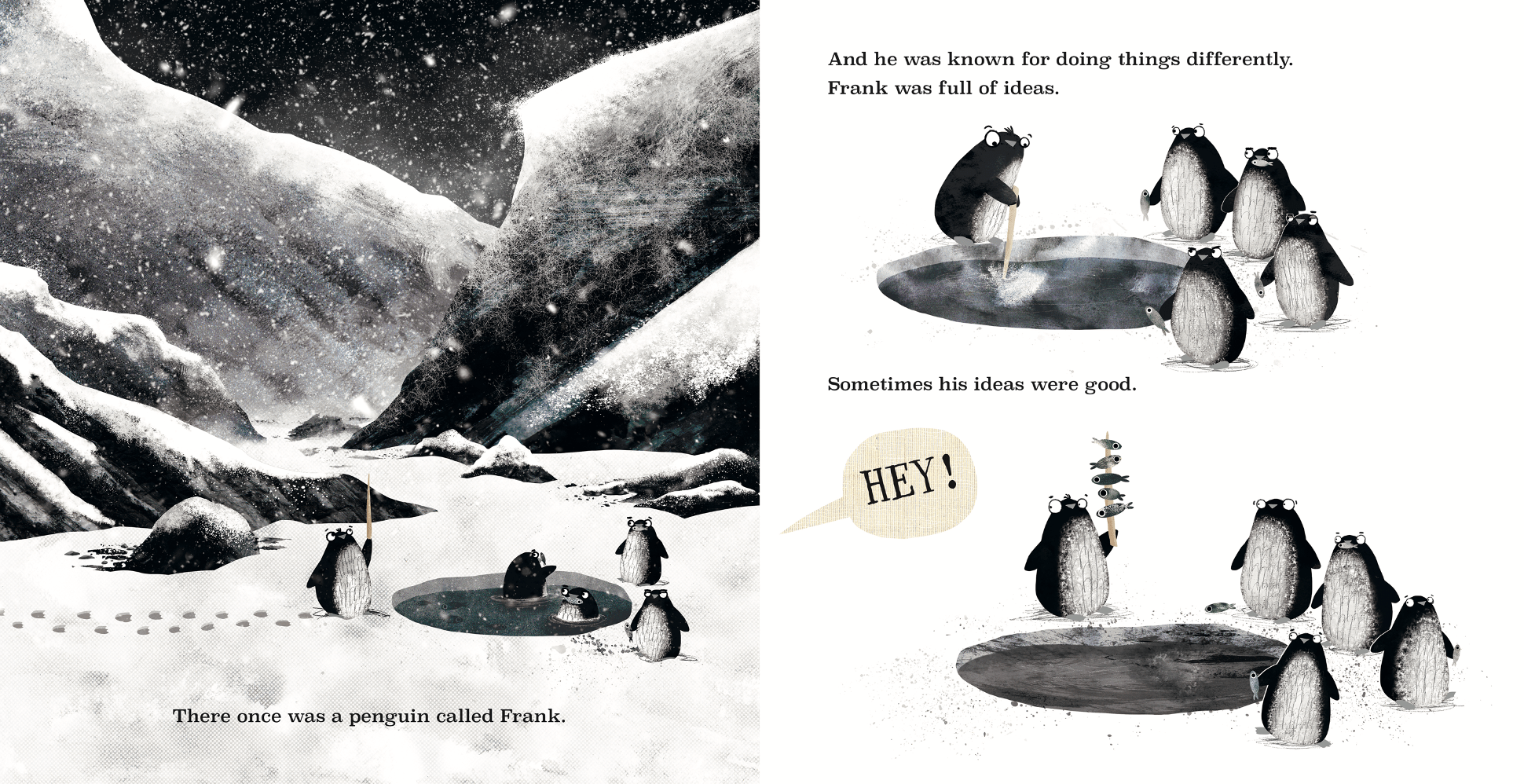
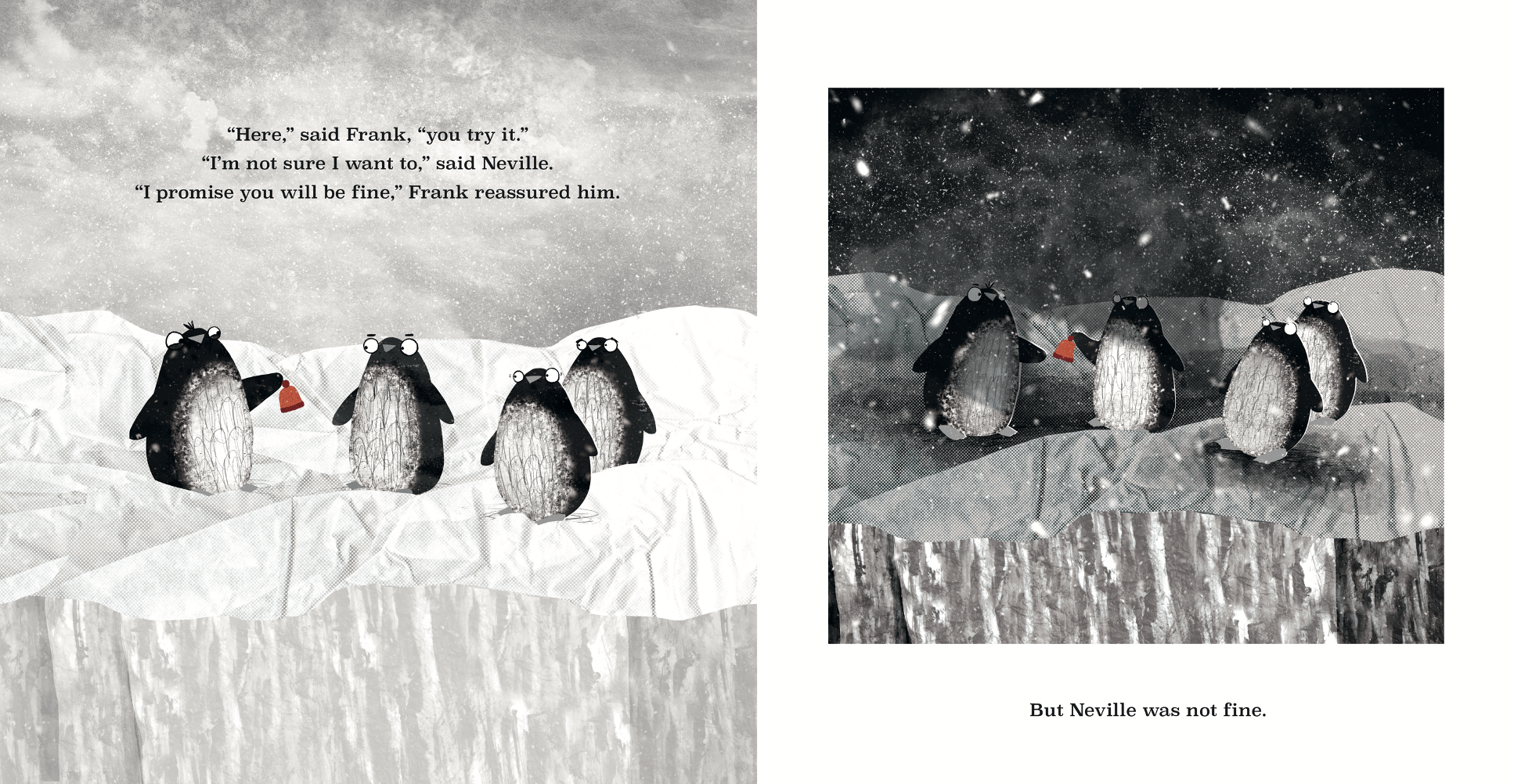
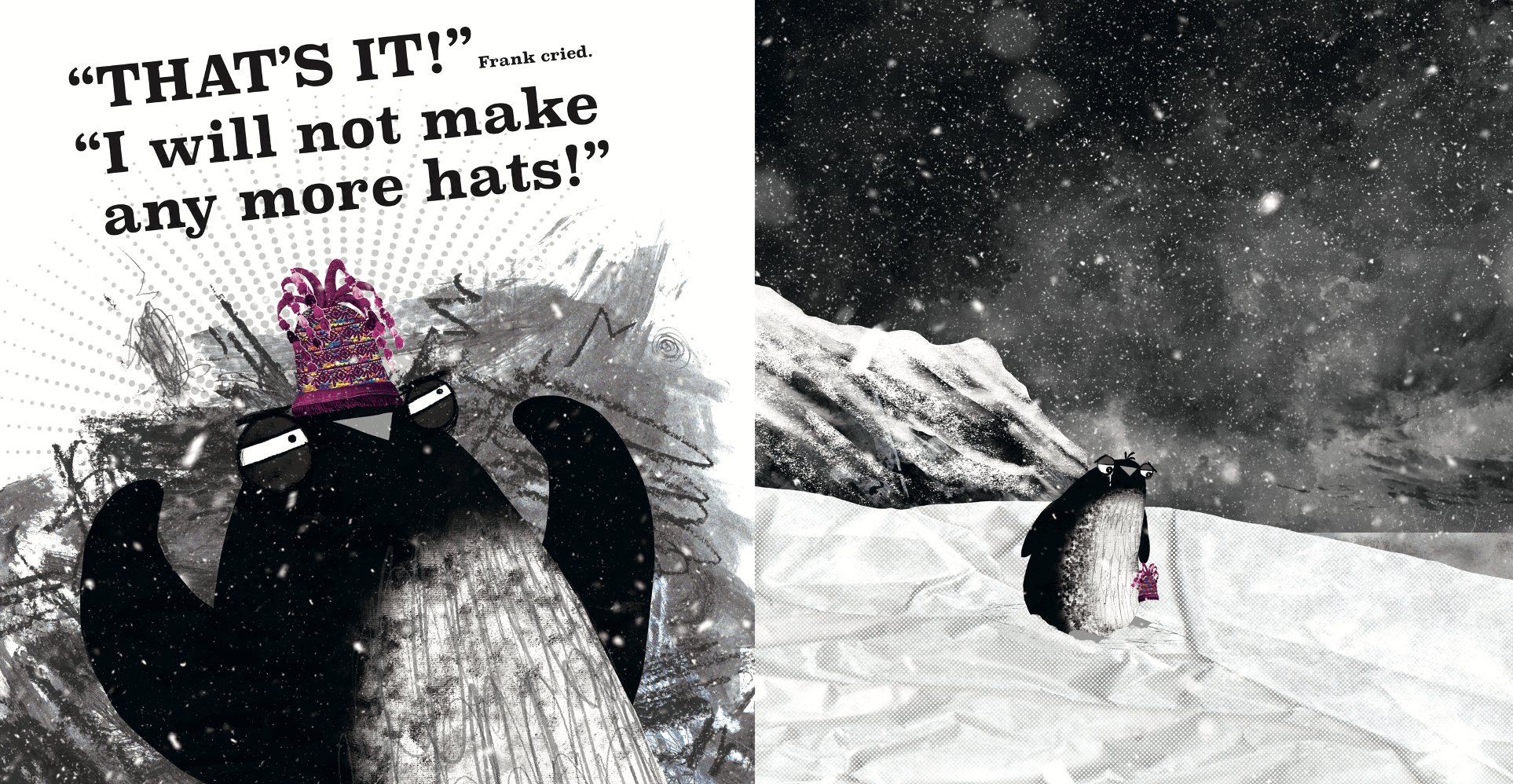
Aw, this one is very fun. Very fun indeed. So fun that it just won a YABBA Honor (that’s the Young Australian’s Best Book Awards). Now meet Frank the penguin. Frank has ideas – some good, some not. One day, he approaches his fellows wearing a great red hat and gifts it to another penguin. Unfortunately that penguin is swallowed by a beluga whale. So Frank makes more hats and, unsurprisingly, no one wants them. Behold: sad penguin eyes. Then the seals decide they do like the hats and Frank has new things to invent. I enjoyed the deadpan humor of this book so much that I may even forgive the illustrator for inaccurate knitting needle placement in one of the scenes (maybe).


Scout and the Rescue Dogs by Dianne Wolfer, ill. Tony Flowers

Publication Date: June 3, 2025

ISBN: 9781761600494

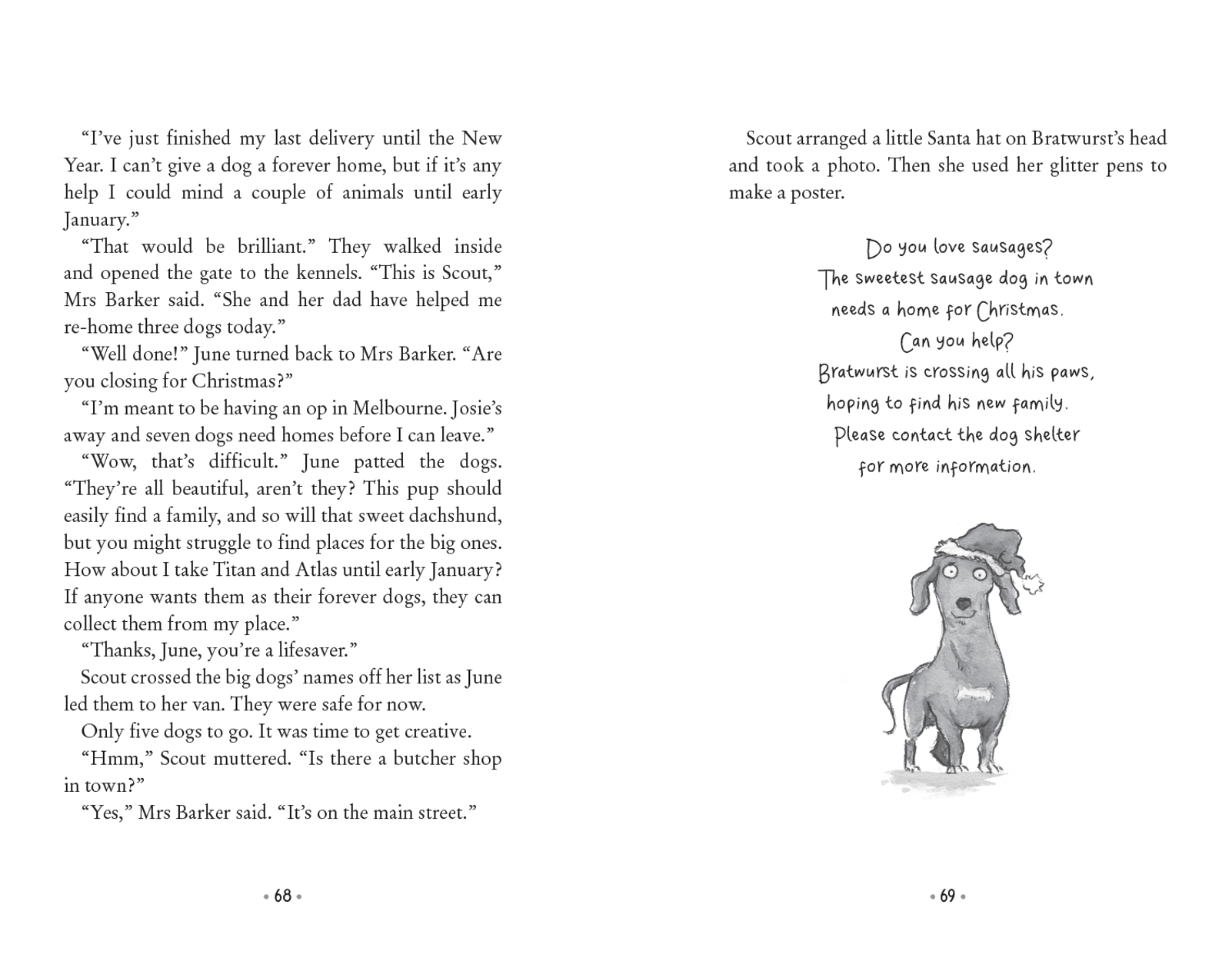
Sometimes books for kids don’t make it easy on themselves. This series is set against the backdrop of the 2019-2020 Australian bushfires. It’s an easy ready early chapter book. In this story Scout and her dad are traveling in his big rig to deliver dog food to animal rescue shelters , but it’s bushfire season and suddenly they’ve a slew of dogs to rescue. But bushfires don’t focus on just one species, so Scout and her dad better watch out for themselves too! Now this didn’t win a YABBA but it was the Winner of Children’s Book of the Year category in the 2024 Western Australian Premier’s Book Awards. Nice!


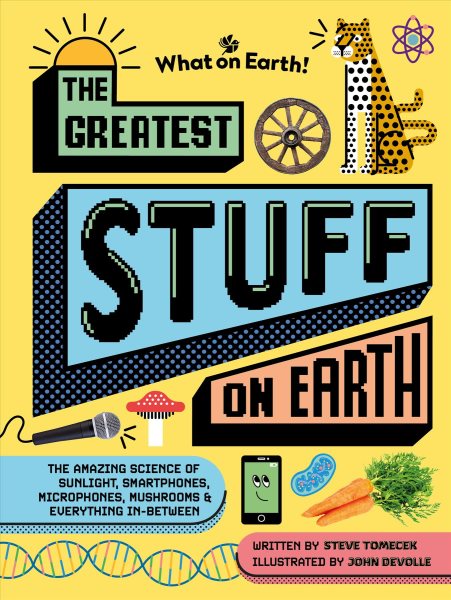
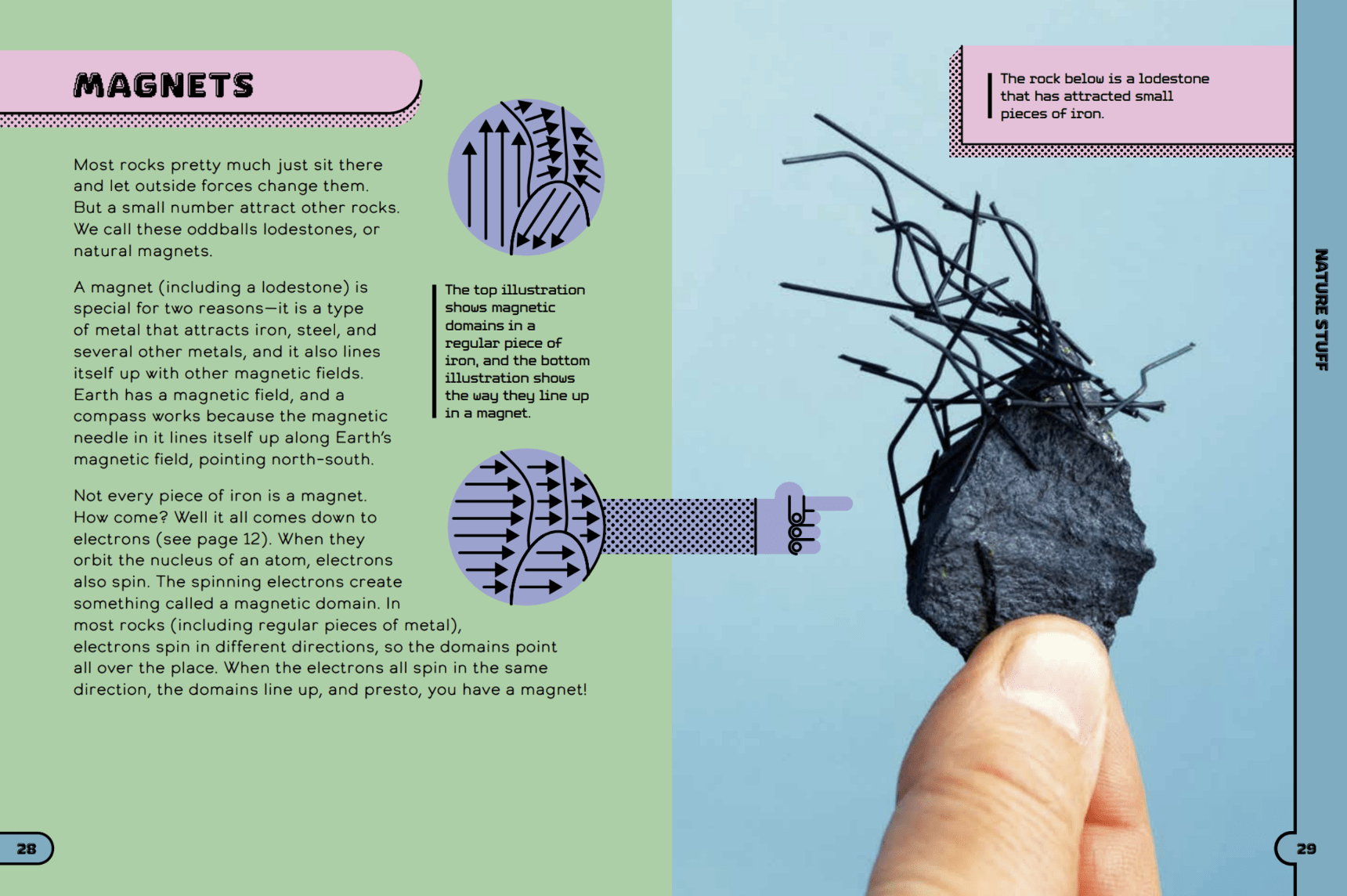
The Greatest Stuff on Earth by Steve Tomecek, ill. John Devolle

Publication Date: March 4, 2025

ISBN: 9781804661420

Ellen Myrick, who presents these books to me, knows me well. So well, in fact, that she knows that when it comes to nonfiction titles from other countries, I have a tendency to kvetch when I don’t see any backmatter. That’s why I was so thrilled when she let me know that this book has detailed backmatter, including a full glossary, a full index, and a comprehensive list of research sources. The focus is on the stuff we have and how it works. Along the way, it also talks about the problems of too much stuff, the consequences of all our stuff. As for the author, he’s a teacher – sort of a Bill Nye of England type. Neat!


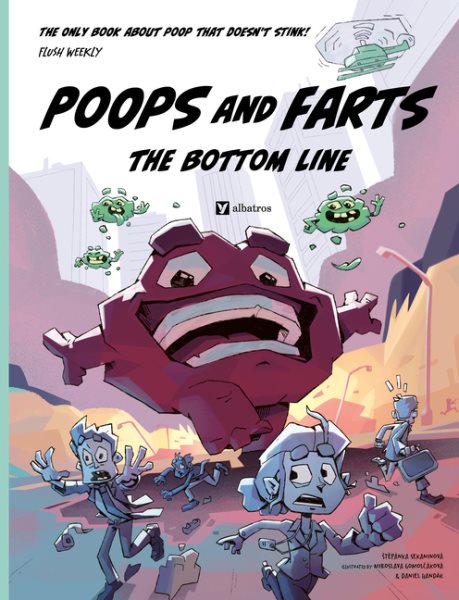
Poops and Farts: The Bottom Line by Štěpánka Sekaninová, Miroslava Gomolčáková, and  Daniel Handák

Publication Date: June 10, 2025

ISBN: 9788000074405

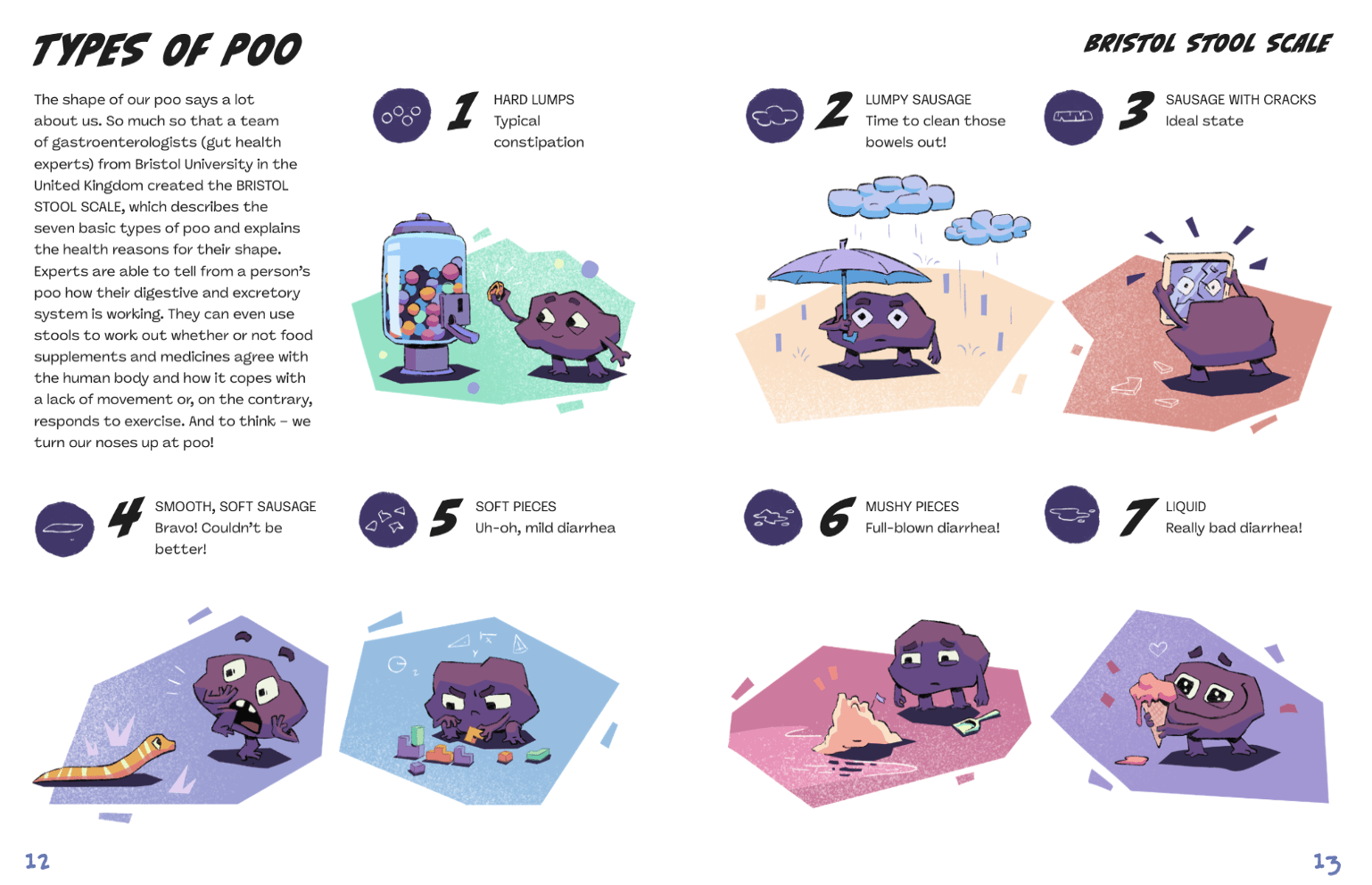
My poop tolerance, I will tell you right now, is not particularly high. But, at the same time, I’m a sucker for a good subtitle, and this book delivers that. Now it may not be clear from the cover, but this is a nonfiction title. And thanks to a cast of anthropomorphic poops, it tells you all the stuff you did and did not want to know about #2. And farts. Let us not forget the farts.


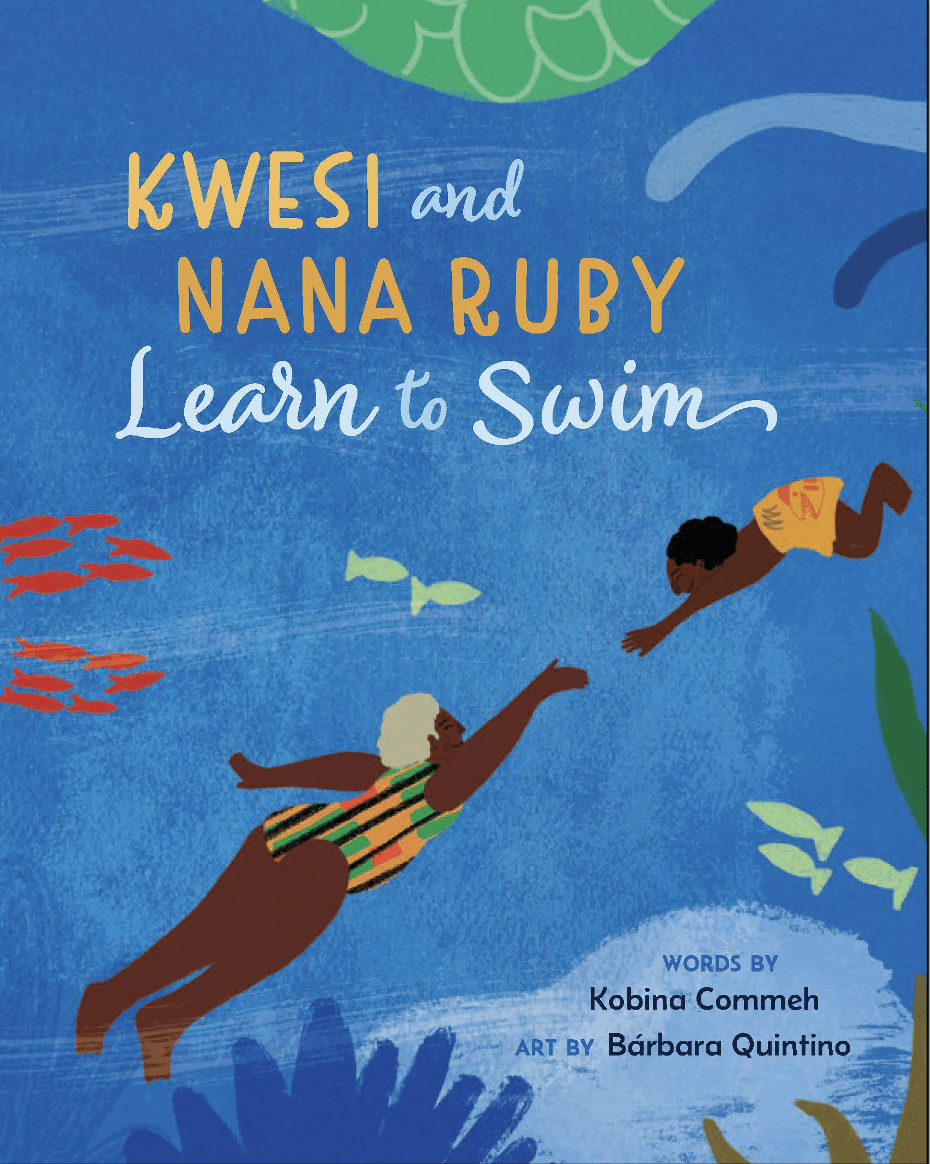
Kwesi and Nana Ruby Learn to Swim by Kobina Commeh & illustrated by Bárbara Quintino

Publication Date: February 4, 2025

ISBN: 978888593622

Here we have a book about a multi-generational relationship between a boy and his grandmother. Kwesi is afraid to swim. His grandmother? She never learned. In fact, to give the boy some context about why, she discusses the pool segregations of the past. To right this great wrong, the two decide to learn how to swim together. This story is based off of the creators’ own experiences. It even manages to talk about a lot of fun West African mythology (involving Mama Wati) who gives them the courage to learn to swim together. Great backmatter at the end too, involving cultural notes from West Africa as well as information on the Akan people, day names, and adinkra symbols.


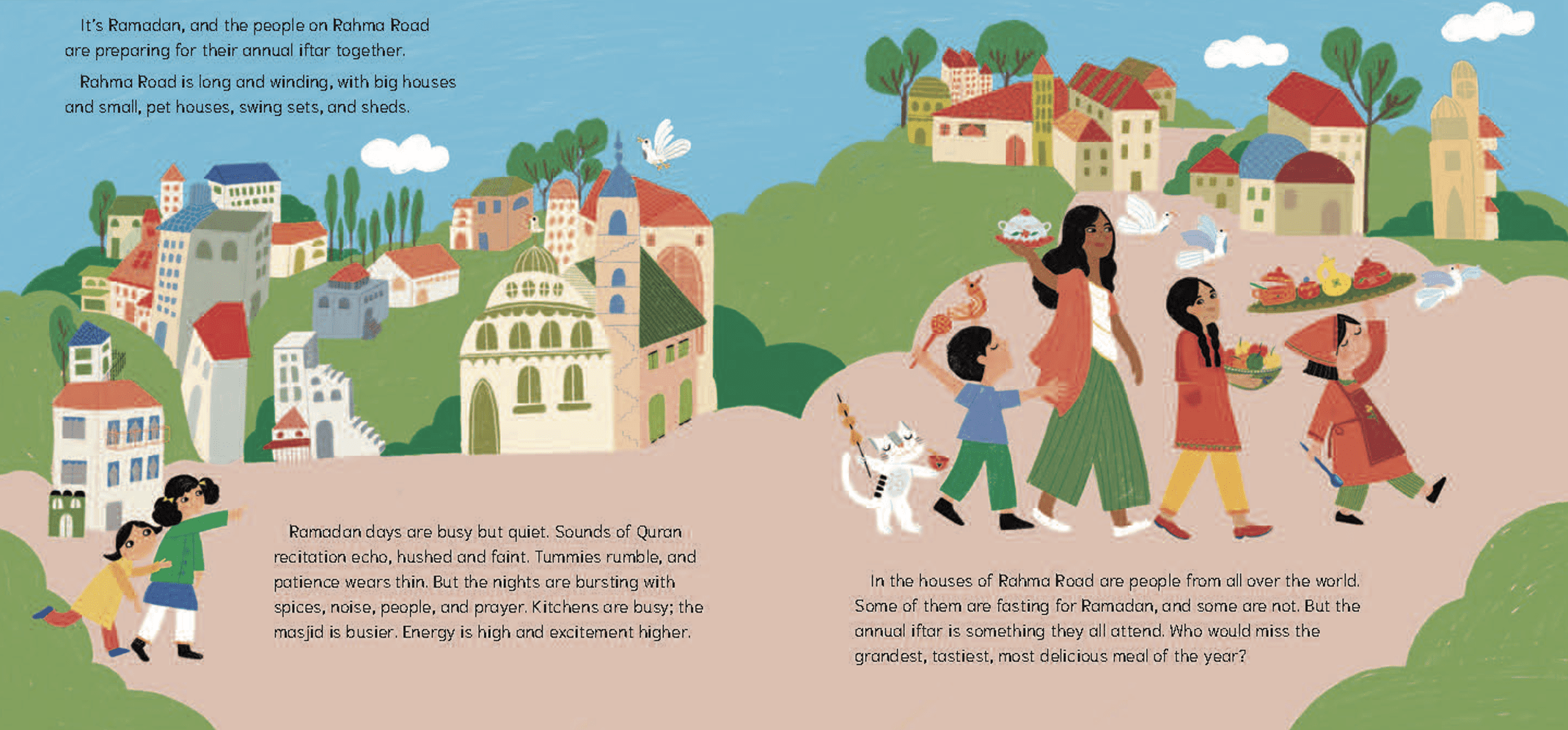
Ramanadan on Rahma Road by Razeena Omar Gutta & Faaiza Osman, ill. Atieh Sohrabi

Publication Date: February 4, 2025

ISBN: 978888593646

Follows family and friends along this road, breaking the fast of Ramadan together. While everyone walks the same road, each family is from a different culture and background. This is the incredibly rare book that discusses the diversity that exists within the celebration of Islam. And (you may have guessed it, since I’m a bit of a broken record on this) great backmatter!


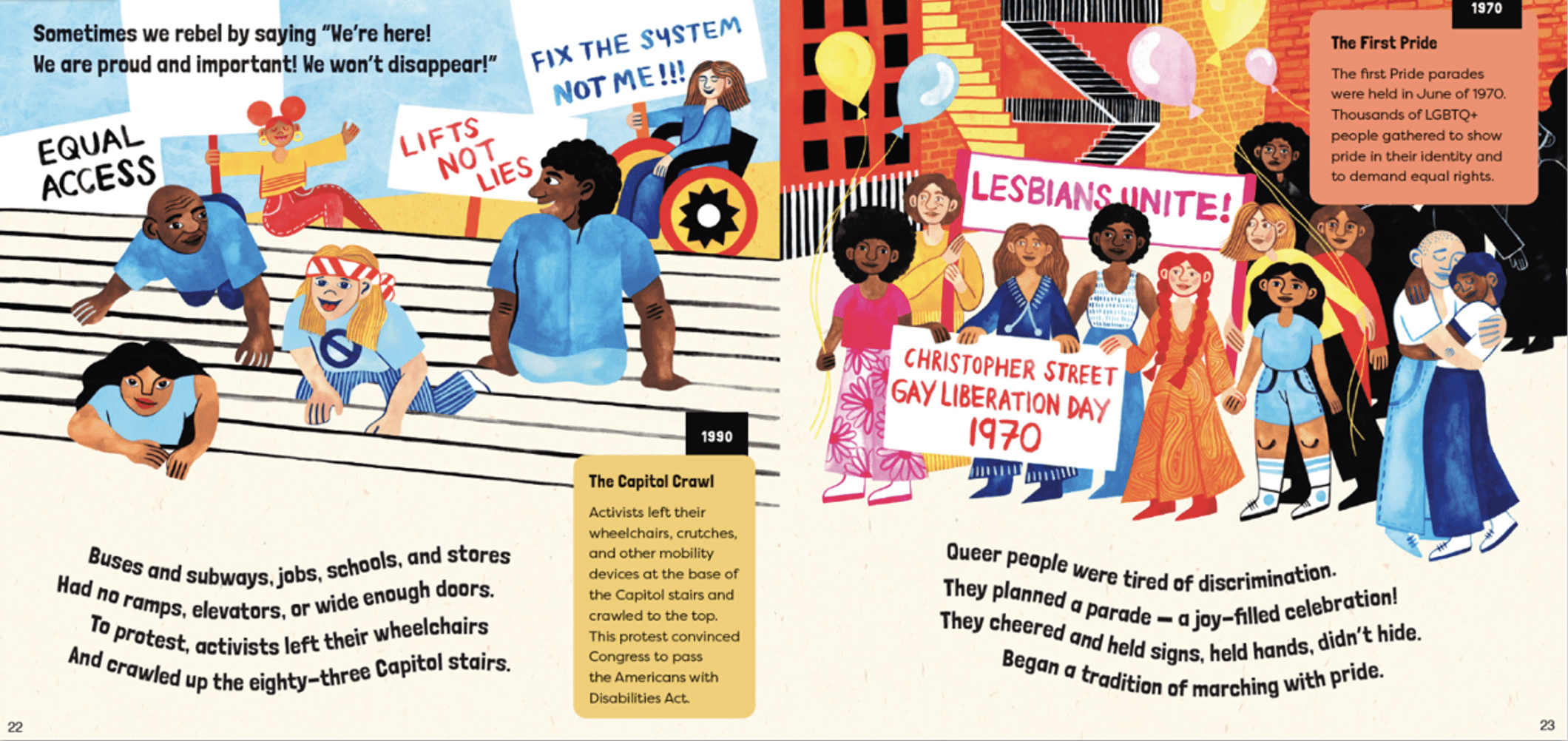
Rise Up! Powerful Protests in American History by Rachel C. Katz, ill. Sophie Bass

Publication Date: March 11, 2025

ISBN: 9798888593684

And finally, a book that is VERY much a book we need for our times right now. 25 protests are recounting, showing kids how to get into some good trouble. Don’t think that it’s all the same stories you’ve seen before, though. There are bound to be a couple in here that surprise you. With vibrant art, the book’s backmatter includes info boxes, educational endnotes, a timeline, and more to encourage kids to consider the changes they want to make in the world. Rise up!

Thanks again to Ellen for showing me these books and letting me share them with you.

Filed Under: Publisher Previews Tagged With: Albatros, Barefoot Books, publisher previews, TOON Books, Walker Books for Young Readers, What On Earth Books

More Than Enough: A Conversation with Richard Michelson

April 16, 2025 by Betsy Bird

Today’s conversation is one that I’ve been looking forward to for some time. Richard Michelson is an old friend. If ever you’ve been to the Eric Carle Museum in Amherst, MA, it would behoove you to also check out the R. Michelson Gallery in nearby Northampton. There, located in an old bank, you will find perhaps the finest gallery of fine children’s illustration available to you anywhere in the continental United States.

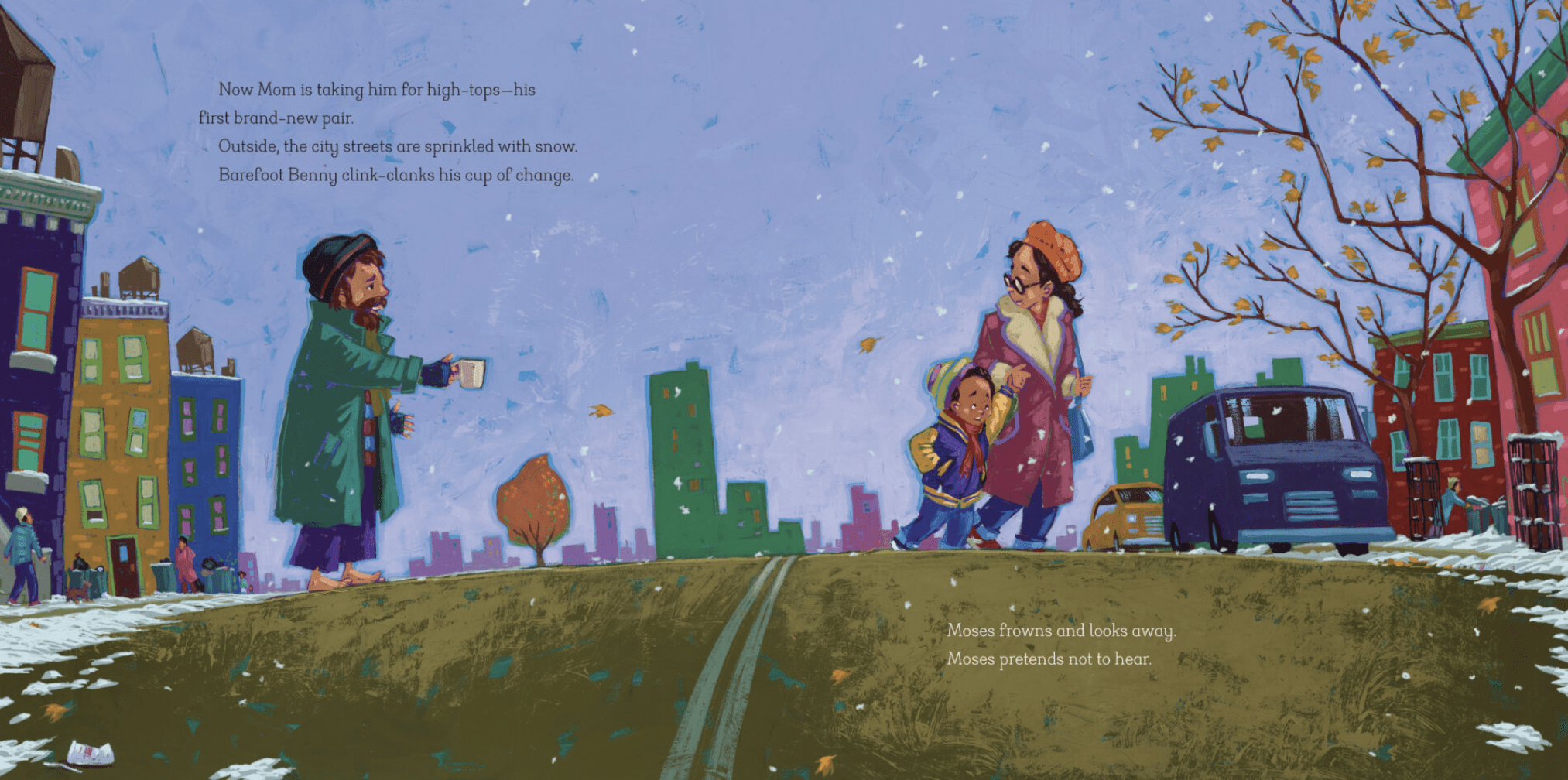
Rich’s gallery is not his sole connection to children’s literature, of course, and over the years he’s amassed an incredible array of picture books to his name. One in particular caught my eye recently and I’ve been turning it over in my mind ever since. Illustrated by Joe Cepeda, More Than Enough: Inspired by Maimonides’s Golden Ladder of Giving (out now) cleverly incorporates the eight rungs of the aforementioned ladder of giving into its storytelling. The tale itself concerns a child named Moses whose attitudes towards charity change, in time, to a greater understanding of empathy and understanding.

Today, Rich is kind enough to talk to me about the book:


Betsy Bird: Hi Rich! Thank you so much for taking the time to answer my questions today. MORE THAN ENOUGH is such an interesting and clever book, covering something that (prior to reading it) I would have said would have been magnificently different to put in a picture book form. But before we get into any of that, tell us where the idea for the book came from. What is its origin story?

Richard Michelson: Hi Betsy, Lovely to chat with you, as always! And thanks for the kind words.

Three things came together that inspired me to write this book.

Richard Michelson, photo credit Doug Anderson

#1- Every afternoon when I walk from my gallery to my favorite lunch place (shout out to Paul & Elizabeth’s veggie platter and soup of the day) I pass 4 or 5 people busking or begging for money. One young lady has been on the sidewalk daily for the past two years with a cardboard sign reading ​“Pregnant and Homeless” — the longest gestation in human history. One amiable young man has been asking donations for ​“Black Boys at Risk” for a half dozen years. He waves newspaper clippings and official looking documents. I vacillate between skepticism and belief. I have become friendly with Downtown Dan who lives entirely on the spare change people drop into his guitar case  (which he stores in our stairwell entryway during bathroom breaks and rainstorms). At the end of the day, I’ve watched him happily count out a third of the money collected to donate to those in even greater need. There are other regulars and, of course, some transient and aggressive panhandlers.  I have become fascinated watching parents with children walk the gauntlet. Some give their kids a dollar to drop in various cups, some stop and chat, some pass out slices of pizza. Most look away, tighten their grip on their kid’s arm, and hurry past.

#2-  My wife LOVES to give away money. She does so joyously! ​“The more we give, the happier we become,” she says, quoting Buddhist monk Thich Nhat Hanh. I mostly give as an obligation, and not cheerfully. I wish I were a better person.

#3- I was reading Maimonides (yes, I know how that sounds), the greatest Jewish philosopher of the Middle Ages, and realized he tackled the same issues in the 1100s.

I wanted to create a safe space where parents could approach the topic with their children and begin the conversation about what a fair society would look like So many questions:  How much shall I give? To how many? How often? Am I doing enough? What are we teaching our children as we rush past the panhandlers? Mostly, though, I was talking to myself and trying to understand my own tight-fistedness in light of my wife’s joy in giving. Damn, that is a long answer to your question. Maybe we should end the interview here.

BB: Not on your life, sir. These are the kinds of answers I live for! Now the format of the book is what struck me as particularly unique. You take the eight rungs of Maimonides’s Golden Ladder of Giving and seamlessly integrate them into the story of Moses and his growing understanding of the best ways to give. Did you have a clear sense of how to outline this book from the start or was it a lot of trial and error?

Rich: It was more like trial and error and error and error. I knew I wanted to use the eight rungs of the ladder as my scaffolding (I am on the first rung, where you give less than you should, and reluctantly, but I console myself that I have at least started the climb). The trick, of course, is how to hide the ladder so the story does not become didactic—no one likes to be lectured by parents or authors. The first draft, I confess, was written as a rap song.  The next draft opened with Moses entering first grade – then a year per page turn—until he graduates college and opens his own business.  Yes, it was as unwieldy as it sounds. Next, I had his mother tragically die and his father turn to drugs and sleeping on the streets (I kid you not).

BB: Wow. Just trying to imagine Joe Cepeda trying to illustrate THAT. Of course, the concept of giving the person who is receiving the giving their dignity is not a concept I’ve seen in children’s picture books as much as I would like. Often we see these stories of the unhoused where they fall over themselves in gratitude when someone gives them something. The notion of dignity never seems to play into it. Your book (alongside last year’s The Midnight Mitzvah by Ruth Horowitz) stresses this sense of empathy in a more complex and interesting way. Was that important to you when as you made this book?

Rich: I had a friend visiting, who would not give to the homeless because “they will only spend it on drugs or liquor.” A reasonable objection that I have used myself. That night we went out for dinner, after which– guess what? Yup. He spent his money on drugs and liquor, but for himself.  I wondered what people smarter than me would think of that. In 1791, the writer Samuel Johnson, in answer to the same dilemma said, ​“Why should the poor be denied such sweeteners of their existence?” In 2017, Pope Francis said, ​“Give them the money, and don’t worry about it.”

We tend to think of the poor as different, and less deserving, than ourselves. We praise ourselves for our generosity when we put some coins in a beggar’s cup or write a check to an organization that helps the homeless. We insist on thanks. (I promised myself not to get political, but… how many of us were horrified when President Zelinsky was admonished publicly for not showing the correct amount of gratitude). As I point out in my backmatter (I love backmatter!), Maimonides had a different viewpoint. Tzedakah, the Hebrew word for charity, is not viewed as a kindness, but rather as an act of justice, fairness, and righteousness all rolled into one. Maimonides insisted that it is humbling to help others with less than ourselves,  because we know that we could just as easily be in their position. And the poor person should understand that God could have just as easily given them all they need. Maimonides thought of it as a partnership between the rich and the poor. If anything, he said it is the giver who should thank the receiver for allowing them the opportunity to do a good deed. 

BB: That’s what particularly struck me about your book, yes. And any number of illustrators could have worked on this project, but you were paired with Joe Cepeda. I’m sure you were familiar with his work already. Did you know Joe prior to this book? And how do you feel about the final product and what he brought to the page?

Rich: Joe and I presented together at the Charlotte Huck Festival in 2019. That is the only time we’ve met, but I was impressed with him as a person and, of course, I loved his work. As I recall, my amazing editor (shout out to Kathy Landwehr) sent me 4 or 5 possible suggestions. Joe was my first choice. I was especially pleased when I emailed him afterward to thank him for signing on to the project, and Joe wrote back to say he had no idea I was the author. He loved the story but never looked to see who wrote it! 

Joe brought bright colors, joy, and life to my story. The spread where Moses is fist-bumping Big Jim has an Ezra Jack Keats’ neighborhood feel to me (my parents went to high school with Keats — then Jacob Katz), while being totally Cepeda, which is the highest compliment I can give. Joe also created a multicultural community. While based on teachings in the Mishnah Torah, I did not want this to be pigeonholed as a “Jewish book.”

BB: Finally, what else do you have going on these days? I know you keep your fingers in a helluva lot of pies. Tell us about ’em!

Rich: This is a crazy year for me. I have four new kids’ books out. Besides More Than Enough, there is Next Year in the White House: The Journey to Barack Obama’s First Presidential Seder illustrated by EB Lewis  (Crown and PJ Publishing), which came out in March.

What Louis Brandeis Knows–A Crusader for Social Justice Becomes a Supreme Court Justice illustrated by Stacy Innerst (Astra Calkins Creek) will publish in October, and Fanny’s Big Idea: How Jewish Book Week was Born illustrated by Alyssa Russell (Rocky Pond-Penguin Random House) will be out in November, just in time for the 100th anniversary of the Jewish Book Council, which Fanny founded. I should point out that each of these books was sold in a different year, and they all converged on 2025. What a crazy business we are in.  I also have a music/theater piece for adults, Dear Edvard, based on the life of the artist Edvard Munch, opening with a world premiere the last week of June/ first week of July on Martha’s Vineyard. Come join us and I will save you a ticket. And at R. Michelson Galleries, https://www.rmichelson.com/illustration/ we are already working on our 36th Annual Illustration Celebration which opens in November. You can see pictures from our 35th Annual Celebration here:  https://www.rmichelson.com/illustration/ And make sure you scroll to the bottom of the page to see our brand new four-story Children’s Book Illustration mural.


All of which is awesome. I have been to Rich’s annual celebrations in the past and I can attest that they’re fantastic.

A big thank you to Rich for his highly entertaining and informative answers to my questions today. As I mentioned before, More Than Enough is out on bookstore and library shelves now. I highly recommend you give it a gander. It’ll give you, and the kids you serve, a heckuva lot to chew on.

Filed Under: Best Books, Best Books of 2025, Interviews Tagged With: author interviews, Jewish children's books, picture book author interviews, Richard Michelson

Educational Justice: A Nikkolas Smith Interview About The History of We

April 15, 2025 by Betsy Bird

From the moment I saw it, I could see that it was something unique. Something remarkable even.

Now about two years ago I had a running gag with my co-workers about just how popular the Pleistocene was in picture books. I’d joke that you couldn’t throw a dart in a children’s room without hitting two or three of the suckers (Note: Please do not throw darts in children’s rooms). The idea that someone might go back further, then tie everything into the world today in an epic, sweeping, but ultimately understandable picture book? Incomprehensible!

Well… incomprehensible until you take a look at The History of We by Nikkolas Smith (out May 20th). Since this book is a little difficult to encapsulate, I’ll turn to the publisher description for you here:

“An awe-inspiring picture book about the origin and advancement of humans, from author and #1 New York Times bestselling illustrator Nikkolas Smith.

Fossil records show that the first humans were born in Africa. Meaning, every person on Earth can trace their ancestry back to that continent. The History of We celebrates our shared ancestors’ ingenuity and achievements and imagines what these firsts would have looked and felt like.

What was it like for the first person to paint, to make music, to dance, to discover medicine, to travel to unknown lands? It required courage, curiosity, and skill. 

The History of We takes what we know about modern human civilization and, through magnificent paintings, creates a tale about our shared beginnings in a way that centers Black people in humankind’s origin story.”

Now I don’t usually do that many video interviews, but for some folks I’ll make exceptions. And for Nikkolas Smith? Obviously! Enjoy a true behind-the-scenes glimpse.

Big thanks to Nikkolas for taking all that time to talk to me. Thanks too to Jaleesa Davis, Elyse Marshall, and the whole team at Penguin Random Hosuse for helping to set this up. As i mentioned before , The History of We by Nikkolas Smith is out May 20th, so look for it then!

Filed Under: Best Books of 2025, Interviews, Videos Tagged With: author interviews, Best Books of 2025, illustrator interviews, Nikkolas Smith, picture book author interviews, video interviews

Fuse 8 n’ Kate: Leonardo the Terrible Monster by Mo Willems

April 14, 2025 by Betsy Bird

It’s been a day or two since we did a Mo Willems book on the podcast (and you can believe I’m counting down the days until one of those Elephant & Piggie books turns 20). What absolutely kills me is that we did today’s title in complete ignorance of the fact that it was recently adapted into an incredible looking stage production in D.C. with a Chicago-based theater company…. which just closed. Doggone it. This book is interesting for a number of reasons. First off, Mo Willems had already done a Pigeon book (square) and a Knuffle Bunny book (horizontal), but this marked his first vertical book. We discuss our future picture book “Steampunk Monster”, how Sam’s got sass, baby Wild Things, and more.

Listen to the whole show here on Soundcloud or download it through iTunes, Stitcher, Spotify, Google Play, PlayerFM, Audible, Amazon Music, or your preferred method of podcast selection.

Show Notes:

The sequel to this book is, of course, Sam, the Most Scaredy-Cat Kid in the Whole World.

Since you cannot see the Manuel Cinema production of this book as a play anymore, why not enjoy this video in lieu of the fact?

Kate’s assessment of Leonardo is interesting. She says he’s the clear child of one of the monster’s from Where the Wild Things Are, but more along the lines of an anemic toddler.

I suspect that this is Mo. It looks like the Dad from Knuffle Bunny, right? I love how she’s looking at the man, like she’s saying, “You’re getting how cute this guy is, right?”

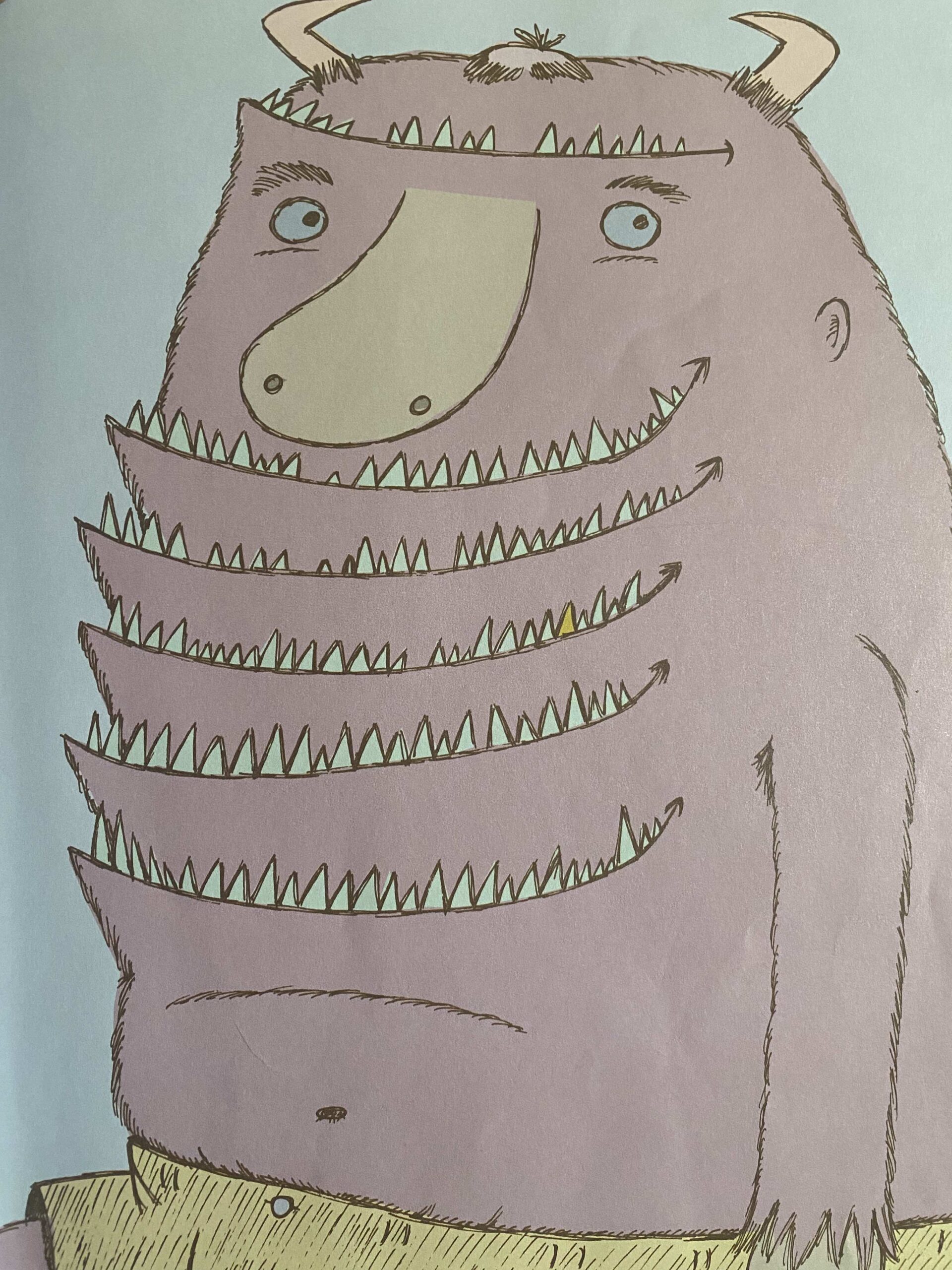
Well. Yes. Kate did count the teeth. Only 148 are shown, so we have to assume rows upon rows upon rows are inside these mouths *shudder*. And we both love that one of these is a gold tooth.

Kate says that this ankle bracelet is “so 2005”. I like the fact that Eleanor here not only paints her regular front-facing claws, but the ones on the backs of her ankles as well.

Okay, so let’s figure this one out. What research books are Leonardo using to figure out who, precisely, is the most scaredy-cat kid in the world? Please note the Nokia on the ground too.

We took a great deal of interest in “BLAGGGLE BLAGGLE!!” Is this a reference at all to the “aagle blaagle” of Knuffle Bunny?

This two-page spread is fascinating. Not simply the use of typography to have such a big impact, but also the color choice. Yellow on pink, eh?

Kate Recommends: The board game Box Two.

Betsy Recommends: The recent Radiolab episodes Everybody’s Got One and Growth.

Filed Under: Fuse 8 n' Kate Tagged With: Fuse 8 n' Kate, Leonardo the Terrible Monster, Mo Willems

  • « Go to Previous Page
  • Page 1
  • Interim pages omitted …
  • Page 41
  • Page 42
  • Page 43
  • Page 44
  • Page 45
  • Interim pages omitted …
  • Page 1043
  • Go to Next Page »

Primary Sidebar