• Skip to primary navigation
  • Skip to main content
  • Skip to primary sidebar
  • About/Contact
  • Fusenews
  • Reviews
  • Librarian Previews
  • Best Books
    • Top 100
    • Best Books of 2022
    • Best Books of 2021
    • Best Books of 2020
    • Best Books of 2019
    • Best Books of 2018
    • Best Books of 2017
    • Best Books of 2016
    • Best Books of 2015
    • Best Books of 2014
    • Best Books of 2013
  • Fuse 8 n’ Kate
  • Videos
  • Press Release Fun

Review of the Day: Choosing Brave by Angela Joy, ill. Janelle Washington

Review of the Day: Choosing Brave by Angela Joy, ill. Janelle Washington

October 14, 2022 by Betsy Bird

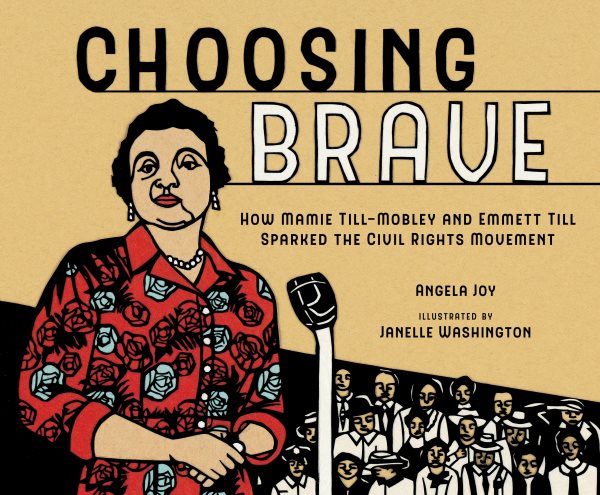
Choosing Brave: How Mamie Till-Mobley and Emmett Till Sparked the Civil Rights Movement by Angela Joy, ill. Janelle Washington
Roaring Brook (an imprint of Macmillan)
$19.99
ISBN: 978-1-250-22095-0
Ages 7-12
On shelves now

Recently I had the great pleasure of attending an exhibit at the Children’s Museum of Indianapolis. The museum, should you ever get a chance to visit, is a bit of a trip. It may conceivably be called the best children’s museum in America, and that’s due in large part to the water clock in the lobby, and exhibits that encompass everything from National Geographic archaeological tours to Scooby Doo mysteries. But on this particular visit I was able to view the exhibit “Let the World See: Emmett Till and Mamie Till-Mobley”. It’s precisely as you might expect. Not far from where Scooby and Shaggy are solving crimes, we’ve a real world exhibit for the older kids, replete with truth and exhibits with titles like “Murdered for Whistling”. And as I made my way through the stations, I couldn’t help but appreciate that I live in an era when a major museum for kids is unafraid to tackle head on a great injustice of American history. Now with the film Till coming out in theaters, it seems the right time to have a particularly good children’s book on Emmett Till and his mother come to publication as well. Choosing Brave by Angela Joy is NOT the first book for children on Emmett Till and Mamie Till-Mobley. It is, however probably the best. Told not simply with accuracy but with soul, illustrated by a paper-cut artist who has never created a picture book before, Choosing Brave proves that it’s true that history can be presented to children in book form if, and only if, the author and artist at work give it all their heart and intelligence. Choosing Brave is the book for kids we will turn to on this topic for decades and decades and decades to come.

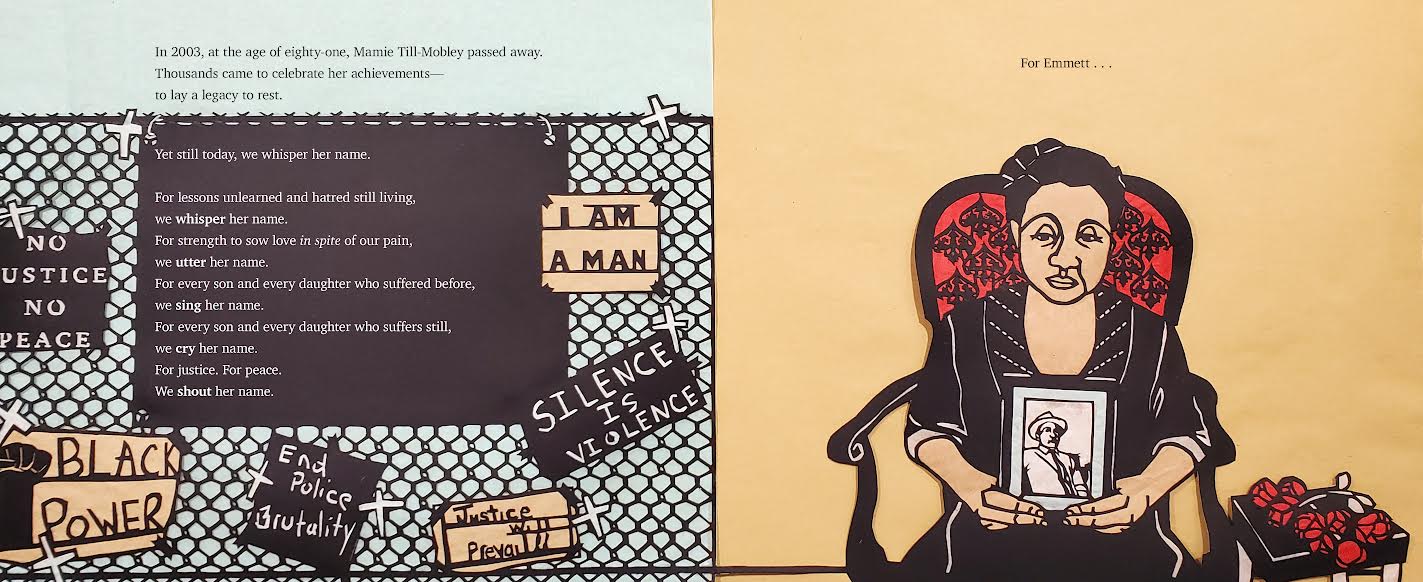
There is a quote at the beginning of this book. “I just had to pray and brave it. – Mamie Till-Mobley”. What is bravery? Kids read about it all the time in stories of fighters and warriors. This is a book that shows the kind of bravery than an average, everyday person is capable of performing. Time and again Mamie Till-Mobley was given the chance to do the easy thing or the right thing. Every time she chose the right but harder route. Our story begins in Mississippi, where little Mamie Elizabeth Carthan was born. She moved with her family to the North to Argo, outside of Chicago. There, Mamie grew up and married an amateur boxer. After she bore their son Emmett he left and it was just the two of them. Emmett was smart and smiling, but polio left him with a stutter. The cure? To calm down and whistle. Soon he wanted to visit his cousins in the South, so she let him go. What happened next made history. Her son was murdered for that very whistling, his body returned after Mamie insisted that this crime not be buried. She made the nation look at what had happened to her child. She made people confront harsh, hard, awful truths that they did not want to see. And long after her death, her strength lives on. The end of the book shows what looks like a stained glass window, a woman seated, in silhouette, in front of it. Roses climb the sides. And around the border are the names of twenty Black men, women, and children that have been killed for the color of their skin. Everyone from Trayvon Martin to George Floyd Jr. On the opposite page is a single quote: “Let the people see what I have seen. We have averted our eyes far too long. Everybody needs to know what happened to Emmett Till.” Back matter includes an Author’s Note, an Illustrator’s Note, a suggested soundtrack, vocabulary words, a timeline, and Sources.
Where does the line lay? Where can we say, definitively and without hesitation, that one topic or another is either appropriate or not appropriate for children to learn? This is an old question. Maybe an ancient one. Over the course of my own lifetime I’ve seen a subtle chipping away at what has historically been considered “appropriate” for kids. I’m trying to imagine the 1980s, when I was a child, and what a book on Emmett Till would have even encompassed. Back then we were mostly reliant on the “Childhood of Famous Americans” series (no Emmett Till there) or books by Jean Fritz (not a chance). Had Choosing Brave been released at that time, I honestly don’t think the country would have been ready for it. So what makes this topic not merely acceptable, but desperately needed, today? Perhaps it has something to do with the death of George Floyd and the Black Lives Matter protests. Maybe these sparked an awakening not simply in the public consciousness but also in the children’s book publishing industry. However it happened, what makes me so happy about this book is not simply that it exists but that it’s as good as it is. Good intentions are fine and all, but when you get a book as wonderfully written and expertly illustrated as this one, it just shows a level of care and attention that puts the heart at ease.

Words first. And I would go so far as to describe the words in Choosing Brave as “clever”. Now the term “clever” is too often used as an insult, meant to besmirch. Something “clever” is not usually considered heartfelt or emotionally resonant, but I would argue that when thought and care is placed in the writing of a book, that care can be equally referred to as having clever AND caring wordplay. Here, author Angela Joy had a challenge on her hands. As I mentioned before, the Emmett Till story had been told in picture book form before. But considering the difficulty of the subject matter, it makes sense that even the best of these, like A Wreath for Emmett Till by Marilyn Nelson, spent most of their time covering the facts of the Till case. Choosing Brave takes a different tactic. First and foremost, the title is the key. Choosing Brave. Angela Joy’s goal here is to show that Mamie Till-Mobley is not being honored in this book for merely being the mother of a victim. We follow her life from childhood onward, and throughout the book we see the moments that defined her. The moments when she was faced with the choice of doing the easy thing or the much harder and much braver thing, whether it was sitting at a counter in the face of a furious white man or keeping her baby when others told her to put him in an institution. The focus of this book is on Mamie and by framing the story of Emmett within the story of Mamie’s life and what made her tick, you understand a lot more about what happened after his death. And you understand too why what she did was so much harder. So much braver.
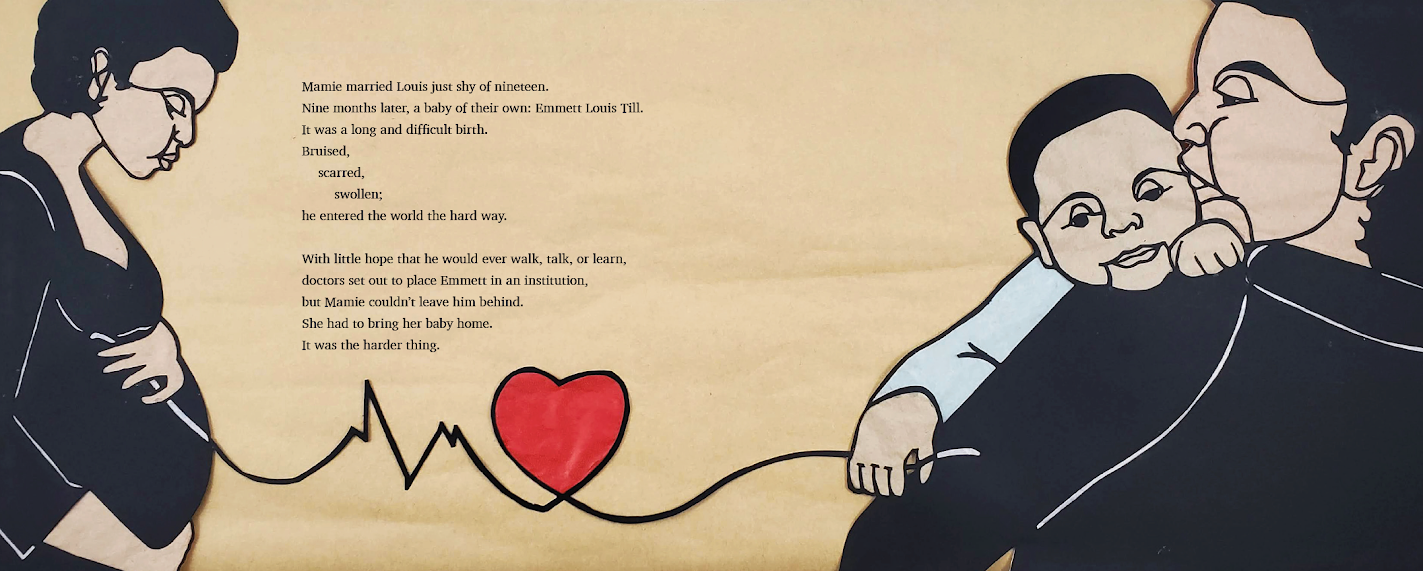
Hard to believe that Choosing Brave is illustrator Janelle Washington’s first picture book. Describing herself on the book’s flap as “a self-taught paper-cut artist from Virginia” it’s true enough that I couldn’t find any other picture books, or really books of any sort, mentioned on her website. Her work here ranges from the evocative to the metaphorical. I think of cut paper as a fairly straightforward medium, but often Ms. Washington would work in clever details that I’d only notice on a reread. For example, when explaining about Mamie’s early life, the book mentions that she was a child of the Great Migration. We then see Mamie held in the arms of her mother, and a path like an arrow points straight to a northern city. The path itself is covered in cotton plants. They’re not mentioned in the text. They’re just a small, significant detail that adds so much context to the book along the way. Then I noticed how certain images repeat themselves. Whenever a man leaves his family behind, be it Mamie’s father or her first husband, he’s always just seen as a silhouette walking off the page. Other details might include how baby Emmett’s heartbeat coming from the womb turns into a thread that he can hold onto on the next page. And I could wax eloquent for days about how Ms. Washington might depict negative space, cutting images out of the black, like Rosa Parks on the bus, or how Mamie is seen in the shadow of the all-white jury that found her child’s murderers not guilty. You can have great written picture books with subpar art and you can have brilliantly illustrated picture books with tepid wordplay. This book truly is what happens when the words are worth of the pictures and the pictures worthy of the words.

Near the end of this book there is a single quote on a pure black page. It reads: “Let the people see what I have seen. We have averted our eyes far too long. Everybody needs to know what happened to Emmett Till.” A little later Angela Joy writes this about the final spread. “.. the story of a mother being denied justice for her murdered Black son, is still so relevant.” It’s why I see it in children’s museums and in films like Till. It’s why we cannot stop talking about this. And it’s why, when you find a book for children that does a better job of explaining a terrible moment in history than most adult titles, you need to sing its praises to the hills. We are currently living through a time when forces in our country are fighting to cover up the awful, horrible, racist moments of our history for fear that the children won’t be able to handle it. It just goes to show how little folks understand about kids. They need truth. Kids, when given books like Choosing Brave will learn so much about the past and how it relates to our present. Let the people see what I have seen. Let the children read this book and others like it. After all, our kids deserve the rarest kind of best, and Joy and Washington’s latest delivers. If Mamie could choose bravery, the literal least we can do is to read about it.

On shelves now.

Source: Final copy sent for review.

Filed Under: Best Books, Best Books of 2022, Reviews, Reviews 2022 Tagged With: 2022 nonfiction picture books, 2022 reviews, African-American history, American history, Angela Joy, Best Books of 2022, Janelle Washington, macmillan, nonfiction picture books, picture book biographies, Roaring Brook

Stinky Cheese Man Turns 30! Scieszka! Smith! Creators Tell All

October 12, 2022 by Betsy Bird

Imagine a world without a Stinky Cheese Man in it.

No… no… I take it back. Don’t. The thought is too terrible for the mortal mind to contemplate. Fortunately, it’s just a thought experiment. After all, thirty years ago two goofballs (and I call them this with all the love in my heart) decided to upend the picture book world with a title of pure incandescent silliness. The result: The Stinky Cheese Man and Other Fairly Stupid Tales, written by Jon Scieszka and illustrated by Lane Smith. Do you know the story of its creation? Maybe you do, maybe you don’t, but you won’t be able to get the truest truth unless you hear it straight from the horses’ mouths.

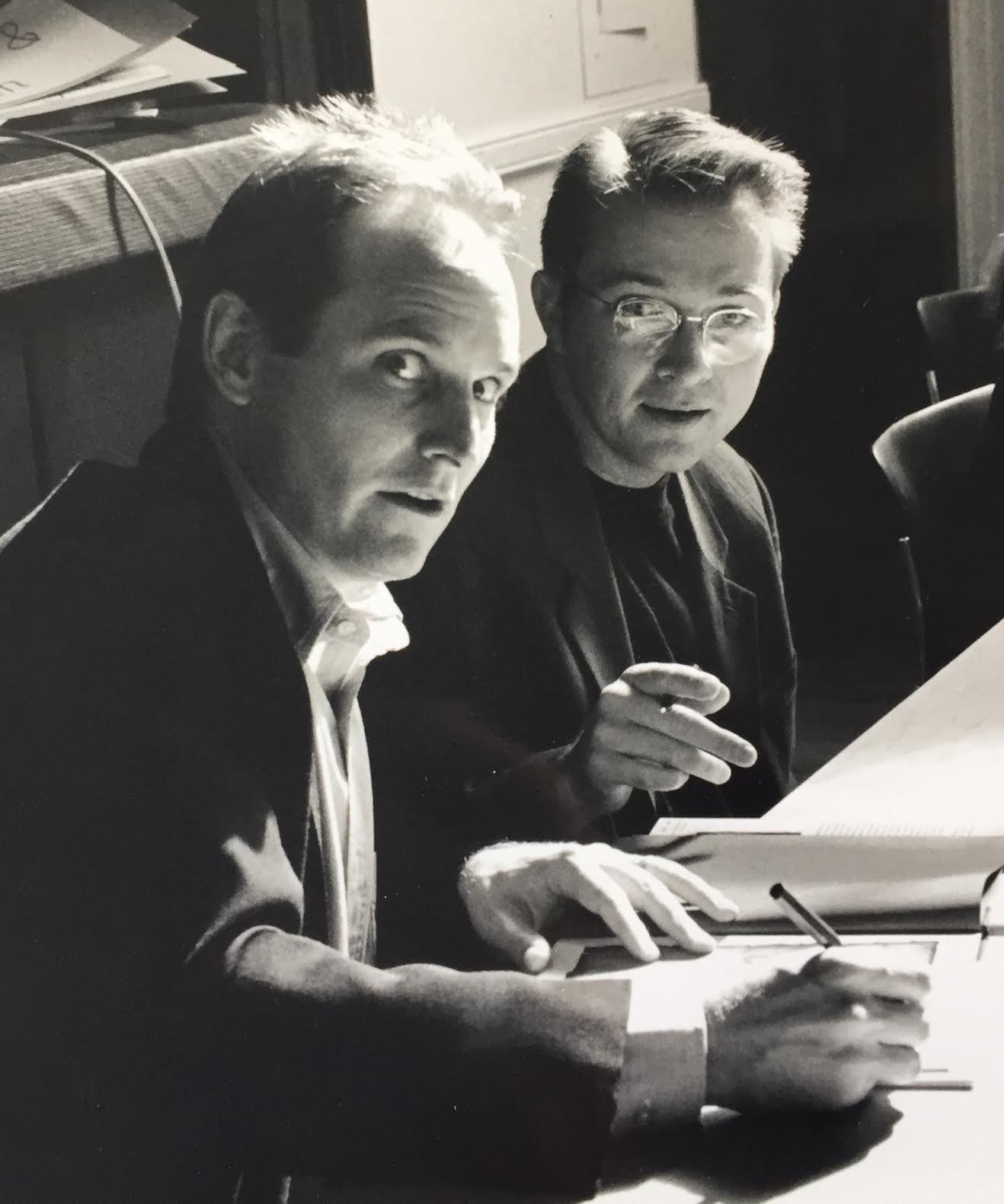
Friends and neighbors, one and all . . . I give you none other than the princes of peculiarities themselves . . . Jon Scieszka and Lane Smith:


Betsy Bird: Jon! So lovely to talk to you. So cast your mind back, my friend, to the earliest days of your career. To a time when you thought, for whatever reason, that a reinterpretation of fairy tales, not in a Rocky & Bullwinkle/Fracture Fairytales way but more a revolutionary give-the-fairytales-back-to-the-children kind of way, was a good idea. What were your influences when you came up with this idea? And where did it come from?

Jon Scieszka: BB! So great to be deep-thinking kid literature with you.

Funny you should mention Rocky & Bullwinkle – because it’s exactly that TV/comics/movies pop culture (that I devoured and loved as a kid) . . . crossed with high culture literature and art (that I devoured and loved as an older kid) . . .  lightened and laser-focused by the practical experiences of teaching elementary school kids . . . that gave me the idea to mess with classic fairytales.

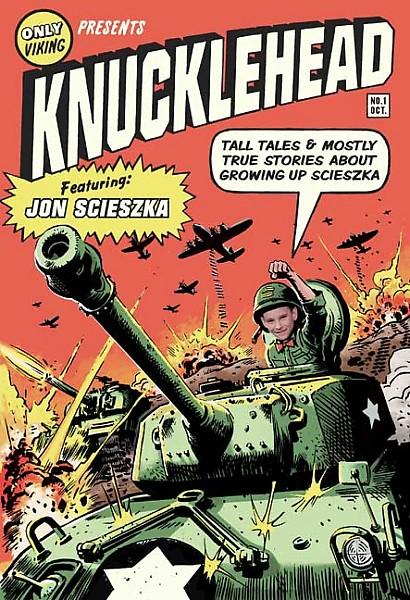
Jon’s autobiographical book about his early upbringing

With the added flavor influence for the idea certainly coming from growing up as the second-oldest (and nicest) in a wild book-loving, joke-telling, prank-pulling family of six boys growing up in the Midwest in the 60s with a wisecracking pre-natal nurse mom and a laidback elementary principal dad.

The biographical path of the idea somehow runs from strict Dominican-nun-run elementary school in Flint Michigan, to mind-expandingly great teachers in Culver Military Academy in Culver Indiana, to pre-med undergrad thoughts and courses at Albion College, to a Masters-in-Fiction-Writing from Brooklyn College and Columbia University in NYC. All of which qualified me to paint apartments to make money. Then teach 2nd grade to find my true calling.

My mom read us Dr. Seuss, and Go, Dog. Go! I found my voice and love for parody in MAD magazine, Bob Newhart stand-up, Tom Lehrer songs, Monty Python anything, then the James Thurber / Robert Benchley / SJ Perleman / Dorothy Parker / Will Cuppy constellation of New Yorker writers.

My high school and college reading loves were Franz Kafka, Nietzsche, Jung … the metafiction writers Thomas Pynchon, Jorge Borges, Robert Coover, Nabokov, Gass, Calvino, Barth, Lem, Beckett . . .

And it’s that oldest metafiction, that strain of storytelling that refers to itself that always cracked me up. In Chaucer’s Canterbury Tales, Cervantes’ Don Quixote, Laurence Sterne’s Tristram Shandy . . . but also in Bugs Bunny, Daffy Duck, Screwball Squirrel cartoons, and Sluggo comics.

So when I taught 2nd graders, I read them my favorites – Arnold Lobel, James Marshall, Roald Dahl.  And, mostly for my own entertainment, I started telling them my own Mr. Scieszka versions of say, Kafka’s Metamorphosis (“One morning, this guy woke up. And he discovered he had turned into a bug.”) Or Beckett’s Waiting for Godot  (“Two guys are waiting around for this guy to show up. He keeps sending messages that he is going to show up. He never shows up.”).  And those stories killed!

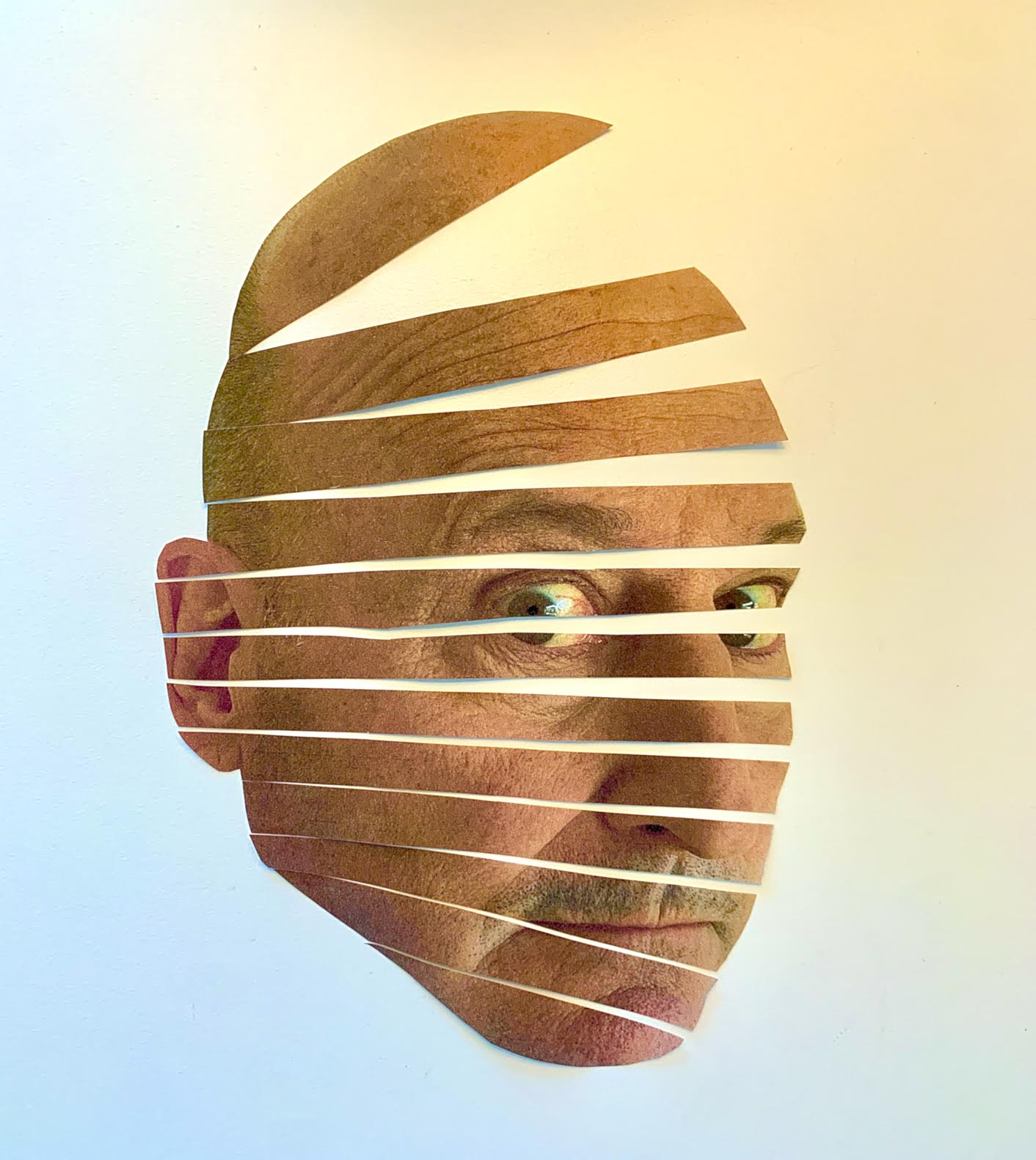
Jon Scieszka

When I took off a year from teaching just to write stories for kids (and get them all rejected), I remembered telling those tales to my second graders. I realized I could write my own weird funny meta-fiction. Just for a much shorter audience than I had originally imagined.

Holy shit! That is the longest answer ever for: Where do you get your ideas?

But it’s a great question. And isn’t the answer always, ultimately: my whole life.

The other piece that is a huge part of my retelling kid book classics is what I learned from teaching – to entertain and engage the reader to get them to be the learner.

BB: I love that. Well, let’s take that question and run with it with Lane then. Lane Smith! Thank you so much for talking to me today! When STINKY CHEESE MAN came out, lo these many years ago, it incorporated a visual style almost more in keeping with REN & STIMPY than, say, the D’Aulaires n’ such. I don’t know that I’ve ever learned precisely what your artistic influences were at the time. Who were you invoking when you created that art? It had a whiff of Underground Comics to it, but maybe that’s my own interpretation. Who were your greatest influences at the start?

Lane Smith: Hi Betsy. Actually, I was never a fan of underground comics. My illustrations have always been about mixing high-brow and low-brow: Jean Dubuffet meets Charles Schulz meets Paul Klee meets the Provensens. But you are correct in assuming animation had an influence on Stinky. The Other Frog Prince for instance was probably influenced by Jan Svankmajer’s stop motion film, Alice. And of course, all of the instances of characters leaving stories or talking directly to the reader came right out of Tex Avery’s MGM fairy tale parodies. That jaw dropping cow…. that’s very Tex Avery.

BB: Oh, yes! Though I have to admit that I did NOT expect Jan Svankmajer to get name dropped today. By extension, would you say that those are still your biggest influences now? Or does a person, as they create, look elsewhere for inspiration? What guides your art nowadays? 

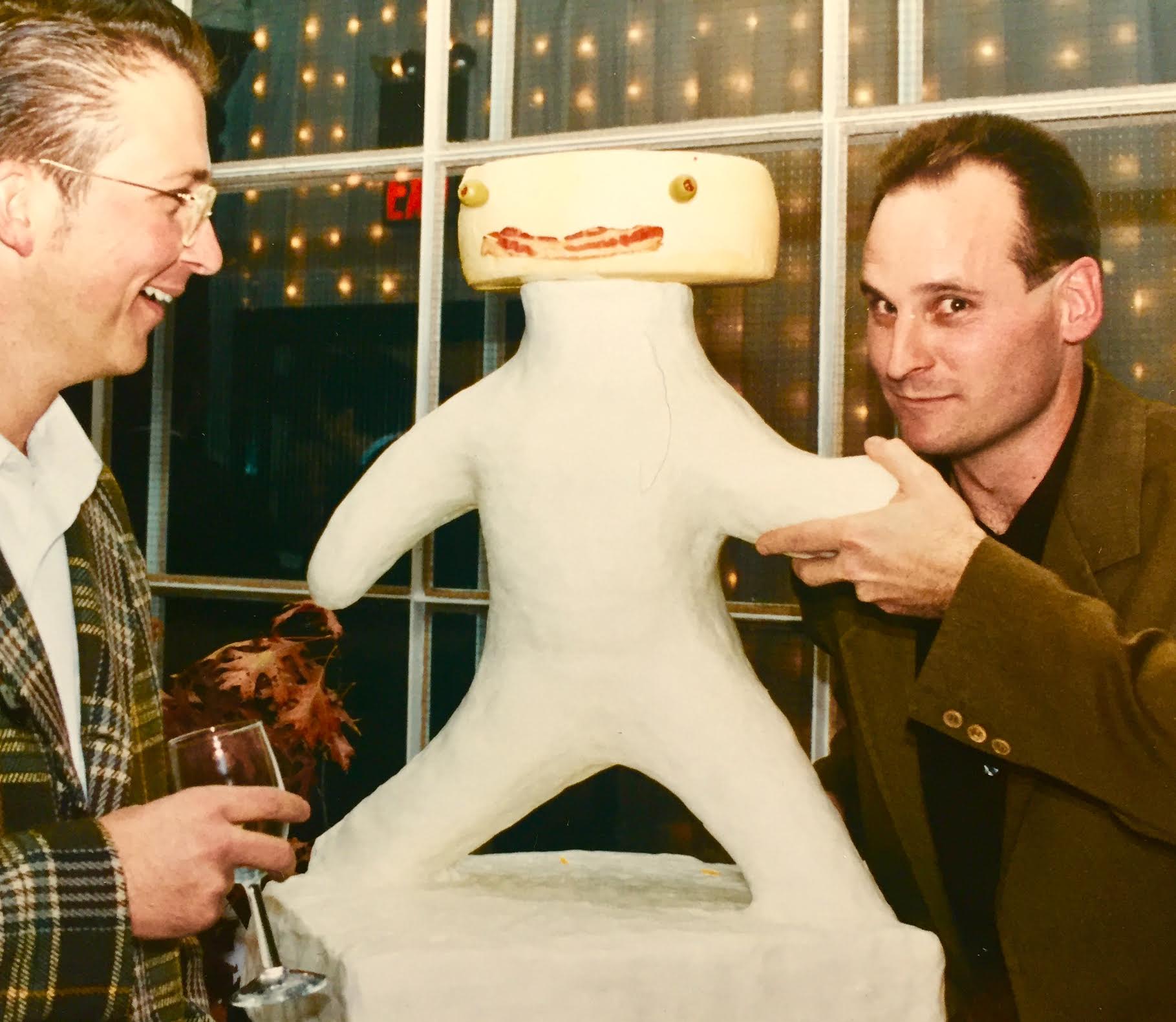
Lane Smith

LS: When I was younger and illustrating for magazines in New York City I looked to the artists mentioned above and also European illustrators and bookmakers like Sendak and Edward Gorey. Also, when I was a kid, my mom was an antiques dealer and our house was like an emporium full of very old dolls and toys and puppets, all weathered and chipped and textured. I guess all of that was in my head early on. Stop motion was a big influence too and I remember when Henry Selick called me back in the early 90s to work on the puppets for the movie James and the Giant Peach I brought some of my Stinky Cheese Man originals that were in progress at the time. He took me into a production office and showed me sketches of Sally from Nightmare Before Christmas, which was in its early stages. His Sally and my Cinderumpelstiltskin had similar patched-together clothes! We both had that hands-on aesthetic that comes from growing up with puppets. Today, for the last twenty years or so, I have lived in the country and my inspiration now seems to come from sticks, rocks, leaves, animals. The stuff that’s all around me. I will say, the one constant in my art throughout the years has been texture. You will see a lot of it in every one of my books. Maybe the shapes and characters are more stylized in some and more realistic in others but in all of my books there’s a strong emphasis on texture.

BB: Absolutely. Jon, let’s talk a bit about STINKY CHEESE MAN itself. Was there anything you originally wanted to do in STINKY CHEESE MAN that didn’t make it to the final cut? 

JS: When Lane and I plotted out STINKY, we carefully and consciously made sure to mess with every element of storytelling (setting, action, plot, narrator…) and book making (endpapers, title page, ISBN #, author bios…). And I don’t think we missed anything. But there were a few other stories. Like The Boy Who Cried Cow Patty (which we printed as BONUS! on the inside of the dust jacket of the STINKY 10th Anniversary edition) and Goldilocks and the No Bears, which never made it into any book. And definitely a few more that are buried somewhere in my basement.

BB: Lane, similar question. Was there anything you wanted to do or try with the original STINKY CHEESE MAN that never made it to print? Maybe it was a bad idea or simply didn’t work on the page. Did anything end up on the proverbial cutting room floor?

LS: Oh, lots of things. But Jon, Molly and I were working on our feet, improvising stuff. Everything changed daily. Jon would write a story like Jack’s Story with the text repeating itself and he might say he envisioned the type going in a circular loop. And I might say, “Charlip already did that in Arm in Arm.” and Molly might say “You guys are doing so much crazy stuff It’s getting messy. How about if it simply gets smaller and smaller and bleeds off the page? It will look cleaner.” Then we’d all agree and go into the next room and play ping pong. We also talked about tearing a corner off one of the pages. The publisher said No. Ha!

BB: I never thought about Remy Charlip before in terms of this book, but you’re dead right. It’s there. Now Jon, along with STINKY CHEESE MAN you had books like THE TRUE STORY OF THE THREE LITTLE PIGS and SQUIDS WILL BE SQUIDS. Was there a moment when you worried you might get trapped in fairytale parodies forever? What broke you out of that mode? 

JS: Stinky was what broke us out.

3 Pigs was our first book (1989).

It was pretty quickly a huge success. So of course the Sales and Marketing departments wanted us to do The True Story of Snow White, The True Story of Hansel and Gretel, and The True Story of Every Fairy Tale Ever.

But Lane and I agreed that we absolutely did not want to become only “Those Fairy Tale Retelling Guys”.  I published The Frog Prince, Continued with Steve Johnson illustrating (1991) because I had the story written, and really loved it.

But Lane and I kept hanging out, and reading 3 PIGS to every school in the world, and we wanted to read something else to kids. So I dug out some stories I had written back when I was getting rejected for that year, that I called Fairly Stupid Tales. I wanted to show kids that not every story works. And these stories included The Really Ugly Duckling, Jack and the Bean Problem, The Princess and the Bowling Ball.  I read these to both 8th graders and 1st graders. And they all howled.  So Lane and I decided we could put these all in 1 book and blow up all the fairytales in one fell swoop. And we did.

The Stinky Cheese Man and Other Fairly Stupid Tales (1992).

Now proudly 30 years aged, and more pungent than ever.

SQUIDS is a deconstruction of Fables that we did in 1998.

So Lane and I don’t count that as a Fairytale retelling.

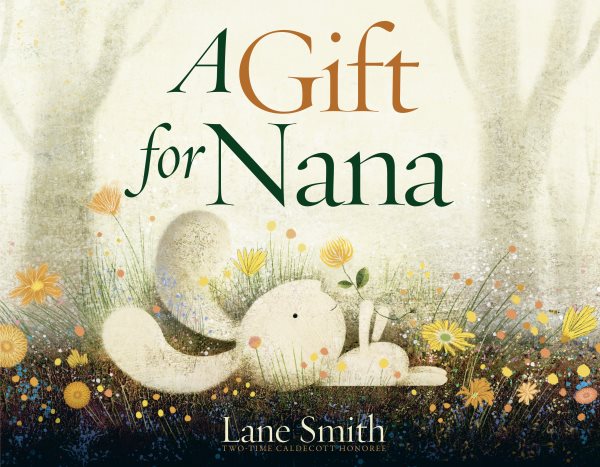
BB: Lane, along those lines, I just want to talk a bit about some of the books you’ve been doing lately, that have kept up this sense of play and whimsy that we once saw long ago with STINKY CHEESE but that represent a tonal shift here in 2022. This year you’ve released A GIFT FOR NANA, designed by the incomparable Molly Leach. It’s the kind of book where the text is relatively silent while the art does the talking. And when I say “art” I mean a mix of gesso, oils, “cold wax” and Procreate digital work, which I know (because you told me) is a bit new. Can you talk a bit about how your style has evolved over the years from those early days and where you find yourself now? 

LS: I’m not sure the text is “relatively silent” as you say. I think I used more words in that book than in any of my previous books (except maybe John Paul George & Ben). A Gift for Nana was an homage to my late mom (everyone called her Nah-nah) and it is loosely based on a true story of my 8-year-old self making a long trek to buy her a gift (to add to her already overstuffed house of dolls and toys!). And yes, Molly is the very best in the field. For our Nana book, like Stinky, she brought out the best elements of the story without upstaging it.

I feel like I am now doing the best work of my 40-plus year career: A Perfect Day, A Gift for Nana… these books remind me of some of my early books like The Big Pets. Here in Connecticut, Molly converted a large barn into a painting studio and filled it with nearly every book I have ever owned. During the pandemic I began painting very large textural canvases. Some as tall as 6 feet using gesso and wax and dirt and paint and collage. Every day for the past couple of years I would either paint or sit all day with the children’s books that have meant the most to me over time. Books by William Steig, Natalie Babbitt, E.B. White, the Provensens, Kate DiCamillo, Sendak. I came out of lockdown completely recharged with my latest books exactly where I want them to be. Kind of like the time so long ago when Jon, Molly and I cooked up some stinky cheese.

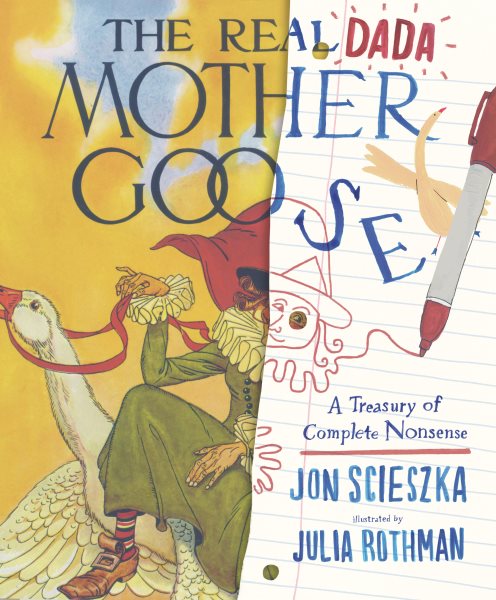
BB: Jon, for your part, your latest venture THE REAL DADA MOTHER GOOSE harkens back to STINKY CHEESE in some ways, playing off of our familiarity with nursery rhymes (rather than fairy tales) and twisting them in interesting ways. But DADA MOTHER GOOSE, unlike STINKY CHEESE MAN, is almost more about wordplay than visual oomph. You’ve shifted, in a sense, from fractured fairy tales to almost interrogating the legitimacy of original texts. We see it in books like BATTLE BUNNY. Kids are always poking at the stories adults hand them, then creatively mucking them up. How has your subversion changed over the years from STINKY to DADA GOOSE? 

JS: I think my subversion has stayed pretty much the same from first PIGS to most-recent DADA GOOSE. It’s just a case of me getting into more new/old stories to mess with … always in that same secretly educational way that I hope will intrigue my kid readers to do read, and laugh, and be inspired to do the same.

It’s mostly just the choice of illustration style to best complement the stories that has resulted in the different looks. Matt Myers’ BATTLE BUNNY art is the perfect look of a 10-year-old kid taking over a sappy Golden Book tale. The more subdued Julia Rothman’s re-mixing the 1916 Blanche Fisher Wright illustrations is wonderfully in the same style as the re-mixed text.

BB: Finally, what are you two working on now? What’s next on your plate? 

LS: I just finished Stickler Loves the World featuring the Stickler character from A Gift for Nana. It came about from my walks with my cat Lulu and dog Jojo. (On our morning walks through the woods I point things out to them. “Our world is so beautiful and strange. Guys, look at this tree bark! Isn’t it amazing!” They never answer.) Anyway, those walks led to a book about a stick creature named Stickler pointing out the cool things in his world to a Crow who can’t see a thing because his head is stuck in an empty tin can. It’s funny, but there’s a lot of truth in it too.

JS: After all these amazing questions, digging into the depths of Scieszka educational re-mix parody fun, the answer seems like the only one it could be. I’m just finishing up a goofy hard-eyed re-mix re-invention of that fun times classic from 1484, one of the very first illustrated books to ever be printed, the William Caxton classic  – Aesop’s Fables!

­Though these retellings were birthed in the depths of our recent plague and meltdown of political sanity, so they are a bit darker than previous Scieszka tales.

A heady mix of updated fables, animal-walks-into-a-bar jokes, and Zen koans. With more cursing. More ugly truths about us humans.

My first book meant for older kids, and adults who can handle it.

Fresh Fables for Tough Times

Out sometime next year.


I am so very grateful to both Jon and Lane for taking the time to answer my questions today. Thanks too to Caroline Sun at Sun Literary Arts for helping me put all of this together. Stinky Cheese Man raucously continues to be in print, so find it wherever fine books are sold or borrowed.

And to close us out, I present to you, my favorite book-related stuffed animal of all time:

Filed Under: Interviews Tagged With: author interviews, illustrator interviews, interviews, Jon Scieszka, Lane Smith, picture book author interviews, The Stinky Cheese Man and Other Fairly Stupid Tales

Myths, Magic, and Podcasting: A T.A. Barron Interview

October 11, 2022 by Betsy Bird

Folks, I’ve been around a while. Met a lot of folks. And about nine years ago I did something I’d never done before: I finally visited the Bemelmans Bar. Imagine, if you will, a beautiful little watering hole located in the Rosewood Hotel in Manhattan, and inside, more surfaces than you would ever think possible are painted by none other than Ludwig Bemelmans himself. The man behind Madeline! I’d always wanted to go, but it took an invitation to get me there. And that invitation came from none other than author T.A. Barron himself. We struck up a friendship that day.

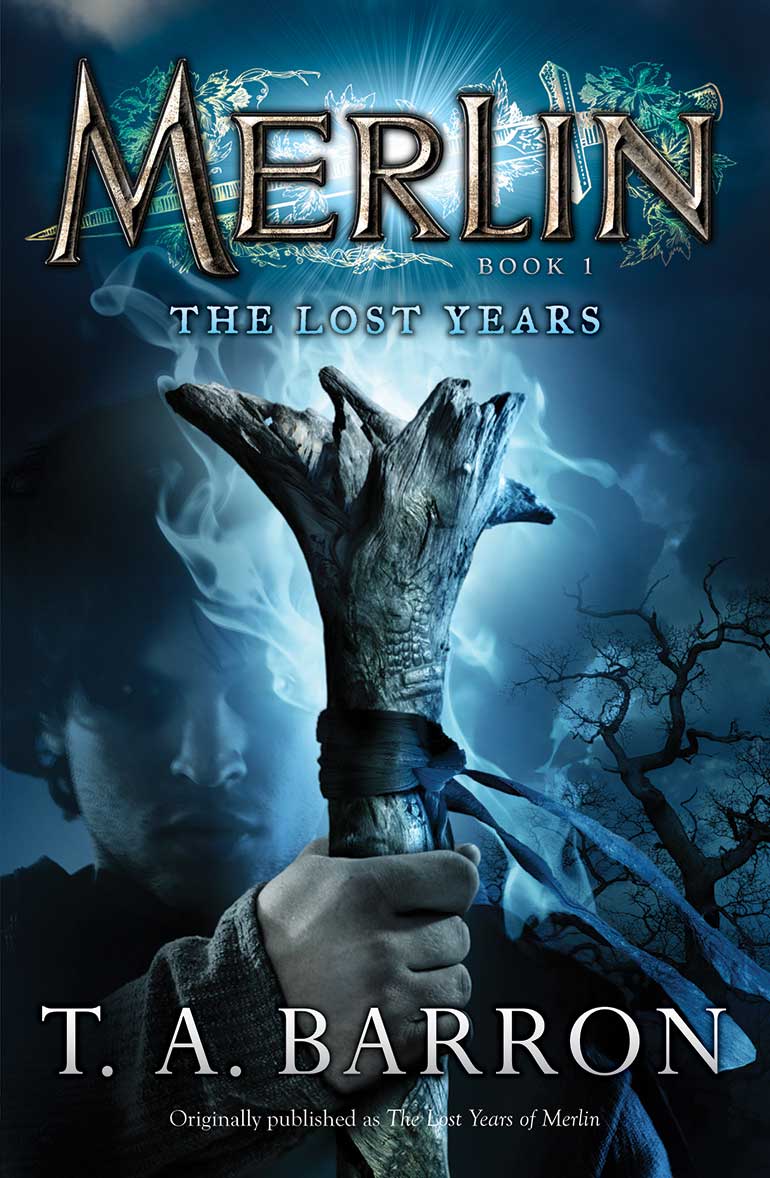
Mr. Barron’s had quite the career of his own. Sure, he’s the award-winning author of more than 30 highly acclaimed books, many of which are international bestsellers. Sure, he’s won the de Grummond Medallion for “lifetime contribution to the field of children’s and young adult literature” as well as many other awards. But what you may best know him for are his book. Books like The Merlin Saga, The Great Tree of Avalon (a New York Times bestselling series), The Ancient One, and The Hero’s Trail (nonfiction stories of courageous kids).

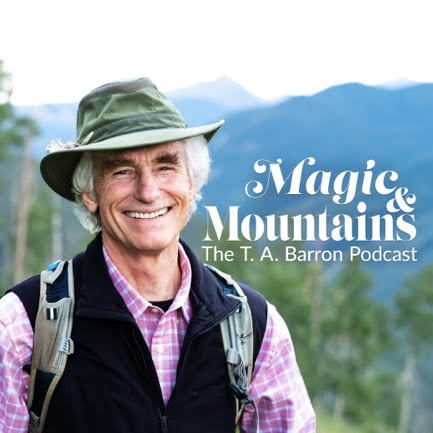
And now Tom’s doing something entirely new: podcasting. Called Magic & Mountains, it’s described this way:

“In this first season, T. A. explores the creative writing process, the enduring magic of Merlin, the wonders and inspiration of nature (as well as the challenges of climate change and biodiversity loss), the power of young people to make a positive difference in our world… and he’ll also invite listeners to “see your life as a story.” On some episodes, he will interview some truly wonderful guests; on others, you will hear T. A. sharing his own magic as a storyteller.”

How does a fantasy author make the switch to an audible medium?

You know what this means: Question Time!!


Betsy Bird: Tom! So great to talk to you today. You’ve been a fantasy book creator for, I dare say, decades. Now you’re switching venues, slightly, and getting into the podcasting game. Can you tell us a bit about the show and where it came from?

T.A. Barron: Lots of folks have asked me to do a podcast, but for a long time I resisted.  Then I realized it’s really another form of storytelling.  While the form is certainly different from writing a novel, a movie script, or a children’s book — all of which I’ve done — the core elements of telling a good, gripping story are the same.  And I’ve had lots of practice using my voice to share stories around the campfire (or the breakfast table) with our kids… so it’s familiar terrain!

BB: I understand you’ll be talking to some creators on your show. Can you give us a sneak peek to some of the folks you’ll be chatting with?

TAB: Sure!  I’m thrilled to share some truly sparkling conversations with people, ranging from Carolyne Larrington (professor at Oxford and the world’s greatest expert on British folktales and Merlin) to Rue Mapp (founder of Outdoor Afro, a superb group that supports Black people experiencing nature) to marvelous young people who are helping our world.  And of course, I will share stories about brilliant creators I’ve known like Madeleine L’Engle and Eric Carle.  In addition… since the podcast episodes were recorded in my writing room at home, all those wonderful characters from my stories are “in the air” — so you can also expect to hear the voices of the wizard Merlin, Rhia, Atlanta, Shim, Trouble, Promi, the Grand Elusa, and many more!

BB: One aspect of MAGIC AND MOUNTAINS that particularly appeals to me is the focus on “the challenges of climate change and biodiversity loss”. I’m intrigued by the connection made between this and the fantasy elements you’ve discussed for years. Can you delve a bit into their connection and what they mean to you? What is the connection between conservation and fantasy?

TAB: Brilliant question.  Throughout my life, I’ve been inspired by the sacredness of nature — its power to heal and teach and transform us all.  Nature has been the greatest mentor in my life, giving me hope when I’ve most needed it, or reminding me of my own power of renewal and rebirth when I’ve felt deeply sad.  

So it’s no surprise, really, that those themes are woven through all my books, whether fantasy novels about young Merlin or the origin story of Atlantis, children’s books about brave young people, or nonfiction tales of heroic kids.  Today, young people are really hungry for big ideas and tough questions about life.  So even if a fantasy tale happens on a magical world like Merlin’s isle of Fincayra, the big questions and core values are the same as those right here on Earth.  Smart kids totally get that connection!

On top of that, we are living in a time when human actions are causing serious damage to our climate and the planet that supports us and all living creatures.  So I hope that my stories might inspire young people to care even more deeply about the future of the environment… and also remind them of their power to make a positive impact. 

BB: I see that you’re starting off with 12 episodes in your first season. Do you have any intention of creating other seasons as well? Where would you like this show to go as you produce it?

TAB: Absolutely!  I’m already dreaming up some fun ideas and awesome interviews for the next season.  And who knows?  Maybe, if the Disney movie of young Merlin keeps making good progress… I’ll be recording some episodes on a film set.

BB:
Oh, that’s neat! Which takes me to my last question, actually. I know that you’re particularly busy. So I ask you, what else are you working on these days?

TAB: You’re right that my life is busy!  I’m grateful for so many blessings — including the small ways I can try to help our troubled world.  Among them are writing new stories (I’ve got two in the works right now), supporting fabulous kids through the Gloria Barron Prize for Young Heroes (which I named for my Mom), and helping superb conservation groups like World Wildlife Fund, Earthjustice, The Wilderness Society, Wildlife Conservation Society, and Alaska Wilderness League.  On top of that… I’m always grateful for time with my wonderful wife and kids, as well as time out in the marvels of nature.  Oh, and I’m now learning to play marimba, hoping to make something that sounds vaguely like music!  


Thanks, as ever, for answering my questions, Tom! You can see the official trailer & podcast here if you’re so inclined. New episodes of Magic & Mountains come out every Monday beginning October 3 and continue through the rest of 2022. You can find them on Apple Podcasts, Spotify, Stitcher, or wherever you find your favorite podcasts.

Filed Under: Interviews Tagged With: interviews, New Podcast Alert, podcasts, T.A. Barron

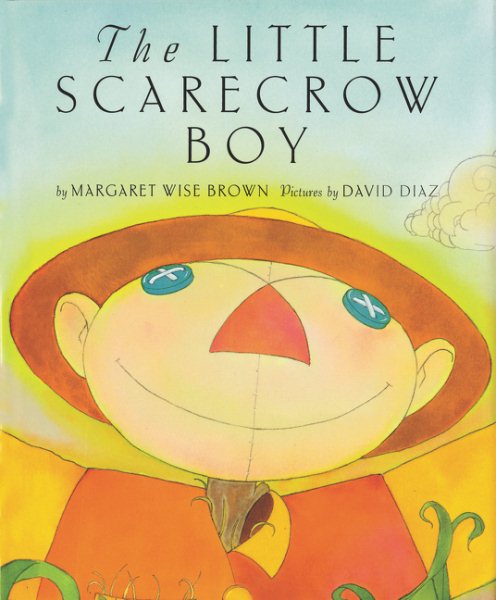
Fuse 8 n’ Kate: The Little Scarecrow Boy by Margaret Wise Brown

October 10, 2022 by Betsy Bird

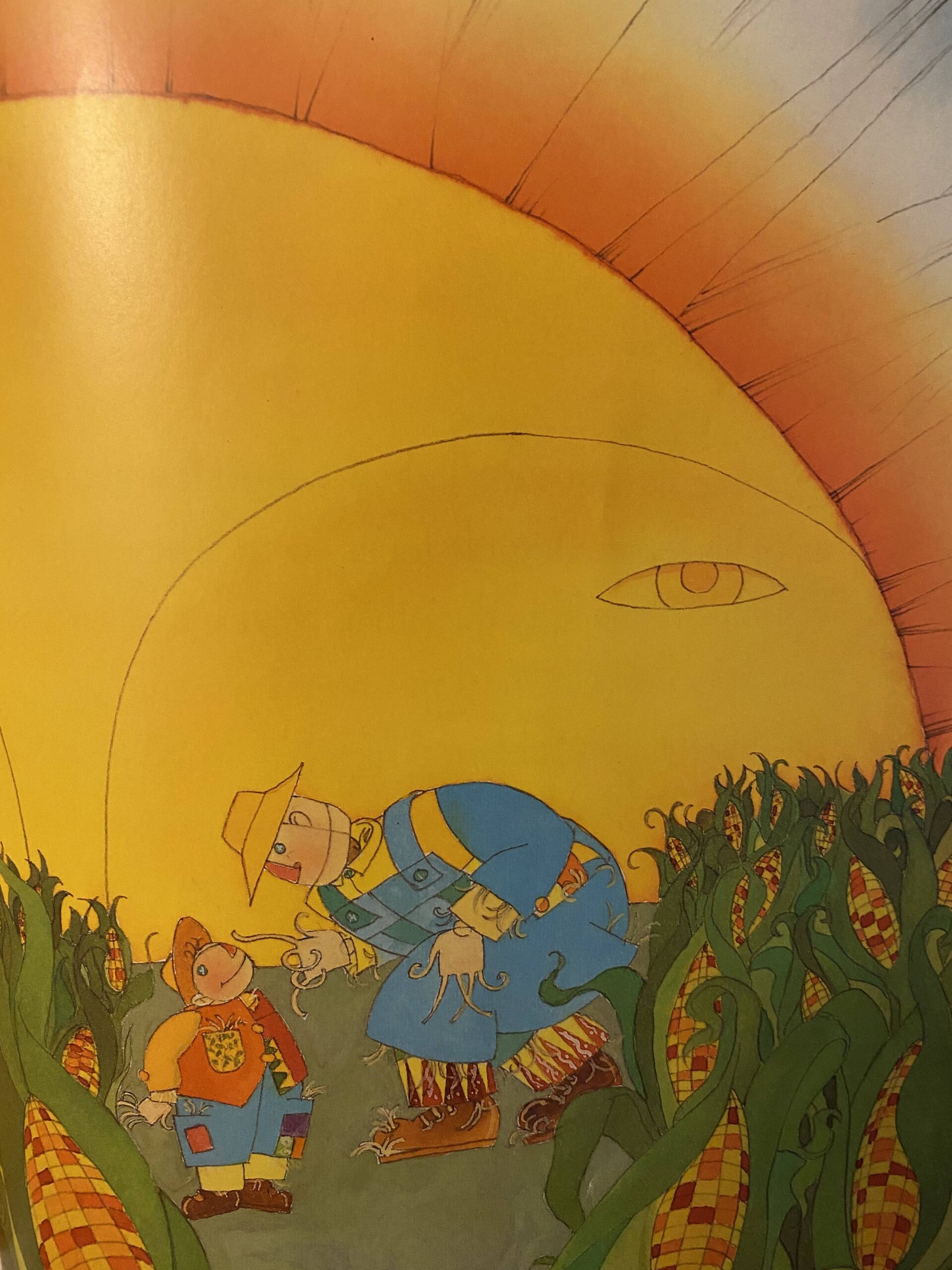
Proof positive that not everything found in a trunk is gold. Kate’s on the hunt for books for Halloween so we took a suggestion and delved into this “lost treasure” from the trunk o’ manuscripts of the late Margaret Wise Brown. I’ll confess to you right here and now that I’m kinda out of good Halloween titles to do with her so if you have ANY suggestions of other picture book Halloween classics, please oh please suggest them now. We discuss a gender-bent version of Wizard of Oz, why Margaret Wise Brown missed out on calling the mom “Scarecrone”, why all these scarecrows are white, and more.

Listen to the whole show here on Soundcloud or download it through iTunes, Stitcher, Spotify, Google Play, PlayerFM, or your preferred method of podcast selection.

Show Notes:

You can read the L.A. Times article A Treasure-Trove of Children’s Stories here, if you like.

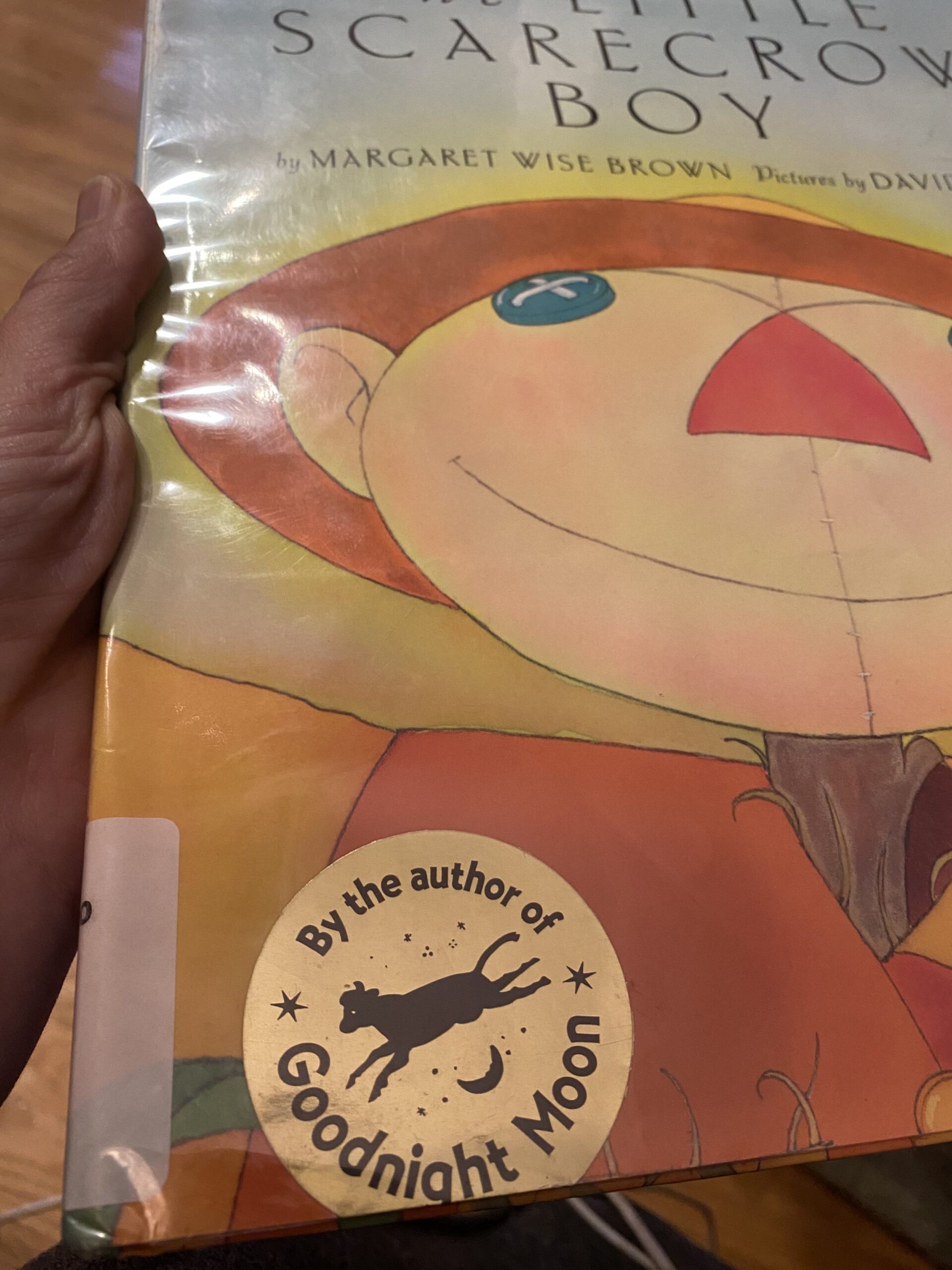
I’m just amazed by the fact that they had the gall to put a shiny sticker on this cover. Cheeky, folks. Cheeky.

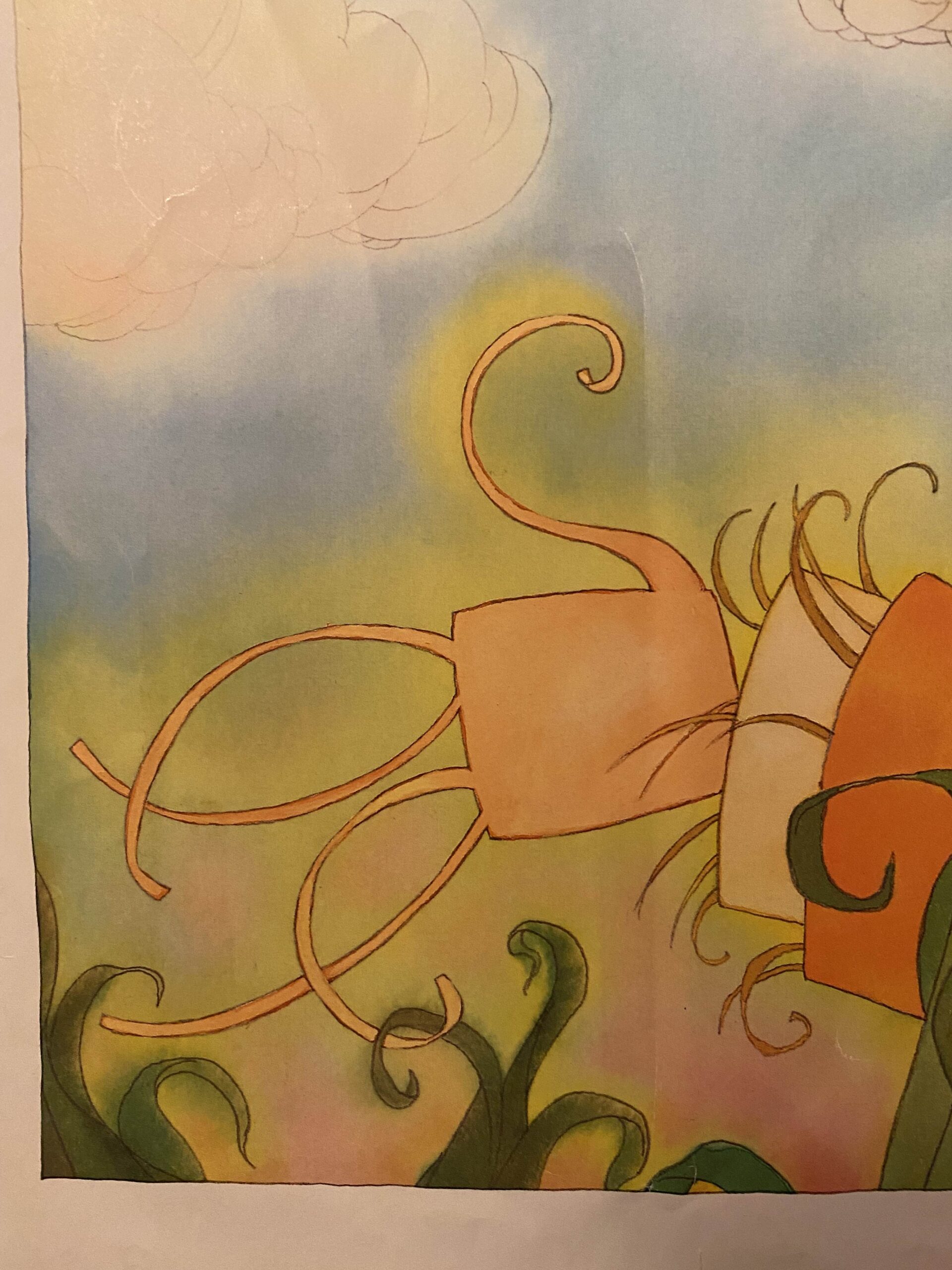
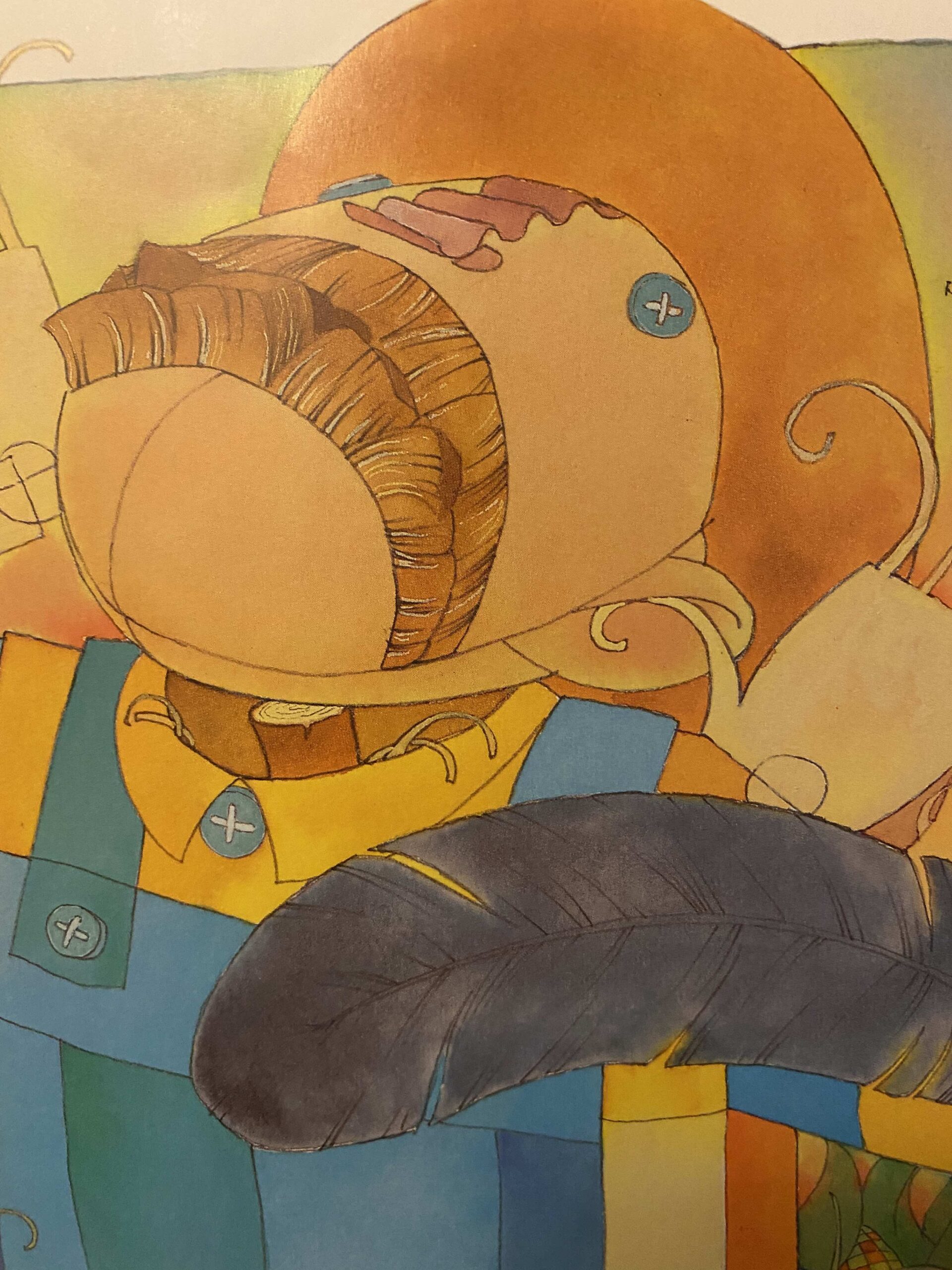
Couple points as to why this one gets to me. It’s the fingers . . .

And the fact that he has straw for teeth. *shudder*

Remember the sassy sun of The Little House? A thing of the past. This sun? Kate calls it “Monday Sun”. It Couldn’t. Care. Less.

I am also disturbed by why this scarecrow has a flesh tongue. It is wet. There is a sheen to it. GAH!!!

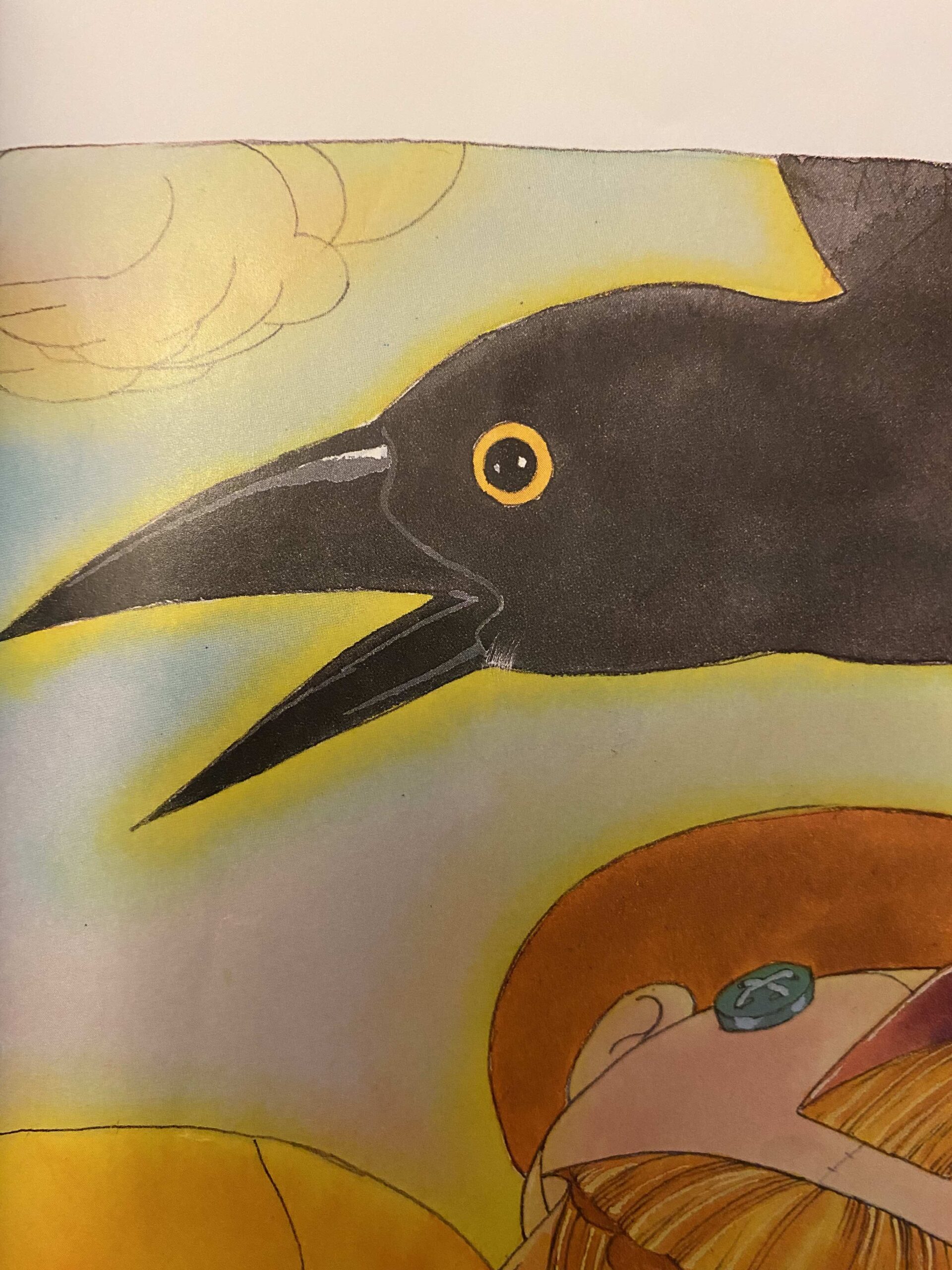
Kate says the only illustration she likes in the whole entire book? The crows.

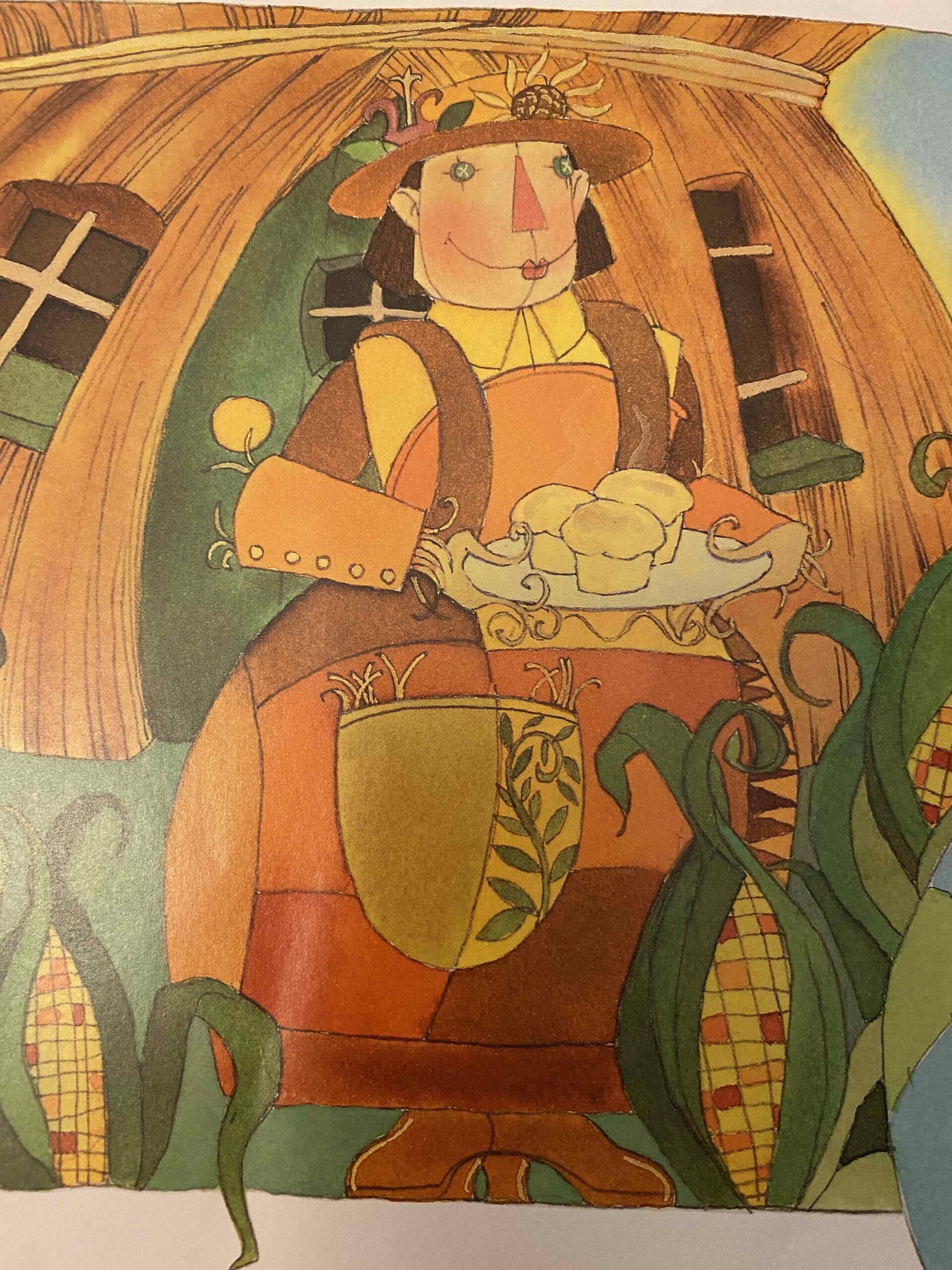
A lot of things are strange about this book. But the choice to make this scarecrow mom an uber-1950s mom? So odd.

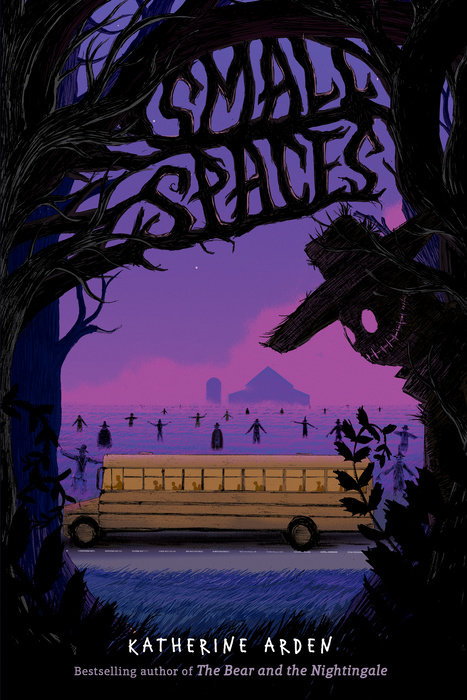
I had to plug Small Spaces, the greatest freaky children’s novel, by Katherine Arden. If you haven’t read it, go out and find it for yourself.

Kate Recommends: Hocus Pocus 2

Betsy Recommends: Her neighbors in a local production of Hello, Dolly.

Filed Under: Fuse 8 n' Kate Tagged With: Fuse 8 n' Kate, Little Scarecrow Boy, Margaret Wise Brown

Review of the Day: The Prince of Steel Pier by Stacy Nockowitz

October 7, 2022 by Betsy Bird

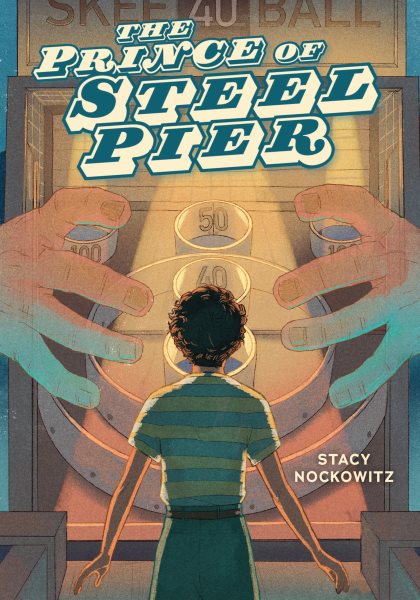
The Prince of Steel Pier
By Stacy Nockowitz
Kar-Ben Publishing (an imprint of Lerner Publishing Group)
$17.99
ISBN: 9781728430331
Ages 9-12
On shelves now

Reviewers. They’re just like you and me. They just read more books. I’m a reviewer myself and I respect the form, but I’m also aware of its subjectivity. There have definitely been days when I’ve read a book for kids, said to myself, “Well, that was a waste of time”, only to discover later (usually thanks to the enthusiasm of other librarians) that I was just a bit moody when I read that book the first time. Sometimes. There are just as many other times when I dig in my heels and insist that I’m right. What I’m trying to say is that I’m sympathetic to other reviewers. Even when I disagree with their opinions (I came THIS close to writing “Even when they’re wrong…”) I can respect where they’re coming from. By this point you may suspect that this is all a lead up to the fact that I’m going to take issue with a professional review I read recently. Usually such reviews don’t rankle me (unless, y’know, they’re for one of my own books) but there are always exceptions. Case in point, the new middle grade novel set in the 1970s, The Prince of Steel Pier. I’m talking about a book with gangsters, Monopoly, a misunderstood hero, young love, boardwalks, and creaming someone in the face with a pack of coins. It’s the kind of book where you get 20 pages from the end of the story and are convinced that the main character is three seconds away from “swimming with the fishes”. And yet I might not have even reviewed the book were it not for a particularly misguided Kirkus review which stated that the book “may not hold young readers’ interest, and the immersive setting could appeal more to adults old enough to remember the time and place.” People of the jury, I offer a counter-argument.

This is a book that begins with a dead body. Now you need to ask yourself one question: Will it end with one too? The dead body in question belongs to Mrs. Goldberg, found in her room at the St. Bonaventure Hotel, August 1975. Joey’s Jewish family runs it. While his brothers take Mrs. Goldberg’s casting off of her mortal shackles in their stride, Joey’s the one facedown in the toilet, throwing up. He’s the one everyone writes off as sensitive, and it just drives him nuts. Here he is with his family working the hotel for a month on the shore in Atlantic City and no one takes him seriously. No one, that is, until Joey catches the eye of Artie Bishop, a local mobster with his eyes on the big time. Artie needs a chaperone for his young teen daughter, and before Joey knows it he’s getting in deeper and deeper over his head with some seriously dangerous guys. He knows lying to his family is wrong, but when something terrible happens, that’s exactly who Joey is going to need to turn to.

So let’s tackle one of the arguments of that Kirkus review right from the start. The reviewer questioned whether or not this book would be capable of holding the attention of a young reader. Well, as you can see from my description, Nockowitz kicks off the proceedings with a corpse. Not a shabby way to start. But there’s more than just dead bodies here to keep readers reading. Joey himself tells the story in the first person and he is chock full of high emotions. You wouldn’t think a kid with this loving a family would be this angry, but the kid is just seething for a lot of this book. He’s desperate for respect, even if it comes, for a time, from a tough guy he has no connection to. This is a kid who makes some pretty terrible choices, and each time he does you feel him getting sucked a little bit more into Artie’s world. I found it infinitely readable at its scant 248 pages. But was Kirkus right in saying that this would appeal more to “adults old enough to remember the time and place”? That’s a jab at librarians and teachers. More specifically, those old enough to remember 1975 with clarity. I was born in 1978 myself, so I was coming into this pretty fresh. I did appreciate how it highlighted a time period when the world felt like it was slowly decomposing. The grime and crime of 70s Atlantic City are in full view. This is a resort town on its last legs, and you feel that, sure. But unless you’re yearning for rotting hotel ceilings and arcades with bars in their rears, what Kirkus writes off as nostalgia I call scene setting.

Whenever I finish a book for kids I file it away under a series of tabs. This one I made sure to list under “Family Stories”, since its Joey’s ties to his insufferable, impossible, very loving family that ultimately keeps him out of Artie’s grasp. But Nockowitz isn’t doing that thing where the text is just the text, subtext be damned. Throughout the book there’s this King Arthur theme, just simmering below the surface. Early on in the story Artie borrows Joey’s copy of The Once and Future King. It’s the method by which he’s able to lure Joey back into his presence with the promise of a book discussion. But when Artie does discuss the story, his take is entirely different from that of the boy’s. Artie looks at the story of King Arthur and sees a tale of failure. Here you had a king that felt that might was not right, and look what happened to him! It’s no coincidence that our own king of Steel Pier is also named “Artie”. His knights scheme against him too, though. And Camelot this is not.

The trickiest part of the book for Nockowitz had to be getting Joey from a point where he was rejecting his family in every way, to a moment when he wanted to turn that ship around. It’s an elegant bit of writing. You get some serious low points earlier in the story, and then Nockowitz takes a couple risks. She includes a scene where Joey goes to synagogue (pretty much just to escape his family) and is touched and moved by what he witnesses inside. This from a kid who’s doubting the existence of God (but never his own Jewishness) from the get-go. That the author manages to make this scene work is a minor miracle in and of itself. She has someone hand Joey a camera and through its lens he’s able to zero in on the moments in other people’s lives that have not just a small bit of importance but weight and meaning. This is all replicated in the last scene of the book. My co-worker alerted me before I finished Steel Pier that Nockowitz is particularly successful at sticking the landing. He wasn’t wrong. There are a lot of really great books out there that have no idea how to end. This book? It’s not one of them, and it ties Joey’s whole story not simply to family and place but to faith as well.

There are no zombies in this book. No superheroes. No epic romances (though there is a tiny touch of it here and there). So if you think that that’s all kids want in their books these days, you might well agree with that Kirkus reviewer about the book’s appeal. But one would be hard pressed to say that only readers with access to memories of Atlantic City just before the casinos moved in will find this book appealing. Nockowitz wraps you up tight, not simply into Joey’s world, but also his dilemmas. I’m not kidding, I honestly thought the kid would be trying out a pair of concrete sandals by the story’s end. Instead, you get an rebuttal to Artie’s claim that might is right. And you get Joey understanding that a lot of this world, like his grandparents’ hotel, is fleeting. The people that stick around are the ones you gotta fight for. And this book? It’s one worth fighting to get into the hands of kids.

On shelves now.

Source: Galley sent from the publisher for review.

Filed Under: Best Books, Best Books of 2022, Reviews, Reviews 2022 Tagged With: 2022 middle grade fiction, 2022 reviews, Best Books of 2022, Jewish children's books, Kar-Ben Publishing, Lerner Publishing Group, middle grade historical fiction, Stacy Nockowitz

Wombat Season Is Nigh: An Interview with Ratha Tep About WALLY, THE WORLD’S GREATEST PIANO-PLAYING WOMBAT

October 6, 2022 by Betsy Bird

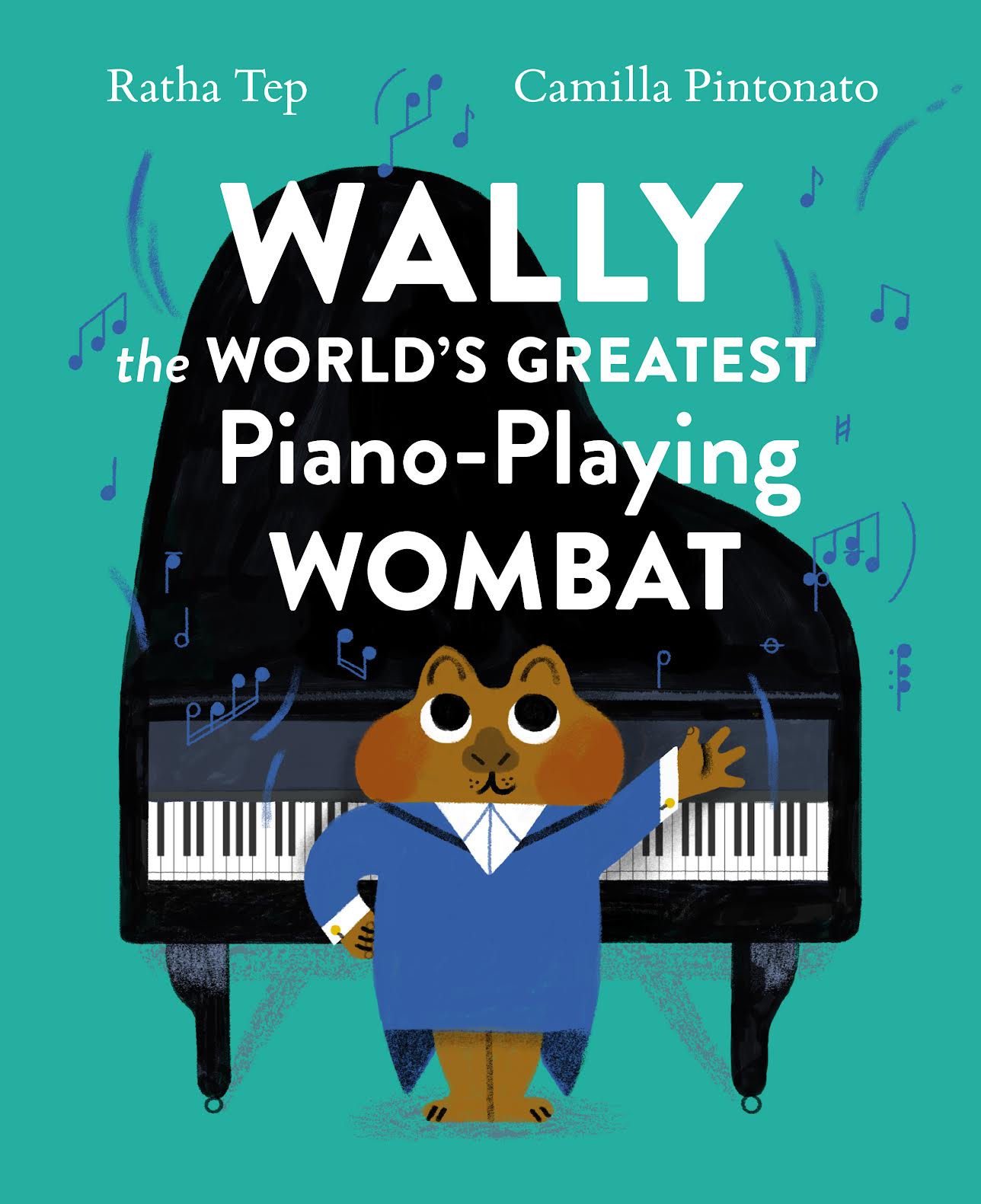
Wombats, man. They’re everywhere this year. Whether they’re opening their homes to their neighbors or getting munched by giant predators (check out Melissa Stewart’s Mega-Predators of the Past if you don’t believe me), they’re everywhere. What haven’t we seen them do yet? Play a concerto. Welp, knock that one off of your bingo card because thanks to the literary stylings of Ratha Tep we have, for your reading pleasure, WALLY, THE WORLD’S GREATEST PIANO-PLAYING WOMBAT. And, yes, I am going to list the publisher’s description:

“When Wally, the world’s greatest piano-playing wombat, hears Wylie play, he becomes envious. Wally tries toe-tapping and ball-twirling as he plays piano, but every time Wally thinks he’s one-upping the competition, he discovers Wylie can do all the same tricks.

Although Wally is discouraged at first, he soon realizes that competing with Wylie inspires them both to play better. And finding a friend to share what you love? That’s the best win of all. Both affirming and motivating, Wally’s story will resonate with young readers as they learn how to deal with competition and to do what makes them happy—even when they’re not the very best.”

He’s a wombat.

He’s playing a piano.

I have some questions.


Betsy Bird: Ratha! Thank you so much for answering my questions today! I’ve a plethora of different questions to ask you about your debut picture book, but let’s be gauche and ask the obvious right from the start: How did you come up with the idea for WALLY in the first place?

Ratha Tep

Ratha Tep: Hi Betsy! Thanks so much for having me! It’s such an incredible honor to be here.

The idea for WALLY stemmed from my two daughters and their very different first experiences playing the piano. My older daughter, who was six at the time, picked it up quite fast, and—in the way some young kids can be prone to hyperbole—started claiming that she was the world’s greatest piano player. You can imagine how that made my younger daughter feel! She was only four then, and super intimidated at seeing her sister play so well. On the flip side, I started wondering how my older daughter would handle seeing someone who played better. I imagined she’d be envious for sure, but would it make her want to give up—or would it inspire her?

BB: Okay, I relate to this situation just a little too well. Betcha a bunch of parents will. Now I probably needn’t even tell you that WALLY is part of a wombat-trend here in 2022. This year alone we’re seeing Wombat Underground: A Wildfire Survival Story by Sarah L. Thomson, ill. Charles Santoso and Wombat Said Come In by Carmen Agra Deedy, ill. Brian Lies. What is it about wombats that’s just so darn irresistible these days?

RT: Wombats are indeed irresistible! I’m grateful to Jackie French and Bruce Whatley, whose Diary of a Wombat introduced the marsupial to an entire generation of American kids. Their eighth book in the series, Diary of a Rescued Wombat, is coming out in November, and I can’t wait to read it.

Wombat Underground and Wombat Said Come In were born from the stories of wombats sheltering other animals in their burrows during the recent Australian wildfires.

Wally, unfortunately, sheltered no one—unless you count his new pet fish.

I made Wally a wombat not for any benevolent quality of his, but for that extra dose of humor. The largest wombat species, the Northern hairy-nosed wombat—the ones I imagine would be able to reach piano keys—are extremely rare. There are only 315 of them left! So you would expect that ANY piano-playing Northern hairy-based wombat would be the world’s greatest, but lo and behold, there’s another one! And then… !

BB: Oh, man. I loved Diary of a Wombat back in the day. And I had no idea about Diary of a Rescued Wombat! News I can use! So Wylie turns out to be the inadvertent antagonist to Wally in this book. Wally is so focused on being the best that this aim for success blinds him to Wylie’s charms. When writing this book, did you give any thought to kids today and the degree to which they’re pressured to succeed at all costs?

RT: What a great question, Betsy! As I was writing Wally, it did dawn on me that I was an Asian-American mom writing about my two piano-playing daughters (ahem, wombats), which might bring to mind Amy Chua and the firestorm that surrounded her Tiger Mom-parenting style. But Wally is precisely the opposite. I wanted to show kids that you don’t need to be the world’s greatest anything. You don’t need to make it to Carnegie Hall at 14!

I think a lot of this pressure on kids comes from parents, with Mom-guilt and fomo feeding into it. Sadly, this parental pressure has led to a rise in anxiety and mental health issues. My kids, after their initial enthusiasm with the piano, actually started saying they hated it. It turned out what they hated was the pressure of their weekly lessons and mandatory practice. So my husband and I pulled a radical Jellyfish parenting move: We let them quit! And you know what? They picked the piano right back up, but on their own terms, and are back to loving it.

BB: Aww. As the parent of a daughter who just quit piano too, I feel this. And I’m always fascinated by the process of pairing an author’s words with an illustrator’s art. Did you have a particular look to the book in your mind as you wrote it? How did you feel when you saw Camilla Pintonato’s art for the first time?

RT: Like every author, I did have a certain “look” in mind, but that look was blown away when I first saw Camilla’s renderings. There’s just so much energy and humor in her style. I’m also amazed at how she was able to capture such a huge range of wombat expressions. And having Wally poke out from the page? Genius. Camilla’s art really punched the book to another level.

BB: Is this the last we’ll see of Wylie, Wally, and that mysterious wombat at the end of the book? Or would you possibly consider a kind of sequel?

RT: I loved dreaming up Wally and Wylie and their over-the-top antics, and can definitely see them having more fun together. But for now, I’m just excited to introduce them to the world! 

BB: Finally, what are you working on next?

RT: I’m working on a few projects that I can’t quite share yet, but hopefully I’ll get another invitation to come back here to talk to you about them when the timing is right! 

BB: Done and done!


A great big thank you to Ratha for taking the time to answer all my questions here today. You’ll find WALLY , THE WORLD’S GREATEST PIANO-PLAYING WOMBAT on shelves October 18th. Be sure to look for it soon!

Filed Under: Interviews Tagged With: author interviews, picture book author interviews, Ratha Tep, wombats

  • « Go to Previous Page
  • Page 1
  • Interim pages omitted …
  • Page 154
  • Page 155
  • Page 156
  • Page 157
  • Page 158
  • Interim pages omitted …
  • Page 1048
  • Go to Next Page »

Primary Sidebar