• Skip to primary navigation
  • Skip to main content
  • Skip to primary sidebar
  • About/Contact
  • Fusenews
  • Reviews
  • Librarian Previews
  • Best Books
    • Top 100
    • Best Books of 2022
    • Best Books of 2021
    • Best Books of 2020
    • Best Books of 2019
    • Best Books of 2018
    • Best Books of 2017
    • Best Books of 2016
    • Best Books of 2015
    • Best Books of 2014
    • Best Books of 2013
  • Fuse 8 n’ Kate
  • Videos
  • Press Release Fun

31 Days, 31 Lists: 2023 Funny Books for Older Kids

31 Days, 31 Lists: 2023 Funny Books for Older Kids

December 19, 2023 by Betsy Bird

To say that I’ve an eclectic collection of books for you here today is putting it mildly. Some lists lend themselves to a wide variety of different types of styles and genre. Nothing, though, even compares to the Funny list. Here you’re going to find graphic novel memoirs and nonfiction about sea creatures. You’ll find early chapter books, the occasional middle grade fiction title, and even poetry. Some of these you will know, but I guarantee that there will be at least one book on this list that is new to you. Humor me. You’re gonna love ’em.

If you’d like like to have a PDF of today’s list, you can find that here.

Need more older funny titles besides today’s books? Then be sure not to miss these previous titles:

  • 2022
  • 2021
  • 2020
  • 2019
  • 2018
  • 2017

2023 Older Funny Books

Above the Trenches (Nathan Hale’s Hazardous Tales) by Nathan Hale
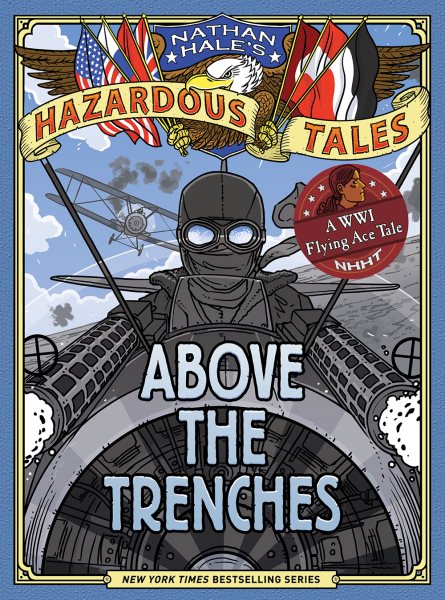
Nobody is doing anything even slightly close to what Nathan Hale is doing these days. Let’s say you’re a children’s librarian sitting at a reference desk. Kid comes up to you and asks for a book that shows battles in war. Now regardless of your own pacifism instincts, you want to give that kid what they want. Trouble is, if your library is anything like mine, the books you have for kids on the subject are going to be old. We just don’t have a lot of books on historical wars for children these days. And the best possible exception to this? Nathan Hale’s Hazardous Tales. Now they’re not all about war, but the ones that are have no equal. I went into his latest installment thinking it would be about The Red Baron. I mean, it’s fighter pilots in WWI, right? But since our narrator, Nathan Hale, was eaten by a big book of American history in the first book of this series, the focus of this book is the Americans who volunteered to fly for France long before America entered the war. It is also playing with fire, this book. Right from the start Nathan Hale warns the reader that the pilots in this book will be drinking alcohol and smoking. We then get a glorious shot of the Hangman and Provost doing precisely that (much to the alarm and fury of Hale). But even better, EVEN BETTER, is the fact that the planes flown at a certain point of the war were, and this is true, called Fokkers. Oh. Oh. The jokes, my friends, the jokes. Absolutely one of his finest. If you’re searching for enormously well-researched deep dive into WWI planes that’s also the funniest stuff being written today in comics, you can find no better book than this. 

The Bawk-Ness Monster (Cryptid Kids) by Sara Goetter and Natalie Riess
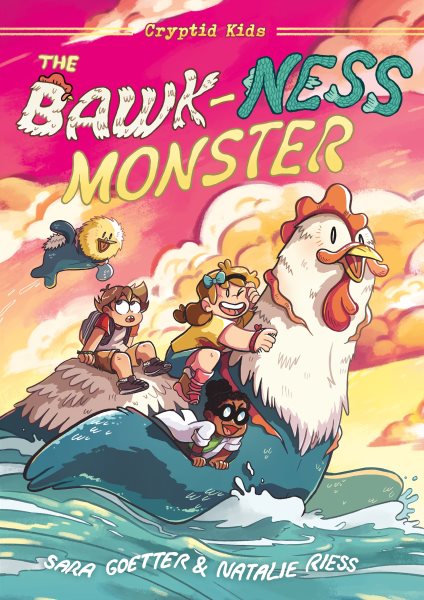
A slam bang start to a silly new series. First off, I want to give Goetter and Riess credit for coming up with the idea of creating new cryptids. Oh sure, they could have made this book about your standard mothman, Jersey devil, bigfoot, etc. Instead, they went weird and they went weird HARD. Right from the start, instead of Nessie you have Bessie, the Bawk-Ness monster. Storywise, Goetter and Riess aren’t afraid to just push young readers into the deep end of the plot. Penny is moving to a new town with her mom and before she goes she has just one wish. You see, when Penny was little she was saved from drowning by Bessie, the aforementioned half-chicken/half-sea monster. Now she wants to return to the lake where it all happened and say thank you alongside her two good friends Luc and K. K is a budding cryptozoologist and Luc is a former mean kid who is grappling a little with identity. No sooner do they arrive then they’re face to face with goons, an evil villain, and a whole host of amusing cryptids. Just gotta tell you right now that Bigtaur is my favorite and I want to have Bigtaur t-shirts that I can wear in the future. The only way that’s gonna happen, though, is if you folks discover this series. Aside from the fun plotting, it’s also seriously funny. We’re talking Looney Tunes-worthy sight gags, dramatic pauses, and a nice use of some mild manga elements as well. Hard to pick a funniest moment but if I had to I’d say that the moment the kids dress up as adult inspectors inside a trenchcoat was the moment I officially fell in love with the book. Hope we see more!

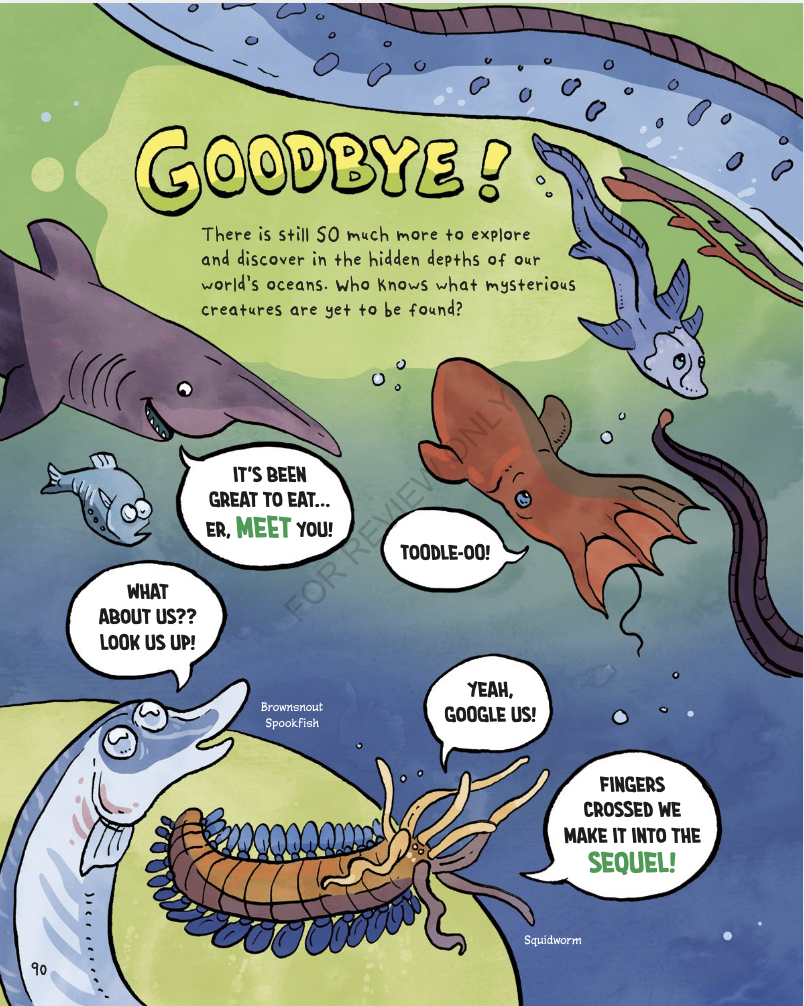
The Deep! Wild Life at the Ocean’s Darkest Depths by Lindsey Leigh
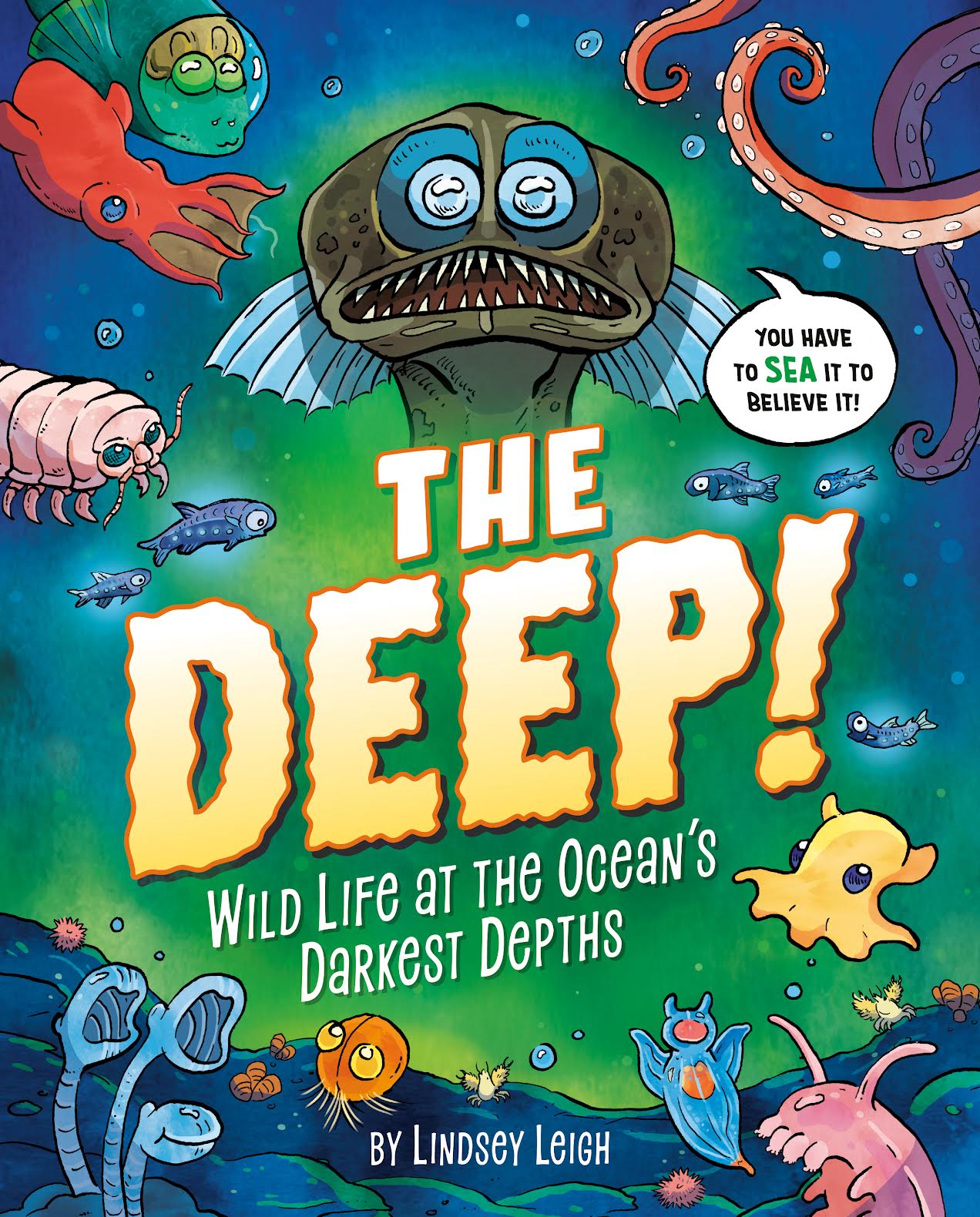
Sink deep deep below the waves to meet the creatures that dwell where nothing else can live. A fantastic voyage filled with humor and facts we can guarantee you never knew before! Ahhh. So this is what I’ve always wanted in a deep sea book for older kids. And no shade on the other whale fall book out this year, but I guess I had sort of hoped that that book would have the sheer levels of excitement and interest that this one has. Fashioning her style on old 1950s B-movie posters, Lindsey Leigh packs her book with hilarity and solid factual information. I learned a LOT from this title. Somehow, Leigh manages to sandwich the less interesting info between the fascinating and funny (as well as gross) stuff so beautifully that it’s irresistible. A must read!

Gnome and Rat by Lauren Stohler
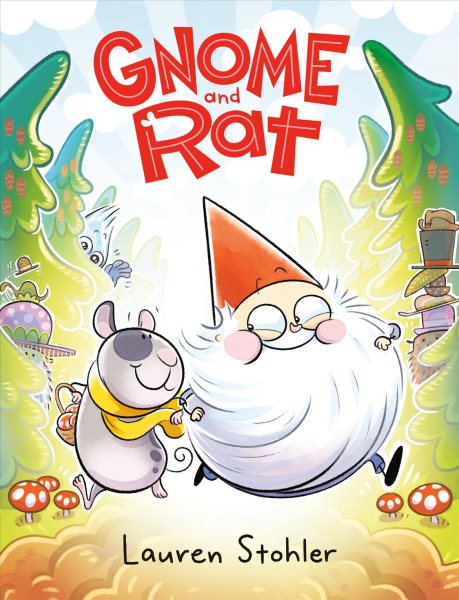
Join best friends Gnome and Rat as they engage in small adventures all involving hats in some way. Easy reading comics with a chapeau theme! Doggone charming books with their doggone charming characters. Early, easier-to-read graphic novels are sort of their own little world, and boy has Lauren Stohler just planted her flag there. Cozy without being twee, if you know what I mean, but also legitimately funny. A lot of that has to do with Stohler’s ability to create great faces. I had a co-worker ask me, quite seriously, whether or not I just liked this book simply because it was for younger readers. NO, sez I! This is a younger comic for kids, sure, but the jokes are definitely funny to all ages, no matter what. These are great. Three little stories about two friends written with a rather ridiculous conceit.

Henry, Like Always by Jenn Bailey, ill. Mika Song
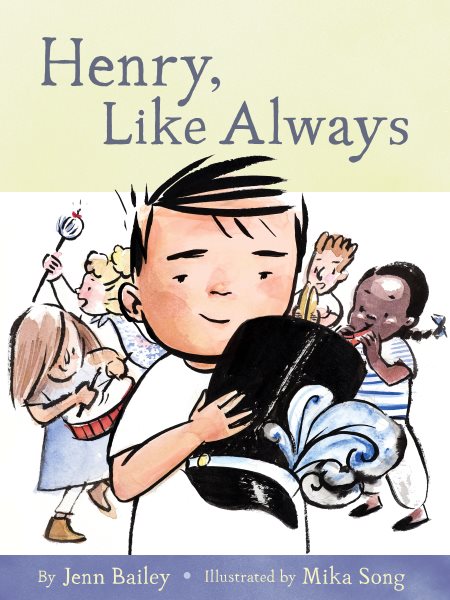
In Classroom Ten, Henry relies on routines. Then, one day, his teacher announces that there will be a parade when there’s usually Share Time. A smart and reassuring book about a kid on the autism spectrum working around the unexpected. Writing a book about a kid on the spectrum is done often but rarely so well. The key here is to make Henry’s frustrations understandable. Even if you don’t agree with him, you have to see his point of view or it all falls apart. Jenn Bailey is just knocking this out of the park with the problem, the build, and a resolution that makes everyone happy (which, in cases like this, can be exceedingly difficult). I suspect that the fellow character of Samuel may have some impulse issues of his own, and now I’m hoping he gets his own spin-off series someday. Extra points for the use of humor. That Thinking Chair makes for a subtle but very effective page turn more than once and it never gets old. This is masterful. Previously Seen On: The Early Chapter Books list

LOL 101: A Kid’s Guide to Writing Jokes by David Roth and Rinee Shah
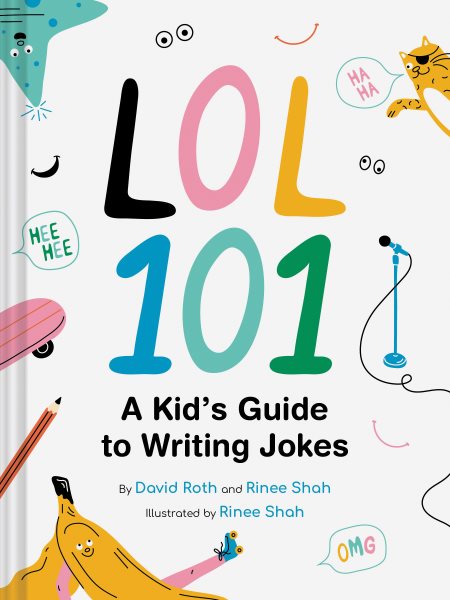
While I’m always on the lookout for funny books for kids, I’d say that interest extends into the realm of funny nonfiction as well. Particularly when the nonfiction in question aims to teach kids the rudimentary basics behind coming up with their own original jokes. This isn’t a “joke book” in the sense that it’s just filled with pre-made jokes for children’ to regurgitate for others (if you’ll excuse a gross metaphor). Rather, Roth and Shah break down the work that goes into thinking up new material. To do so they actually come up with a pretty neat system that covers Wordplay, The Rule of 3, Exaggeration, and Advanced Wordplay. It also covers how to deliver these jokes, what to do when they go awry, visual humor, and how to make a living with jokes. I was a bit sad that it didn’t feel a need to talk about inappropriate jokes, and what to do when you come to the realization that what you just said was considered offensive to someone else (and trust me, kids need some help in this area, just like the rest of us). But all told, this book is definitely filling a gap. Plus, the Rule of 3 section actually made me laugh out loud with the line, “My favorite winter hobbies are skiing, snowboarding, and crying in the bathtub.” Marvelous. 

Maggie Lou, Firefox by Arnolda Dufour Bowes, ill. Karlene Harvey
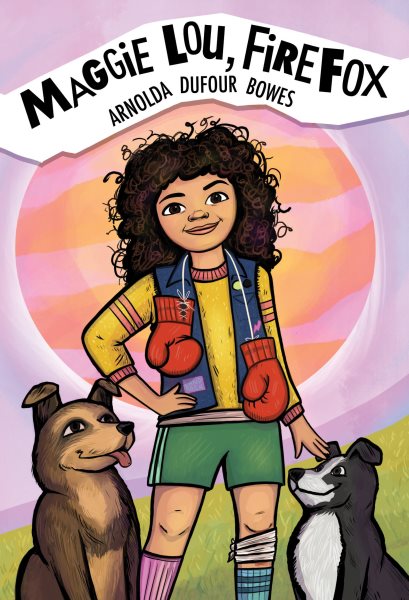
Meet Maggie Lou, Firefox! Whether she’s boxing at the gym in a tutu, working on her dad’s construction crew, or going on her first deer hunt, this Métis kid will always keep you laughing. How could I possibly resist this? Maggie feels like a hardscrabble younger kid title with a titular heroine capable of punching you in the jaw or building you a house. And hunting in a children’s book? I haven’t seen that in years and years. I loved the tone, the humor, and the sheer messiness of this book. As Indigenous peoples’ stories go, this is precisely what we need to see more of on our shelves. Someone compared it to JoJo Makoons, which is also great, but which reads much younger than old Maggie here. Plus any kids book where the adults in the family give each other some solid burns to anyone they think is no good at hunting has my instant love. Two big thumbs up! 

The Many Assassinations of Samir, the Seller of Dreams by Daniel Nayeri
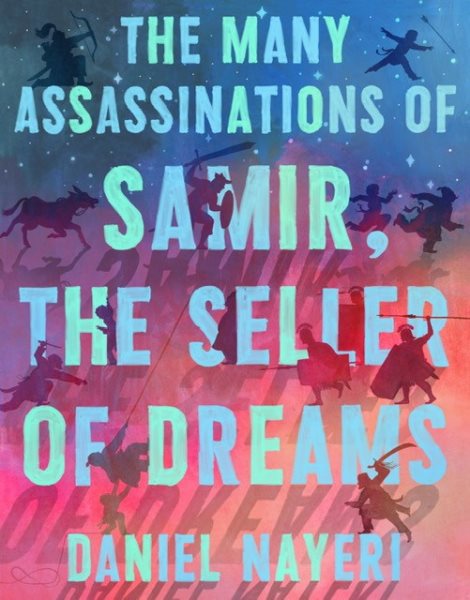
Saved from a stoning by angry monks, a kid called Monkey is indebted to the fast-talking Samir, a merchant on the Silk Road. The problem? Seven hired assassins have Samir in their sights, and Monkey has a debt to pay. A plus but with some caveats! The last time Daniel Nayeri wrote a book it was of an ungodly length. This time it’s a slick 224 pages, which is much better. And the man’s a born storyteller, so there’s a lot to enjoy here. So what’s the problem? Well, some of the more complex ideas that go on in this book had me, a grown adult, rereading them several times to get the gist. I suppose that this is the book you could hand to one of those kids that claim they have read “every book in the library” and demand something more challenging. Obviously the man can string two sentences together with particular skill, and I liked the twists and the ending a lot (it really picks up when the assassins start showing up). Monkey is sardonic and hilarious, and you just fall in love to Samir’s sweet con man ways. Why did it also show up on the “Gross” list? I’ve got two words for you: severed ear. You figure out the rest. Previously Seen On: The Gross list.

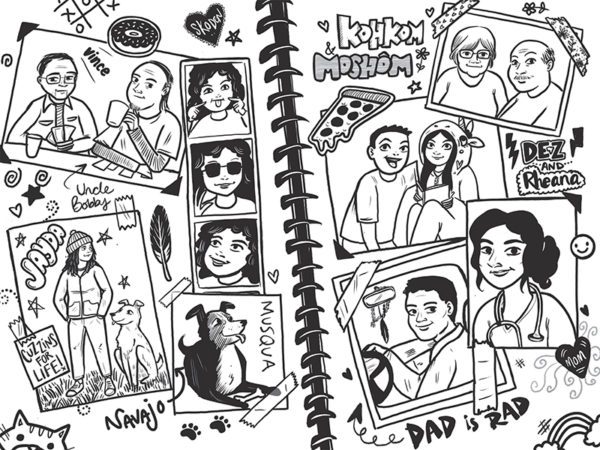
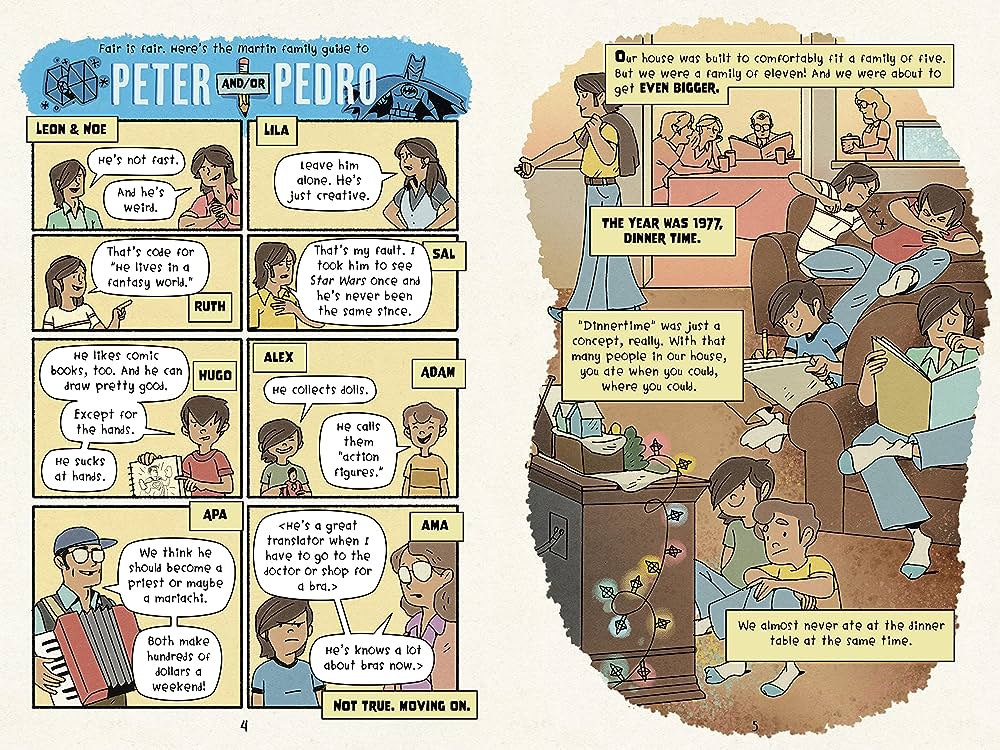
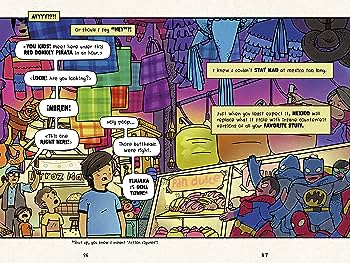
Mexikid: A Graphic Memoir by Pedro Martín
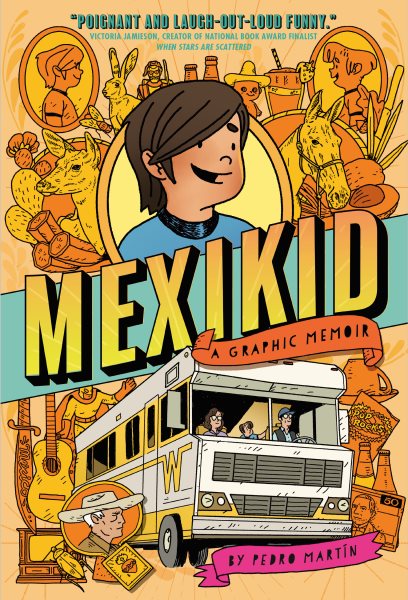
Meet Pedro, the seventh of nine kids, as he and his family take an epic trip to Mexico to fetch his Mexican Revolution-era Abuelito back to America. A hilarious graphic memoir full of raw milk, snotty Pop Rocks, family and heart.  I’ve got four words for you: “Snot meets Pop Rocks”. You know, I see a lot of memoirs in a given year, and some of them stick while others fade. This book? I think it just branded a book-sized hole in my brain and I’ll never quite be the same again. I’ve been reading this to my 9-year-old and it literally has everything. Pathos. Humor. Heart. Family. Raw milk!! Where the heck has this cartoonist been all this time? He’s just come out of the gate swinging with a book so excellent that I may have to consider the possibility for the first time of TWO GN memoirs having Newbery potential in the same year. You folks have GOTTA read this!!!

My Head Has a Bellyache by Chris Harris, ill. Andrea Tsurumi

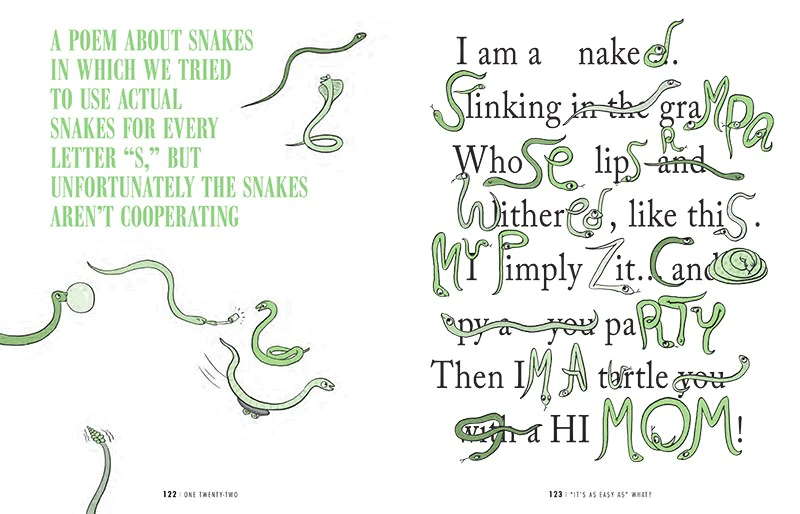
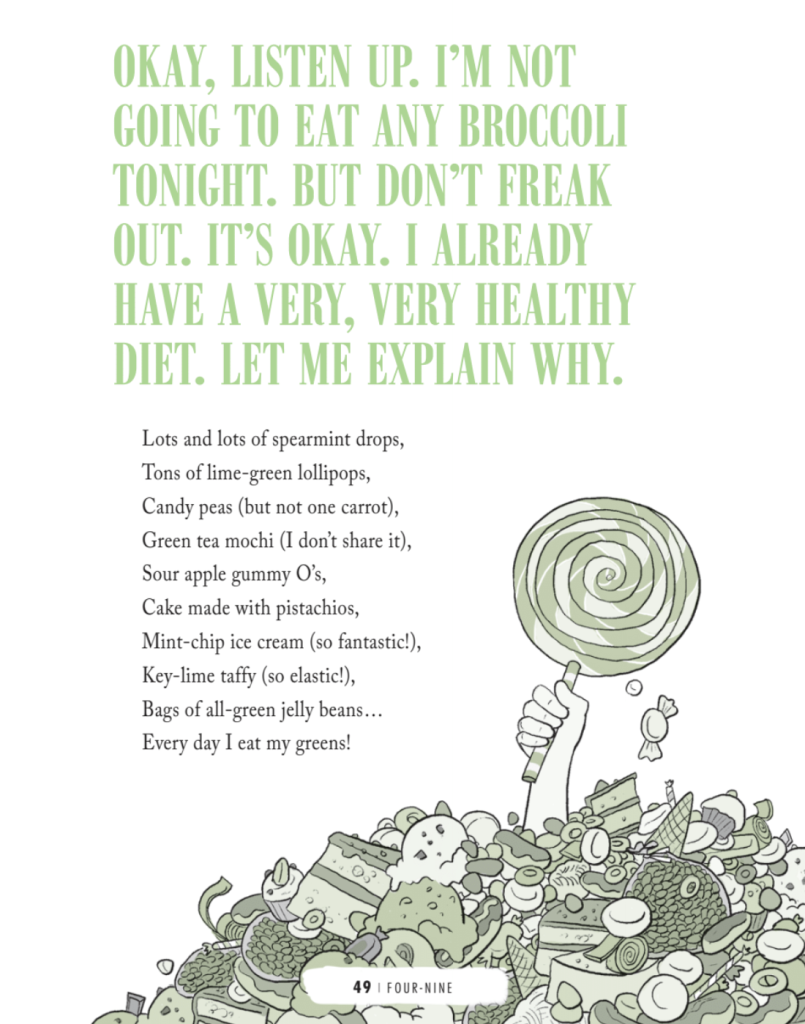
Step aside, Shel Silverstein! There’s a new funny poetry book in town and it’s going to knock you out. Get ready for elderly cavemen, nail-clipping fairies, and AWOL buffaloes in this laugh-out-loud triumph of a book. Why why why why why does no one do poetry collections as well as Chris Harris? First, getting Andrea Tsurumi to do the art was a genius move on some editor’s part. But Chris has upped his game and though I did read as much of it as I could, I honestly think that the different Index entries may take you an additional hour if you do them properly. The jokes in this land and they land hard, but to my amazement, the man is also capable of some real pathos and emotional tugs of the heart when he’s talking about parenthood. That also lands. All told, strongest funny poetry book of the year, bar none. It’s seriously not even close. Previously Seen On: The Poetry List

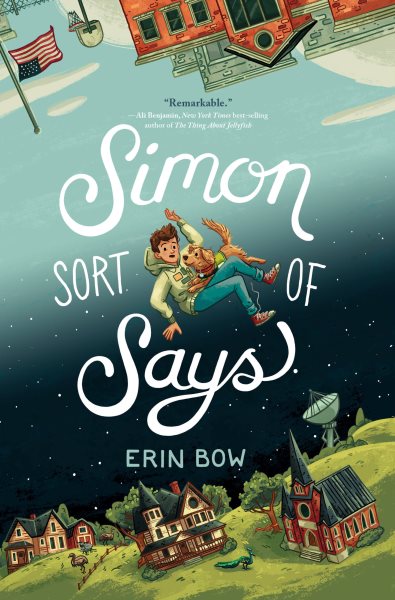
Simon Sort of Says by Erin Bow

Simon is the only kid in his class who survived a school shooting. Not a premise you usually find in a funny book. Two years later, he’s starting over in a new town at a new school (7th grade), and he only wants to forget everything and fly under the radar. He makes new friends but also can’t put the past behind so easily, in spite of his intentions. I made the critical mistake of reading this when I was supposed to be working on my own funny novel, and boy was it a blow to my faith in my own writing. On the plus side, I now feel like I need to up my game by 500% because Bow has got to be one of the funniest writers for kids working today. How does she manage to be hilarious one moment and then manage to talk very seriously and very honestly about trauma the next? I didn’t have the objections to the ending that some folks did, though I would agree that I’d have liked more there. Of course that might just be because I liked the voice and the writing so much. Two very high thumbs up from the jealous writer over here.

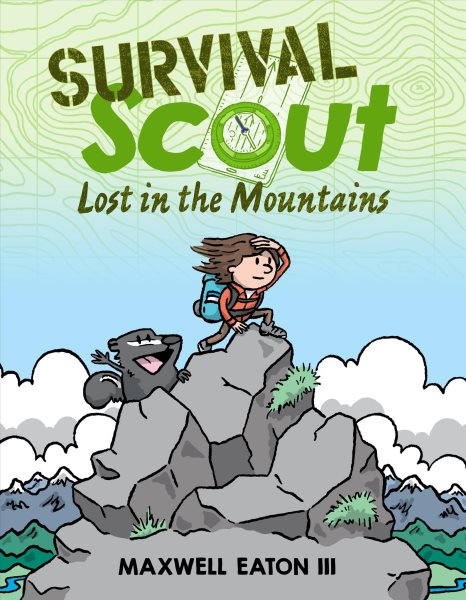
Survival Scout: Lost in the Mountains by Maxwell Eaton III

Scout’s ended up abandoned in the wilderness all alone except for a snarky skunk. What to do? Find out how to find shelter, make a fire, signal for help, and more with this fun and funny guide to survival. I’m here to state right now that turning his focus to nonfiction comics and picture books was the #1 best move Maxwell Eaton III ever made. Granted, he makes life hard for catalogers that don’t know how to deal with his fine melding of fact and fiction, but who cares? You end up liking his books so much that you can overlook such complications. This book is like an updated version of Hatchet, only packed with even more fantastic information than you might expect. The humor will get the kids that wouldn’t naturally gravitate to discussions of how to use a topographic map invested, and the facts about finding your position with a compass? *chef’s kiss* And yes, don’t worry. There is a funny bear as well.

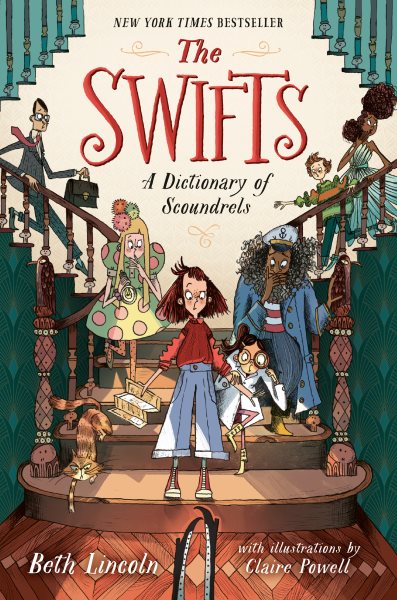
The Swifts: A Dictionary of Scoundrels by Beth Lincoln, ill. Claire Powell

Every year I wish that I had read enough mysteries to make a Mystery List and every year I read only a few. But by gum if I HAD done a Mystery List in 2023, this would have been at the tippy tippy top. Lincoln kicks off the book with an epic funeral rehearsal fail and just goes from there. The basic premise is that in the Swift family, every member has been named by a random selection of a word from the dictionary. That’s why you end up with a heroine named Shenanigan who wants nothing more than to discover the lost Swift fortune. She and her siblings and various relatives live in a crumbling estate (crumbling estates were also very hot in 2023 middle grade children’s books, by the way) and it’s time for a massive family reunion. However, when an attempt is made on the life of the matriarch of the family (Great-Aunt Schadenfreude) it’s up to Shenanigan and her siblings to find the culprit. That this book has been as well-received as it has this year is a testament to its writing as well as its marketing team. I found the Swifts delightful, funny, and wackadoodle in all the right ways. Extra points to the excellent audiobook, which gets all the voices just right (with the possible exception of Daisy’s American twang).


Hope you enjoyed these! Here are the lists you can expect for the rest of this month:

December 1 – Great Board Books

December 2 – Picture Book Readaloud

December 3 – Simple Picture Book Texts

December 4 – Transcendent Holiday Picture Books

December 5 – Rhyming Picture Books

December 6 – Funny Picture Books

December 7 – CaldeNotts

December 8 – Picture Book Reprints

December 9 – Math Books for Kids

December 10 – Gross Books

December 11 – Books with a Message

December 12 – Fabulous Photography

December 13 – Translated Picture Books

December 14 – Fairy Tales / Folktales / Religious Tales

December 15 – Wordless Picture Books

December 16 – Poetry Books

December 17 – Unconventional Children’s Books

December 18 – Easy Books & Early Chapter Books

December 19 – Older Funny Books

December 20 – Science Fiction Books

December 21 – Fantasy Books

December 22 – Comics & Graphic Novels

December 23 – Informational Fiction

December 24 – American History

December 25 – Science & Nature Books

December 26 – Unique Biographies

December 27 – Nonfiction Picture Books

December 28 – Nonfiction Books for Older Readers

December 29 – Audiobooks for Kids

December 30 – Middle Grade Novels

December 31 – Picture Books

Filed Under: 31 Days 31 Lists, Best Books, Best Books of 2023 Tagged With: 31 days 31 lists, funny, funny books, funny early chapter books

Fuse 8 n’ Kate: The Year of the Perfect Christmas Tree by Gloria Houston, ill. Barbara Cooney

December 19, 2023 by Betsy Bird

Hiccups or no hiccups, the podcast must go on! We strive to once again provide a holiday-related picture book on our podcast. Now Barbara Cooney was much on our minds since I premiered the cover of an upcoming Barbara Cooney picture book bio coming out in 2024. Today’s little book is actually still in print (not always a given) and it’s an interesting consideration of the effect of WWI on small town Christmas celebrations. We quote So I Married an Axe Murderer, Christmas Spite (which I still say would be a great name for a book), what a “treat poke” might be, and discuss how often it is that women are doing ALL the work and getting none of the credit.

Listen to the whole show here on Soundcloud or download it through iTunes, Stitcher, Spotify, Google Play, PlayerFM, or your preferred method of podcast selection.

Show Notes:

This is the power of spite at work. This woman has spent all night cutting down a tree, and all day sewing a dress and angel tree topper for her daughter. And why? Just to spite that jerkwad preacher, THAT’s why.

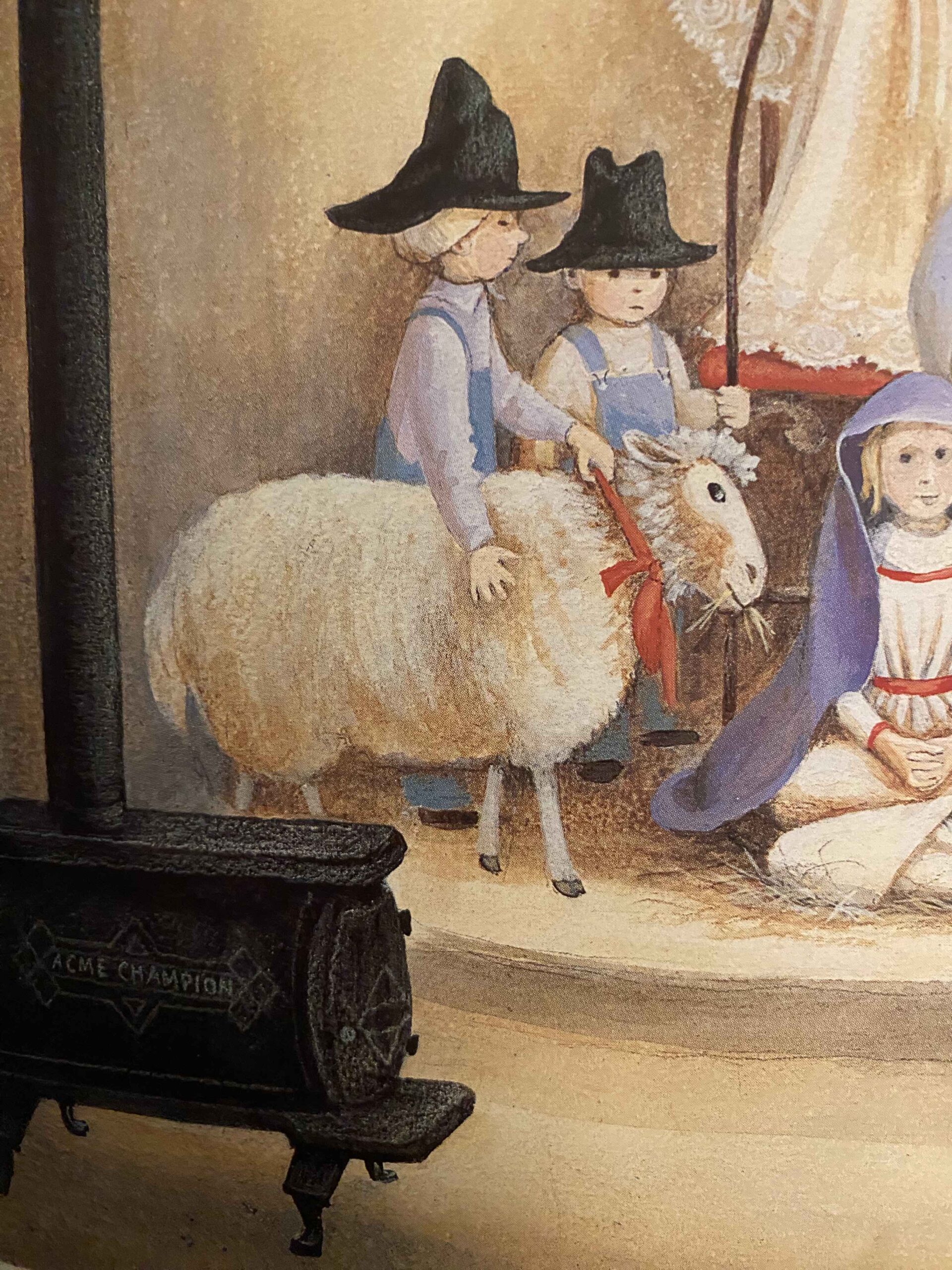
That is one chill sheep, y’all.

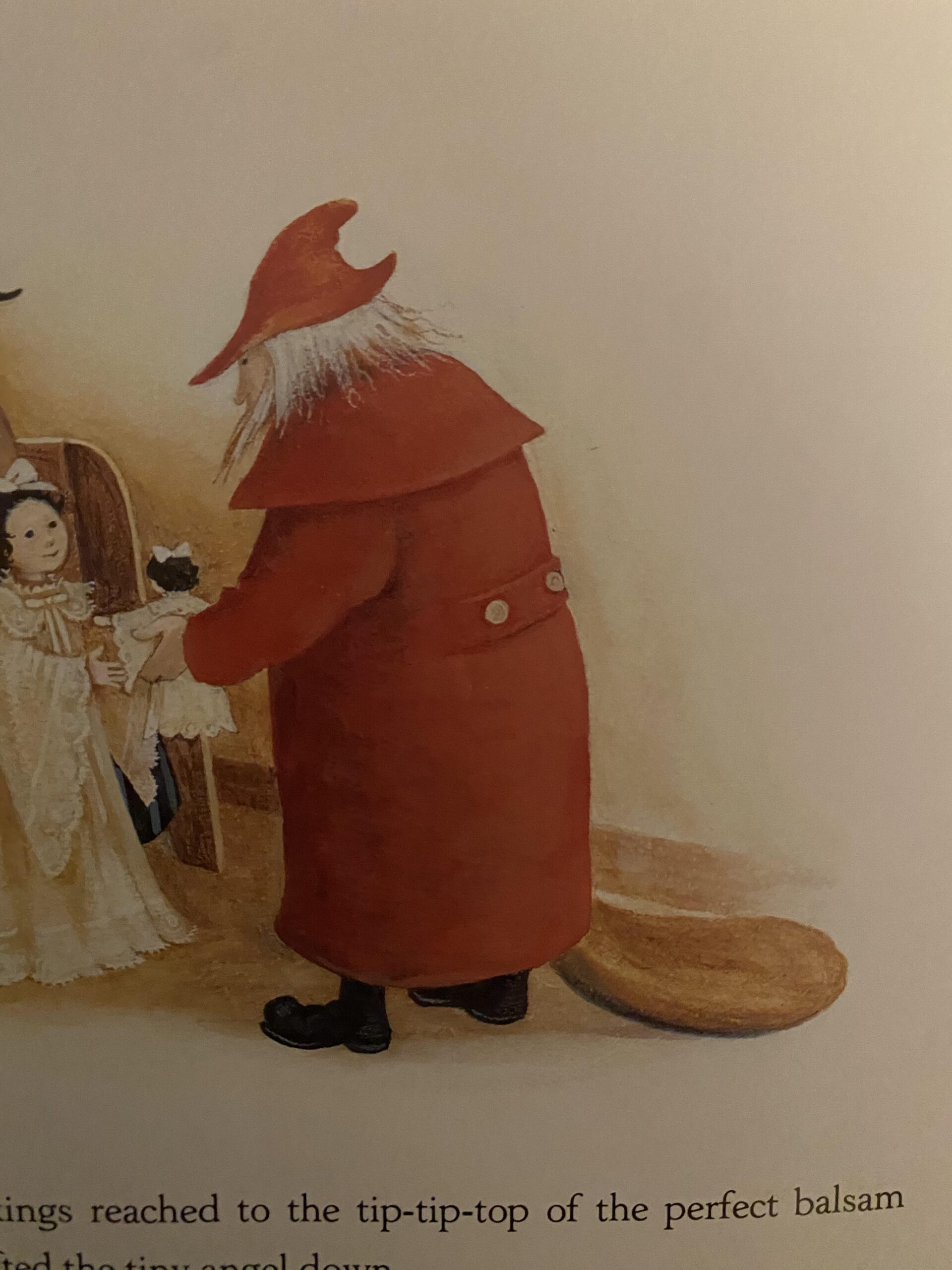
I’m not alone in thinking St. Nick looks like a beaver in this shot, right?

Kate Recommends: The Laneige Lip Sleeping Mask]

Betsy Recommends: The Manuel Cinema Christmas Carol

Filed Under: Fuse 8 n' Kate Tagged With: Barbara Cooney, Fuse 8 n' Kate, Gloria Houston, The Year of the Perfect Christmas Tree

31 Days, 31 Lists: 2023 Easy Books and Early Chapter books

December 18, 2023 by Betsy Bird

I can’t decide, so I’ll put it to you. Is the most difficult kind of book to write for children a picture book, a poetry book for kids, an easy book, or an early chapter book? I’m going to rule out picture book, since we see a fair number of really excellent titles on a regular basis. And I’m taking out poetry, because while writing a good book of it is hard, yes indeed, there’s something about not having a plot that kind of frees you. Now we’re down to easy books and early chapter books, two types of titles with particularly tricky elements apiece. A truly great easy book must use literally the simplest of words to convey a title so interesting that it makes a child want to know how to read. But an early chapter book has the additional obligation of transitioning children from those easy books into long chapter books. If it fails, it sets the kid back. As a result, I’m going to declare them a tie. BOTH easy books and early chapter books are the hardest types of titles to write for kids. That’s why it gives me so much pleasure to present you today with this incredible list of really and truly magnificent examples of the form. Read them. Learn from them. Then let your kids learn from them as well.

For the full PDF of this list, you can find it here.

Interested in previous years? Then check out the following. Just note that in the past I’d turn Easy Books into their own list and Early Chapter Books into their own list. Something I may consider doing again someday . . .

  • 2022
  • 2021
  • 2020
  • 2019 & 2019
  • 2018 & 2018
  • 2017 & 2017
  • 2016 & 2016

2023 Easy Books

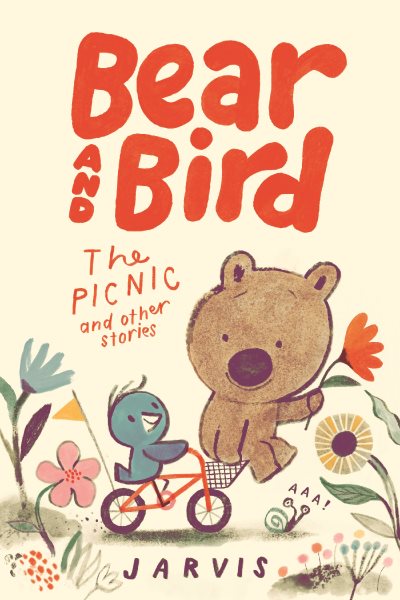
Bear and Bird: The Picnic and Other Stories by Jarvis

Four short stories about two good friends. Bird and Bear are best friends. Completely charming illustrations accompany these tales of misunderstandings, kindness, and laugh-out-loud situations. I think this might be one of my favorite books of the year. This is just a clear cut case of what happens when someone really knows how to write simple words for beginning readers. The tone, man, the tone! Jarvis has been illustrating books for years. I had no idea he was this good at writing them too!! Each story in this book is strong and there are whole sentences that slayed me. “Everything was resting on this leaf. This randomly plucked leaf. This slightly soggy leaf.” There is just such kindness emanating from these tales. I’m completely charmed by it. I will fight hard for it (but I don’t think I’ll have to as it sells itself). 

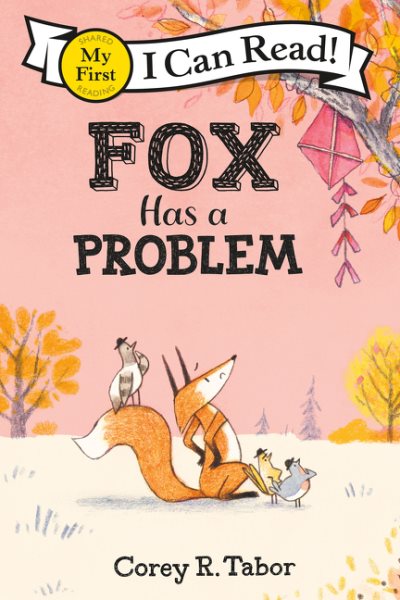
Fox Has a Problem by Corey R. Tabor

Doggone it, Corey. Stop being quite so good at what you do! You know, it seems just a little unfair to me that Mr. Tabor has managed to not only conquer the Easy Book genre with his inimitable Fox series, but picture books as well. You graphic novelists out there better start watching your backs. This man has talents. In this particular case we’re looking at a pretty darn simple easy book where our hero, the titular Fox, has gotten his kite caught in a tree. But the whole reason this book works as brilliantly as it does is that Tabor is a master of not simply the page turn but the funny page turn. So the first page may show Fox looking at his inaccessible kite as it says, “Fox has a problem.” Then you turn the page and see a small forest filled with kites caught in trees as the book says with incredible simplicity, “It is not a new problem”. Charlie Brown has NOTHING on Fox. The cure soon proves worse than the disease, and here I am with my jaw on the floor, in perfect awe of Tabor’s skills. Not since the Elephant and Piggie books have we had someone write easy books with this much raw talent. I say if you read only one easy book this year, read this one.  Previously Seen On: The Funny list.

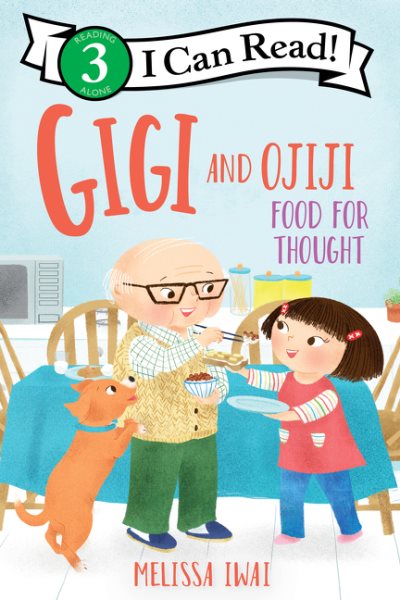
Gigi and Ojiji: Food for Thought by Melissa Iwai

On the one hand you can hear me nattering on about how I don’t like to put sequels on my lists as a general rule. Then you see me do two of them in a row on today’s list and… dagnabbit. But what was I supposed to do? Melissa Iwai already had knocked it out of the park last year when she created Gigi and Ojiji, so what was I supposed to do when I saw that there was another book in the series? I guess when I read it I could have convinced myself that it didn’t stand up to the original, but as it turns out Ms. Iwai is particularly good at tapping into the emotions of your average 1st or 2nd grader. This book talks about the classic family thing that happens when an older family member has to pretend to like the food a kid serves them, and then fails to cover their tracks. When Gigi makes peanut butter toast with bananas for her Ojiji, she is crestfallen when she finds that he didn’t take more than a bite. With her mom’s guidance they decide to make a Japanese breakfast for him the next day with pickles, salmon, miso soup, natto, and rice. This book contains a sentence that is perfect in its brevity about the natto: “It tasted like it smelled.” As a recovering picky eater, I consider any book about trying new foods, ESPECIALLY at breakfast, a story of bravery. Honesty too, I suppose. 

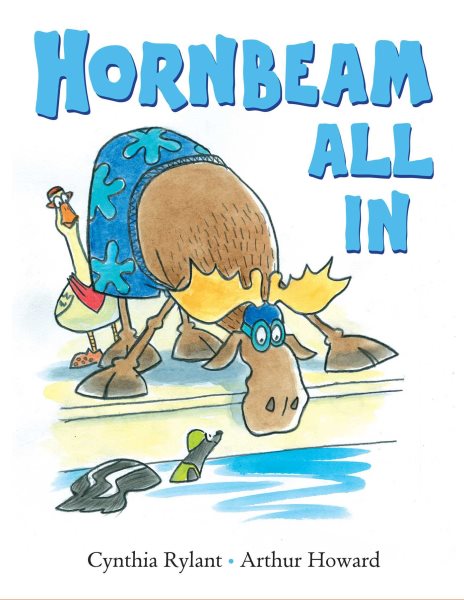
Hornbeam All In by Cynthia Rylant, ill. Arthur Howard

Years ago (and I may have told this story before) I was working in the Central Children’s Room of New York Public Library when a nice man introduced himself at the desk. He was none other than Arthur Howard, and when I learned of this fact I immediately ran over to the Reference section (we had an extensive one in those days) and pulled as many books he’d illustrated as possible for him to sign. He was so modest that he seemed to have some difficulty believing that this was something I would want, but I most certainly did. No one draws like Arthur Howard. My personal favorite of all his books was the Bubba and Bo series with Kathi Appelt. Of course, he’s been working with Cynthia Rylant for decades now but that doesn’t mean they’ve lost any of their panache together. They now appear to have started a new easy book series starring an easygoing moose and his friends. Rylant uses terms like “an ocean of geese” (to describe a goose-related family reunion) and “Hornbeam was all in” (when he chooses to swim). Howard, meanwhile, is having a lot of fun conjuring up various goose relatives and inventing terrible swim trunks for moose. Like the aforementioned Bird and Bear books by Jarvis, this book is often about good folks making a little space for other folks, even if it costs them something (sleep, potato salad, etc.). It’s a small-discomforts-for-the-greater-good book. Something, I think, the world may need a bit more of. 

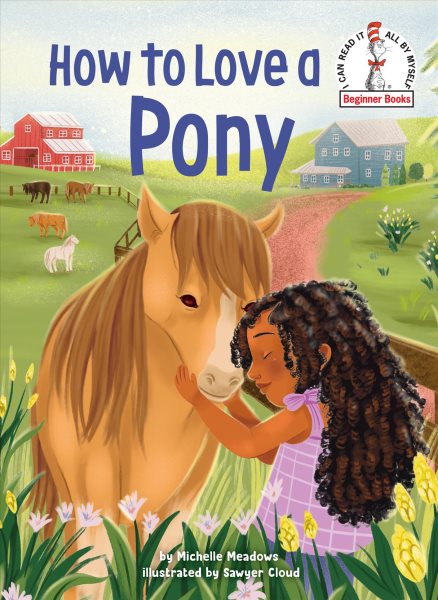
How to Love a Pony by Michelle Meadows, ill. Sawyer Cloud

I was never a pony girl myself. As a kid I remember very much enjoying an Apple paperback that I’d acquired at a Scholastic Book Fair about a girl and a bunch of magical horses (50 points to anyone who can name that book), but that was a far as I went. Even so, I realize that there are scads of kids out there that are pony crazy, and I can’t blame them for it. A giant pet that you can ride? Sells itself. This book centers Lily and her (according to the publisher) Welsh pony. It rhymes, and does so with aplomb. I never had a moment to shudder at the scansion. Best of all, it manages in a relatively few number of words to show that a lot of work goes into taking care of a pony. Everything from brushing it to determining if it’s been injured, and what to do if it is. Cloud, for her part, never anthropomorphizes the pony’s facial features, for which I was INFINITELY grateful. The whole book somehow manages to take place over the course of a year, and it’s lovely. I can recognize when someone takes a concept and makes it work as well as this book does on the page.

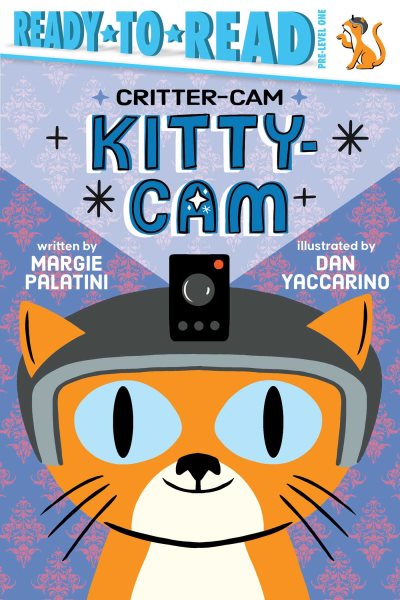
Kitty-Cam by Margie Palatini, ill. Dan Yaccarino

Camera firmly attached to its head, follow a curious kitty as it goes about its day, getting into all kinds of mischief. A fabulous story for the very earliest of new readers. Always bearing in mind just how difficult it is to write a cohesive story at SUCH a young level (this is listed as “Pre-Level One”, which I suppose means it is the most basic of beginner books) I was really very impressed by Palatini’s storytelling skills. I mean, I already instinctively love Dan Yaccarino’s art, so no worries there. But the idea of switching to a cat-eye-view as it attempts to get into various kinds of trouble? Brilliant. This is an extremely difficult kind of book to write with words just this simple. I just think Palatini and Yaccarino really knocked this out of the park.

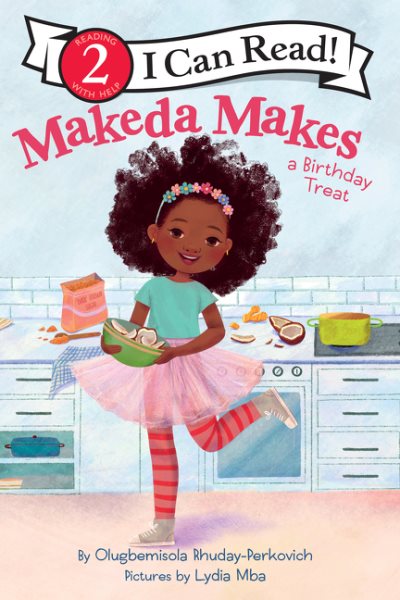
Makeda Makes a Birthday Treat by Olugbemisola Rhuday-Perkovich, ill. Lydia Mba

You know, you have to admire a book that acknowledges that sometimes kids are jerks to one another. And I’m all for easy books that put a drop of complexity into the mix. The central conflict of this book centers on the fact that for her birthday Makeda has decided to eschew the standard birthday cupcakes that all her other classmates do. She would much rather make coconut drops and refuses to listen to the warning that they may not go down well with the other kids. And sure as shooting, the minute they realize that these aren’t cupcakes, the kids turn on Makeda’s dessert. Now it all end up fine and dandy by the end (her friend Glory proclaims them to be delicious, so the other kids try them) but there’s some real worry of ostracizing for a moment there, and I liked that. Too often an easy book will select the path of least resistance and eschew the more interesting storytelling route. This one isn’t afraid of a bit of hurt feelings. Looking forward to more of these books in the future.

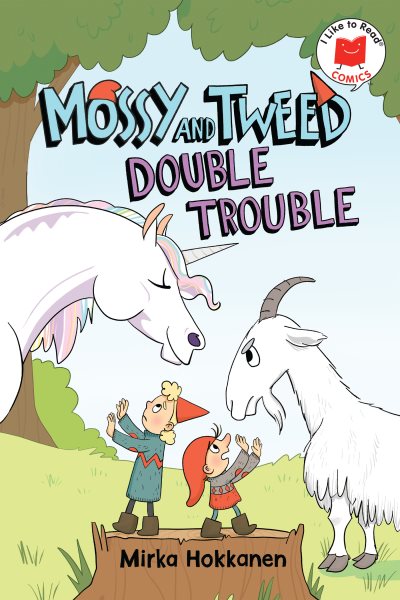
Mossy and Tweed: Double Trouble by Mirka Hokkanen

I like enormous world building when it’s done in tiny packages. So this book is part of the Holiday House “I Like to Read Comics” series, and as such some of the text is definitely on the more advanced side of things. I wouldn’t necessarily hand this to a beginning reader, then, but for someone who’s a little more comfortable with their reading, this makes for a nice transitional reader into slightly older comics. The story, as it stands, involves a bunch of gnomes who’ve set up a nice little life in the Gnome Woods and who have a resident “unicorn” who is, as any reader will be able to tell, a one-horned goat. So when a REAL unicorn comes to town, tensions are at an all time high. This book has a lot of the energy of Bob Shea’s classic picture book Unicorn Thinks He’s Pretty Great (which remains one of my favorite picture books of all time, by the way). The difference, aside from tone, is the fact that Hokkanen packs in a HUGE amount of story with few words and few pages. I was quite besotted of this little early reader. Consider it for kids who love unicorns, as well as kids who hate ‘em (or are merely unicorn agnostic). 

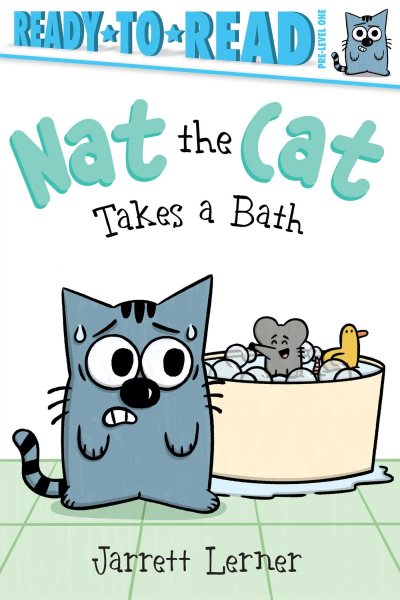
Nat the Cat Takes a Bath by Jarrett Lerner

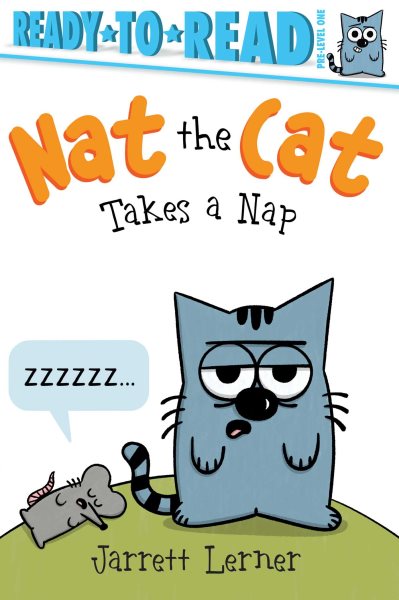
Nat the Cat Takes a Nap by Jarrett Lerner

Oo! A new easy book character to read relentlessly for years! And read I shall! Here we have Nat, a semi-rectangular feline with triangle ears. In Takes a Bath, with the requisite number of flies buzzing about his ears, Nat is slated to take a bath… and he don’t wanna. So how do you get a whole book out of that? As it turns out, the delay tactics of children with limited vocabularies transfer perfectly over to cats who feel the same way. Meanwhile, in Takes a Nap, Nat is trying to sleep but the book’s narrator is keeping him from his forty winks with funny results.  I thought the text in both books nicely appropriate for kids first wrapping their heads around slightly longer words like “because” and “bubbles” and “scared”. Now with Nat and the Rat named Pat’s dialogue balloons, coupled with the simpler narration, it would be possible to have a child reading aloud the narrator’s part, alongside a better reader doing Nat’s. Particularly since Nat gets all the good emotional moments (I was particularly fond of him going “And… and… and…”)

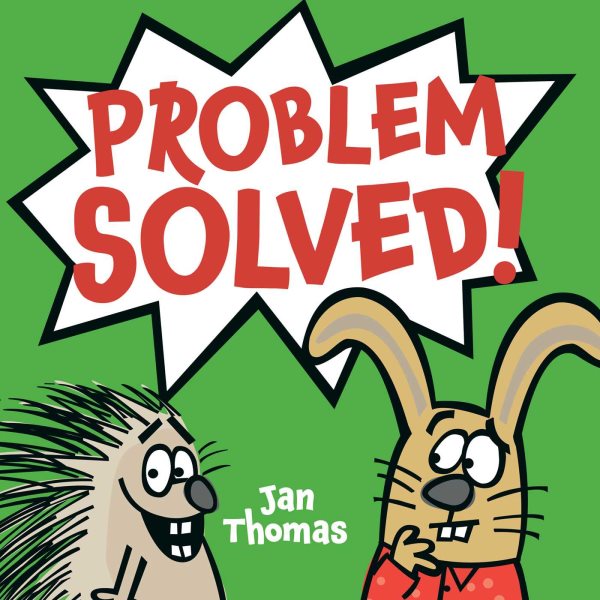
Problem Solved by Jan Thomas

I would walk across red hot coals to get my hands on the next Jan Thomas book, you betcha. She’s one of those author/illustrators that somehow had a pitch perfect instinct from day one for writing picture books with simple texts. But what always appeals to me in addition to her writing is her ability to tap into the occasional bout of crazed chaos. You can see it in the whites of the eyes of the problem-solving porcupine on the cover of this book. That’s Pete. When a rabbit with a messy room makes the mistake of saying, “This is a problem”, Pete’s on the scene to help. Sorry, I wrote that wrong. Pete’s on the scene to “help”. Because, you see, Pete’s help comes in the form of doing terribly ridiculous things. He’ll neatly fold the rabbit’s shirts… then attempt to feed them to his goldfish. “PROBLEM SOLVED!” Or he’ll stack up all the blocks… and then attempt to flush them down the toilet. The toilet actually gets a repeat performance in this book (to great comic effect) until Rabbit comes up with a clean room (through constant work following Pete) and a way for Pete to “help” someone else. Thoroughly wacky, but also perfect for new readers. Thomas knocks it out of the park again. Previously Seen On: The Funny List

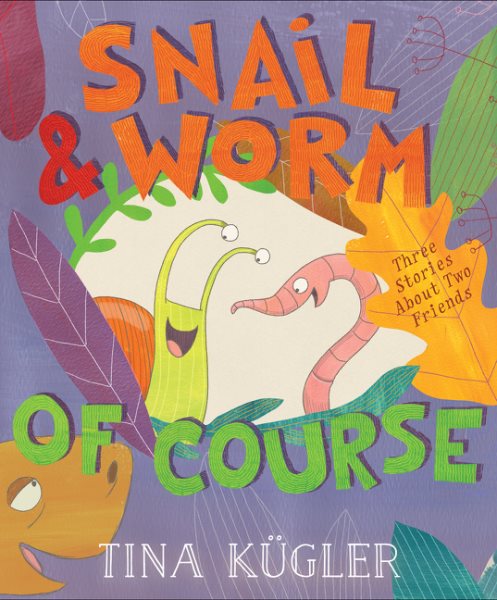
Snail & Worm, Of Course by Tina Kügler

I’m just a sucker for a this, my favorite easy book invertebrate series. Kügler has this way of breaking down the fourth wall ever-so-slightly that I just adore. I will confess that if you’ve seen one Snail & Worm then this is more of the same but WHAT a wonderful sameness it is! The three stories in this particular collection (which I’d say is on about a Frog & Toad-like level) are “The Cloud Flower” where Snail must deal with the impermanence of nature, “The Big Present”, where Snail attempts to give Worm the gift of an entire tree, and finally “Too Small” where Snail has a sudden existential crisis based entirely on size. A high-quality easy book series that keeps putting out great content is worth its weight in gold, if you can find it. Find this one. 

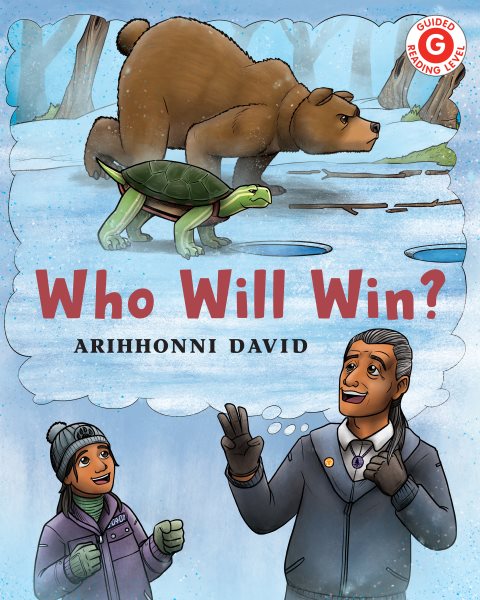
Who Will Win? by Arihhonni David

When Bear and Turtle are set to race, will brains win over brawn? A delightful retelling of a traditional Haudenosaunee tale, told in easy to read language for beginning readers. Oh, this works quite well! A traditional Haudenosaunee tale is adapted into Holiday House’s “I Like to Read” series, so honestly this would fit in just as well in the Easy Books category as this Folktale one. I’d heard the tale before but I still found myself surprised by the twist. The art is cartoonish but I really enjoyed it and thought that it served the story well. Previously Seen On: The Fairy Tale, Folk Tale, Religious Tales list

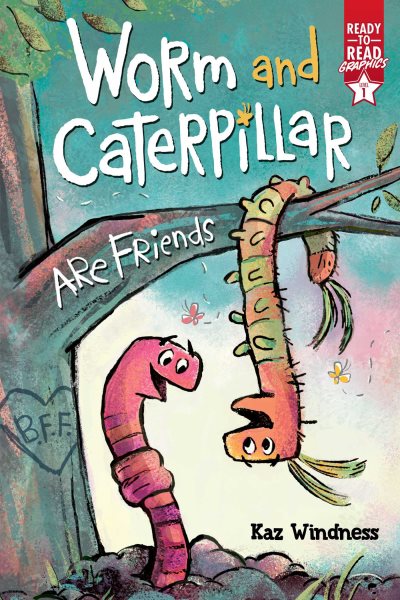
Worm and Caterpillar Are Friends by Kaz Windness

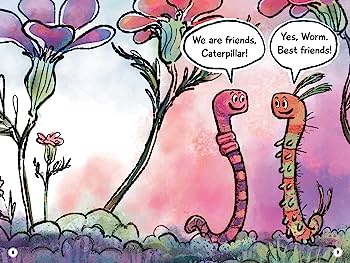
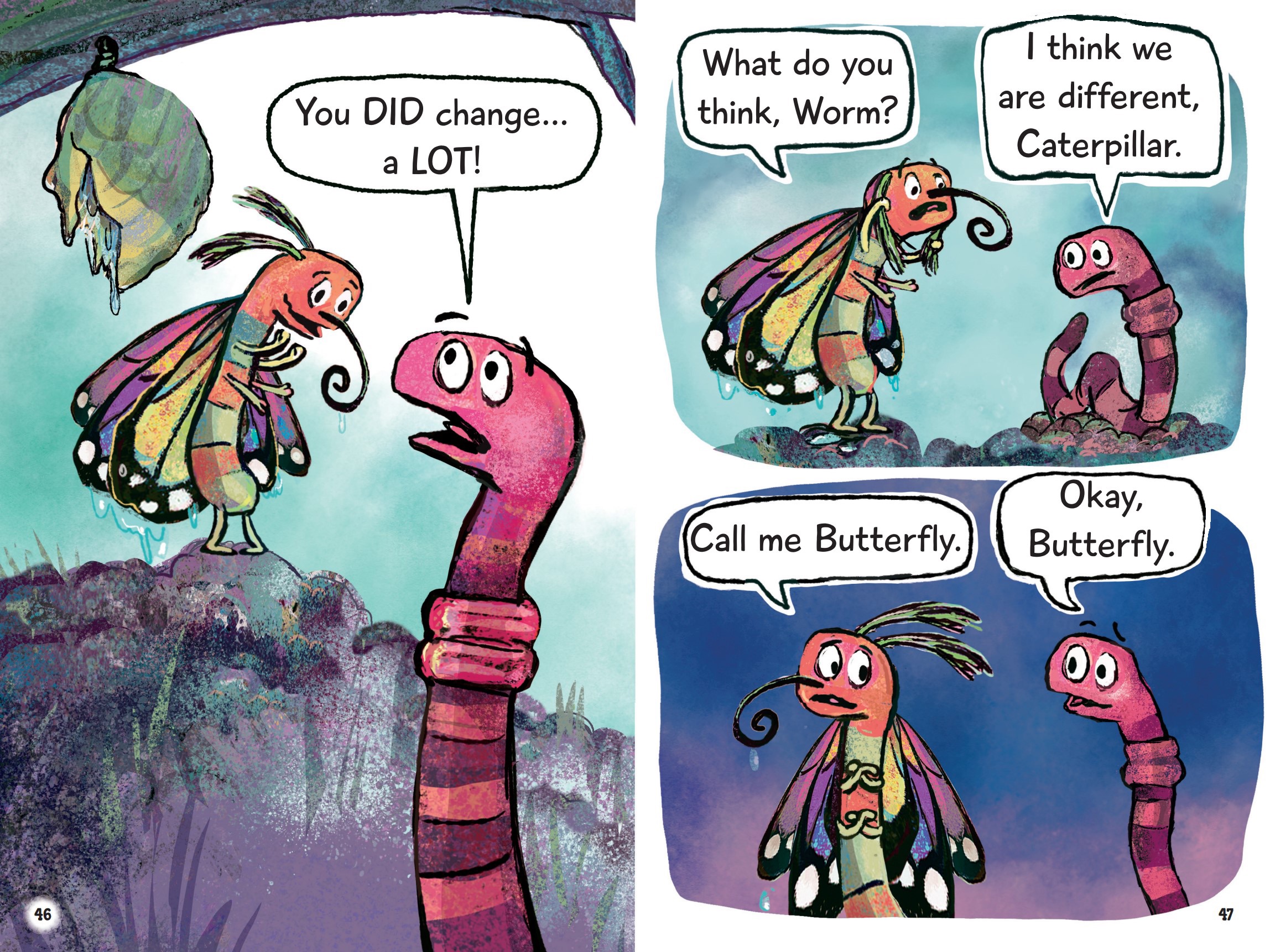
Worm thinks best friends should be exactly alike. Caterpillar knows that differences can also be good. So what happens when Caterpillar goes through a HUGE change? A touching and hilarious tale with lovely art. Y’know, sometimes you gotta read through a lot of easy reading schlock before you find something this good. This is a charming start to what I hope is a series to come. The obliviousness of Worm and the pained knowledge of Caterpillar really come through in this title. The colors are downright sumptuous and I love the deadpan humor throughout. I just keep coming back to the art, though. I’ve never seen Windness’s art before this year and it’s just fantastic! Hope to see more from her in the future. In the meantime, she has a popular Tiktok series that you can follow.

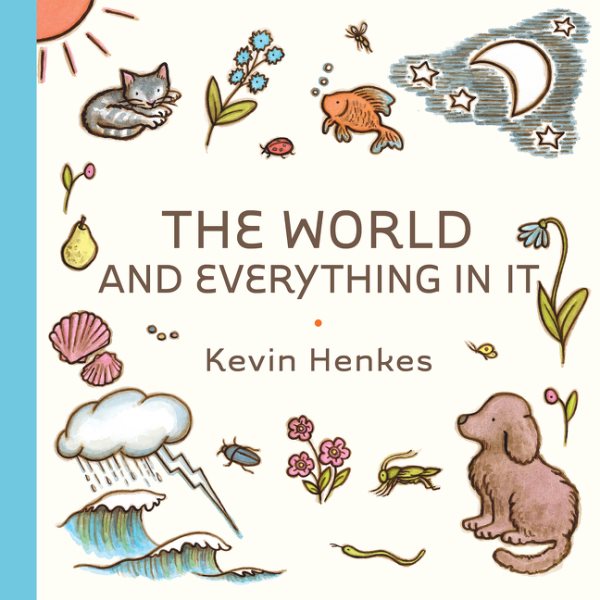
The World and Everything In It by Kevin Henkes

Some future researcher is just going to have a ball with the oeuvre of Kevin Henkes. Particularly if you look at how his work has changed over the decades. If we were to give each of his eras a different name, I’d suggest calling his currently era the Era of Simplicity. This is when he’s paring everything down to its most essential form. Simple words. Clear cut art with clear cut strokes of the brush. Beautiful, most certainly. And the Kevin Henkes lovers out there (which are multitude) love everything that he does. I wouldn’t label him as a risky creator, but there’s something so comforting in his reliability. With that in mind, I’m placing his latest in this Easy Book category. No reason not to. The words here are simple and clear. He indulges in sentences like, “The big things are big,” and “Everything is in the world” which he repeats twice at the end like a mantra. We read a lot of books about how to engage in mindfulness with kids. Skip those. Just give them this book. It’s practically mindfulness incarnate on the page. 


2023 Early Chapter Books

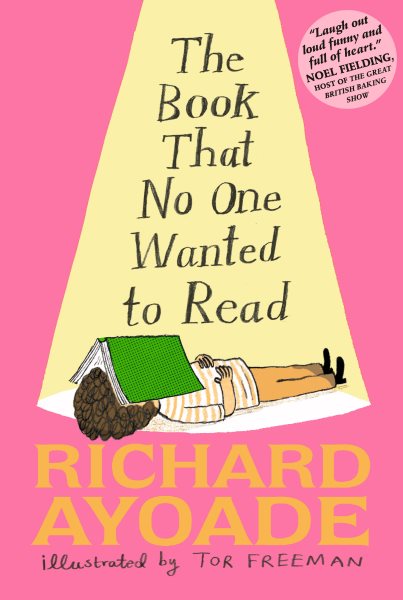
The Book That No One Wanted to Read by Richard Ayoade, ill. Tor Freeman

Fun Fact: I had a devil of a time getting any of my librarians to read this book. I suspect that its title, charming though it may be, was a bit to blame. That’s why you have to sell it on its merits rather than its premise. Those merits? Humor for one. The pairing of Freeman to Ayoade was a smart move on someone’s part. Though the writing is droll, Freeman has a real ability to heighten the gags. One in particular that I very much enjoyed happens early in the book when we get a full page diagram of “How to Spot a Tiger Is In Your House.” The tiger, in question, is maxing and relaxing in the tub, this self-satisfied expression on its face. That was the moment I decided to continue on with the book. All told, it’s a hoot and well worth the ride. A good selection for that smarty pants kid who reads above their level and likes to feel a bit smarter than their peers. In a good way, obviously. 

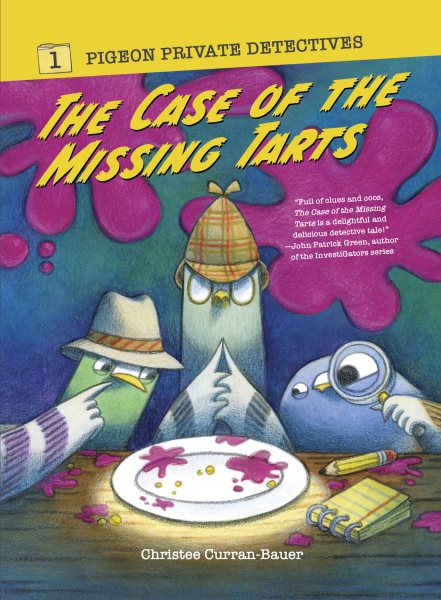
The Case of the Missing Tarts by Christee Curran-Bauer

Gadzooks! Someone has stolen a delectable platter of jam tarts! Who would do such a thing? Fortunately, the Pigeon Private Detectives are on the case. Can you solve the mystery too? I am a sucker for a mystery. As a kid, I was the one just scouring the bookshelves for any title that even hinted at mysterious goings on. As a result, I’ve grown up to become a super stickler when it comes to mystery titles playing fair with kids. I am happy to report that this title most certainly plays fair, and has a bit of fun along the way. It walks that difficult line between easy book and early chapter titles, filling the pages with copious illustrations. It’s sort of a graphic novel/early chapter book hybrid of sorts. I count it as a success, though, because I guessed who the true culprit was early on and turned out to be right. And if I can get it, then it definitely plays fair.

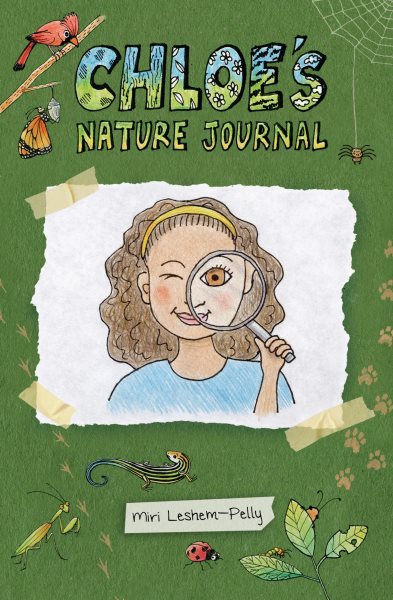
Chloe’s Nature Journal by Miri Leshem-Pelly

Think that there aren’t any animals in your backyard? Think again! Join Chloe as she uses patience and observation to locate and draw the myriad wonders working hard where no one else is looking. Okay, folks. You want a hand-on early chapter book about a girl getting up close and personal with nature itself? This is burgeoning scientist matter at its best. In fact, it almost feels calculated to get kids to follow in Chloe’s footsteps, recording their own observations in the mini wild. I like the design that feels a mix of notebook novels and fun science. It’s not what I would call a plot forward book, but that’s not really its point. Extra points for “The Seven Principles of ‘Leave No Trace’” found in the back of the book. I’d encourage parents to purchase this and give it as a gift alongside an empty journal.

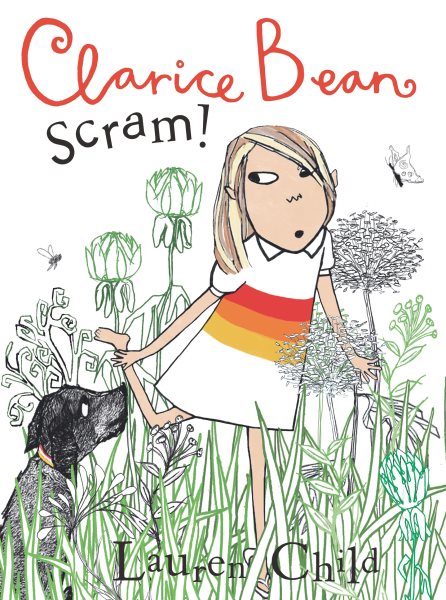
Clarice Bean, Scram! by Lauren Child

It isn’t that this is the first Clarice Bean book in the series, but I had to give it some extra points. As I’ve probably mentioned multiple times on my site, 2023 is the year of the dead dogs. I’m not even kidding you about that. Dogs are dying left and right in our children’s books this year and I simply don’t know how to account for it. So it’s almost a knee-jerk reaction to enjoy to a great extent a book in which a dog is so well tended as this one. Lauren Child long since established the way in which the Clarice Bean series is written, and this is very much in the same vein, but what a nice vein it is. If you or your nearby child has never read any of these books, I’d say that this one is a pretty good place to start. Clarice rides that fine line between wholly sympathetic and bratty so that she never quite tips over all the way onto one side or another. A good dog book about a good dog. 

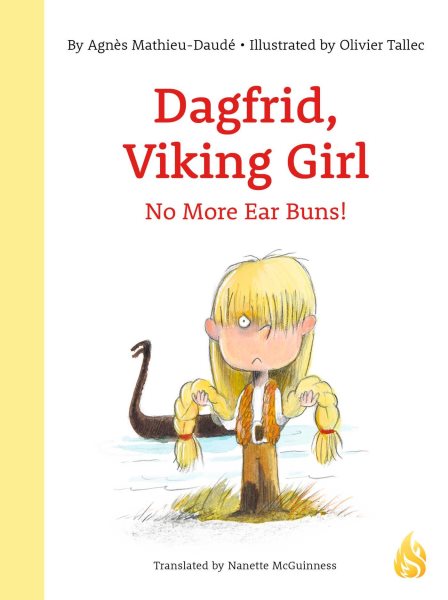
Dagfrid, Viking Girl: No More Ear Buns! by Agnès Mathieu-Daudé, ill. Olivier Tallec, translated by Nanette McGuinness

Fish. All Dagfrid ever gets to eat is fish. Well, she is sick of it! Off she sets in a boat her brother gave her to find glory and maybe, possibly, something different to eat in this fun early chapter book series starter. Fun! So this is a new series about a Viking girl who kicks against some of the trappings of her reality. In particular, her limited menu options. It’s funny, the title makes it sound like this book is going to be all about Dagfrid’s hair, but the actual story is far more about her quest to eat something other than fish. I rather liked how her family was presented and her relationship with her older brother. I should note that this is a book in which all the characters not only present as white but present as blond and white. That sort of becomes the point when Dagfrid meets another troop of blond white girls and the obvious joke is the teeny tiny differences between the two of them. Worth a read.

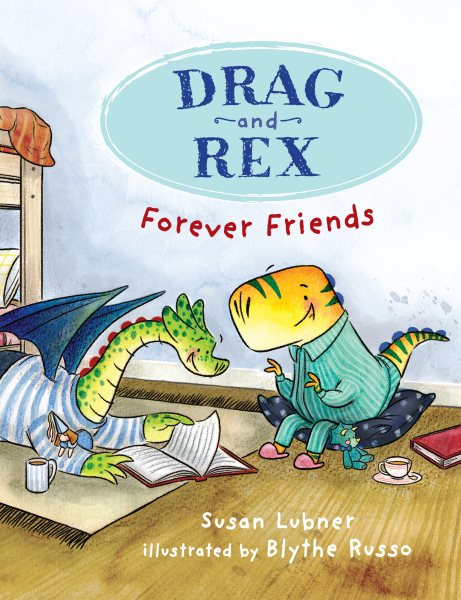
Drag and Rex: Forever Friends by Susan Lubner, ill. Blythe Russo

This one slips oh so slightly onto the early chapter book rather than easy book list, but just barely. I’m also going to give it some extra points for figuring out early on that when looking for new duos to pair as friends in a book series, a dino and a dragon is super fun. I mean, just look at that cover. Do you notice how Drag has a stuffed princess doll while Rex has a stuffed triceratops? Lubner goes for the odd couple groove in this book, with Rex being the careful, practical one and Drag being the impulsive wild child. Their adventures are split neatly into three little stories, and each little story has its own chapters. So for a kid that doesn’t think that they’re quite ready for chapter books yet, this title makes for excellent transition material. The stories are good, but full credit must be handed to Blythe Russo who is able to bring such charm to the watercolor art. Let me put it this way: Haven’t you always wanted to see a T.rex wearing a sweater with patches on the elbows? Well, now you can.

Henry, Like Always by Jenn Bailey, ill. Mika Song

In Classroom Ten, Henry relies on routines. Then, one day, his teacher announces that there will be a parade when there’s usually Share Time. A smart and reassuring book about a kid on the autism spectrum working around the unexpected. Writing a book about a kid on the spectrum is done often but rarely so well. The key here is to make Henry’s frustrations understandable. Even if you don’t agree with him, you have to see his point of view or it all falls apart. Jenn Bailey is just knocking this out of the park with the problem, the build, and a resolution that makes everyone happy (which, in cases like this, can be exceedingly difficult). I suspect that the fellow character of Samuel may have some impulse issues of his own, and now I’m hoping he gets his own spin-off series someday. Extra points for the use of humor. That Thinking Chair makes for a subtle but very effective page turn more than once and it never gets old. This is masterful.

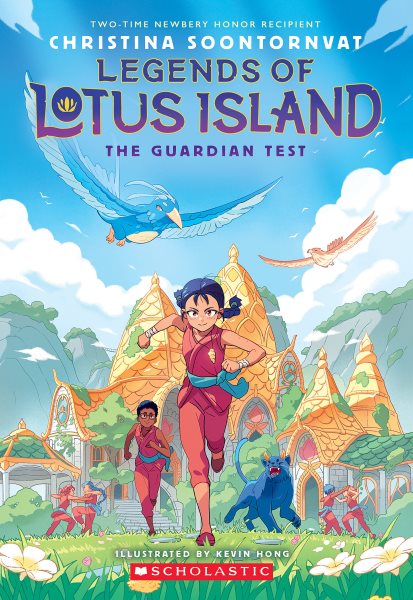
Legends of Lotus Island: The Guardian Test by Christina Soontornvat

It’s interesting to include the aforementioned Henry and this latest from Christina Soontornvat on the same list. But when it comes to transitional books, Henry’s one of those early titles that’s for kids just getting into early chapter books, while Lotus Island is for kids just about ready to graduate into full-blown middle grade fiction reading. In this story, Plum is perfectly content to work in her grandparents’ garden, but that’s before she is called to join the elite Guardian Academy on Lotus Island. Will she be able to transform into an animal like everyone else or be forced to return home? It’s hard not to respect an early chapter book fantasy series based on the four basic principles of Buddhism, but if anyone can pull that off then it’s Christina Soontornvat! I had the pleasure of seeing her speak at the Andersen’s Breakfast this year and she discussed the creation of this particular book. As she tells it, during lockdown her kids got really into fantasy, but it can be hard to find short fantasy stories that operate on an epic, sweeping scale. This book is a just a touch longer than you’d consider a typical early chapter book to be, but I think it deserves this category since it can serve a bridge between some of the younger stuff and the 500+ page tomes of high fantasy out there. Great character development accomplished in a scant amount of time. Plus I got really wrapped up in the storyline. Two thumbs up!

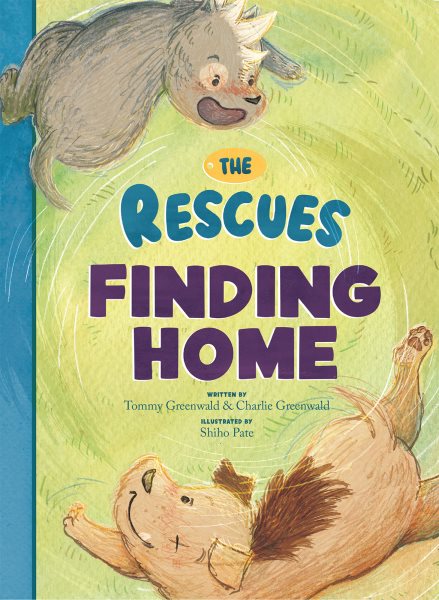
The Rescues Finding Home by Tommy Greenwald and Charlie Greenwald, ill. Shiho Pate

Small stories tell the tale of two shelter dogs who get adopted together and the tiny adventures they have before and after. Oo. This is rather charming. So it’s on the upper end of easy and the lower end of chapter books. I’ve enjoyed Tommy Greenwald’s books over the years but this is his first foray into this particular reading level, and I find it particularly interesting that he’s writing it with his son (click on the title of this entry to read my interview with the two of them together). I thought it managed to be cute without being cloying, which is no mean feat, particularly when you’re talking about puppies. This would be ideal for those programs where kids read to dogs, actually. A darn good addition to any list.

Salma Makes a Home by Danny Ramadan, ill. Anna Bron

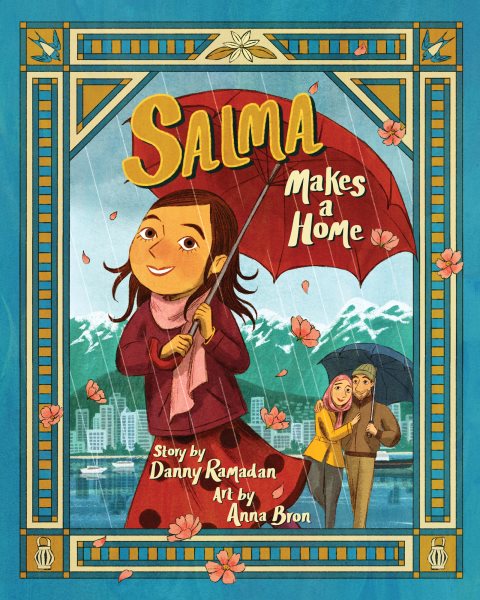
I really love books filled to the brim with kid logic. I also like early chapter books that look like they’re going to be all sweetness and light, but offer a kind of interesting complexity instead. In this story, Syrian immigrant Salma and her mother have successfully made a life for themselves in Toronto while they wait for Salma’s father (or Baba) to make his way over as well. It’s been a year, eleven months, and six days since Salma saw Baba in Damascus so by this point she has thoroughly settled in. Finally she gets word that Baba’s coming, but what should be a purely joyful moment gets all wrapped up in Salma’s anxiety. What if Baba doesn’t like life in Toronto? Her fears seem to be well founded when her dad finds himself struggling with culture shock. It’s cold, he doesn’t speak the language, he doesn’t have his parents there, and now Salma is terrified that he’s going to leave them all and go back to Syria again. Without deep diving into world affairs or politics, Ramadan deftly gives you some completely understandable fears from a kid perspective while acknowledging a lot of what poor Baba is going through with this move. I’d say that while the ending isn’t all happy sunshine and flowers, it is hopeful and deeply satisfying. Art by Anna Bron works particularly well alongside the first in this series. 

The Story of Gumluck the Wizard by Adam Rex

Gumluck is just a little wizard who lives in a big hill, but he aspires to be more. Fortunately he has his new friends, a tiny ghost named Butterscotch and a crotchety raven named Helvetica, to help him on his way. Aww. Whatta sweetie! I never pegged Adam Rex as someone who could necessarily do sweet (or, for that matter, want to) but I can tell you right now that I was charmed by this story. Like Helvetica the raven, it’s impossible not to like Gumluck after a while. He’s a people pleaser, and that’s a kind of character we don’t see all that often in our children’s books. There are plenty of jokes for kids to get, plenty of jokes for adults to get (I literally laughed embarrassingly loudly in the staff room at a fig-related joke), and even a pint or two of wisdom in there. What more could you possibly want in a book? 

Too Small Tola Gets Tough by Atinuke, ill. Onyinye Iwu

When the pandemic hits Lagos, Nigeria, Tola finds herself working as a housegirl for the super rich, to help her family. And when her love of numbers comes in handy, she proves that even if you’re small you can still save the day.I couldn’t resist. I try to avoid sequels as a rule on my lists but every Too Small Tola title in the series stands entirely on its own and this one is SUCH a good one! In it, the pandemic hits Lagos and hits it hard. I can’t think of a single children’s book that’s ever explored what kids had to deal with during lockdown in other countries. Plus you know my fondness for math titles and this book is positively brimming with it! I didn’t find it particularly farfetched to believe that Tola could be the one to save the day here. And as with all of Atinuke’s books, there is a lot here that adults will understand that’s above and beyond what kids will. An absolute winner (and funny to boot). Previously Seen On: The Math list

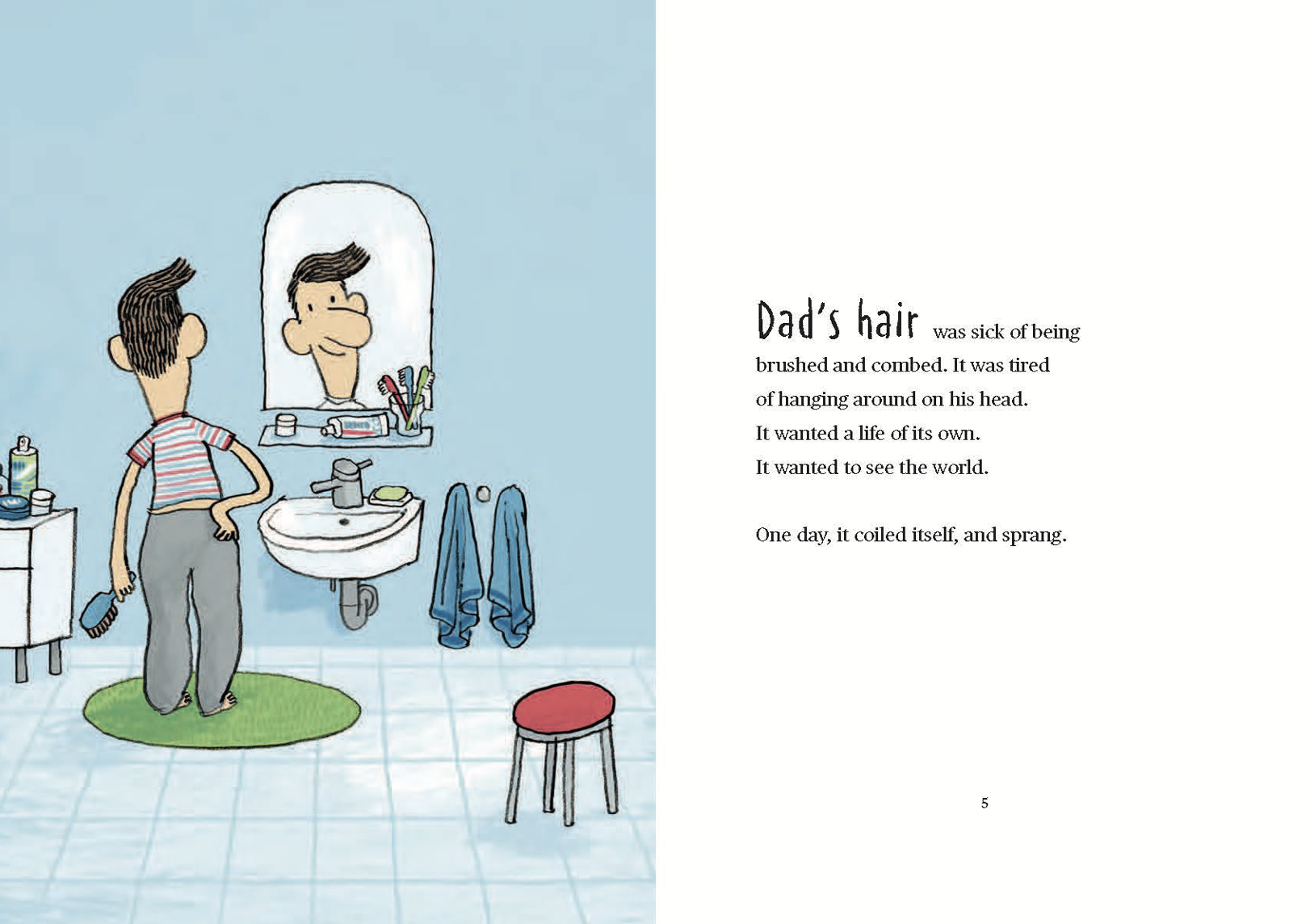
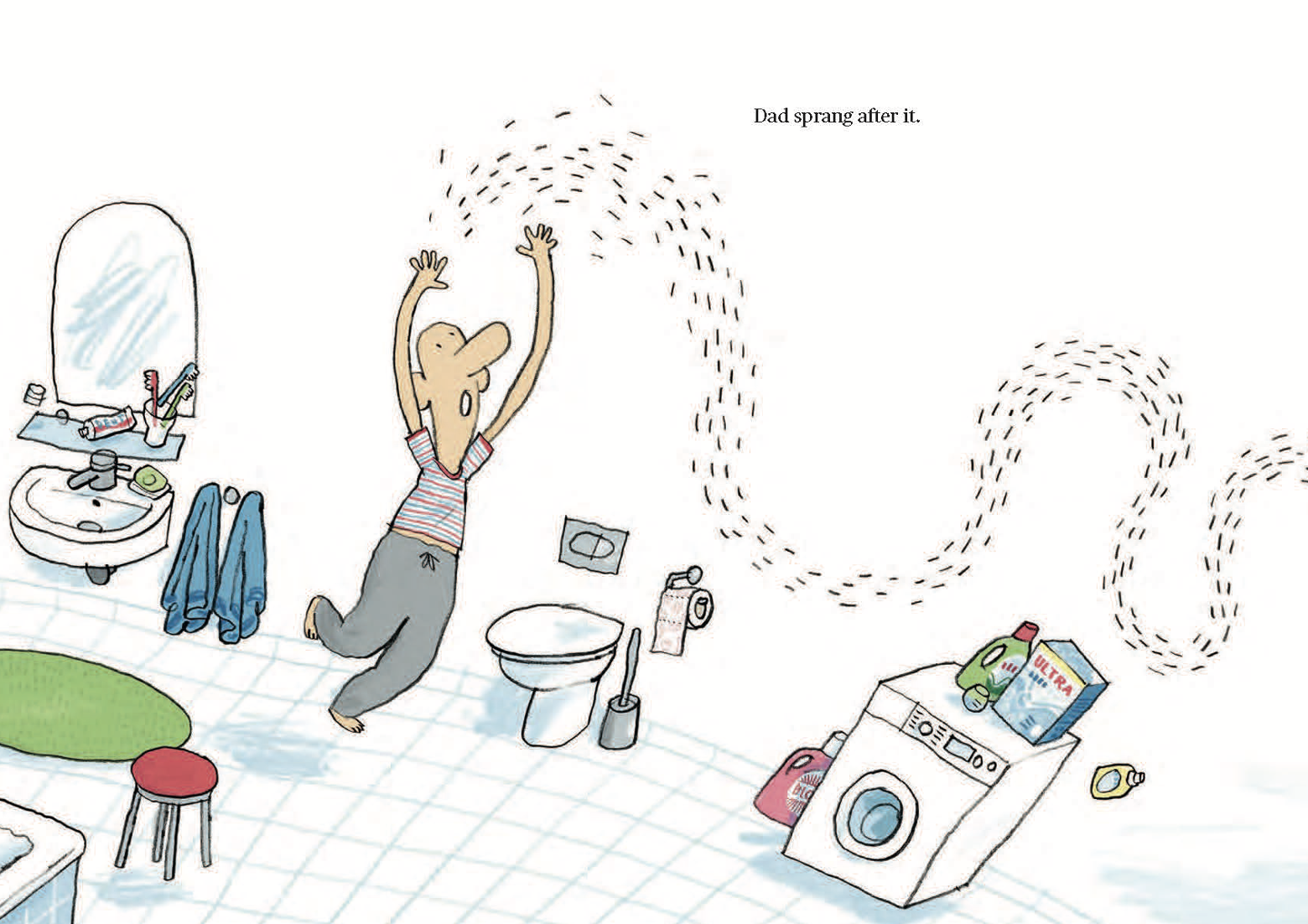
When Dad’s Hair Took Off by Jörg Mühle, translated by Melody Shaw

“Dad’s hair was sick of being brushed and combed.” Watch what happens when one man’s follicles take off to see the world … without him! Okay, I don’t want to hear any more jibes about how the Germans don’t have a sense of humor. When it comes to their children’s literature, they are veritable humor experts. And you pretty much will know everything there is to know about the plot of this book from its title. Admittedly, I think that this is secretly a very funny book for those dads suffering from male pattern baldness (particularly when you look at the lengths to which Dad here will travel to get his hair back). It’s a book of a funny length, but great for bedtimes or for young readers who want to feel like they’re reading a “real” book, in terms of its size. Oh, and 100 points to translator Melody Shaw who is working her butt off with this wordplay. I think this may have been a much harder assignment than she originally signed up for. It also happens to be a perfect companion to this year’s picture book Mr. Fiorello’s Head by Cecilia Ruiz (seen on this year’s Unconventional list).


Hope you enjoyed these! Here are the lists you can expect for the rest of this month:

December 1 – Great Board Books

December 2 – Picture Book Readaloud

December 3 – Simple Picture Book Texts

December 4 – Transcendent Holiday Picture Books

December 5 – Rhyming Picture Books

December 6 – Funny Picture Books

December 7 – CaldeNotts

December 8 – Picture Book Reprints

December 9 – Math Books for Kids

December 10 – Gross Books

December 11 – Books with a Message

December 12 – Fabulous Photography

December 13 – Translated Picture Books

December 14 – Fairy Tales / Folktales / Religious Tales

December 15 – Wordless Picture Books

December 16 – Poetry Books

December 17 – Unconventional Children’s Books

December 18 – Easy Books & Early Chapter Books

December 19 – Older Funny Books

December 20 – Science Fiction Books

December 21 – Fantasy Books

December 22 – Comics & Graphic Novels

December 23 – Informational Fiction

December 24 – American History

December 25 – Science & Nature Books

December 26 – Unique Biographies

December 27 – Nonfiction Picture Books

December 28 – Nonfiction Books for Older Readers

December 29 – Audiobooks for Kids

December 30 – Middle Grade Novels

December 31 – Picture Books

Filed Under: 31 Days 31 Lists, Best Books, Best Books of 2023 Tagged With: 2023 early chapter books, 2023 easy books, 31 days 31 lists, Best Books of 2023, early chapter books, easy books

31 Days, 31 Lists: 2023 Unconventional Children’s Books

December 17, 2023 by Betsy Bird

What do we mean when we call a book for kids “unconventional”? Well, to put this in a bit of context, in the old days I used to call this the “Oddest Children’s Books” list, until I figured that that moniker was a tad too judgey. Put simply, these are books that will NOT be shelved at a Barnes & Noble. They do not follow the trends. The fact that they were published at all should be something we give thanks to the great publishing gods for (which is to say, and for the most part, the small publishers). They push envelopes. Try new things. Sometimes they succeed, sometimes they fail, but they are never boring.

The name of this list comes, I must note, from Travis Jonker, who produces his own annual marvelous list of Astonishingly Unconventional Children’s Books (which you must now read, particularly if you’re a completist in the unpredictable).

You can find a full PDF of today’s choices here.

Curious about other unconventional titles? Then check out these previous lists:

  • 2022
  • 2021
  • 2020
  • 2019
  • 2018
  • 2017
  • 2016

2023 Unconventional Children’s Books

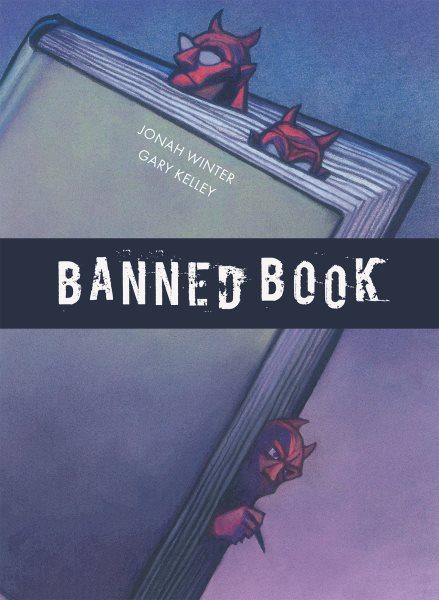
Banned Book by Jonah Winter, ill. Gary Kelley

The uptick in picture books about books being banned this year has been notable. Not that there have been all THAT many, but I’ve noted more than a few. There was The Great Banned Books Bake Sale by Aya Khalil, illustrated by Anait Semirdzhyan and This Book Is Banned by Raj Haldar, illustrated by Julia Patton. Those were interesting but pretty straightforward picture books overall. This latest from Winter & Kelley is a bit different. I found it particularly interesting since this is definitely the first time Winter has ever worked with the publisher known as The Creative Company. Kelley, for his part, is a very specific kind of illustrator, and here he’s pulling out his full inner-European for the art. The whole trick to this book is that as you read it more and more of its words are blacked out. Eventually so many blacked out blocks of text fill the page that you begin to realize that if you read the words that have not been blacked, you start to find an entirely new story there. But what about the art? Everyone loves a cool concept, but how the heck do you illustrate it? Never fear. Kelley’s art opts for an interesting combination of realistic and surreal. I liken them to WPA paintings of the Depression Era, except with a bit of a dada twist. You get a hint of that from the cover certainly. It’s making a gigantic point rather than a coherent story, but considering the truly peculiar way in which it’s doling out its material, you kind of respect it. Definitely a title for older child readers, that’s for sure. Definitely unconventional. 

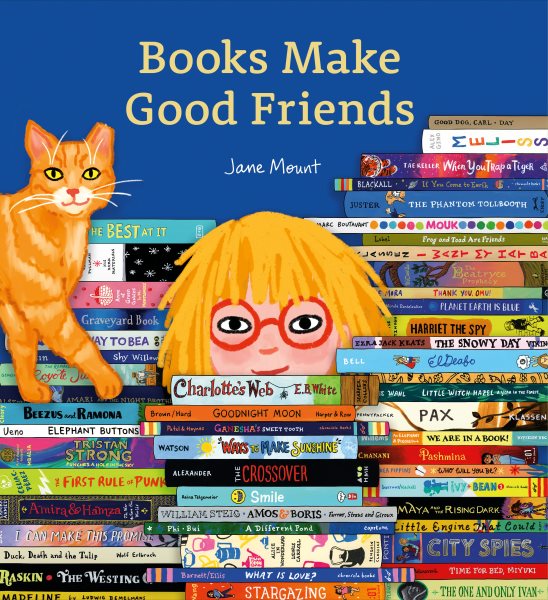
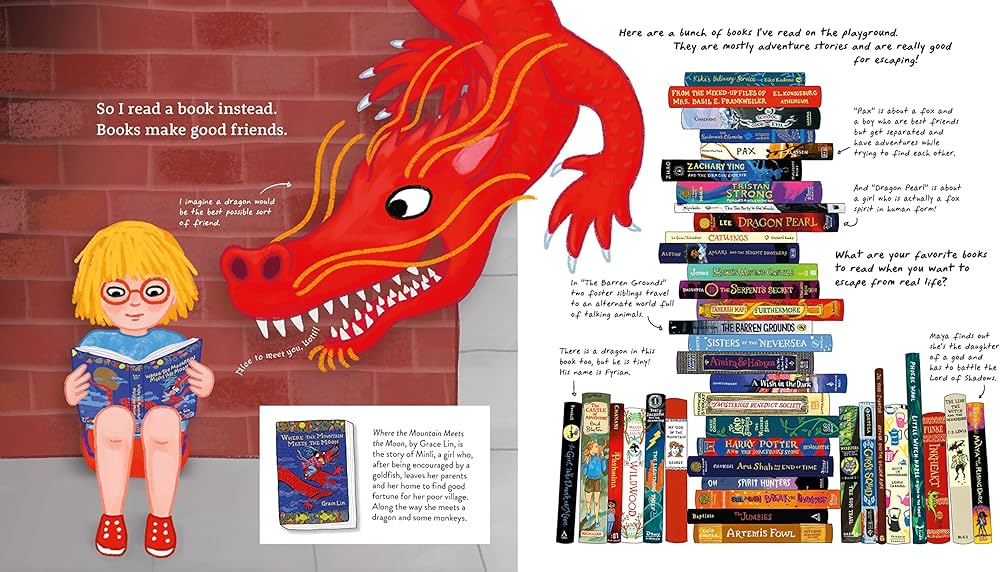
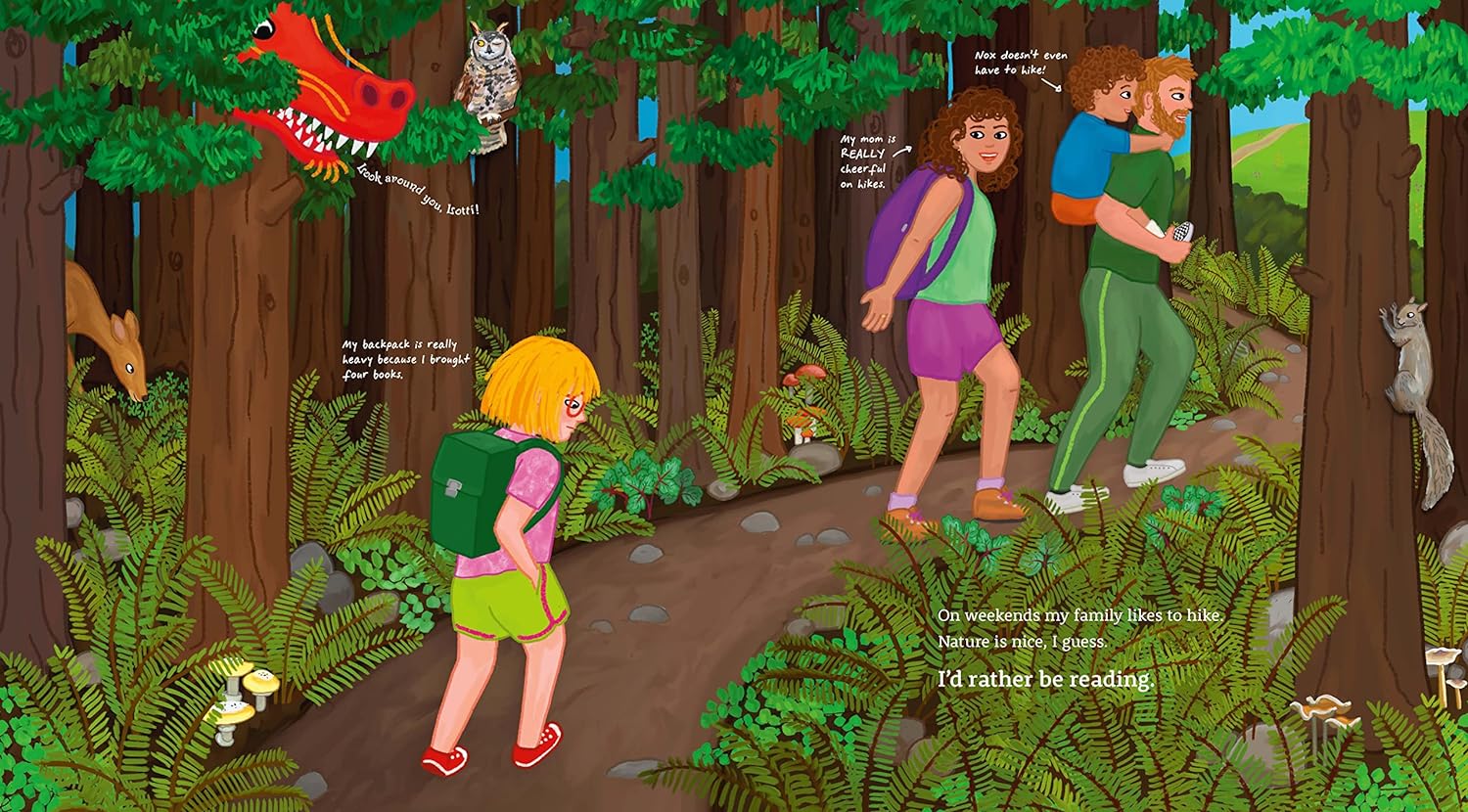
Books Make Good Friends by Jane Mount

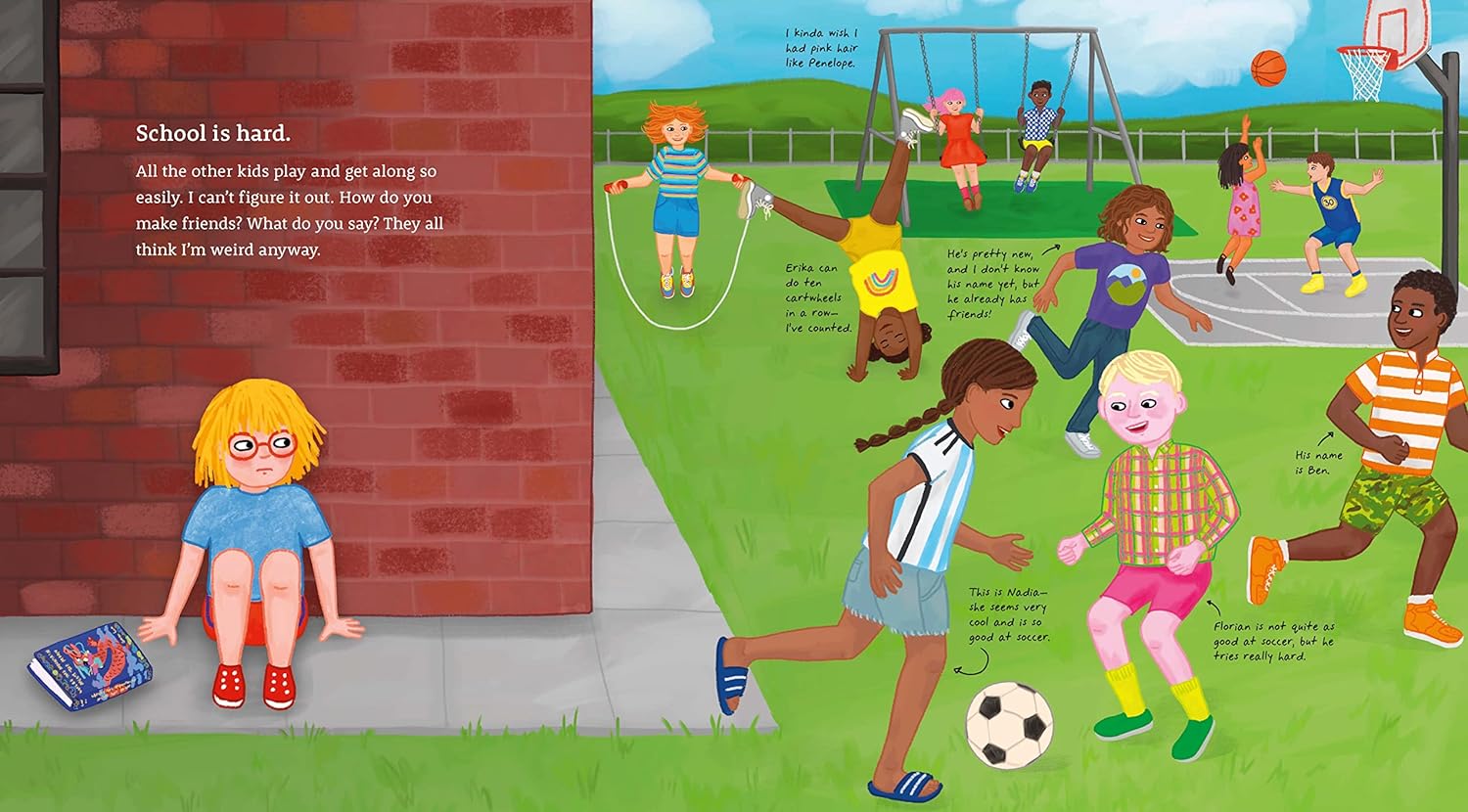
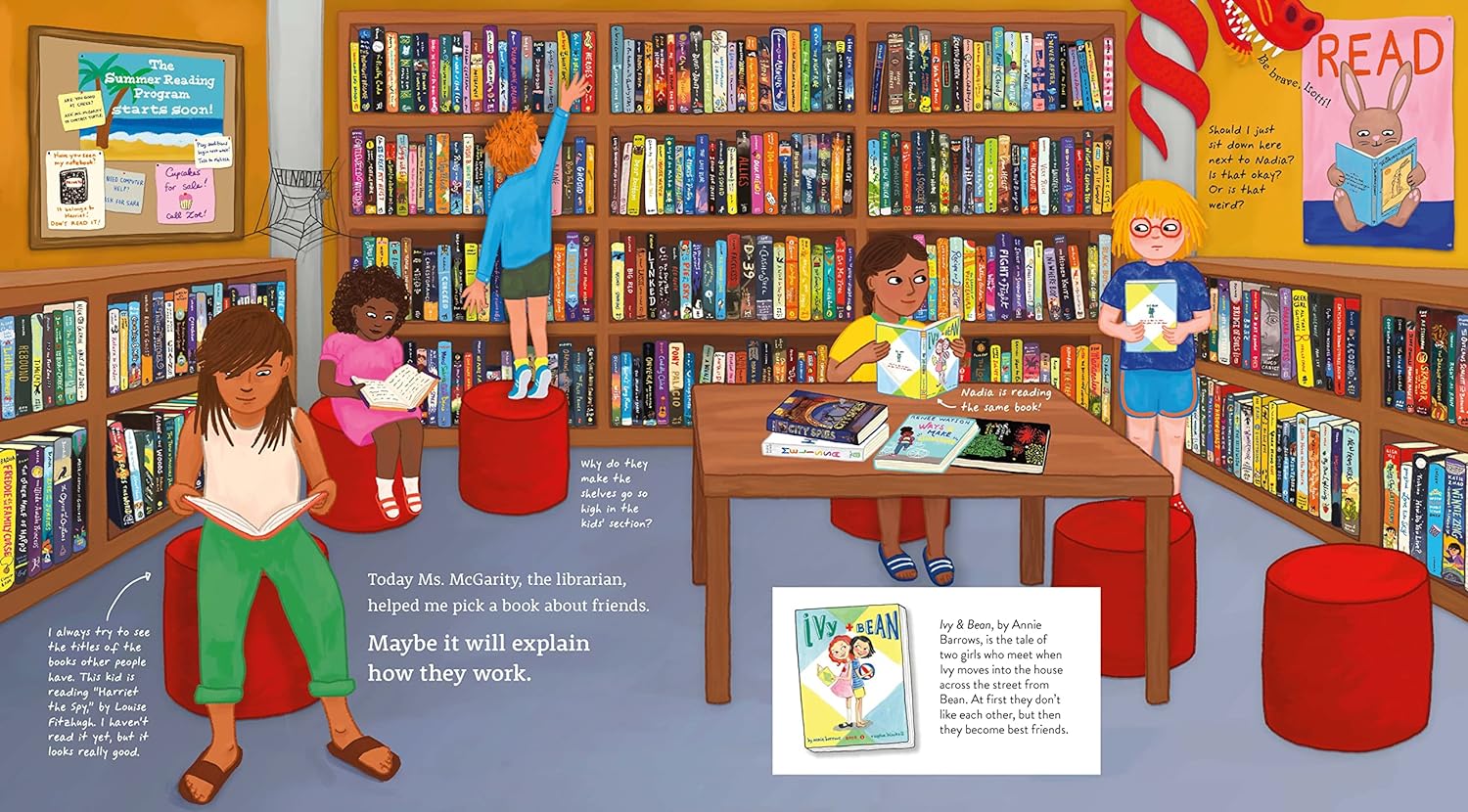
So in the spirit of full-disclosure here, I’d like to note that Jane Mount is the sister of one of my husband’s best friends during childhood. How’s that for a connection, eh? You probably know her best for her adult titles like Bibliophile: An Illustrated Miscellany and Bibliophile: Diverse Spines (which I once saw a librarian use as an autograph book). Having seen those books you’d know that Mount has a particular prodigious talent for replicating the spines and covers of books in her books. Yet I never thought she’d take it to the extremes that she has in Books Make Good Friends. Odds are that if you’re an author or illustrator that has a children’s book that made any kind of a splash in the last (checks book) 100 years, you’re in here somewhere. The story is of a shy girl who is more comfortable diving into books than social situations. A lot of us can relate. But then Mount takes on a Peter Sis-ian level of meticulousness with the fine details of the story. You will be agog at the number of spines she’s managed to work into the book (and enjoy the little book recommendations she’s sprinkled along the way). There’s even (be still my beating heart) a paean to nonfiction!! A class act and an eye-popper in the best possible way. 

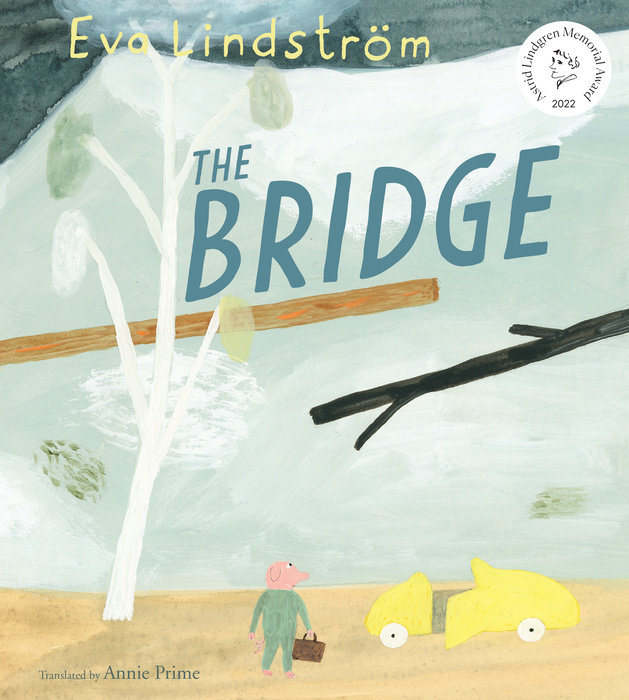
The Bridge by Eva Lindström, translated by Annie Prime

For all that I say that we currently live in a Golden Age of Children’s Literature (and truly I believe this to be so) I can’t help but note that the bulk of the picture books I read any given week are awfully samey samey. Kids like samey samey fine since they often lack a system of comparison, but I would like to propose that we pepper our regular old standard picture book literature with the occasional bit of bizarreness. What kind? Introducing, The Bridge. A story that seemingly goes nowhere until it ends on a disconcerting note. Now this is a Swedish import and I will tell you right now that there are a fair number of parents out there that are not amused by any book that disconcerts them, particularly if it’s written for four-year-olds. Nevertheless, it would do your child’s brain a bit of good to indulge in this particular beauty, at least once. The storyline follows a little pig who is informed by a wolf that the bridge is closed up ahead. While it is repaired he is redirected to the wolf’s house, where he sups with two wolves. It’s laden with the sense of something threatening waiting in the wings, and yet nothing bad ever happens to the pig. Nonetheless, you may feel a bit of a shiver down your spine when you learn at the end, alongside the pig, that there was never any bridge in the first place. An excellent book for discussion, I’ll tell you that! Previously Seen On: The Translation list.

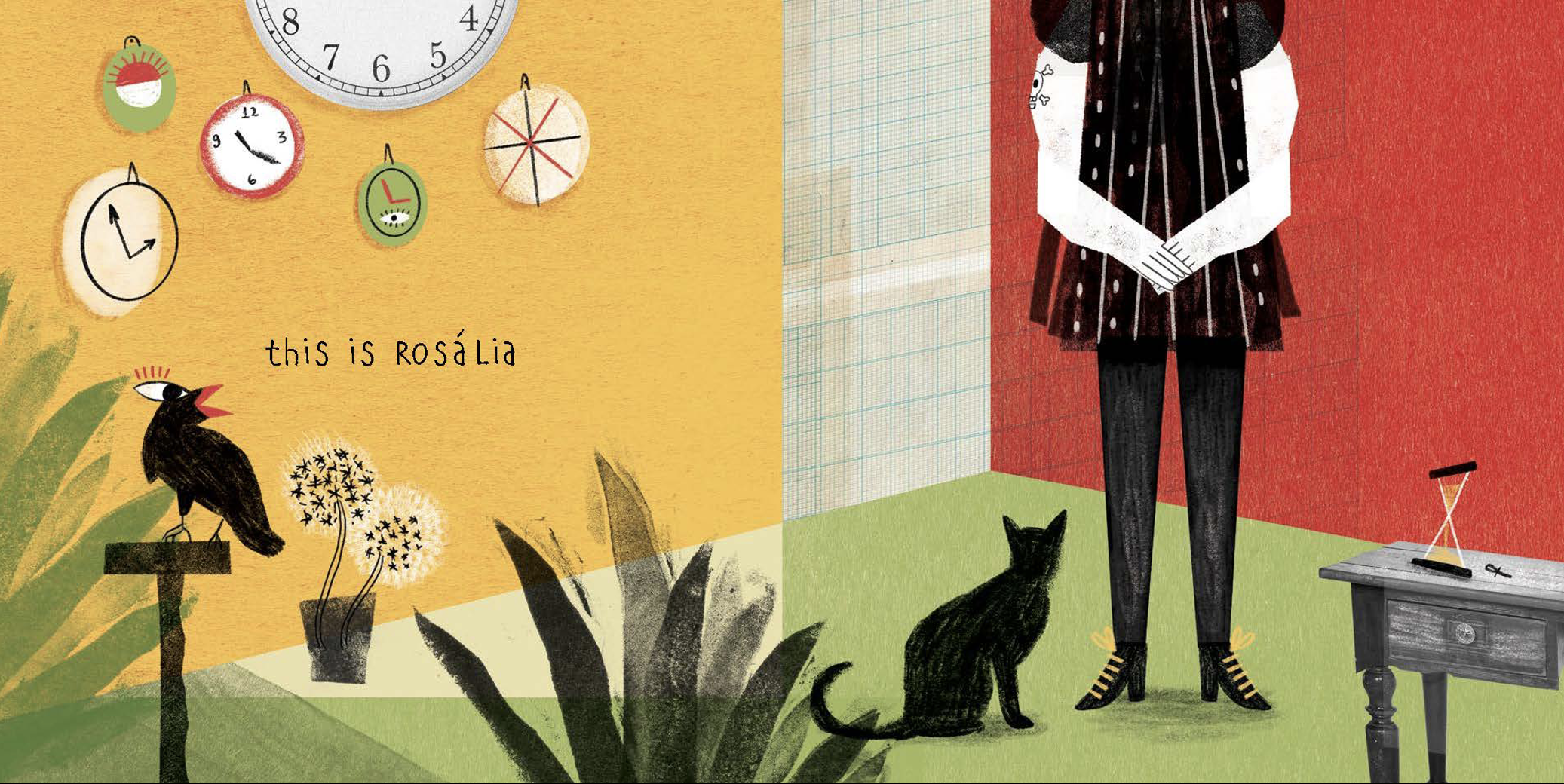
The Collector of Heads by Ana Matsusaki

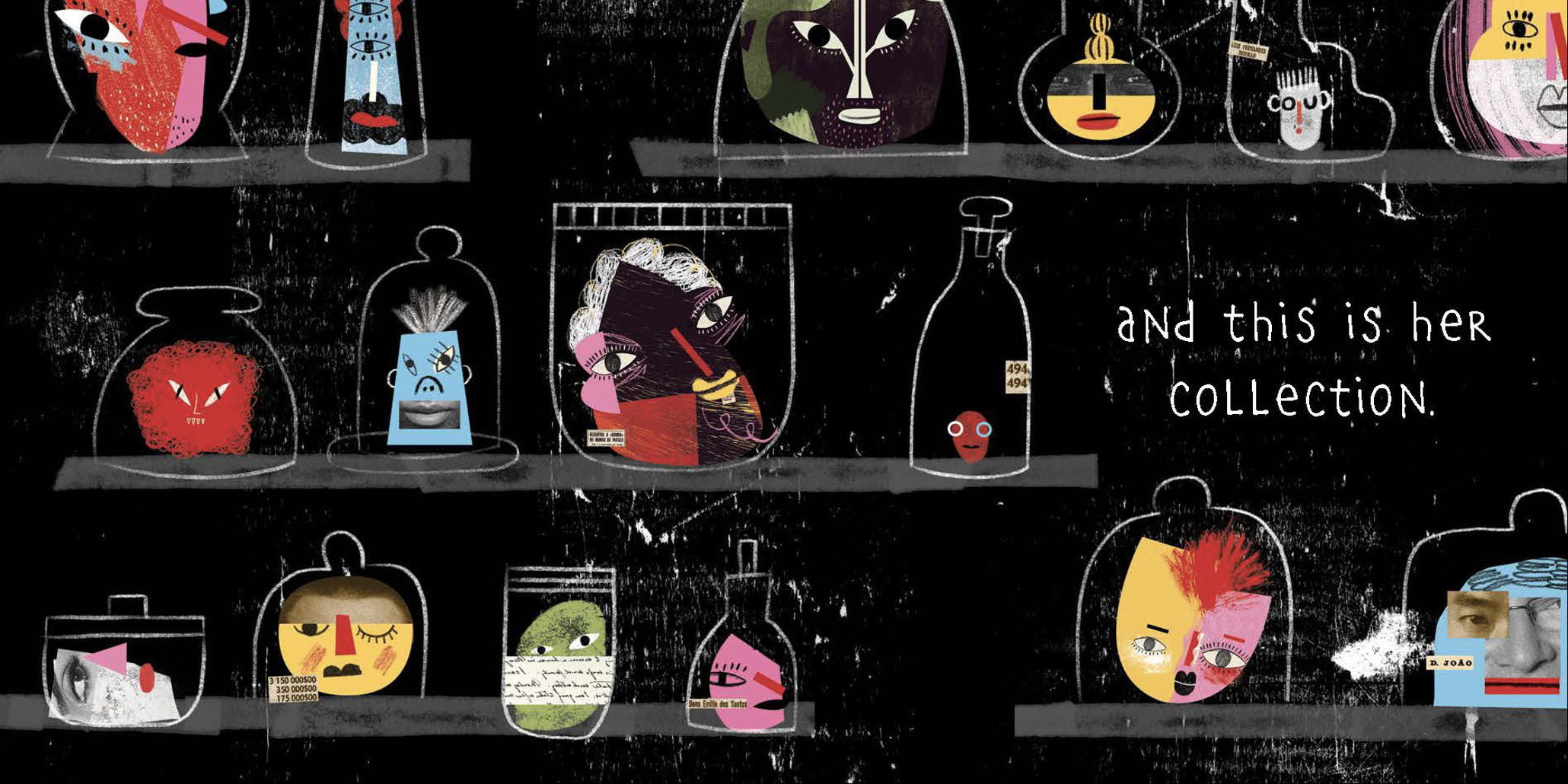
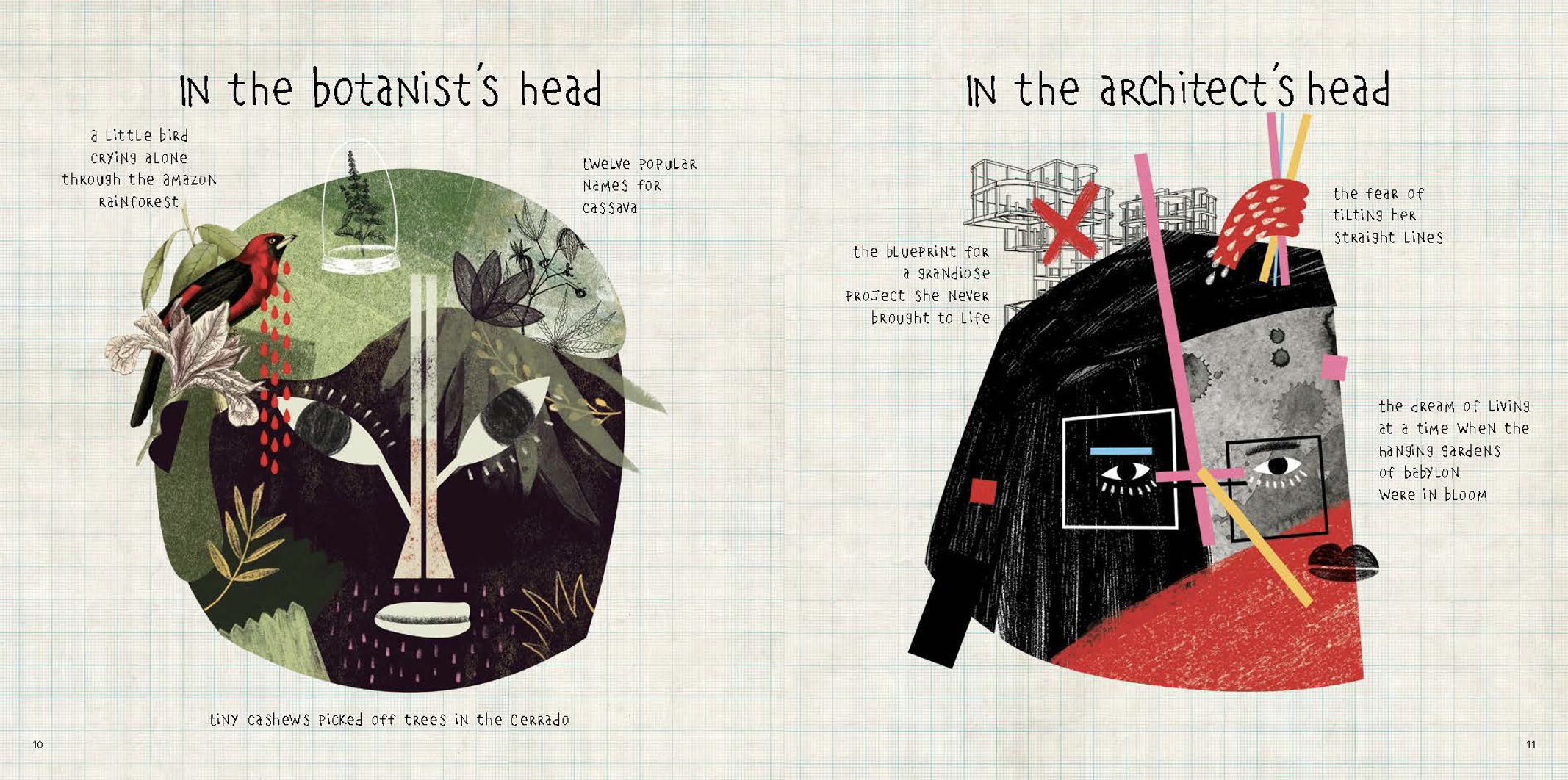
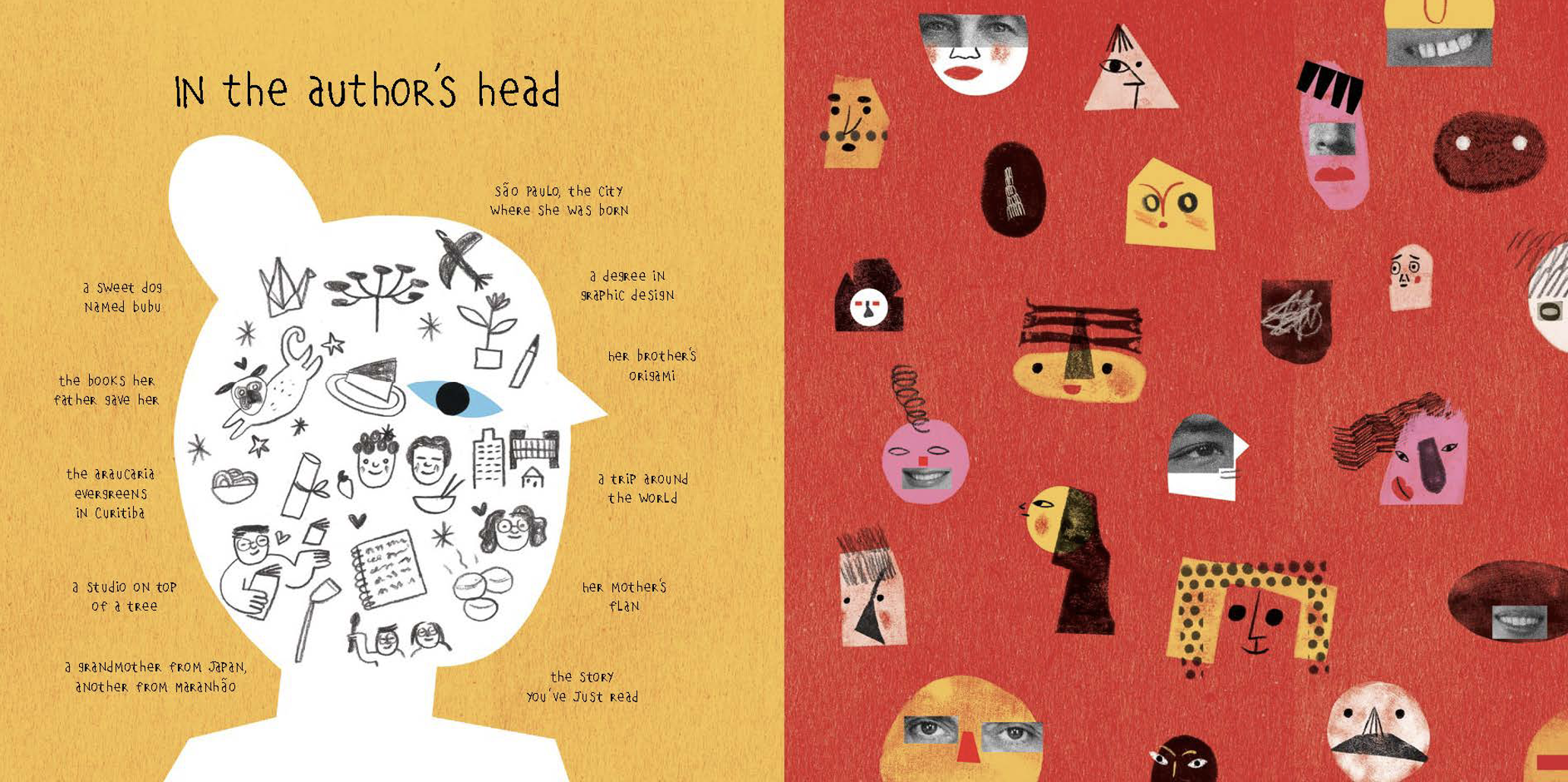
If you don’t read any books to kids that seriously weird them out, can you really say you’ve done your due diligence as a parent? Confounding the young is the moral imperative of the old. Better still if the book in question is a Brazilian import. Mind you, imports make up an unnerving majority on my “Unconventional” list. Americans have a very rigid understanding of what a picture book should consist of: It must have a plot, characters you care about, and a resolution. The Collector of Heads has exactly none of these. There is less a plot than a recitation of the heads Rosália collects. The only true character in the book is, in fact, Rosália, but she remains a cipher throughout. As for a resolution, the last line in this book is, “her collection doesn’t stop growing. ever.” Make of that what you will. Inside, Matsusaki employs mixed media alongside illustration, giving the book this marvelous tincture of controlled chaos. Each head in the book is also a delight. I have a hard time deciding which one is my favorite. Could it be the rich lady’s head, which contains “extravagant fancy shoes,” “eight ways of forgetting her loneliness,” and (best of all) “a woman loved in secret”? You could read this book ten times and still miss all the strangeness and details in the corners. I showed this book to my 12 and 9 year olds and they were simultaneously appalled and intrigued. The BEST possible reaction, I think. 

Corner by Zo-O, translated by Ellen Jang

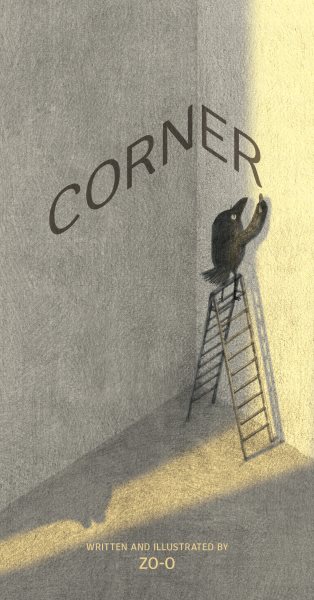
This past March I had the opportunity to attend the Bologna Children’s Book Fair, and almost immediately I made a beeline for the Korean booth. If you want innovative international picture books that appeal to Americans, that’s the place to be. Owl Kids knows this. They’re Canadian and you can bet that they didn’t hesitate to snatch this book up when they saw it. It has a distinctly Suzy Lee feel to it, since, like her, it’s a book unafraid to use its gutter. Tall and thin, the gutter is a corner in a room. The view of it never changes and a crow slowly begins to install furniture and then to design the walls. As it does so, the entire feel of the place changes. The information on creator Zo-O says that the O in her name stands for “the Chinese character for crow, making her full name “Crow Zoo” in English.” Which, as names go, has gotta be my favorite for a picture book creator in a while. It’s a marvelous, almost entirely wordless, and highly unconventional book. My sole objection is the cover. It’s a bit of a pity that it comes off as colorless as it is. And because of the nature of the design, it’s not an accurate depiction of the read since that corner, by definition, has to be in the gutter of the book. But, of course, if it showed the end of the book it would give everything away. A conundrum, indeed. Previously Seen On: The Translation list.

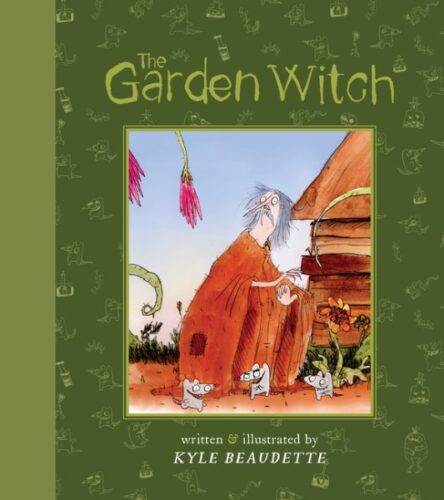
The Garden Witch by Kyle Beaudette

In his bio at the back of this book Kyle Beaudette notes that growing up he liked to read Quentin Blake, Tim Burton, William Steig, and Richard Scarry. You don’t say! With the exception of Mr. Scarry, this book certainly feels like the lovechild of those first three creators, particularly Steig. I love a title unapologetic about who precisely is getting eaten and when (hence its inclusion here on the Unconventional list). The story involves a very sweet but unsuccessful witch with rather terrible self-esteem. Nobody in the nearby town comes to her for her wonderful potions, so she spends a lot of time with her magical garden. The garden loves the witch, but the three nasty rats that live with her do not. Incensed that she’s so depressed (by a combination of too little attention from the townsfolk and too much from the rats) the garden sends her a little gift: A turnip boy! Just a sweet, thoughtful little guy who helps out however he can. And when the rats get made and threaten him, at last the witch finds a way to deal with her furry little parasites. If you’ve a kid who loved the picture book of Shrek and is sad that most titles for kids these days are of the sparkly unicorn variety, consider this the bracing (but still heartfelt) antithesis they need. Vile and sweet in all the right ways. 

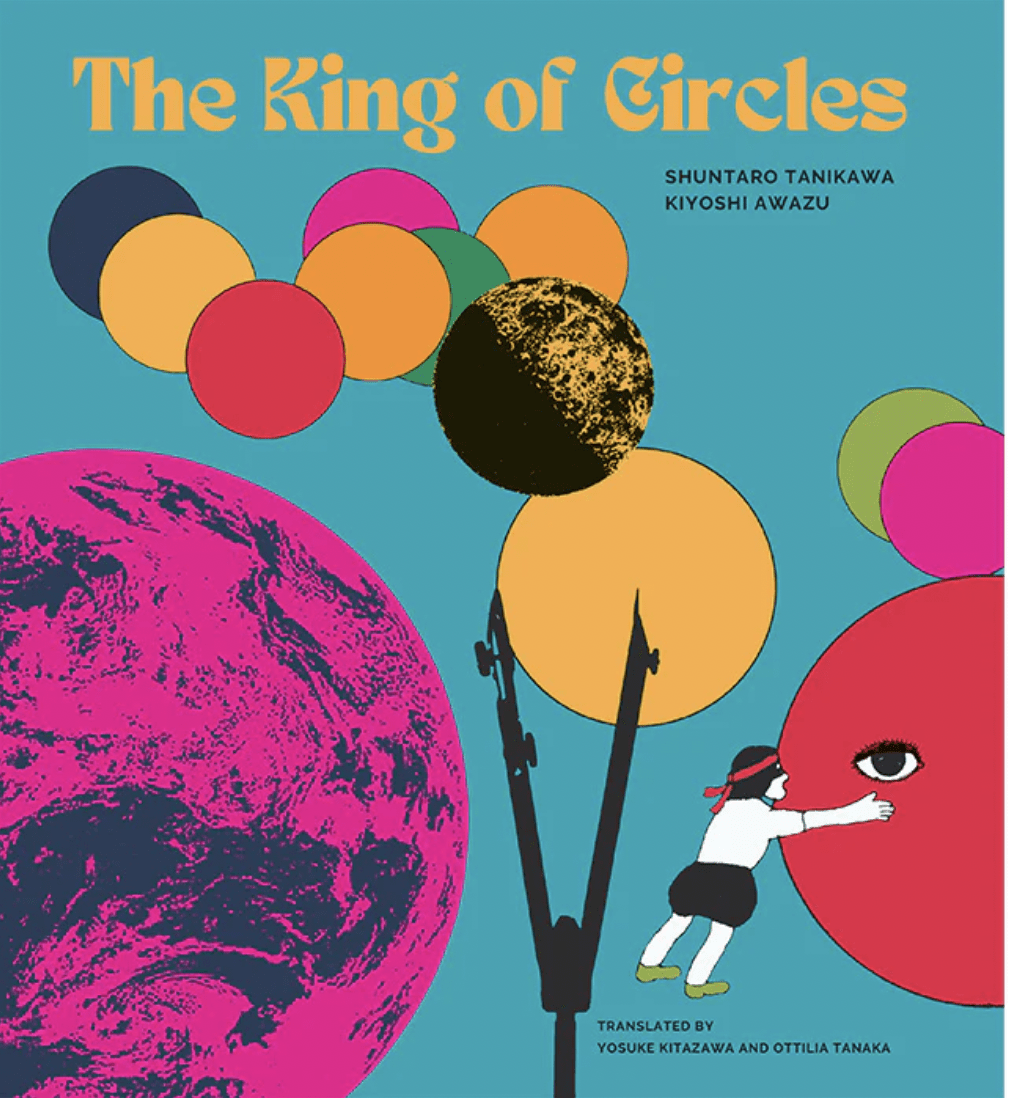
The King of Circles by Shuntaro Tanikawa and Kiyoshi Awazu

This is what you get when you decide to combine a poet with a graphic designer, my friends. And I will confess that often when I hear the term “graphic designer” anywhere near a picture book, I want to go hide my head in a hole for a while (my least favorite Caldecott Honor book, and this is saying something, is The Graphic Alphabet). But should I be the kind of person who paints an entire occupation with so broad a brush? There are some marvelously creative graphically designed picture books out there and as luck would have it, this 1971 Japanese import is one of them. For one thing, it’s just a legitimately good story. Different round things proclaim themselves to be perfect circles, or capable of creating perfect circles, and they must therefore be the KING of circles, doggone it. Does Pi make an appearance? It sure as heck does, as does mention of the Japanese flag. It all comes to a head when the Earth declares that while it is a circle, it is fully aware of even larger circles in the universe and could never declare itself king. But what really kicks this book up a notch is the fact that in the back the book it instructs kids to draw their own circles. It reads: “Let’s draw a circle—it’s ok if it’s a little bumpy. Let’s draw a circle—it’s ok if it’s a little crooked. Let’s draw a circle—on a white sheet of paper, with all your might—draw your very own circle.” And as anyone who has ever tried to freehand a circle will tell you, this simple instruction, saying that it’s okay if your circle is bumpy or crooked, is incredibly important. Like I say. A legit great book. 

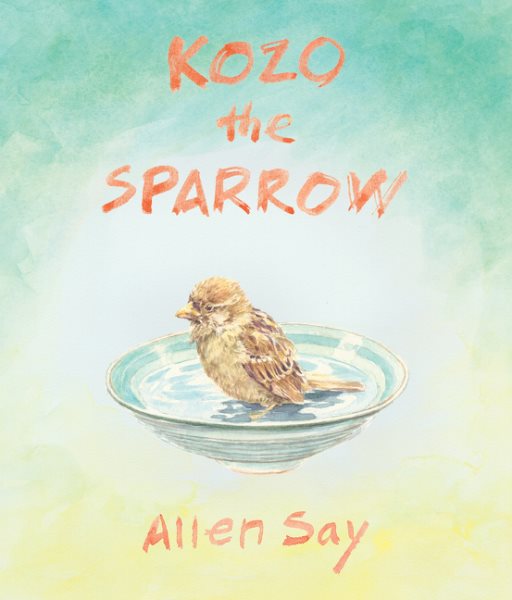
Kozo the Sparrow by Allen Say

Sometimes you’ll encounter someone in the children’s book biz who will complain about the state of contemporary American picture books. They might ask why all of them have happy endings. “Why, if The Lorax was written today I bet Dr. Seuss wouldn’t even be able to get it published!” And to them I say, the only reason you think that is that you aren’t reading ALL the picture books. Because for every five hundred happy endings, I guarantee you there’s a picture book with a more complicated finish. Take, for example, Allen Say’s latest. As with many of his picture books, this one has an autobiographical bent. It recounts a time in his life when Allen was mercilessly bullied, but managed to save a hurt sparrow. He raises it and trains it, to the point where it will come when called. One day he takes it to school, and on the way home the bullies appear. So, in an act of preservation, and to save the little bird he has named Kozo, he opens the cage and it not only flies, but joins a flock of other sparrows. The last page just shows this pencil sketch of Allen staring at the flock, one bird more delineated than the rest. Now if I were to bestow an award for Most Bittersweet Picture Book of 2023, no one would contest my nomination of this title. You, the reader, are just left there, standing and staring at the flock with the boy. If you are a teacher and you read this book to a class, I guarantee that it will burn itself into that class’s memory for all time. You’d probably also get an amazing discussion going about whether or not freeing Kozo was the right thing to do if it led to that small heartbreak. A marvelous title and a bit of a surprise too. Extra points to Say for the blocked out page-by-page sketches of this book that appear on the back cover. 

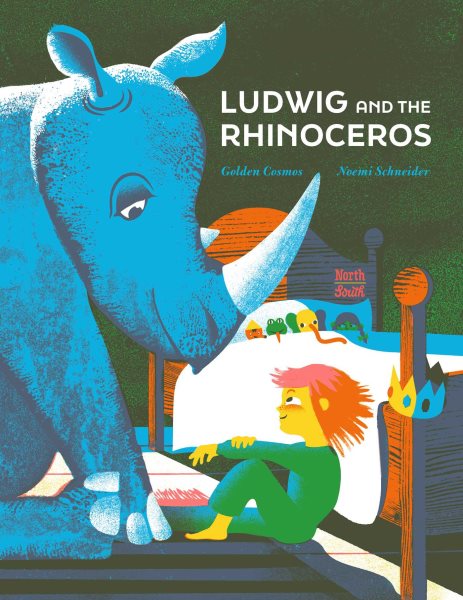
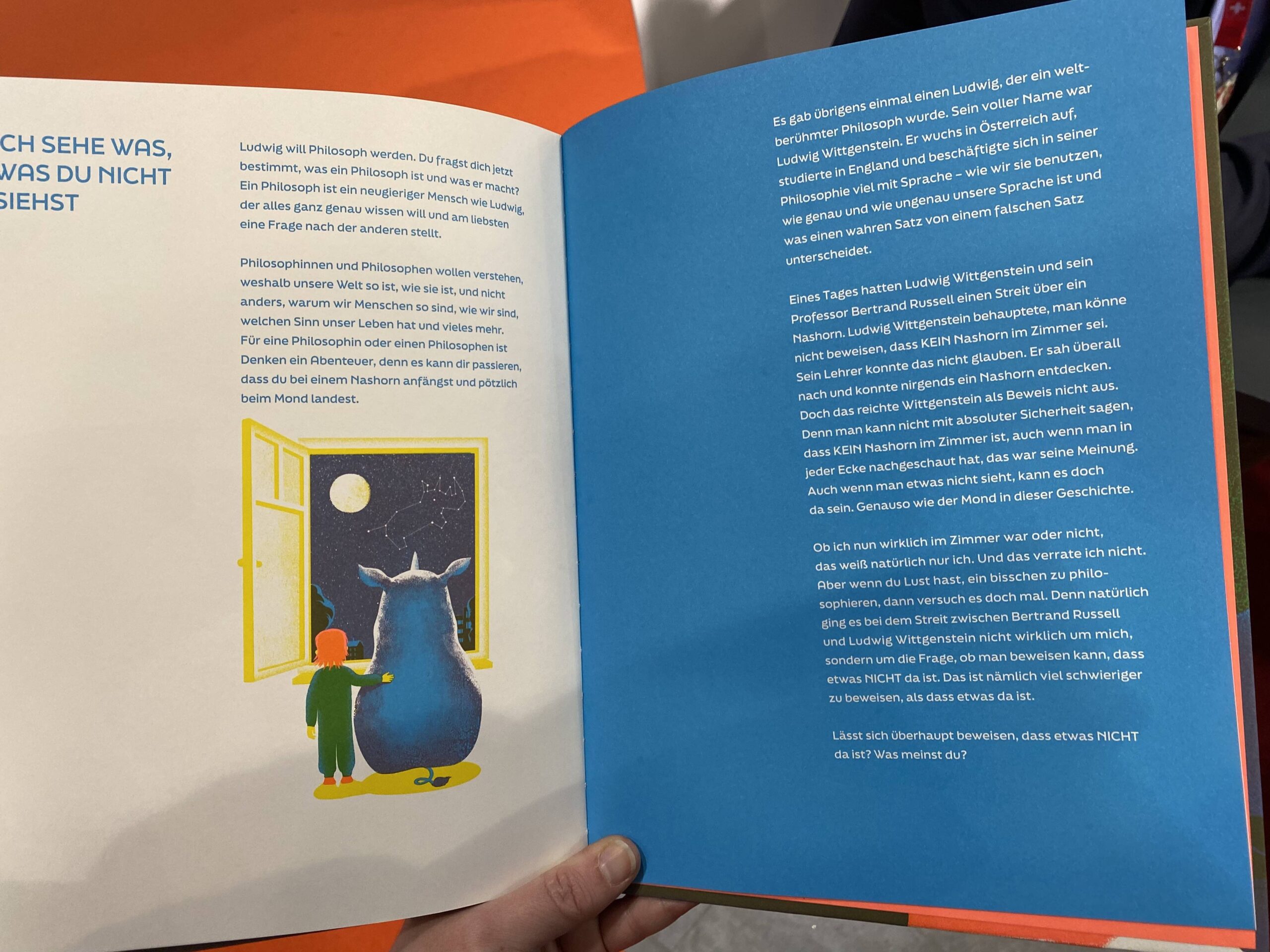
Ludwig and the Rhinoceros: A Philosophical Bedtime Story by Noemi Schneider, ill. Golden Cosmos, translated by Marshall Yarbrough

Ahh. One of the few books I first saw at the Bologna Children’s Book Fair that actually made it to the States. Do you need some concrete reasons why we need to see more translated children’s books on our nation’s shelves? Here’s one: How often in America are philosophical suppositions by Ludwig Wittgenstein turned into picture books? The conceit behind this is delightful. Apparently, Wittgenstein and his professor Bertrand Russell (another name you don’t usually see in books for 5-year-olds) got into an argument about whether or not there was a rhinoceros in the room. As the book’s backmatter explains, “Ludwig claimed that you couldn’t prove that there was NOT a rhinoceros in the room.” You can’t prove a negative. This idea is taken to its logical extreme here, with the story of a kid named Ludwig who tells his dad that there’s a rhino in his bedroom. No matter where dad looks, it’s never where the rhino is. The art, by duo Doris Freigofas and Daniel Dolz under the truly awesome name of “Golden Cosmos” (we should pair them with Red Nose Studio one of these days) use only three fluorescent colors to print the book. As it says at the end, “Three special luminous colors that mix when printed on top of one another. In this way three colors become seven colors.” The result has a classic feel but with mighty contemporary colors. Previously Seen On: The Translation list.

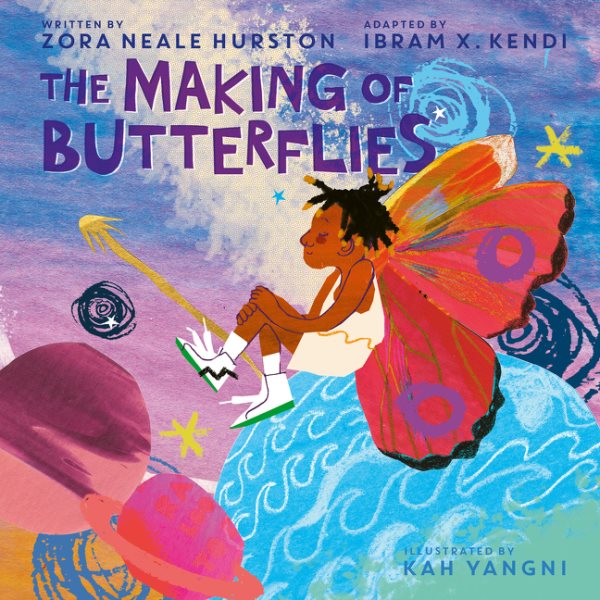
The Making of Butterflies by Zora Neale Hurston, adapted by Ibram X. Kendi, ill. Kah Yangni

The highlights of this particular list is the wholly original and hitherto unseen, wouldn’t you agree? And wouldn’t you further agree that any board book adapted from a Zora Neale Hurston story fits the bill? Before I say anything else I want to mention how grateful I am to both Mr. Kendi and the good people of Amistad Books for Young Readers for taking the time to include some backmatter in this book. One could be forgiven for wondering, once you’ve finished, where this story originated. Kendi explains that in Mules and Men, Hurston explained that she found this story when she visited a lumber camp in Polk County, Florida. The men there would tell folktales as they worked and sometimes just make them up on the spot. This one arose when a man named Floyd Thomas said that sometimes the Creator isn’t satisfied with what’s created and makes changes. This story is an explanation of that. Yangni’s art is utterly gorgeous, and I adore the sneaker wearing, butterflied Creator on the cover. Kendi has made the choice to retain Hurston’s dialect, so that the first line is, “The Creator wuz all finished and thru makin’ de world,” and it goes on from there. Parents will decide amongst themselves if they feel comfortable reading the book in this matter or if they feel like they should change it as they go.  Previously Seen On: The Board Book list

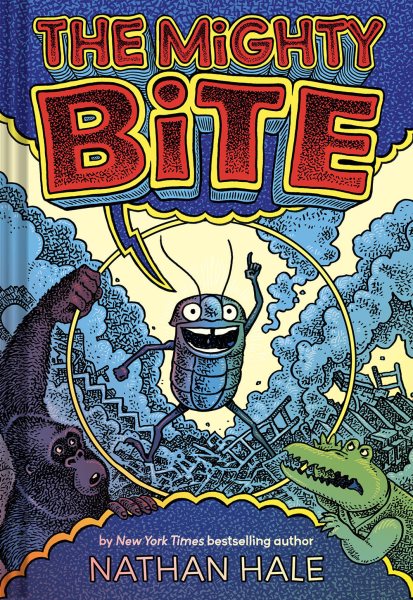
The Mighty Bite by Nathan Hale

Let’s get away from picture books and board books for a moment for the king of strange and his newest graphic novel concoction. The man has range. And by “the man” I mean Nathan Hale. And by “range” I mean he isn’t just a fount of Hazardous Tales from history. Read enough Hale and after a while you’d come to inescapable conclusion that there are times when the man just wants to let his freak flag fly. Periodically he’ll show off his skills, whether it’s with post-apocalyptic metal eating alien monstrosities (as in One-Trick Pony) or going all in on horror with his truly terrifying Apocalypse Taco. I’m still having nightmares after that one (shudder). With The Mighty Bite, though, he’s toned down the weirdness a bit. I mean, it’s still the strangest thing you’ll read this year (no question) but this is a younger, more 8-year-old friendly GN than we’ve seen him indulge in before. The plot involves a trilobite, an ambulocetus, a tiny spinosaurus, and a human newscaster who are attempting to win a journalism video-making competition. Sorta. Along the way there are numerous references (including what has to be the greatest Dog-Man visual gag I’ve seen in a comic to date) laughs, and chaos. I’m talking complete, utter madcap chaos, my friends. My son, I will admit, found the ending a bit of a downer (he didn’t like the bad guys getting millions of dollars) but I think it’s cheery enough to serve. Hand it to the kid who wants a comic that looks a little different from the pack. 

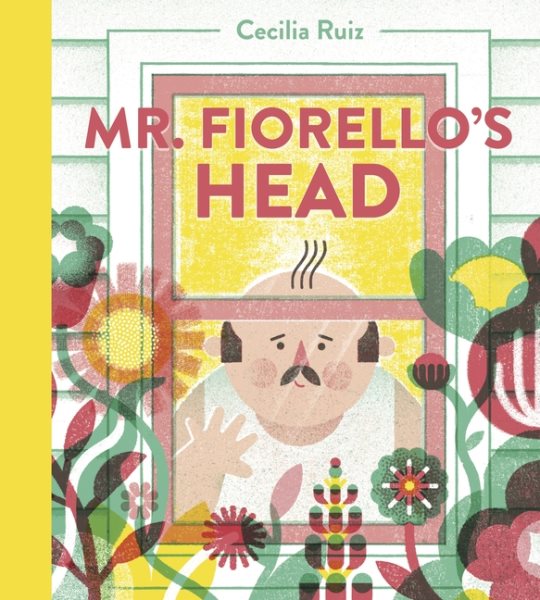
Mr. Fiorello’s Head by Cecilia Ruiz

A supremely excellent companion to this year’s fellow title When Dad’s Hair Took Off by Jörg Mühle. Mr. Fiorello, for the record, has about as much hair on the top of his head as Homer Simpson. Done in an almost geometric artistic style, the story tells of how Mr. Fiorello used to love his long flowing locks. Think young Greg Universe (and 20 points to those of you that get that reference). There’s a rather touching picture of him sitting on the side of his bath, lovingly brushing his hair. “Mr. Fiorello loved his hair and never wanted it to go away.” I think you see where this is going. “But sometimes the things we care about the most, the things we never want to see gone, leave anyway.” So let us just raise a glass not simply to Cecilia Ruiz’s art in this story but also her way with words. Sure as shooting, by the end of things only three miscreant hairs remain on the top of Mr. Fiorello’s head and their very presence disturbs him. But the harder he fights to get rid of them, the harder they stay. The book is about letting go of what you can’t control and in its own zen little way, it’s a delight. Not quite like anything else out there. 

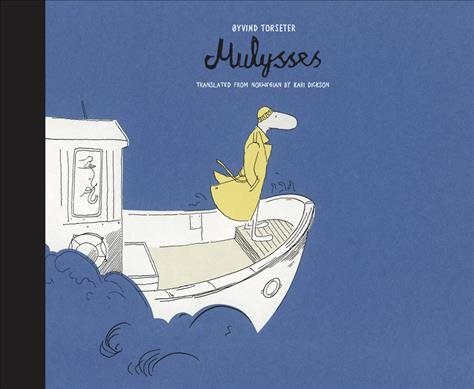
Mulysses by Oyvind Torseter, translated by Kari Dickson

Another graphic novel! One with a particularly adult bent (though its readership is definitely young). In this story, Mulysses must find $5,000 and fast, so he joins a rich man’s quest to find an enormous magical eye. Essentially, this is the story of Ulysses, told with quirky humor and a touch of weirdness. Ahhh. Nothing like a little Norwegian GN to make you go, “What did I just read?!?” But I love this stuff. This is a grand example of weird books for kids that like weird stuff. Ostensibly it’s the story of Ulysses meeting the cyclopes, but this couches the encounter in with a bunch of other stuff. Like other European comics, it’s unafraid to show the world as needlessly ridiculous and cruel. I like our hero, though, and I like the resolution at the end. In a year of samey samey comics, this is one of the ones that stand out. 

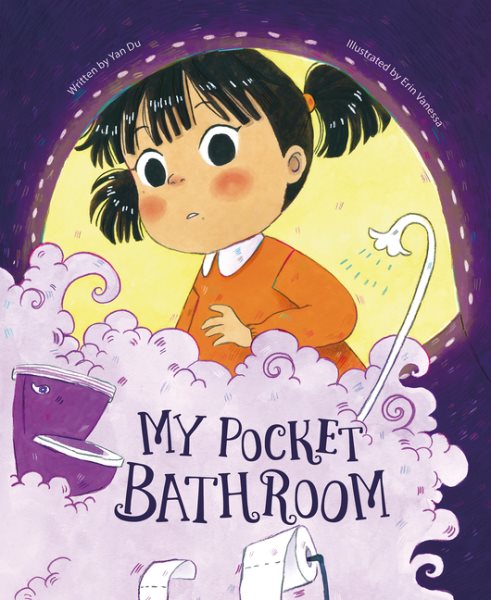
My Pocket Bathroom by Yan Du, ill. Erin Vanessa

Welp, I knew I made the “Unconventional” designation for a reason, and when I see a book like My Pocket Bathroom I remember once again why I did so. I’d call this a good-hearted-weird-book more than anything else. Now it feels like nothing so much as an import (American books don’t like dealing with toilets) but I don’t think that’s actually the case. As a parent of young children, the premise of this book also felt very very real to me. In this story, a young girl lives in a family of four but finds that when she wants to escape it all, there’s really only one room that will do: The bathroom. Only there can she find the privacy she craves. The problem? Troublesome fellow family members keep showing up wanting to use it too. Enter the magical toilet guardian, Lady Violet. Rising like a purple phoenix from the toilet, she bestows up on our heroine a pocket bathroom. Basically, it’s a little private bathroom you can take with you wherever you go whenever you need some “you time”. But our hero now feels she must share her gift with the world so she plants the tiny bathroom and produces, you guessed it (or did you?) a bathroom tree covered in miniscule bathrooms for everyone. This is a fairly good example of a bizarro idea that just takes its plot to a logical extreme and goes from there, and I am HERE for it! 

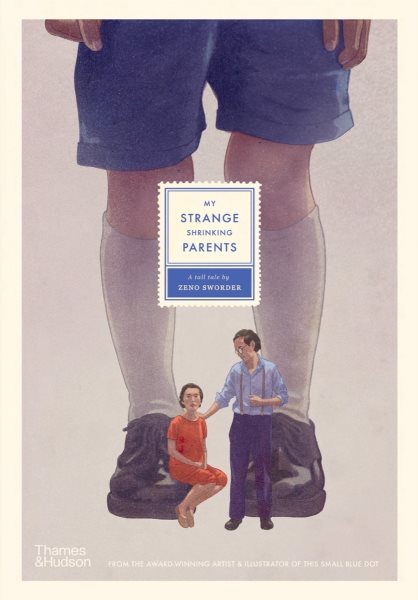
My Strange Shrinking Parents by Zeno Sworder

The narrator of this tale tells a peculiar and beautiful story of how his immigrant parents traded inches of their height to support their son. As he grows up, they grow down. A story of love and of sacrifice. And Australian! Ever noticed how good they are these days at original immigrant narratives? With immigrant parents, Zeno’s story is a metaphor about the sacrifices people make for their children. In his dedication, the author says he was inspired by Japanese woodblock prints by Hokusai and Hiroshige and books by Oscar Wilde, Shel Silverstein, and Stan Sakai. And weirdly enough, I feel all those influences here. It’s not just that the written words or the bizarre story, but also the sheer beauty of the art itself. The publication page doesn’t reveal how the art was made but it’s so strangely beautiful. Realistic enough so that the strangeness seeps in but never distracts. There are even gorgeous wordless two-page spreads that give the reader time to think and to talk. I can’t think of a book exactly like this one. It’s a complete original and beautiful to its core.

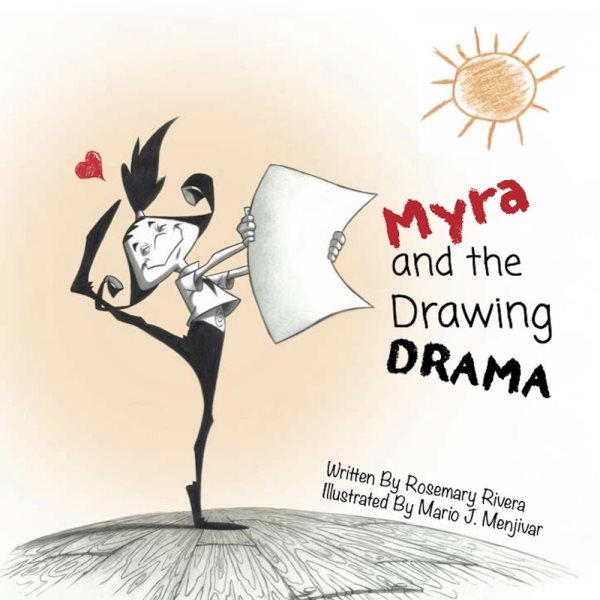
Myra and the Drawing Drama by Rosemary Rivera, ill. Mario J. Menjivar

When I call this list “unconventional” it’s a broad term that can mean any number of things. Most notably, these are books that are unlike any others out there. And were I to elect a picture book the Unconventional Picture Book Poster Child of 2023, those laurels would fall upon none other than Myra here. I did a bit of a cover reveal of this book as far back as January 2022 but it only came to be published this year. At the time I said that the book was, “so strange and interesting that I have difficulty parsing it in my head. Essentially, it’s a picture book about a culture that prizes adult panic over childhood creativity. Based on an incident that happened to Rosemary when she was a kid, the book follows a kooky girl who creates a picture that she thinks is marvelous. It also happens to freak out every adult that comes in contact with it. And let me tell you, when you get to that moment where you see the art for yourself, you’ll have this amazing moment of disconnect. The kid part of you will suddenly wrestle with the adult. I’ve never encountered anything quite like it in a picture book before.” I stand by every word. Add in the fact that it has all the trappings of a 1930s black and white cartoon, and I think you’ll agree that this is a VERY rare original American publication. I kinda, sorta love it. 

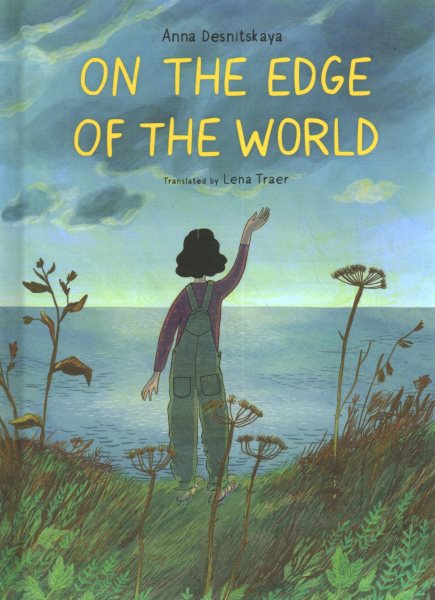
On the Edge of the World by Anna Desnitskaya, translated by Lena Traer

What could be more unconventional than a title where its two storylines meet in the center of the book? Loneliness is the name of the game here. Depending on how you hold this book, you can chose to begin by reading the story of Vera, a girl living on the eastern coast of the Kamchatka Peninsula in Russia. Determined to someday be a ship captain, Vera goes about her day playing and pretending she had a friend to share all her knowledge with. At the end of her story she takes a flashlight and points it out over the dark water, using morse code to say, “Hi, I’m Vera.” And the, suddenly, she sees a response. “Hi, I’m Lucas.” Now flip the entire book upside down and meet Lucas himself! He’s a lonely kid too and currently lives in Santiago, the capital of Chile. Like Vera he spends the day playing but he wishes he had a friend. So at night he turns his flashlight across the sea . . . and you know the rest. There’s no true conclusion to this story but in the center of the book you can watch the beams of light impossibly splay out over different oceanic scenes. There’s a gentle melancholy to the book but there’s also a great deal of hope in there as well. The tone is so key to its success, and to that we must credit Lena Traer, translator extraordinaire. Consider this a writing prompt book, or a title where you can get kids to tell the rest of the story. However they want to tell it. Previously Seen On: The Translation list

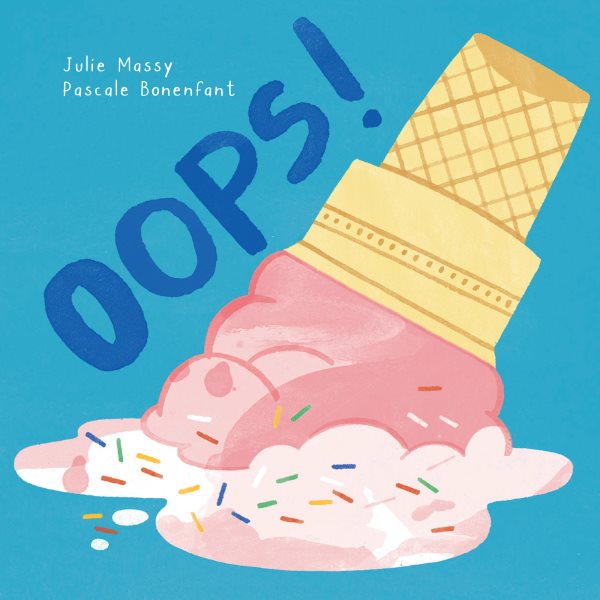
Oops by Julie Massy & Pascale Bonenfant, translated by Charles Simard

An interactive picture book revels in luring its readers into breaking with convention. From the very start, this narration plays devil’s advocate with its young readership. Opening upon a page featuring a single egg it reads, “Eggs are very breakable. Why don’t you try knocking on this egg?” Turn the page and the child’s knocking has revealed a bright yellow chick and the word, “Oops!” Lest you mistake that “Oops!” for an apology, the next page shows a dozen more eggs, prompting the reader to “Give them a whack!” Doing so, however, yields a sea of yolks and the pointed “Oops!” yet again. As the book continues, gentle chaos reigns. The titular “oops” is complicit in its own reoccurrences as the narrator urges readers to transgress by squashing toothpaste tubes, dropping mugs, flipping full bowls of noodles, and more. Within the safety of the page, kids are allowed to indulge in a cathartic release of naughty inclinations. The simple, colorful pages leave reader in little doubt of the results of their “actions”. Certainly, children that flinch from deviating from the rules will find this book more perturbing than inspiring but for others it may prove a joyful release. Interactive books work very well in storytimes too, I can attest. Remember the heyday of Press Here? This has the same energy. With just a hint of Uncle Shelby’s ABZs (1961) this book gives anarchic impulses a good name. Previously Seen On: The Readaloud list.

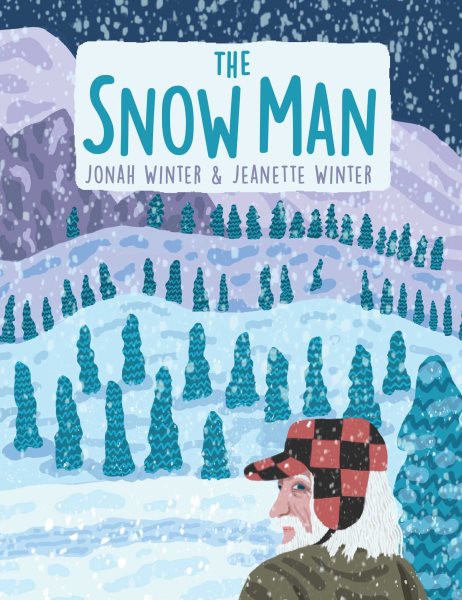
The Snow Man by Jonah Winter, ill. Jeanette Winter

Our second Jonah Winter book on today’s list! I imagine a person could probably do an entire reclusive-gent-who-likes-snow biography storytime if you combined this book with Snowflake Bentley. That’s a little specific, but it’s true! Odds are you probably haven’t heard of bill barr and odds are that’s how he’d prefer it. Jonah Winter doesn’t name him in the text, even as his tells his story. You’ll have to read the Author’s Note to figure out the true details of the man’s life. You see, back in 1972 billy (lowercase spelling) came to the Rocky Mountains when he was a twenty-one-year-old college student. He holed up in a cabin and started tracking the wildlife. If this sounds a little familiar, that may be because this story isn’t that dissimilar from the one we heard in 2022’s I Begin With Spring: The Life and Seasons of Henry David Thoreau. In both cases a man tracks information about nature for fun and, years later, scientists use those notes to track climate change. Jonah keeps the storytelling lyric and lovely, and the art most certainly helps. It’s an unconventional story of an unconventional citizen scientist.

Sorry, Snail by Tracy Subisak

Huh! Who knew Tracy Subisak had a weird streak in her! I stand impressed. The woman who brought us Jenny Mei is Sad and last year’s lovely Amah Faraway is capable of some pretty grotesque stuff and I am HERE for it. You know that old phrase, “Hurt people hurt people”? You get a bit of this here. I knew I liked it right at the start when it showed Ari coming out of her house mad, but she’s not allowed to yell when she’s upset. So, instead, she does a mad dance. This is interrupted when she notices a snail and proceeds to give it the tongue lashing of the century. Insults just pour out of her. When, that night, the snail appears in Ari’s bedroom demanding a heartfelt apology, she refuses. And that’s when things escalate. Love the extendable eye stalks. Love the moment when Ms. Snail and Ari look into one another’s souls. Love the massive army of snails demanding retribution. What is not to like about this book?

The Tailor Shop at the Intersection by Ahn Jaesun, translated by Sora Kim-Russell

At the end of this book, author/illustrator Ahn Jaesun has including the following statement: “I always thought it would be wonderful to have a favorite place that I could go back to again and again with my two sons, and with their children as well in the future. The Tailor Shop at the Intersection was inspired by that idea.” Now this book is an excellent example of an import that we Americans may read but will only understand partially. Back in April I interviewed Adam Levy and Ashley Nelson Levy, the duo behind Transit Books, and they discussed this title. At the time I said of it, “The book is a kind of statement about urban development, capitalism, and artisanal craft.” In the course of our talk, they mentioned some of those details I just alluded to. You see, this is a book about three generations of dogs who are also tailors and who specialize in Western style business suits. “… when Transit acquired the book, it was the translator who pointed out that when you look at the city’s signs there is a subtle but significant shift over time. Initially, the signs display Chinese long words that were more common in the 20th century. Then, as time goes by, the script changes in a way that would be familiar to Korean readers. At Transit, they felt it was important to preserve that element of the book. As they described it, a publisher has as much power to erase cultural specifics as to highlight them. For Adam and Ashley, though, there’s little point in a translation unless you make sure that you’re not whitewashing or domesticating the spirit of the original.” As for the final product, once I saw it firsthand I was utterly charmed. It really doesn’t feel like any other book I’ve ever seen, but it’s the tone that stays with you. It’s soothing. Like a warm bath you just kind of sink into. Previously Seen On: The Translation list.

Ten-Word Tiny Tales to Inspire and Unsettle by Joseph Coelho and 21 Artist Friends

Tell me a story in just ten words. One poet tells 21 tales and 21 artists give their interpretations. Part writing prompts, part short stories, and all very very interesting. Oh ho! This one’s great! Sort of what you’d get if you asked a bunch of authors to do a visual riff in the vein of The Mysteries of Harris Burdick. Joseph Coelho isn’t afraid to get creepy, which I appreciate thoroughly, and he also not shy in saying outright that this is a book of writing prompts. Personally, I think that a number of these artists could have been significantly creepier with their interpretations. Fortunately, you have folks like Thea Lu, Júlia Sardà (so good!), and Karl James Montford to make up for it. The book is worth it for the Shaun Tan image alone: “Every year they honored their son by decorating his skull.” I’d get that one as a poster if I could. A perfect accompaniment to Halloween too!

Twenty Questions by Mac Barnett, ill. Christian Robinson

I knew we made this “unconventional” list for a reason! The reason? Books like this. Barnett and Robinson are doing something here that European picture book creators do on a regular basis but that American picture book creators tend to avoid (or maybe it’s just our publishers who are doing the avoiding). This reminded me a lot of If… by Sarah Perry, in that it creates a lot of open-ended questions for the young reader to explore. It’s interesting, I was just listening to Mac Barnett on the 99% Invisible podcast talk about Bank Street College and their picture books (as part of the episode Goodnight Nobody) and in a way this feels like a very Bank Street-esque book. Mind it, Robinson gives as good as he gets too. He’s clearly trying out some different, almost more tactile style here, playing with these thick paints and almost minimalist images. Extra points for the inclusion of an ostrich (all artists get extra points when they make ostriches, by the way). 

Zig Zag by Julie Paschkis

Who’s to say that unconventional books can’t be American? Why, Paschkis is Pennsylvania born and bred, yet she’s never felt particularly inclined to adhere to the norm. That’s why it’s so nice to see her break free once in a while. And, thanks to smaller publishers like Enchanted Lion, she’s free to do so in books like ZigZag. Looking at this cover, you can forgive me if I initially assumed this was just going to be another alphabet book. A pretty alphabet book, sure. But an alphabet book. Instead, I found an odd little story about an alligator named ZigZag who has a penchant for eating words. All is well until he goes a bit too far and accidentally eats all the vowels (not “y” though). Once the vowels are gone everything that’s labeled in the pictures Richard Scarry style becomes labeled with shorter, less pleasant words. “He wanted sweet dreams, not swt drms.” The solution, naturally, is to draw out the vowels on their own from new sources. Along the way Paschkis lets her style, which I’ve heard sometimes as “folk-art” and sometimes as “folk style” flow. Apparently this is a companion to her previous creation The Wordy Book but I like to think it stands entirely on its own. I mean, once you get to the cats with tambourines and pig in a cumberbund, you begin to appreciate its odd little energy. Delicious.


Hope you enjoyed these! Here are the lists you can expect for the rest of this month:

December 1 – Great Board Books

December 2 – Picture Book Readaloud

December 3 – Simple Picture Book Texts

December 4 – Transcendent Holiday Picture Books

December 5 – Rhyming Picture Books

December 6 – Funny Picture Books

December 7 – CaldeNotts

December 8 – Picture Book Reprints

December 9 – Math Books for Kids

December 10 – Gross Books

December 11 – Books with a Message

December 12 – Fabulous Photography

December 13 – Translated Picture Books

December 14 – Fairy Tales / Folktales / Religious Tales

December 15 – Wordless Picture Books

December 16 – Poetry Books

December 17 – Unconventional Children’s Books

December 18 – Easy Books & Early Chapter Books

December 19 – Older Funny Books

December 20 – Science Fiction Books

December 21 – Fantasy Books

December 22 – Comics & Graphic Novels

December 23 – Informational Fiction

December 24 – American History

December 25 – Science & Nature Books

December 26 – Unique Biographies

December 27 – Nonfiction Picture Books

December 28 – Nonfiction Books for Older Readers

December 29 – Audiobooks for Kids

December 30 – Middle Grade Novels

December 31 – Picture Books

Filed Under: 31 Days 31 Lists Tagged With: 31 days 31 lists, unconventional, unconventional children's books

31 Days, 31 Lists: 2023 Poetry Books for Kids

December 16, 2023 by Betsy Bird

Sometimes you stop and look at the books that do and do not get awards from the American Library Association and you cannot help but scratch your head. We give awards for audiobooks and translations, for easy books and nonfiction. One might think that the logical next step would be an award for poetry, but this is not the case. Poetry is often lumped into one of the other existing awards and, as a result, is an under-published and under-utilized literary form. That’s reflected too in the number of works of poetry that come out for kids every year. There just aren’t a lot of poetry collections out there. Fortunately, from the few that do exist, I’ve seen some really lovely stuff. Here’s a selection of some great books. Take a gander and enjoy.

If you’d like today’s list in the form of a PDF, you may download it here.

Interested in previous years’ poetry? Then check out these beauties:

  • 2022
  • 2021
  • 2020
  • 2019
  • 2018
  • 2017
  • 2016

2023 Poetry Books for Kids

Animals in Pants by Suzy Levinson, ill. Kristen and Kevin Howdeshell

An irreverently illustrated picture book of simple and silly poems featuring all kinds of animals wearing all kinds of pants. To my infinite delight, I discovered that this book is a hoot from start to finish. It’s also an excellent example of how it takes more than just a fun premise to create a really good collection of poetry for kids. This is apparently Levinson’s first book for children and to my mind she’s hit the ground running! And who the heck are Kristen and Kevin Howdeshell? These folks are great! There’s so much humor and color and just doggone life to this book. Adore! 

At the Poles by David Elliott, ill. Ellen Rooney

All hail this truly delightful collection of odes to the animals of the North and South poles. Clever wordplay and delightful phrasings accompanied by eye-popping art make these little poems true standouts. Now THAT is more like it!! None of this mediocre half-hearted poetry stuff. David Elliott is just having so much fun here. From the clever wordplay (who else would make a penguin poem that rhymed “Frozen Nation” with “Ambulation”?), to the visually delightful concrete poems (the poem “Antarctic Shag” is worth the price of admission alone), to the short and sweet (the poem “Narwhal” is simply “A singular creature / with a singular feature”). I was charmed. Plus Ellen Rooney is keeping pace with these delightful gouache, ink, crayon, digital collage. A marvelous publication in a sea of meh.

Galápagos: Islands of Change by Leslie Bulion, ill. Becca Stadtlander

Take a trip to the beautiful islands of the Galápagos. Meet the creatures there, as scintillating poetry and true facts give young readers a look at a world you cannot find anywhere else. From the folks that brought us last year’s Serengeti comes yet another mix of fact and verse. Here we take a trip to the Galápagos and focus primarily on the creatures that live there. There’s some nice history and some nice poetry as well (I was fond of the reference to William Carlos Williams at one point). The little facts in the margins are particularly keen and don’t distract from the poetry itself. If you enjoyed the Bulion/Stadtlander collaboration from last year, you’ll probably like this one as well.

Kin: Rooted in Hope by Carole Boston Weatherford, Ill. by Jeffery Boston Weatherford

Carole and Jeffery Boston Weatherford tell the story of their ancestors through verse, art, and painful, but ultimately empowering, research. This is coming to us via the same mother/son team-up that produced 2022’s Call Me Miss Hamilton, which I found particularly good. Now Carole had a bit of an impediment with this book in some ways. She’s presenting her ancestors, their stories and their voices, but has very little information to go on. Fortunately, what facts she is able to locate, she weaves expertly into this book as poems. You could almost label this book as Informational Fiction since she has to fill in so many of the holes in her family’s personal history, but I think “Poetry” is the right list. Accompanying this verse is the scratchboard art of Jeffrey Boston Weatherford, and he complements the text expertly. A powerful use of poetry and history.

My Head Has a Bellyache by Chris Harris, ill. Andrea Tsurumi
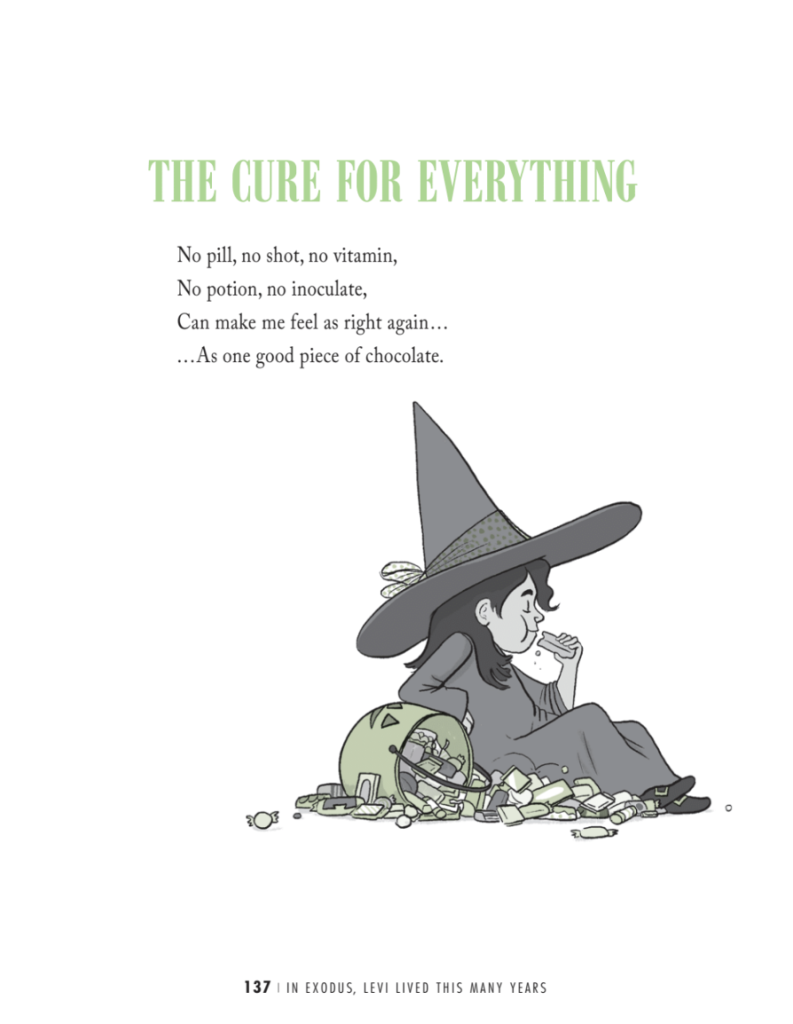
Step aside, Shel Silverstein! There’s a new funny poetry book in town and it’s going to knock you out. Get ready for elderly cavemen, nail-clipping fairies, and AWOL buffaloes in this laugh-out-loud triumph of a book. Why why why why why does no one do poetry collections as well as Chris Harris? First, getting Andrea Tsurumi to do the art was a genius move on some editor’s part. But Chris has upped his game and though I did read as much of it as I could, I honestly think that the different Index entries may take you an additional hour if you do them properly. The jokes in this land and they land hard, but to my amazement, the man is also capable of some real pathos and emotional tugs of the heart when he’s talking about parenthood. That also lands. All told, strongest funny poetry book of the year, bar none. It’s seriously not even close. 

No World Too Big: Young People Fighting Climate Change by Lindsay H Metcalf, Keila V. Dawson and Jeanette Bradley, ill. Jeanette Bradley


All around the world these kid activists are making a difference. Join twelve different poets as they each celebrate a chosen child climate warrior, celebrating their work and the world in which we live. I do believe I’ve considered other books in this series before (like No Voice too Small). Something about this particular book stood out to me, though. The array of poets the authors highlight is expertly curated, and it’s kind of fun seeing familiar activist faces that have been cropping up in other nonfiction books in the last few years. As for the poems themselves, I thought this was an excellent merging of poetry and activism. Inspiring in a whole different kind of way.

Read To Your Baby Every Night: 30 Classic Lullabies and Rhymes to Read Aloud, edited by Lucy Brownridge, embroidered by Chloe Giordano

Nursery rhymes don’t get any respect. Not really. Fairy tales hog all the glamor, leaving poor nursery rhymes passed over and ignored. Earlier this year I wanted to research a very specific nursery rhyme and I have a fairly nice children’s literature library in my home. Yet as I scanned my shelves (and later, the shelves of my public library) I was amazed to find that while you can’t look in one direction or another without finding yet another thesis on the true meaning of fairy tales, nursery rhymes are almost impossible to put into context. Why is this? I can tell you that when my kids were just itty bitties I grew increasingly reliant on any and all collections I could find. I was particularly interested to discover that no two books of nursery rhymes ever contain the same rhymes, and that I almost always will find one I don’t know. Now this book only contains 30 or so rhymes and lullabies but I did find at least one that was a complete newbie (anyone know “Oranges and Lemons”?). What’s so nice about this book is that it’s illustrated entirely with embroidery. Hard core embroidery. I’m talking, Chloe Giordano can embroider a friggin’ horse if she wants to. I can’t even draw one of those! The combo works perfectly since her thread has as much personality in it as any cartoon. Sometimes the characters will appear more than once in the book, but I think we can allow that considering how many sheer hours it must have taken to do all of this. Not a great title (“Read To Your Baby Every Night” sounds like a parenting manual) but a fantastic book. 

Robot, Unicorn, Queen: Poems for You and Me by Shannon Bramer, ill. Irene Luxbacher

A funny, touching, exciting array of poems fill this collection. From “I did what the toad toad me to do” to “Please Don’t Scream at the Piano” this book is filled with some of the best poetry for kids you’ve ever read. So pretty early in, while I was reading this book, I started flipping all around to figure out who the heck “Shannon Bramer” was, because these poems are WAY too good. This cover didn’t give me any warning that the poetry inside was going to be as incredible as it is. It was when I saw that her previous book was Climbing Shadows: Poems for Children that it all fell into place. Of COURSE I know who she is now! Do you remember that book? It’s the poetry collection that brought us illustrator Cindy Derby. As I recall, Ms. Bramer is a lunch lady and she gets a lot of her ideas from kids. And, indeed, at the back of this book you’ll hear how she came up with some of the poetry inside. It just reads incredibly well. I think my favorite poem has got to be “The Problem with This Sandwich” because everyone has been that kid at some point. Fantastic.

Trees: Haiku from Roots to Leaves by Sally M. Walker, ill. Angela McKay

Nature red in tooth and claw is celebrated fully in a series of beautiful haikus. Accompanied by gouache and watercolor art, it makes for a marvelous celebration of science and poetry. The first time I read this book I was not here for it. Something about the use of haiku rubbed me wrong. Then I picked it up a second time and read it through more carefully. By doing that, I was able to see how the haiku really is tapping into that traditional love and appreciation of nature that you want to find in that particular form of poetry. More to the point, these are really good poems! Example: “covered with gray fur / pussywillow catkins cling: / kittens on slim twigs.” The art is lovely and I was very impressed with the backmatter (yay, further reading!). Gotta say, I’m a fan.

Welcome to Wonder House by Rebecca Kai Dotlich and Georgia Heard, ill. Deborah Freedman

What if wonder were a house? What would you find inside? Twenty-nine poems dive into all the things you might find, from wishes and nature to time and imagination. While the concept initially struck me as a little twee, there are certainly more than a few nice poems in here. Of course one true lure is Deborah Freedman’s art. Take the cover off and look at the book under the jacket if you get a chance. She has to attempt the near impossible task of illustrating poetry, which is a difficult prospect right from the start. I hate overusing certain words but “luminous” is an unavoidable one when discussing this book. Beautiful in text and in image.


Hope you enjoyed these! Here are the lists you can expect for the rest of this month:

December 1 – Great Board Books

December 2 – Picture Book Readaloud

December 3 – Simple Picture Book Texts

December 4 – Transcendent Holiday Picture Books

December 5 – Rhyming Picture Books

December 6 – Funny Picture Books

December 7 – CaldeNotts

December 8 – Picture Book Reprints

December 9 – Math Books for Kids

December 10 – Gross Books

December 11 – Books with a Message

December 12 – Fabulous Photography

December 13 – Translated Picture Books

December 14 – Fairy Tales / Folktales / Religious Tales

December 15 – Wordless Picture Books

December 16 – Poetry Books

December 17 – Unconventional Children’s Books

December 18 – Easy Books & Early Chapter Books

December 19 – Older Funny Books

December 20 – Science Fiction Books

December 21 – Fantasy Books

December 22 – Comics & Graphic Novels

December 23 – Informational Fiction

December 24 – American History

December 25 – Science & Nature Books

December 26 – Unique Biographies

December 27 – Nonfiction Picture Books

December 28 – Nonfiction Books for Older Readers

December 29 – Audiobooks for Kids

December 30 – Middle Grade Novels

December 31 – Picture Books
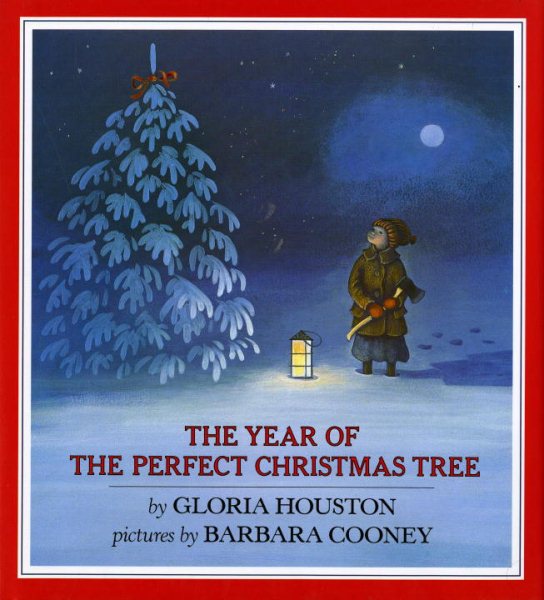
Filed Under: 31 Days 31 Lists, Best Books, Best Books of 2023 Tagged With: 2010 poetry, 2023 poetry, 31 days 31 lists, collected poetry, funny poetry

31 Days, 31 Books: 2023 Wordless Picture Books

December 15, 2023 by Betsy Bird

Every wordless picture book you see is taking a risk. When you notice that one has been published, that means that its creator(s) argued successfully that they were capable of telling a comprehensible story without the aid of a single word. Getting a picture book published in the first place is a massive undertaking, and to add onto that the risk inherent in going totally wordless? Today I am saluting these little hero books. They not only took on the challenge of eschewing written communication, but they did so successfully and with aplomb. We should all be so talented.

You can find a full PDF of today’s list here.

Love wordless titles? Then check out some lists from previous years:

  • 2022
  • 2021
  • 2020
  • 2019
  • 2018
  • 2017

2023 Wordless Picture Books

Afterward, Everything Was Different by Rafael Yocktend, ill. Jairo Buitrago, translated by Elisa Amado

A group of early humans struggles to survive during the Pleistocene era. Meanwhile, a single girl watches and records everything that happens to them for posterity. An epic wordless tale about our earliest ancestors. I hereby declare 2023 The Year of the Wordless Picture Book. Between this and Aaron Becker’s The Tree and the River, we’re seeing massive time periods covered without a word on the page. Amazingly, this book highlights that impossible moment where humanity went from just trying to exist to trying to tell our stories to one another. It’s black and white, but you quickly forget about all that as you follow this group of humans (and their a human-adjacent friend, which I kind of love) tromping about during the Pleistocene era. I love the cinematic opening and it’s interesting watching their numbers deplete over time. I could read this again and again and notice something new with each read. Wholly, utterly engaging and original. Previously Seen On: The Translation List

The Book From Far Away by Bruce Handy, ill. Julie Benbassat

Oo! A twofer! Not only will you find that this is a book without words, but it has a nice little science fiction component as well. I’m a huge fan of science fiction picture books (at most you might find three in a given publishing year) and glom onto them the moment I see them. This book? Infinitely glommable. It’s always a nice plus when the book is beautiful and good in addition to being an interesting idea. The concept behind this story is that an alien family has landed on our planet to have a picnic. A human boy spies them and finds that after they’ve left they’ve forgotten a strangely elaborate circular disc. Brass and blue and filled with symbols and heavenly bodies, some experimentation reveals that it appears to turn some kind of translucent pages. The boy is enamored but all too soon the alien boy reappears and the two manage, in spite of the language gap, to communicate. The human boy shares one of his own picture books with the alien child (100 points if you can identify that book) and then he’s gone. But what’s this? Peek in the boy’s backpack and you can see the original alien book is still in there. These two will grow up to be linguists, no doubt (the whole thing felt very Arrival to me). There were so many small things about this book that I liked, in addition to the smooth illustrations. I really was quite partial to how mournful the alien mama looked at all times. Not sad, exactly, but pensive. I loved the twist and the amount of work that went into the alien’s “book” (it reminded me of the Golden Compass from the Philip Pullman book of the same name). All told, one of the most inventive little books of the year. 

Bunny & Tree by Balint Zsako

So wordless that its title doesn’t even appear on its cover! When a little white bunny befriends a stately tree, the two set off on a wild adventure to find other bunnies in the world in this dreamy wordless work of storytelling. I can already tell that we’re going to have to have a whole discussion about whether or not this constitutes a “picture book” or not when, technically, it’s clocking in at a mighty 184 pages. I just consider this a particularly long picture book, though. Granted, there’s a certain level of sophistication at work here that requires not simply a basic working knowledge of sequential art, but also the understanding to make the leap between what seems possible and what seems utterly impossible. The watercolors are completely lovely and dreamy and I suspect you could have some interesting conversations with a kid about what precisely is happening in one scene or another (are those the same bunnies at the end as those at the beginning of the story?). Very cool. 

The Greedy Worm by Jeff Newman

There are certain author/illustrators of picture books out there who only produce something every so often. The trick is to keep your eyes peeled and wait patiently until you spot them in the wild. I’ve been a big time fan of Jeff Newman for years (and maintain that his book The Boys is one of the great wordless lost classics of the early 21st century). Over the years the man has proved himself a deft hand with telling stories with a minimum of words, while also providing art heavily influenced by that general Gerald McBoing Boing era of animation/fiction. In this story a green-eyed worm (in more ways than one) doffed in a blue cap observes a ginormous apple. Delight turns to disappointment when he realizes that other insects are also interested in it. Newman creates an evil grin straight out of the Chuck Jones How the Grinch Stole Christmas school as the worm determines to eat the dang thing single-handedly all by himself. A comeuppance is in the coming, you bet, but the good-hearted fellow bugs come to his aid anyway and things come to a happy end. I was particularly taken with the worm’s beard (grown to show the passage of time) near the end. Worth multiple reads, I’d say. 

The Light Inside by Dan Misdea

I worry about this book. On a practical librarian level, I mean. It’s just so small. Clocking in at a petite 5.75 inches up and across, I know that a lot of libraries will catalog is as part of their Holiday collections. This makes sense since it’s full of Halloween-appropriate characters. What chaps my hide is that after it had its initial day in the sun they’ll take it to the part of the library where all the holiday books go and it will disappear. I mean, it’s not that much bigger than a Beatrix Potter book and I think we all know how those tiny titles have a tendency to snuggle deep into the stacks, never to be found again. Still, for those children who do find it, the story is just so lovely. Wordlessly, it tells the tale of a pumpkin headed child (I love how just the tip of mom’s green stem sticks out of her hair) who is initially afraid of the creatures that dwell in the dark but, finds it must confront them when its prized mouse stuffie is stolen by a black cat. Looking at Misdea’s art, I was reminded of the work of Liniers. I thought maybe Misdea might have an underground comix background, but turns out he’s a New Yorker cartoonist that we’ve undoubtedly seen before. He is also the nephew of none other than fellow children’s book creator, and syndicated cartoonist, Patrick McDonnell. Misdea has his own small, spare style distinctly his own, but very much in keeping with his uncle’s tone. I see big things for his little books in the future. Previously Seen On: The Holiday list

Olive by Jed Alexander

Forget Jack and the beanstalk. Meet Olive and the beanstalk! A wordless adventure takes Olive to the skies where she discovers that size is relative when you have a friend. Jack and the Beanstalk gets a kick in the pants with this clever retelling of the old fairy tale. The Jack story has been done to death in picture books, actually, but there is something especially fresh and interesting about what Jed Alexander is doing here. I absolutely love how the book is able to wordlessly parallel how Olive feels with the giant, alongside how she feels when she’s a giant to another small creature. It’s about taking responsibility for those smaller than you, and remembering your place. Love the metaphor, love how comfortable the giant is in her own body, and love the wordless storytelling. Previously Seen On: The Fairy Tales list

Once, a Bird imagined by Rina Singh, ill. Nathalie Dion

Oh, I like that. “Imagined by Rina Singh” rather than “Written by”. After all, this is a wordless book, and it’s always hard to know precisely how to credit such books’ authors. Maybe this will become the standard for the industry. In this story a robin travels far distances to find a proper place to roost and nest. You get these marvelous, soaring views from high above in a robin’s p.o.v., sometimes higher and higher. Now the copy on the book has a description of this story that caught my eye. It says, “Once, a bird brought a community together. The streets are empty and the playground still. Puzzled but determined, the bird looks for a place to nest.” That makes this book sound like a pandemic title, and maybe that was its purpose. When I read it without having read this description first, though, I didn’t pick up on all of that. I was probably more puzzled that there is no second robin at any point. Those eggs seemingly come out of nowhere!. Ah well. As wordless tales go, this is a clever one, and great for giving you a bird’s eye view of flight. 

The Tree and the River by Aaron Becker

A single tree sits on the small peninsula as civilizations rise and fall around it. A beautiful detail-rich wordless story of human hubris and hope. Oh yes! Becker’s back! Some of you may recall his Journey series from a couple years ago. It was an epic three-part wordless fantasy series in picture book form. Then Becker made A Stone for Sascha which felt more like a prelude to this book than anything else. Now he’s returned with another epic wordless story, and this one feels like more like a Mitsumasa Anno boo, of which I thoroughly approve! There is just so much for kids to pick apart in this wordless storyline. Who won the war? How have the two cultures seen in the book integrated? How is this a book about what might happen to us in the future? In spite of the fact that the world clearly floods due to a global warming of some sort, the book ends on a pretty hopeful note. No small task for something completely wordless. One of the most accomplished picture books of the year. Also, because I am just that petty, I would like to point out that my review called out that Planet of the Apes moment at the beginning of the book long before anyone else’s. *grabs all her toys and runs away*

Yellow Butterfly by Oleksandr Shatokhin

Much like the rise of picture books about refugees that came out in the wake of Syria’s crisis, so too have Ukrainian picture books proliferated in the last year or two due to the Russian invasion. Finding a way to appeal to notoriously apathetic American consumers and their children is a challenge for any publisher, so perhaps wordless books really are the smartest method of conveying information about war. Oleksandr Shatokhin, a Ukrainian artist who is, according to this biography on the back bookflap, still living and working in Ukraine, does something infinitely clever with this title. It’s really all about the imagery. Unexploded bombs. Barbed wire. And, of course, the yellow butterfly. The book begins in black and white, which means that when the butterflies swarm upon the lines of barbed wire against the blue sky, the final effect bears resemblance to nothing so much as the Ukrainian flag (clever). Red Comet Press made sure to include information at the end on how to share a wordless book, as well as tips for guiding a conversation about the war. A clever way to bring a hard subject to the youngest of readers.


Hope you enjoyed these! Here are the lists you can expect for the rest of this month:

December 1 – Great Board Books

December 2 – Picture Book Readaloud

December 3 – Simple Picture Book Texts

December 4 – Transcendent Holiday Picture Books

December 5 – Rhyming Picture Books

December 6 – Funny Picture Books

December 7 – CaldeNotts

December 8 – Picture Book Reprints

December 9 – Math Books for Kids

December 10 – Gross Books

December 11 – Books with a Message

December 12 – Fabulous Photography

December 13 – Translated Picture Books

December 14 – Fairy Tales / Folktales / Religious Tales

December 15 – Wordless Picture Books

December 16 – Poetry Books

December 17 – Unconventional Children’s Books

December 18 – Easy Books & Early Chapter Books

December 19 – Older Funny Books

December 20 – Science Fiction Books

December 21 – Fantasy Books

December 22 – Comics & Graphic Novels

December 23 – Informational Fiction

December 24 – American History

December 25 – Science & Nature Books

December 26 – Unique Biographies

December 27 – Nonfiction Picture Books

December 28 – Nonfiction Books for Older Readers

December 29 – Audiobooks for Kids

December 30 – Middle Grade Novels

December 31 – Picture Books
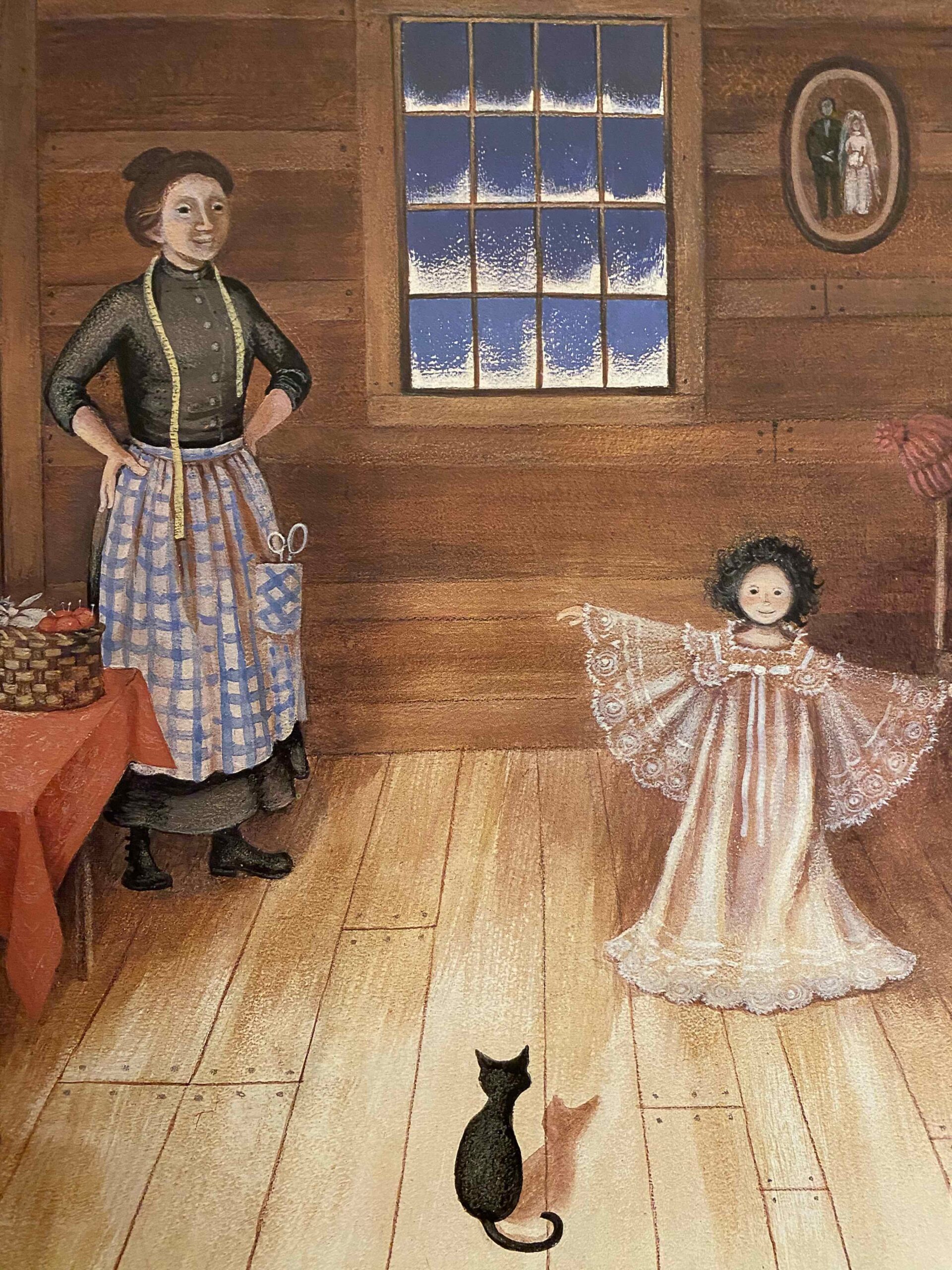
Filed Under: 31 Days 31 Lists, Best Books, Best Books of 2023 Tagged With: 2023 picture books, 31 days 31 lists, Best Books of 2023, picture books, wordless picture books
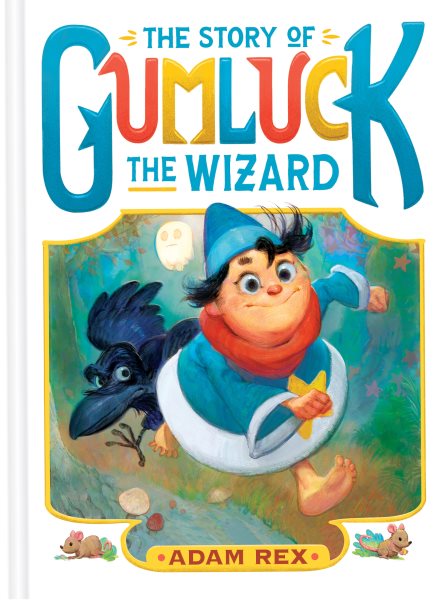
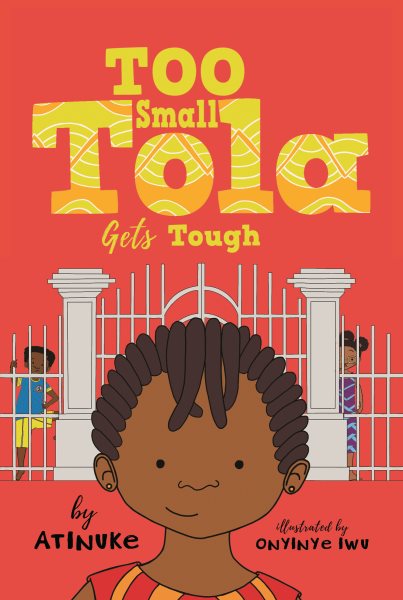
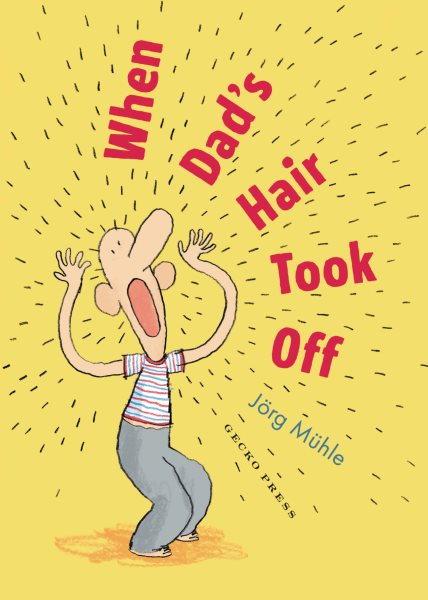
  • « Go to Previous Page
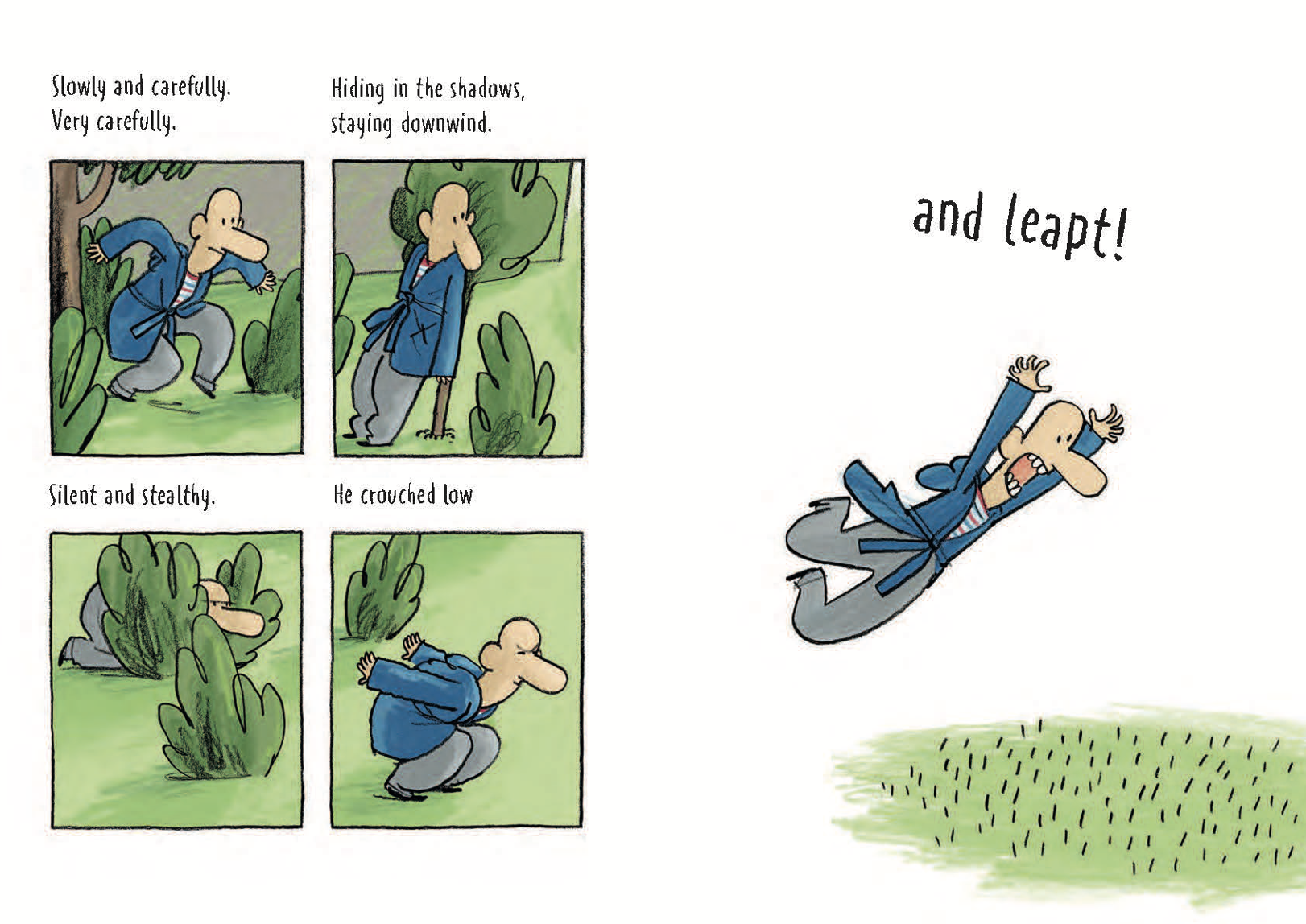
  • Page 1
  • Interim pages omitted …
  • Page 104
  • Page 105
  • Page 106
  • Page 107
  • Page 108
  • Interim pages omitted …
  • Page 1048
  • Go to Next Page »

Primary Sidebar